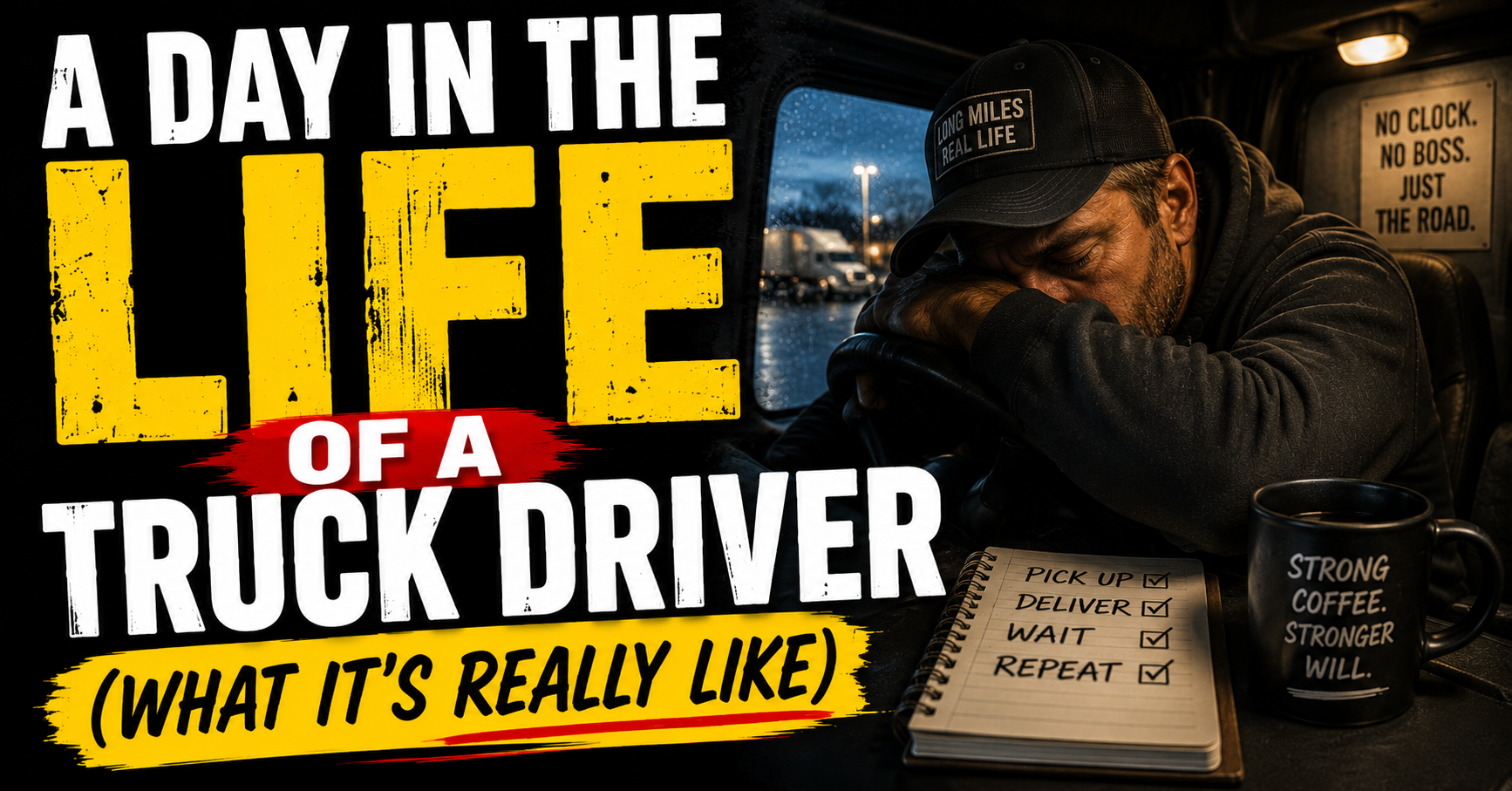
One of the questions I hear all the time is:
“What’s a normal day like as a truck driver?”
The funny thing is, there really isn’t a “normal” day.
Every load is different.
Every customer is different.
The weather changes.
Traffic changes.
Routes change.
Even the truck you’re driving can change.
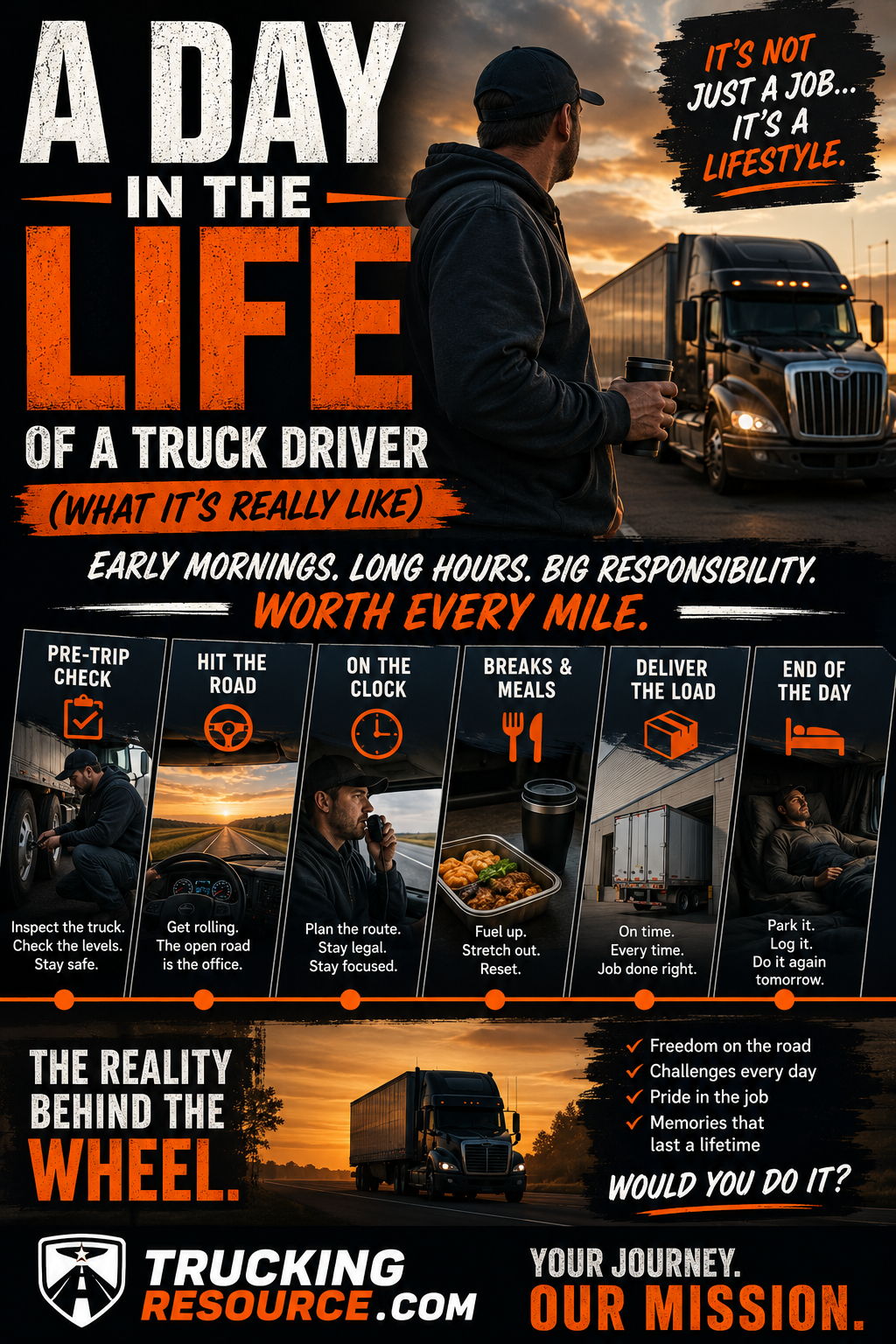
But while every day is different, there are certain routines that almost every professional driver follows.
If you’re thinking about getting your CDL, or you’re simply curious about what life on the road is actually like, here’s an honest look at what a typical day can involve.
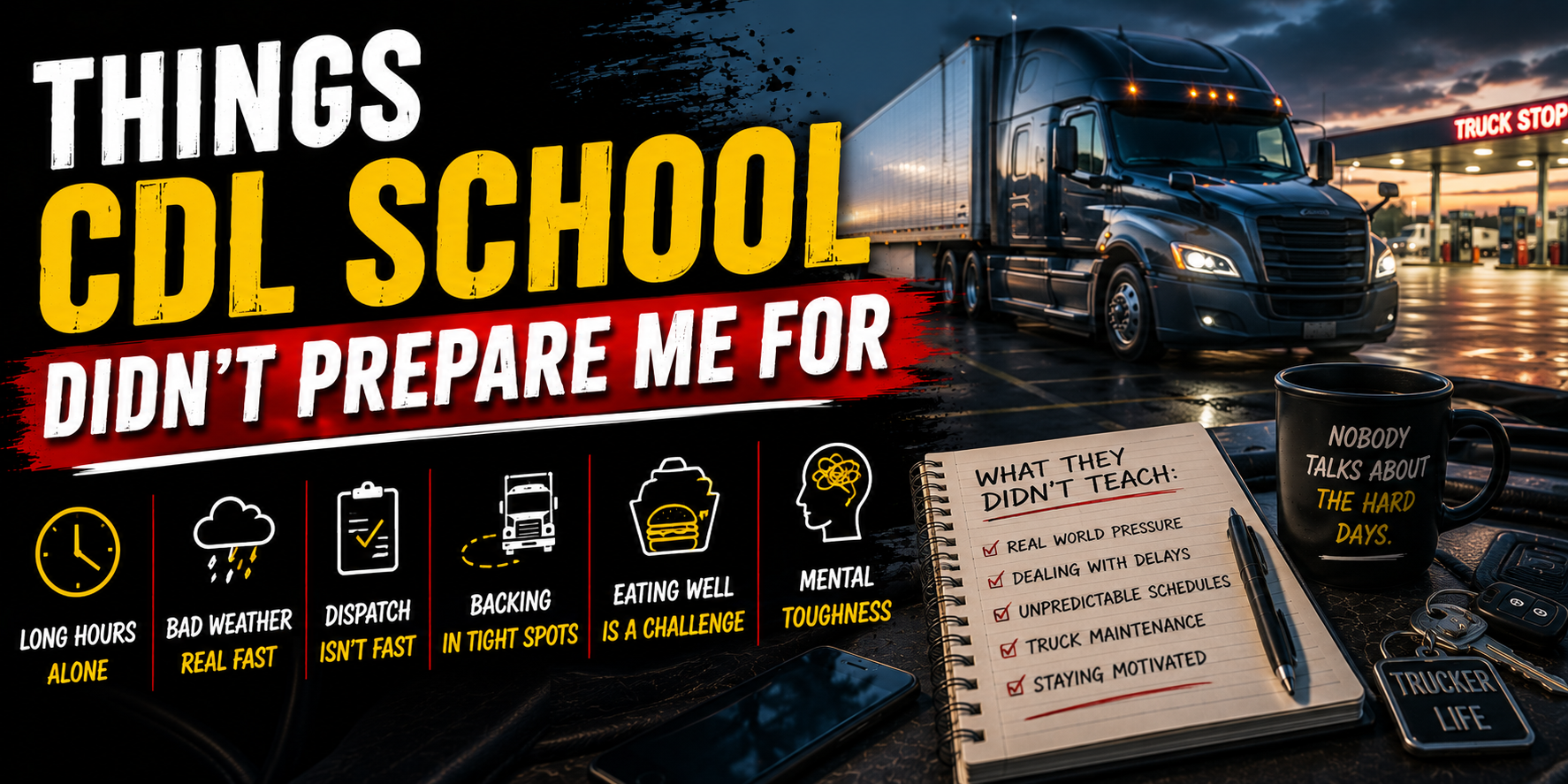
If you’re still deciding whether trucking is the right career, I’d also recommend reading What I Wish I Knew Before Becoming a Truck Driver. It covers many of the lessons I learned after getting my CDL that nobody really talks about beforehand.
My Day Usually Starts Before Sunrise
One thing that surprises many people is how early truck drivers often begin their day.
It’s not unusual for me to be awake somewhere between 4:30 and 6:00 in the morning.
Sometimes even earlier.
If I spent the night at a truck stop or rest area, the first few minutes are pretty simple.
I get dressed.
Wash up.
Grab breakfast.
Check the weather.
Look over my route.
Then it’s time to head outside.
The Pre-Trip Inspection Comes First
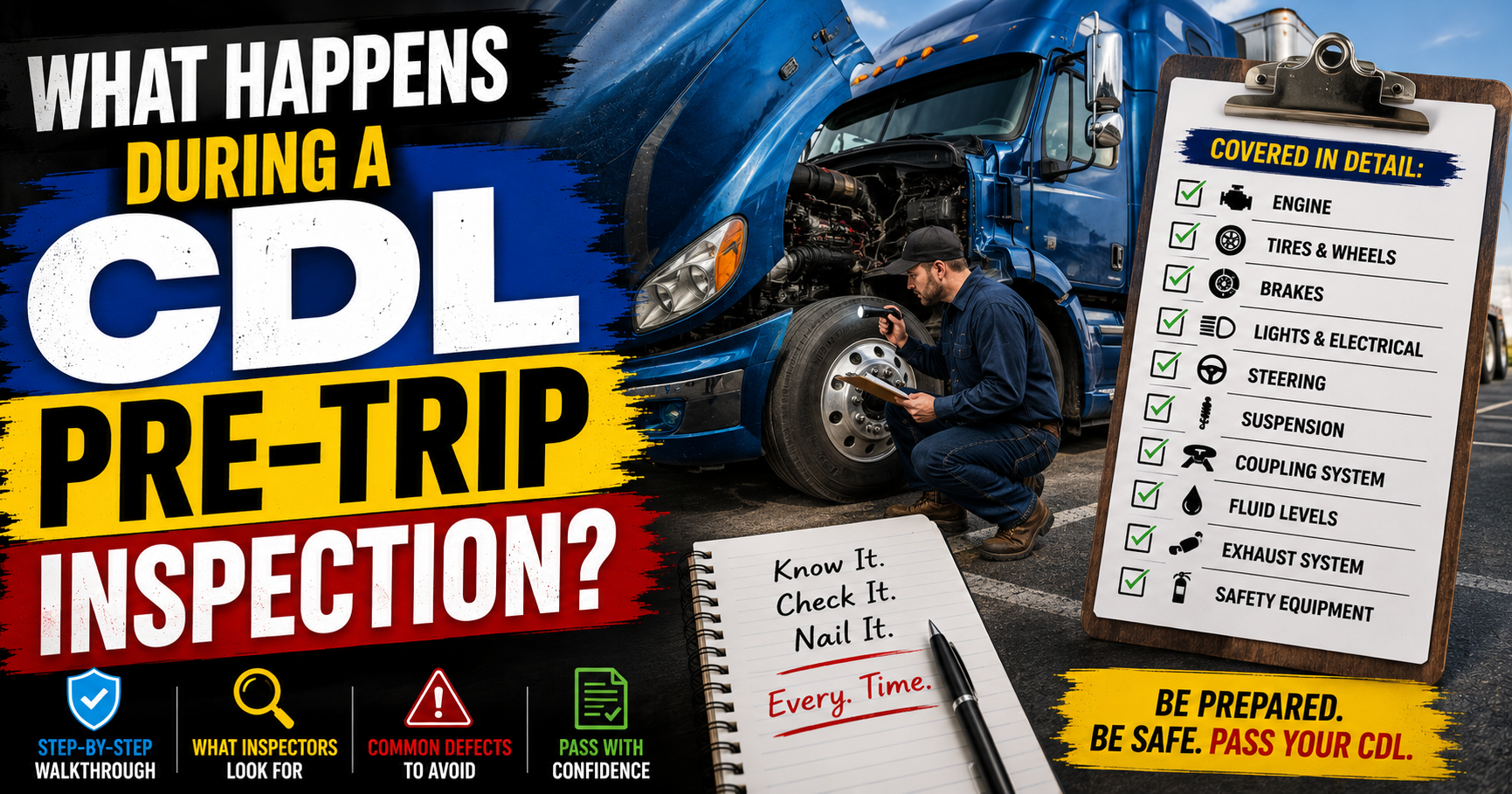
Before the truck moves even a single foot, I perform a pre-trip inspection. Having the right inspection and roadside gear ready can make that routine easier, as outlined in 21 Things Every Truck Driver Should Keep in Their Truck.
This isn’t just something required for the CDL test.
It’s something professional drivers do every day.
During my walk-around I’m checking:
- Tires
- Wheels
- Lights
- Air lines
- Brake components
- Fifth wheel
- Trailer connection
- Fluids
- Mirrors
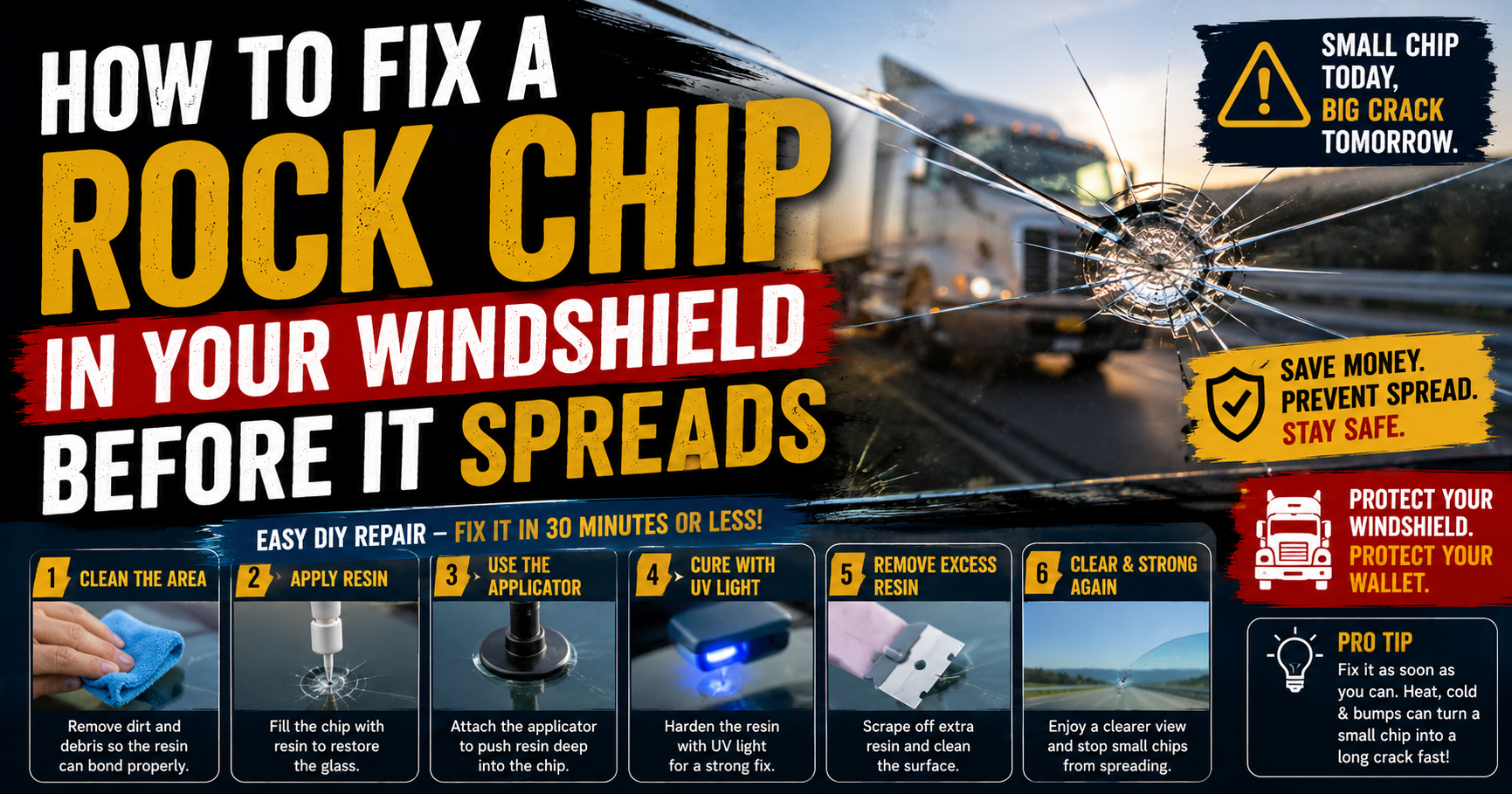
- Windshield
- Suspension
The goal is finding small problems before they become expensive or dangerous ones.
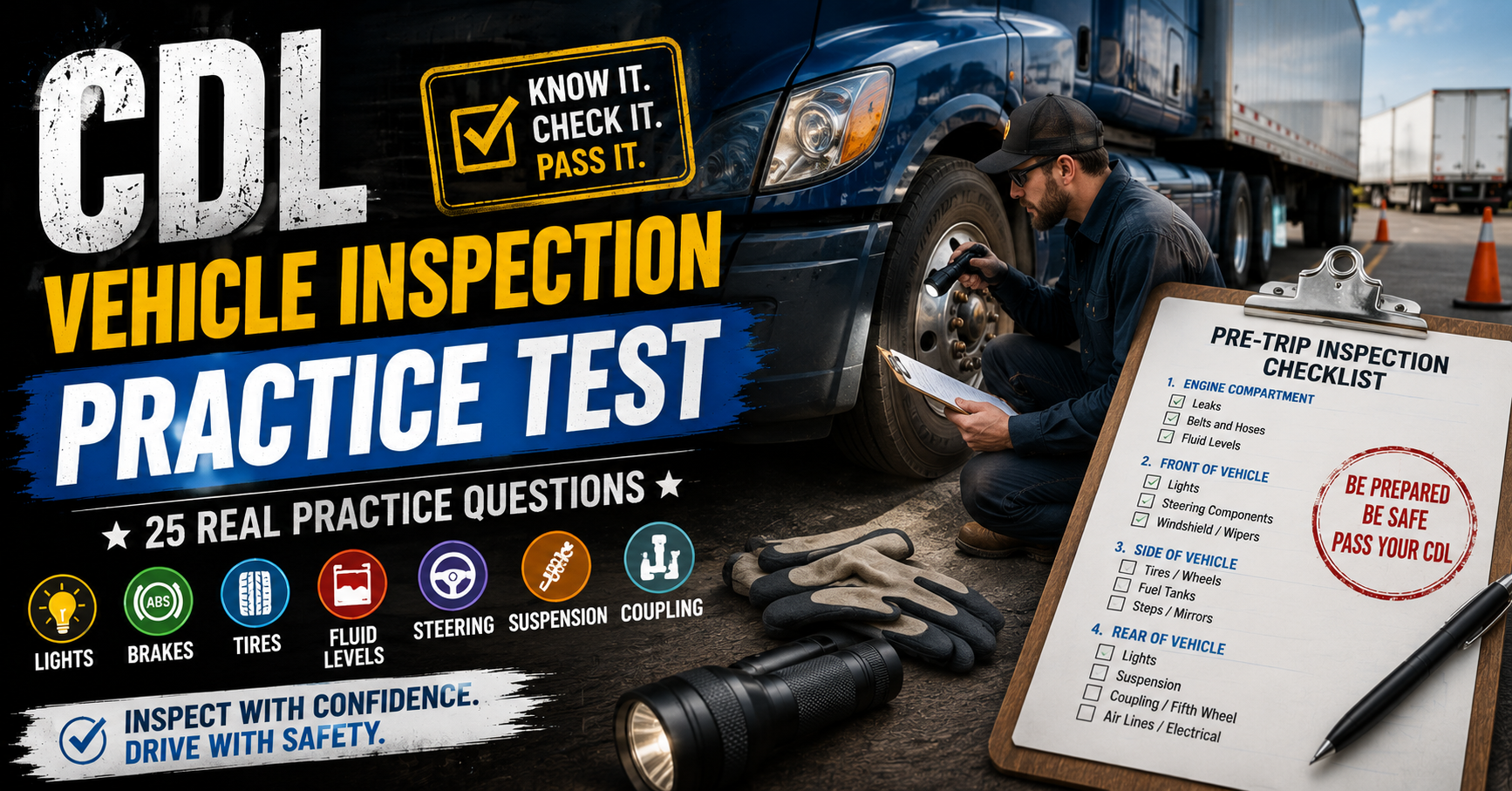
Our CDL Vehicle Inspection Practice Test explains many of these inspection items if you’re still studying for your permit.
Coffee Is Optional…The Inspection Isn’t
People joke that truck drivers run on coffee.
Some certainly do.
Personally, I’d rather skip coffee than skip my inspection.
No amount of caffeine can compensate for discovering a flat tire halfway through the day because I rushed through my walk-around.
Good inspections become a habit.
Eventually, you almost don’t have to think about the process anymore.
Planning the Day
Once everything looks good, I spend a few minutes thinking about the day ahead.
Questions running through my mind include:
- What’s traffic likely to be like?
- Will weather become an issue?
- Where should I stop for fuel?
- Where will I take my breaks?
- Where am I planning to park tonight?
Planning ahead reduces surprises later.
That’s one habit every experienced truck driver develops.

Finally Rolling Down the Road
Once I’m comfortable that everything is ready, it’s time to get moving.
The first few miles are usually quiet.
I’m paying attention to how the truck feels.
Listening for unusual noises.
Watching the gauges.
Making sure nothing feels different than it should.
If something doesn’t seem right, I’d rather stop after two miles than discover a serious problem two hundred miles later.
Driving Is Only Part of the Job
This surprises almost everyone outside the trucking industry.
Driving is obviously important.
But it isn’t the entire job.
Throughout the day I’m also:
- Planning fuel stops.
- Watching weather.
- Monitoring traffic.
- Checking mirrors constantly.
- Communicating with dispatch when needed.
- Keeping track of hours.
- Looking ahead for potential hazards.
Professional truck drivers spend far more time thinking than most people realize.
The steering wheel is only one small part of the job.
Fuel Stops Become Part of Your Routine
Fueling a commercial truck is very different than filling up your personal vehicle.
You’re not just pulling up to the nearest gas station.
You’re thinking about:
- Fuel prices.
- Fuel network discounts.
- Parking availability.
- DEF levels if required.
- Windshield cleaning.
- Tire inspections.
- Taking a quick break.
I try to make every fuel stop productive.
While the tanks are filling, I’ll usually walk around the truck again to check the tires, lights, airlines, and trailer.
It’s a simple habit that helps catch problems before they become expensive repairs.
Traffic Can Change Everything
You can start the day with the perfect plan.
Then someone overturns a trailer on the interstate.
Construction closes a lane.
A major accident backs traffic up for miles.
Part of being a professional driver is learning to adapt without getting frustrated.
You can’t control traffic.
You can only control how you respond to it.
Sometimes slowing down and accepting the delay is the smartest decision you can make.

Deliveries Don’t Always Go as Planned
People often imagine truck drivers simply pulling into a dock, unloading, and heading to the next stop.
Sometimes that’s exactly what happens.
Other times you might wait:
- Thirty minutes.
- Two hours.
- Half the day.
Waiting is simply part of trucking.
I’ve learned to use that time wisely.
Maybe I’ll organize paperwork.
Eat lunch.
Stretch my legs.
Or plan the rest of my route.
Getting frustrated won’t make the dock workers move any faster.
Backing Into Tight Spaces
Backing is something you’ll do almost every day.
Even after years of driving, I still take my time.
No customer has ever complained because I spent an extra minute making sure I backed safely.
I use my mirrors constantly.
I make small steering corrections.
And if something doesn’t feel right…
I stop.
One lesson every professional driver eventually learns is that getting out to look isn’t a sign of inexperience.
It’s a sign of good judgment.
Lunch Usually Looks Different Than Most Jobs
One of the biggest differences between trucking and many other careers is where you eat.
Some days lunch is at a truck stop.
Other days it’s something I packed before leaving home.
Bringing food with me has saved a surprising amount of money over the years.
A cooler and a heated lunch box let me enjoy a hot meal almost anywhere instead of relying entirely on fast food.
If you’re putting together your own truck, my 25 Truck Driver Essentials I Never Hit the Road Without includes several items that have made life on the road much more comfortable.
The Weather Is Always Part of the Job
Truck drivers spend a lot of time watching the forecast.
A sunny morning can easily turn into heavy rain, strong winds, or snow later in the day.
Weather affects:
- Speed.
- Following distance.
- Fuel economy.
- Travel time.
- Route planning.
Instead of trying to fight poor conditions, experienced drivers adjust early.
Sometimes slowing down by ten miles per hour is all it takes to make the trip much safer.
Other times the smartest choice is pulling over until conditions improve.
There’s More Paperwork Than Most People Expect
Even though much of trucking has become digital, paperwork is still part of the job.
Depending on what you’re hauling, you may deal with:
- Bills of lading.
- Shipping paperwork.
- Inspection reports.
- Fuel receipts.
- Scale tickets.
- Delivery confirmations.
Staying organized saves a lot of time and frustration.
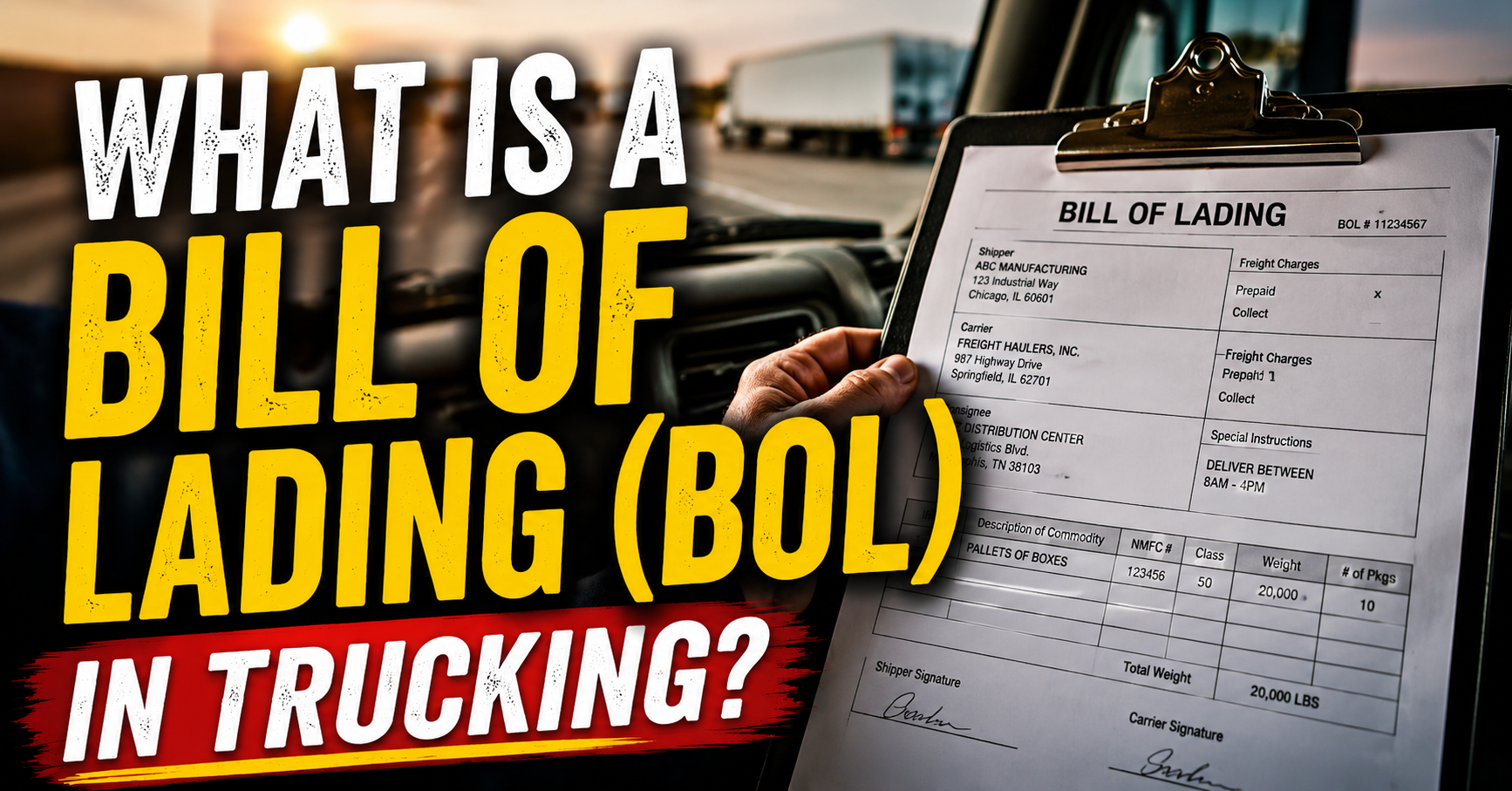
If you’re not familiar with shipping documents, our guide What Is a Bill of Lading (BOL) in Trucking? explains one of the most important documents you’ll encounter.
Every Day Involves Solving Problems
One thing I enjoy about trucking is that every day requires a little problem-solving.
Maybe your planned fuel stop is unexpectedly closed.
Maybe traffic forces you onto a different route.
Maybe weather changes your schedule.
Instead of panicking, you simply make a new plan and keep moving.
Over time, solving those little challenges becomes one of the most rewarding parts of the job.
Finding Parking Can Become the Biggest Challenge
As the afternoon goes on, one question starts becoming more important.
Where am I parking tonight?
Waiting until the last hour of your available driving time usually isn’t a good strategy.
Popular truck stops fill up surprisingly early.
I’ve found that planning my parking location well in advance removes a lot of unnecessary stress from the day.
Sometimes stopping a little earlier is much better than driving another hour hoping an empty parking space magically appears.
The End of the Day Doesn’t Mean the Work Is Finished
Once I’ve parked for the evening, there are still a few things I like to do before relaxing.
I’ll usually:
- Walk around the truck one more time.
- Look for anything unusual.
- Clean up the cab.
- Throw away trash.
- Organize paperwork for tomorrow.
- Check the weather forecast.
- Plan my morning departure.
Taking fifteen minutes now makes tomorrow morning much easier.
Learning Good Truck Stop Habits Early
Truck stops become a second home for many drivers, especially if you’re running over-the-road routes. Knowing where to park is only part of the experience. Learning how to fuel efficiently, respect other drivers, and follow the unwritten rules of truck stops makes your day smoother and earns respect from other drivers.
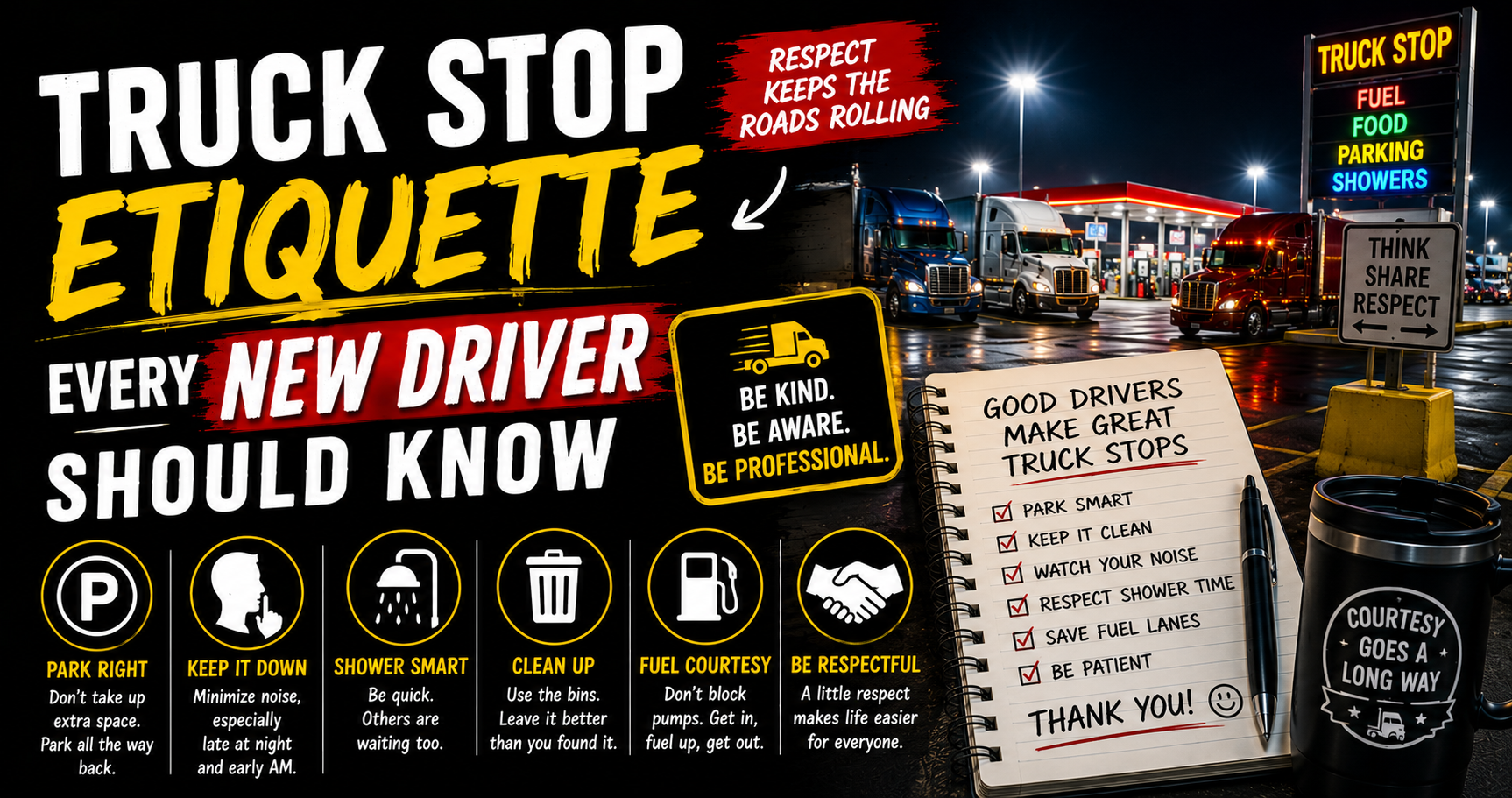
If you’re new to trucking, Truck Stop Etiquette Every New Driver Should Know explains the simple habits that experienced drivers appreciate and that every rookie should learn early.
Life Inside the Sleeper Cab
People who have never driven a truck often imagine the sleeper cab as a tiny bedroom.
In reality, it becomes your home for days or even weeks at a time.
You quickly develop routines.
You figure out where everything belongs.
You learn that staying organized makes the space feel much bigger than it actually is.
Little things like keeping the bed made, putting equipment away, and cleaning up every evening go a long way toward making life on the road more comfortable.
What People Usually Get Wrong About Trucking
When people ask what it’s feels like to be a truck driver, they often picture nothing but endless hours staring through a windshield.
Driving is certainly a big part of the job.
But it’s only one part.
The career is really about:
- Planning ahead.
- Solving problems.
- Staying patient.
- Managing your time.
- Working safely.
- Making good decisions.
The truck is simply the tool that allows you to do all of those things.
Why I Still Enjoy Trucking
After all these years, there are still mornings when I climb into the driver’s seat, pull onto the highway, and remember exactly why I chose this career.
I enjoy the independence.
I like that every day is a little different.
I appreciate the responsibility that comes with operating a commercial vehicle safely.
Most of all, I enjoy knowing that what I do matters.
Nearly everything we use at some point traveled on a truck.
Being part of that system gives you a real sense of purpose.
No two days are exactly alike, and I think that’s one of the biggest reasons so many drivers stay in this profession for decades.
Frequently Asked Questions About Being a Truck Driver
How many hours does a truck driver actually drive each day?
That depends on the type of driving you’re doing and your available Hours of Service.
Some days you may spend most of your shift behind the wheel.
Other days you might spend several hours waiting to load, unload, fuel, or deal with unexpected delays.
One thing I learned quickly is that being “on duty” doesn’t always mean you’re driving.
There’s a lot more to the job than simply steering the truck down the highway.
Do truck drivers get to see the country?
Yes, but probably not in the way most people imagine.
I’ve watched the sun rise over the mountains, driven through incredible fall colors, and crossed places I probably never would have visited otherwise.
At the same time, trucking isn’t a vacation.
You’re working.
Sometimes you’re driving through beautiful scenery while focusing entirely on traffic, weather, and finding your next exit.
You definitely see America, but you’re usually seeing it through the windshield while staying focused on the job.
Is trucking lonely?
It can be.
Especially during your first few months.
If you’re driving over-the-road (OTR), you’ll spend a lot of time by yourself.
Some people enjoy the independence.
Others miss being around family every evening.
The good news is there are plenty of ways to stay connected through phone calls, video chats, and messaging throughout the week.
Every driver adjusts differently.
Do truck drivers have free time?
Absolutely.
It just looks different than a typical nine-to-five job.
Depending on your schedule, you might spend your evenings:
- Watching a movie.
- Reading.
- Calling family.
- Exercising.
- Planning tomorrow’s trip.
- Relaxing in the sleeper.
Some days are busier than others, but you aren’t driving every minute you’re on the road.
Learning how to use your downtime wisely makes trucking much more enjoyable.
Is every day stressful?
Not at all.
Some days are incredibly smooth.
You leave on time.
Traffic cooperates.
The weather is beautiful.
The receiver unloads you quickly.
Other days seem determined to test your patience.
That’s true in almost every career.
The biggest difference is learning not to let the difficult days affect the next one.
Professional drivers understand that tomorrow is a fresh start.
What Makes a Great Truck Driver?
People often assume great truck drivers are simply the ones with the most experience.
Experience certainly helps.
But I’ve met brand-new drivers with excellent habits and veteran drivers who still cut corners.
The best drivers I’ve known usually share the same qualities.
They’re patient.
They stay humble.
They keep learning.
They plan ahead.
They respect their equipment.
Most importantly, they never become overconfident.
The moment you believe you’ve seen everything is usually when something unexpected happens.
Advice I’d Give Every Future Truck Driver
If you’re thinking about getting your CDL, here’s the advice I’d give you before your first day.
Take your training seriously.
Don’t rush through your inspections.
Ask questions whenever something doesn’t make sense.
Don’t compare yourself to the student parked beside you.
Everyone learns at a different pace.
Focus on becoming a safe driver instead of simply passing a test.
The skills you’re building now will follow you throughout your entire career.
Where to Go From Here
If you’re still in the planning stages of becoming a truck driver, these guides are the ones I’d read next.
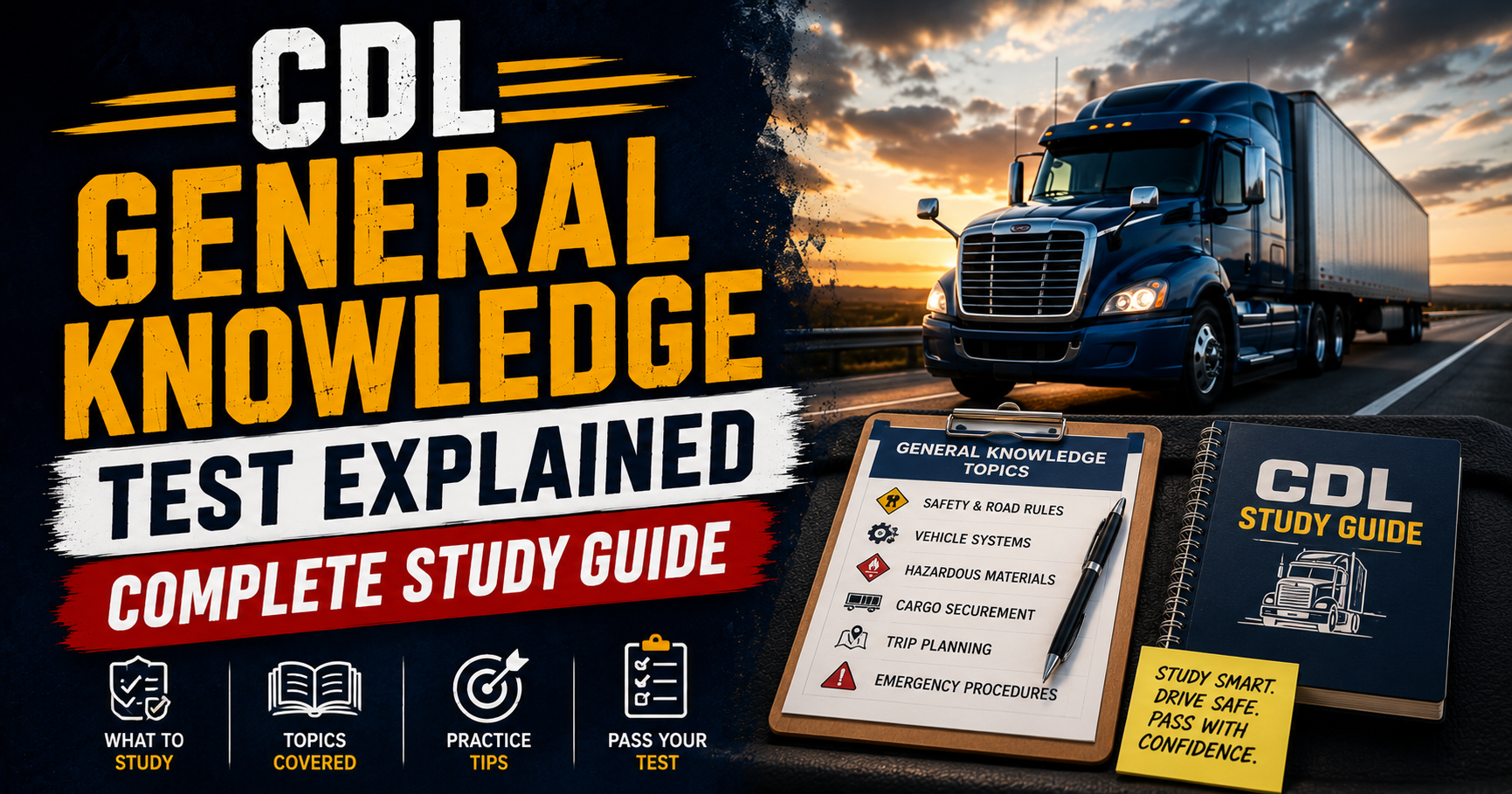
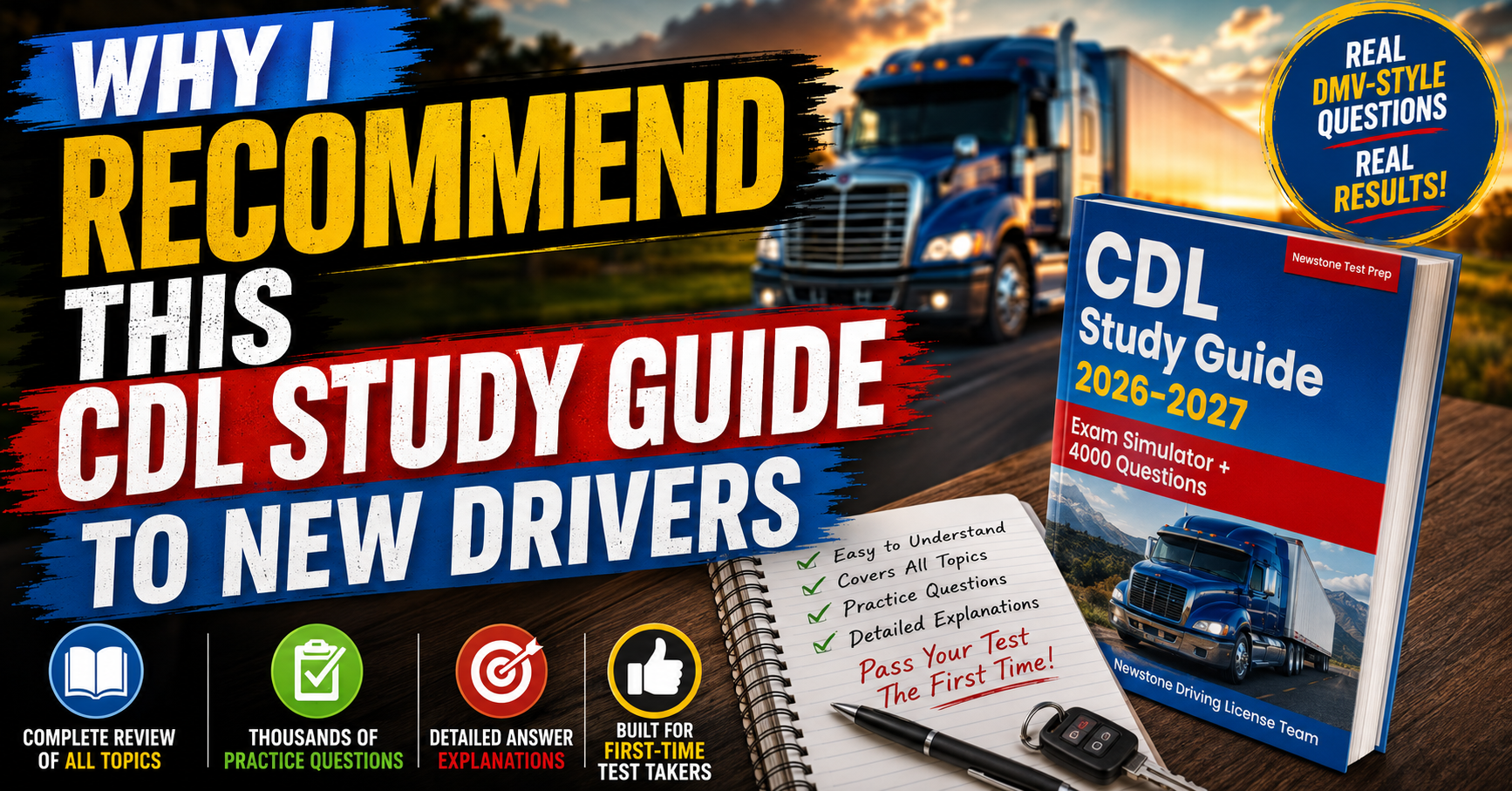
If you’re preparing for your written permit exam, start with our CDL General Knowledge Test Explained: Complete Study Guide. It walks through the most important concepts you’ll need to understand before taking the test.
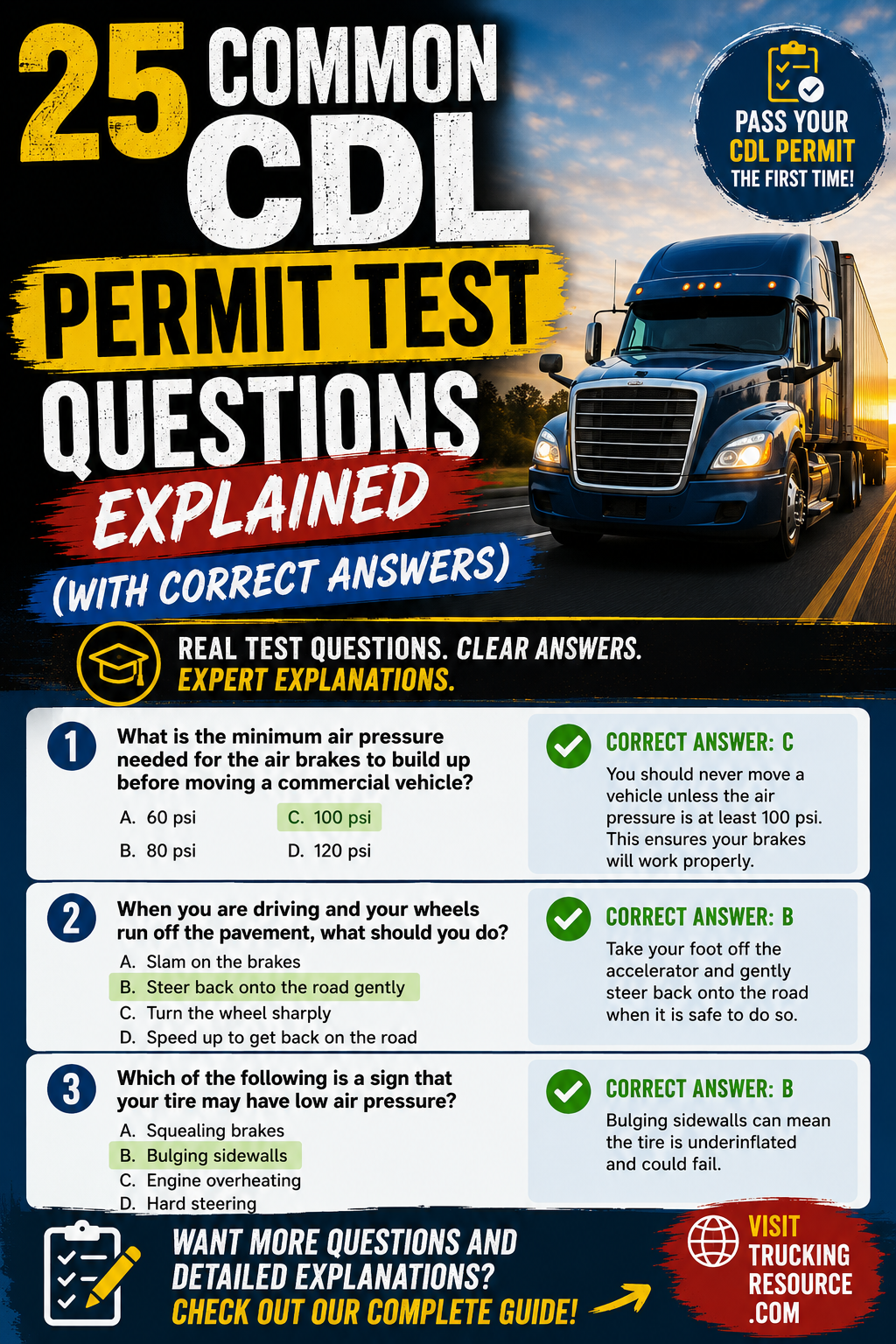
Once you’ve finished that, work through our 25 Common CDL Permit Test Questions Explained (With Correct Answers) to learn not just the correct answers, but why they’re correct.
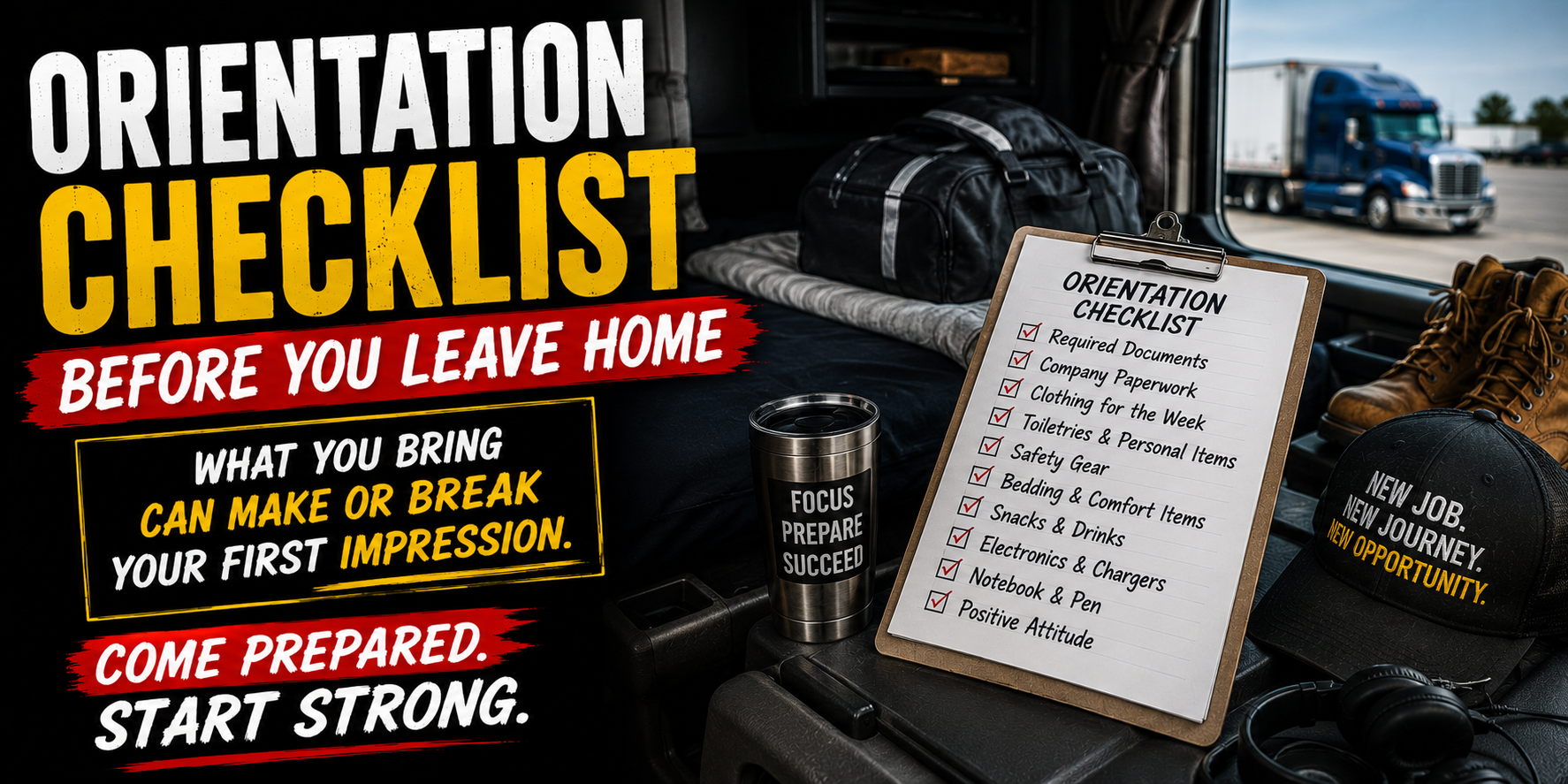
If CDL school is right around the corner, don’t miss What Do I Bring to CDL School? The Complete Packing List. It covers the gear, clothing, paperwork, and supplies I recommend bringing with you.
And once you’re ready to outfit your truck, check out 25 Truck Driver Essentials I Never Hit the Road Without. It’s a collection of the tools and equipment that have made my job safer, easier, and a lot more comfortable over the years.
Whether you’re just thinking about earning your CDL or you’re already counting down the days until graduation, remember that every experienced truck driver started exactly where you are now. Nobody begins this career knowing everything. The drivers who succeed are the ones who stay curious, keep improving, and never stop putting safety first.
Author: Ethan Walker
Ethan Walker spent more than 24 years driving commercial trucks throughout the United States, hauling refrigerated freight, dry vans, flatbeds, and agricultural products. Over the course of his career, he helped mentor new CDL drivers and believes the best truckers are lifelong learners who combine safe driving habits with careful planning and a willingness to keep improving every day.