When I first started driving a truck, I thought my biggest responsibility was getting the load safely from Point A to Point B.
It didn’t take long to realize paperwork is just as important as driving.
One of the first documents I learned about was the Bill of Lading, usually called the BOL. New drivers can also prepare ahead of time with an orientation paperwork checklist covering the documents they may need before reporting for training.
No matter what you’re hauling, chances are someone is going to hand you one before you leave the shipper.
If you lose it, damage it, or don’t understand what’s on it, your day can get complicated in a hurry.
The good news is that once you understand what a BOL does, it’s actually one of the easiest trucking documents to work with.
What Is a Bill of Lading?
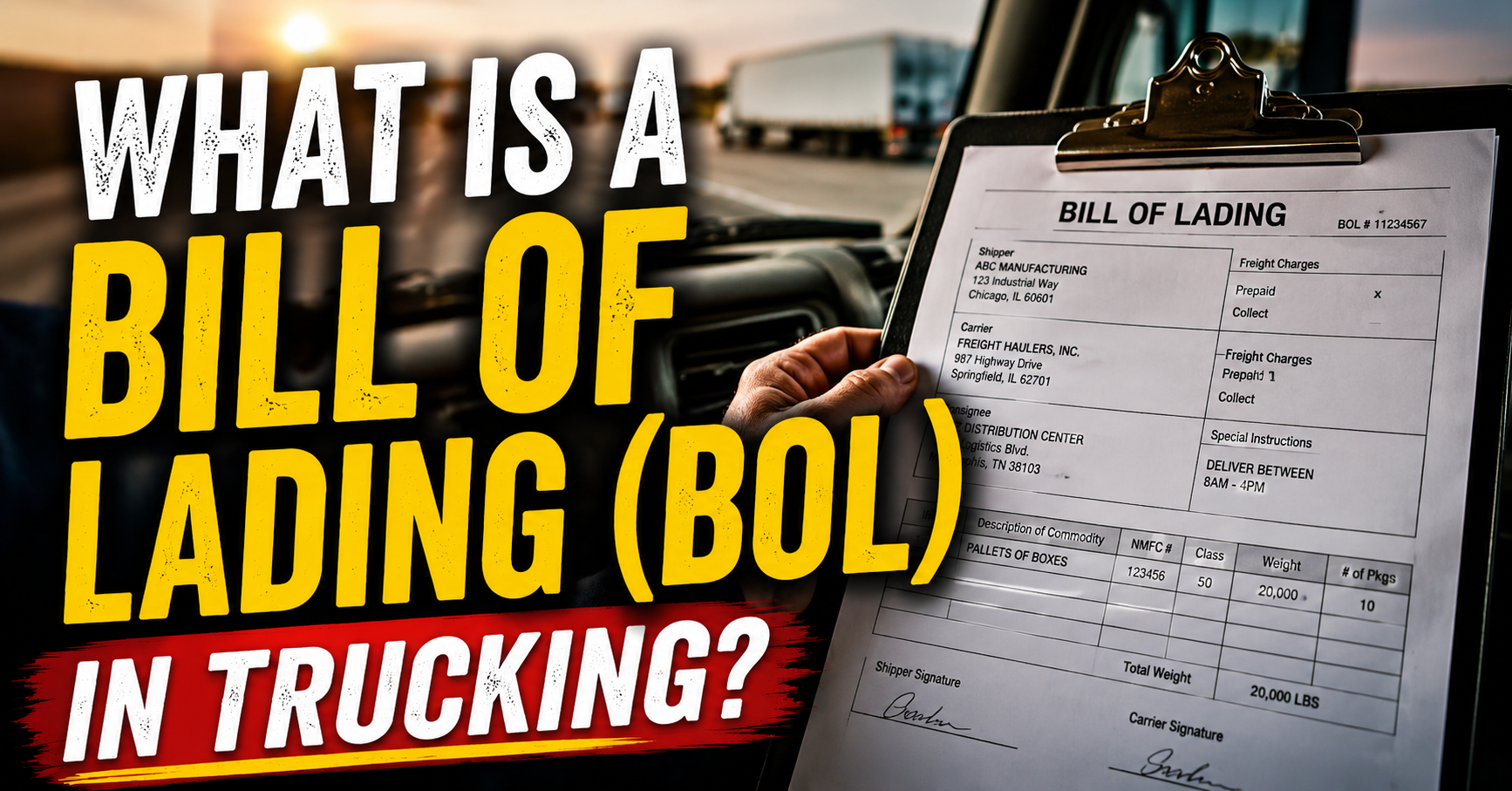
A Bill of Lading (BOL) is a legal shipping document that describes the freight being transported and serves as a receipt, a contract between the shipper and carrier, and a document of title in certain situations. It identifies what is being shipped, who is shipping it, where it’s going, and how it should be handled. (fmcsa.dot.gov)
Simply put, the BOL tells everyone involved exactly what should be on the trailer.
Why Is a Bill of Lading Important?
I’ve always looked at the BOL as the “official story” of the load.
It protects everyone involved.
The shipper knows what was sent.
The carrier knows what was accepted.
The receiver knows what should arrive.
If there’s ever a dispute about damaged freight, shortages, or missing products, the Bill of Lading is usually one of the first documents people examine.
What Information Is Found on a BOL?
Every company formats its paperwork a little differently, but most Bills of Lading include information like:
- Shipper name and address.
- Receiver (consignee) information.
- Carrier information.
- Pickup location.
- Delivery location.
- Description of the freight.
- Number of pallets or pieces.
- Weight.
- Freight class (when applicable).
- Special handling instructions.
- Dates.
- Signatures.
Before I leave a shipper, I always make sure the paperwork generally matches what’s supposed to be on my trailer.
Who Uses the Bill of Lading?
One thing many new drivers don’t realize is that the BOL isn’t just for truck drivers.
Several people rely on it during every shipment.
That includes:
- Shippers.
- Truck drivers.
- Dispatchers.
- Freight brokers.
- Warehouse employees.
- Receivers.
- Carriers.
Everyone involved in moving the load depends on accurate paperwork.
When Does the Driver Receive the BOL?
Most drivers receive the Bill of Lading after the trailer has been loaded.
The paperwork is usually handed to the driver before leaving the shipping facility.
I always take a few moments to glance over it before pulling away.
If something doesn’t look right, it’s much easier to ask questions before you’re halfway across the country.
Bill of Lading vs. Proof of Delivery
These two documents are often confused.
The Bill of Lading starts with the shipment.
The Proof of Delivery (POD) comes at the end after the receiver accepts the freight.
Think of it this way.
The BOL says what should arrive.
The POD confirms that it actually did.
We’ll cover Proof of Delivery in its own glossary article because it plays an equally important role in trucking paperwork.
Bill of Lading vs. Load Confirmation
Another common misunderstanding is thinking the Bill of Lading and a load confirmation are the same thing.
They’re not.
A load confirmation usually comes from the carrier or freight broker before pickup.
It outlines the agreed-upon freight, pay, pickup times, delivery appointments, and other dispatch information.
The Bill of Lading is the official shipping document that accompanies the freight itself.
Each serves a different purpose.
What I Check Before Leaving the Shipper
Over the years I’ve developed a simple routine.
Before pulling away, I verify:
- The pickup location matches.
- The delivery location looks correct.
- The trailer number is accurate if listed.
- The freight description makes sense.
- The pallet or piece count appears reasonable.
- Any special instructions are noted.
- I have every page of the paperwork.
Those few minutes have saved me from plenty of problems later.
Common Mistakes New Drivers Make
I’ve watched new drivers shove the paperwork into a folder without ever reading it.
That’s risky.
Sometimes the delivery address changes.
Sometimes there are multiple stops.
Sometimes special unloading instructions are listed.
Another common mistake is losing the Bill of Lading entirely.
Keeping paperwork organized becomes one of the most valuable habits you’ll develop as a professional driver.
Where You’ll Hear This Term
You’ll hear “Bill of Lading” or simply “BOL” every single day in trucking.
It’s used by:
- Dispatchers.
- Freight brokers.
- Warehouse staff.
- Shippers.
- Receivers.
- Safety departments.
- DOT officers during certain inspections.
It’s one of the most common terms in the entire trucking industry.
Frequently Asked Questions
Is a Bill of Lading legally important?
Yes.
The Bill of Lading serves as an important legal shipping document that helps establish the agreement between the shipper and carrier while documenting the freight being transported. (fmcsa.dot.gov)
Should drivers read the Bill of Lading?
Absolutely.
Drivers should always review the paperwork to make sure the pickup, delivery, and freight information appear correct before leaving the shipping location.
Will I learn about Bills of Lading in CDL school?
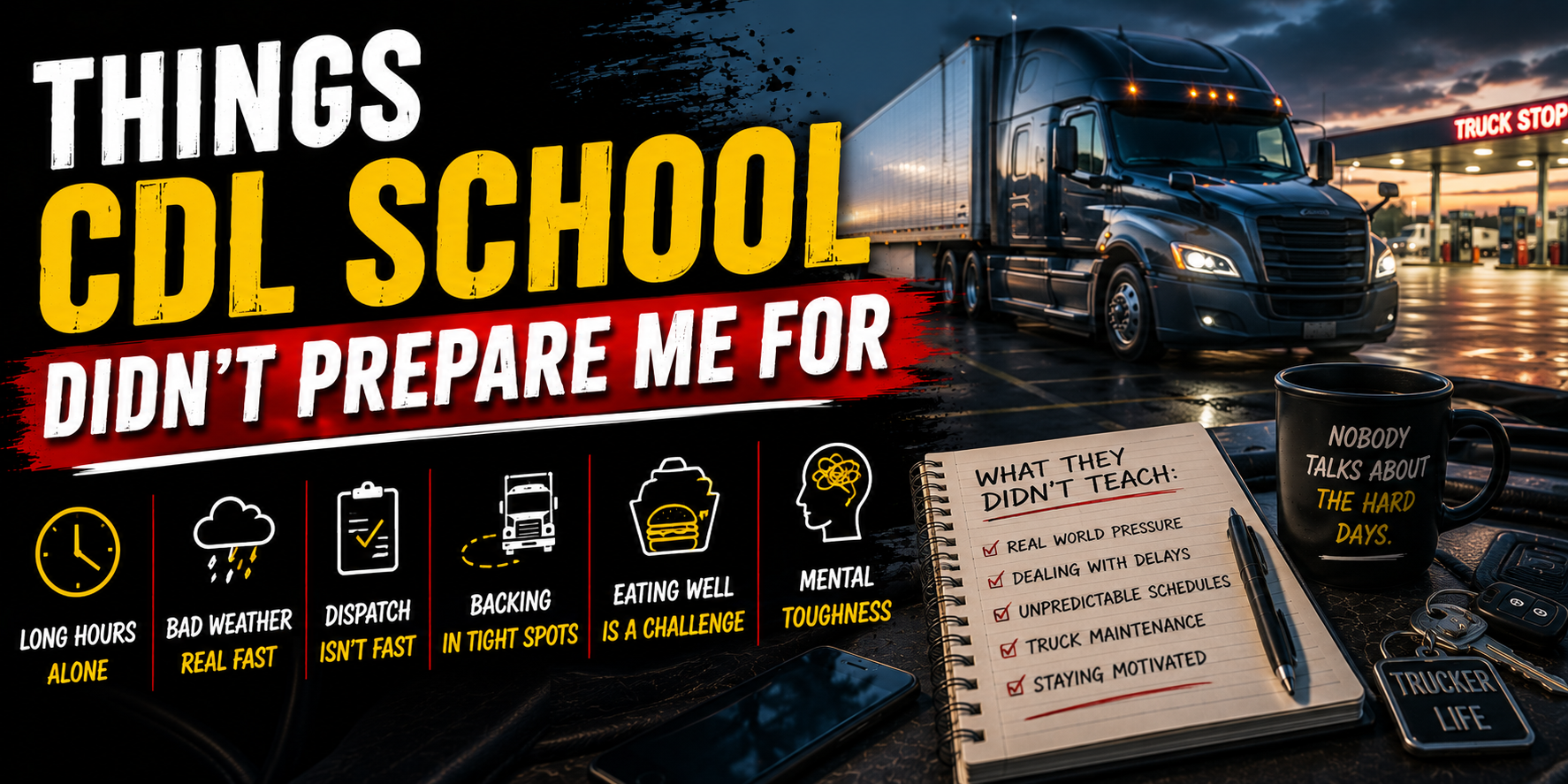
Most CDL schools introduce the concept, although you’ll usually learn much more once you begin working for a carrier. That broader gap between classroom preparation and carrier life is explored in what you learn after starting work.
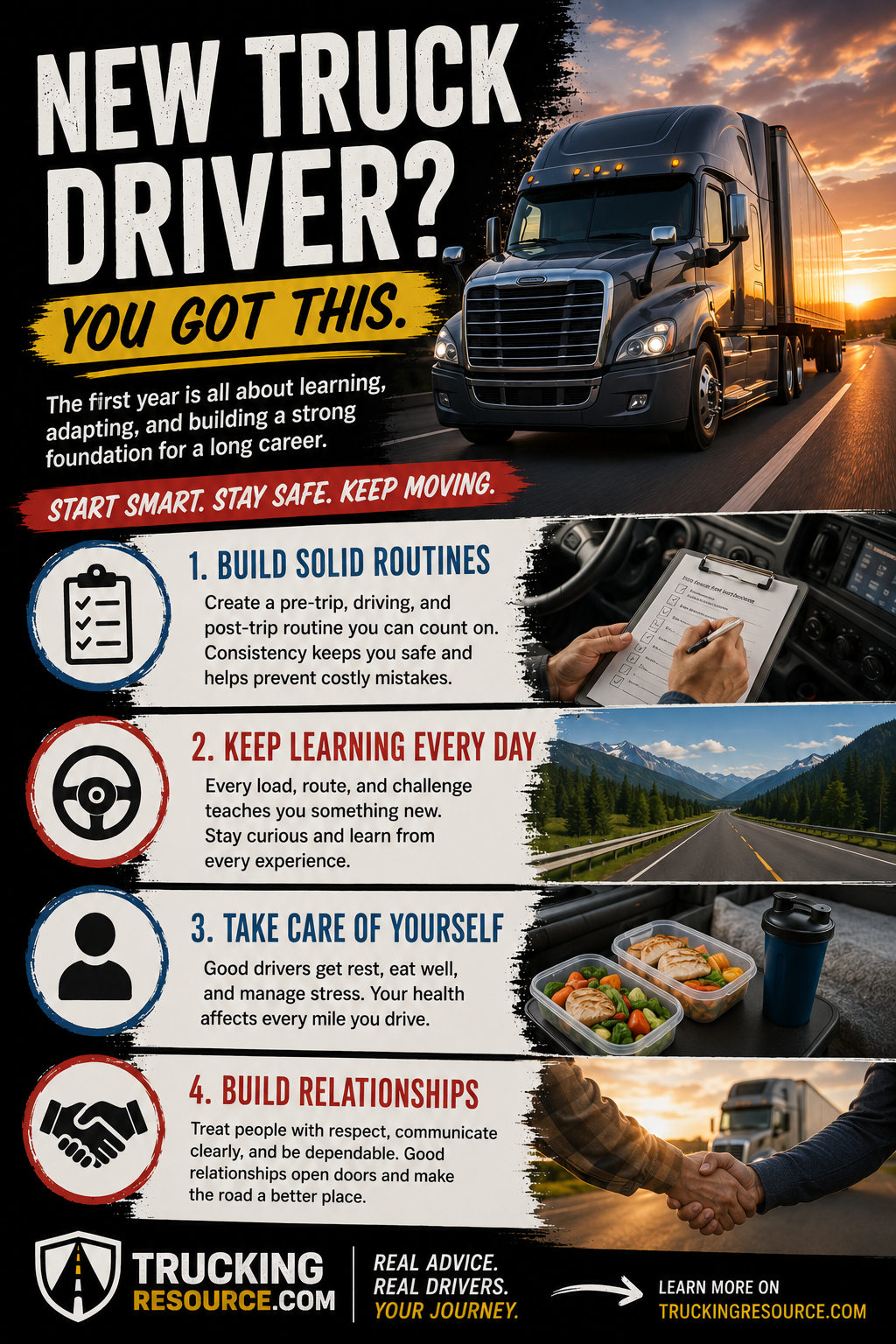
Understanding basic shipping paperwork is an important part of becoming a professional driver. Paperwork is only one part of the rest of your first-year training, which also explains the practical lessons that begin after CDL school.
If you’re still preparing for your CDL, our How to Get a CDL: Step-by-Step Guide for New Drivers walks through everything you’ll need before starting your career.
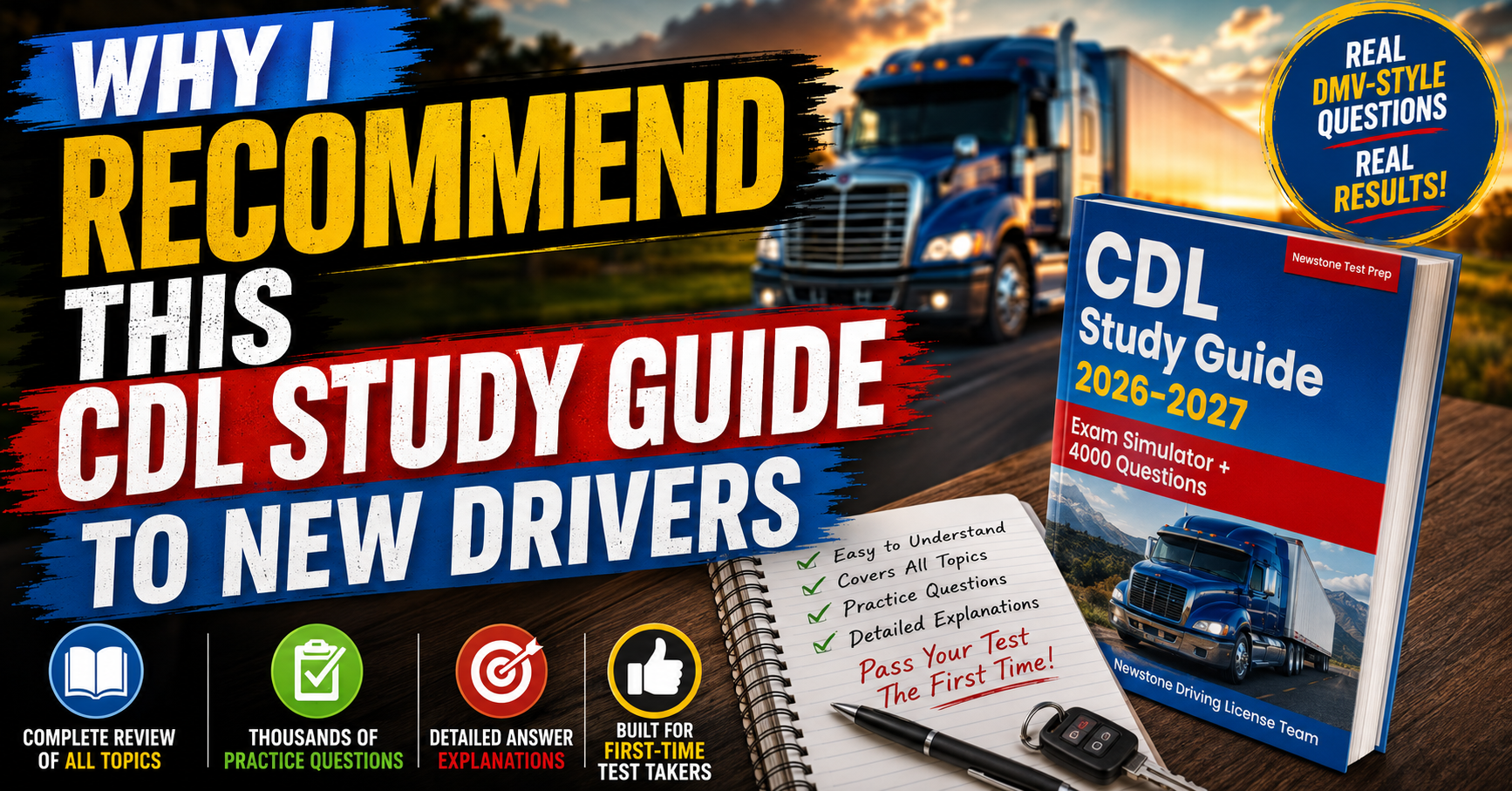
Our CDL Master Question Bank PDF is also a great study resource for building confidence before your permit exam.
One Tool That Helps Me Stay Organized
One thing I’ve learned is that paperwork has a way of disappearing when you’re bouncing between shippers, receivers, and truck stops.
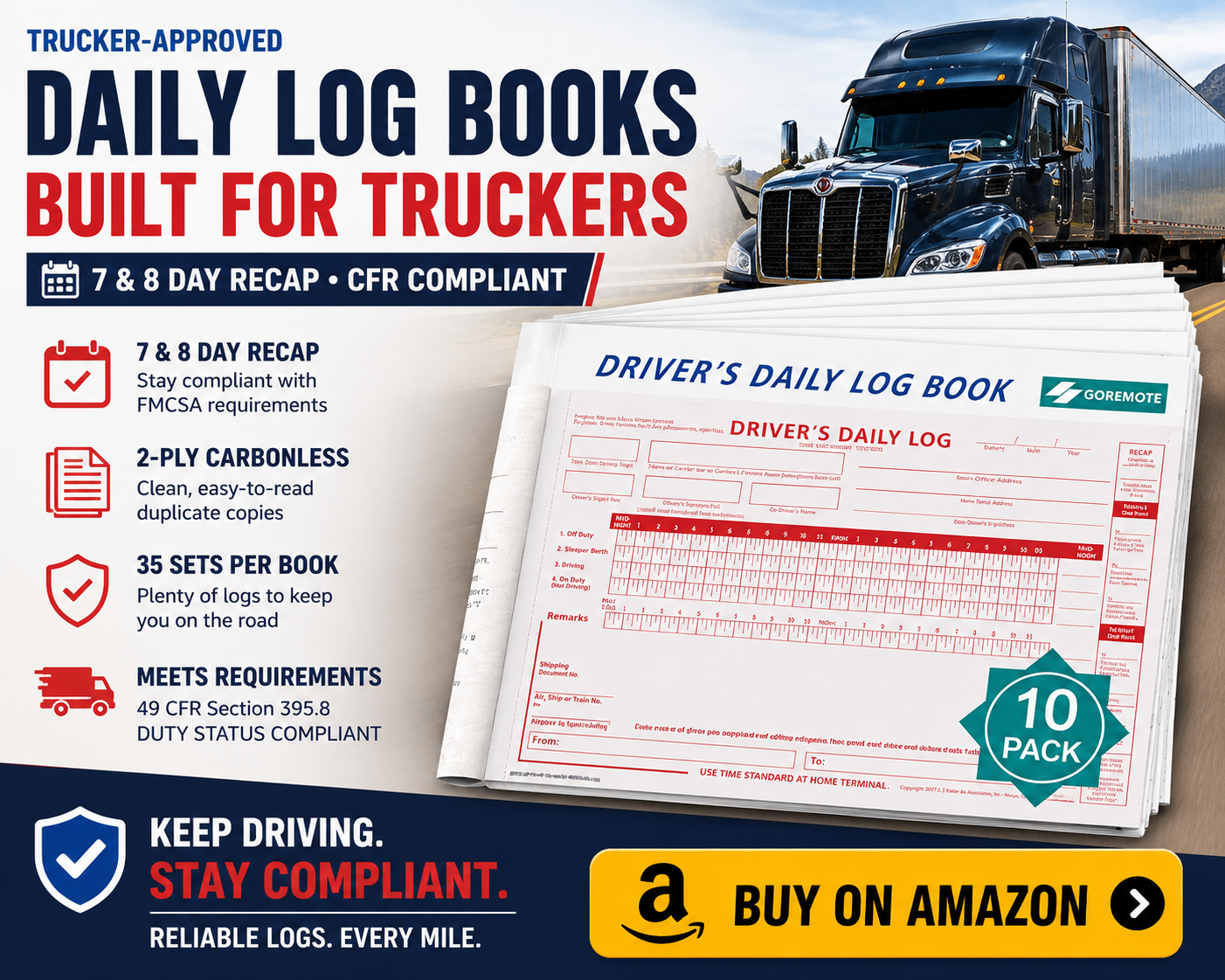
I always keep my logbooks, Bills of Lading, receipts, and inspection paperwork together in my Daily Log Books for Truck Drivers with 7 & 8 Day Recap organizer. Even if you’re using electronic logs, having a dedicated place for shipping paperwork makes life a whole lot easier when someone asks for a document three days later.
My Advice After Years of Hauling Freight
The Bill of Lading may seem like just another piece of paper.
It isn’t.
It’s one of the most important documents you’ll handle during every load.
Take a minute to read it.
Make sure it makes sense.
Keep it organized.
Ask questions if something doesn’t look right.
Those simple habits have saved me countless headaches over the years, and they’ll make you look far more professional from your very first day behind the wheel.
Author: Mike Reynolds
Mike Reynolds spent more than 25 years hauling dry vans, refrigerated freight, flatbeds, and specialized loads throughout North America. During his career, he worked closely with shippers, receivers, dispatchers, and freight brokers, helping train new CDL drivers on shipping paperwork, cargo documentation, and the day-to-day responsibilities of professional trucking.