One of the first things I tell new drivers is that trucking has its own language.
You’ll hear terms like GVWR, GCWR, tandem axle, fifth wheel, and kingpin almost every day once you start driving commercially.
Some of them sound complicated at first, but once someone explains them in plain English, they make perfect sense.
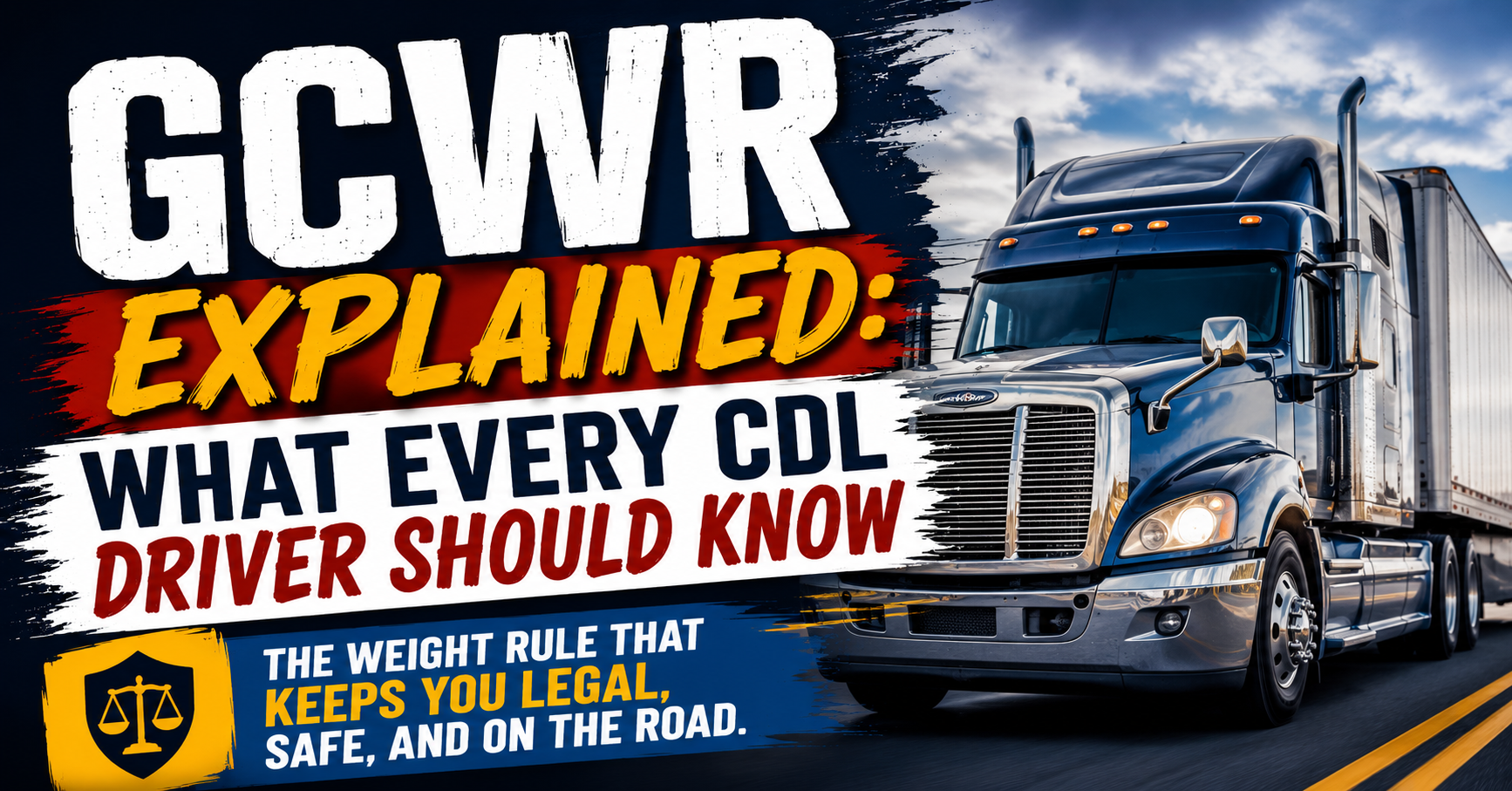
GCWR is one of those terms.
It’s also one of the most important weight ratings you’ll ever learn if you’re planning to drive a tractor-trailer.
I’ve talked to plenty of new CDL students who thought GCWR and GVWR meant the same thing. They don’t. This comparison pairs naturally with What Is GVWR? Gross Vehicle Weight Rating Explained, which explains the truck-only weight rating in plain English.
Understanding the difference can help you choose the right CDL, avoid expensive mistakes, and operate your truck safely.
What Does GCWR Mean?
GCWR stands for Gross Combination Weight Rating.
It’s the maximum allowable weight of the entire combination vehicle, not just the truck.
That means GCWR includes:
- The tractor
- The trailer
- Fuel
- The driver
- Passengers
- Cargo
- Tools
- Equipment
- Everything else being carried
If you’re pulling a trailer, GCWR is usually the weight rating you’ll pay the closest attention to.
Think of it this way.
GVWR measures one vehicle.
GCWR measures the entire combination.

Why GCWR Is So Important
When you’re driving a pickup truck around town, you probably don’t think much about weight ratings.
Commercial trucking is completely different.
An overloaded combination vehicle takes longer to stop, puts more stress on the engine and transmission, increases brake wear, and can become much harder to control during emergency situations.
The truck might still move down the highway, but that doesn’t mean it’s operating safely.
Manufacturers establish GCWR limits based on extensive engineering and testing.
Those ratings aren’t random numbers.
They’re designed to ensure the truck has enough braking power, suspension strength, steering control, and drivetrain capacity to safely handle the total load.
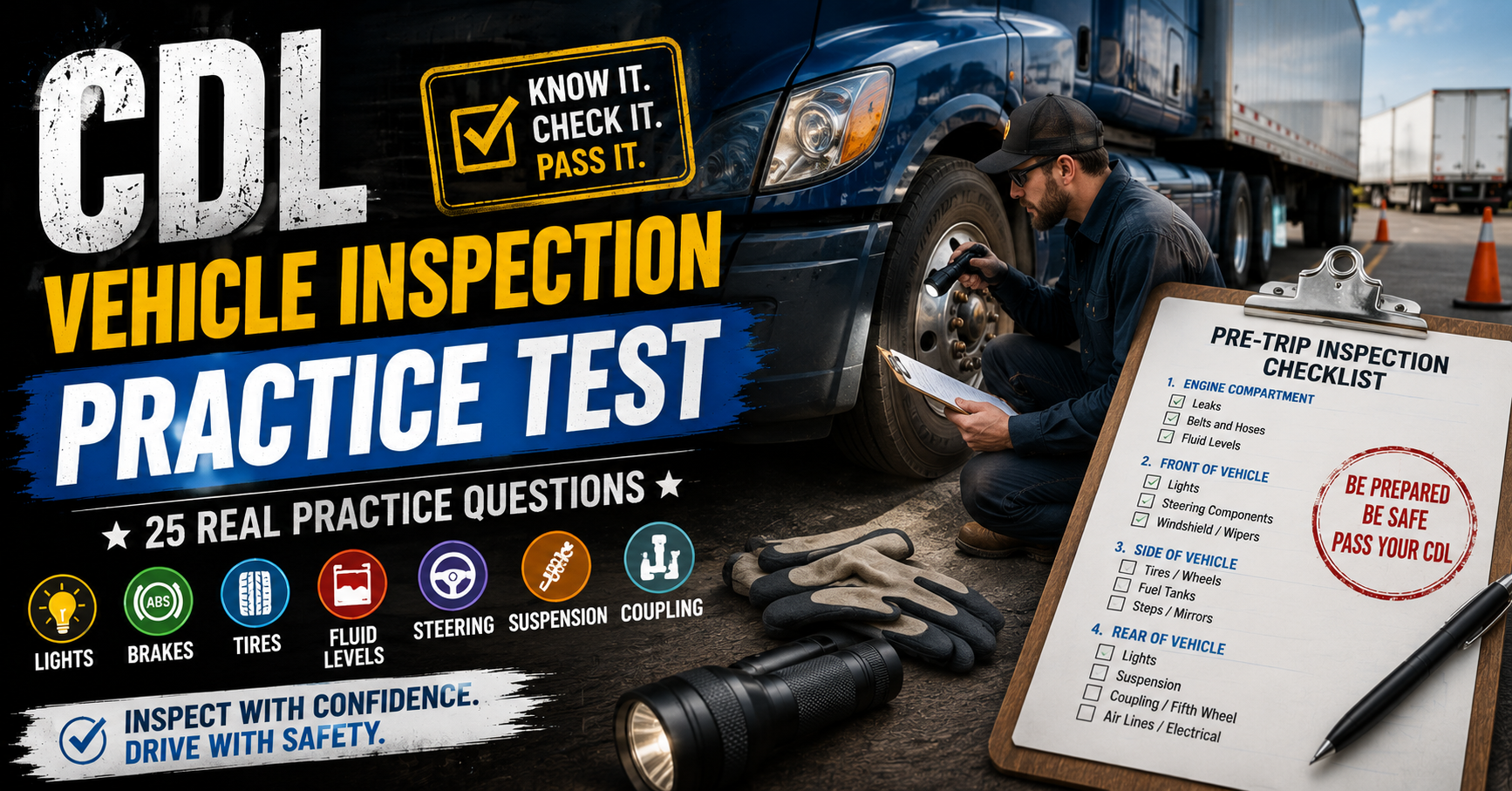

What Makes Up the GCWR?
One mistake I see new drivers make is thinking only about the cargo.
In reality, every pound matters.
Your GCWR includes much more than what’s inside the trailer.
It includes the truck itself, the trailer, fuel in the tanks, the driver, any passengers, cargo, tools, chains, binders, spare tires, and any additional equipment you’re carrying.
It all adds up.
That’s why experienced drivers pay attention to every part of their load instead of focusing only on freight weight.
GCWR vs. GVWR
This is probably the most common source of confusion.
GVWR is the maximum safe weight of one vehicle.
GCWR is the maximum safe weight of the truck and trailer combined.
Here’s a simple example.
Imagine your tractor has a GVWR of 20,000 pounds.
Your trailer has its own GVWR.
Together, the manufacturer may assign the entire combination a GCWR that’s much higher than either vehicle individually.
If you’re still learning these weight ratings, it’s worth reading our guide explaining what GVWR means and why it matters. Understanding both terms together makes them much easier to remember.
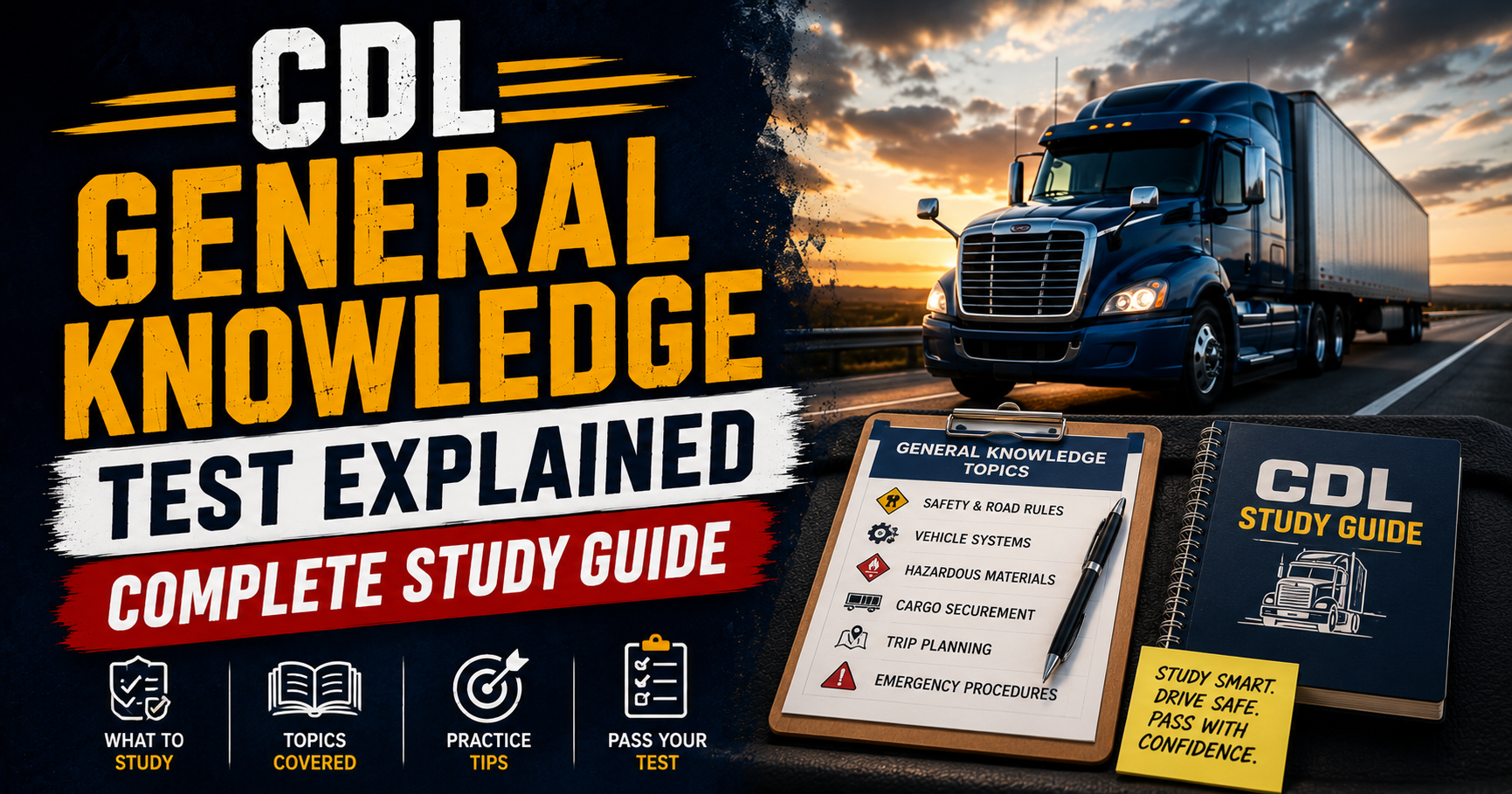

Does GCWR Affect Which CDL You Need?
Absolutely.
One of the biggest reasons CDL students learn about GCWR is because it helps determine the type of commercial driver’s license required.
For example, many Class A CDL requirements are based on the combined weight rating of the truck and trailer.
That’s why understanding GCWR isn’t just useful for passing your exam.
It also helps you understand why certain vehicles require different classes of CDL.
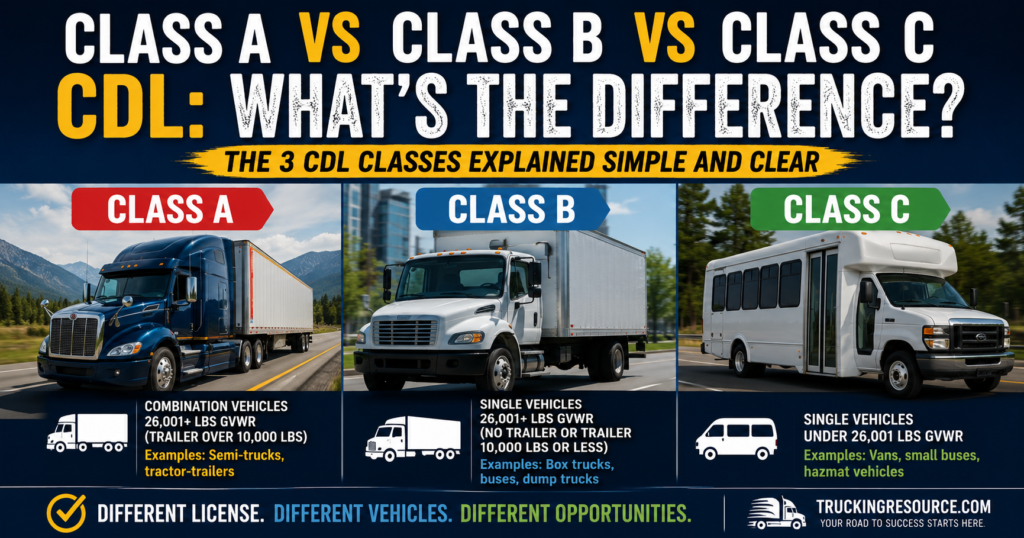
If you’re still deciding which license is right for you, our guide on Class A vs. Class B vs. Class C CDL licenses explains how weight ratings fit into each license class.
Where Can You Find the GCWR?
Unlike some weight ratings that are easy to spot on a door sticker, GCWR isn’t always displayed in the same location.
Depending on the truck, you may find it:
- In the owner’s manual.
- On the manufacturer’s specifications.
- Through the manufacturer’s documentation.
- On fleet equipment records.
If you’re ever unsure, don’t guess.
Knowing the correct rating is part of operating the vehicle safely.
What Happens If You Exceed the GCWR?
I’ve heard drivers say things like, “It’s only a little overweight.”
That’s not a mindset I recommend.
Operating beyond the manufacturer’s weight rating can create several problems.
The truck may accelerate more slowly.
Stopping distances increase.
The engine and transmission work harder.
Brakes wear faster.
Suspension components experience additional stress.
Tires carry more weight than they were designed to handle.
Even if nothing fails immediately, excessive weight increases wear on almost every major component of the truck.
GCWR and Combination Vehicles
If you’re planning to drive a tractor-trailer, you’ll spend a lot of time working with combination vehicles.
Understanding how the truck and trailer work together is just as important as knowing their weight ratings.
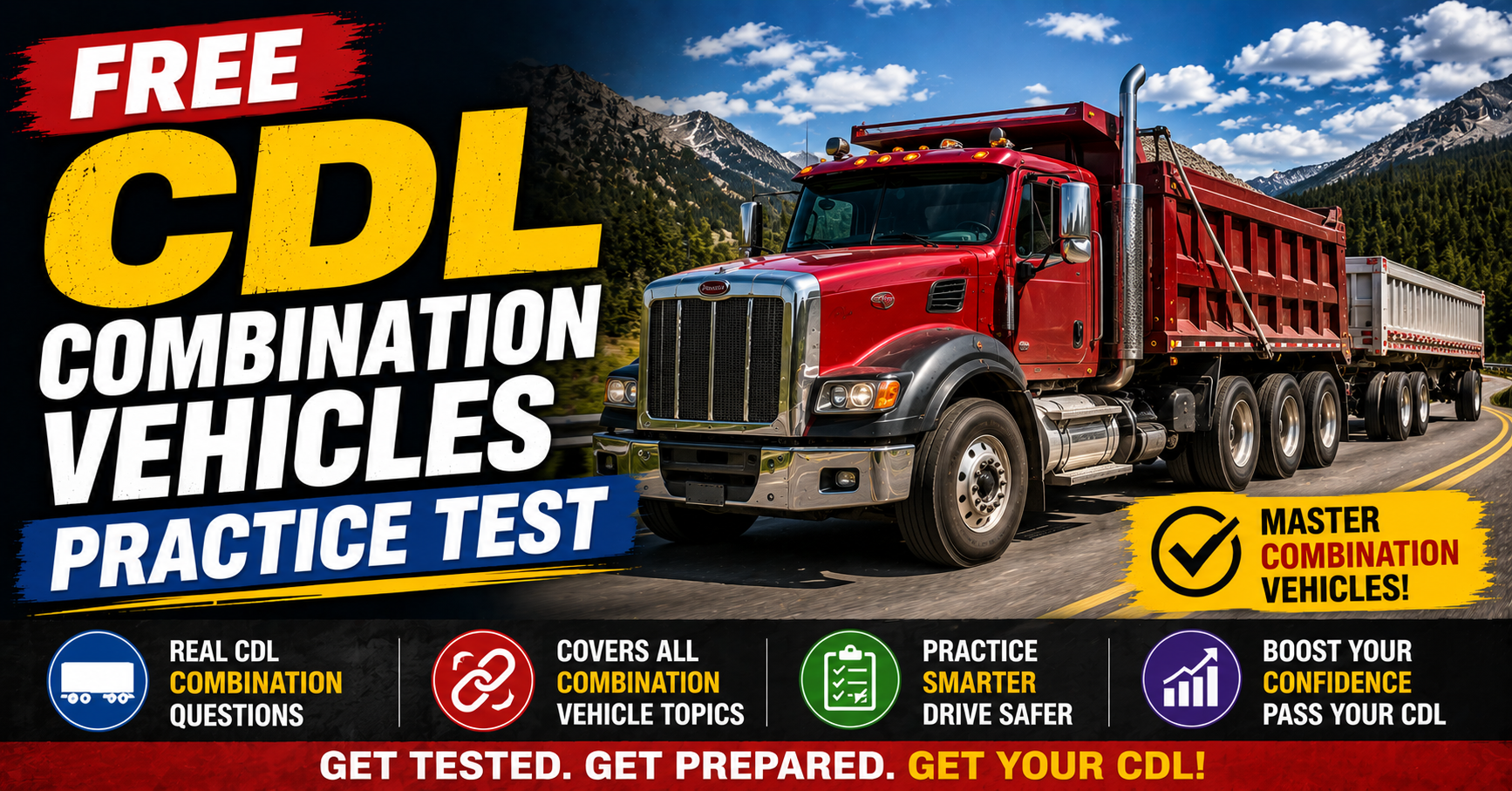
After reviewing this article, I also recommend taking our Free CDL Combination Vehicles Practice Test. It’s a great way to reinforce many of the concepts you’ll see on the CDL written exam.
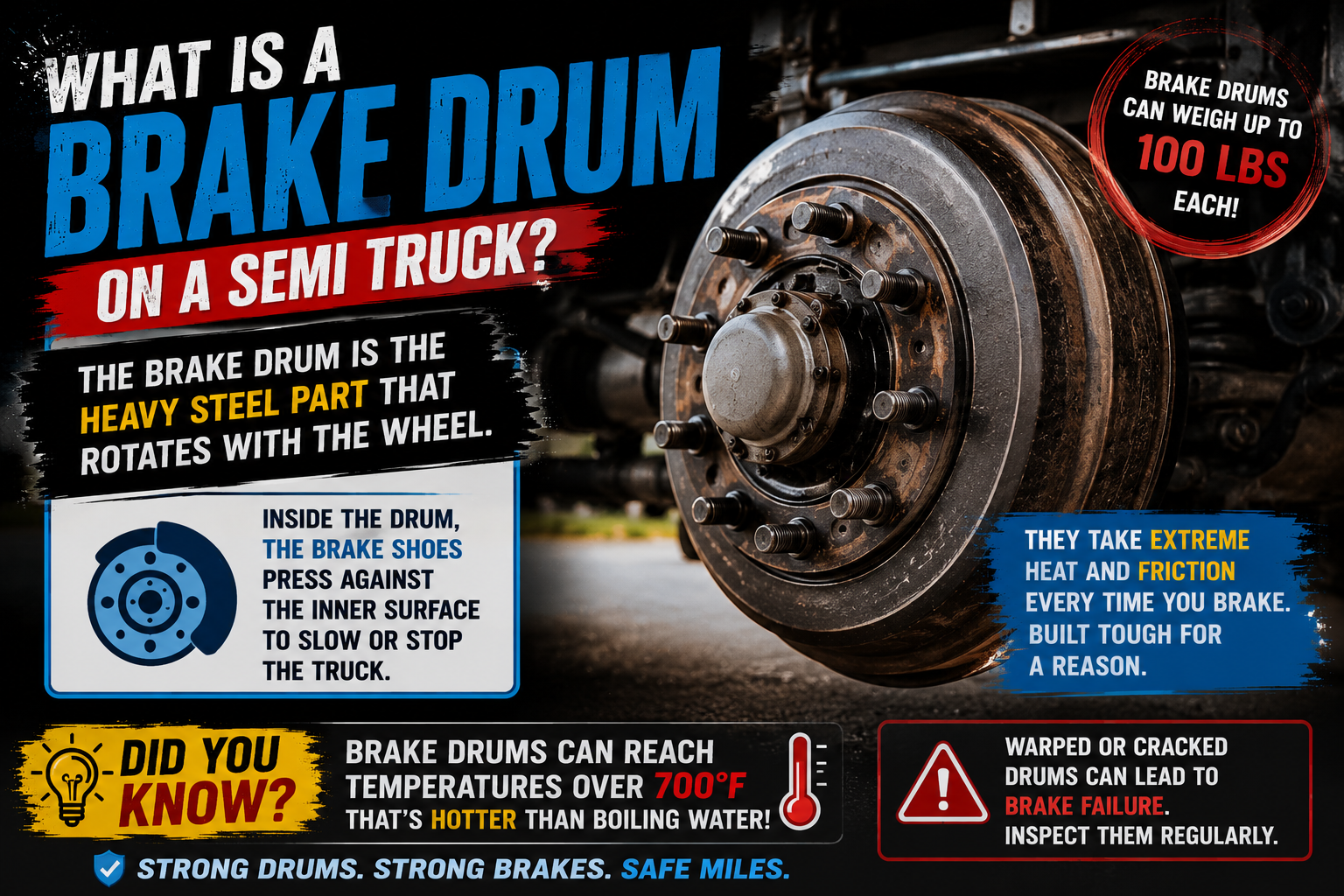
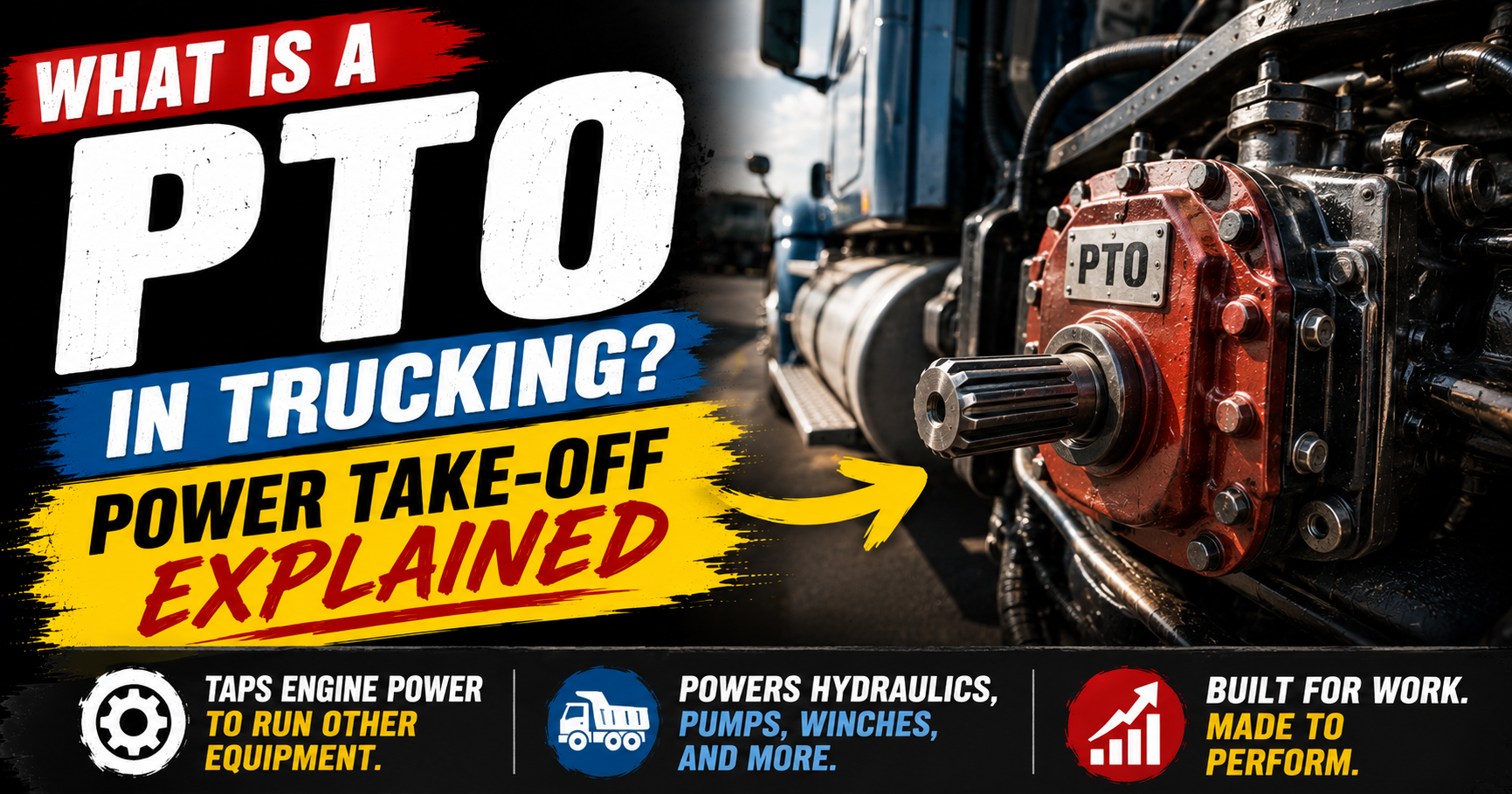

Will GCWR Be on the CDL Test?
Yes.
You should expect questions involving weight ratings, combination vehicles, and CDL classifications on the General Knowledge exam.
The questions won’t usually require complicated math, but you should understand what GCWR means, why it matters, and how it differs from GVWR.
Once you’ve studied the material, try our Free CDL General Knowledge Challenge Practice Test to see how much you’ve learned before taking the real exam.
Why Understanding GCWR Makes You a Better Driver
I’ve always believed that the best truck drivers aren’t the ones who simply know how to shift gears or back into a tight dock.
They’re the drivers who understand the equipment they’re operating.
Knowing your truck’s GCWR helps you load safely, stay within legal limits, reduce wear on your equipment, and make smarter decisions every day you’re behind the wheel.
Like many trucking terms, GCWR may seem confusing the first time you hear it.
But once you understand what it represents, it becomes one of the building blocks of being a safe, knowledgeable commercial driver.
Author: David Walker
David Walker is a former CDL instructor with more than 22 years of experience teaching new commercial drivers. He has helped hundreds of students understand vehicle weight ratings, combination vehicles, and CDL regulations while preparing for their written and skills exams. His goal is to make complex trucking concepts easy to understand and apply in the real world.