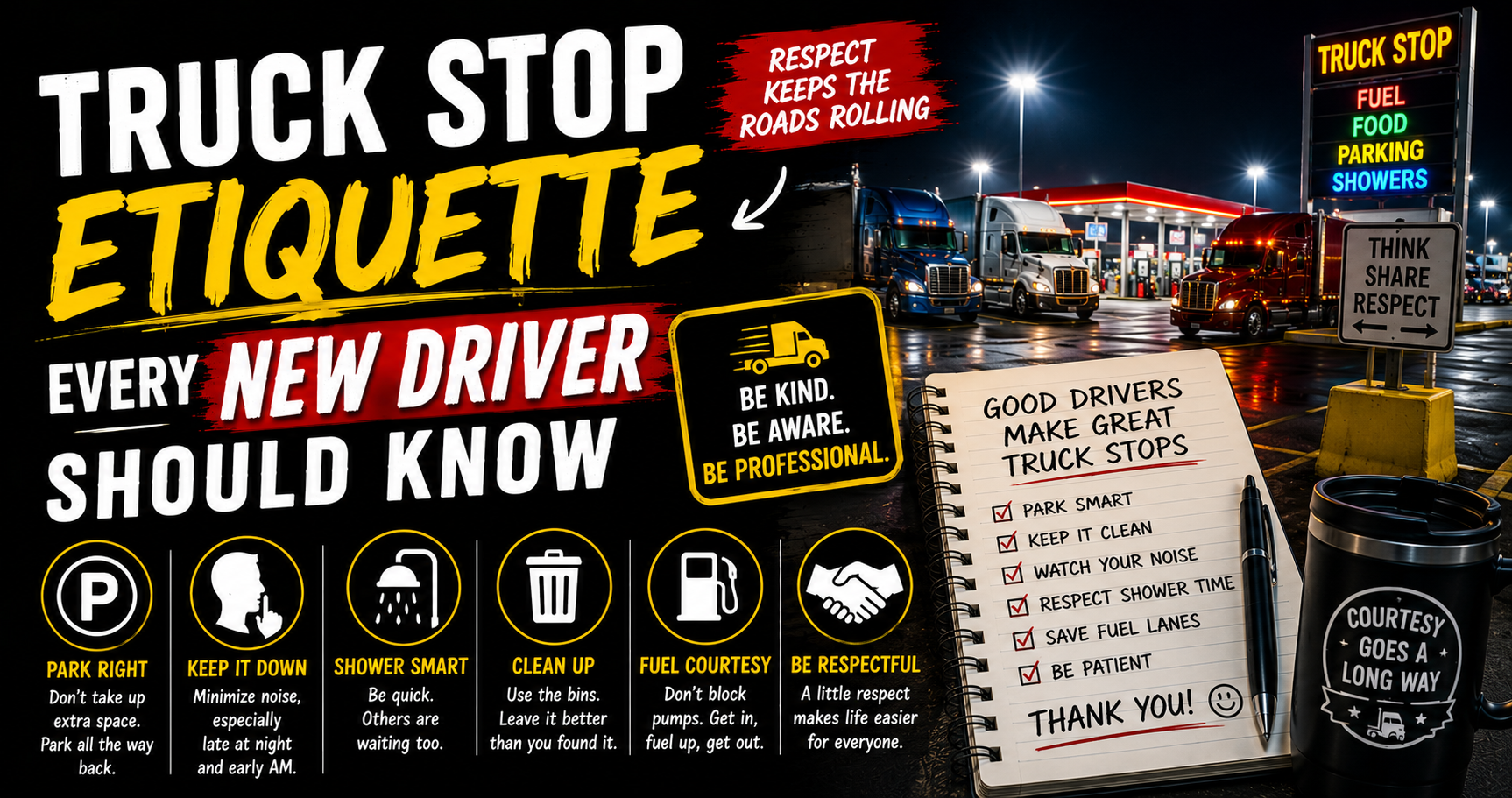
The first time I pulled into a busy truck stop, I had no idea there were so many unwritten rules. That first stop is one of the everyday realities of life on the road new drivers should understand in advance.
I knew how to fuel the truck.
I knew how to park.
I knew where the showers were.
What I didn’t know was that truck stops have their own culture.
There are things experienced drivers simply expect everyone to do.
Nobody hands you a rulebook during CDL school.
You learn by watching other drivers.
Or, unfortunately, by making a mistake and having someone point it out.
The good news is that most truck stop etiquette comes down to one simple idea.
Respect other drivers and don’t make their day harder.
If you understand that, you’ll avoid most of the mistakes new drivers make.
If you’re still adjusting to life after CDL school, How Long Does It Take to Feel Comfortable Driving a Semi? explains why these everyday situations become much easier with experience.
Don’t Park at the Fuel Island
This is probably the biggest rule every truck driver learns.
Once you’ve finished fueling…
Move.
The fuel island isn’t a parking space.
Other drivers are trying to fuel and get back on the road.
If you need to go inside for food, coffee, a shower, or a restroom break, pull your truck into a legal parking space first.
Even if you only think you’ll be inside for “a minute,” someone behind you is probably waiting.
Pull Forward After Fueling
Most truck stops have room beyond the fuel pumps where drivers can pull forward after fueling.
Use it.
This gives the next truck access to the pumps while you:
- Finish your receipt.
- Clean your windshield.
- Check your lights.
- Put away your fuel card.
- Stretch your legs for a minute.
Just don’t stay there longer than necessary.
Once you’re finished, move into a parking space or get back on the road.
Don’t Block Traffic
Truck stops can become surprisingly busy.
Especially during the evening.
Avoid stopping where other trucks need to drive.
Don’t block:
- Fuel lanes.
- Parking aisles.
- Entrance roads.
- Exit lanes.
- Loading areas.
If you’re unsure where to stop, keep moving until you find a safe place.
Stopping “just for a second” often creates problems for everyone else.
Be Patient While Parking
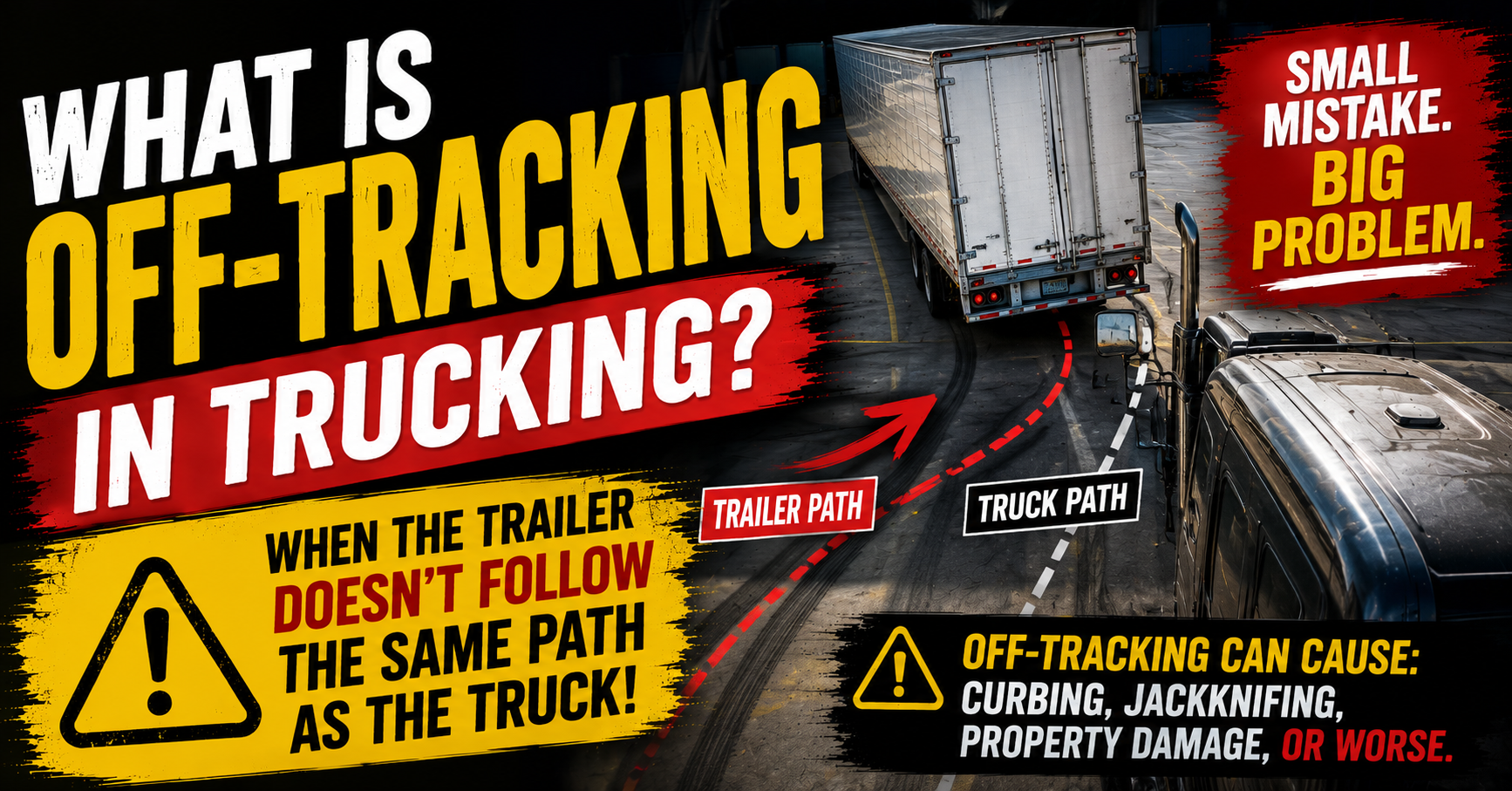
Backing into a truck stop parking space can be stressful. Knowing about off-tracking while maneuvering can make these tight parking maneuvers easier to anticipate.
Especially your first few times.
Don’t let impatient drivers rush you.
Take your time.
Pull forward if necessary.
Get out and look if you’re unsure.
It’s far better to spend an extra minute parking than to rush and hit another truck.
Most experienced drivers would rather wait than deal with an accident.
Use GOAL Whenever You Need To
GOAL stands for Get Out And Look.
It isn’t a sign of inexperience.
It’s a sign of professionalism.
If you can’t clearly see what’s behind your trailer…
Get out.
Walk around.
Check your surroundings.
Do it as many times as necessary.
No experienced driver will criticize you for making sure it’s safe.
Watch Where You Walk
Truck stops are active places.
Trucks are constantly moving.
Drivers are backing.
People are pulling away from fuel pumps.
Always assume a driver may not see you.
Stay out of blind spots whenever possible.
Avoid walking directly behind trailers.
Never assume a truck is parked just because it isn’t moving.
A truck can begin backing at any moment.
Dim Your Headlights When Parked
This is one many new drivers don’t think about.
Bright headlights shining directly into another truck can make it difficult for that driver to see.
If you’re parked facing another truck, dim your headlights or turn them off whenever possible.
It’s a simple courtesy that other drivers will appreciate.
Keep Noise to a Minimum
Truck stops never become completely quiet.
Engines start.
Air brakes release.
People come and go throughout the night.
Still, there’s no reason to create unnecessary noise.
Avoid blasting music with your windows down.
Don’t slam truck doors repeatedly.
If you’re talking on the phone outside, remember there may be drivers nearby trying to sleep.
A little consideration goes a long way.
Clean Up After Yourself
This one should go without saying, but unfortunately it doesn’t.
Truck stops serve thousands of drivers every week.
Nobody wants to park beside a pile of trash.
Use the garbage cans provided.
If you spill fuel, DEF, or another fluid, let the staff know so it can be cleaned up safely.
Leave the parking space looking as good as you found it.
Small actions like these make truck stops better for everyone.
Be Respectful in the Shower Area
After a long day behind the wheel, a hot shower can feel amazing.
Truck stop shower facilities are usually clean and well maintained because drivers help keep them that way.
When you’re finished:
- Gather all of your belongings.
- Throw away your trash.
- Hang up towels if requested.
- Leave the shower reasonably clean for the next driver.
The employees work hard to keep everything nice, but drivers play an important role too.
Laundry Etiquette Matters Too
If you need to do laundry at a truck stop, remember other drivers may be waiting.
Don’t leave your clothes sitting in a washer or dryer long after the cycle finishes.
Set a timer on your phone if you need to.
Moving your laundry promptly helps everyone get in and out a little faster.
Don’t Take More Parking Space Than You Need
Parking at a busy truck stop can already be challenging.
Whenever possible, park squarely within the lines.
Avoid taking up multiple spaces unless directed to do so.
If you’re pulling doubles or oversized equipment, use designated areas whenever they’re available.
Every parking space matters, especially later in the evening when lots begin filling up.
Keep an Eye on Your Surroundings
Truck stops are generally safe, but they’re still busy public places.
Use common sense.
Lock your truck when you leave it.
Keep valuables out of sight.
Stay aware of the people around you, especially late at night.
If something doesn’t feel right, trust your instincts and move to a better-lit or busier area.
Being alert is simply part of being a professional driver.
Be Friendly to Other Drivers
One thing I enjoy about trucking is that most drivers are willing to help each other.
If someone asks a question and you know the answer, take a minute to help.
If you see a new driver struggling to back into a space, don’t laugh.
Remember what it felt like when you were new.
A little patience and encouragement can make someone’s entire day better.
The trucking community is stronger when drivers look out for one another.
Don’t Be Afraid to Ask for Help
There will be times when you’re unsure where to park.
Or how the fuel pumps work.
Or where overnight parking is allowed.
Ask.
Truck stop employees answer these questions every day.
Most experienced drivers would much rather answer a simple question than watch someone accidentally block traffic or damage equipment.
Truck Stops Become Busier in the Evening
This is something many new drivers don’t realize until they experience it.
Parking that seems wide open at 3:00 p.m. can be completely full by 7:00 or 8:00 p.m.
If you know you’ll be stopping for the night, try to plan ahead.
Arriving earlier often gives you:
- More parking choices.
- Less stress.
- More time to eat and shower.
- A better night’s sleep.
Waiting until the last minute often creates unnecessary pressure.
Planning ahead is one of the habits that separates experienced drivers from rookies.
Every Truck Stop Has Its Own Personality
Not every truck stop operates exactly the same way.
Some have huge parking lots.
Others fill up quickly.
Some offer reserved parking.
Others don’t.
Some locations are known for great food.
Others are simply places to fuel and keep moving.
The more you travel, the more you’ll learn which stops fit your schedule and preferences.
Over time, you’ll probably develop a list of favorite places where you know you can fuel, park, grab a meal, and get back on the road efficiently.
Keep Learning Beyond Truck Stop Etiquette
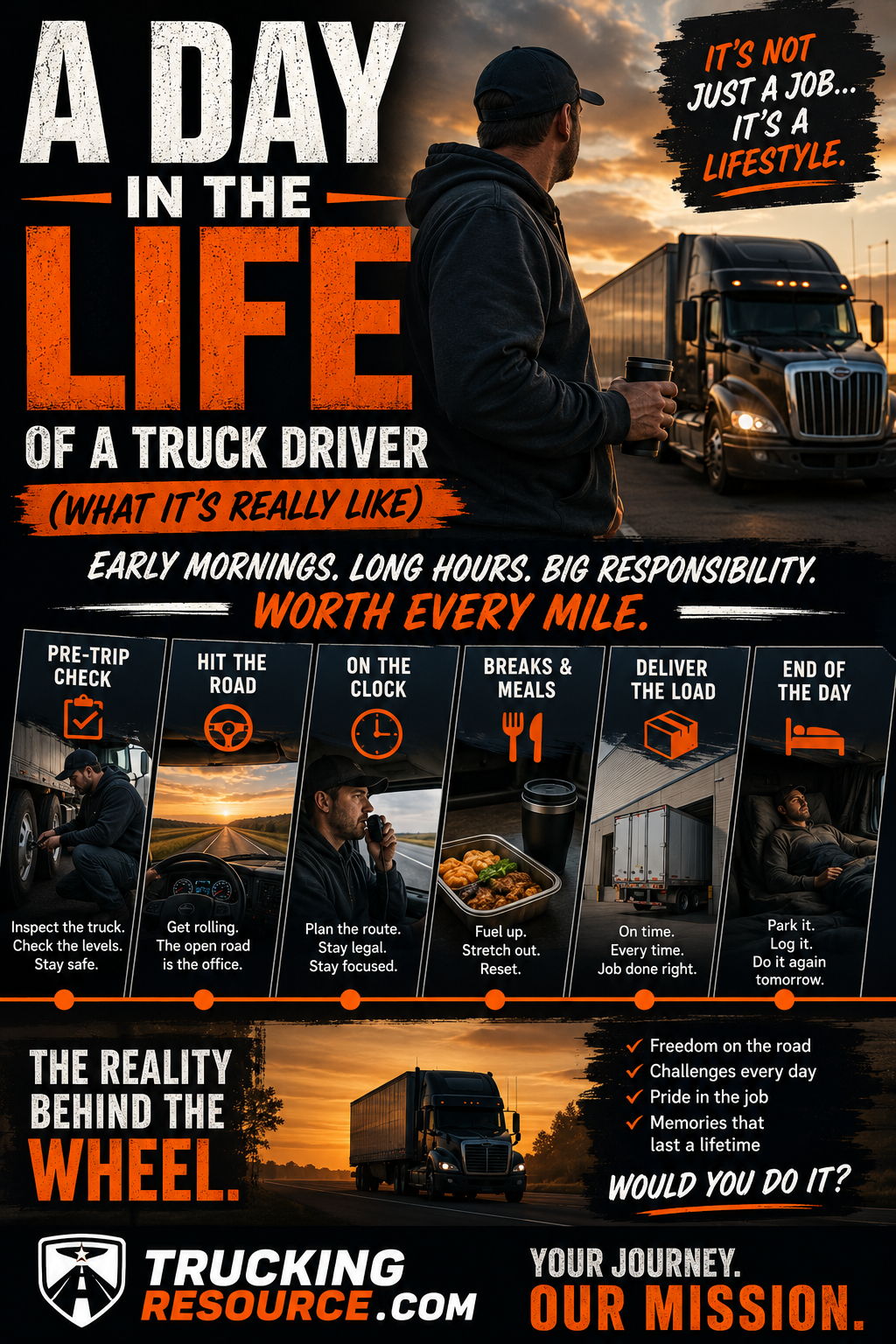
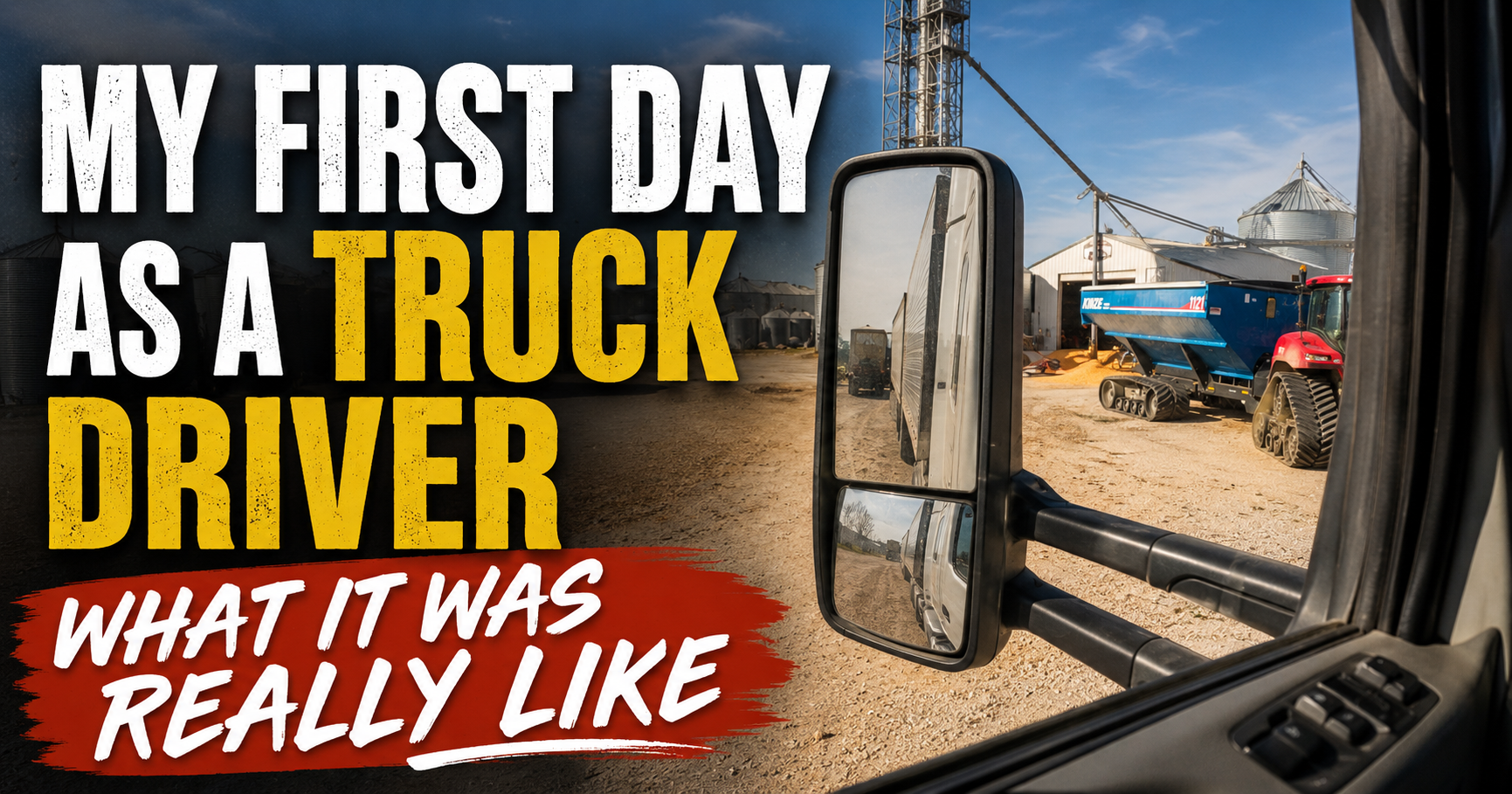
Learning truck stop etiquette is one of many small steps that help you become a respected professional driver. During your first year you’ll also learn better trip planning, safer driving habits, equipment organization, and countless other lessons that simply come with experience. These lessons fit into the broader rhythm of what a truck driver’s day involves.
If you’re looking for a complete first-year roadmap, New Truck Driver Survival Guide Everything You Need to Know Your First Year brings together the most important advice, guides, and resources every new truck driver should read.
Respect Goes a Long Way
You don’t have to know every unwritten rule on your first day.
Nobody does.
What matters is being respectful, staying aware of the people around you, and always thinking about how your actions affect other drivers.
If you make a mistake, learn from it.
We’ve all been the new driver trying to figure things out.
Truck stop etiquette isn’t about following a long list of rules.
It’s about making life easier for everyone who shares the road.

As you gain experience, many of these habits will become second nature. Until then, keep learning, ask questions, and don’t be afraid to take your time. If you’re still building confidence behind the wheel, How Long Does It Take to Feel Comfortable Driving a Semi? explains why every experienced driver started exactly where you are today.
Author: Ethan Parker
Ethan Parker has spent more than 17 years driving over-the-road and regional freight throughout the United States. During his career, he’s logged countless nights at truck stops of every size and believes that simple courtesy, patience, and professionalism make life easier for every driver on the road.