The first time I watched a walking floor trailer unload, I stood there scratching my head.
The trailer never raised into the air.
Nothing tipped.
Instead, the floor itself slowly started moving, and the entire load seemed to crawl toward the back of the trailer.
It almost looked like the cargo was walking out on its own.
That’s exactly where the name comes from.
Walking floor trailers have become incredibly popular because they can unload safely in places where a dump trailer might not be practical. Whether it’s mulch, wood chips, recycling materials, or agricultural products, these trailers handle a surprising variety of freight.
What Is a Walking Floor Trailer?
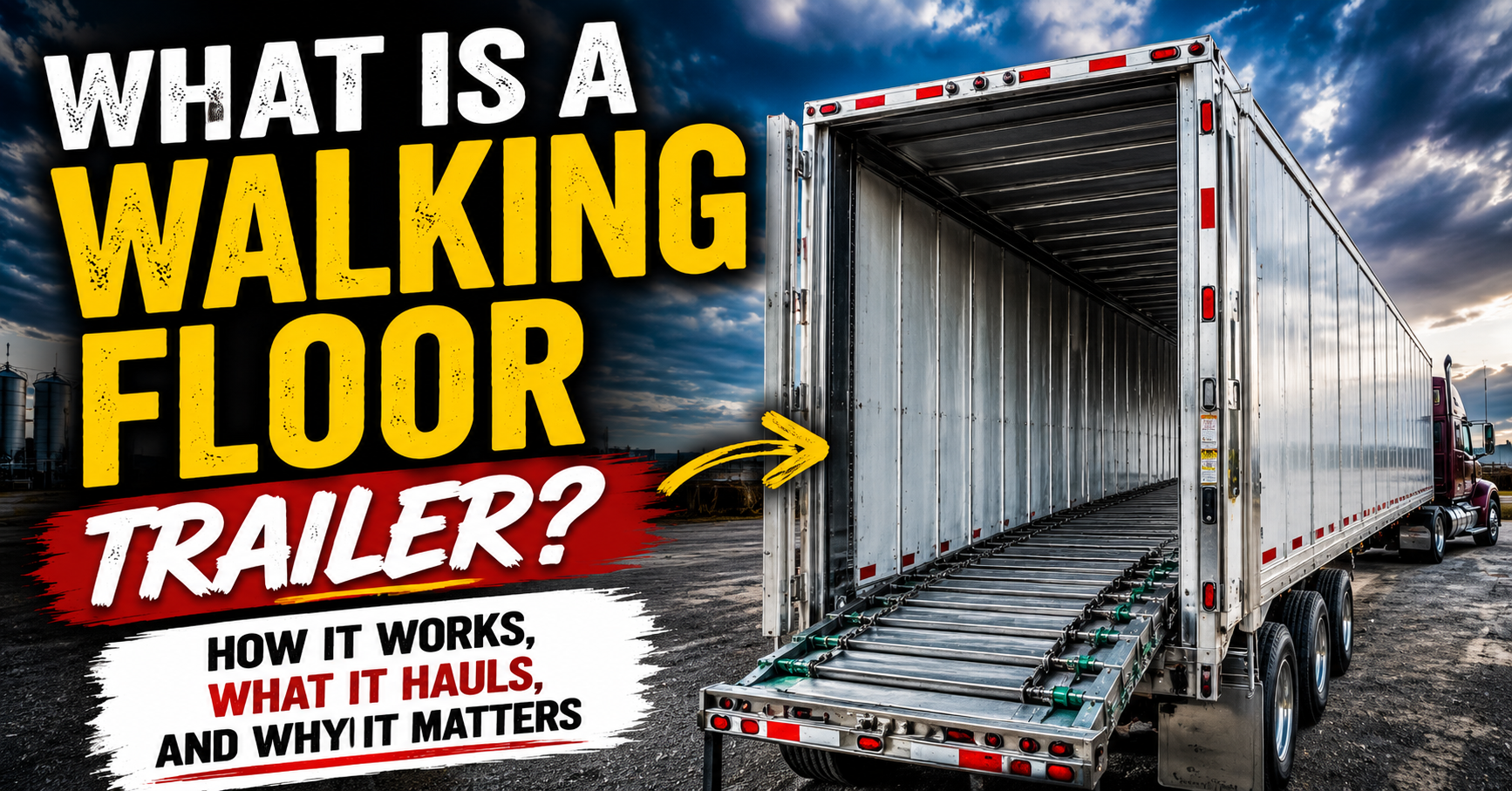
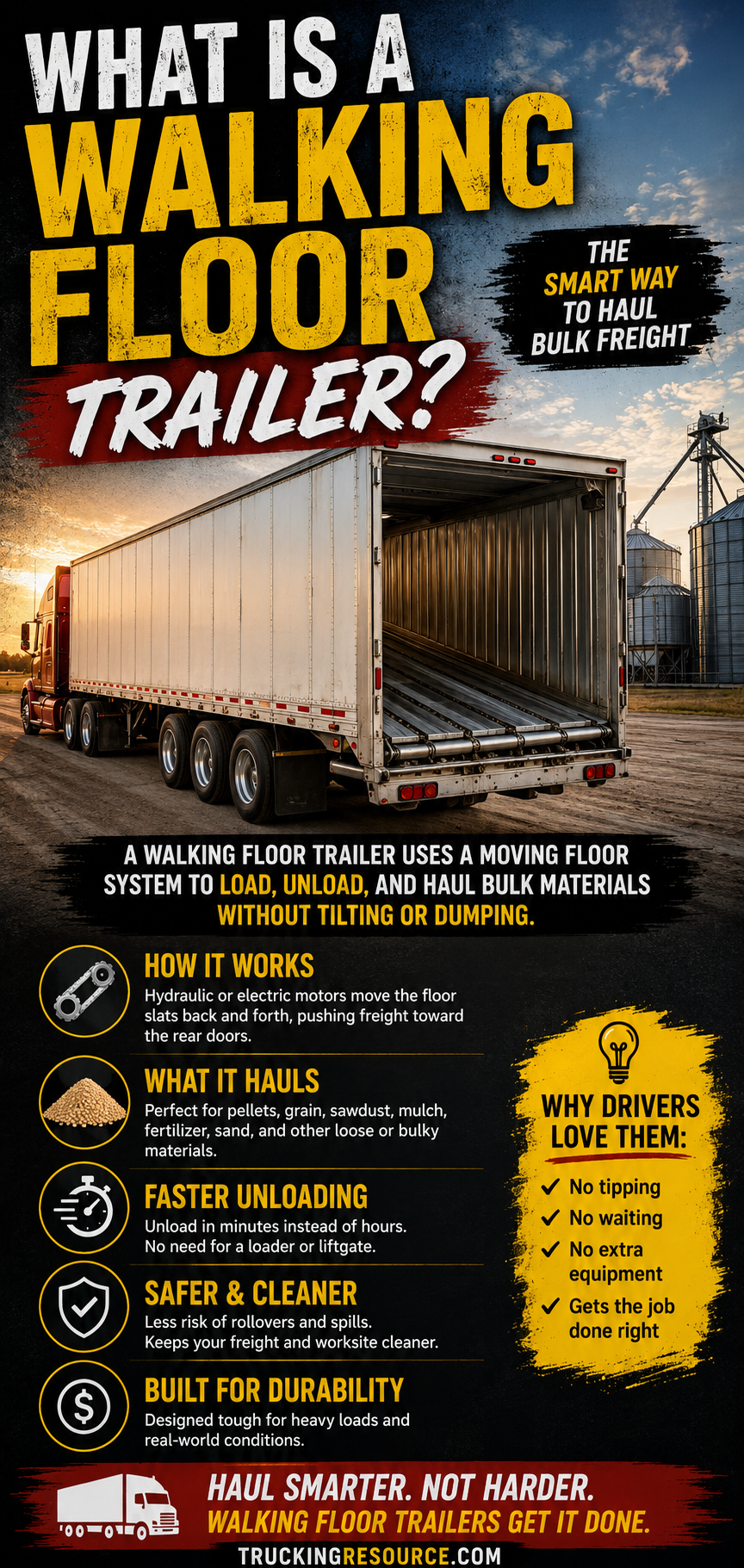
A walking floor trailer, sometimes called a live floor trailer or moving floor trailer, is a specialized semi-trailer with a hydraulically powered floor made of movable slats. Instead of raising the trailer to unload, the floor slowly moves the cargo out the rear while the trailer remains level.
This design allows drivers to unload safely without tipping the trailer.
Why Is It Called a Walking Floor?
The floor is made up of long aluminum slats that move in a carefully controlled sequence.
As the slats cycle forward and backward, they gradually move the load toward the rear doors.
Watching it work almost makes it look like the cargo is walking its way out of the trailer, which is how the name became so popular.



What Does a Walking Floor Trailer Haul?
One thing I like about walking floors is how versatile they are.
Depending on the trailer configuration, they commonly haul:
- Mulch.
- Wood chips.
- Compost.
- Recyclables.
- Municipal waste.
- Biomass.
- Agricultural products.
- Grain.
- Palletized freight.
- Paper rolls.
Some walking floor trailers are even built to handle both loose materials and palletized cargo, making them useful across several industries.
How Does a Walking Floor Trailer Work?
Instead of lifting the trailer, hydraulic cylinders power the moving floor.
The unloading process usually works like this:
- The trailer is positioned where the load needs to go.
- The rear doors are opened.
- The hydraulic floor is engaged.
- The floor slats move in sequence.
- The cargo slowly travels toward the rear.
- The trailer empties while remaining level.
Because the trailer never tips upward, the center of gravity stays low throughout the unloading process.

Walking Floor vs. Dump Trailer
People often compare these two trailers because both are used for bulk materials.
The biggest difference is unloading.
A dump trailer raises its bed high into the air.
A walking floor stays completely level while the moving floor pushes the cargo out the back.
That makes walking floor trailers especially useful where overhead power lines, bridges, uneven ground, or rollover concerns make dumping unsafe.
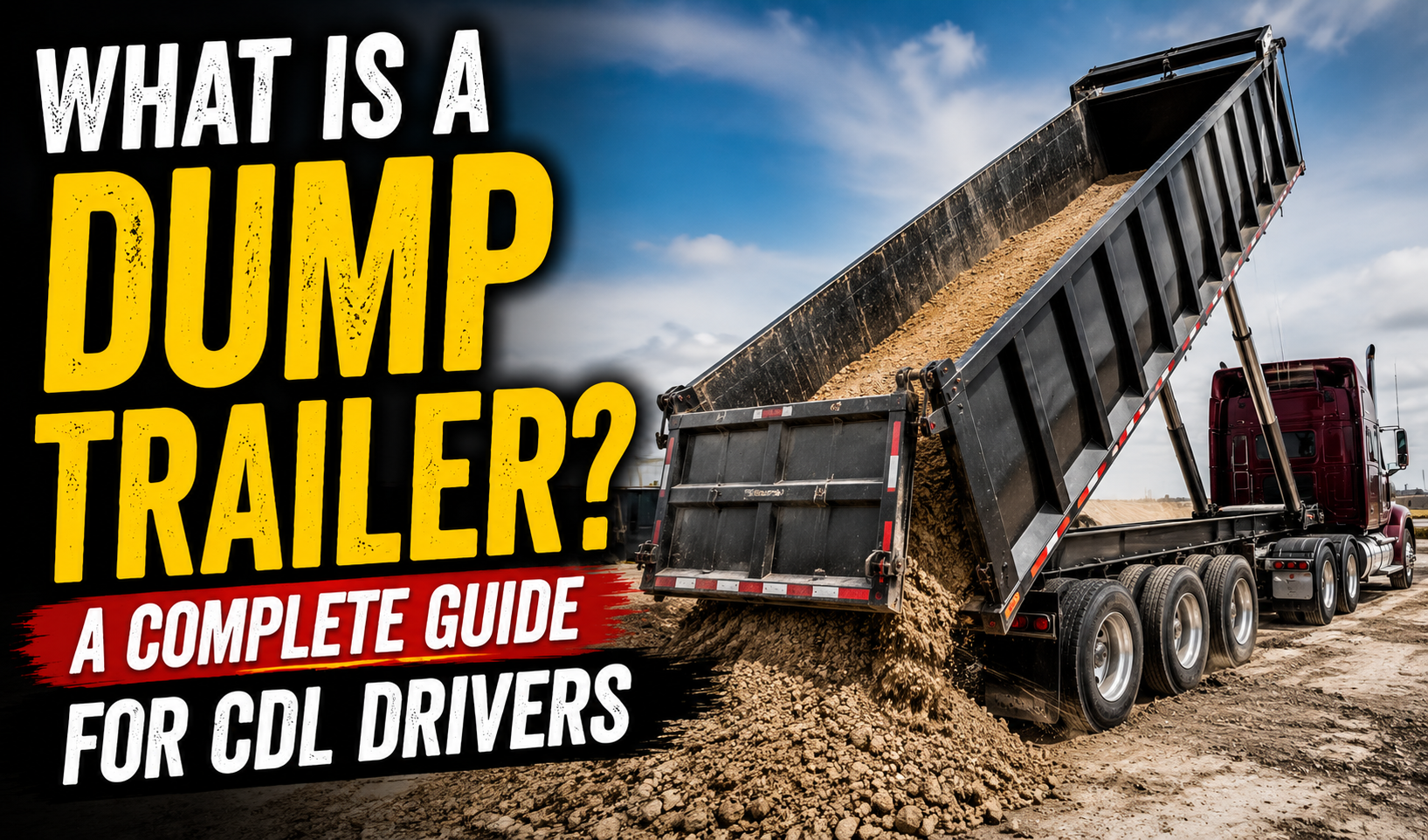
If you haven’t already, our What Is a Dump Trailer? A Complete Guide for CDL Drivers explains when a traditional dump trailer is the better choice.
Walking Floor vs. Hopper Bottom
These trailers also unload very differently.
A hopper bottom relies entirely on gravity through discharge gates.
A walking floor actively pushes the material toward the rear.
That means walking floors can unload materials that don’t always flow freely through hopper gates.

If you’re hauling grain or fertilizer, our What Is a Hopper Bottom Trailer? guide explains why hopper trailers remain the preferred choice for many agricultural operations.
Why Companies Like Walking Floor Trailers
Over the years I’ve talked with drivers who pull walking floors every day.
Most mention the same advantages:
- Safer unloading.
- No need to raise the trailer.
- Lower rollover risk.
- Controlled unloading speed.
- Works in areas with limited overhead clearance.
- Can haul both bulk and many palletized loads.
That flexibility is one reason these trailers continue gaining popularity.
How I Inspect a Walking Floor Trailer
Whenever I inspect one, I follow my normal trailer routine.
I check:
- Tires.
- Wheels.
- Lights.
- Air lines.
- Electrical pigtail.
- ABS light.
- Hydraulic hoses.
- Floor slats.
- Rear doors.
- Frame.
- Suspension.
I also make sure the floor system appears clean and free of debris that could interfere with its movement.
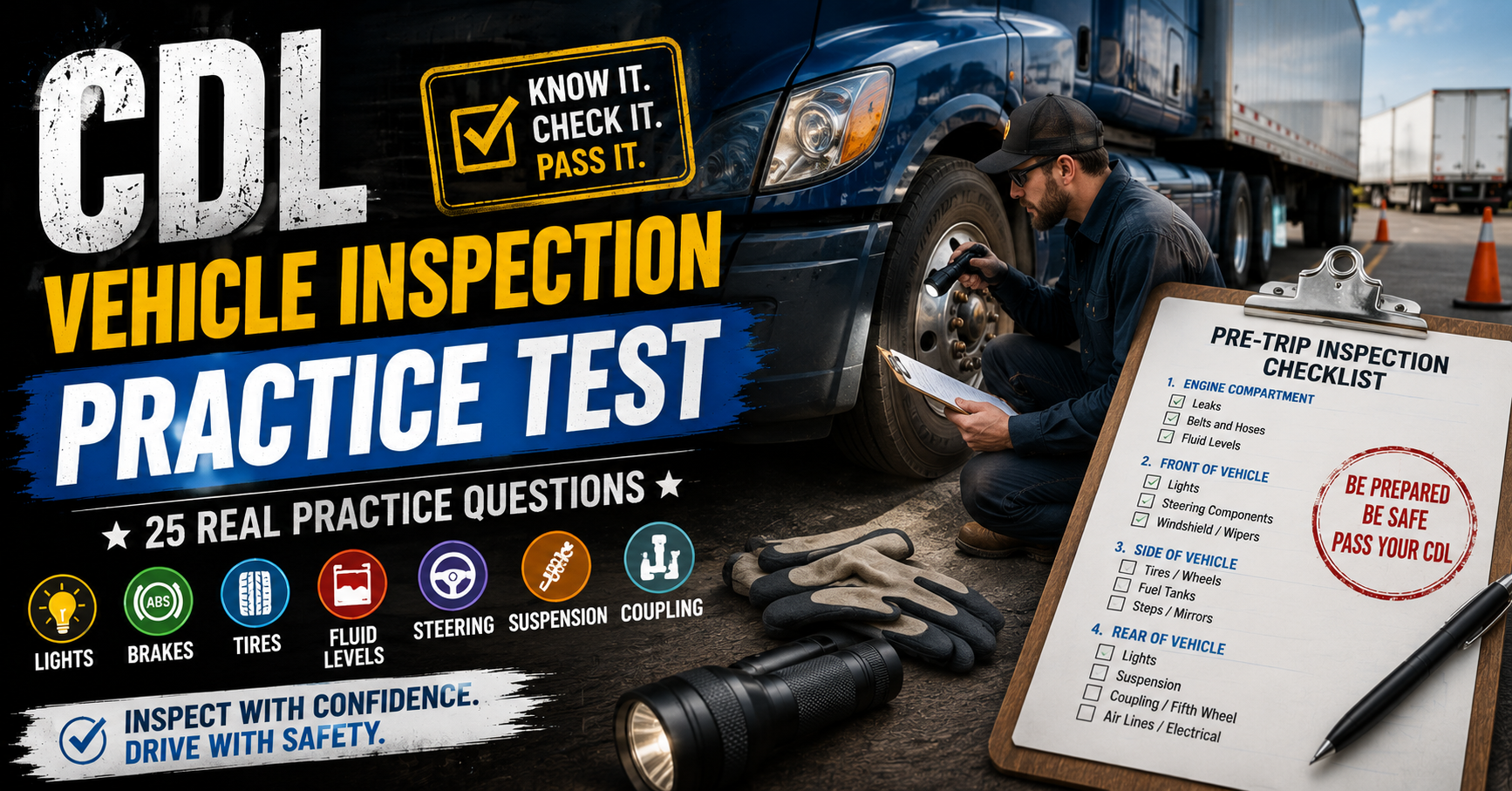
If you’re preparing for your CDL, our CDL Vehicle Inspection Practice Test is an excellent way to practice identifying many of these components before your skills test.
Common Mistakes New Drivers Make
I’ve seen a few common mistakes.
Some drivers assume the moving floor means they don’t need to think about weight distribution.
That’s not true.
Proper loading still matters.
Another mistake is trying to unload without fully opening the rear doors or checking that the unloading area is clear.
Even though the trailer stays level, you still need plenty of room behind the trailer for the material to exit safely.
Where You’ll Hear This Term
Walking floor trailers are common in several industries.
You’ll hear the term from:
- Recycling companies.
- Biomass facilities.
- Agricultural operations.
- Waste haulers.
- Forestry companies.
- Freight brokers.
- CDL drivers.
As more companies move away from traditional dump trailers for certain applications, walking floors continue becoming more common.

Frequently Asked Questions
Is a walking floor the same as a live floor trailer?
Usually, yes.
Many drivers use the terms walking floor, live floor, and moving floor interchangeably, although “Walking Floor” is also a registered brand name for one manufacturer’s system.
Can a walking floor haul pallets?
Many can.
Certain walking floor trailers are designed to move palletized freight as well as loose bulk materials, although capabilities depend on the specific trailer.
Why would someone choose a walking floor instead of a dump trailer?
The biggest advantage is safety.
Because the trailer stays level during unloading, there’s much less risk of rollovers, especially on uneven ground or near overhead obstacles.
Will Walking Floor Trailers Be Covered on the CDL Exam?
You probably won’t see detailed questions specifically about walking floor trailers, but you should understand different trailer types, cargo handling, weight distribution, and inspection procedures.
Our CDL Master Question Bank PDF and CDL Permit Test Simulator: 125-Question Master Practice Exam are excellent resources for building confidence before your CDL exam.
Two Tools I Always Keep Nearby
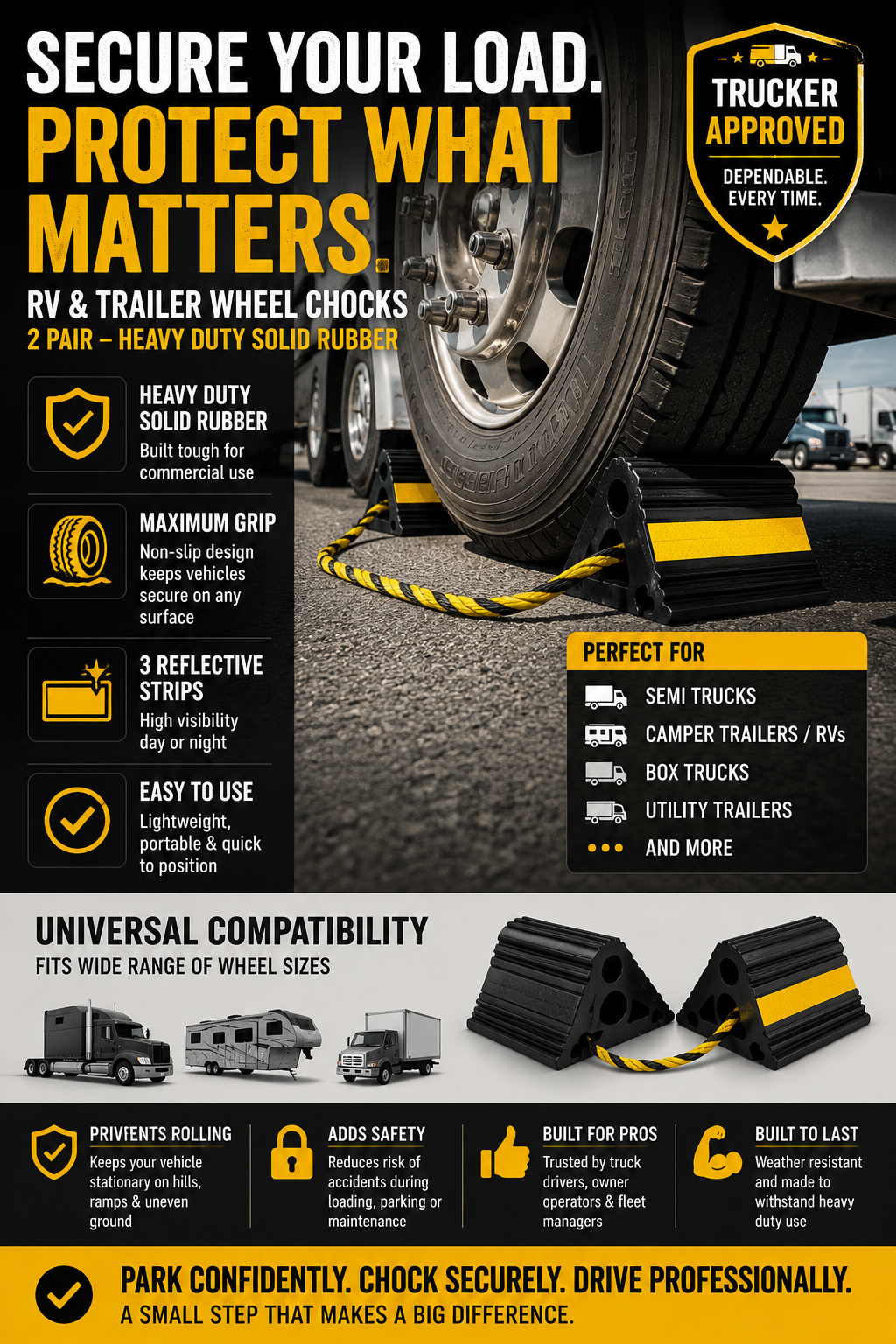
Whenever I’m unloading bulk material, I always carry a pair of Commercial Truck Wheel Chocks. Depending on the job site and company procedures, wheel chocks can provide an extra layer of safety while the trailer is unloading.
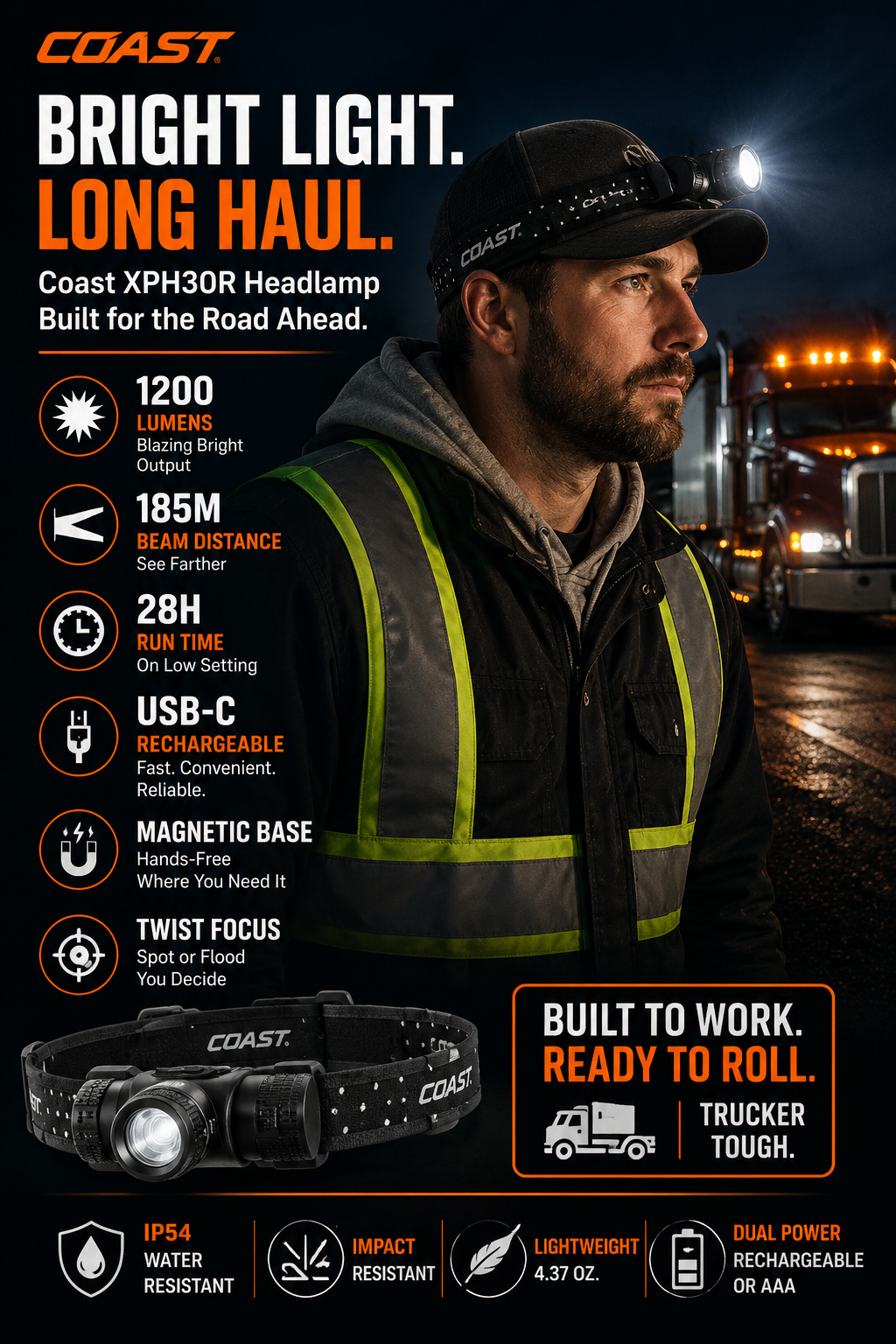
I also keep my Coast XPH30R USB-C Rechargeable Dual Power Headlamp within easy reach. It makes inspecting hydraulic hoses, moving floor components, air lines, and trailer connections much easier before sunrise or after dark.
My Advice After Watching Every Type of Trailer Work
One thing trucking has taught me is that every trailer has a purpose.
A dump trailer is excellent for certain jobs.
A hopper bottom shines during harvest.
A walking floor fills the gap where safe, controlled unloading matters most.
Understanding when to use each trailer is part of becoming a better driver.
The more equipment you learn, the more opportunities you’ll have throughout your trucking career.
Author: Kevin Lawson
Kevin Lawson spent nearly 30 years hauling agricultural products, bulk materials, refrigerated freight, and specialized loads throughout the Midwest. During his career, he worked with farmers, recycling facilities, and construction companies while mentoring new CDL drivers on trailer inspections, bulk hauling, and safe unloading procedures.