The first time I saw a bulldozer being hauled down the interstate, I wondered how something that tall could legally fit under bridges.
Then I looked closer at the trailer.
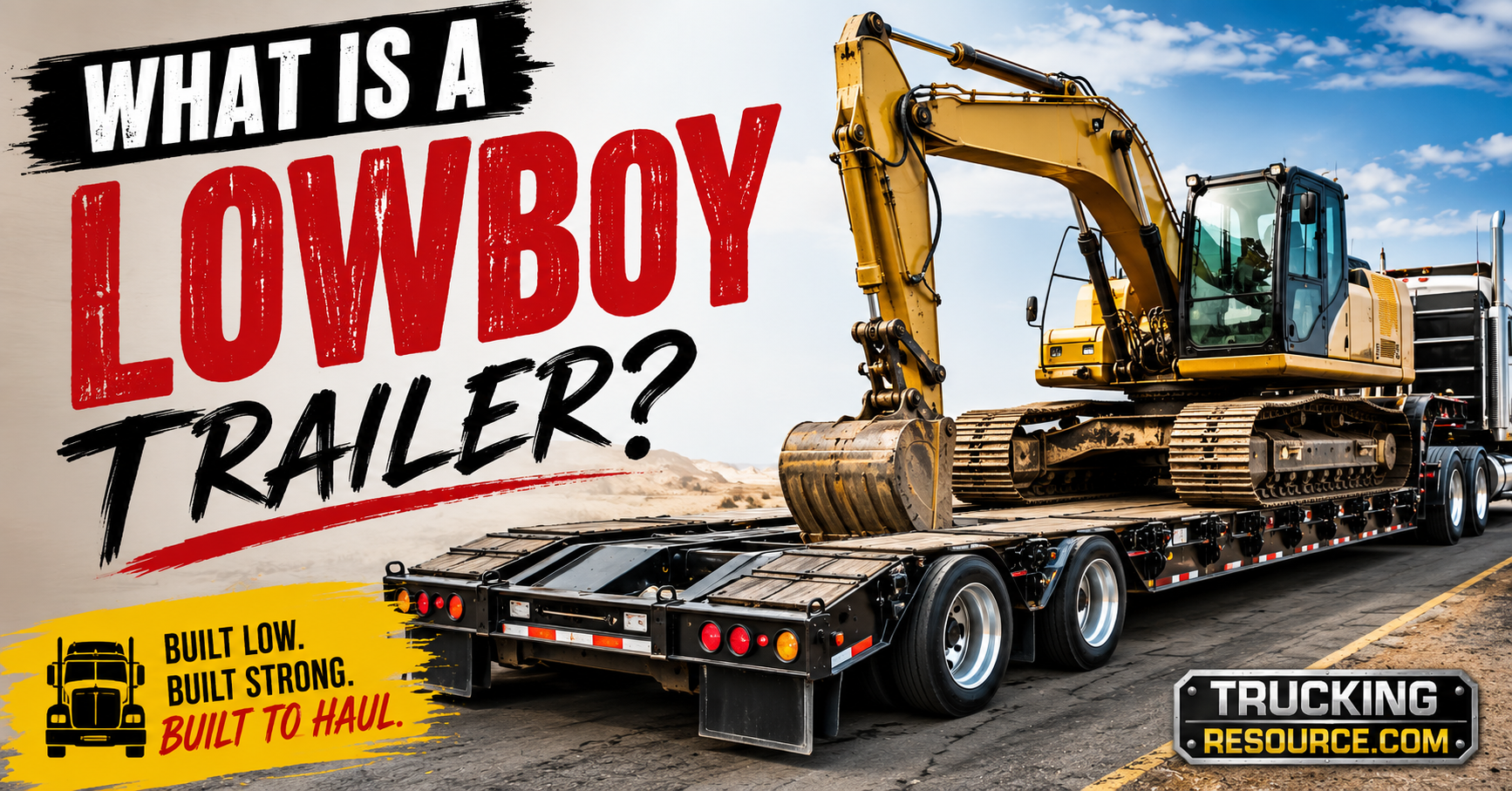
Instead of sitting several feet off the ground like a flatbed, the machine was riding in a deep, low section between the front and rear axles.
That’s when someone explained it to me.
“That’s a lowboy.”
Once you understand what a lowboy trailer is designed to do, it makes perfect sense. Some equipment is simply too tall or too heavy for a flatbed or step deck. That’s where a lowboy really shines.
What Is a Lowboy Trailer?
A lowboy trailer is a specialized semi-trailer with two drops in deck height, creating an extremely low center deck that allows drivers to haul tall and heavy equipment while staying within legal height limits.
Because the deck sits much closer to the ground than most other trailers, a lowboy can transport equipment that would ride too high on a flatbed.
That’s why you’ll often hear lowboys referred to as heavy equipment trailers.
Why Is It Called a Lowboy?
The name comes from its design.
The cargo deck rides very low to the ground.
Unlike a flatbed, which has one continuous deck, a lowboy has:
- A raised gooseneck.
- A lowered center deck.
- A raised rear section over the axles.
Those two changes in deck height are what allow the trailer to carry extremely tall loads.
What Does a Lowboy Trailer Haul?
Lowboys are built for freight that’s both large and heavy.
Some of the most common loads include:
- Bulldozers.
- Excavators.
- Backhoes.
- Wheel loaders.
- Cranes.
- Large tractors.
- Mining equipment.
- Forestry equipment.
- Industrial machinery.
- Oversized generators.
Many of these machines would exceed legal height limits if they were loaded onto a standard flatbed.
Why Use a Lowboy Instead of a Flatbed?
Height is the biggest reason.
A flatbed carries freight several feet above the pavement.
A lowboy lowers the cargo dramatically, allowing much taller equipment to be transported legally without requiring additional height permits in many situations.
If you’re hauling heavy construction equipment every day, those extra inches become incredibly valuable.
Lowboy vs. Step Deck
People often confuse these two trailers because they both sit lower than a standard flatbed.
The difference is how low they go.
A step deck has one drop in deck height.
A lowboy has two drops and an even lower center section designed specifically for extremely tall or heavy equipment.
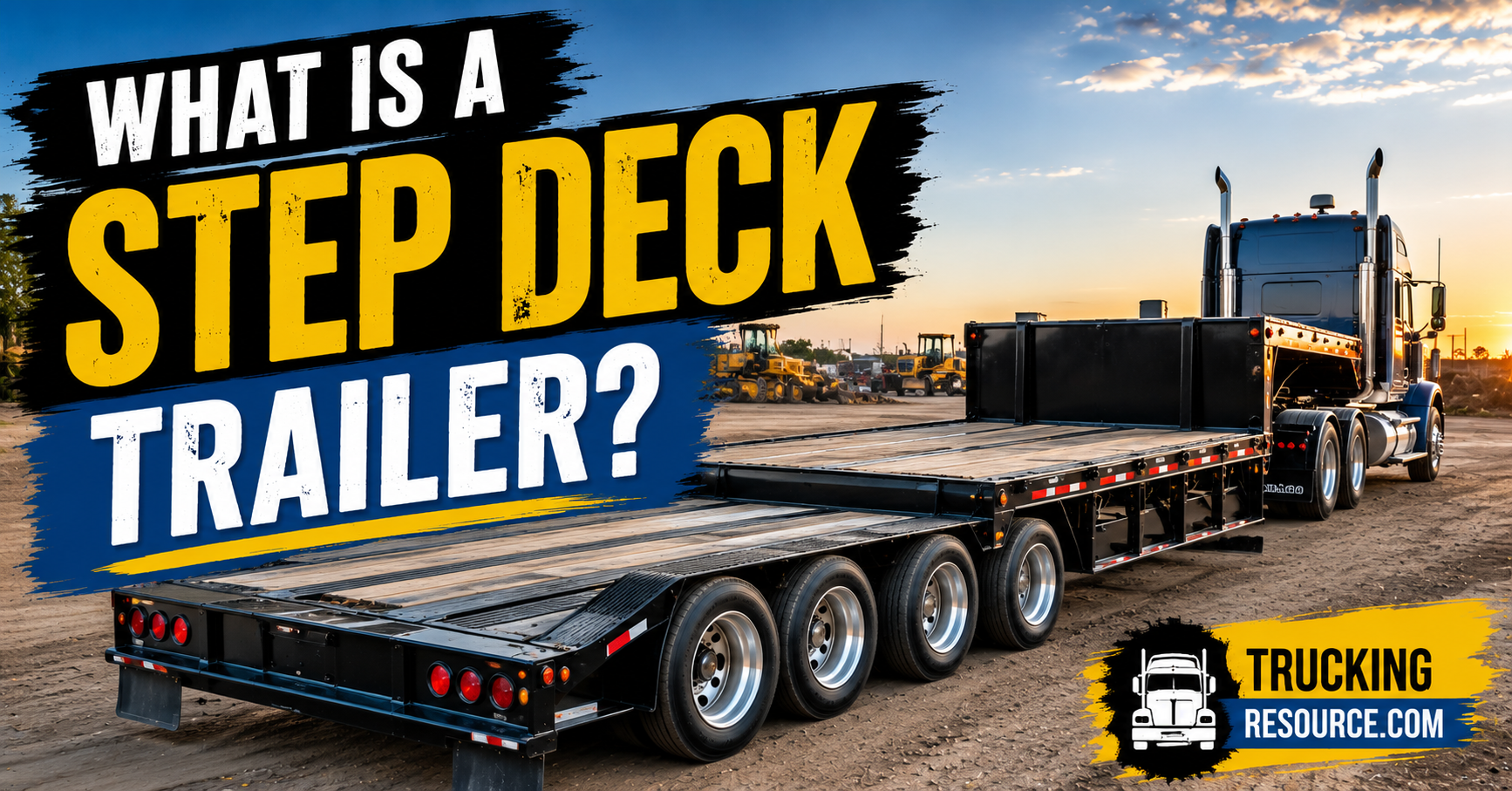
If you haven’t already, our guide on What Is a Step Deck Trailer? explains why step decks are often the next step up from standard flatbeds.
Lowboy vs. Flatbed
A flatbed is designed for general freight.
A lowboy is designed for specialized freight.
Flatbeds are commonly used for:
- Lumber.
- Steel.
- Building materials.
- Palletized freight.
- Pipes.
Lowboys are built specifically for oversized machinery and heavy equipment.
If you’re new to open-deck trucking, our What Is a Flatbed Trailer? A Beginner’s Guide for New CDL Drivers explains the differences in much more detail.
How Equipment Gets Loaded
One thing I always found interesting about lowboys is how equipment gets onto them.
Depending on the trailer design, loading may happen using:
- Fold-down rear ramps.
- Hydraulic ramps.
- A removable gooseneck (RGN).
- Drive-on loading.
Many pieces of equipment simply drive onto the trailer under their own power.
Larger machines may require spotters to ensure everything lines up safely.
Securing a Lowboy Load
Once the equipment is loaded, the real work begins.
Heavy machinery must be secured according to federal cargo securement regulations using equipment designed for extremely heavy loads.
That often includes:
- Transport chains.
- Load binders.
- Edge protection where needed.
- Blocking materials.
- Specialized tie-down points.
Heavy equipment doesn’t forgive mistakes.
Proper securement is critical.
Our Free CDL Cargo Loading, Weight Distribution & Securement Practice Test is an excellent resource if you’re learning how commercial cargo should be secured.
How I Inspect a Lowboy
Whenever I inspect a lowboy, I go through the same routine.
I’m checking:
- Tires.
- Wheels.
- Lights.
- Air lines.
- Electrical pigtail.
- ABS light.
- Deck condition.
- Loading ramps.
- Chains and binders.
- Tie-down points.
- Frame integrity.
If the trailer is already loaded, every chain and binder gets another look before I leave.
Heavy equipment deserves extra attention.
Common Mistakes New Drivers Make
I’ve watched new drivers assume a lowboy is simply a shorter flatbed.
It’s much more specialized than that.
Another mistake is underestimating overall weight.
Even when the equipment fits comfortably on the trailer, axle weights still matter.
Route planning also becomes much more important because many heavy-haul loads require permits or designated travel routes.
Where You’ll Hear This Term
You’ll hear “lowboy” regularly if you spend time around construction or heavy-haul trucking.
Common places include:
- Construction companies.
- Equipment dealers.
- Heavy-haul carriers.
- Freight brokers.
- CDL schools.
- Machinery auctions.
It’s one of the most recognizable trailer names in specialized trucking.
Frequently Asked Questions
Is a lowboy the same as a double-drop trailer?
In many parts of the trucking industry, yes. The terms are often used interchangeably because both describe trailers with two drops in deck height and a very low center deck.
Why are lowboys used for construction equipment?
Their extremely low deck allows tall equipment like bulldozers and excavators to stay within legal highway height limits while providing excellent stability during transport.
Do lowboy drivers need special skills?
Yes.
Drivers hauling oversized or overweight equipment often need additional training in cargo securement, route planning, permits, and escort vehicle requirements.
Will Lowboy Trailers Be Covered on the CDL Exam?
You may not see detailed questions specifically about lowboys, but you’ll absolutely be tested on cargo securement, weight distribution, trailer types, and safe equipment operation.
Our CDL Master Question Bank PDF and CDL Permit Test Simulator: 125-Question Master Practice Exam are excellent study tools for building confidence before your CDL exam.
One Piece of Equipment I Always Keep Handy
Heavy equipment inspections don’t always happen in perfect daylight.
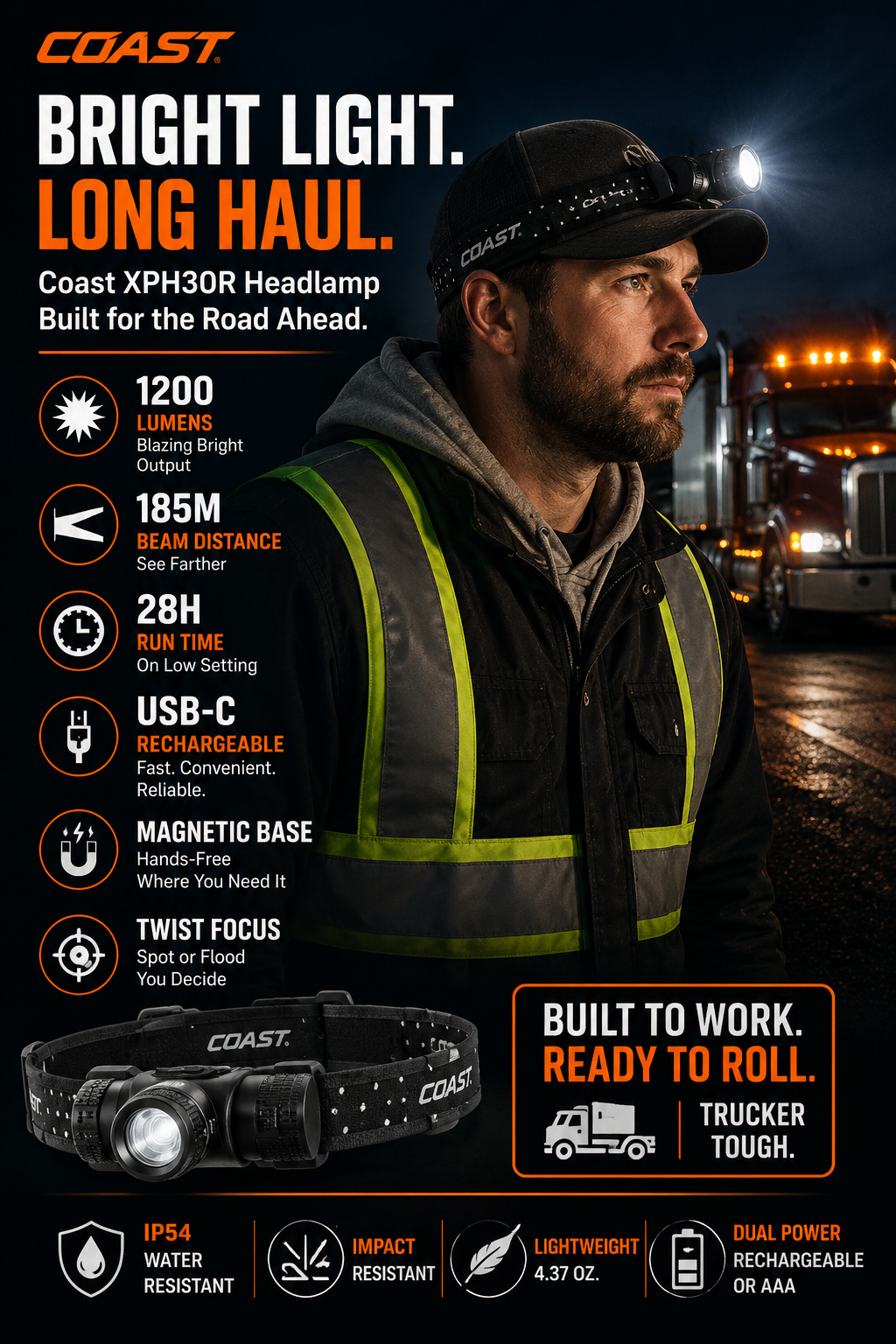
Whether I’m checking chains before sunrise or inspecting binders after a long day, I always carry the Coast XPH30R USB-C Rechargeable Dual Power Headlamp.
Having both hands free makes it much easier to inspect tie-downs, ramps, air lines, and the trailer frame before pulling onto the highway.
Author: Brian Cooper
Brian Cooper spent more than 24 years hauling dump trailers, flatbeds, step decks, and heavy equipment throughout the Midwest. During his career, he trained new CDL drivers on cargo securement, equipment inspections, and heavy-haul safety, emphasizing that careful preparation is the foundation of every successful trip.