TruckingResource.com
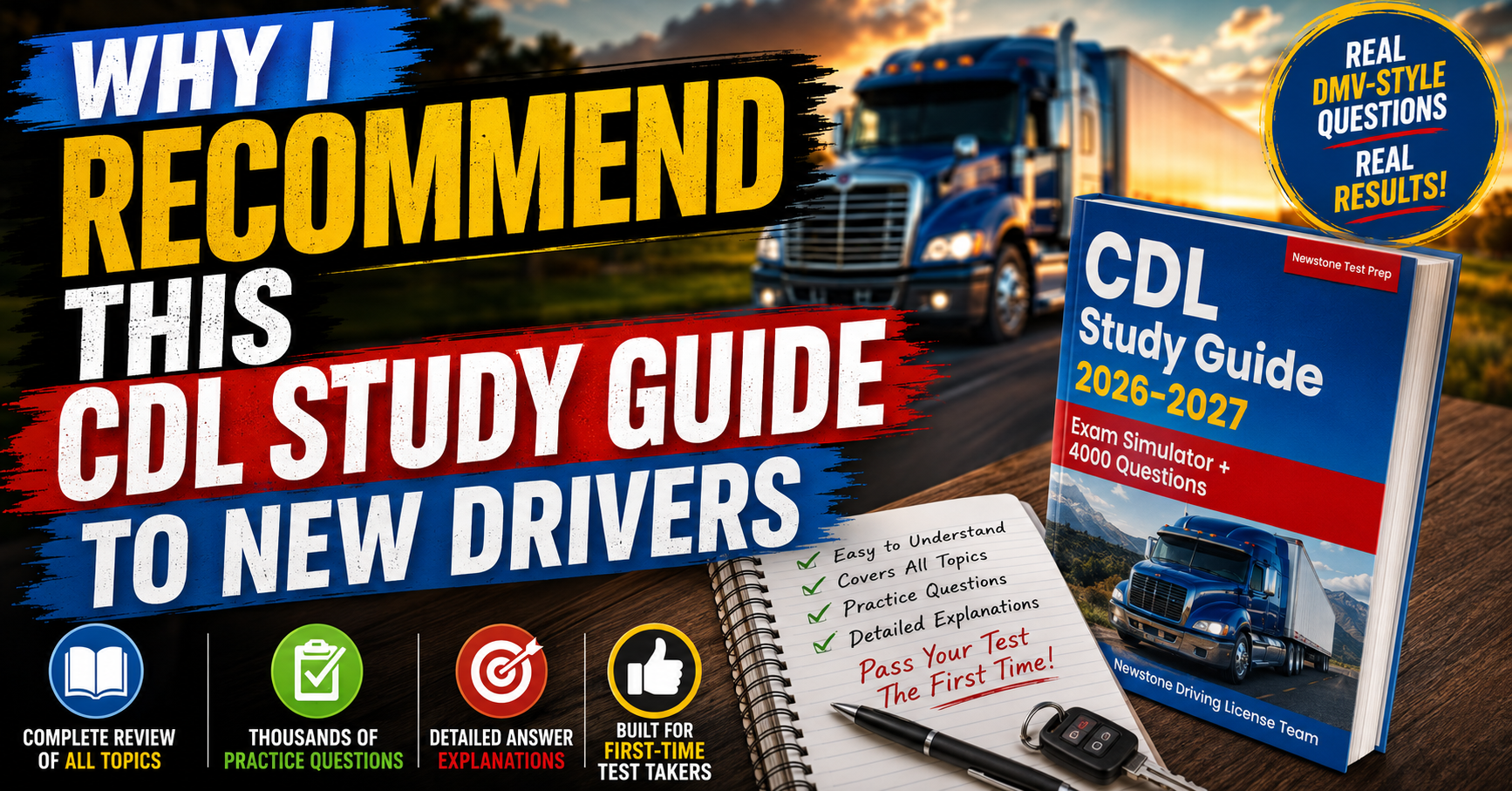
CDL Safe Driving & Road Hazards Practice Test
25 focused questions on defensive driving, speed management, road hazards, space, visibility, and crash prevention.
Final Score
Missed Question Review
Correct answer: ‘+esc(c.t)+’
Why yours is incorrect: It does not correctly apply the CDL safety principles in this scenario.
‘:”)+’Explanation: ‘+esc(q.e)+’
‘;E.feedback.hidden=false}function finish(){var n=S.q.length,b=n-S.s,p=Math.round(S.s/n*100);E.quiz.hidden=true;E.reviewScreen.hidden=true;E.results.hidden=false;$(‘percent’).textContent=p+’%’;$(‘final’).textContent=S.s+’/’+n;$(‘correct’).textContent=S.s;$(‘incorrect’).textContent=b;$(‘message’).textContent=p>=90?’Outstanding! You have a strong grasp of combination-vehicle fundamentals.’:p>=80?’Great job! Review the missed Combination Vehicles questions.’:p>=70?’Good progress. Keep practicing this section.’:’More Combination Vehicles review is recommended before testing.’;E.review.disabled=!b;top()}function review(){E.reviewList.innerHTML=”;S.q.filter(function(q){return!q.a[q.p].ok}).forEach(function(q,i){var c=q.a.filter(function(a){return a.ok})[0],d=document.createElement(‘article’);d.className=’review-item’;d.innerHTML=’‘+(i+1)+’. ‘+esc(q.t)+’
Your answer: ‘+esc(q.a[q.p].t)+’
Correct answer: ‘+esc(c.t)+’
Explanation: ‘+esc(q.e)+’
‘;E.reviewList.appendChild(d)});E.results.hidden=true;E.reviewScreen.hidden=false;top()}E.prev.onclick=function(){if(S.i){S.i–;render();top()}};E.next.onclick=function(){if(S.q[S.i].p===null)return;if(S.i<S.q.length-1){S.i++;render();top()}else finish()};$('retake').onclick=start;E.review.onclick=review;$('back').onclick=finish;start()}());Continue Practicing CDL Tests
Ready for another challenge? Keep building your knowledge by taking more free CDL practice tests below.
Free CDL Safe Driving & Road Hazards Practice Test
Driving a commercial vehicle safely requires much more than knowing how to steer, shift gears, or back into a parking space. Professional truck drivers must constantly watch for changing road conditions, anticipate the actions of other drivers, and make safe decisions long before a hazard becomes an emergency.
Our Free CDL Safe Driving & Road Hazards Practice Test is designed to help you build those defensive driving skills before taking your CDL permit exam. This practice test includes 25 realistic multiple-choice questions covering many of the safe driving situations commercial drivers face every day. Each question includes a detailed explanation so you can understand why the correct answer is the safest choice.
If you’re just beginning your CDL journey, it’s also a great idea to strengthen your foundation by taking our Free CDL General Knowledge Practice Test #1 before moving on to more specialized topics like safe driving and hazard awareness.
Why Safe Driving Knowledge Matters
Commercial trucks are much larger and heavier than passenger vehicles. Because of their size and weight, they require longer stopping distances, wider turns, and much more space to safely maneuver.
A mistake that might be minor in a car can become a serious accident when driving an 80,000-pound combination vehicle.
That’s why the CDL Safe Driving portion of your training focuses heavily on defensive driving techniques, hazard recognition, speed management, and maintaining proper following distances.
Learning these principles now not only helps you pass your CDL exam but also prepares you for a safer trucking career.
What You’ll Practice on This Quiz
This practice test focuses on many of the same topics found in CDL manuals throughout the United States.
You’ll practice questions involving:
- Defensive driving
- Following distance
- Speed control
- Curves and downgrades
- Railroad crossings
- Construction zones
- Weather conditions
- Intersections
- Blind spots
- Lane changes
- Emergency vehicles
- Aggressive drivers
- Motorcycle awareness
- Pedestrian safety
- Road hazards
Each question is designed to reinforce safe driving habits instead of encouraging simple memorization.
Defensive Driving Starts With Looking Ahead
One of the biggest differences between professional truck drivers and inexperienced drivers is how far ahead they look.
New drivers often focus only on the vehicle directly in front of them. Experienced commercial drivers are constantly scanning far down the road, checking mirrors, monitoring traffic, and planning for situations before they develop.
Looking well ahead gives you additional time to:
- Adjust your speed.
- Change lanes safely.
- Prepare for stopped traffic.
- Identify work zones.
- Avoid sudden braking.
- React to changing weather.
The earlier you recognize a hazard, the more options you’ll have for avoiding it safely.
Understanding Following Distance
Following another vehicle too closely is one of the most common causes of commercial vehicle crashes.
Heavy trucks simply cannot stop as quickly as smaller vehicles.
Even if your brakes are working perfectly, the size and weight of your truck require much more distance to come to a complete stop.
Safe following distance becomes even more important during:
- Rain
- Snow
- Ice
- Heavy traffic
- Night driving
- Mountain driving
If another driver suddenly moves into your safety cushion, resist the temptation to follow closely. Instead, gradually slow down and rebuild the space in front of your truck.

Speed Limits Don’t Always Mean Safe Speeds
Many new CDL students assume that driving the posted speed limit is always the safest option.
In reality, professional truck drivers constantly adjust their speed based on conditions.
Factors that should influence your speed include:
- Traffic volume
- Curves
- Hills
- Road construction
- Visibility
- Weather
- Vehicle weight
- Road surface conditions
Sometimes the safest speed may be well below the posted speed limit.
Learning when to slow down is one of the most valuable skills you’ll develop as a commercial driver.
Weather Can Change Everything
Rain, snow, ice, fog, and high winds all change how a commercial vehicle handles.
Wet pavement increases stopping distance.
Snow reduces traction.
Black ice can make the roadway almost impossible to see.
Strong crosswinds can push a tall trailer into another lane.
Professional truck drivers don’t simply hope conditions improve. They adjust their driving to match whatever conditions they encounter.
Reducing speed, increasing following distance, and avoiding sudden steering or braking are all important techniques when driving in poor weather.
Construction Zones Require Extra Attention
Road construction creates constantly changing driving conditions.
Temporary lane shifts, narrowed lanes, reduced speed limits, workers near traffic, uneven pavement, and changing traffic patterns all require additional caution.
When approaching a work zone:
- Slow down early.
- Watch for flaggers.
- Follow temporary pavement markings.
- Leave additional following distance.
- Avoid unnecessary lane changes.
Construction zones often have increased penalties for traffic violations, making safe driving even more important.
Sharing the Road With Other Drivers
Professional truck drivers share the road with passenger cars, motorcycles, buses, emergency vehicles, bicyclists, and pedestrians every day.
Many motorists don’t fully understand how commercial trucks operate.
Passenger vehicles may:
- Cut in front of trucks.
- Remain in blind spots.
- Brake suddenly.
- Change lanes unexpectedly.
- Merge too slowly.
Rather than becoming frustrated, experienced truck drivers expect these situations and leave enough space to react safely.
Remaining patient and predictable helps prevent accidents.
Blind Spots Are Larger Than Most Drivers Realize
Every commercial vehicle has areas around it where other vehicles may temporarily disappear from the driver’s view.
These blind spots are much larger than those found on passenger vehicles.
Vehicles traveling beside your trailer or directly behind your truck may not be visible in your mirrors.
That’s why every lane change should include:
- Mirror checks.
- Turn signals.
- Additional mirror checks.
- Gradual steering movements.
Never assume another driver has seen your signal.
Always verify that the lane is completely clear before moving.
Road Hazards Can Appear Without Warning
Professional drivers constantly watch for potential hazards that other motorists often overlook.
Examples include:
- Tire debris
- Animals
- Disabled vehicles
- Flooded roads
- Fallen cargo
- Sudden traffic backups
- Potholes
- Loose gravel
- Low bridges
- High winds
Recognizing hazards early gives you valuable time to slow down or safely change your path before the situation becomes dangerous.
Sometimes the safest decision is simply reducing your speed and remaining alert until the hazard has passed.
Build Good Habits Before Test Day
Passing your CDL permit exam is only the first step toward becoming a professional driver.
The habits you develop while studying today may stay with you throughout your entire trucking career.
Instead of memorizing answers, focus on understanding why each safe driving principle exists.
Every regulation, inspection procedure, and defensive driving technique has been developed because it helps reduce crashes and keeps both truck drivers and the public safer on the road.
Continue building your knowledge by taking our Free CDL General Knowledge Practice Test #2 after completing this quiz. Each practice test introduces new questions and reinforces the knowledge you’ll need to confidently pass your CDL permit exam and become a safer commercial driver.
Why Hazard Recognition Is One of the Most Important CDL Skills
One of the biggest differences between an average driver and a professional truck driver is the ability to recognize hazards before they become emergencies.
A hazard is anything that could increase your risk of being involved in a crash. Sometimes hazards are obvious, like stopped traffic or an accident ahead. Other times they’re much more subtle, such as a child playing near the road, a vehicle drifting within its lane, or brake lights several cars ahead.
Professional truck drivers constantly scan their surroundings instead of focusing only on the road directly in front of them. They check mirrors every few seconds, watch traffic patterns, and think about what other drivers might do next.
Hazard recognition gives you valuable time to make smooth, controlled decisions instead of reacting at the last second.
Curves, Hills, and Mountain Driving
Many commercial vehicle accidents happen because drivers fail to adjust their speed before entering curves or descending steep grades.
Large trucks have a much higher center of gravity than passenger vehicles. Entering a curve too quickly can increase the risk of losing control or even rolling the vehicle.
Likewise, long downhill grades require careful planning. Experienced drivers choose the proper gear before beginning the descent and rely on engine braking whenever appropriate instead of overheating their service brakes.
Remember that gravity can quickly increase your speed on steep downgrades. Once excessive speed builds, it becomes much more difficult to regain control safely.
Learning proper hill and curve techniques is an important part of becoming a safe commercial driver.
Driving Safely Around Motorcycles
Motorcycles deserve special attention because they are much smaller than commercial vehicles and can disappear into blind spots more easily.
Motorcyclists are also affected by potholes, gravel, wind gusts, and road debris that may not significantly impact a large truck.
Give motorcycles extra following distance and avoid lingering beside them whenever possible.
When preparing to change lanes, always perform additional mirror checks because motorcycles can approach much faster than many drivers realize.
Respecting the space around motorcycles helps reduce the chance of a serious collision.
Emergency Vehicles Require Quick, Calm Decisions
Eventually every truck driver will encounter emergency vehicles responding to an accident, fire, or medical emergency.
When you see flashing lights or hear a siren, stay calm and think ahead.
Check your mirrors before changing lanes, signal your intentions early, and move over when it is safe and required by law.
If changing lanes isn’t possible, reduce your speed and proceed cautiously according to your state’s Move Over Law requirements.
Never panic or stop suddenly in an active traffic lane.
Predictable driving helps emergency responders reach their destination safely while reducing confusion for other motorists.
Why Patience Makes You a Better Truck Driver
One lesson you’ll hear repeatedly throughout your CDL training is that patience saves lives.
Aggressive driving rarely gains much time, but it dramatically increases risk.
Avoid behaviors such as:
- Tailgating
- Rapid lane changes
- Speeding through traffic
- Racing yellow lights
- Responding to aggressive drivers
- Following too closely after being cut off
Professional truck drivers understand that arriving safely is far more important than arriving a few minutes earlier.
Keeping your emotions under control often prevents situations from becoming dangerous.
Continue Practicing Until Safe Driving Becomes Second Nature
Like every skill, safe driving improves with repetition.
Reading your CDL manual provides the foundation, but regularly taking practice tests helps reinforce what you’ve learned while exposing you to new situations and questions.
Don’t become discouraged if you miss several questions on your first attempt. Instead, carefully read each explanation, understand why the correct answer is safest, and then retake the quiz.
Over time you’ll notice that many defensive driving principles begin to feel natural instead of something you have to memorize.
The goal isn’t simply passing your CDL permit exam. The goal is becoming a professional driver who can recognize hazards early, make safe decisions under pressure, and protect yourself and everyone sharing the road.
Frequently Asked Questions
How many questions are on this CDL Safe Driving Practice Test?
This practice test contains 25 multiple-choice questions covering safe driving techniques, road hazards, speed management, following distance, weather conditions, and other important commercial driving topics. Every question includes an explanation to help reinforce what you’ve learned.
Will these questions appear on my actual CDL exam?
The questions on this practice test are designed to prepare you for the types of topics commonly found on CDL General Knowledge exams. While your state’s test will likely use different wording and different questions, the safety concepts remain very similar.
Is this practice test free?
Yes. Our CDL Safe Driving & Road Hazards Practice Test is completely free to use. You can take it as many times as you’d like while preparing for your CDL permit exam.
Should I read my state’s CDL manual too?
Absolutely. Practice tests work best when combined with careful study of your state’s CDL manual. The manual remains the official study resource used by your state’s licensing agency.
How many times should I take practice tests?
Many successful CDL students complete multiple practice tests until they’re consistently scoring 90% or higher. Repetition helps strengthen your understanding and increases confidence before taking the real exam.
What should I study after this quiz?
Continue reviewing all areas of the CDL General Knowledge exam, including vehicle inspections, safe driving practices, air brakes, combination vehicles, and any endorsements you’ll need for your future trucking job. The more well-rounded your preparation, the more comfortable you’ll feel when exam day arrives.