One of the first questions I had after getting my CDL wasn’t whether I could drive the truck.
It was figuring out what kind of trucking job I actually wanted.
Everyone seemed to have an opinion.
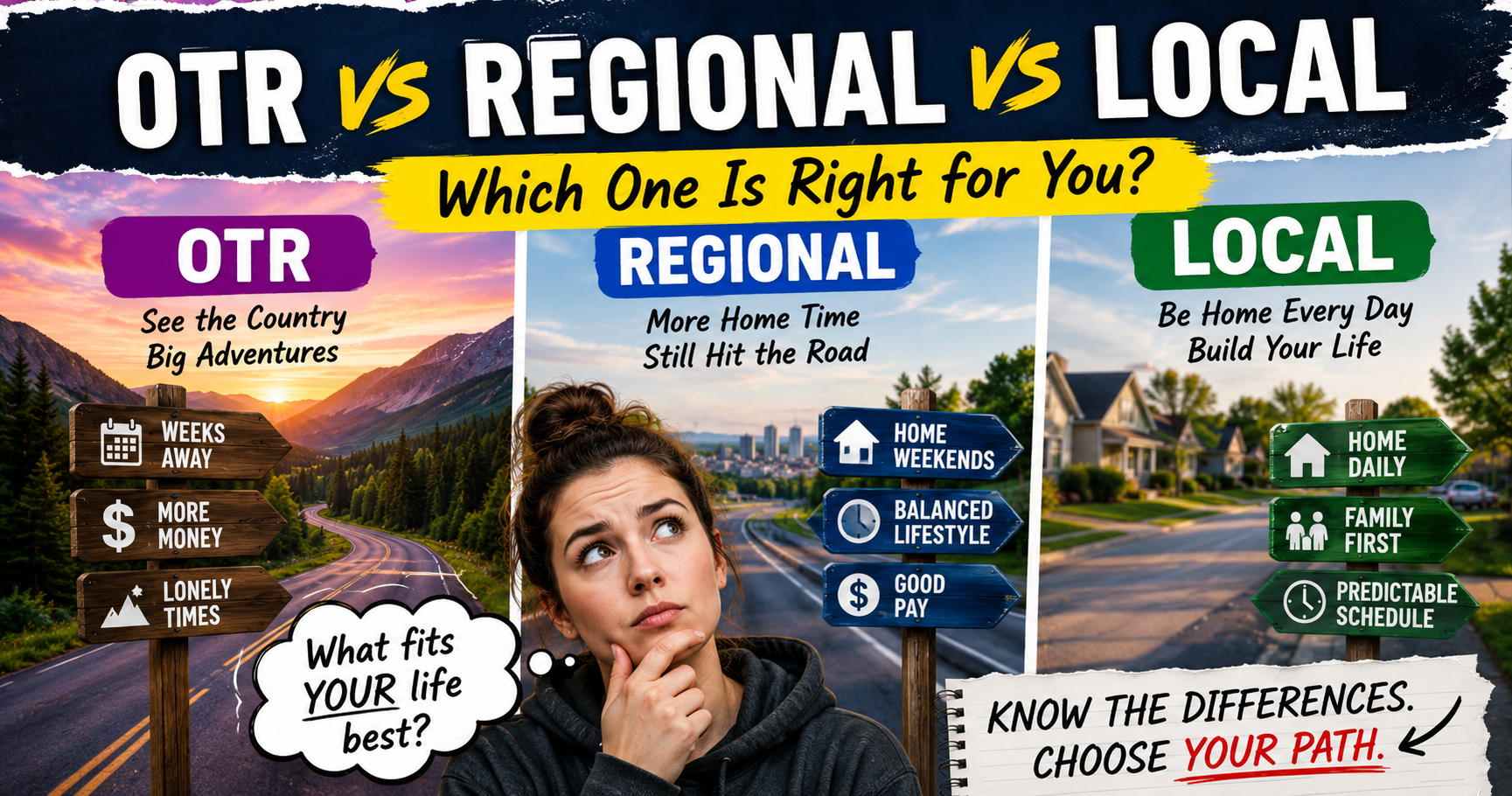
One driver told me to start over-the-road because I’d make the most money.
Another said regional was the perfect balance.
Someone else insisted I’d be happiest waiting for a local job.
The more people I talked to, the more confused I became.
The truth is there isn’t one right answer.
The best trucking job depends on your goals, your family situation, your experience, and what kind of lifestyle you want.
If you’re trying to decide which path to take, here’s what I’ve learned after talking with drivers from all three types of jobs.
If you’ve recently earned your CDL but haven’t started applying yet, I’d also recommend reading What Happens After You Get Your CDL? Your First 90 Days Explained so you know what to expect once you’re hired.
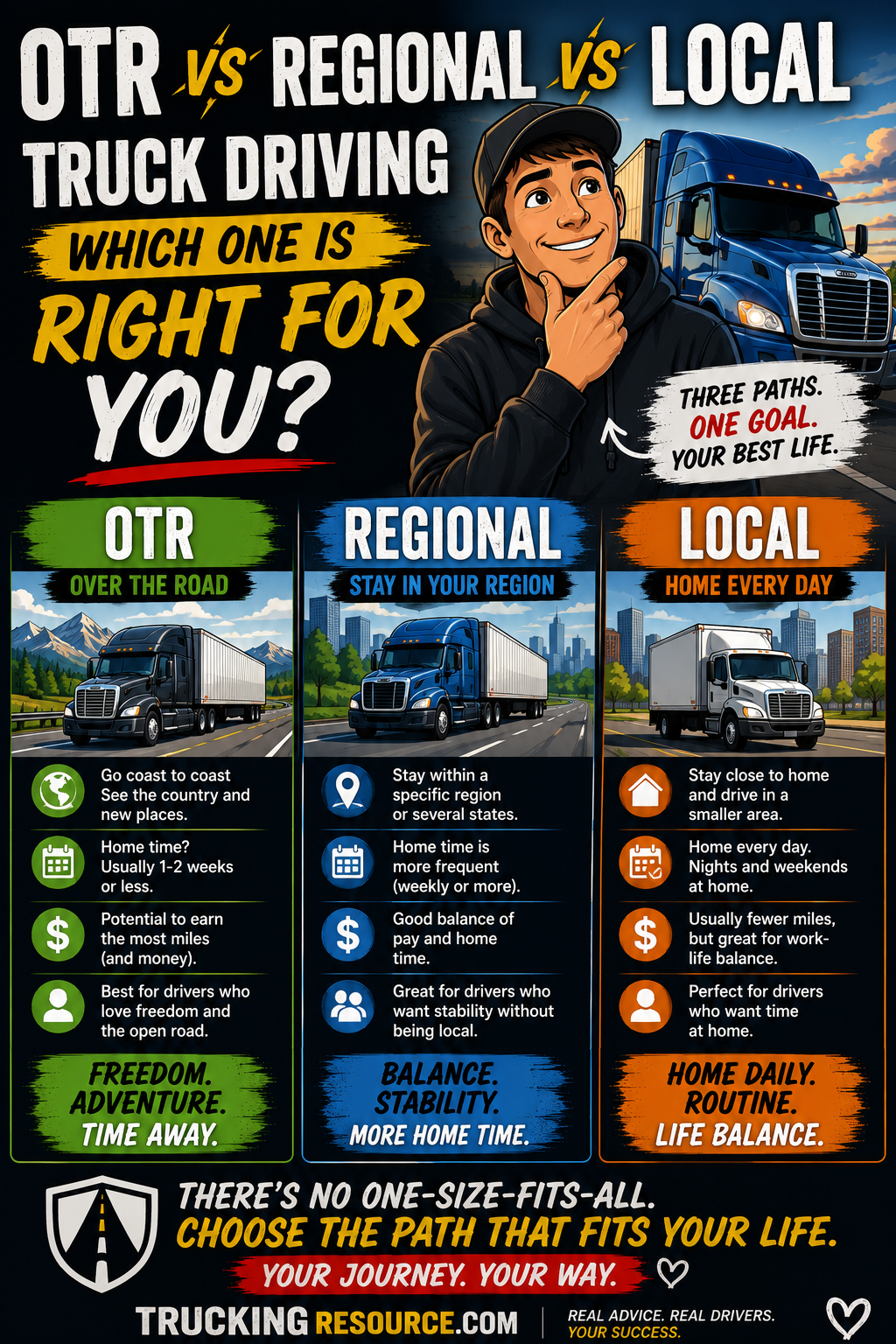
What Does OTR Mean?
OTR stands for Over-the-Road trucking. Drivers considering long-haul work may also find a route-planning atlas useful when thinking about the regions and states they could cover.
These drivers typically travel across multiple states and spend extended periods away from home.
Some drivers stay out for two weeks.
Others stay out for three or four weeks before taking several days off.
Because you’re covering longer distances, OTR jobs often offer the opportunity to drive the most miles.
That’s one reason many new drivers start here.
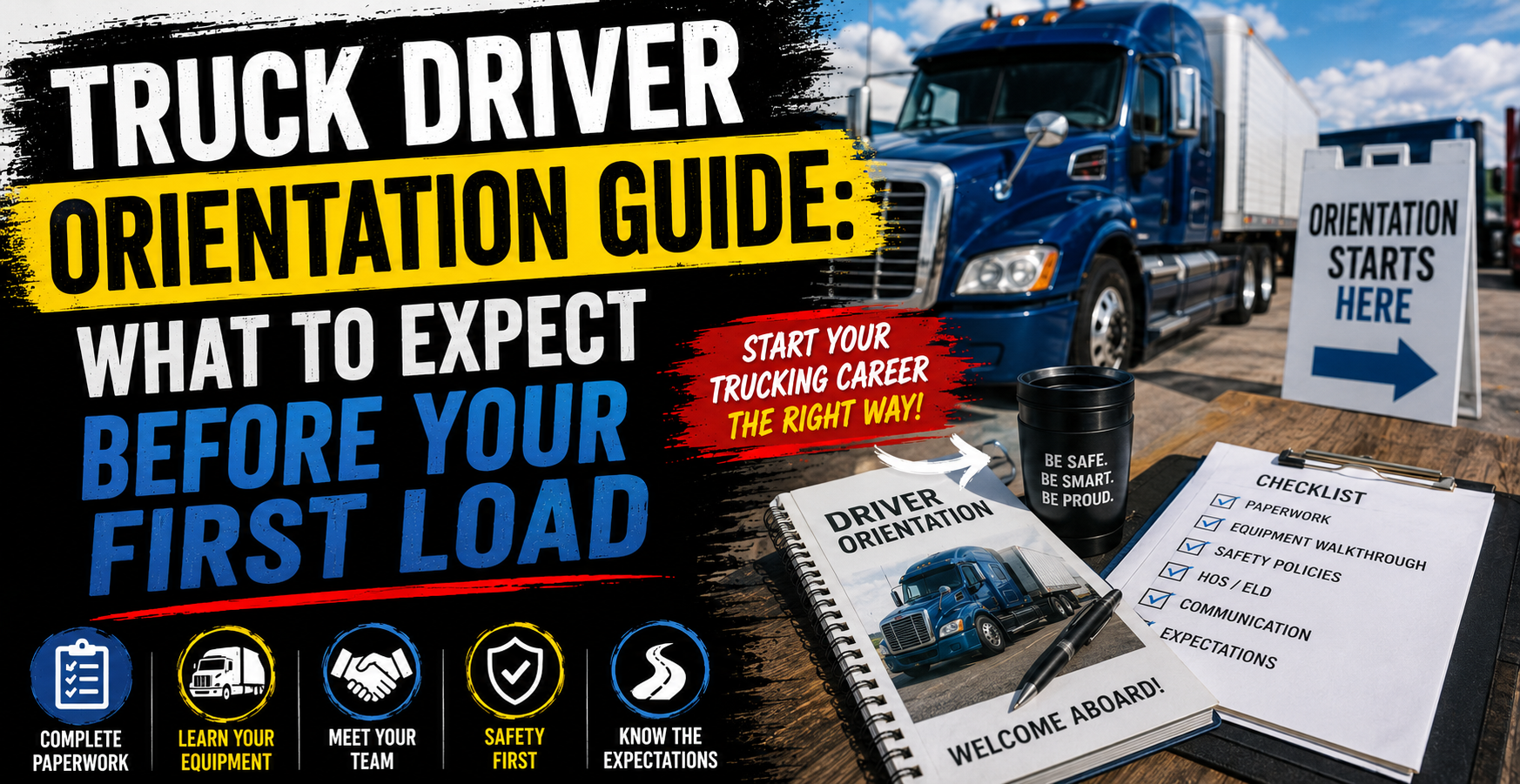
Companies that hire recent CDL graduates frequently have OTR positions available, making it easier to get your first year of experience. Before accepting that first position, review how to prepare for your first trucking job and what happens before your first load.
What Is Regional Truck Driving?
Regional trucking falls somewhere between OTR and local driving.
Regional drivers usually stay within a specific part of the country.
For example, you might only run through the Midwest, Southeast, or Northeast.
Depending on the company, you may be home every weekend or several times during the week.
The trips are generally shorter than OTR, but you’re still spending plenty of time behind the wheel.
Many experienced drivers feel regional driving offers one of the best balances between earning potential and home time.
What Is Local Truck Driving?
Local drivers normally begin and end their workday at or near home.
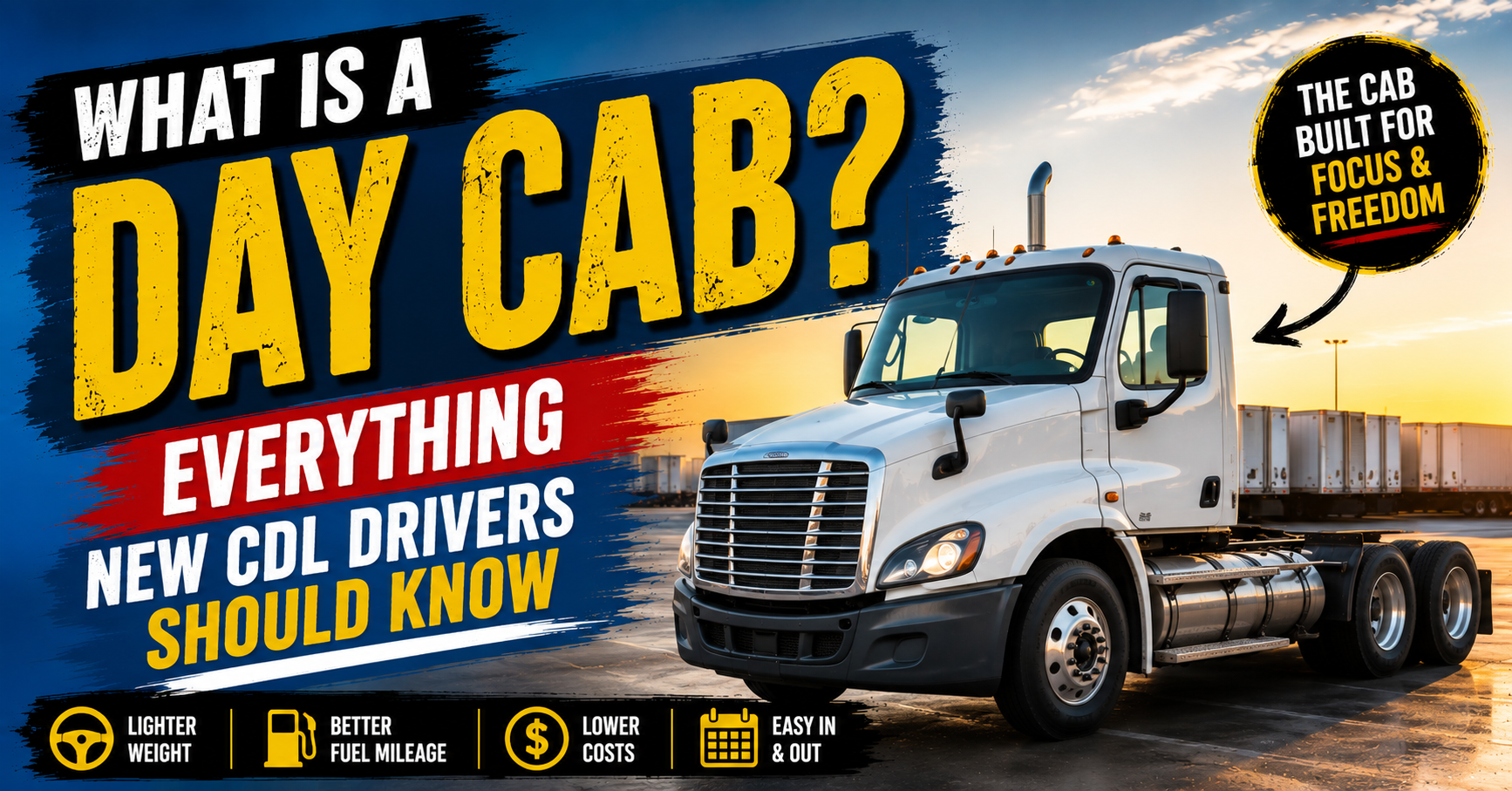
Most local jobs allow you to sleep in your own bed every night. That home-every-night schedule is one of the main reasons many local drivers choose day cab local driving.
That schedule is appealing to drivers with families or anyone who doesn’t want to spend weeks on the road.
Local driving can include:
- Food delivery.
- Construction.
- Fuel hauling.
- Dump trucks.
- Beverage distribution.
- LTL freight.
- Dedicated customer routes.
Keep in mind that “home every night” doesn’t always mean easier work.
Many local jobs involve more physical labor, frequent stops, and longer workdays.
Home Time Is Often the Biggest Difference
When people compare trucking jobs, they usually start by asking about pay.
I think home time deserves equal attention.
Ask yourself:
Do you enjoy traveling?
Do you mind being away for weeks?
Do you have young children?
Are you caring for family members?
Would you rather have weekends at home?
Those answers can narrow your options surprisingly fast.
The highest-paying job isn’t always the best job if the schedule doesn’t fit your life.
Which Type of Job Pays the Most?
This is probably the question I hear most often.
The honest answer is…
It depends.
Pay varies based on:
- Experience.
- Company.
- Freight type.
- Location.
- Endorsements.
- Miles driven.
- Bonuses.
OTR drivers often have the opportunity to earn more simply because they drive more miles.
Regional pay is often very competitive while offering better home time.
Local jobs sometimes pay excellent hourly wages, especially when overtime is available.
Instead of focusing only on annual salary, compare the entire compensation package.
Benefits.
Retirement.
Insurance.
Paid time off.
Consistent schedules.
Sometimes those things matter just as much as the paycheck.
Which Option Is Best for New CDL Drivers?
For many people, OTR is the easiest way to get started.
That’s simply because more companies are willing to hire recent CDL graduates for long-haul positions.
Those first twelve months help you build experience that opens more doors later.
That doesn’t mean OTR is required.
Some drivers begin with regional companies.
Others find local jobs immediately.
If you have multiple offers, don’t automatically choose the first one.
Compare training programs, equipment, safety records, and driver satisfaction.
The company you start with can have a huge impact on your first year behind the wheel.
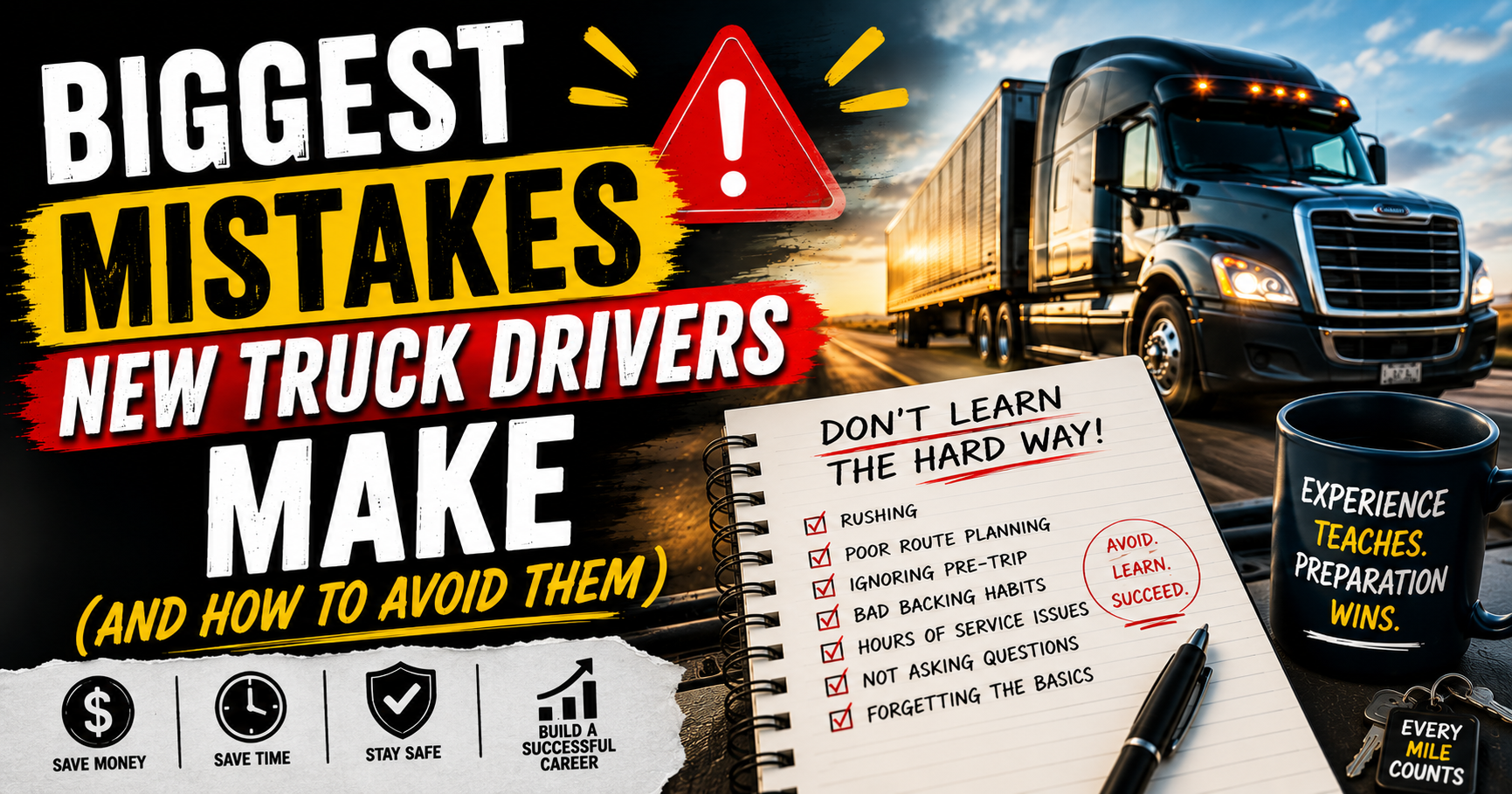
One thing that helped me was realizing that your first trucking job doesn’t have to be your forever job. During those first few months, your focus should be learning the profession and building safe habits. That’s something I discuss in Biggest Mistakes New Truck Drivers Make and How to Avoid Them because avoiding those early mistakes can make every career path more enjoyable.
OTR Trucking Pros
There are plenty of reasons drivers choose OTR, especially early in their careers.
Some of the biggest advantages include:
- More opportunities for recent CDL graduates.
- The chance to see different parts of the country.
- Higher mileage potential.
- Faster experience building.
- Less repetitive routes.
- More independence once you’re on your own.
If you’ve always wanted a career that isn’t spent behind the same desk every day, OTR can feel like an adventure.
No two weeks are exactly alike.
OTR Trucking Cons
Of course, there are trade-offs.
Being away from home is the biggest one.
Birthdays.
Holiday gatherings.
Sporting events.
Family dinners.
Sometimes you’ll miss things that matter.
Living in a sleeper truck also takes some adjustment.
You’re working where you live and living where you work.
For some people, that’s exciting.
For others, it becomes difficult after a while.
Regional Trucking Pros
Regional driving often offers what many drivers consider the best balance.
You still enjoy longer trips and steady miles, but you generally spend less time away from home.
Some advantages include:
- More consistent home time.
- Familiar routes.
- Less time away from family.
- Strong earning potential.
- Easier transition from OTR for many drivers.
Many drivers eventually move into regional positions after gaining experience because they want more time at home without giving up the benefits of longer-distance driving.
Regional Trucking Cons
Regional isn’t perfect either.
Depending on your company, your schedule can still change from week to week.
You may expect to be home Friday evening only to have weather, traffic, or customer delays push that schedule back.
Some regional routes also involve overnight trips several days each week.
It’s a good compromise for many drivers, but it still requires flexibility.
Local Trucking Pros
For a lot of people, sleeping in your own bed every night is hard to beat.
Local driving also makes it easier to maintain hobbies, attend family events, and spend time with friends.
Benefits often include:
- Daily home time.
- More predictable schedules.
- Better work-life balance.
- Less time living out of the truck.
- Easier to stay involved with family life.
If having dinner with your family every evening is one of your top priorities, local trucking is often the best fit.
Local Trucking Cons
Many new drivers assume local jobs are easier.
That isn’t always true.
Some local positions involve unloading freight, making dozens of stops, or working long shifts in busy city traffic.
You’ll often back into tighter spaces and interact with customers much more frequently than an OTR driver.
Competition for the best local jobs can also be stronger, especially if you have little or no driving experience.
Can You Switch Later?
Absolutely.
In fact, many drivers do.
You might start OTR to gain experience.
A year later, you move into regional driving.
Eventually, you find a local position that better fits your family life.
Your CDL opens the door to many different opportunities.
Very few drivers stay in exactly the same type of trucking job for their entire career.
Don’t feel like your first decision locks you in forever.
Your First Job Is Only the Beginning
Choosing between OTR, regional, and local trucking is an important decision, but it’s only one piece of your first year as a professional driver. You’ll also be learning how to manage your time, build confidence behind the wheel, handle truck stops, avoid common rookie mistakes, and adjust to life on the road.
If you’re just beginning your trucking career, New Truck Driver Survival Guide Everything You Need to Know Your First Year provides a complete overview of what to expect beyond simply choosing your first driving job.
Questions You Should Ask Before Accepting Any Job
Instead of asking only, “How much does it pay?” consider asking questions like:
- How long is the training program?
- How often will I actually be home?
- How are drivers paid?
- Is freight consistent year-round?
- What equipment will I be driving?
- What’s the average driver turnover?
- What kind of support is available after training?
Those answers often tell you much more about a company than the advertised pay.
Which One Would I Choose Today?
If I were brand new with no experience, I’d probably focus less on whether the job was OTR, regional, or local.
Instead, I’d look for a company with:
- A strong safety culture.
- Good training.
- Modern equipment.
- Experienced driver trainers.
- Honest communication.
- Plenty of freight.
A great company can make almost any type of trucking job enjoyable.
A poorly managed company can make even the highest-paying position frustrating.
That’s why your first employer matters more than many people realize.
There Isn’t One Right Answer
I’ve met drivers who absolutely love spending three weeks on the road.
I’ve met others who would never leave home for more than one night.
Neither one is wrong.
The best trucking job is the one that fits your life.
Think about your goals.
Think about your family.
Think about what kind of schedule will make you happy a year from now, not just next week.
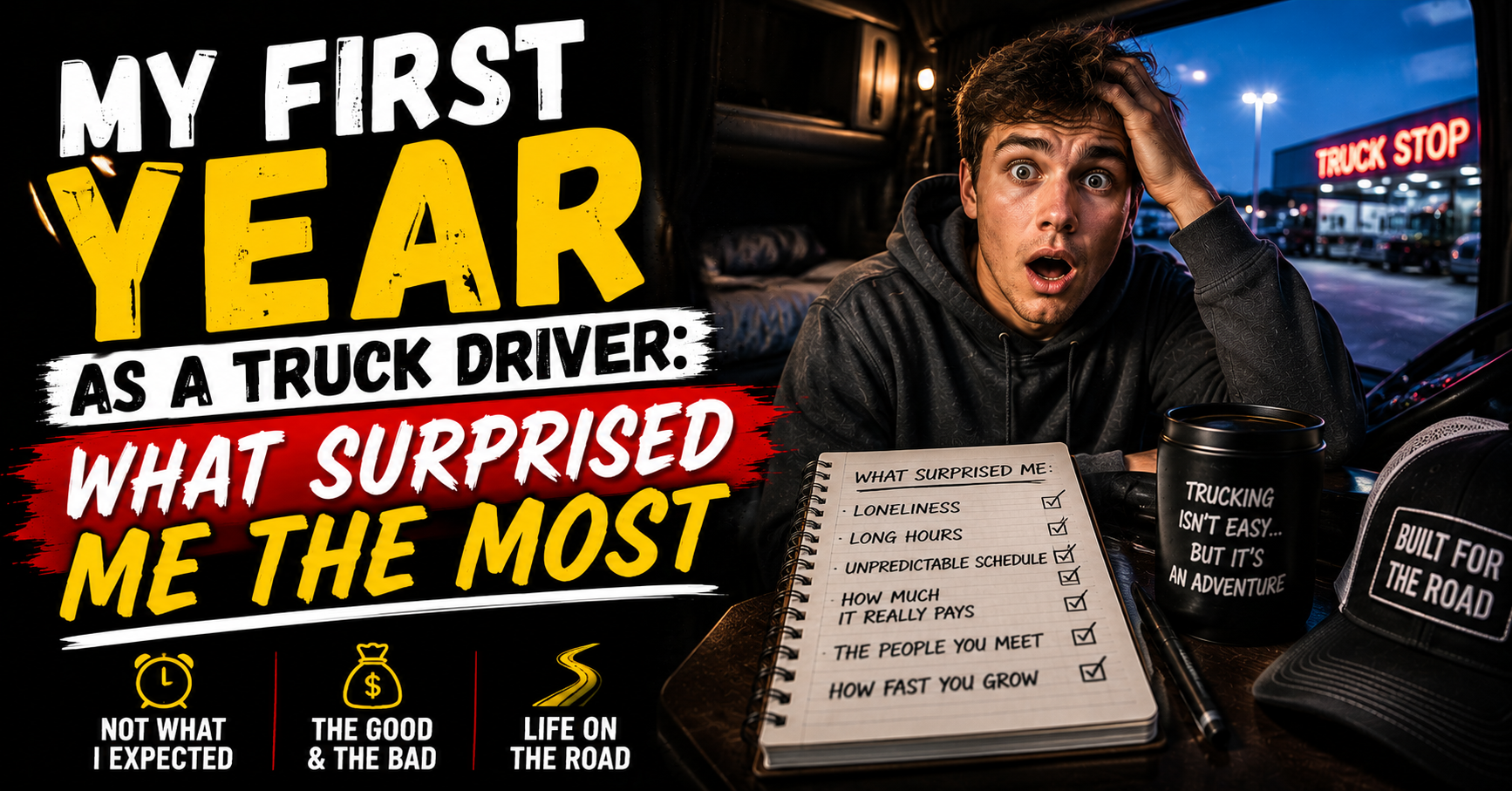
No matter which path you choose, your first year will teach you more than you ever imagined. If you’re still wondering what those first few months actually look like, My First Year as a Truck Driver What Surprised Me the Most offers an honest look at the challenges, surprises, and lessons many new drivers experience after getting behind the wheel.
Author: Tyler Dawson
Tyler Dawson has spent more than 14 years driving regional and over-the-road freight throughout the Midwest and Southeast. Over his career, he’s experienced OTR, regional, and dedicated routes firsthand, giving him a practical perspective on how each type of trucking job fits different drivers, families, and career goals.