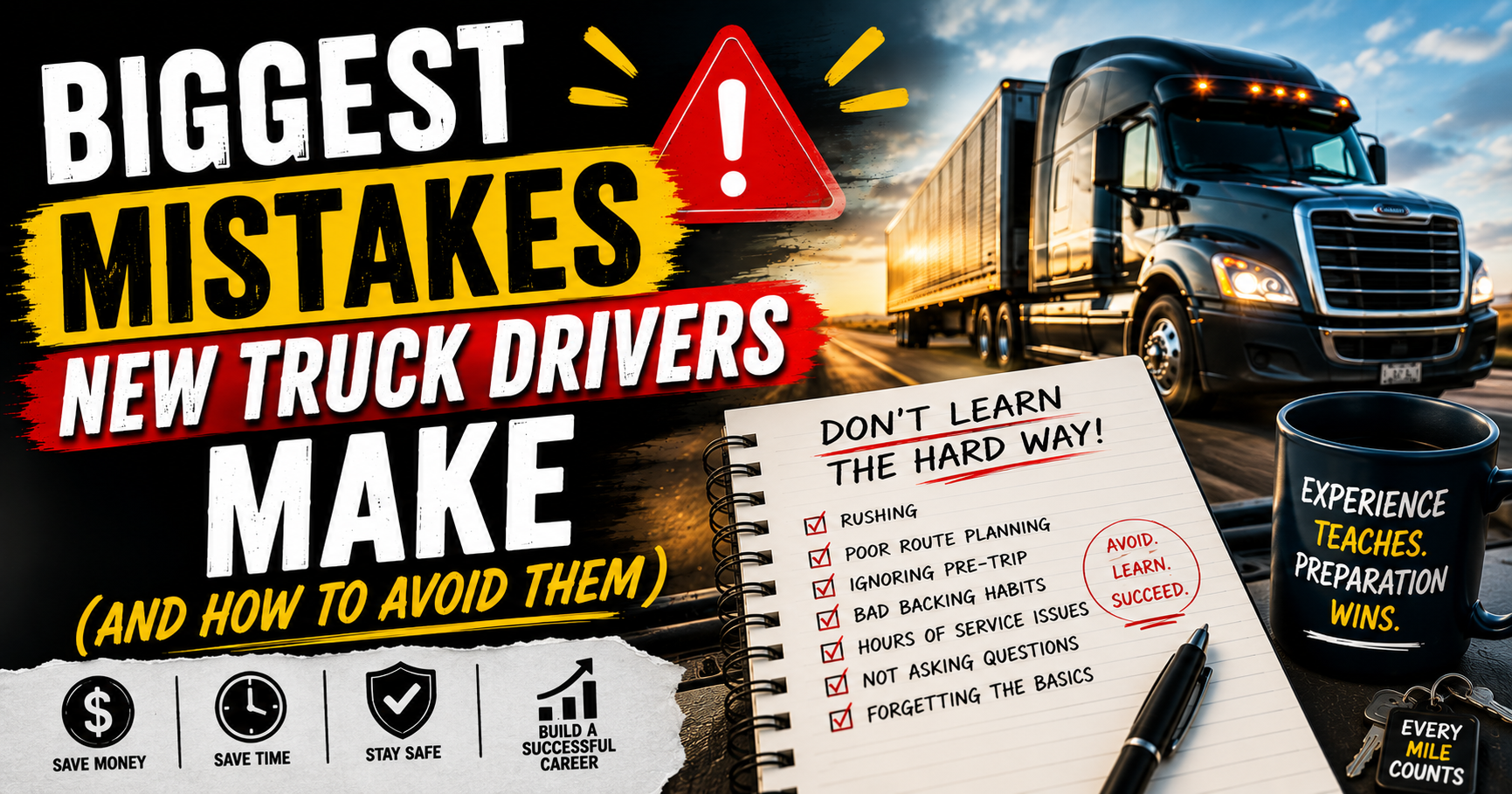
Nobody starts their trucking career knowing everything.
I certainly didn’t.
Every experienced truck driver you meet has made mistakes along the way.
The difference is that experienced drivers have learned from those mistakes, while new drivers are still figuring them out.
The good news is that many of the most common rookie mistakes are completely avoidable once you know what to watch for.
Some mistakes are inconvenient.
Some cost money.
Some can become dangerous.
The goal isn’t to scare you.
It’s to help you avoid learning every lesson the hard way like so many of us did.
If you’re still in CDL school, don’t worry if you don’t know everything yet. Your first few months behind the wheel will teach you more than any classroom ever could. I talk about that more in Things CDL School Didn’t Prepare Me Forbecause that’s exactly where many of these lessons begin.
Mistake #1: Trying to Drive Like You’ve Been Doing It for 20 Years
One of the biggest traps new drivers fall into is trying to prove they belong.
I understand why.
You don’t want to look inexperienced.
You don’t want to slow anyone down.
You don’t want dispatch thinking they hired the wrong person.
So you rush.
You stop asking questions.
You try to make everything look easy.
Ironically, that’s usually when mistakes happen.
The safest drivers I’ve ever met never cared about looking impressive.
They cared about making good decisions.
Remember this.
Nobody expects a rookie to drive like someone with two million accident-free miles.
They do expect you to drive safely.
Mistake #2: Waiting Too Long to Find Parking
I honestly think this catches almost every new driver.
You look at your clock and think,
“I’ve still got another hour.”
Then traffic slows.
Construction appears.
The truck stop you planned to use is already full.
Now you’re stressed.
One thing I learned quickly is that it’s almost always better to stop a little early than spend an hour searching for somewhere to park.
Experienced drivers often begin thinking about parking long before they actually need it.
That’s a habit worth copying.
Mistake #3: Following GPS Without Thinking
GPS is an incredible tool.
It isn’t perfect.
Roads close.
Construction changes routes.
Signs get updated.
Sometimes technology simply gets things wrong.
A GPS should help you make decisions.
It should never replace your judgment.
Always compare what your GPS says with road signs, your route plan, and what you’re actually seeing around you.
Professional drivers think ahead instead of blindly following directions.
Mistake #4: Being Afraid to Ask Questions
This was definitely one of my biggest mistakes.
I’d rather spend twenty minutes trying to figure something out myself than admit I didn’t know.
That was the wrong approach.
Whether you’re talking to dispatch, another driver, or your trainer, asking one question today can prevent a much bigger mistake tomorrow.
Nobody expects a new driver to know everything.
Most people are happy to help someone who’s genuinely trying to learn.

Mistake #5: Rushing Through the Pre-Trip Inspection
After a few weeks, it’s tempting to speed through your inspection.
You’ve already looked at the truck yesterday.
Everything was fine then.
Maybe today will be the same.
Maybe.
Or maybe today is the day you notice a damaged tire, leaking airline, broken light, or loose component.
The inspection isn’t about checking boxes.
It’s about giving yourself the best chance of finding a problem before it finds you.
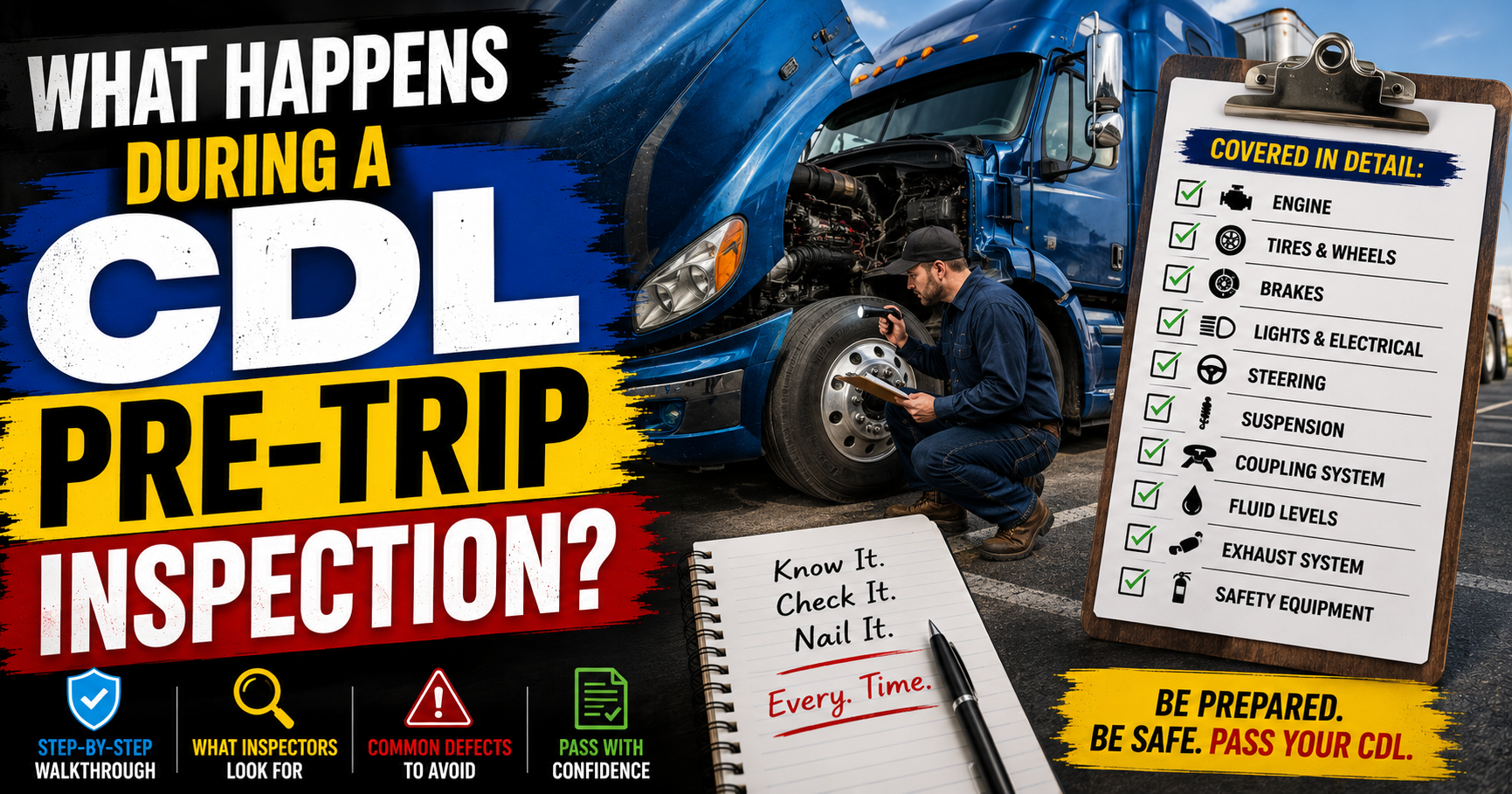
Good pre-trip habits protect your equipment, your career, and everyone else sharing the road. Building those habits starts with learning the steps covered in this CDL pre-trip inspection guidance.
Mistake #6: Thinking Experience Comes Quickly
I thought I’d feel like a confident truck driver after a month.
That didn’t happen.
Then I figured maybe three months.
Not really.
Eventually I realized confidence isn’t something you suddenly earn.
It grows one trip at a time.
Every delivery.
Every difficult back.
Every challenge you solve.
Be patient with yourself.
Nobody skips the learning curve.
Mistake #7: Not Planning Your Day Before You Start Driving
One habit that separates experienced drivers from new ones is planning.
Rookies often climb into the driver’s seat, start the truck, and figure things out as they go.
Veteran drivers usually spend a few minutes thinking ahead.
They know:
- Where they’re picking up.
- Where they’re delivering.
- Where they’ll stop for fuel.
- Where they’ll take breaks.
- Where they expect to park for the night.
- What weather they’re driving into.
That plan might change during the day, and that’s okay.
Having a plan is still far better than having no plan at all.
Mistake #8: Letting Bad Weather Pressure You
Rain.
Snow.
Ice.
Heavy wind.
Fog.
Eventually you’ll drive through all of it.
One mistake many new drivers make is feeling pressured to drive at the speed everyone else is driving.
Don’t.
Your responsibility isn’t keeping up with traffic.
Your responsibility is arriving safely.
If conditions are bad, slow down.
Increase your following distance.
Turn down distractions.
If conditions become unsafe, don’t be afraid to stop until they improve.
No load is worth risking your life.
Mistake #9: Trying to Back Too Fast
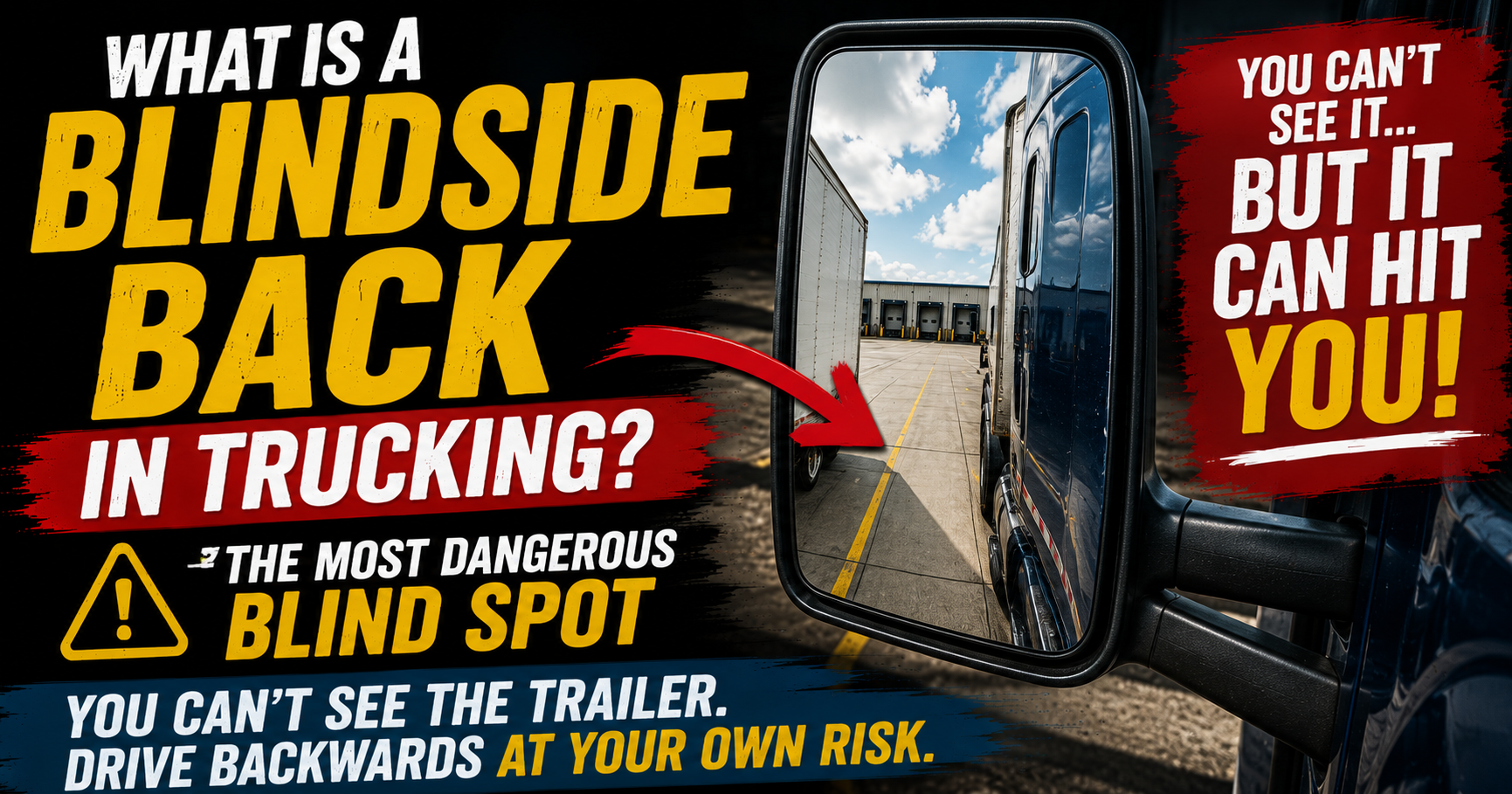
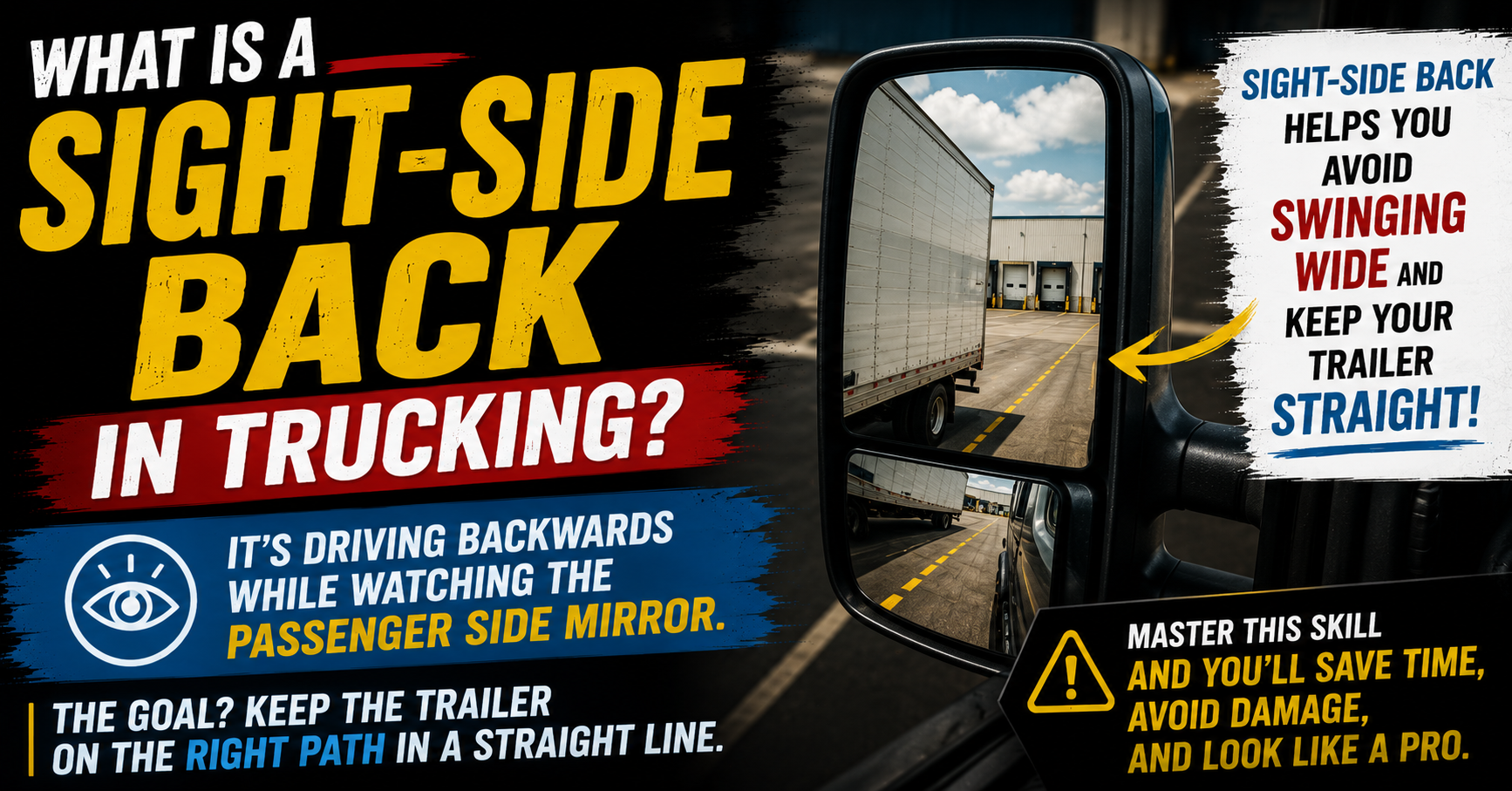
Backing causes more stress for new drivers than almost anything else. Understanding the blindside backing technique can make one of the most intimidating backing situations easier to approach safely.
I remember watching experienced drivers back into tight spots in what seemed like one smooth motion.
Then I’d spend several minutes making small adjustments.
That’s perfectly normal.
There’s no award for backing into a space the fastest.
There is, however, a huge reward for backing without hitting anything.
Take your time.
Pull up if you need to.
Use your mirrors.
If you’re unsure, get out and look.
Doing a GOAL (Get Out And Look) might feel embarrassing at first, but repairing a damaged trailer or another truck is far more embarrassing. Practice applying that cautious approach with combination vehicle safety questions focused on backing, inspections, and safe trailer handling.
Mistake #10: Spending Too Much Money at Truck Stops
Nobody talks about this enough.
Truck stops are incredibly convenient.
They’re also expensive.
It’s easy to spend money on:
- Snacks.
- Energy drinks.
- Coffee.
- Fast food.
- Truck accessories.
- Convenience items you probably didn’t need.
A few dollars here and there doesn’t seem like much.
Then you look at your bank account after a month.
Packing meals, carrying snacks, and planning ahead can save hundreds of dollars over the course of a year.
Mistake #11: Ignoring Your Health
Your truck is important.
Your health is even more important.
Long hours of sitting, irregular schedules, and easy access to fast food can make it difficult to stay healthy.
You don’t have to become a fitness expert overnight.
Small habits make a huge difference.
Drink more water.
Take a short walk during breaks.
Stretch before climbing back into the truck.
Get enough sleep whenever possible.
Healthy drivers often have more energy, better focus, and fewer problems staying alert throughout the day.
Mistake #12: Not Keeping Your Truck Organized
It doesn’t take long for a truck to become messy.
Receipts pile up.
Clothes end up everywhere.
Food wrappers collect.
Tools disappear.
An organized truck isn’t just more pleasant to live in.
It’s also safer.
When everything has a place, you spend less time searching for what you need and more time focusing on driving.
Even spending five or ten minutes cleaning up each day can make a huge difference.
Mistake #13: Forgetting That Customer Service Is Part of the Job
Many new drivers think trucking is only about driving.
Driving is certainly the biggest part of the job.
But it’s not the only part.
You’ll also interact with:
- Dispatchers.
- Shippers.
- Receivers.
- Warehouse employees.
- Security guards.
- Mechanics.
- Other drivers.
Being professional, patient, and respectful goes a long way.
People remember drivers who are easy to work with.
Sometimes a good attitude opens more doors than perfect backing skills.
Mistake #14: Comparing Yourself to Everyone Else
Social media makes it look like every truck driver is an expert.
Every backup looks perfect.
Every day seems easy.
That’s not reality.
Everyone has rough days.
Everyone misses a turn occasionally.
Everyone has difficult docks.
Everyone keeps learning.
Instead of comparing yourself to other drivers, compare yourself to who you were last month.
If you’re improving, you’re moving in the right direction.
Mistake #15: Thinking You Have Nothing Left to Learn
This is probably the only mistake that can follow you throughout your entire career.
The safest drivers I’ve met all had one thing in common.
They were still learning.
Even after ten years.
Twenty years.
Sometimes thirty years.
They asked questions.
They shared ideas.
They learned from mistakes.
They adapted to new equipment and changing regulations.
The day you believe you know everything is often the day you stop improving.
Not Asking Enough Questions During Orientation
One mistake I see over and over is new drivers sitting quietly through orientation because they’re afraid of asking a “dumb” question. Orientation is actually one of the best opportunities you’ll ever have to speak directly with instructors, safety personnel, payroll staff, dispatch representatives, and experienced drivers before you’re on your own.
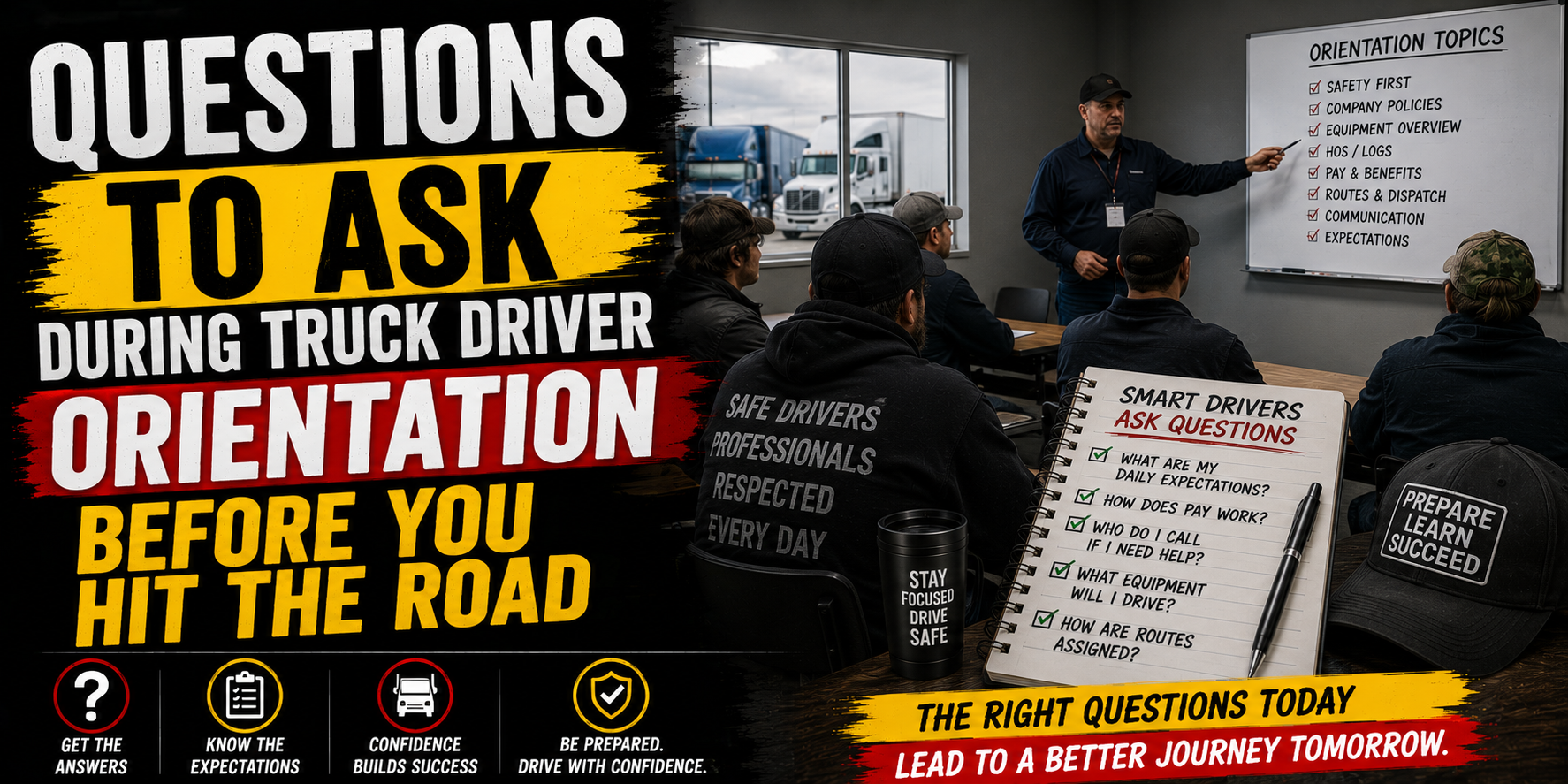
I put together a list of the most important Questions to Ask During Truck Driver Orientation so you can leave with a clear understanding of your pay, equipment, company policies, and what to expect after training.
Build Good Habits From Day One
Avoiding mistakes is only one part of becoming a successful truck driver. Learning how to choose the right job, adjust to life on the road, gain confidence behind the wheel, and develop strong daily routines is just as important during your first year.
If you’re looking for a complete roadmap instead of individual tips, New Truck Driver Survival Guide Everything You Need to Know Your First Year brings together the most important lessons every rookie driver should know in one place.
Every Experienced Driver Was Once the Rookie
If you’re reading this before your first trucking job, it’s easy to feel overwhelmed.
Don’t.
Every veteran driver you admire once sat exactly where you are now.
They worried about backing.
They wondered if they were good enough.
They made mistakes.
They learned from them.
You will too.
The goal isn’t to have a perfect first year.
The goal is to make each week a little better than the last.
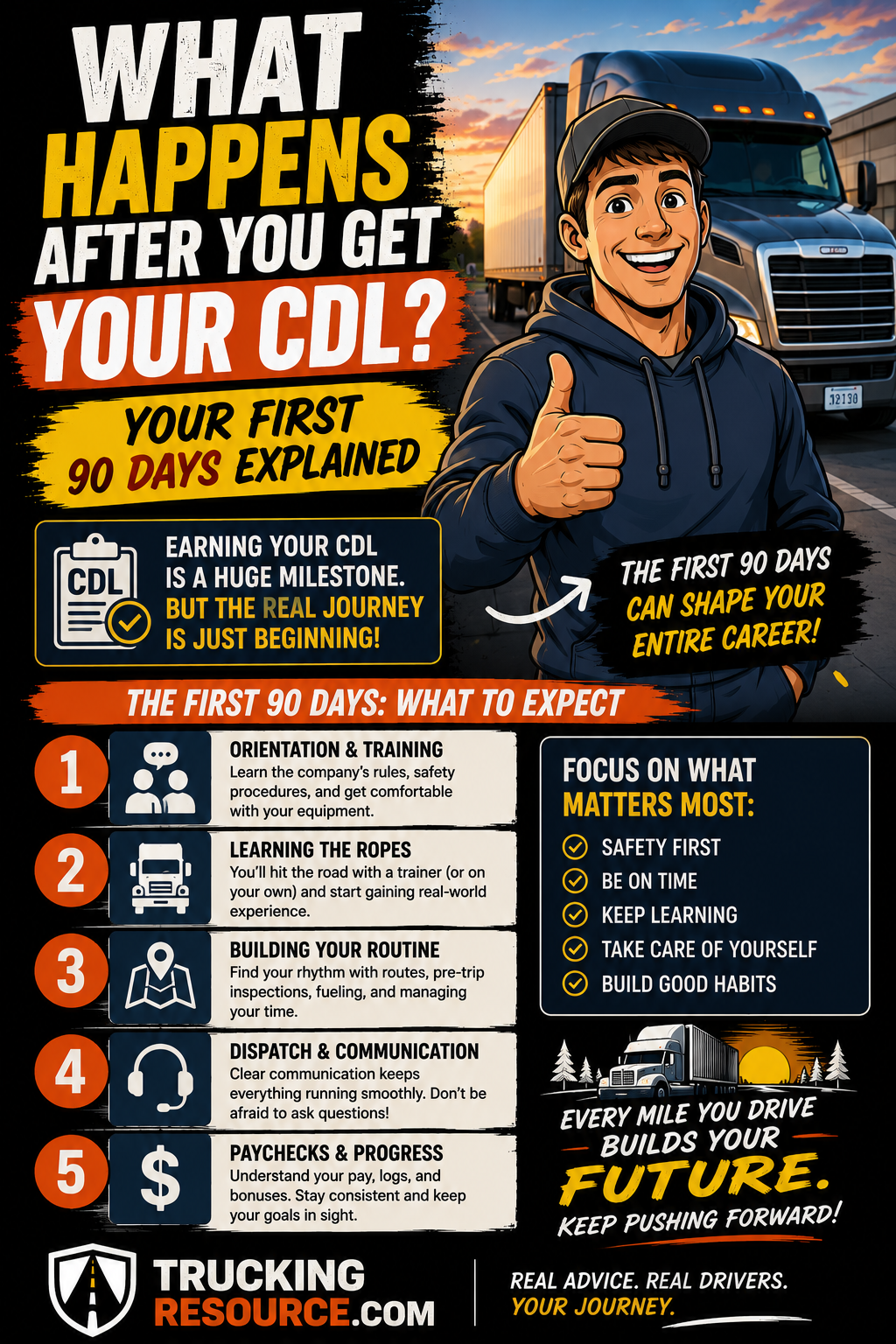
If you’ve recently earned your CDL and are wondering what comes next, take a few minutes to read What Happens After You Get Your CDL? Your First 90 Days Explained. Knowing what to expect during those first few months can make the transition from student to professional driver much less intimidating.
One day, you’ll catch yourself giving advice to a brand-new driver who reminds you of yourself.
And you’ll probably smile when you realize just how far you’ve come.
Author: Marcus Bennett
Marcus Bennett spent nearly 20 years hauling dry van and refrigerated freight across the United States before transitioning into fleet safety and driver mentoring. He enjoys helping new drivers build confidence, develop smart habits, and avoid the common mistakes that can make the first year behind the wheel more stressful than it needs to be.