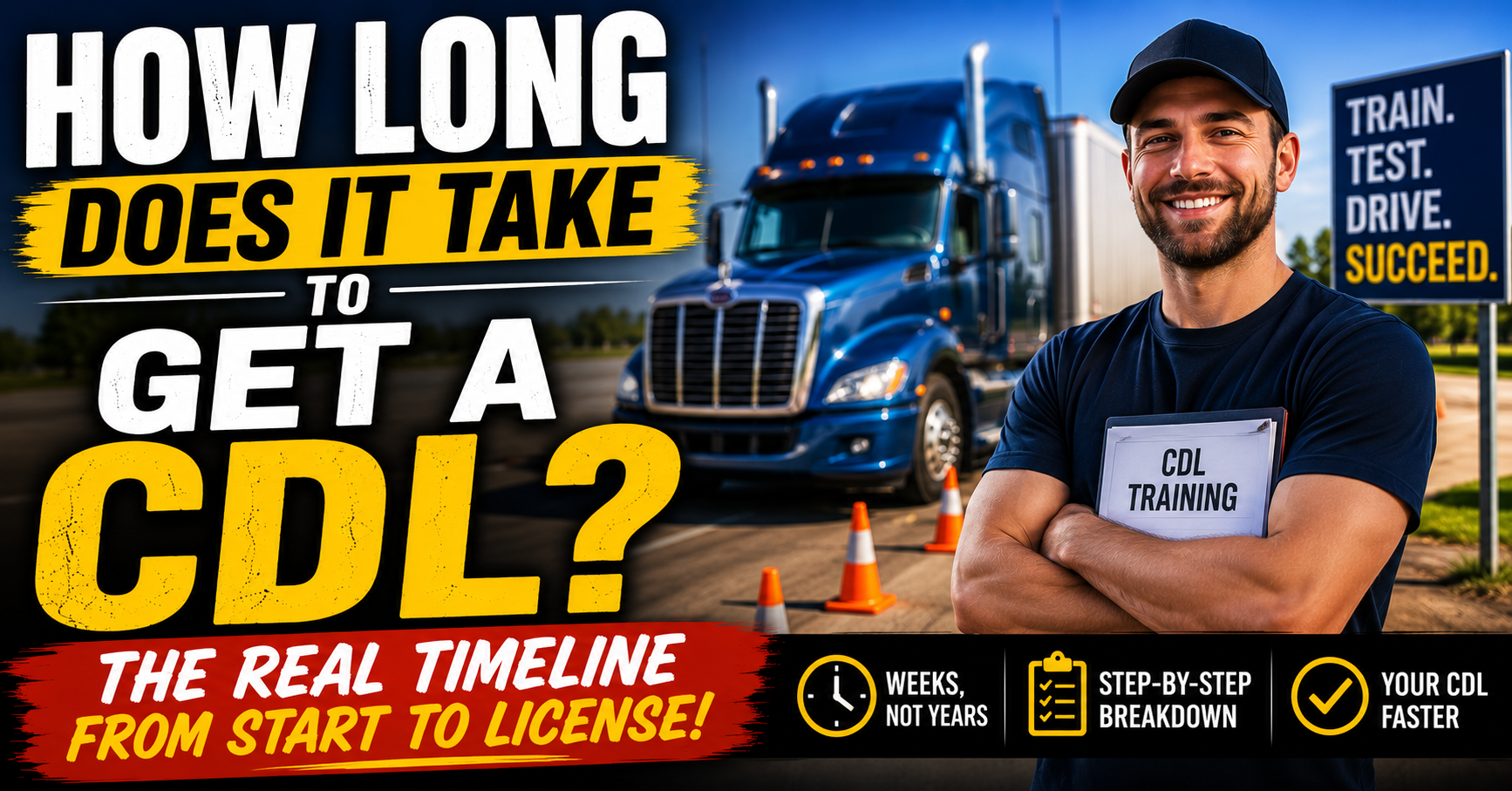
One of the biggest misconceptions I hear from people thinking about becoming a truck driver is that getting a CDL takes either a few days or several years.
Neither is true.
The reality is that your timeline depends on several factors, including the type of CDL you’re pursuing, whether you’re attending school full-time or part-time, how quickly you pass your written and driving tests, and even how busy your local licensing office is.
I’ve met drivers who moved through the entire process surprisingly quickly, while others took several months because they could only train on weekends or had to reschedule testing.
The important thing is not rushing the process.
Learning to safely operate a commercial vehicle is far more important than finishing as fast as possible.
If you’re still researching the licensing process itself, our guide on how to get a CDL step by step explains every stage you’ll complete before earning your license.
The Short Answer
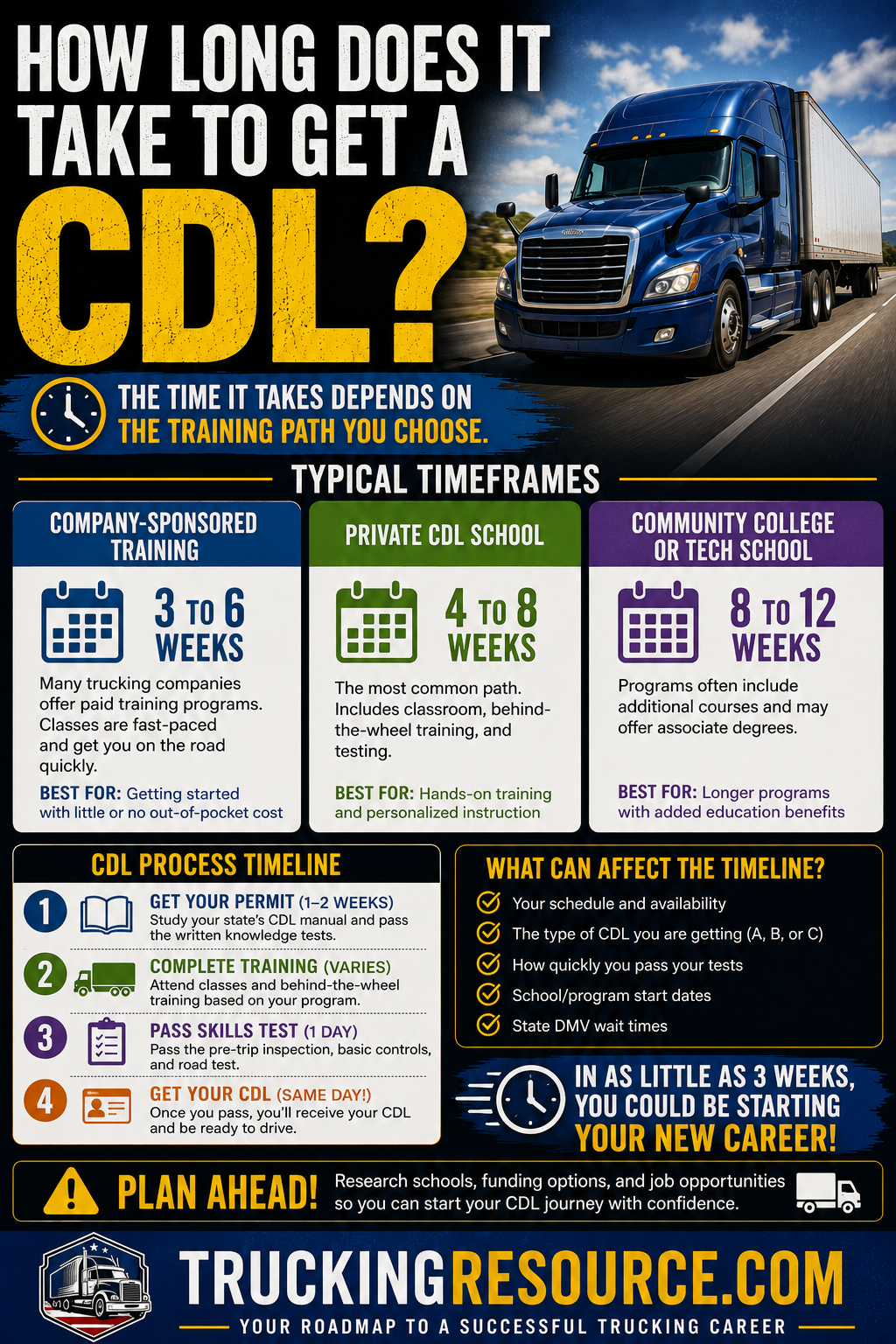
For most new drivers, getting a CDL takes anywhere from several weeks to a few months.
That includes:
- Getting your DOT medical certificate
- Studying for your CDL permit
- Completing Entry-Level Driver Training (ELDT) when required
- Practicing behind the wheel
- Passing the CDL skills test
- Receiving your commercial driver’s license
Some people finish faster, while others take longer because of work schedules, family commitments, or testing availability.
Your Timeline Starts Before CDL School
A lot of people think the clock starts on the first day of CDL school.
In reality, there are several things you’ll usually need to do before training even begins.
You’ll need to:
- Decide which CDL class you need
- Meet your state’s eligibility requirements
- Pass a DOT physical
- Gather identification documents
- Study for your Commercial Learner’s Permit
Taking care of these items early can prevent unnecessary delays once you’re ready to start training.
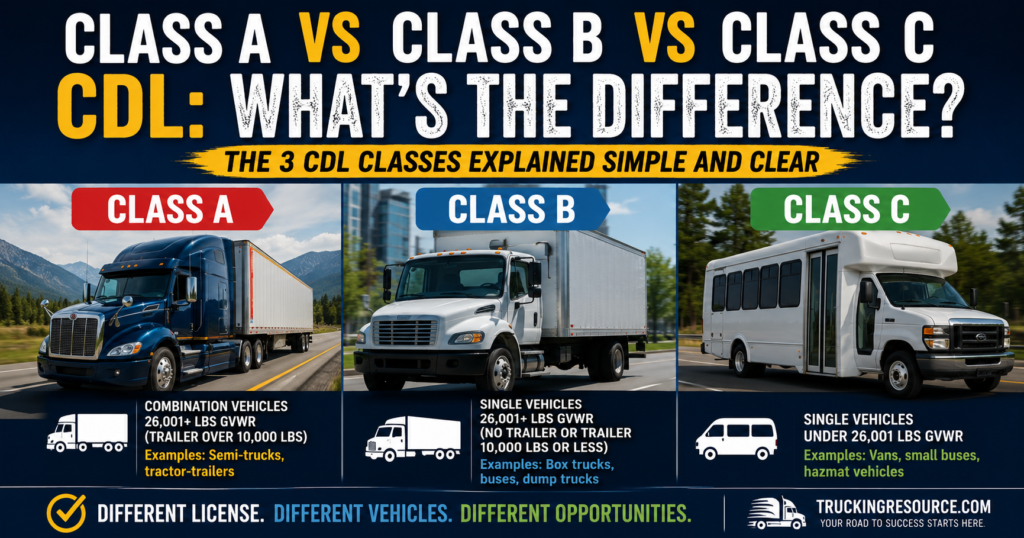
If you’re still deciding between a Class A or Class B license, take a few minutes to read our guide comparing the three CDL classes before enrolling in a school.
What Comes After CDL School?
Many people focus on how long it takes to earn a CDL, but the learning doesn’t stop after graduation. Your first year on the road is where you’ll gain real-world experience, develop safe driving habits, and become comfortable operating a commercial truck.
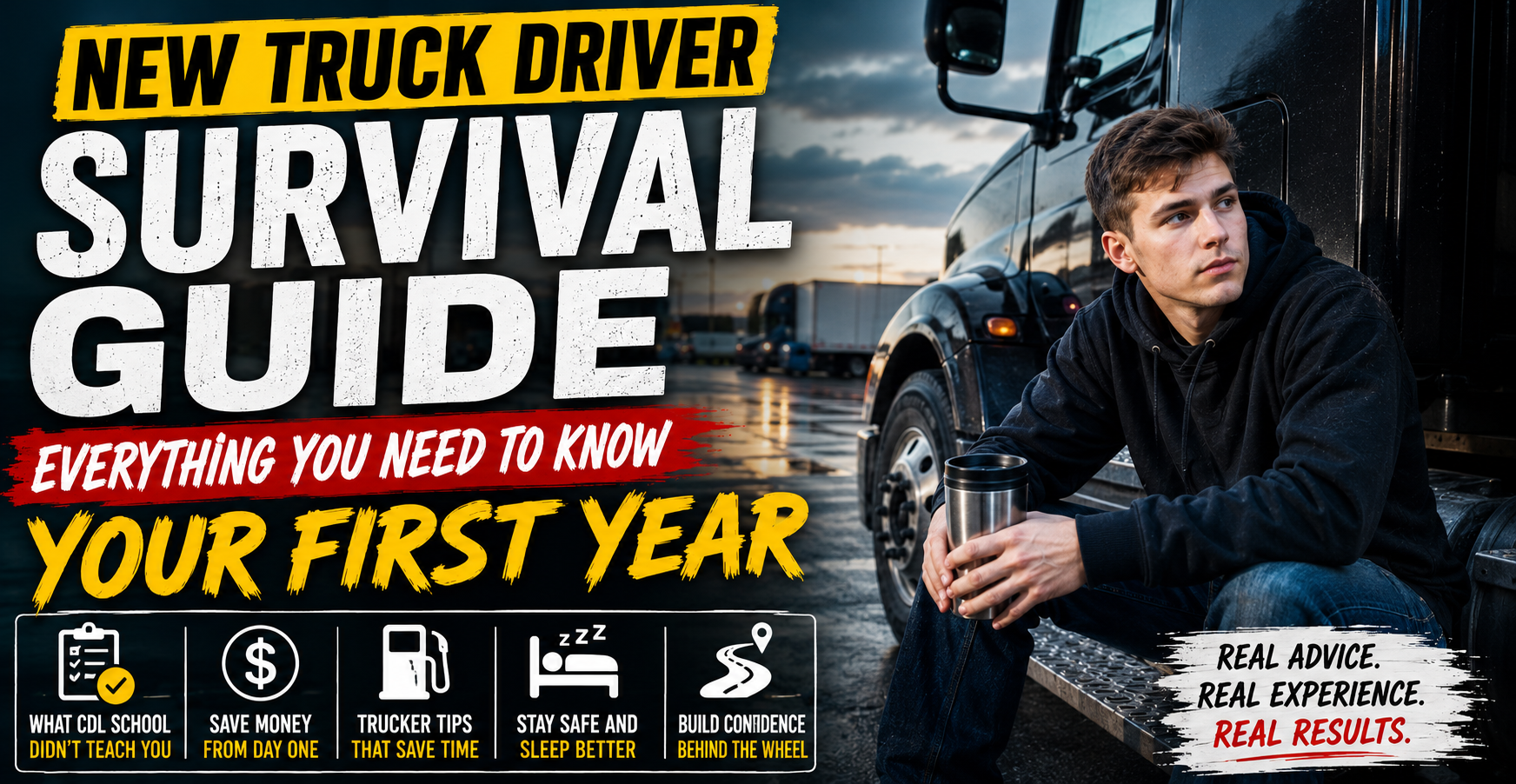
If you’re already planning beyond CDL school, New Truck Driver Survival Guide Everything You Need to Know Your First Year explains what to expect from orientation through your first year behind the wheel.
Full-Time CDL Programs
Full-time CDL schools are designed for people who want to enter the workforce as quickly as possible.
These programs often include classroom instruction, range practice, backing exercises, and road driving several days each week.
Because you’re training almost every day, you’ll build confidence much faster than someone who only drives occasionally.
The schedule can be demanding, but many students appreciate getting through training quickly so they can begin applying for jobs.
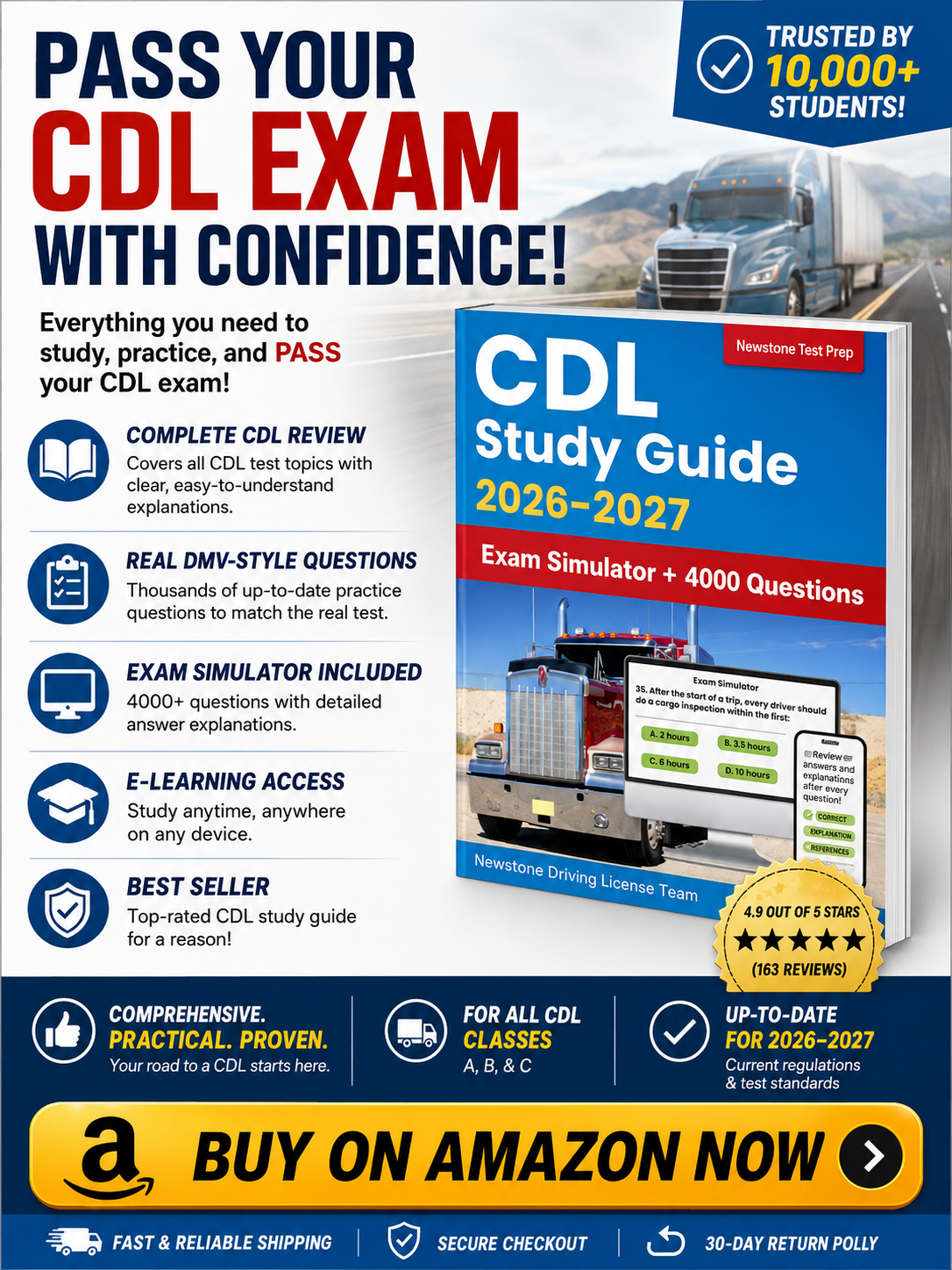
One of the easiest ways to stay on schedule is by preparing well for your permit exam before test day arrives. I always encourage new drivers to use more than just the official CDL manual. The CDL Study Guide: Complete Review + Real DMV-Style Questions and Detailed Answer Explanations includes practice exams, detailed explanations, and online learning tools that can help you study more efficiently and move through the licensing process with confidence.

Part-Time CDL Programs
Not everyone can quit their current job while earning a CDL.
That’s why many schools offer evening and weekend classes.
Part-time programs allow students to continue working while completing their training, although it usually takes longer to finish.
If you’re balancing work, family, and school, don’t compare your timeline to someone attending class every weekday.
The goal is to become a safe driver, not simply the fastest student in the class.
How Long Does the CDL Permit Process Take?
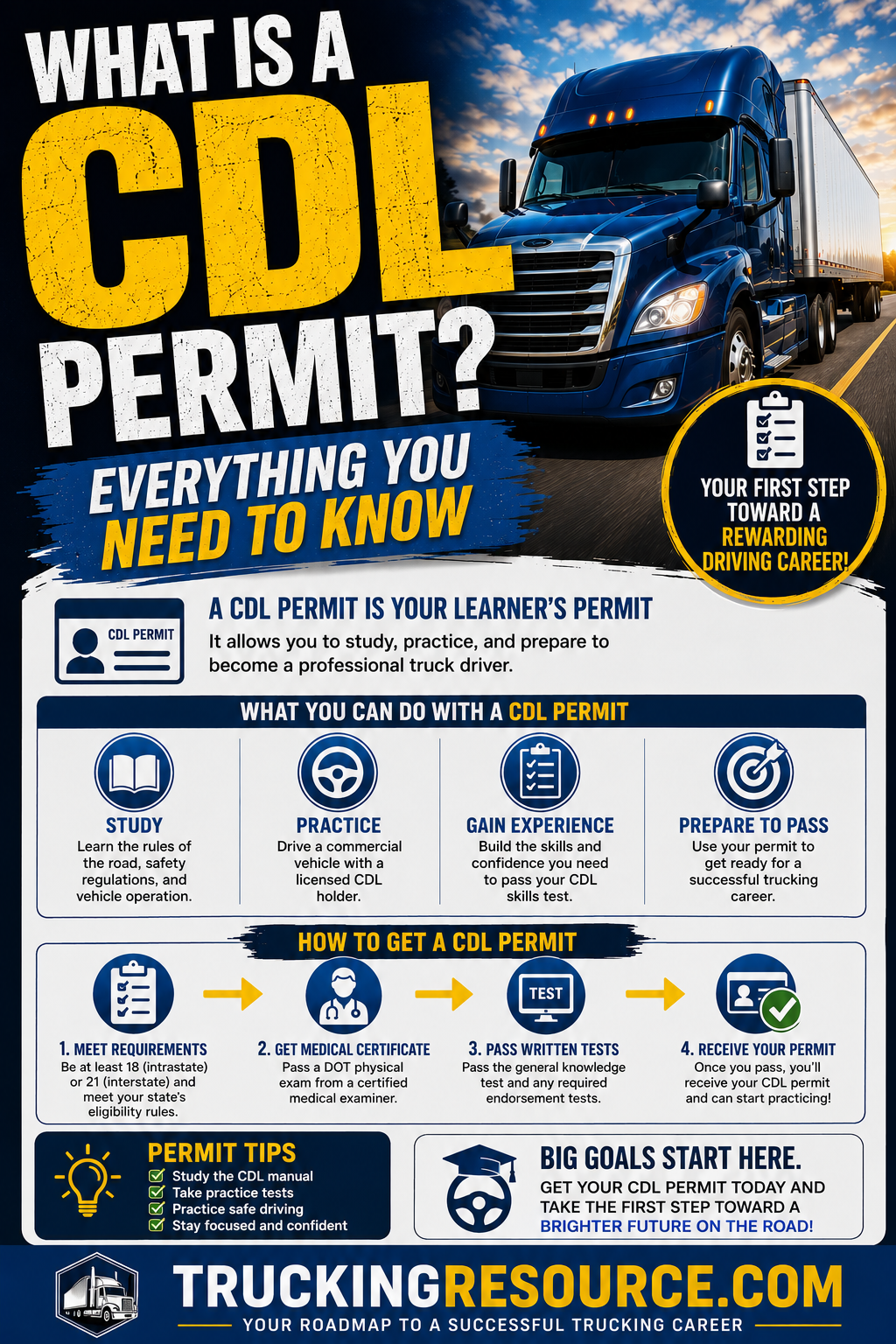
Before you can begin behind-the-wheel training, you’ll usually need to earn your Commercial Learner’s Permit. Understanding the requirements for a What Is a CDL Permit? Everything You Need to Know can help you avoid delays before hands-on training begins.
For some students, this happens quickly because they’ve already spent time studying.
Others may need additional time before they’re comfortable taking the written exams.
One mistake I see is waiting until the last minute to open the CDL manual.
Instead, spend a little time studying each day.
You’ll retain more information, and the written tests will feel much less intimidating.
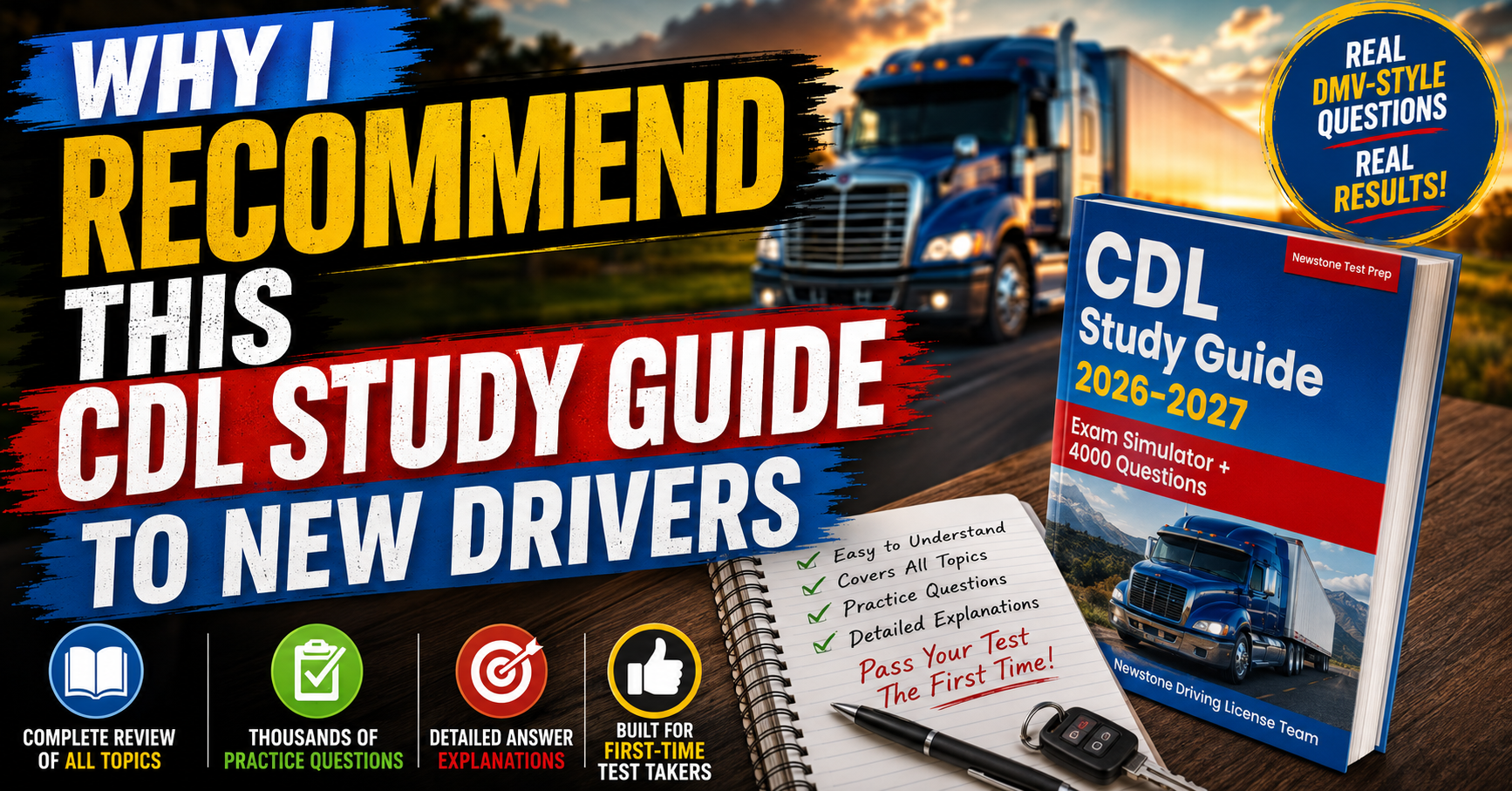
One resource I recommend keeping beside your CDL manual is our recommended CDL study guide. It includes realistic practice questions and detailed explanations that can help reinforce what you’re learning.
Entry-Level Driver Training
Federal Entry-Level Driver Training requirements have changed the way many new drivers earn their CDL.
Rather than simply passing the written and driving tests, new applicants must complete approved training before taking the skills exam.
This training combines classroom instruction with hands-on driving experience.
Although it adds another step to the process, I think it’s a positive change.
Drivers who spend more time learning vehicle control, inspections, and safe driving habits often feel much more prepared when they begin their first job.
Practice Makes the Difference
I’ve said it many times over the years.
Nobody becomes good at backing a trailer after doing it twice.
Some students become comfortable very quickly.
Others need dozens of attempts before everything starts clicking.
That’s perfectly normal.
The more seat time you get during training, the more confident you’ll feel during your CDL skills test and your first weeks on the job.
One of the biggest mistakes new drivers make is focusing only on passing the exam instead of becoming a better driver.
Confidence comes from repetition, not luck.
Scheduling Your CDL Skills Test
One thing that surprises a lot of new drivers is that finishing CDL school doesn’t always mean you’ll be taking your skills test the very next day.
Depending on where you live, testing appointments may be available quickly, or you might have to wait a little while for an opening.
Weather, examiner availability, and state testing schedules can all affect how soon you can take your test.
That waiting period can feel frustrating, but don’t let your skills get rusty.
If your school allows it, continue practicing your pre-trip inspection and backing maneuvers while you wait.
The more comfortable you are, the less stressful test day will feel.
What Happens If You Don’t Pass?
It’s something nobody likes to think about, but it happens.
I’ve known excellent drivers who didn’t pass every portion of the CDL skills test on their first attempt.
Usually it wasn’t because they couldn’t drive.
It was because nerves got the better of them or they made one simple mistake during a backing exercise or pre-trip inspection.
If you don’t pass, don’t get discouraged.
Learn from the examiner’s feedback, spend a little more time practicing, and schedule another test.
Many successful truck drivers today didn’t earn their CDL on the first try.
The important thing is sticking with it.
Pre-Trip Mistakes Can Delay Your CDL Too
One reason CDL training sometimes takes longer than expected is having to retest after making an avoidable mistake during the skills testing process. The pre-trip inspection can be especially stressful because there’s a lot to remember while an examiner is watching and evaluating what you know.
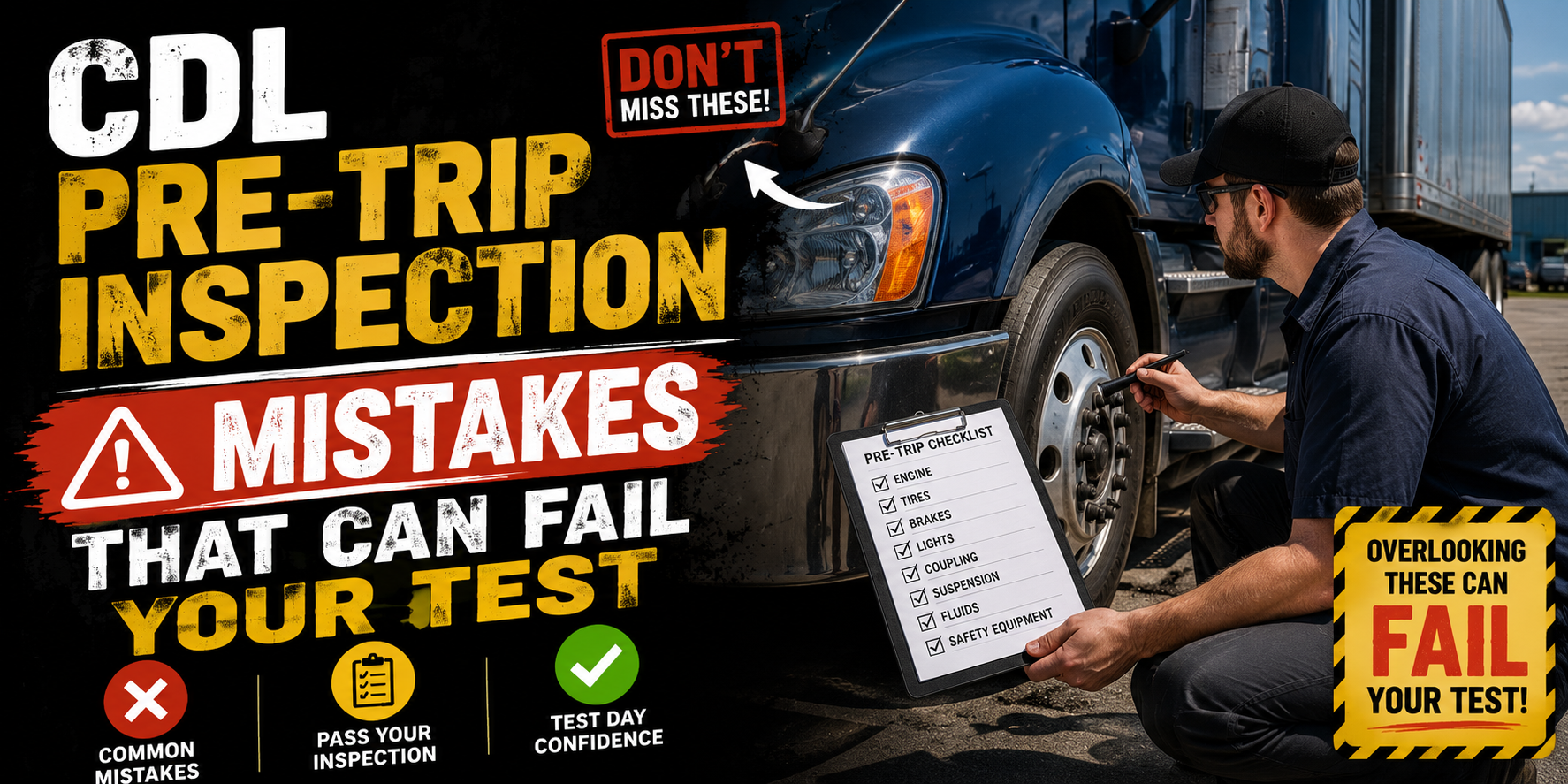
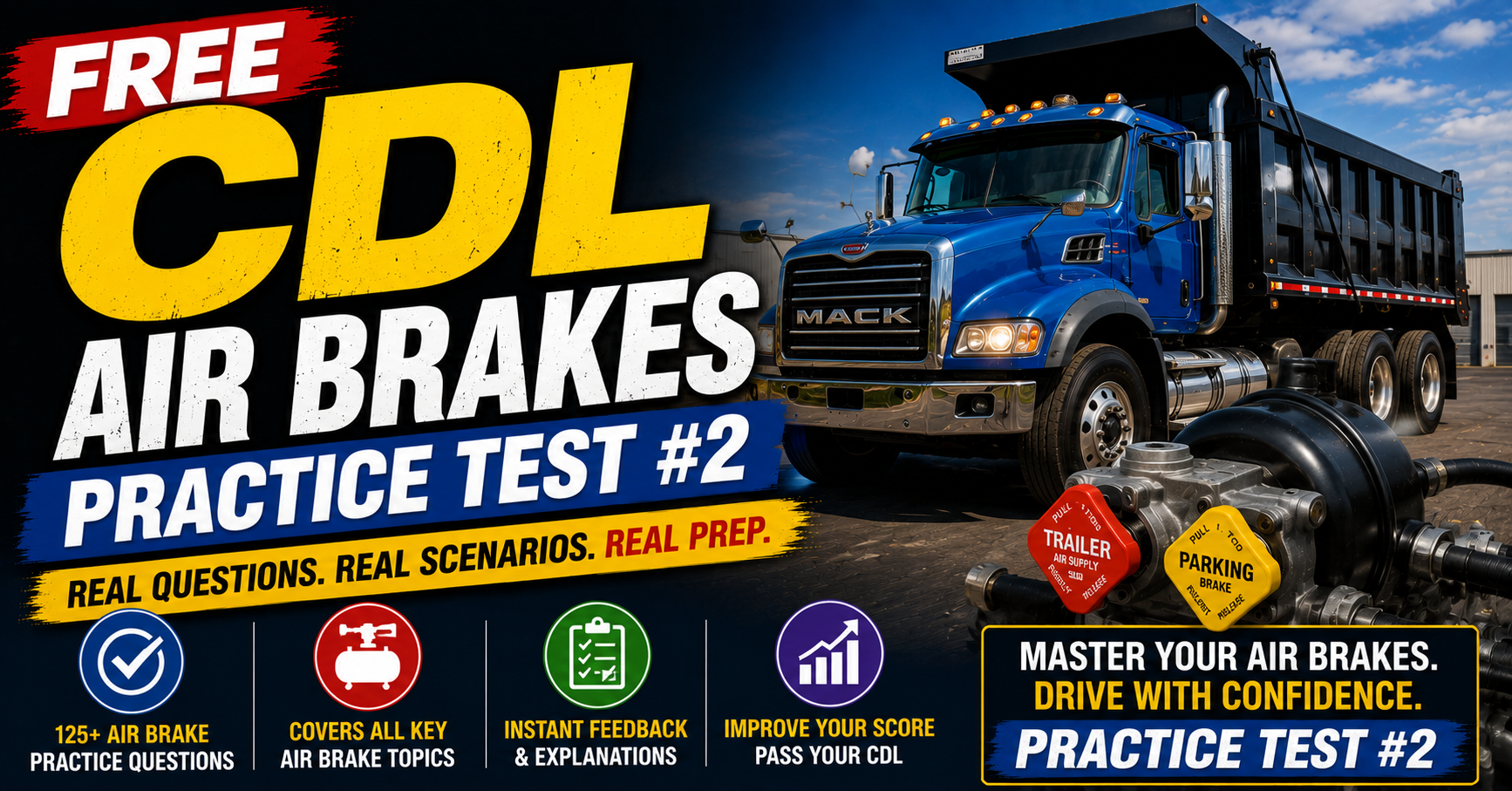
Before your test, spend some time reviewing the CDL pre-trip inspection mistakes that can fail your test. The guide covers common trouble spots such as rushing, skipped items, air-brake checks, tires and wheels, steering and suspension, coupling equipment, and relying too heavily on memorized phrases.
A little extra preparation here can be worth far more than trying to rush through training. Passing sooner isn’t about moving as fast as possible. It’s about being prepared when your test day arrives.
Can You Speed Up the Process?
To a certain extent, yes.
There are several things you can do before school even starts that will help everything move more smoothly.
For example:
- Schedule your DOT physical early.
- Study for your CDL permit before classes begin.
- Gather your required documents ahead of time.
- Choose a school with flexible testing options.
- Practice consistently instead of cramming at the last minute.
One thing I don’t recommend is rushing through training simply because you’re eager to start working.
The trucking industry rewards drivers who build solid habits from the beginning.
Those extra days of practice can make a huge difference once you’re out on the road by yourself.
Is It Worth Taking More Time to Learn?
In my opinion, absolutely.
I’ve seen students who wanted to finish as quickly as possible.
Some passed the exam but struggled once they started driving professionally because they hadn’t spent enough time mastering the basics.
I’ve also seen students who took a little longer, asked lots of questions, and practiced until they felt comfortable.
When they started their first job, you could immediately tell the difference.
Their confidence showed.
Learning to safely control an 80,000-pound vehicle isn’t something most people master overnight.
Take the time you need.
Your future employer, the people sharing the road with you, and your own peace of mind will all benefit from it.
What Can Delay Getting Your CDL?
While every situation is different, these are some of the most common reasons people take longer than expected to earn their CDL.
- Waiting too long to study for the permit test.
- Missing paperwork or identification documents.
- Delays scheduling a DOT physical.
- Busy testing centers with limited appointments.
- Needing additional practice before the skills test.
- Failing part of the written or driving exam.
Most of these delays are avoidable with a little planning.
The earlier you prepare, the smoother the entire process usually goes.
My Advice for New Drivers
If I could give every future truck driver one piece of advice, it would be this.
Don’t compare your timeline to someone else’s.
I’ve met drivers who earned their CDL quickly and went on to have outstanding careers.
I’ve also met drivers who needed extra time because they were balancing work, family, or military service before making the transition into trucking.
Neither path is wrong.
The goal isn’t to be the fastest.
The goal is to become the safest and most confident driver you can be.
Once you have your CDL in hand, nobody is going to ask whether it took you five weeks or three months to earn it.
They’re going to care whether you can do the job safely and professionally.

If you’re still in the planning stages, our guide on how much it costs to get a CDL can help you build a realistic budget before you enroll in school.
You can also browse our growing collection of beginner resources on our Trucking Topics page, where we’re building practical guides for every stage of a trucking career.
Author
Brian Cooper
Brian Cooper spent more than 24 years training commercial drivers in both the public and private sectors. His experience includes helping new drivers prepare for CDL permit exams, vehicle inspections, backing maneuvers, and road tests. He’s passionate about helping future truck drivers understand what to expect before they ever climb into the driver’s seat.