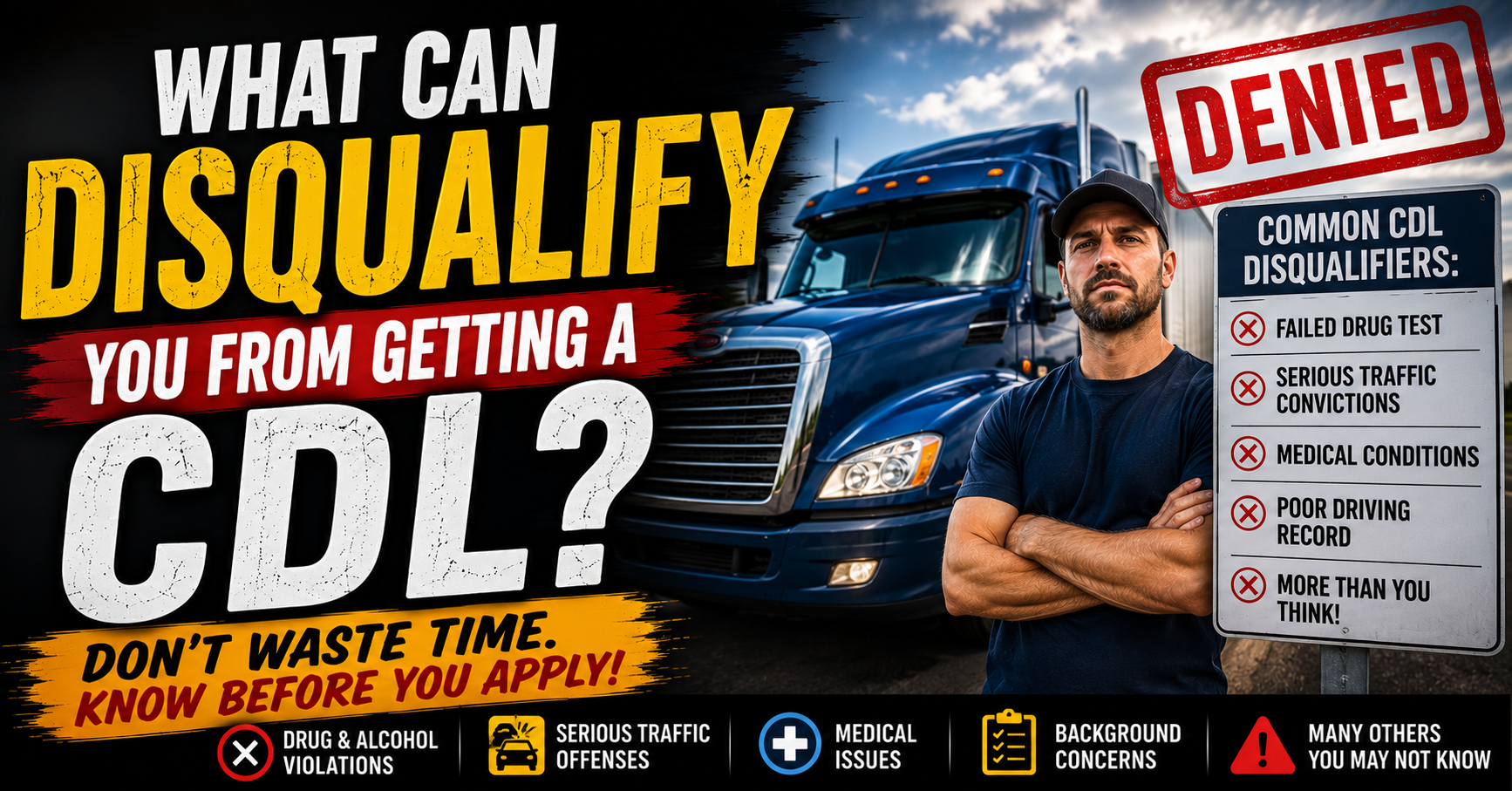
One of the smartest things you can do before spending money on CDL school is make sure you’re actually eligible to earn a Commercial Driver’s License.
I’ve talked with people who were ready to enroll in training, only to discover there was an issue with their driving record or another requirement they hadn’t considered. Finding that out after you’ve already paid tuition can be both frustrating and expensive.
The good news is that most people who meet the basic requirements and are willing to put in the work won’t have any trouble qualifying for a CDL.
There are, however, certain situations that can prevent you from getting one or delay the process.
In this guide, I’ll explain some of the most common CDL disqualifications, what they mean, and what you should know before beginning your trucking career.
If you’re just starting your research, our guide on how to get a CDL step by step walks you through the entire licensing process from beginning to end.
Not Every Disqualification Is Permanent
One thing many people misunderstand is that being disqualified doesn’t always mean you’ll never be able to get a CDL.
Some issues are temporary.
Others may require waiting a certain amount of time, completing additional requirements, or resolving problems with your driving record before you can apply again.
Every situation is different, which is why it’s important to understand the specific reason for the disqualification rather than assuming your trucking career is over before it begins.
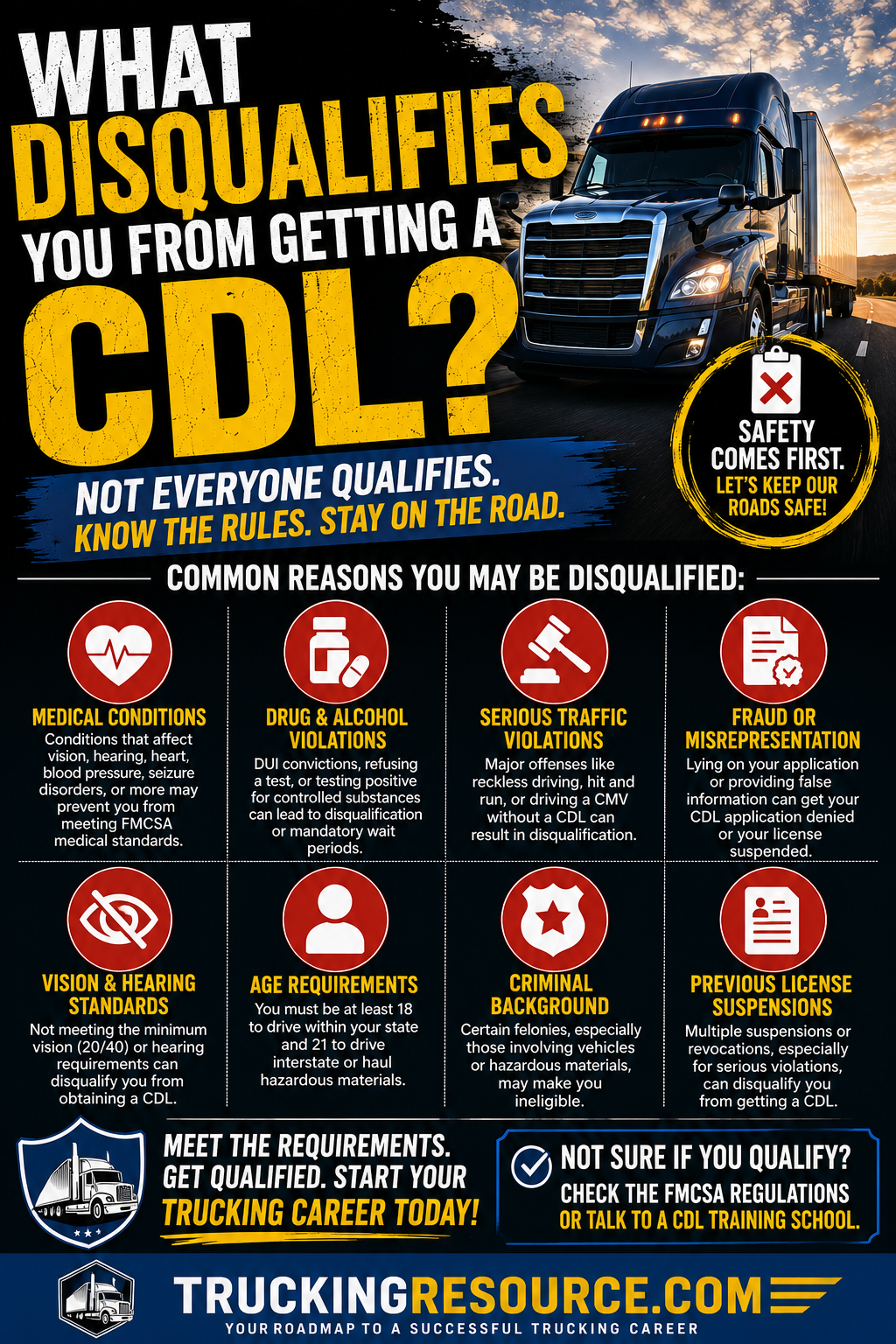
Serious Driving Violations
Your driving history says a lot about the kind of commercial driver you may become.
If you’ve developed a pattern of dangerous driving, licensing agencies and employers may see that as a warning sign.
Examples of serious violations can include:
- Driving under the influence (DUI)
- Reckless driving
- Leaving the scene of an accident
- Using a vehicle to commit certain crimes
- Excessive speeding
- Serious traffic violations involving commercial vehicles
Commercial drivers operate large, heavy vehicles that require good judgment every time they get behind the wheel.
That’s why driving history plays such an important role during the licensing process.
Suspended or Revoked Driver’s License
Before you can earn a CDL, you generally need to have a valid driver’s license.
If your regular driver’s license is currently suspended or revoked, you’ll typically need to resolve that issue before moving forward with your CDL application.
In many cases, restoring your regular driving privileges is the first step toward becoming eligible for commercial driving.
Drug and Alcohol Violations
The trucking industry takes drug and alcohol violations very seriously.
Commercial drivers are responsible for operating vehicles that can weigh tens of thousands of pounds, so safety has to come first.
Failing a required drug or alcohol test or refusing to participate in required testing can lead to serious consequences.
Employers also conduct pre-employment drug testing, and many continue random testing after you’re hired.
If you’re considering a trucking career, understand that maintaining a drug-free workplace isn’t just company policy. It’s an important part of keeping everyone on the road safe.

Medical Conditions That May Affect Eligibility
Not every medical condition prevents someone from earning a CDL.
However, certain health issues may require additional evaluation before you’re approved to operate a commercial vehicle.
During your DOT medical examination, the certified medical examiner will evaluate whether you’re physically able to safely perform the job. Medical qualification decisions should come from a certified examiner, while the site's information disclaimer explains the limits of the general information on this site.
Areas commonly evaluated include:
- Vision
- Hearing
- Blood pressure
- Diabetes management
- Heart health
- Neurological conditions
- Overall physical fitness
Many drivers with ongoing medical conditions still qualify for a CDL.
The key is working with a certified medical examiner who can determine whether you meet the current medical standards.
Poor Vision
Good vision is one of the most important safety requirements for commercial drivers.
You’ll need to meet specific vision standards during your DOT physical.
Many drivers wear glasses or contact lenses and have no problem qualifying.
The important thing is that your corrected vision meets the required standards for safe commercial driving.
Age Requirements
Age can also affect your eligibility.
Many states allow drivers who are at least 18 years old to obtain a CDL for driving only within their home state.
However, federal regulations generally require drivers to be at least 21 years old before operating commercial vehicles across state lines or performing certain types of interstate commerce.
If you’re just beginning your research, make sure you understand which rules apply to the type of driving you plan to do.
Criminal History
This is another area that causes a lot of confusion.
Simply having a criminal record does not automatically prevent someone from getting a CDL.
However, certain criminal offenses, particularly those involving commercial vehicles, controlled substances, or human trafficking, may affect eligibility or employment opportunities.
Many trucking companies also conduct background checks as part of the hiring process.
Because every situation is different, it’s important to be honest throughout the application process and discuss any concerns with potential employers if necessary.
Can You Still Become a Truck Driver?
In many cases, yes.
I’ve known drivers who made mistakes years earlier, turned their lives around, and went on to build successful trucking careers.
The important thing is understanding your specific situation before investing time and money into CDL training.
If you’re unsure whether you’re eligible, it’s often worth speaking with your state’s licensing agency or a reputable CDL school before enrolling.
That conversation can answer a lot of questions and help you avoid unnecessary expenses.
One smart step before paying for training is understanding how much it costs to get a CDL so you can make an informed decision once you know you’re eligible.
Can You Be Disqualified After You Already Have a CDL?
Yes.
Earning your CDL isn’t the finish line. It’s the beginning of a career that comes with a higher level of responsibility.
Commercial drivers are held to stricter standards than most other motorists, and certain violations can result in a temporary suspension or even permanent disqualification of your commercial driving privileges.
That’s one reason experienced drivers work so hard to protect their driving records.
One poor decision can have consequences that follow you for years.
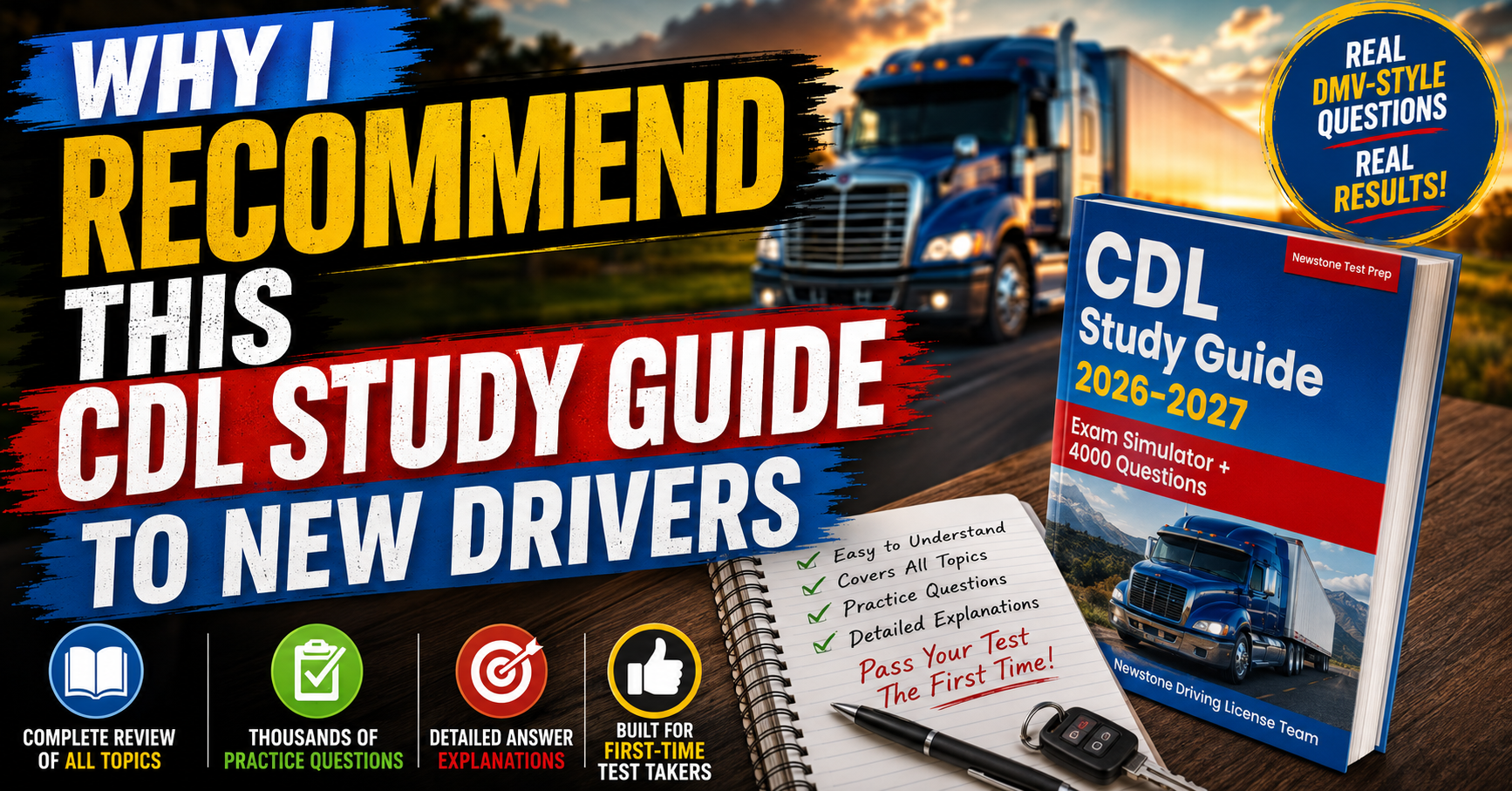
Once you’ve confirmed you’re eligible to earn a CDL, the next step is preparing for the written exam. Along with your state’s CDL manual, I recommend using the 📘 CDL Study Guide: Complete Review + Real DMV-Style Questions and Detailed Answer Explanations. The realistic practice questions and detailed explanations can help you better understand the material and increase your confidence before taking your permit test.
Can Certain Medications Prevent You From Getting a CDL?
This is a question I hear quite a bit.
The answer isn’t always black and white.
Simply taking prescription medication doesn’t automatically disqualify you from earning a CDL. What matters is whether the medication or the condition it’s treating could affect your ability to safely operate a commercial vehicle.
During your DOT medical examination, the certified medical examiner may ask questions about:
- Prescription medications
- Over-the-counter medications
- Medical conditions
- How well those conditions are being managed
Always answer honestly.
Trying to hide medications or medical conditions can create much bigger problems later.
What If You’ve Had a DUI?
A DUI is one of the most common reasons people worry they won’t qualify for a CDL.
While a DUI can absolutely affect your eligibility, it doesn’t necessarily mean you’ll never become a commercial driver.
The outcome depends on factors such as:
- When the offense occurred
- State laws
- Whether your driver’s license has been reinstated
- The policies of the trucking company you’re applying to
Many employers have their own hiring standards that go beyond the minimum legal requirements.
Even if you’re legally eligible for a CDL, some companies may require a certain amount of time to pass before they’ll consider hiring you.
Will Speeding Tickets Stop You From Getting a CDL?
One speeding ticket usually isn’t enough to prevent someone from getting a CDL.
However, a pattern of serious traffic violations can become a concern.
Licensing agencies and employers want drivers who consistently make safe decisions behind the wheel.
If your driving record includes multiple violations over a short period, it’s worth taking time to improve your record before applying.
Safe driving habits today can create more opportunities tomorrow.
Why Trucking Companies Look Beyond Your CDL
Getting your CDL is only part of the hiring process.
Most trucking companies also evaluate things like:
- Driving history
- Employment history
- Criminal background
- Drug testing
- Medical certification
- Overall professionalism
I’ve known drivers with brand-new CDLs who were hired quickly because they had clean records and a great attitude.
I’ve also seen experienced drivers struggle to find work because of repeated driving violations.
A CDL gets your foot in the door.
Your overall record helps determine which doors open.
How to Improve Your Chances of Qualifying
If you’re serious about becoming a commercial driver, there are several things you can do before applying.
- Keep your driver’s license in good standing.
- Drive responsibly and avoid unnecessary traffic violations.
- Stay current on medical care if you have an ongoing health condition.
- Be honest during the application process.
- Research CDL schools before enrolling.
Doing these things won’t guarantee success, but they’ll put you in a much stronger position than someone who waits until the last minute to address potential problems.
Don’t Spend Money Until You Know You’re Eligible
One piece of advice I always give people is to answer the eligibility questions before paying for CDL school.
Training can be a great investment, but it’s still an investment.
If you already know there’s a concern about your driving record, medical history, or license status, take the time to get answers first.
Doing a little research now could save you a lot of money later.
If you’re planning to move forward with earning your CDL, our Free CDL General Knowledge Practice Test 1 (25 Questions) is a great way to see the types of questions you’ll encounter on the written exam. Once you’ve finished that one, challenge yourself with our Free CDL General Knowledge Practice Test 2 to continue building your confidence before test day.
You can also browse all of our CDL articles and resources on our Trucking Topics page as you prepare for a career in the trucking industry.
Author: Sarah Mitchell
Sarah Mitchell is a former fleet safety manager and DOT compliance specialist with more than 20 years of experience helping commercial drivers understand federal regulations, licensing requirements, and safety standards. She has worked with both new CDL applicants and experienced drivers, helping them stay compliant while building long, successful trucking careers.