When I got my CDL, I assumed every semi truck had a bed behind the driver’s seat.
After all, that’s what you usually see rolling down the interstate.
Then I landed my first local trucking job.
The truck they handed me didn’t have a sleeper at all.
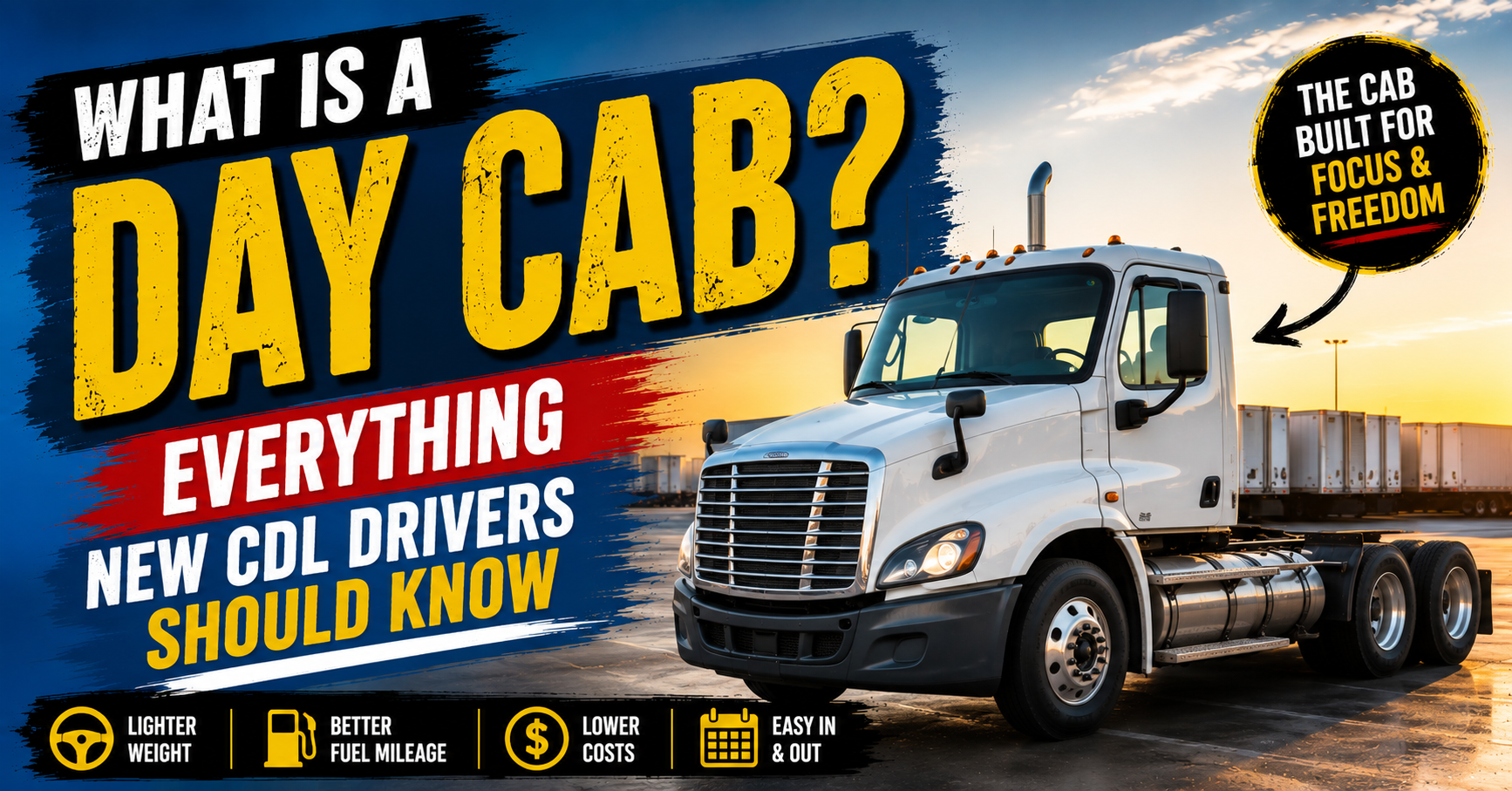
It was a day cab.
I quickly learned there are a lot of trucking jobs where you don’t need a bed because you’re home every night.
For local drivers, a day cab often makes more sense than hauling around extra weight and space you’ll never use.
Whether you’re thinking about getting your CDL or trying to decide what kind of trucking job you want, understanding the difference between a day cab and a sleeper truck is important.
What Is a Day Cab?
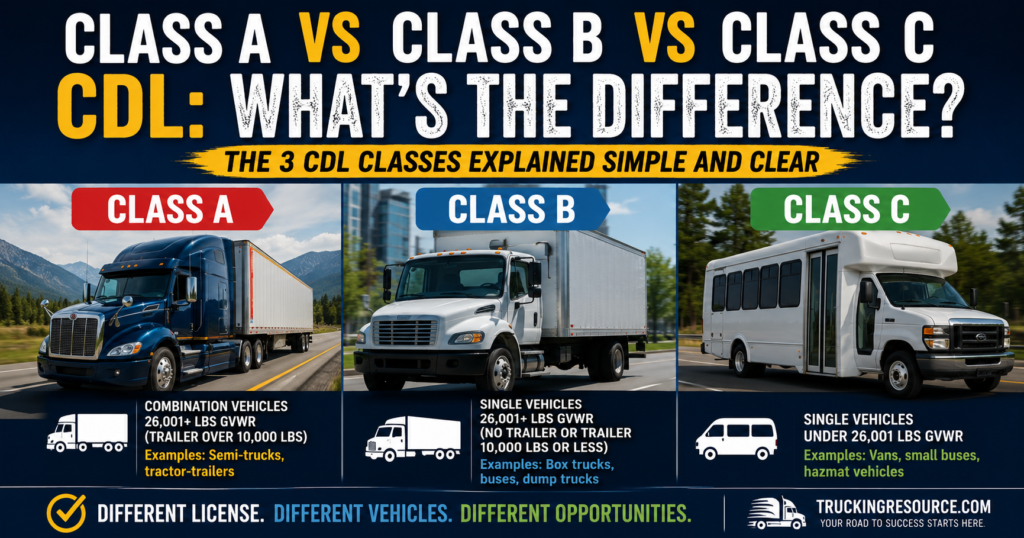
A day cab is a semi truck tractor that does not have a sleeper compartment behind the driver’s seat. It’s designed for routes where the driver returns home at the end of the shift rather than spending the night in the truck. The type of truck you plan to drive is also a major factor when comparing CDL class differences.
You’ll see day cabs everywhere once you start paying attention.
They’re especially common around cities, warehouses, ports, and construction sites.
Why Is It Called a Day Cab?
The name is pretty straightforward.
It’s built for driving during the day rather than living in it for several days at a time.
Since there’s no sleeping area, drivers typically finish their route and head home instead of parking overnight at a truck stop.
What Does a Day Cab Look Like?
From the front, a day cab looks almost identical to many other semi trucks.
The biggest difference is behind the seats.
Instead of a sleeper compartment, you’ll usually find:
- A rear cab wall.
- Small storage compartments.
- Extra windows on many models.
- A much shorter overall cab.
That shorter design makes the truck lighter and easier to maneuver.
What Jobs Use Day Cabs?
Some of the most common trucking jobs use day cabs every day.
These include:
- Local freight delivery.
- Dump trucks.
- Fuel hauling.
- Concrete mixers.
- Container hauling.
- LTL pickup and delivery.
- Food distribution.
- Construction hauling.
- Municipal fleets.
Most of these jobs allow drivers to return home after every shift instead of spending days on the road.
If you’re interested in local work, you’ll find plenty of helpful information throughout our Trucking Careers section.
Day Cab vs. Sleeper Truck
This is probably the comparison new drivers ask about the most.
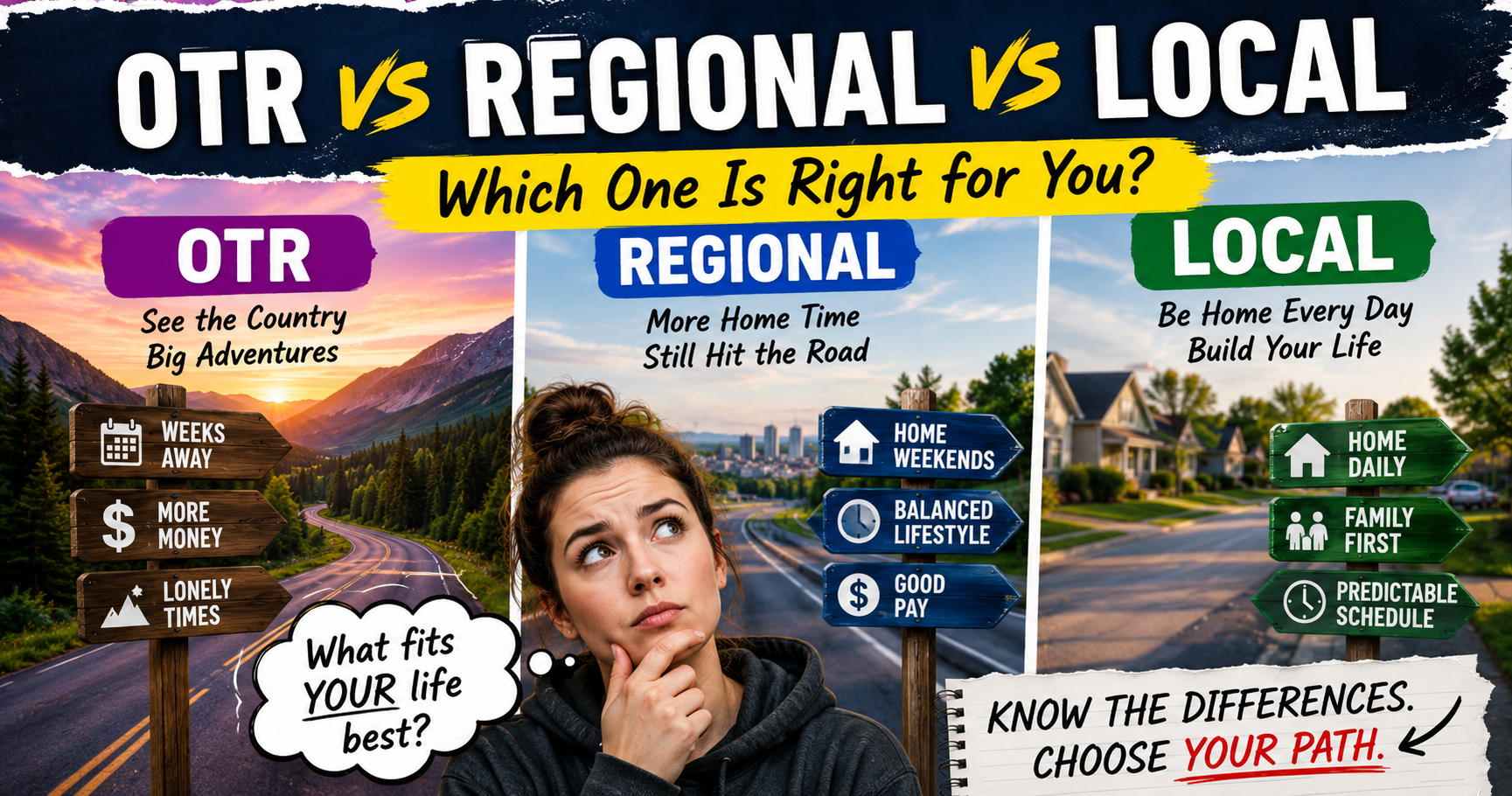
A day cab is designed for local or regional work where overnight stays aren’t necessary.
A sleeper truck includes a built-in sleeping compartment for drivers who spend multiple days away from home.
Neither one is better.
They’re simply built for different jobs.
If you’re planning to drive coast to coast, you’ll probably spend most of your career in a sleeper truck.
If you plan on hauling dump trailers or making city deliveries, a day cab is much more likely.
We’ll cover sleeper trucks in a separate glossary article because they deserve their own detailed guide.
Advantages of Driving a Day Cab
After driving both styles over the years, there are several things I like about day cabs.
They generally offer:
- Better visibility.
- Shorter wheelbase.
- Easier parking.
- Better maneuverability.
- Lower weight.
- Simpler maintenance.
- Better fuel economy in many applications.
Those advantages make them ideal for city driving and frequent stops.
Are Day Cabs Used for Long-Haul Trucking?
Sometimes.
But not very often.
Could you drive a day cab across the country?
Absolutely.
Would you enjoy sleeping in the driver’s seat every night?
Probably not.
That’s why most over-the-road carriers use sleeper tractors for long-distance freight.
Who Should Consider Driving a Day Cab?
If you’re thinking about getting your CDL, a day cab job might be a great fit if you:
- Want to sleep at home most nights.
- Prefer local driving.
- Like predictable routes.
- Enjoy working in your local area.
- Don’t mind frequent stops.
Many new drivers are surprised by how many local CDL jobs are available.
If you’re still working toward your license, our guide on How to Get a CDL: Step-by-Step Guide for New Drivers explains the process from start to finish.
Common Mistakes New Drivers Make
One misconception I hear is that day cab jobs are somehow easier.
They’re different.
City traffic, tight loading docks, customer deliveries, and constant backing often make local driving just as demanding as long-haul work.
Another myth is that day cab drivers earn less.
While some positions pay less than over-the-road jobs, many specialized local positions pay excellent wages, especially in construction, fuel delivery, and LTL freight.
Where You’ll Hear This Term
You’ll hear “day cab” regularly throughout the trucking industry.
Recruiters use it in job postings.
Dispatchers use it when assigning equipment.
Mechanics use it when ordering parts.
Drivers mention it whenever they’re talking about local routes.
It’s one of the first equipment terms most CDL drivers learn.
Frequently Asked Questions
Can you sleep in a day cab?
You technically could recline the seat and rest if necessary, but day cabs aren’t designed with sleeping accommodations like sleeper tractors.
Are day cabs easier to drive?
Many drivers think so.
The shorter wheelbase and reduced overall length often make them easier to maneuver through cities, industrial parks, and crowded customer locations.
Will I learn to drive a day cab during CDL school?
Possibly.
Many CDL schools use day cab tractors because they’re easier to maneuver during training and skills testing.
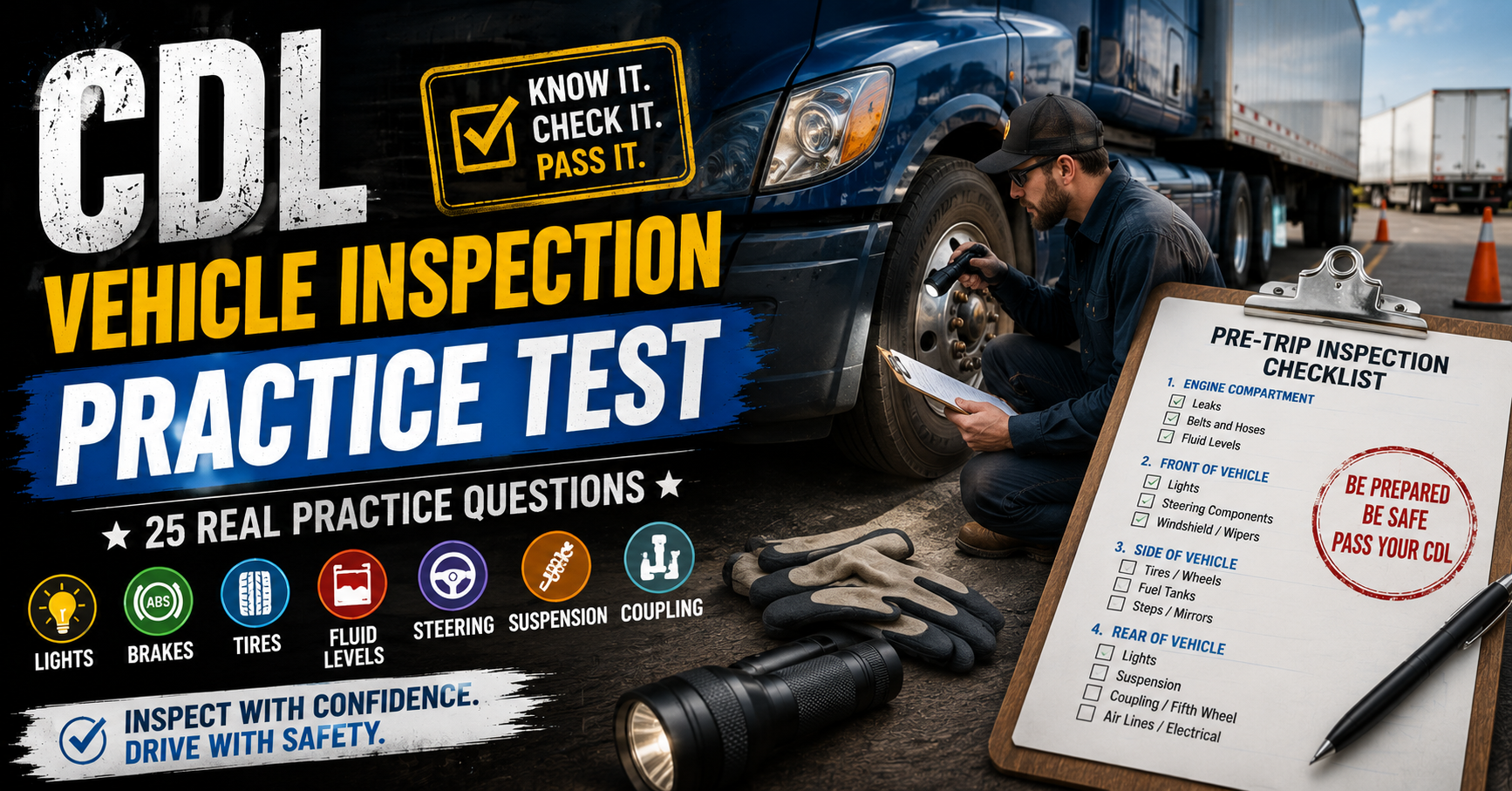
No matter which type of truck you train in, you’ll still need a solid understanding of vehicle inspections and safety procedures. Our CDL Vehicle Inspection Practice Test is a great way to prepare before your skills exam.
One Piece of Equipment I Always Keep Handy
Local drivers often perform several trailer hookups and inspections in a single day.
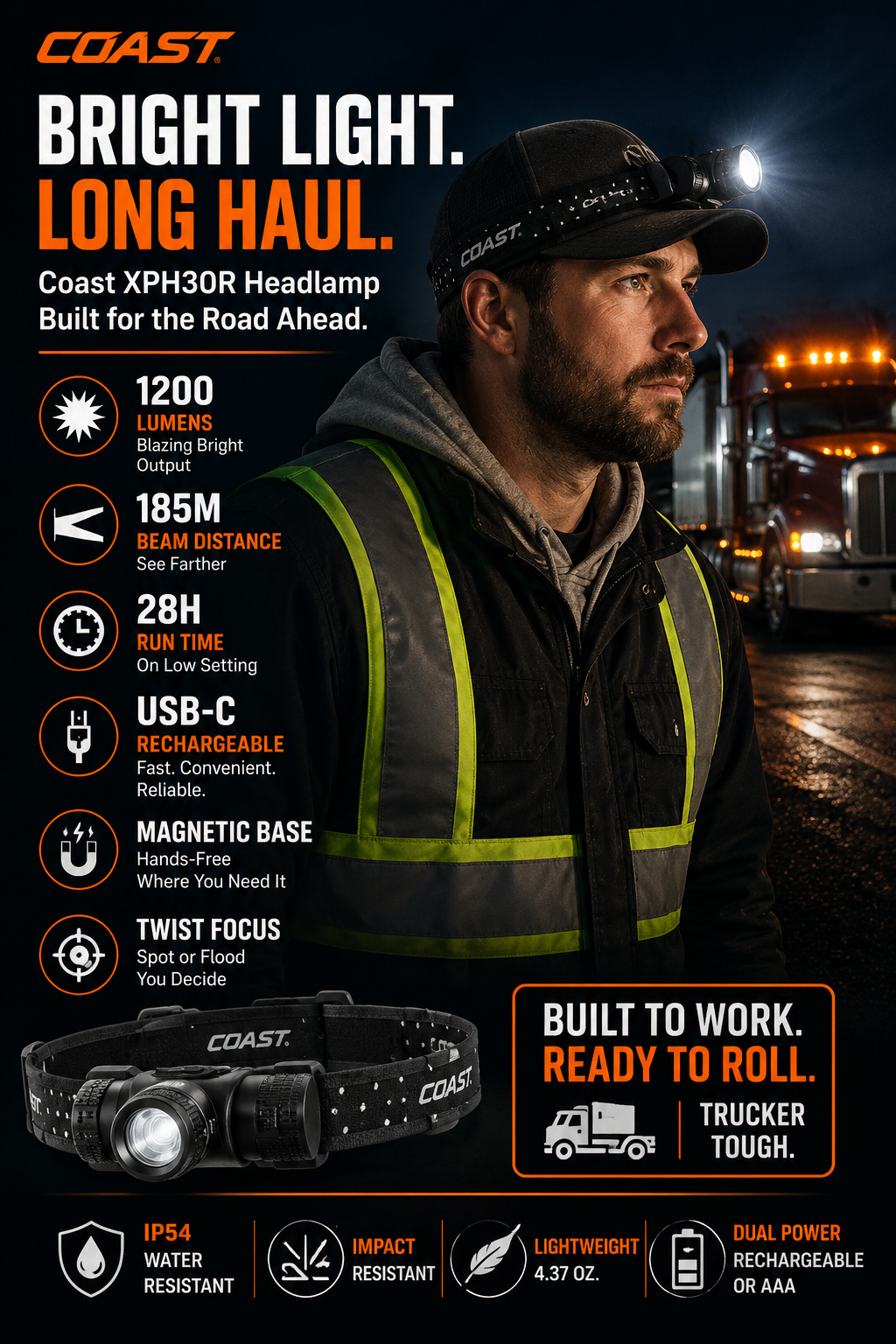
That’s one reason I always carry the Coast XPH30R USB-C Rechargeable Dual Power Headlamp.
Whether I’m checking air lines, inspecting a fifth wheel, or looking underneath the truck before sunrise, having both hands free makes every inspection faster and safer.
My Advice After Driving Both
I’ve spent time in both day cabs and sleeper trucks.
They each have their place.
If you enjoy seeing your family every evening and don’t mind busy days with plenty of stops, a day cab can be a great way to build a trucking career.
If your dream is crossing the country and waking up in a different state every few days, a sleeper truck will probably be a better fit.
The good news is that earning your CDL opens the door to both.
That’s one of the things I’ve always loved about this industry.
There’s a truck and a job for just about everyone.
Author: Brian Cooper
Brian Cooper spent more than 24 years operating dump trucks, day cabs, tractor-trailers, and vocational equipment throughout the Midwest. During his career, he trained new CDL drivers on local delivery operations, vehicle inspections, and safe driving techniques, helping hundreds of new drivers build successful careers in commercial transportation.