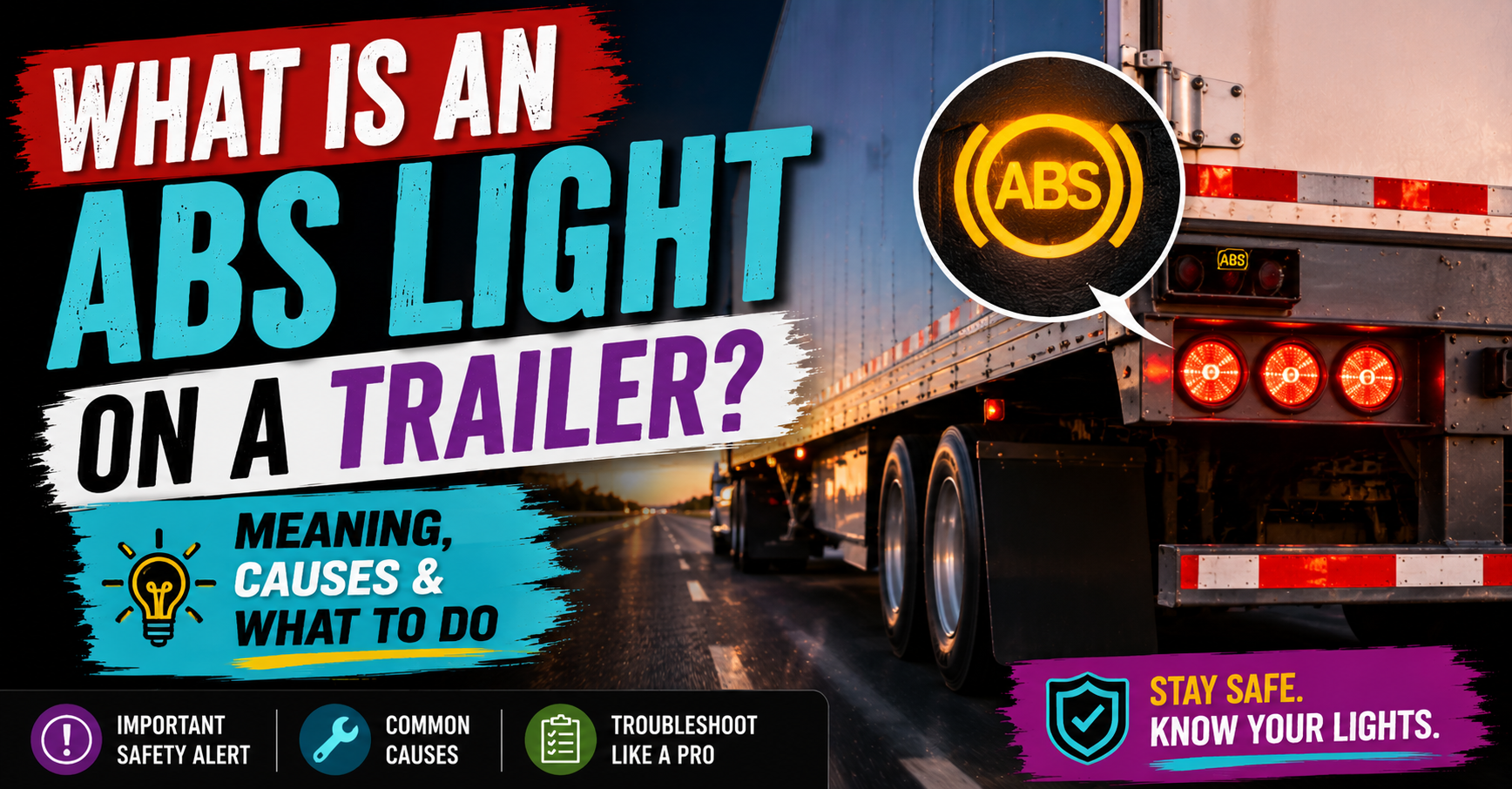
The first time I noticed an ABS light glowing on the side of a trailer, I thought something had already gone wrong.
I was getting ready to leave a shipper, and the light caught my eye during my walk-around.
I climbed back into the truck, asked another driver about it, and he laughed.
“Did it go back off?”
It had.
He explained that what I saw was completely normal.
That little light is one of the easiest things for new CDL drivers to misunderstand. Sometimes it’s doing exactly what it’s supposed to do. Other times it’s warning you that the trailer’s Anti-lock Braking System has detected a problem.
Knowing the difference can save you from unnecessary worry and help you recognize a real issue before it becomes a safety problem.
What Is an ABS Light on a Trailer?
The ABS light is a warning indicator that monitors the trailer’s Anti-lock Braking System (ABS). During normal operation, the light briefly illuminates as part of a self-check and then turns off. If it stays on or comes on while driving, the ABS system has detected a fault that should be inspected.
The important thing to remember is that the ABS light monitors the anti-lock braking system.
It doesn’t necessarily mean you’ve lost all braking ability.
What Does ABS Mean?
ABS stands for Anti-lock Braking System.
The system is designed to help prevent the wheels from locking during hard braking, allowing the driver to maintain better steering control, especially on wet, snowy, or slippery roads.
Without ABS, wheels can lock up during aggressive braking, increasing the chance of skidding or jackknifing.
When Should the Trailer ABS Light Come On?
One thing that confuses many new drivers is that the light is supposed to come on briefly.
During startup or immediately after connecting a trailer, the ABS performs a self-test.
The warning light should illuminate for a few seconds and then go out if everything passes inspection.
That’s completely normal.
A light that never comes on during the self-check can actually indicate a problem too.
What If the ABS Light Stays On?
If the ABS light remains illuminated after the self-test, the trailer’s ABS has detected a fault.
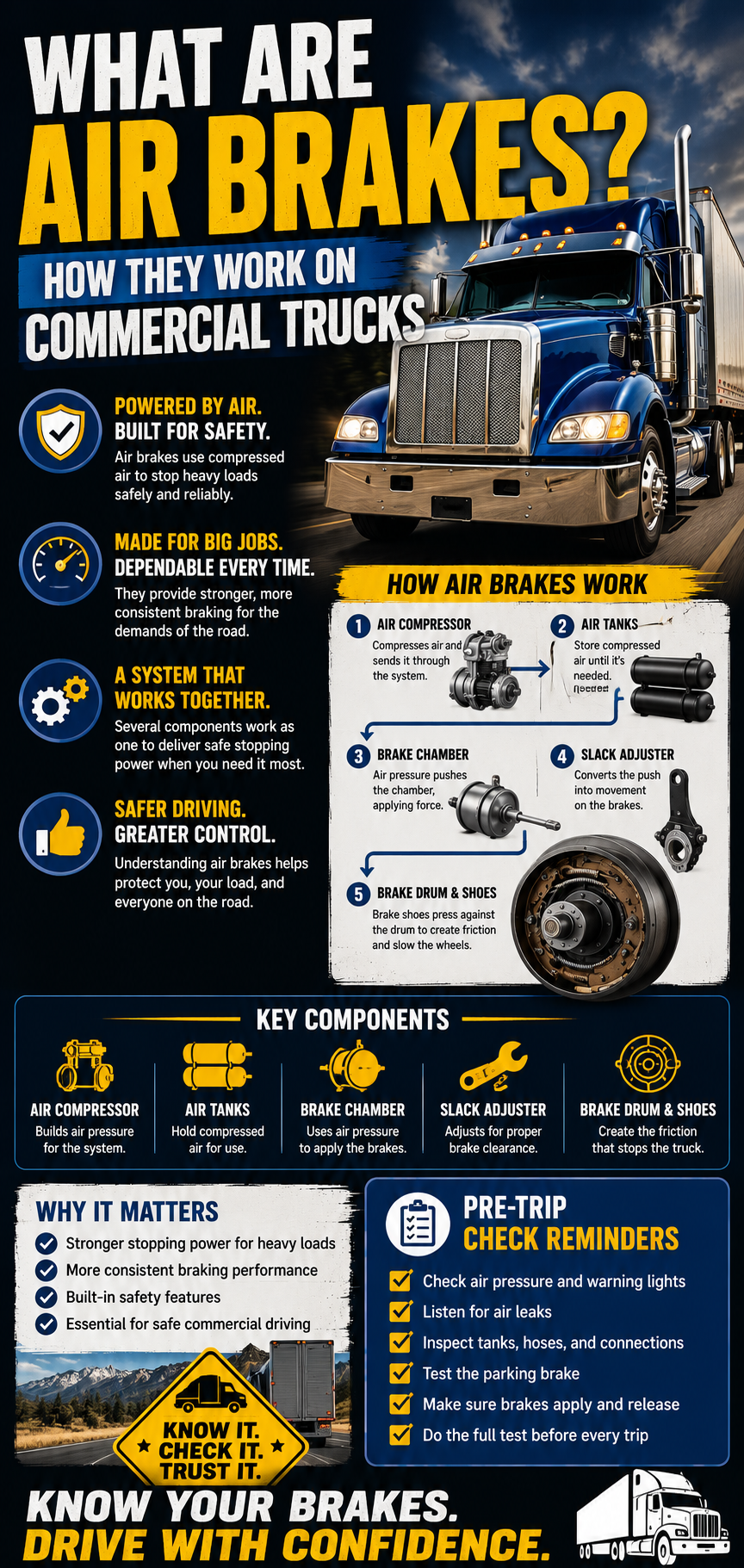
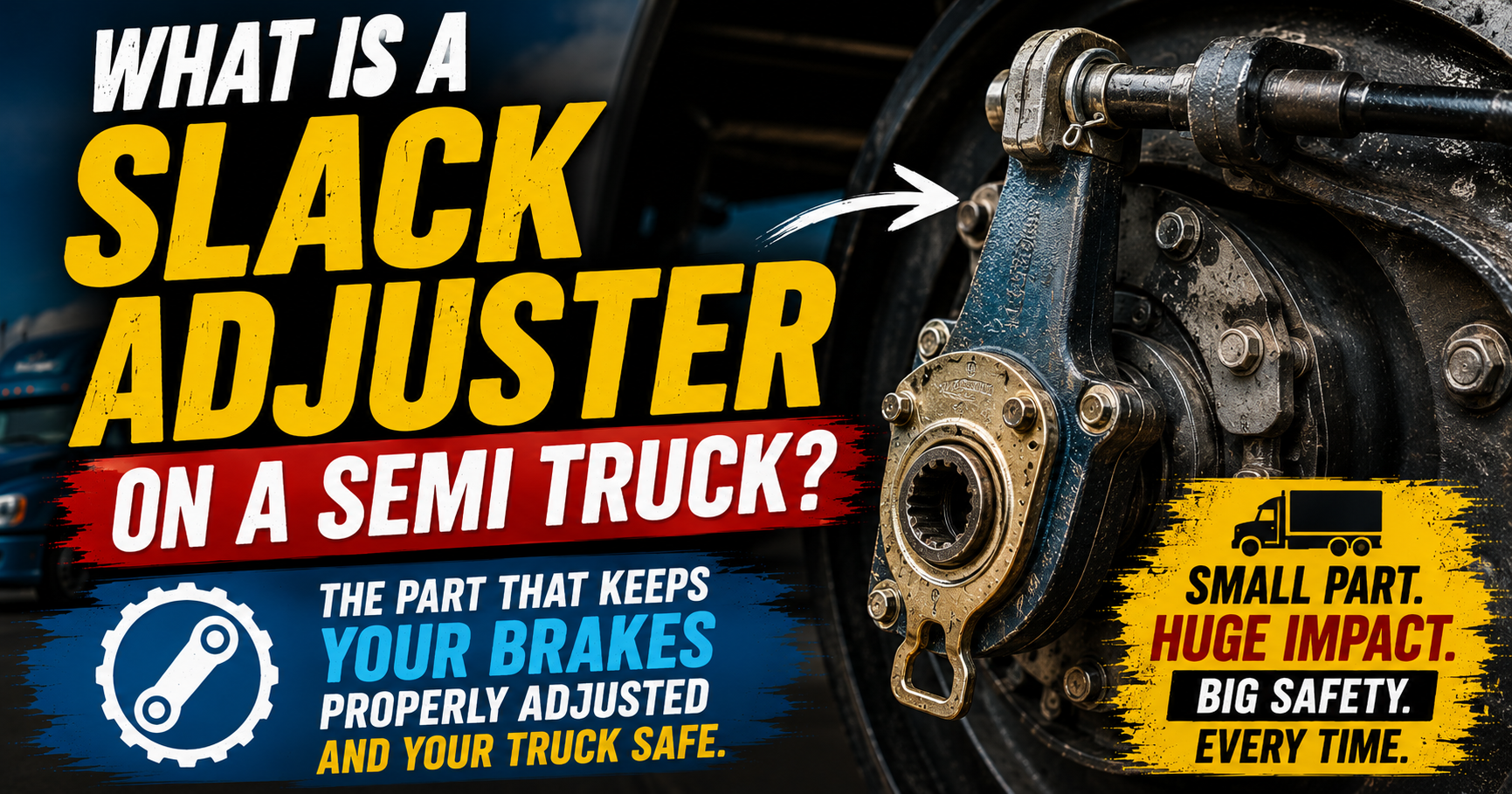
The trailer’s normal service brakes still work, but the anti-lock function is disabled until the problem is repaired. Understanding What Are Air Brakes? How They Work on Commercial Trucks helps explain why a trailer can still have service braking when its ABS function is unavailable.
That means the trailer will still stop.
You simply lose the additional safety benefits provided by ABS during emergency braking or low-traction conditions.

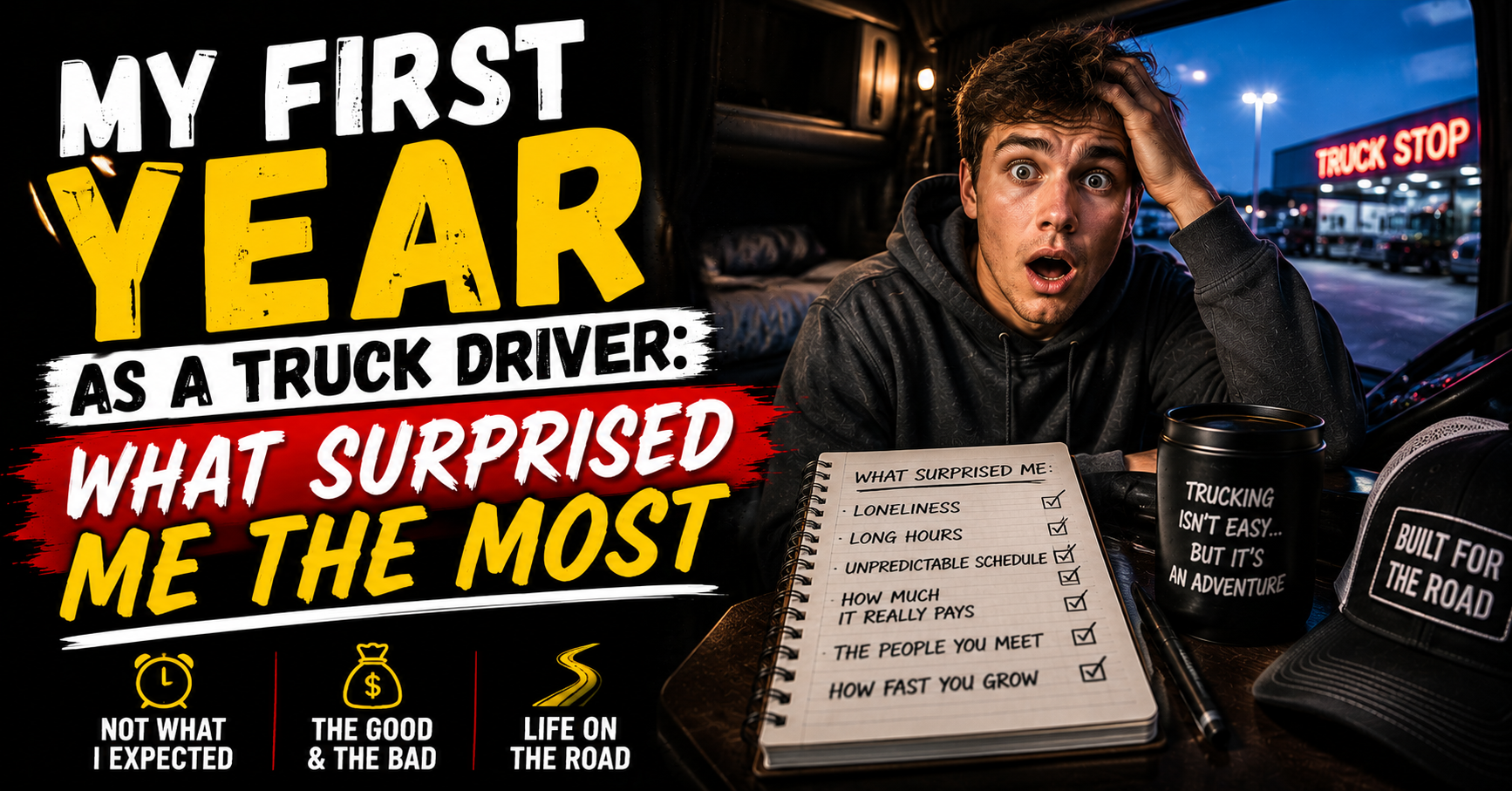

Common Reasons a Trailer ABS Light Comes On
Over the years I’ve seen several different causes.
Some are simple.
Others require a mechanic.
Some of the more common causes include:
- Faulty wheel speed sensors.
- Damaged sensor wiring.
- Corroded electrical connectors.
- Problems with the trailer pigtail.
- Blown ABS fuse on the tractor.
- Faulty ABS control module.
- Loose electrical connections.
The good news is that many ABS issues turn out to be electrical rather than major brake failures.
The Pigtail Can Cause ABS Problems
One thing many drivers don’t realize is that the trailer’s ABS depends on a good electrical connection between the tractor and trailer.
If the pigtail isn’t fully connected or has damaged pins, the ABS may not receive the power or communication it needs.
That’s one reason I always inspect the electrical cord during every trailer hookup.
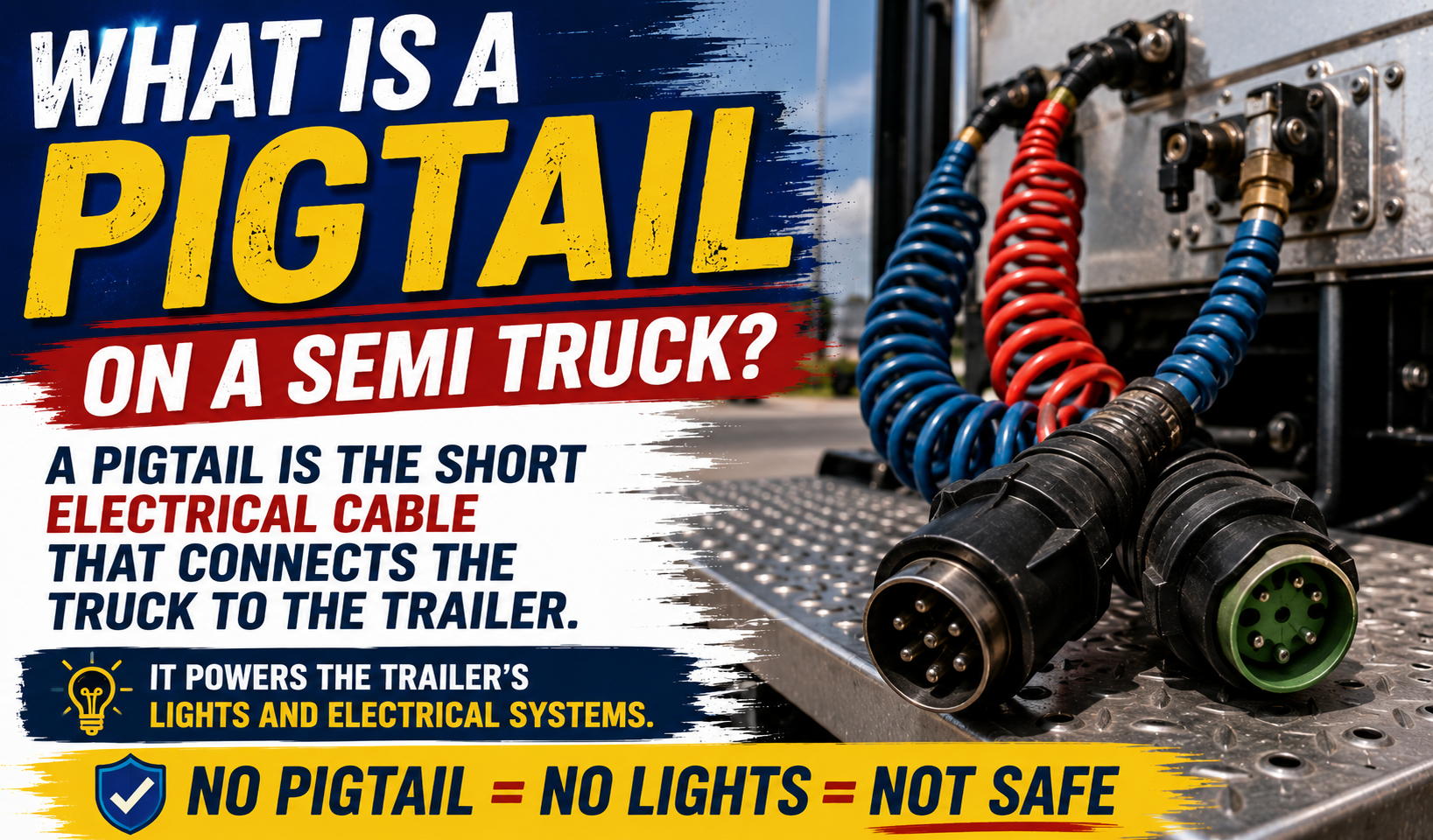
If you’re unfamiliar with that connector, our guide on What Is a Pigtail on a Semi Truck? explains how it works and what to inspect.
Can You Still Drive With the ABS Light On?
This is probably the question I hear most often.
Generally speaking, the truck and trailer still have normal service brakes.
However, the anti-lock braking system is no longer functioning, reducing braking performance on slippery surfaces and potentially leading to inspection issues if the defect isn’t corrected.
If the light stays on, I always report it and follow my company’s maintenance procedures before continuing.
How I Check the ABS System
Whenever I hook to a trailer, I include the ABS system in my routine.
I check:
- The trailer ABS warning light.
- The electrical pigtail.
- Connector pins.
- Air lines.
- Glad hands.
- Visible wiring near the axles.
- Signs of damaged harnesses.
Then I verify all the trailer lights are working before pulling away.
Those few extra minutes are well worth it.
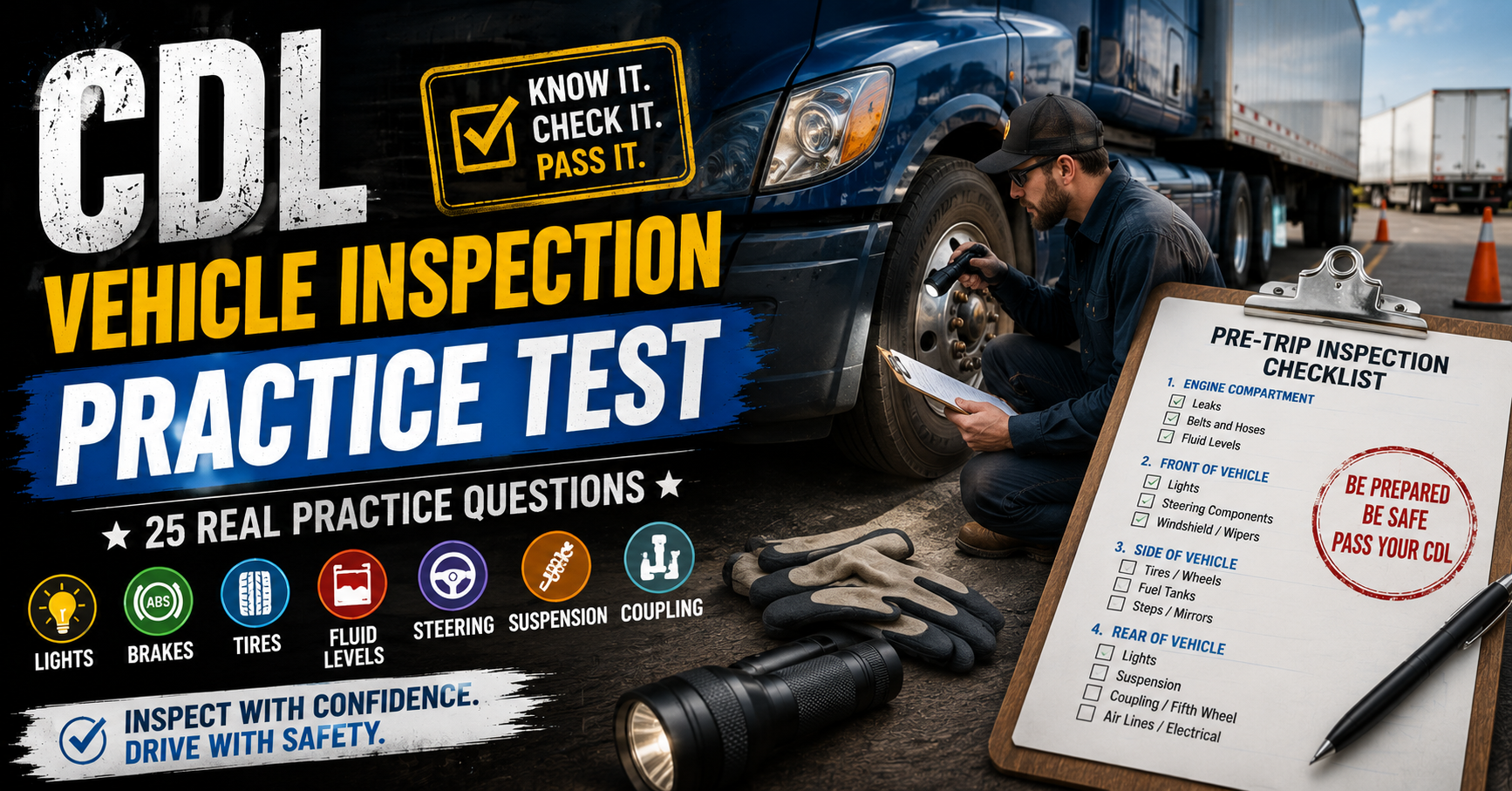
If you’re preparing for your CDL, our CDL Vehicle Inspection Practice Test covers many of the inspection items you’ll be expected to identify during your pre-trip.
Common Mistakes New Drivers Make
I’ve watched plenty of new drivers panic the first time they see the ABS light during startup.
In many cases, it’s simply performing its normal self-test.
I’ve also seen drivers ignore an ABS light that’s been illuminated for days because “the trailer still stops.”
That’s not a good habit to develop.
Warning lights exist for a reason.
The sooner you investigate the cause, the easier the repair usually is.
Where You’ll Hear This Term
The trailer ABS light comes up regularly throughout a trucking career.
You’ll hear mechanics discussing it during repairs.
DOT inspectors check it during roadside inspections.
Drivers talk about it when troubleshooting trailer problems.
Fleet managers often ask about it when a trailer is written up for maintenance.
It’s one of those terms every professional driver should understand.
Frequently Asked Questions
Does an ABS light mean I have no brakes?
No.
In most cases, the service brakes continue working normally.
The warning light indicates the anti-lock braking system has been disabled because it detected a fault.
Can a bad pigtail cause the trailer ABS light?
Yes.
A damaged electrical connection, blown fuse, or wiring problem between the tractor and trailer is one of the more common causes of trailer ABS issues.
Will I need to know about ABS for my CDL?
Absolutely.
You should understand:
- What ABS stands for.
- What the warning light indicates.
- Why the self-test is normal.
- Why the light shouldn’t remain illuminated.
- How to inspect the system during a pre-trip.
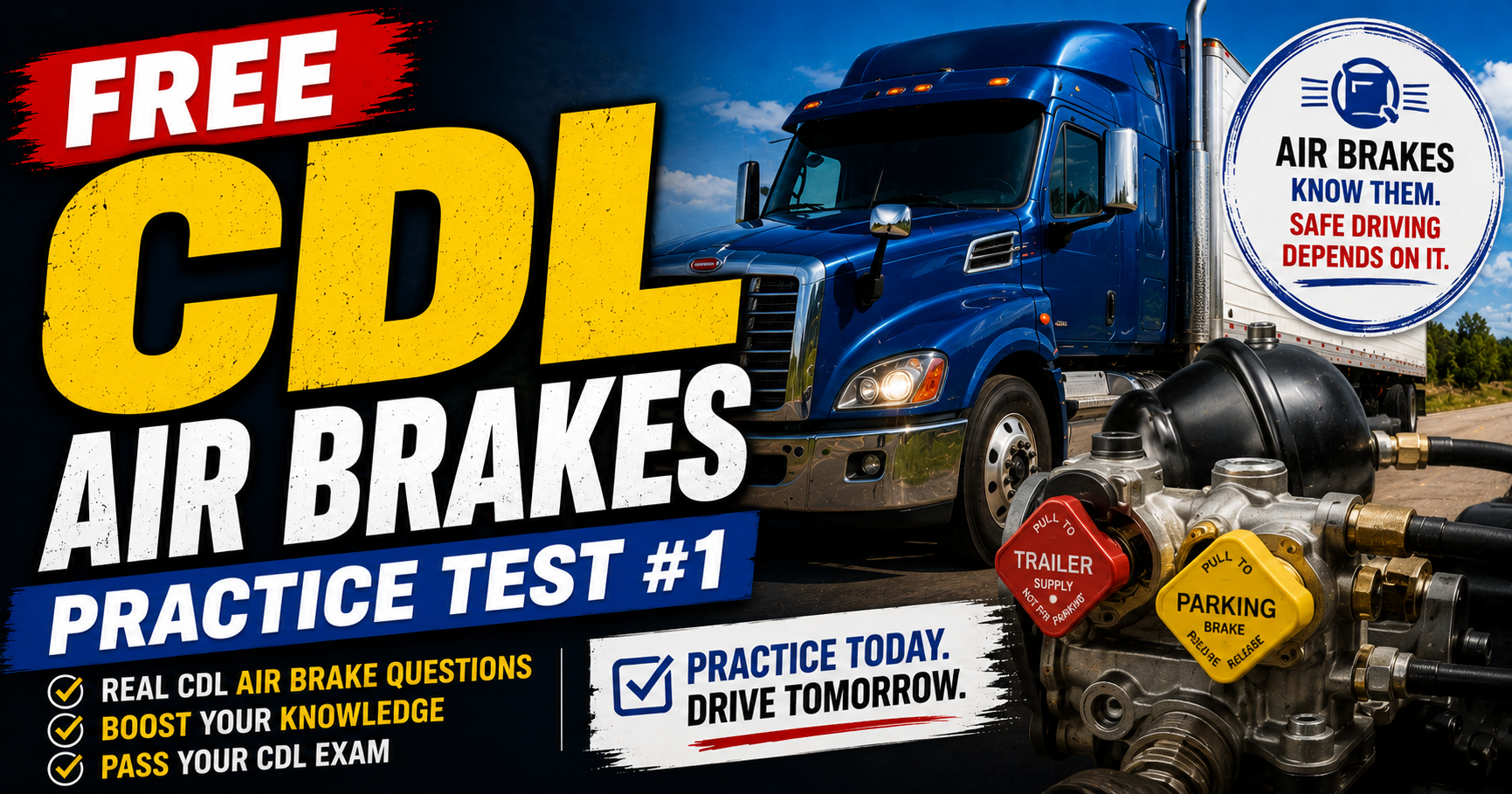
Our Free CDL Air Brakes Practice Test 1 and Free CDL Air Brakes Practice Test 2 are excellent resources for reviewing air brake concepts before your written exam.
One Tool I Always Keep Nearby
A lot of trailer inspections happen before daylight or after the sun goes down.
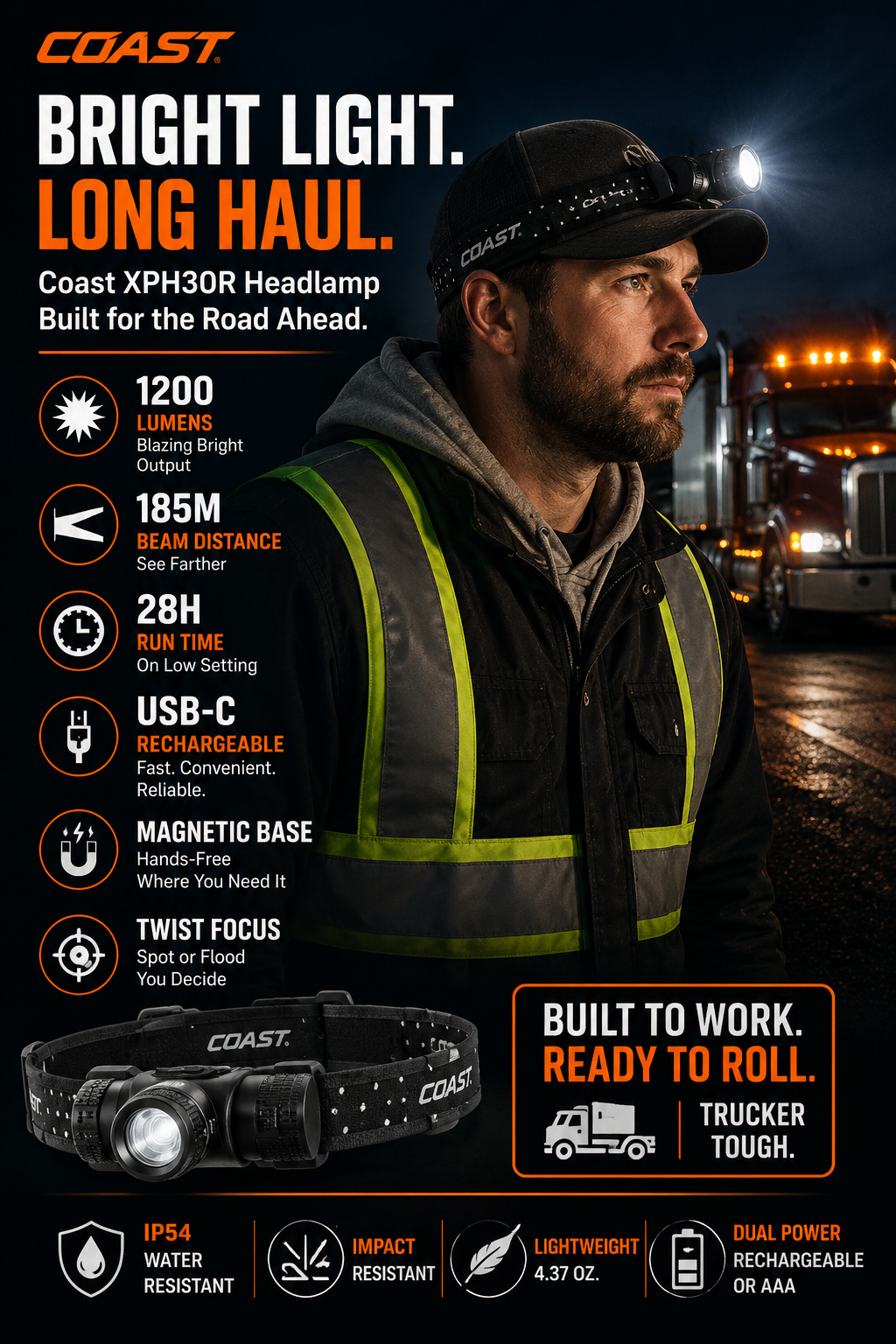
That’s why I always carry the Coast XPH30R USB-C Rechargeable Dual Power Headlamp.
It makes it much easier to inspect the pigtail, trailer wiring, ABS components, and air lines without trying to hold a flashlight at the same time.
My Advice After Years on the Road
One thing trucking has taught me is that warning lights should never be ignored.
The trailer ABS light isn’t there to scare you.
It’s there to let you know the truck needs your attention.
Sometimes the fix is as simple as cleaning an electrical connection.
Sometimes it’s a failed wheel speed sensor.
Either way, I’d much rather spend a few minutes checking the problem in the yard than discover it halfway down a mountain in the rain.
That’s the mindset that keeps trucks moving safely and keeps drivers out of trouble.
Author: Brian Cooper
Brian Cooper spent more than 24 years operating tractor-trailers, dump trucks, and vocational equipment throughout the Midwest. He trained new CDL drivers on air brake systems, trailer inspections, and preventive maintenance, always emphasizing that the safest drivers are the ones who investigate small warning signs before they become big problems.