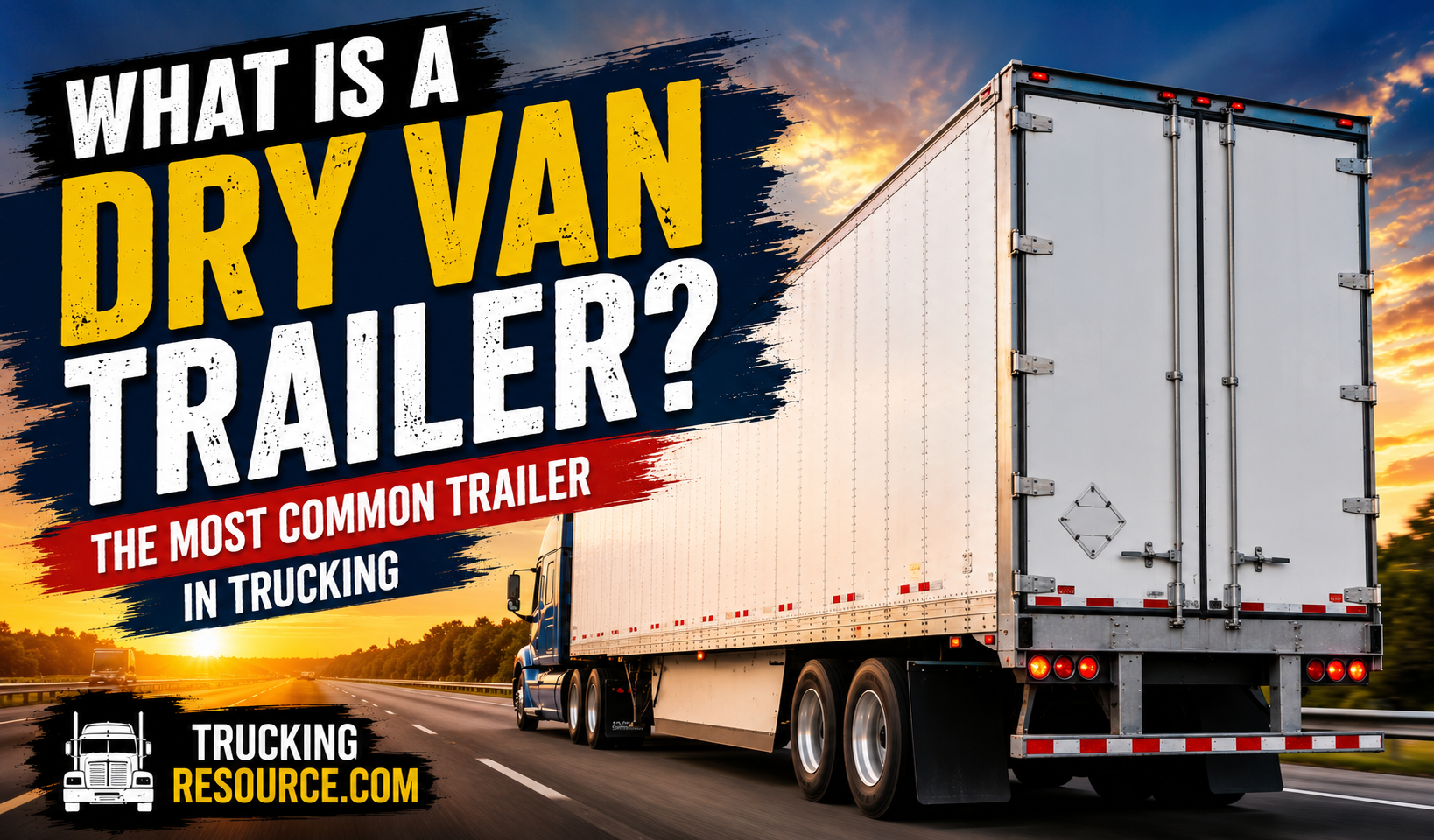
If you’ve ever driven down an interstate, you’ve seen hundreds of dry van trailers.
In fact, you’ve probably seen so many that you stopped noticing them.
When I first got my CDL, almost every trailer I pulled was a dry van. It’s one of the easiest trailer types to learn because it’s versatile, enclosed, and used to haul just about everything imaginable.
If someone asked me which trailer has probably carried the most freight across America, I’d put my money on the dry van.
There’s a good reason it’s the workhorse of the trucking industry.
What Is a Dry Van Trailer?
A dry van trailer is a fully enclosed, non-refrigerated semi-trailer used to transport freight that doesn’t require temperature control. The enclosed design protects cargo from rain, snow, dirt, wind, and theft while allowing shippers to move a wide variety of products safely.
Because they’re enclosed, dry vans are one of the safest and most versatile trailer types on the road.


Why Is It Called a Dry Van?
The word dry simply means the trailer isn’t refrigerated.
Unlike a reefer trailer, a dry van has no cooling unit.
The word van refers to the enclosed box-style trailer.
So a dry van is simply an enclosed trailer used for freight that can be transported at normal outdoor temperatures.
What Does a Dry Van Look Like?
Most dry vans have a simple design.
You’ll usually find:
- Solid aluminum or composite sides.
- A solid roof.
- Swing-out rear doors.
- Hardwood or composite flooring.
- An enclosed cargo area.
- Tandem axles.
Most trailers you’ll see today are 53 feet long, although shorter versions are still used in some operations.
What Does a Dry Van Haul?
One reason dry vans are so popular is because they can haul almost anything that doesn’t require refrigeration.
Common freight includes:
- Clothing.
- Electronics.
- Furniture.
- Household goods.
- Paper products.
- Packaged food.
- Automotive parts.
- Retail merchandise.
- Building supplies.
- Palletized freight.
If it needs protection from the weather but doesn’t need to stay cold, there’s a good chance it moves in a dry van.

Why Dry Vans Are So Popular
I’ve hauled several different trailer types over the years.
Dry vans remain one of the easiest to work with because they’re incredibly versatile.
Some of the biggest advantages include:
- Excellent weather protection.
- Secure enclosed cargo.
- Lower theft risk.
- Easy freight handling.
- Available almost everywhere.
- Compatible with countless industries.
That’s why so many new CDL drivers start their careers hauling dry vans.
Dry Van vs. Reefer
People often confuse these two trailers because they look similar.
The biggest difference is refrigeration.
A dry van has no refrigeration system.
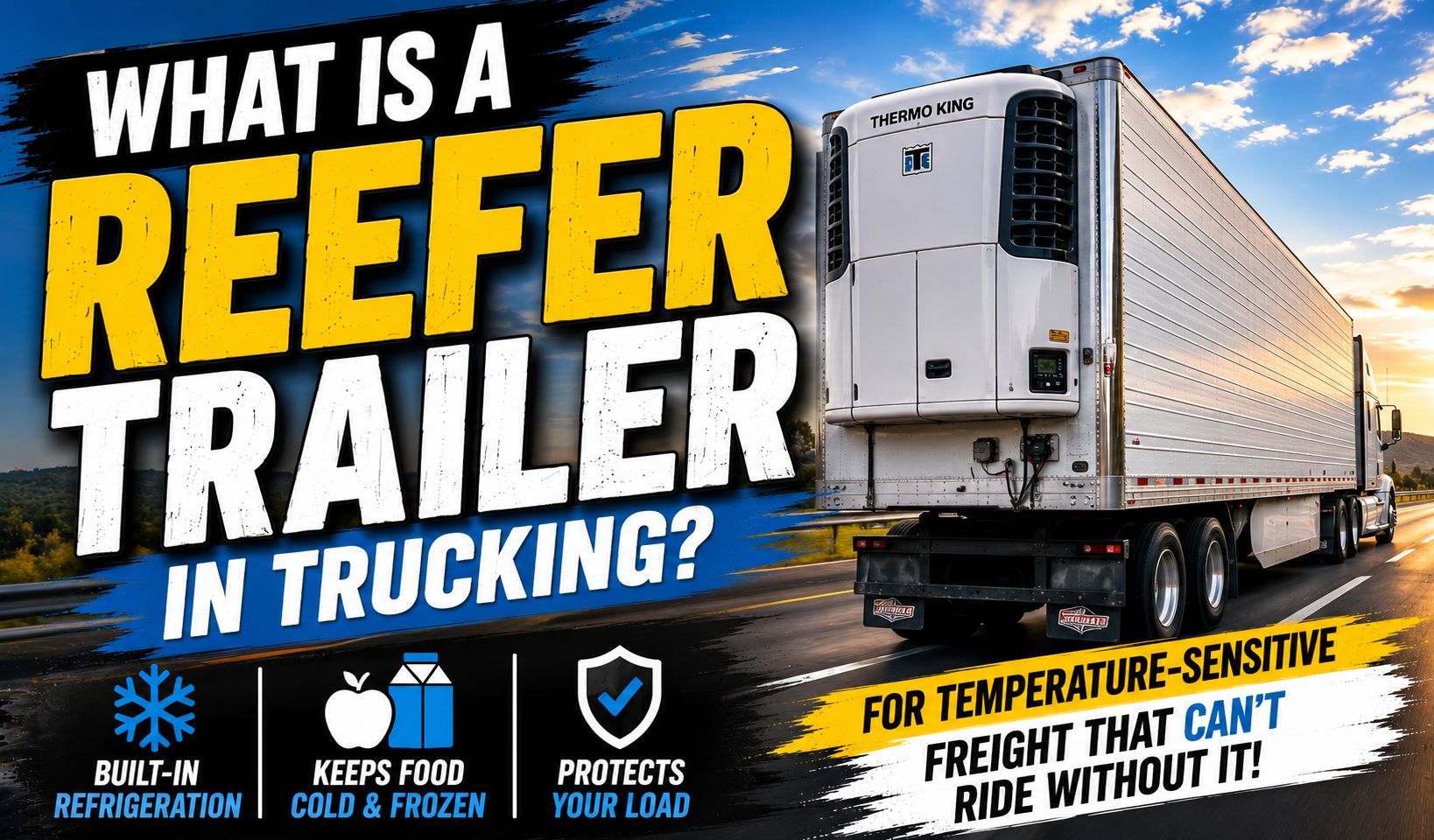
A reefer trailer has an insulated body and a refrigeration unit that keeps cargo at a specific temperature throughout the trip. This comparison provides a useful introduction to how a reefer trailer differs from a standard dry van.
We’ll cover reefer trailers in their own glossary article because they operate quite differently.
Dry Van vs. Flatbed
These trailers couldn’t be much more different.
A dry van completely encloses the freight.
A flatbed leaves the cargo exposed and uses chains, straps, and tarps to secure the load.
Flatbeds are ideal for oversized machinery, lumber, steel, and equipment that can’t fit through trailer doors.
Dry vans are better suited for freight that needs protection from weather and theft.
Who Usually Drives Dry Vans?
Dry van freight is everywhere.
You’ll see these trailers used by:
- National freight carriers.
- Retail distribution companies.
- Food distributors.
- Manufacturers.
- Parcel carriers.
- Regional trucking companies.
- Local delivery fleets.
Many CDL graduates spend their first year hauling dry vans because they’re widely available and offer valuable experience.
If you’re still working toward your license, our guide on How to Get a CDL: Step-by-Step Guide for New Drivers explains exactly what you’ll need before getting behind the wheel.
How I Inspect a Dry Van
Every trailer gets a careful walk-around before I leave.
With a dry van I’m checking:
- Tires.
- Wheels.
- Lights.
- Rear doors.
- Door latches.
- Landing gear.
- Mud flaps.
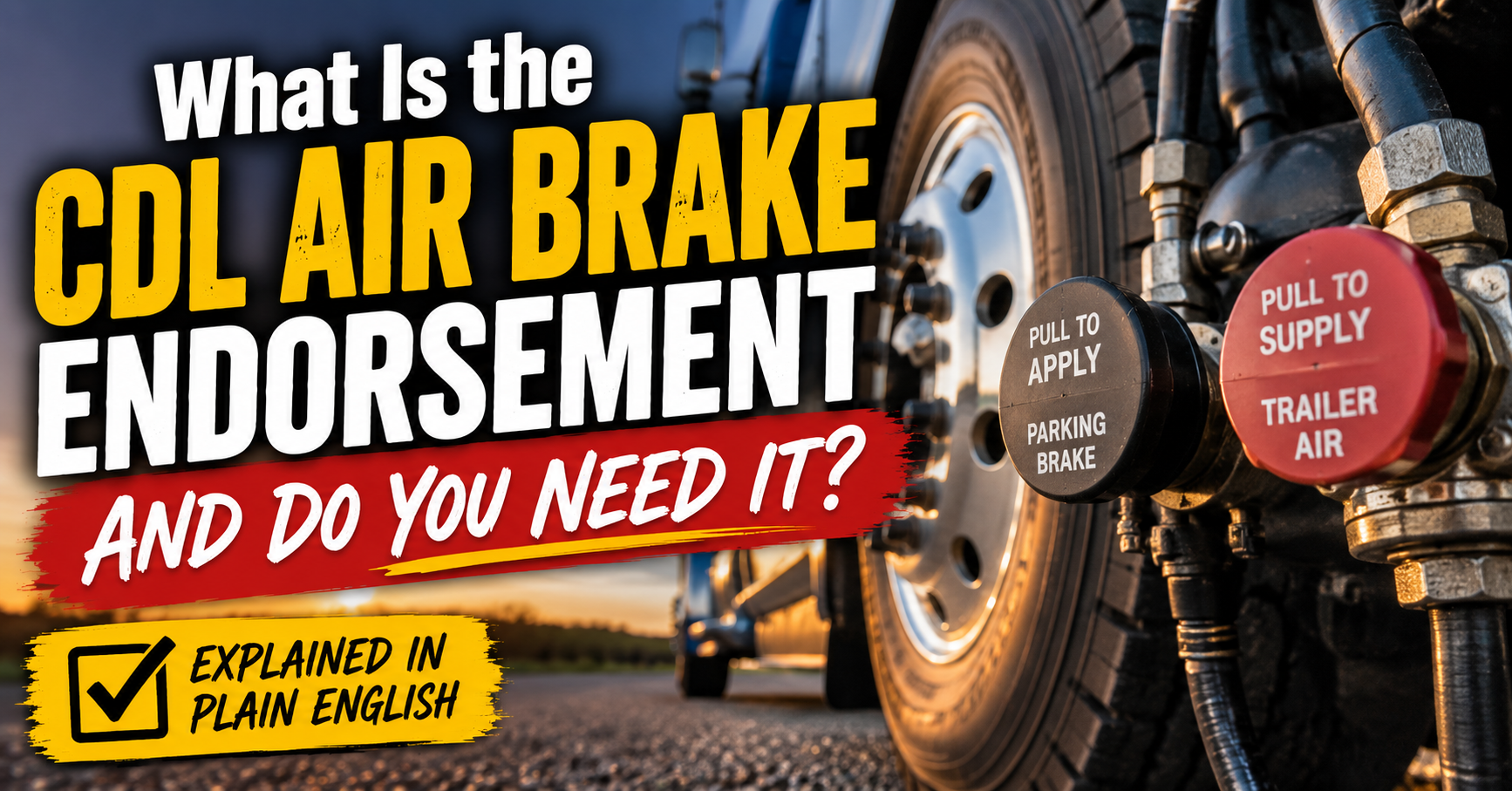
- Air lines.
- Electrical pigtail.
- ABS light.
- Trailer frame.
Once everything checks out, I verify that the trailer lights are working before pulling onto the highway.
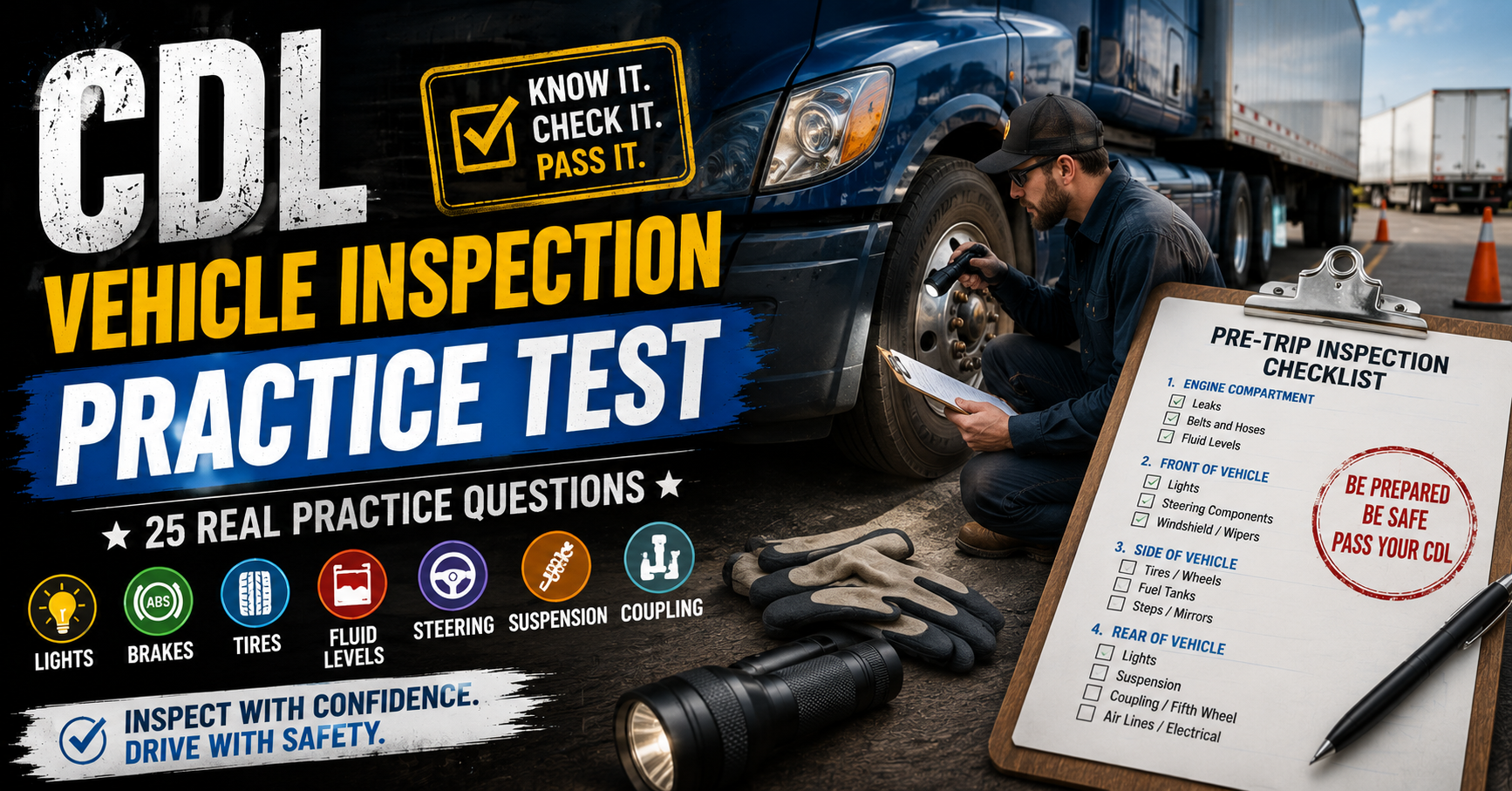
If you’re practicing your inspections, our CDL Vehicle Inspection Practice Test is an excellent way to prepare for the skills exam.
Common Mistakes New Drivers Make
One mistake I see is assuming every enclosed trailer is refrigerated.
It’s not.
Another is forgetting that a dry van still has height restrictions.
Just because the freight is enclosed doesn’t mean you’ll fit under every bridge or into every loading dock.
I’ve also seen new drivers underestimate how important proper cargo securement is.
Even inside a dry van, freight still needs to be loaded correctly to prevent shifting during transit.
Where You’ll Hear This Term
“Dry van” is one of the first trailer types most CDL drivers learn.
You’ll hear it from:
- Dispatchers.
- Freight brokers.
- Recruiters.
- CDL instructors.
- Fleet managers.
- Other truck drivers.
It’s one of the most common pieces of trucking terminology you’ll encounter.
Frequently Asked Questions
Is a dry van refrigerated?
No.
Dry vans transport freight at normal temperatures and don’t have refrigeration equipment.
What is the most common dry van length?
Today, the standard dry van trailer in the United States is 53 feet long, although 48-foot trailers are still used in some fleets.
Is dry van trucking good for beginners?
Absolutely.
Many new CDL drivers begin their careers hauling dry vans because they’re widely used, relatively straightforward to operate, and available with many carriers.
One Tool I Always Keep in the Truck
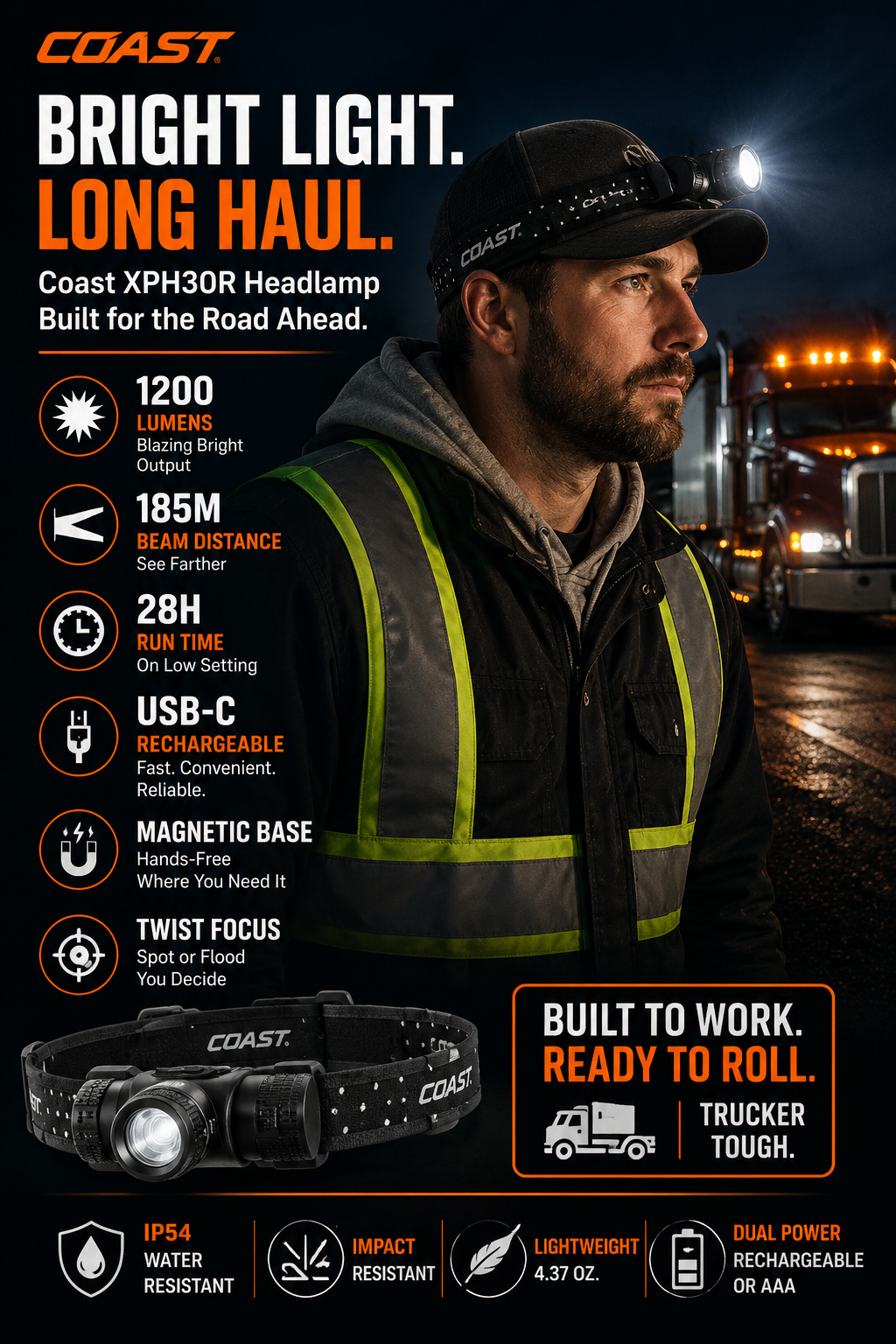
Whether I’m checking tires before sunrise or inspecting the trailer after dark, I always keep my Coast XPH30R USB-C Rechargeable Dual Power Headlamp close by.
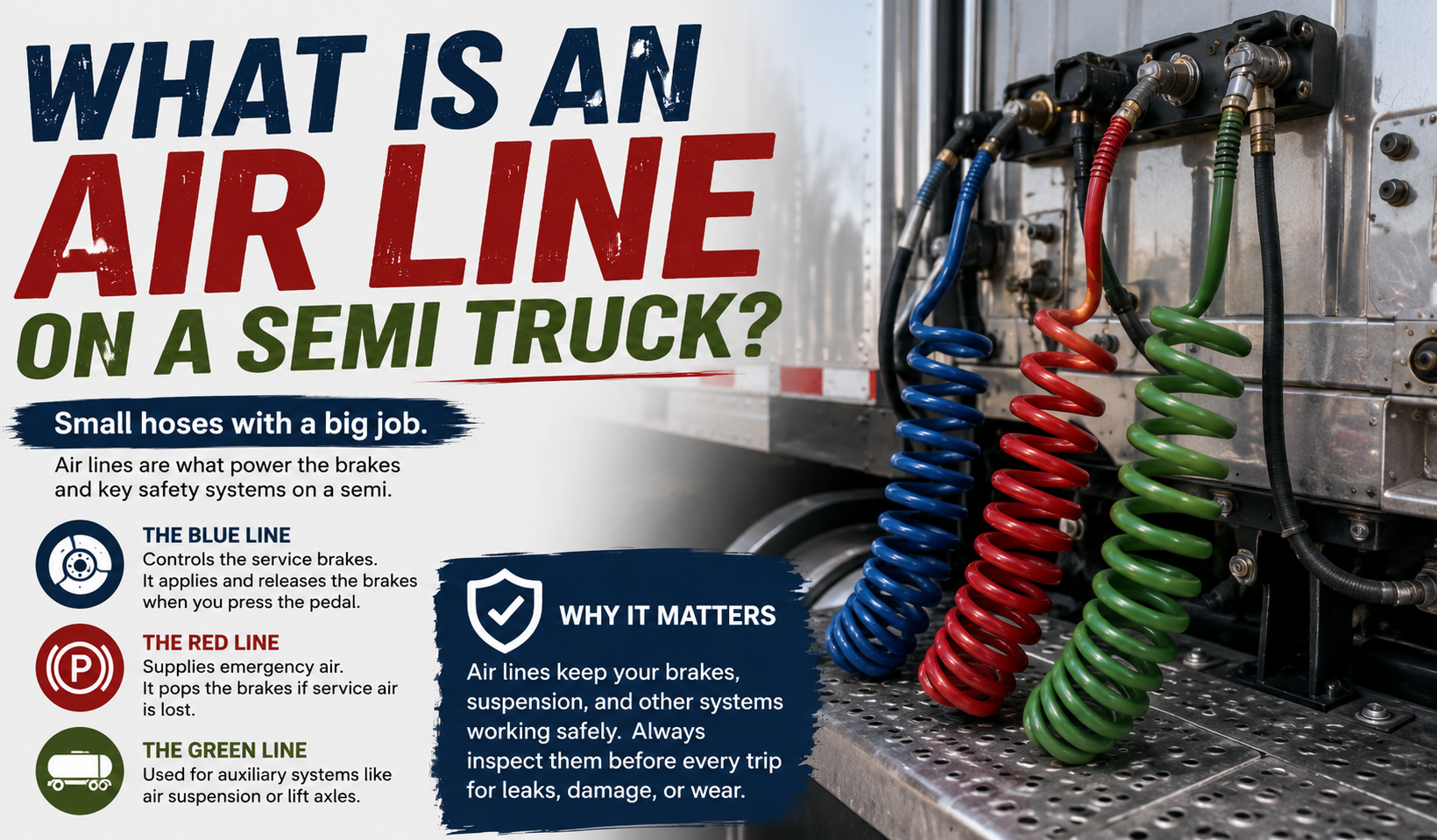
It makes inspecting trailer doors, landing gear, tires, air lines, and electrical connections much easier because both hands stay free. Knowing how trailer air line inspection function can make that walk-around more thorough.
My Advice After Pulling Thousands of Dry Vans
If you end up driving for any length of time, there’s a good chance you’ll haul a dry van sooner or later.
They’re dependable.
They’re versatile.
They’re used by nearly every corner of the trucking industry.
Learning how to inspect one properly, back it safely, and understand what it can and can’t haul will serve you well no matter where your trucking career takes you.
There’s a reason they’ve become the most common trailer on American highways.
They simply get the job done.
Author: Mike Reynolds
Mike Reynolds spent more than 25 years hauling dry vans, refrigerated trailers, and flatbeds throughout North America. During his career, he trained new CDL drivers on trailer inspections, freight handling, and safe driving practices, believing that mastering the basics of dry van trucking gives drivers a strong foundation for every other type of freight they’ll haul.