The first time I backed a dump trailer under a load, I realized pretty quickly that hauling loose material is a lot different than hauling pallets in a dry van.
With a dry van, you close the doors and head down the road.
With a dump trailer, you also have to think about things like load distribution, overhead clearance, soft ground, and safely raising the trailer without tipping it over. When soft ground is part of the job, waterproof work boots may be a practical addition to a driver's work gear.
I’ve hauled gravel, sand, dirt, and demolition debris over the years, and while dump trailers are simple machines, they demand respect. One careless mistake while unloading can have serious consequences.
If you’re thinking about getting into construction hauling or agricultural trucking, understanding how dump trailers work is a great place to start.
What Is a Dump Trailer?
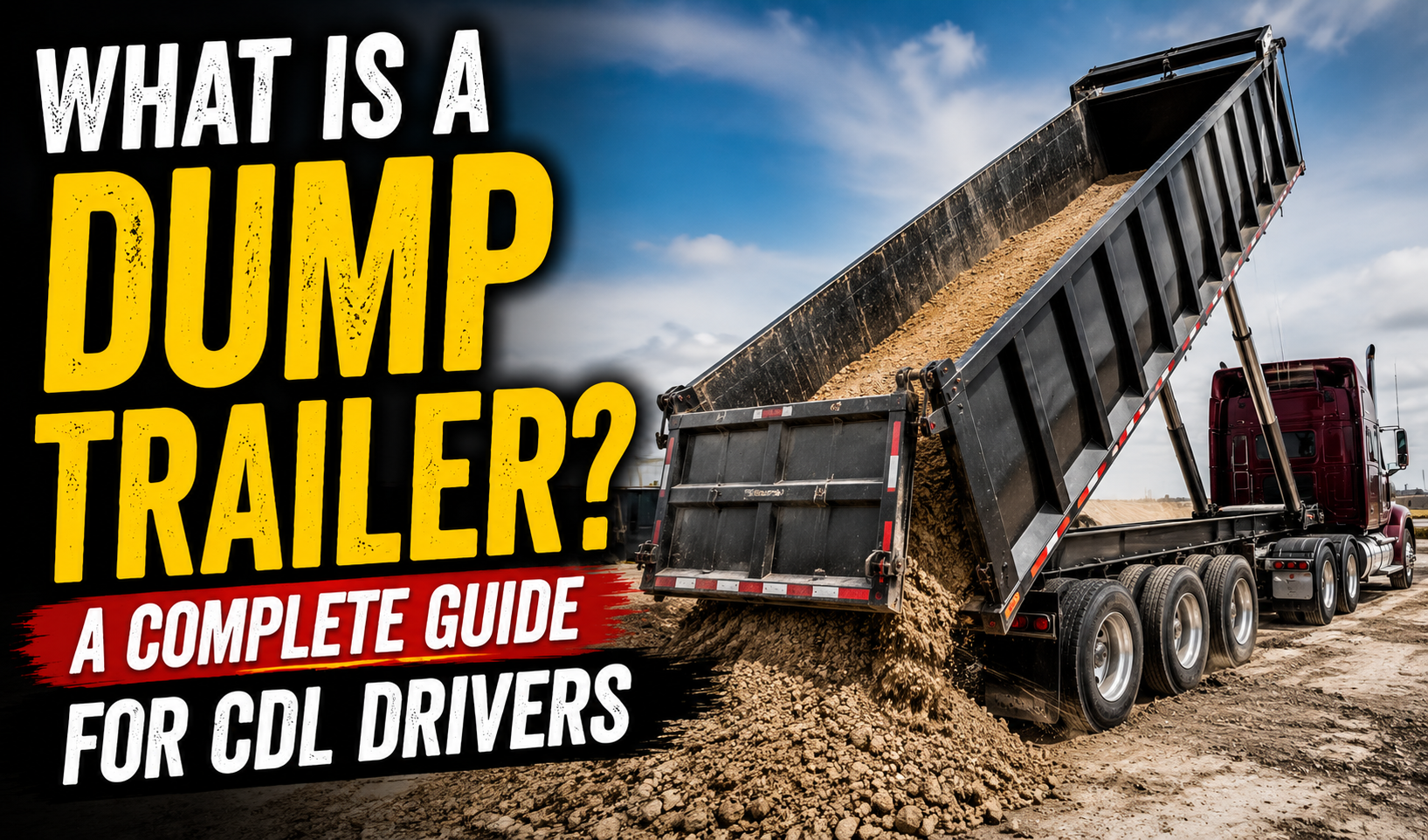
A dump trailer is a semi-trailer with a hydraulic lifting system that raises the front of the trailer, allowing loose materials to slide out through a rear gate using gravity. Dump trailers are commonly used to haul bulk materials that can’t be unloaded with a forklift or loading dock. (talbertmfg.com)
Unlike enclosed trailers, dump trailers are designed specifically for materials that are dumped rather than individually unloaded.
Why Is It Called a Dump Trailer?
The name comes from the unloading process.
Instead of unloading cargo one pallet at a time, the trailer literally dumps the entire load by raising the trailer bed with hydraulic cylinders.
Gravity does the rest.
It’s one of the fastest ways to unload large amounts of loose material.
What Does a Dump Trailer Haul?
Dump trailers are built for bulk materials.
Some of the most common loads include:
- Gravel.
- Sand.
- Dirt.
- Crushed rock.
- Asphalt.
- Demolition debris.
- Scrap material.
- Coal.
- Salt.
- Mulch.
Many construction projects would come to a standstill without dump trailers constantly moving material in and out.
How Does a Dump Trailer Work?
The unloading process is fairly straightforward.
- The driver positions the trailer.
- The rear gate is opened.
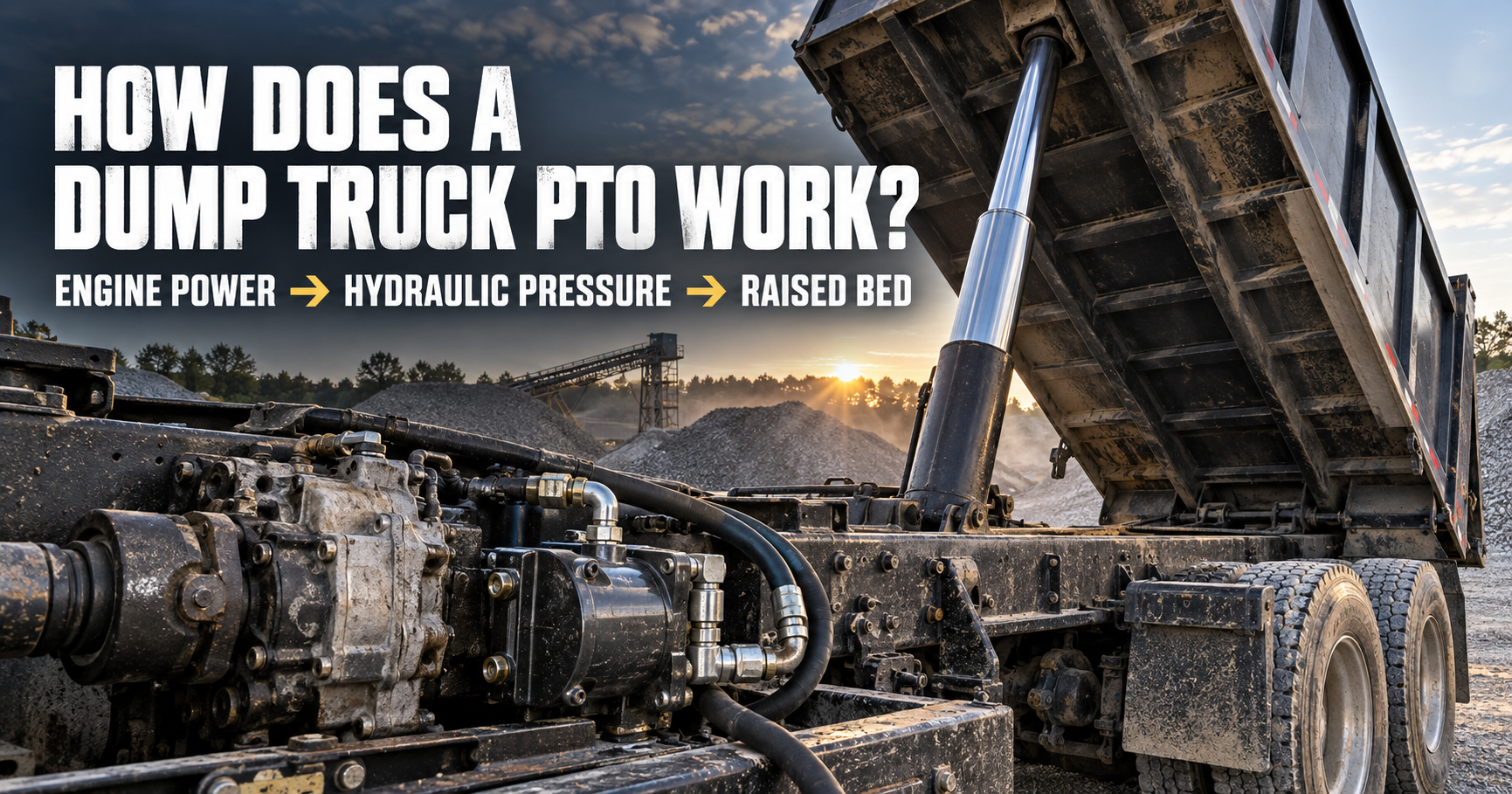
- The hydraulic cylinder raises the front of the trailer.
- Gravity pulls the material toward the rear.
- The load slides out.
- The trailer is lowered before driving away.
Although it sounds simple, proper positioning and level ground are critical for safe unloading.
Where Does the Hydraulic Power Come From?
One question new CDL drivers ask all the time is how the trailer raises itself.
In many tractor and end dump combinations, hydraulic power is supplied through the truck’s Power Take-Off (PTO) system, which drives a hydraulic pump that raises the trailer. Some trailers have self-contained hydraulic systems, but PTO-powered systems are very common in commercial hauling. (truckersreport.com)
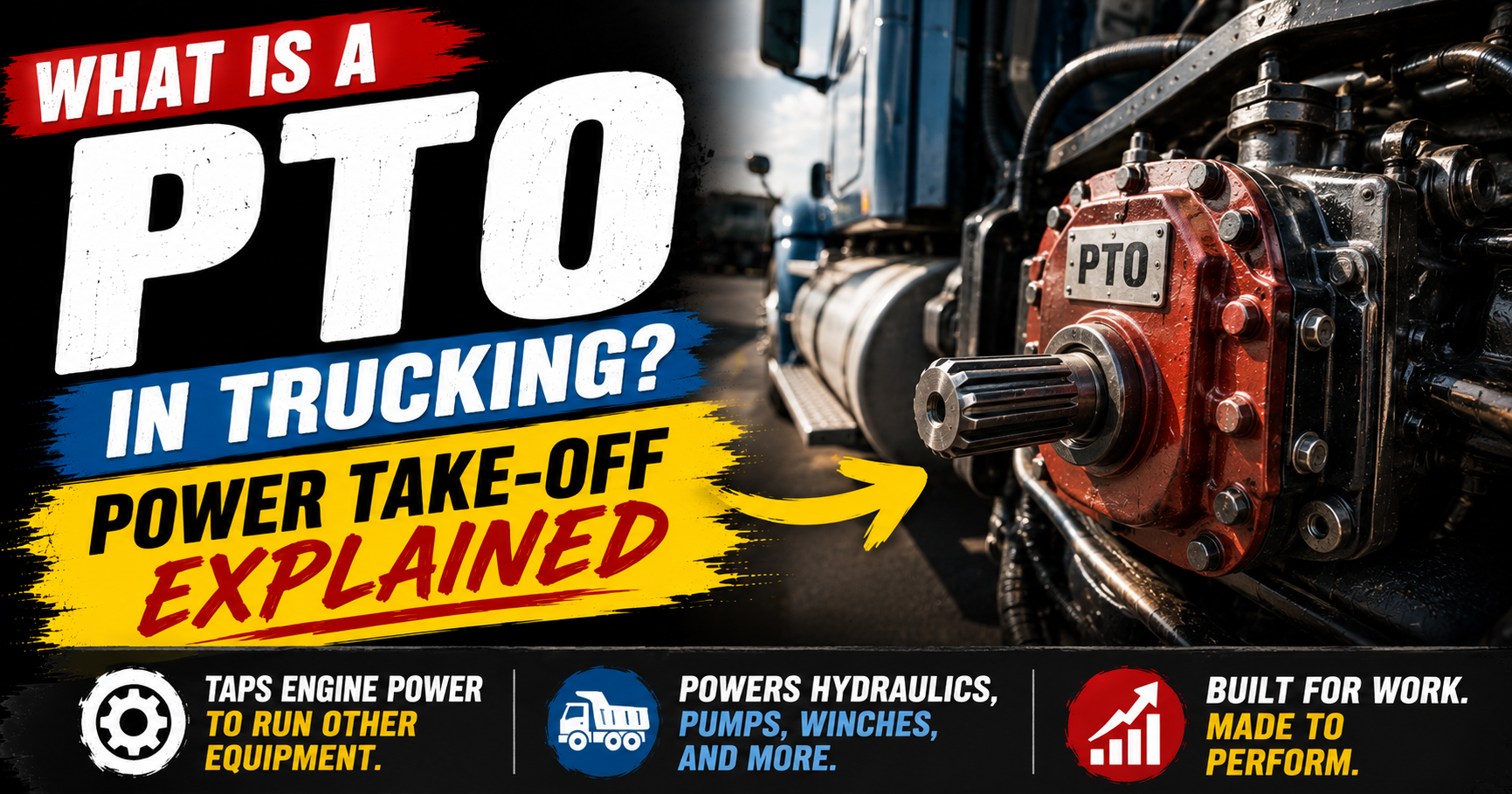
If you’re not familiar with PTO systems, our guide on What Is a PTO in Trucking? Power Take-Off Explained explains exactly how they work.
Dump Trailer vs. Hopper Bottom
People sometimes confuse these two trailers because they both haul loose bulk materials.
The biggest difference is unloading.
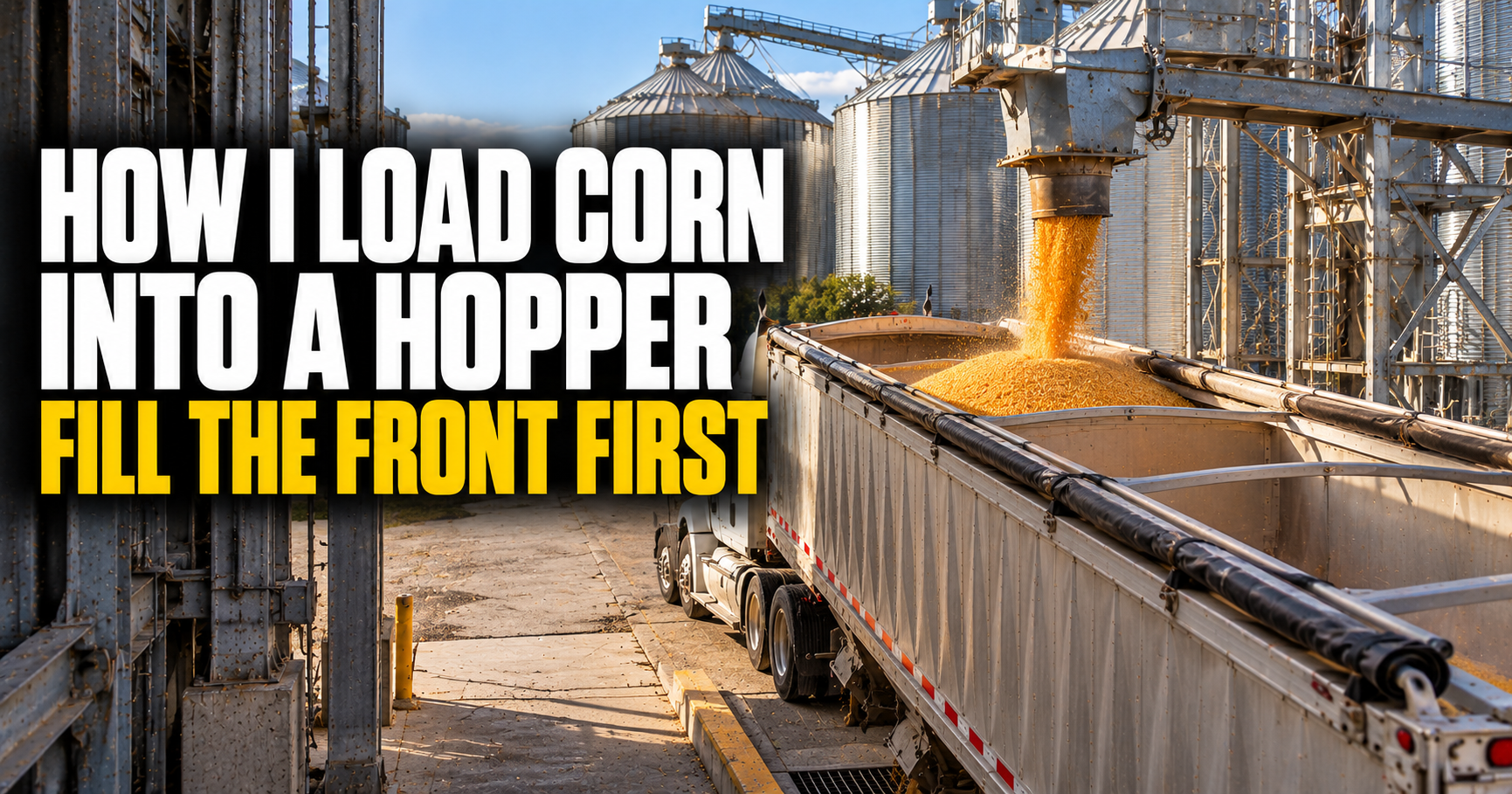
A hopper bottom stays level while gravity empties the cargo through hopper gates underneath the trailer.
A dump trailer raises into the air and unloads through the rear.
If you haul grain or fertilizer, you’ll probably see hopper bottoms much more often.
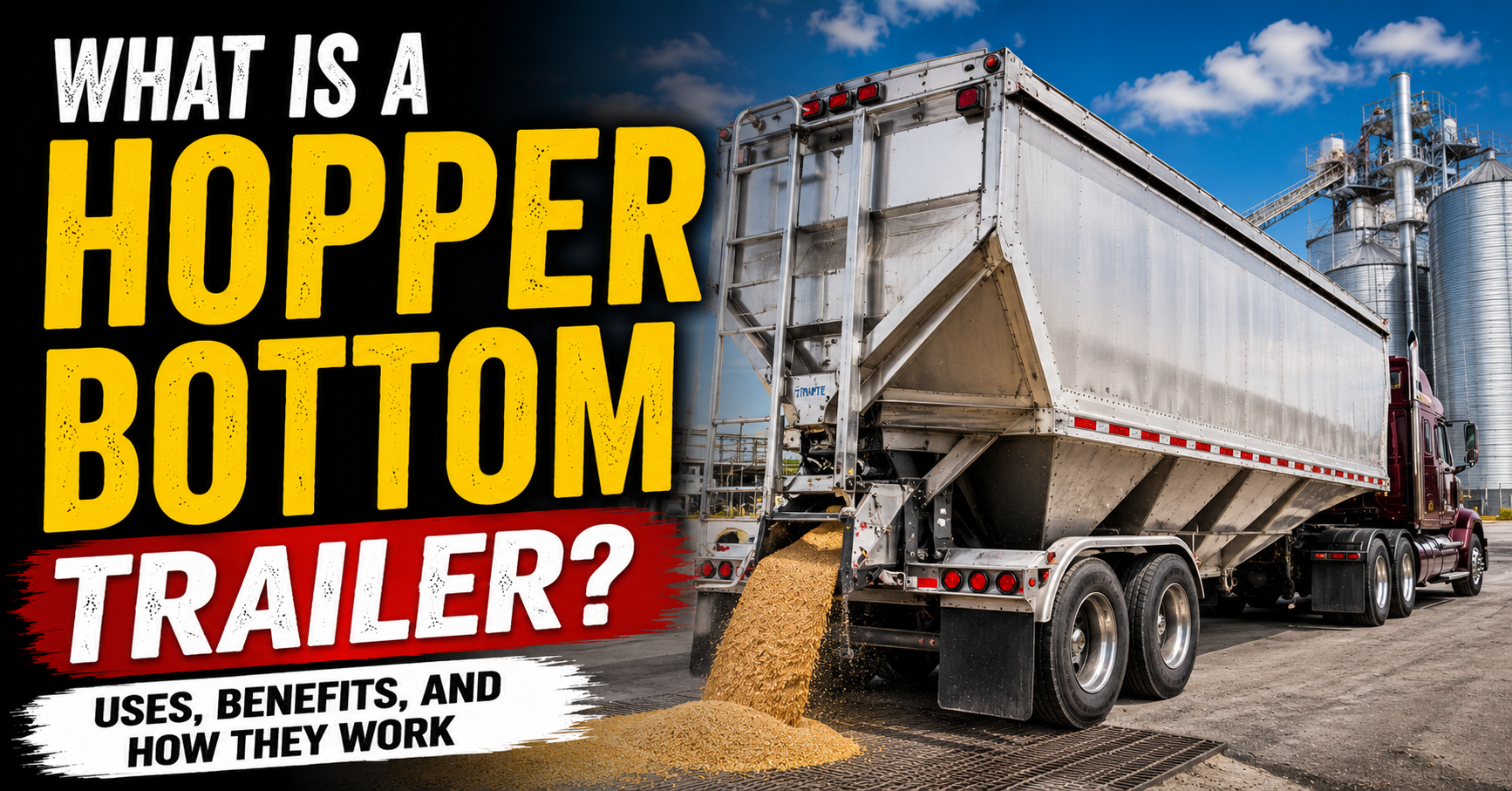
Our What Is a Hopper Bottom Trailer? guide explains why they’re so popular in agriculture.
Dump Trailer vs. Flatbed
A flatbed is designed for freight that can be loaded and secured with chains or straps.
A dump trailer is designed for loose materials that can’t be stacked on pallets.
If you’re hauling gravel, dirt, or asphalt, a flatbed simply isn’t the right tool for the job.
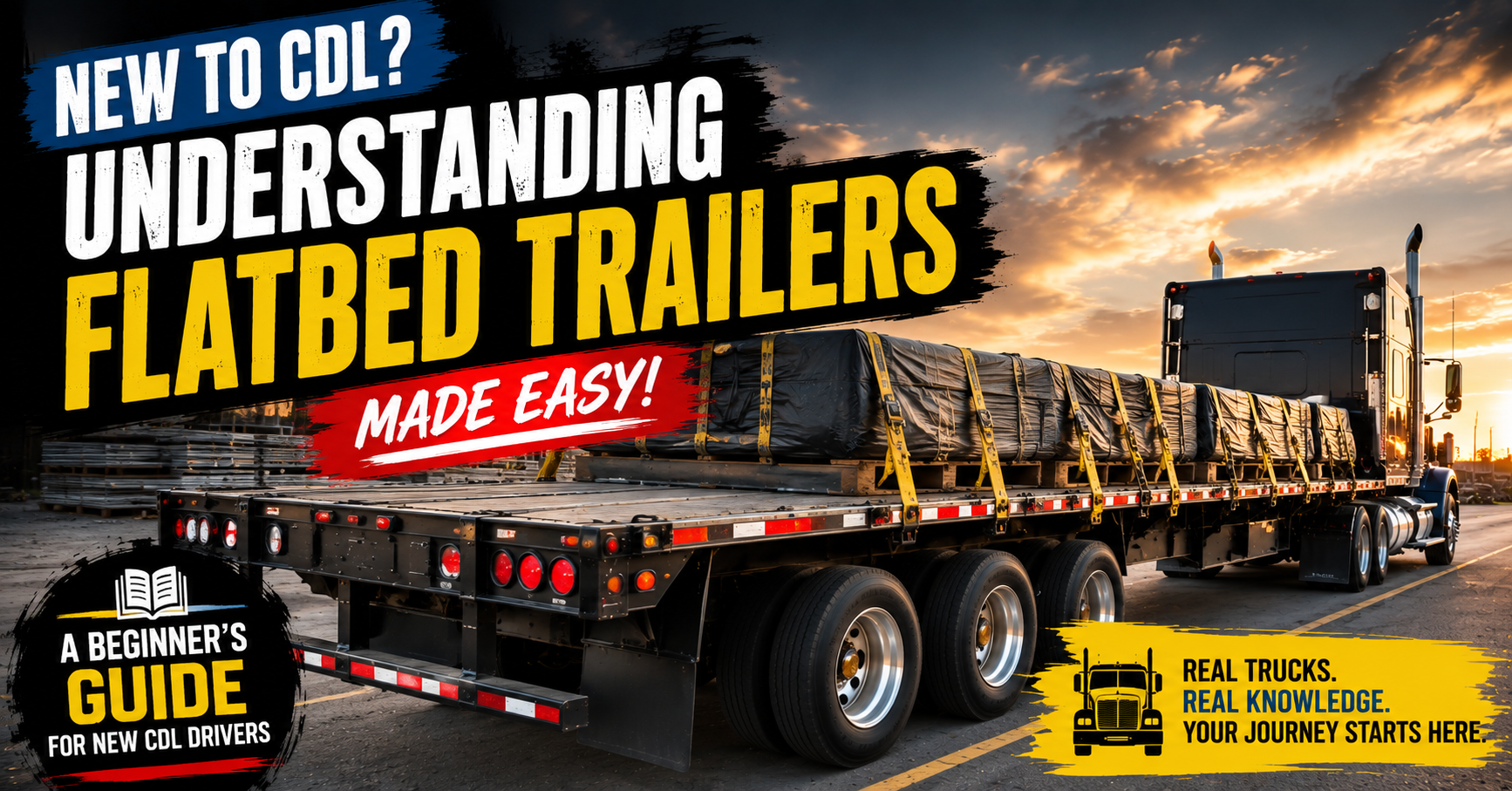
Our What Is a Flatbed Trailer? A Beginner’s Guide for New CDL Drivers covers open-deck hauling in much greater detail.
Why Dump Trailers Require Extra Caution
One thing I learned early is that dump trailers can become unstable if you’re not careful.
Some of the biggest hazards include:
- Uneven ground.
- Soft shoulders.
- Material sticking inside the trailer.
- Strong crosswinds.
- Overhead power lines.
- Raising the trailer too quickly.
Any of these situations can increase the risk of a trailer rollover.
That’s why experienced dump truck drivers are always paying attention to where they’re unloading.
How I Inspect a Dump Trailer
Every walk-around includes the normal inspection items.
I check:
- Tires.
- Wheels.
- Lights.
- Air lines.
- Electrical pigtail.
- ABS light.
- Suspension.
- Trailer frame.
- Rear gate.
- Hydraulic hoses.
- Hydraulic cylinder.
I also look for leaks around the hydraulic system because even a small leak can become a much bigger problem over time.
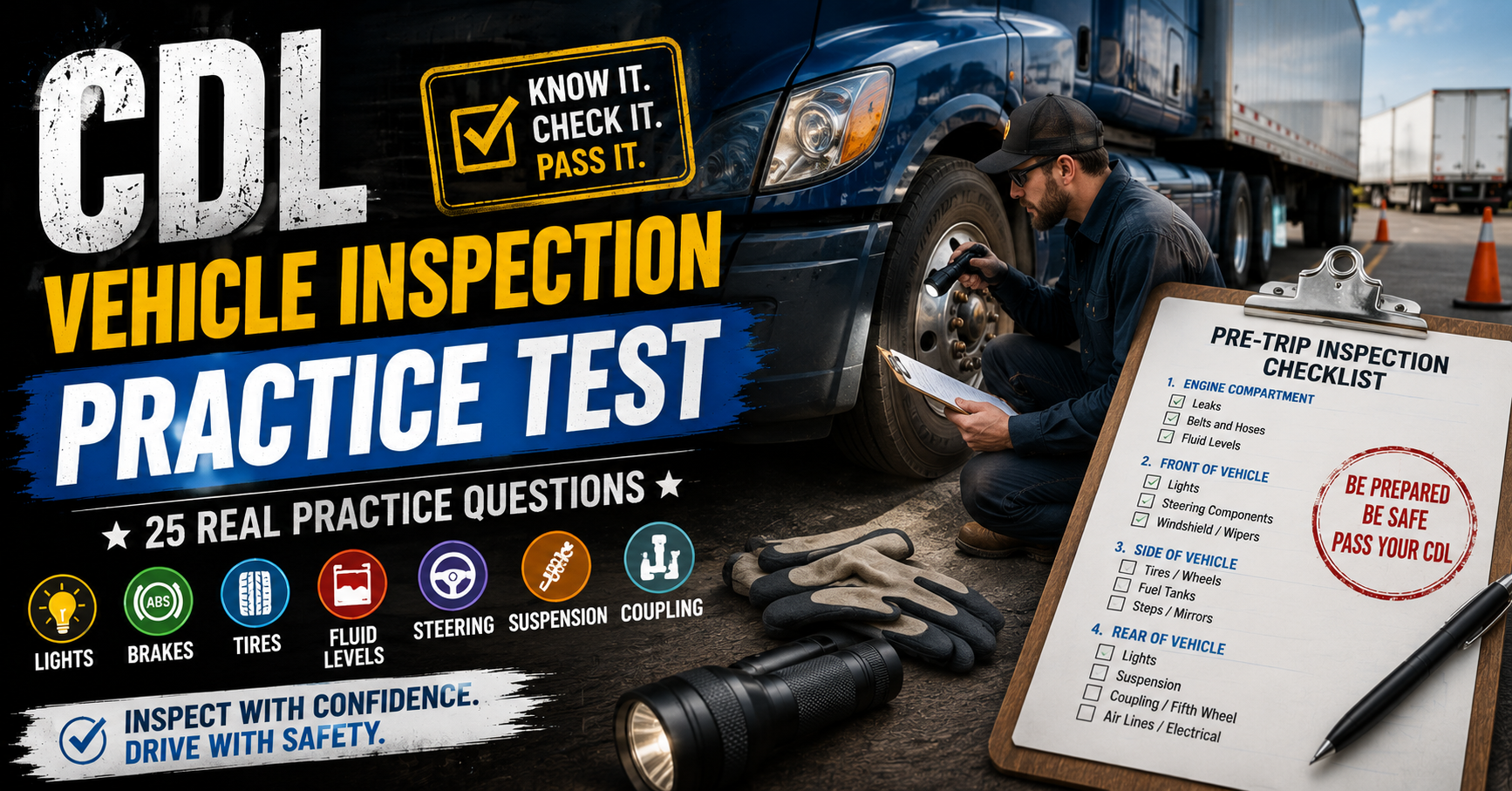
If you’re preparing for your CDL, our CDL Vehicle Inspection Practice Test is an excellent way to practice identifying many of these components before your skills exam.
Common Mistakes New Drivers Make
I’ve seen new drivers make a few mistakes that are easy to avoid.
Some raise the trailer before confirming they’re on level ground.
Others forget to check for overhead wires before lifting the bed.
I’ve also seen drivers rush the unloading process instead of watching how the material is flowing.
Patience is one of the best safety tools you can have when operating a dump trailer.
Where You’ll Hear This Term
You’ll hear “dump trailer” throughout the trucking and construction industries.
It’s common among:
- Construction companies.
- Excavation contractors.
- Quarries.
- Asphalt plants.
- Aggregate suppliers.
- CDL schools.
- Dump truck fleets.
If you work around heavy construction, it’ll become part of your everyday vocabulary.
Frequently Asked Questions
What’s the difference between a dump trailer and a dump truck?
A dump truck has the dump body permanently attached to the truck chassis.
A dump trailer is pulled behind a truck tractor and can be disconnected like other semi-trailers.
Can dump trailers haul grain?
Some can, but hopper bottom trailers are usually the better choice because they’re specifically designed for agricultural bulk commodities and unload without raising the trailer.
Are dump trailers hard to drive?
Not really.
The biggest challenge isn’t driving.
It’s learning safe loading, unloading, and weight distribution practices.
Will Dump Trailers Be Covered on the CDL Exam?
You may not see detailed questions specifically about dump trailers, but you’ll definitely need to understand cargo safety, weight distribution, trailer inspections, and hydraulic equipment.
Our CDL Master Question Bank PDF and Free CDL Cargo Loading, Weight Distribution & Securement Practice Test are excellent study resources for building confidence before your exam.
Two Tools I Never Operate Without
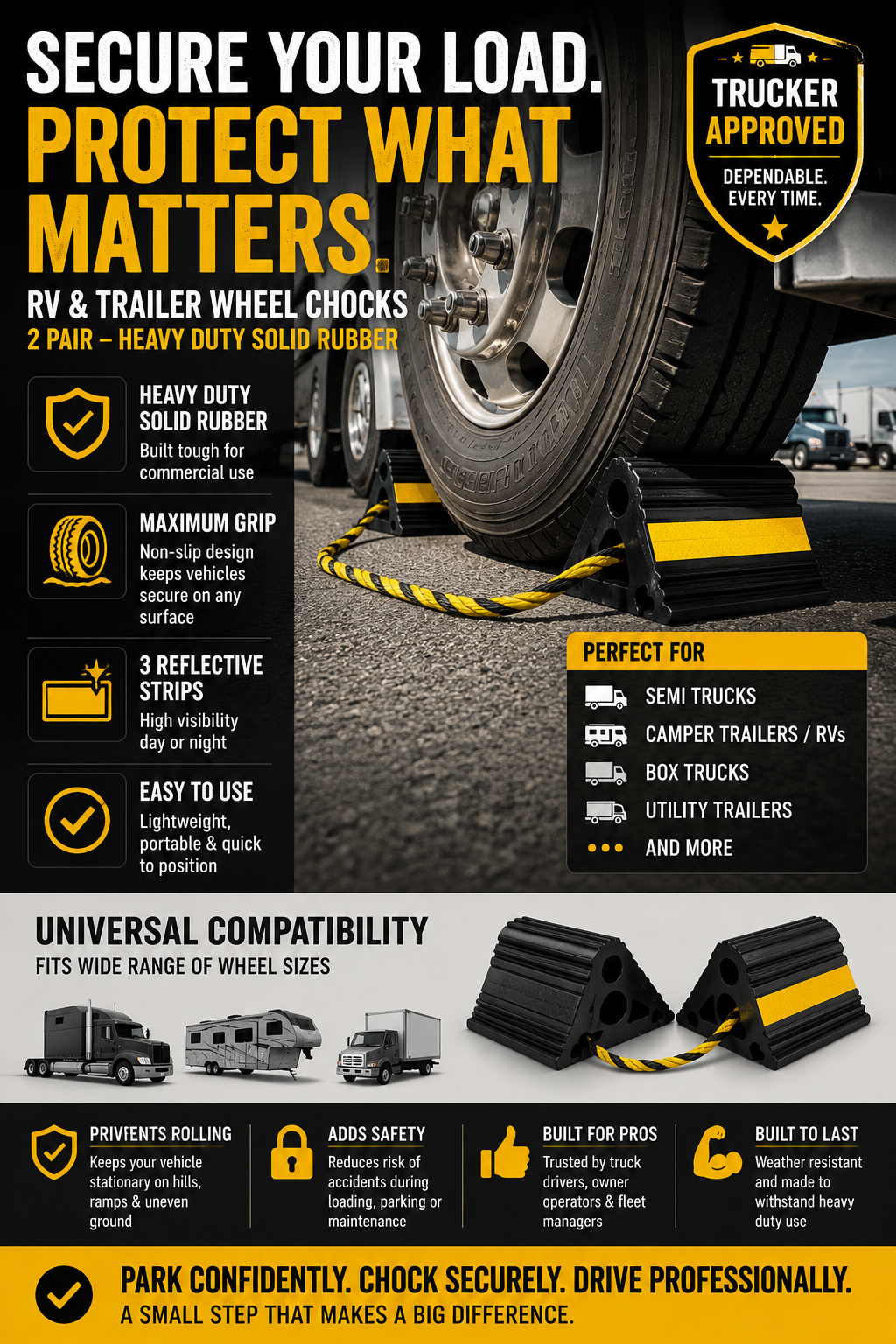
Whenever I’m unloading a dump trailer, I always keep a pair of Commercial Truck Wheel Chocks close by. Chocking the wheels when conditions call for it adds another layer of safety, especially when working on uneven job sites.
I also keep my Coast XPH30R USB-C Rechargeable Dual Power Headlamp within easy reach. Many construction jobs start before sunrise, and having both hands free makes it much easier to inspect hydraulic hoses, tires, and the trailer before getting to work.
My Advice After Years Around Dump Equipment
Dump trailers are some of the hardest-working trailers on the road.
They haul the materials that build highways, houses, parking lots, and farms across America.
But they also demand respect.
Every time you raise that trailer, you’re changing the truck’s center of gravity.
The safest drivers never rush that process.
They inspect their equipment, choose level ground whenever possible, watch for overhead hazards, and let the trailer do the work.
Develop those habits early, and they’ll serve you well throughout your trucking career.
Author: Brian Cooper
Brian Cooper spent more than 24 years operating dump trucks, end dump trailers, tractor-trailers, and vocational equipment throughout the Midwest. During his career, he trained new CDL drivers on safe unloading procedures, hydraulic systems, pre-trip inspections, and construction hauling, emphasizing that careful preparation is the key to preventing costly and dangerous mistakes.