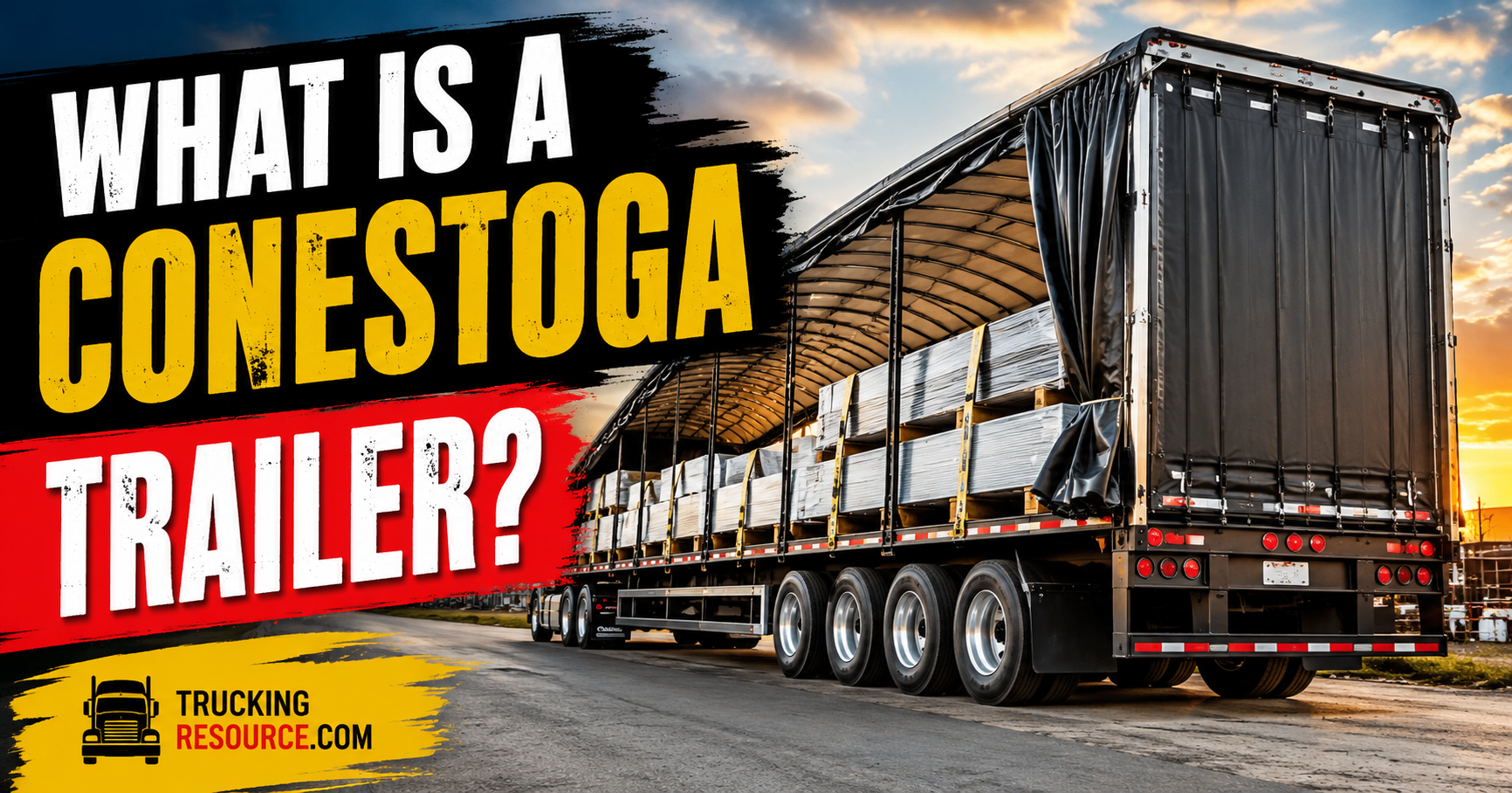
The first time I saw a Conestoga trailer, I honestly thought someone had put a giant tarp over a flatbed.
Then I watched the driver slide the entire cover forward in just a couple of minutes.
No climbing all over the trailer.
No wrestling with heavy tarps.
No spending half an hour tying everything down.
I immediately understood why so many flatbed drivers like them.
A Conestoga gives you much of the loading flexibility of a flatbed while offering weather protection that’s much closer to a dry van. It’s become one of the most useful trailer designs in modern trucking.
What Is a Conestoga Trailer?
A Conestoga trailer is a flatbed trailer equipped with a rolling tarp-and-frame system that completely covers the cargo during transport. The cover slides open when it’s time to load or unload, allowing freight to be accessed from the top, rear, or either side without manually installing or removing tarps.
Think of it as combining many of the advantages of both a flatbed and a dry van.
Why Is It Called a Conestoga?
The name comes from the historic Conestoga wagon, a covered freight wagon used throughout early America.
Like those wagons, today’s Conestoga trailer protects cargo from the weather while still allowing easy access during loading and unloading.
How Does a Conestoga Trailer Work?
Instead of using loose tarps, a Conestoga has a heavy-duty tarp attached to a metal frame.
That frame rolls on tracks mounted along both sides of the trailer.
When loading freight, the driver simply unlocks the system and slides the cover out of the way.
Once the cargo is secured, the cover rolls back over the load and locks into place.
It’s much faster than manually tarping a flatbed.
What Does a Conestoga Trailer Haul?
Conestogas are commonly used for freight that needs weather protection but still benefits from open-deck loading.
Some common loads include:
- Steel products.
- Machinery.
- Aluminum products.
- Lumber.
- Industrial equipment.
- Building materials.
- Large fabricated parts.
- Palletized freight.
- Manufacturing equipment.
- High-value cargo.
Many of these loads would require extensive tarping if hauled on a standard flatbed.
Why Use a Conestoga Instead of a Flatbed?
I’ve talked with several flatbed drivers who switched to Conestogas, and they usually mention the same advantages.
Some of the biggest benefits include:
- Better weather protection.
- Faster loading and unloading.
- No manual tarping.
- Side loading capability.
- Top loading capability.
- Better cargo security.
- Reduced freight damage.
For many types of freight, it’s simply a more efficient system.
Conestoga vs. Flatbed
At first glance they look similar because both use an open trailer frame.
The biggest difference is the rolling cover.
A flatbed leaves the cargo completely exposed.
A Conestoga encloses the freight with a sliding tarp system while maintaining the loading flexibility of an open trailer.
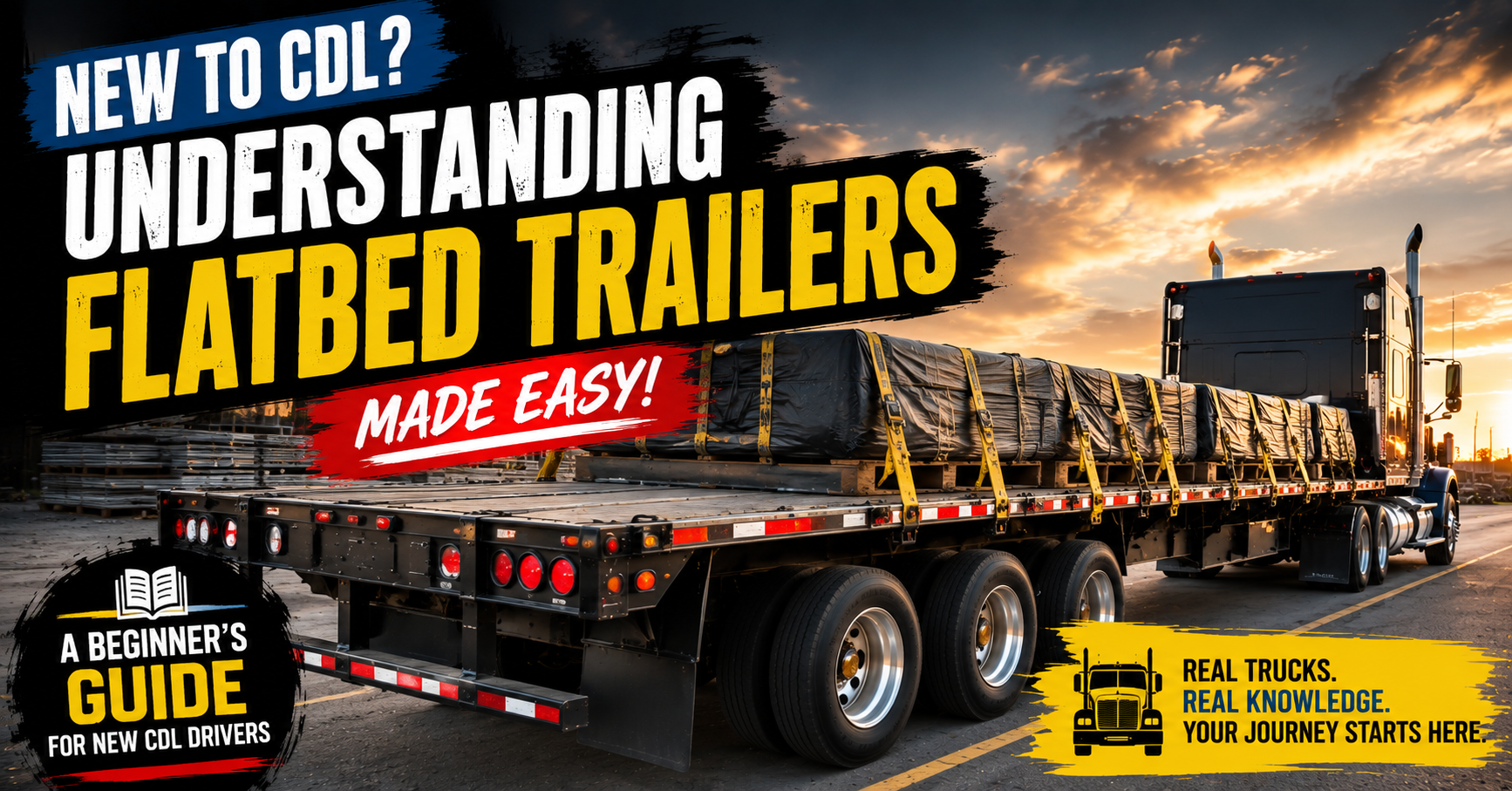
If you haven’t already, our guide on What Is a Flatbed Trailer? A Beginner’s Guide for New CDL Drivers explains why flatbeds remain one of the most versatile trailers in trucking.
Conestoga vs. Dry Van
A dry van protects freight with permanent walls and a roof.
A Conestoga protects freight with a movable tarp system.
The dry van loads primarily from the rear.
A Conestoga can be loaded from the rear, sides, or above using forklifts or overhead cranes.
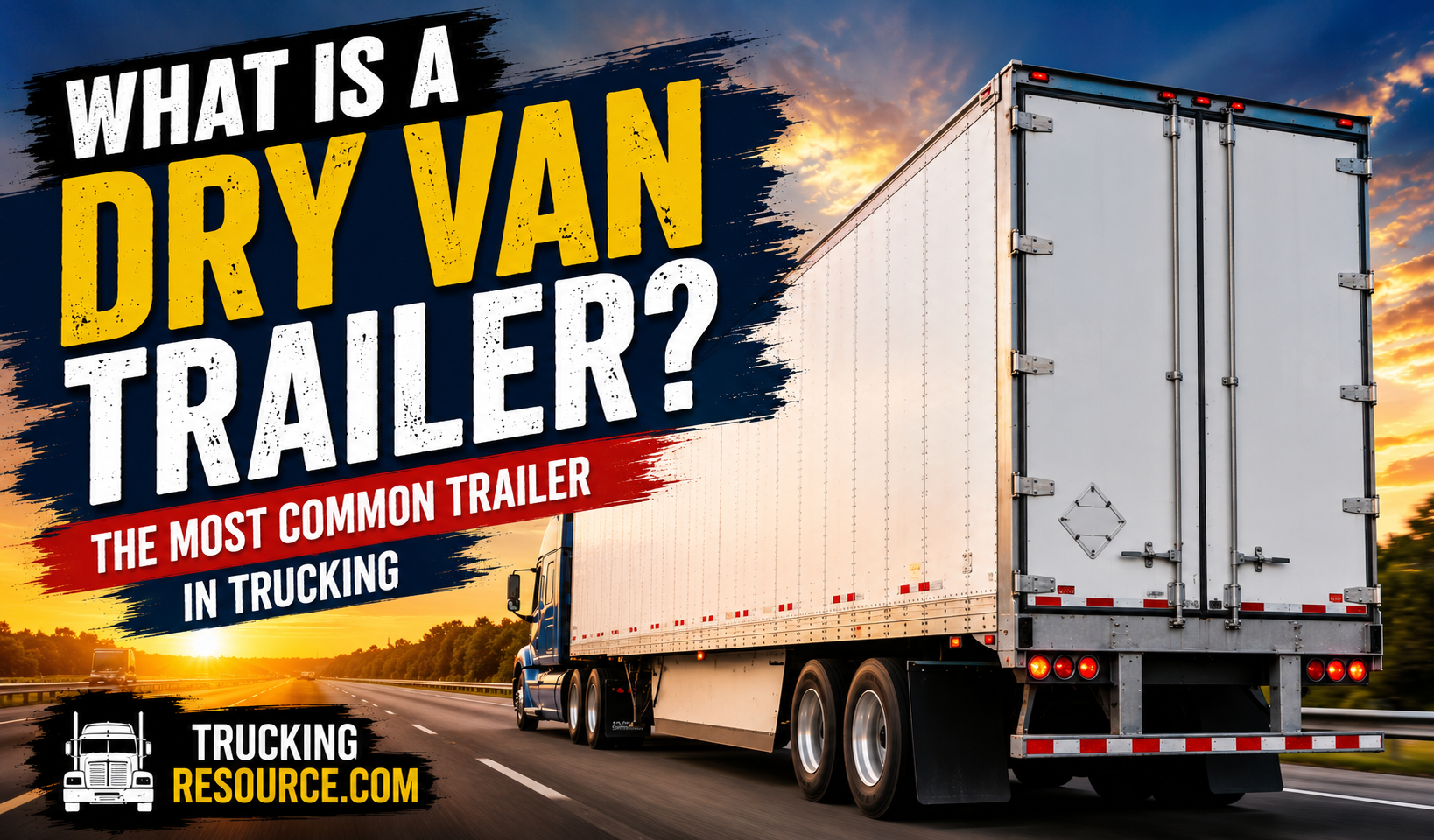
If you’re new to enclosed freight, our What Is a Dry Van Trailer? The Most Common Trailer in Trucking explains why dry vans remain the industry’s most common trailer.
Cargo Still Has to Be Properly Secured
One misconception I hear occasionally is that the sliding cover holds the freight in place.
It doesn’t.
The cover protects the cargo from weather and road debris.
Drivers still secure freight using:
- Ratchet straps.
- Chains.
- Load binders.
- Edge protectors.
- Dunnage.
The securement requirements don’t disappear just because the load is covered.
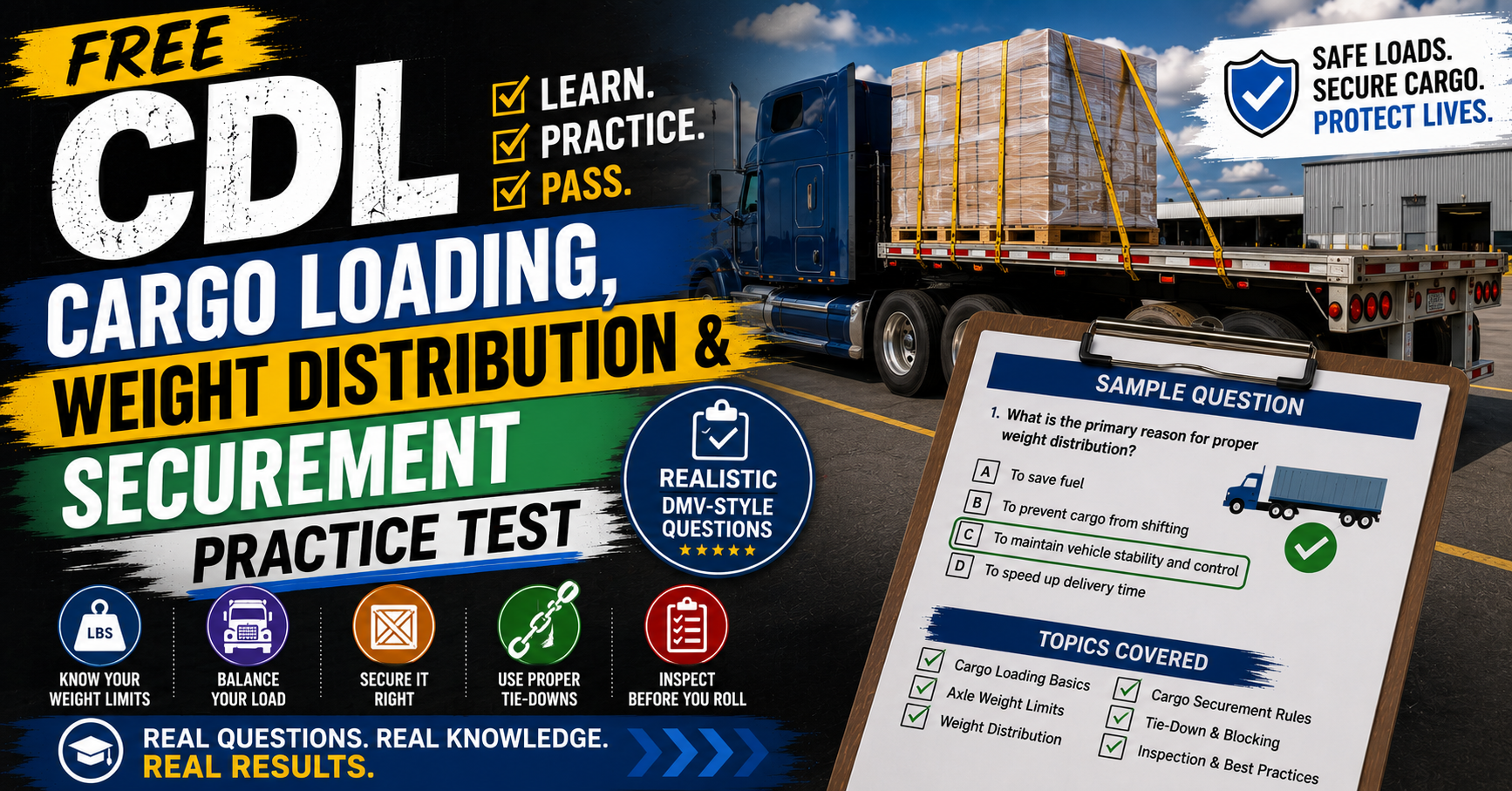
If you’re preparing for your CDL exam, our Free CDL Cargo Loading, Weight Distribution & Securement Practice Test is an excellent way to strengthen your understanding of proper cargo securement.
How I Inspect a Conestoga
Whenever I inspect one, I check all the normal trailer components first.
That includes:
- Tires.
- Wheels.
- Lights.
- Air lines.
- Electrical pigtail.
- ABS light.
- Trailer frame.
Then I inspect the Conestoga system itself by checking:
- Rolling rails.
- Tarp condition.
- Frame bows.
- Locking mechanisms.
- Rollers.
- Tears or damage.
- Proper operation.
The cover should move smoothly without binding.
Common Mistakes New Drivers Make
One mistake I’ve seen is assuming the cover can simply be forced if it sticks.
Usually, there’s an obstruction, damaged roller, or something out of alignment.
Another mistake is thinking the tarp alone secures the freight.
It doesn’t.
The cargo must still be tied down according to federal cargo securement regulations before the cover is closed.
Where You’ll Hear This Term
Conestoga trailers are common in specialized freight operations.
You’ll hear the term from:
- Freight brokers.
- Flatbed carriers.
- Steel manufacturers.
- Machinery companies.
- Dispatchers.
- CDL instructors.
Many shippers specifically request a Conestoga because it offers weather protection without sacrificing loading flexibility.
Frequently Asked Questions
Is a Conestoga trailer enclosed?
Yes and no.
The cargo is enclosed by a heavy-duty rolling tarp system, but the trailer doesn’t have permanent walls like a dry van.
Does a Conestoga eliminate the need for cargo securement?
No.
Drivers must still properly secure every load using approved tie-down equipment before closing the cover.
Is a Conestoga the same as a curtain-side trailer?
The terms are sometimes used interchangeably, although a true Conestoga uses a rolling tarp-on-frame system that retracts over the trailer rather than simple sliding curtains.
Will Conestoga Trailers Be Covered on the CDL Exam?
You probably won’t see detailed questions specifically about Conestoga trailers, but you absolutely need to understand cargo securement, trailer inspections, and trailer types.
Our CDL Master Question Bank PDF and CDL Permit Test Simulator: 125-Question Master Practice Exam are both excellent study resources that help reinforce these concepts before test day.
One Tool I Always Keep Nearby
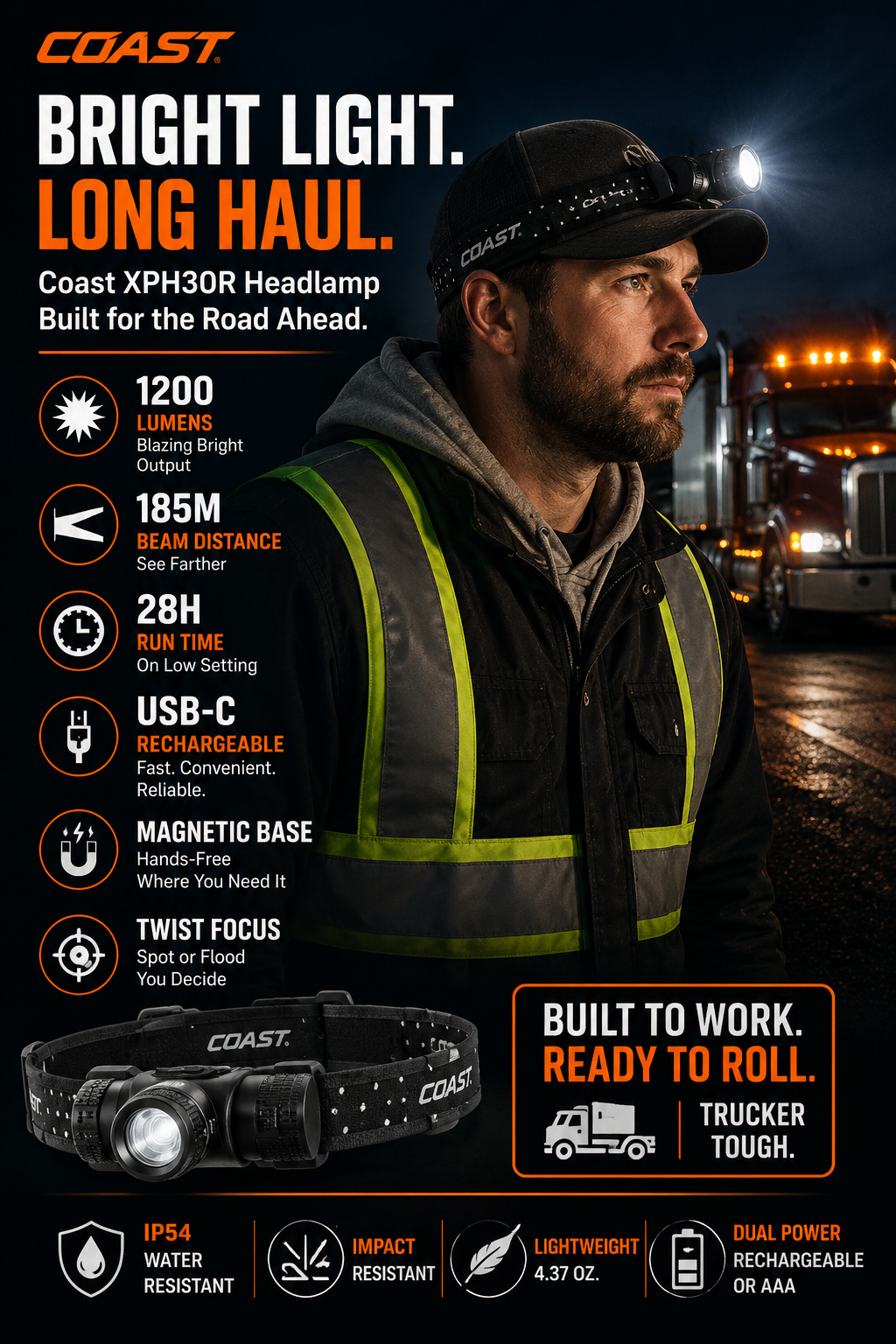
Whether I’m inspecting the rolling tarp system before daylight or checking straps after sunset, I always carry the Coast XPH30R USB-C Rechargeable Dual Power Headlamp.
Having both hands free makes it much easier to inspect the rails, rollers, securement equipment, and trailer connections before getting back on the road.
Author: Mike Reynolds
Mike Reynolds spent more than 25 years hauling flatbeds, Conestoga trailers, refrigerated freight, and dry vans throughout North America. During his career, he trained new CDL drivers on trailer inspections, cargo securement, and specialized freight operations, always emphasizing that careful preparation before leaving the yard is one of the biggest keys to a safe and successful trip.