When someone first told me to “drop the landing gear,” I pictured airplane wheels.
Needless to say, I was a little confused.
In trucking, landing gear has nothing to do with airplanes.
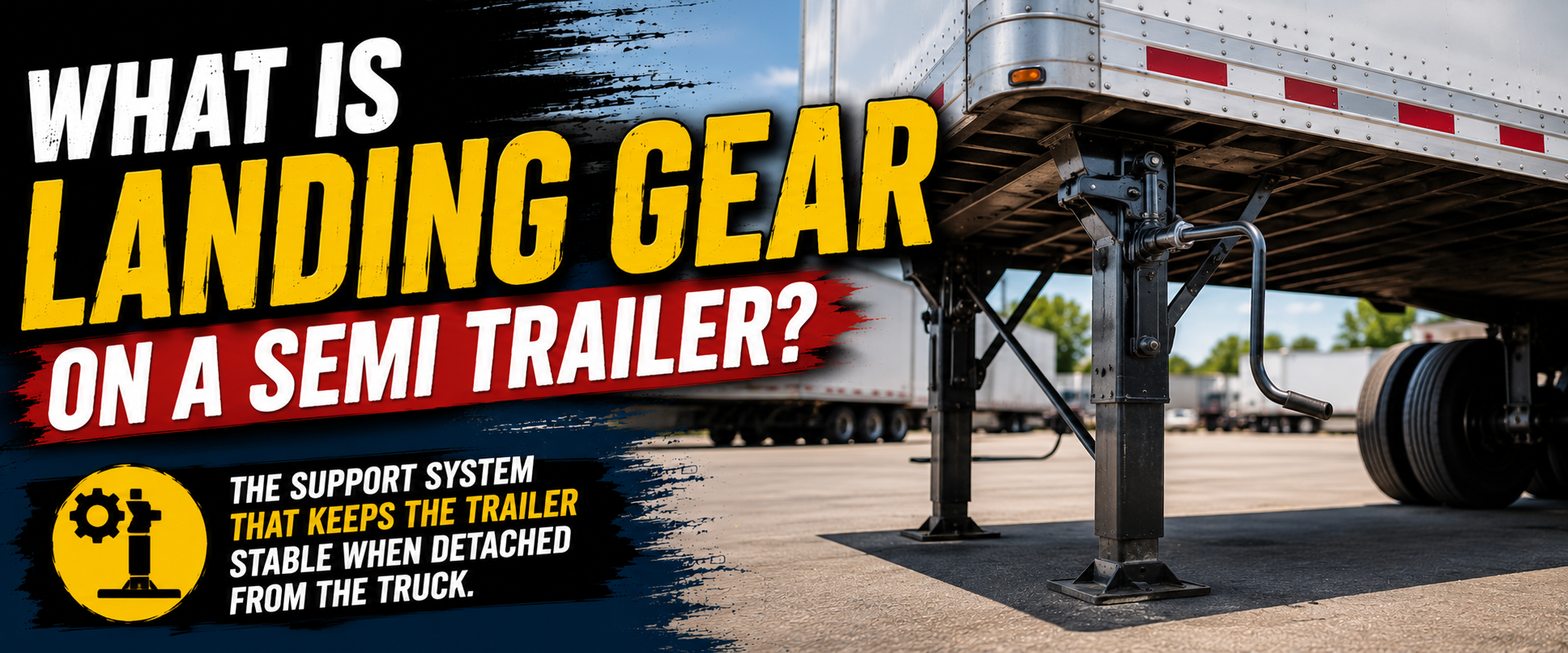
It’s the pair of heavy-duty support legs underneath the front of every semi trailer. Those legs hold the trailer up whenever it isn’t connected to a tractor, making them one of the most important pieces of equipment on the entire trailer.
I’ve cranked landing gear up and down thousands of times over the years, and I can tell you this is one component you never want to take for granted.
If it isn’t working correctly, hooking up and dropping trailers becomes much more difficult and potentially dangerous.
What Is Landing Gear?
Landing gear is the retractable support system mounted near the front of a semi trailer.
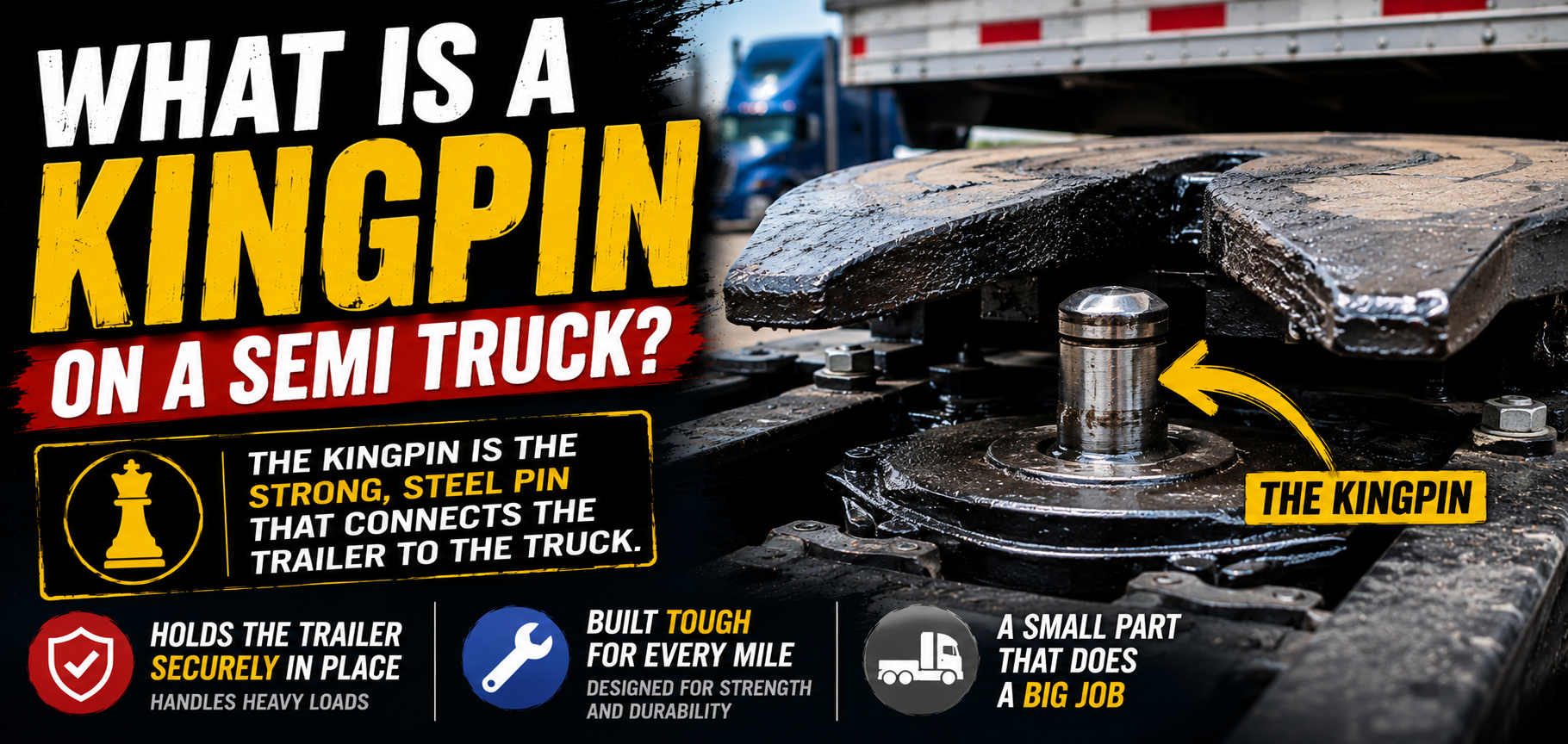
Its purpose is to support the front of the trailer whenever it has been disconnected from the tractor. Once the tractor is coupled again, the landing gear is raised so it has plenty of clearance while traveling down the road. Coupling the trailer requires the tractor’s fifth wheel to engage the trailer’s What Is a Kingpin on a Semi Truck? before the landing gear can be raised for travel.
Without landing gear, every detached trailer would simply fall forward onto the ground.
Where Is the Landing Gear Located?
You’ll find the landing gear just behind the front of the trailer.
It consists of two heavy steel legs connected by a cross shaft.
On most trailers, you’ll also find a hand crank mounted on the driver’s side.
That crank raises and lowers both legs at the same time.
Although the system looks simple, it’s built to support an enormous amount of weight.
How Does Landing Gear Work?
The landing gear operates through a geared mechanism.
When you rotate the crank, both landing gear legs extend or retract together through an internal gear system connected by a cross shaft. This allows the trailer to be safely lowered onto its support legs or raised before coupling.
Most landing gear has two gear ranges.
Low Gear
Low gear provides more lifting power.
You’ll usually use it when the landing gear is carrying the full weight of a loaded trailer.
It requires more turns of the crank, but it’s much easier to lift heavy loads.
High Gear
Once the landing gear is close to the ground or carrying very little weight, shifting into high gear lets you raise or lower the legs much faster.
Learning when to use each gear makes trailer hookups much easier.
Why Landing Gear Is So Important
It might seem like just another part under the trailer, but landing gear performs several critical jobs.
It:
- Supports the trailer when parked.
- Keeps the trailer level.
- Allows safe coupling and uncoupling.
- Helps stabilize the trailer during loading and unloading.
- Prevents damage to the front of the trailer.
Without properly functioning landing gear, trailers couldn’t safely sit in truck yards, loading docks, or customer lots.

The Right Way to Raise Landing Gear
One mistake I see with new drivers is raising the landing gear before confirming the trailer is completely supported by the tractor.
My routine has always been simple.
First, couple the trailer correctly.
Connect the airlines and electrical cable.
Perform a tug test.
Verify everything is locked.
Only then do I raise the landing gear.
That routine has served me well throughout my career.
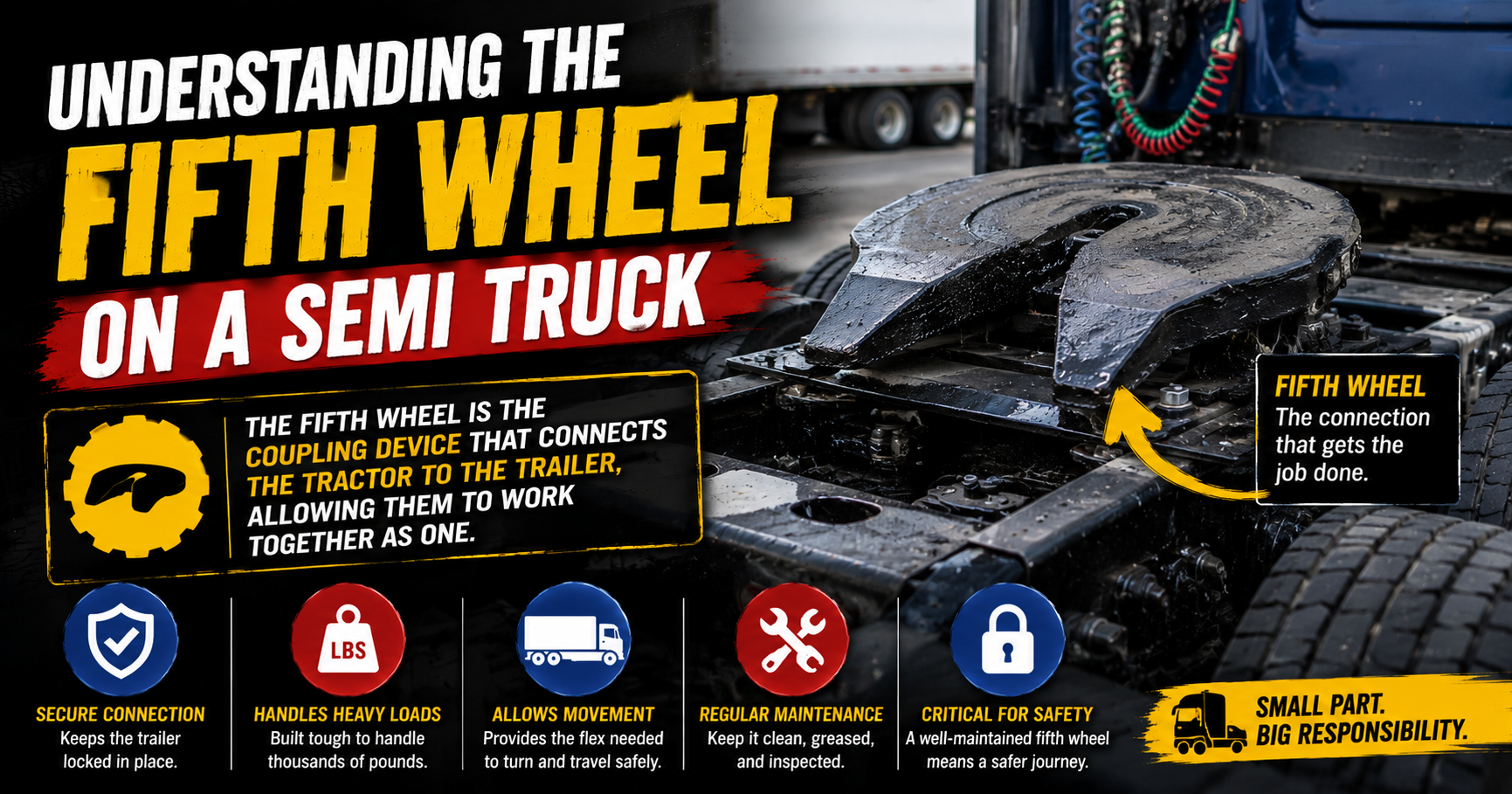
If you’re still learning how trailers connect, our guide on Understanding the Fifth Wheel on a Semi Truck explains how the tractor and trailer safely lock together before the landing gear is raised.
Inspecting Landing Gear During a Pre-Trip Inspection
Landing gear is one of the items you’ll inspect every day.
When I’m performing my pre-trip inspection, I check for:
- Bent landing gear legs.
- Loose mounting bolts.
- Cracks.
- Damaged crank handle.
- Missing hardware.
- Proper operation.
- Excessive rust.
- Bent foot pads.
I also make sure the landing gear is fully raised before leaving.
It sounds obvious, but every experienced truck driver has probably seen someone dragging their landing gear down the highway at least once.
Common Landing Gear Problems
Like any mechanical component, landing gear eventually wears out.
Some of the most common issues include:
- Hard-to-turn crank handles.
- Bent support legs.
- Damaged gearboxes.
- Broken cross shafts.
- Missing grease.
- Worn foot pads.
Fortunately, most of these problems develop gradually and can usually be spotted during routine inspections.
Common Mistakes New Drivers Make
Landing gear is one of those things that seems easy until you’re doing it every day.
I’ve watched plenty of new drivers make the same mistakes.
One is forgetting to fully retract the landing gear before pulling away.
Another is trying to force the crank instead of shifting between high and low gear when needed.
I’ve also seen drivers drop a trailer onto soft ground without thinking about where the landing gear feet are sitting.
If the ground gives way, the trailer can settle unevenly and make the next hookup much more difficult.
A few extra seconds of planning usually prevents those headaches.
Will Landing Gear Be on the CDL Test?
Yes.
Landing gear is commonly discussed during CDL training because it’s part of both trailer operations and pre-trip inspections. Review related trailer-operation topics through this combination vehicle exam practice.
You’ll likely be expected to identify it during your inspection and explain what you’re checking.
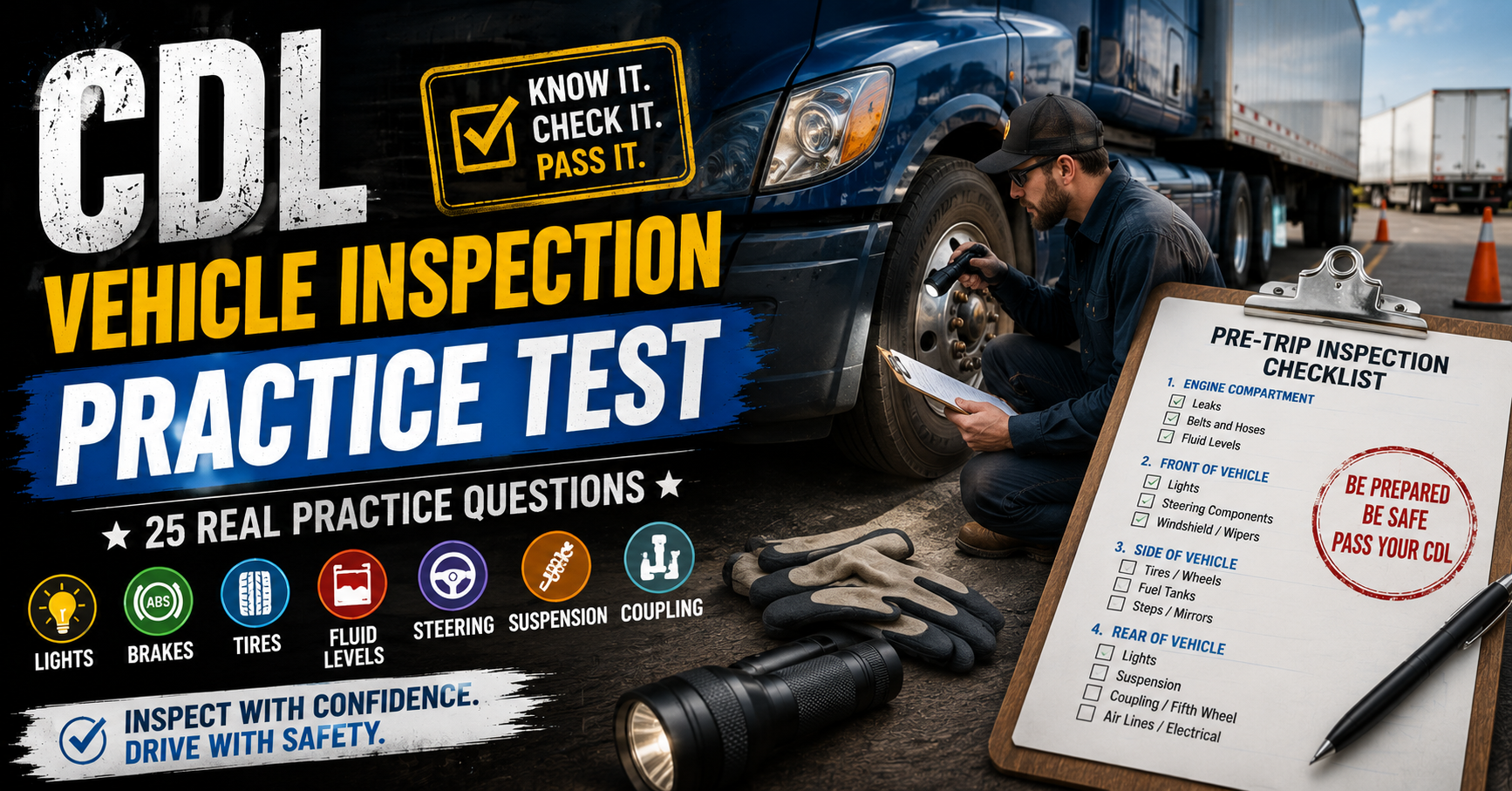
One of the best ways to prepare is by working through our CDL Vehicle Inspection Practice Test before your skills exam.
A Tool That Makes Trailer Inspections Easier
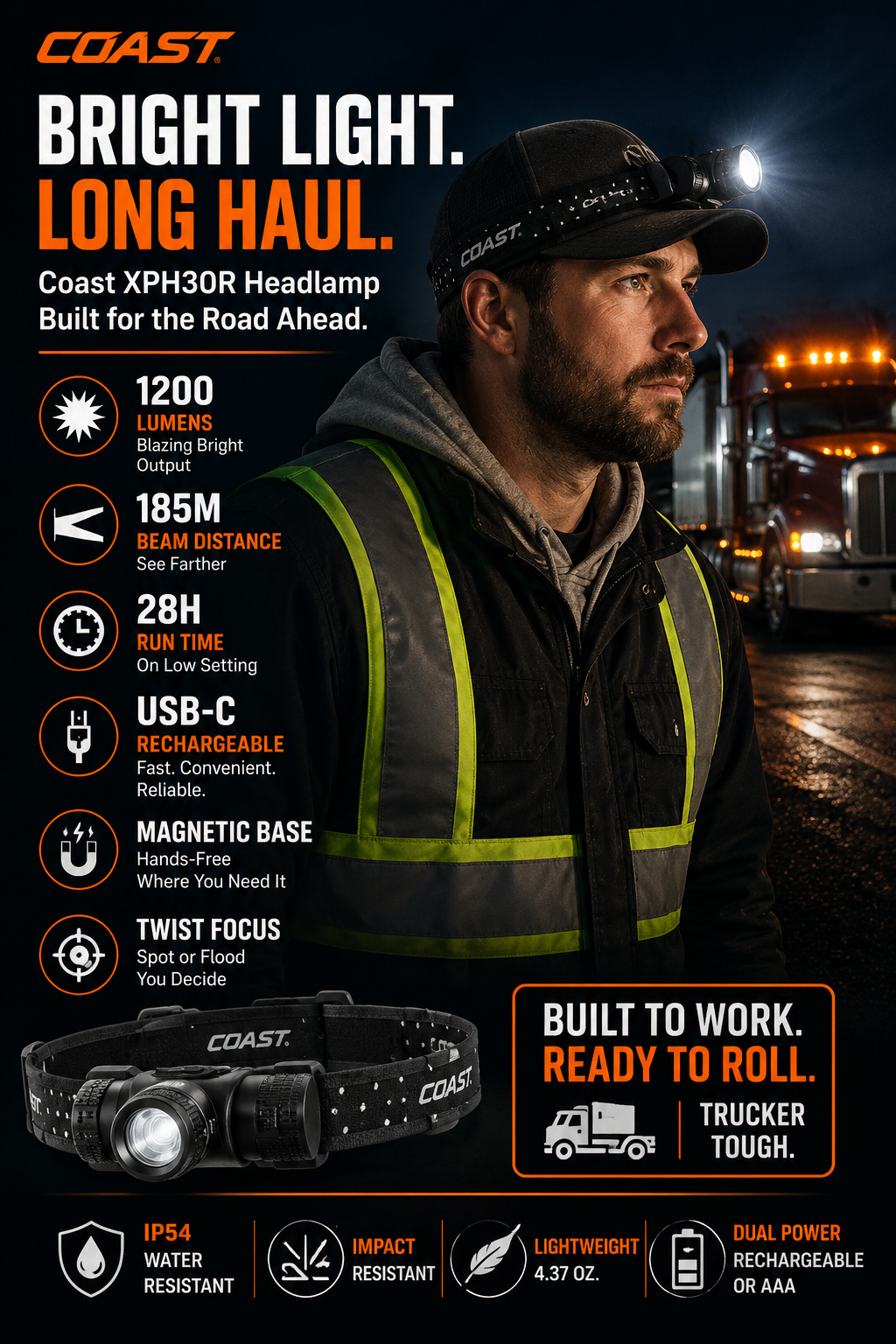
One piece of equipment I always appreciate during early morning or nighttime inspections is a good headlamp.
When you’re checking landing gear, mounting bolts, and the underside of a trailer, having both hands free makes the job much easier.
That’s why I like using the Coast XPH30R USB-C Rechargeable Headlamp. It throws plenty of light exactly where you’re looking without having to hold a flashlight in one hand.
My Advice After Thousands of Trailer Hookups
Landing gear doesn’t get much attention until something goes wrong.
When it works properly, you hardly think about it.
When it doesn’t, your day can come to a stop pretty quickly.
I’ve always treated landing gear the same way I treat every other important part of a commercial vehicle.
Inspect it.
Don’t rush it.
Keep it maintained.
Use it correctly.
Those simple habits have saved me time, frustration, and probably a few expensive repair bills over the years.
Like many parts of a semi trailer, landing gear may seem simple, but it’s one of the hardest-working components on every trailer you pull.
Author: Brian Cooper
Brian Cooper spent more than 24 years training commercial drivers and teaching CDL students how to safely inspect, couple, and operate combination vehicles. His hands-on experience with trailer operations has helped hundreds of new drivers build safe habits that last throughout their trucking careers.