When I first got into trucking, I remember hearing drivers say things like, “The tractor is in the shop,” or, “Drop the trailer and bring the tractor around.”
At first, it sounded odd.
Growing up in farm country, the word tractor meant one thing: a green or red machine pulling equipment through a field.
It didn’t take long to realize the trucking industry uses the word very differently.
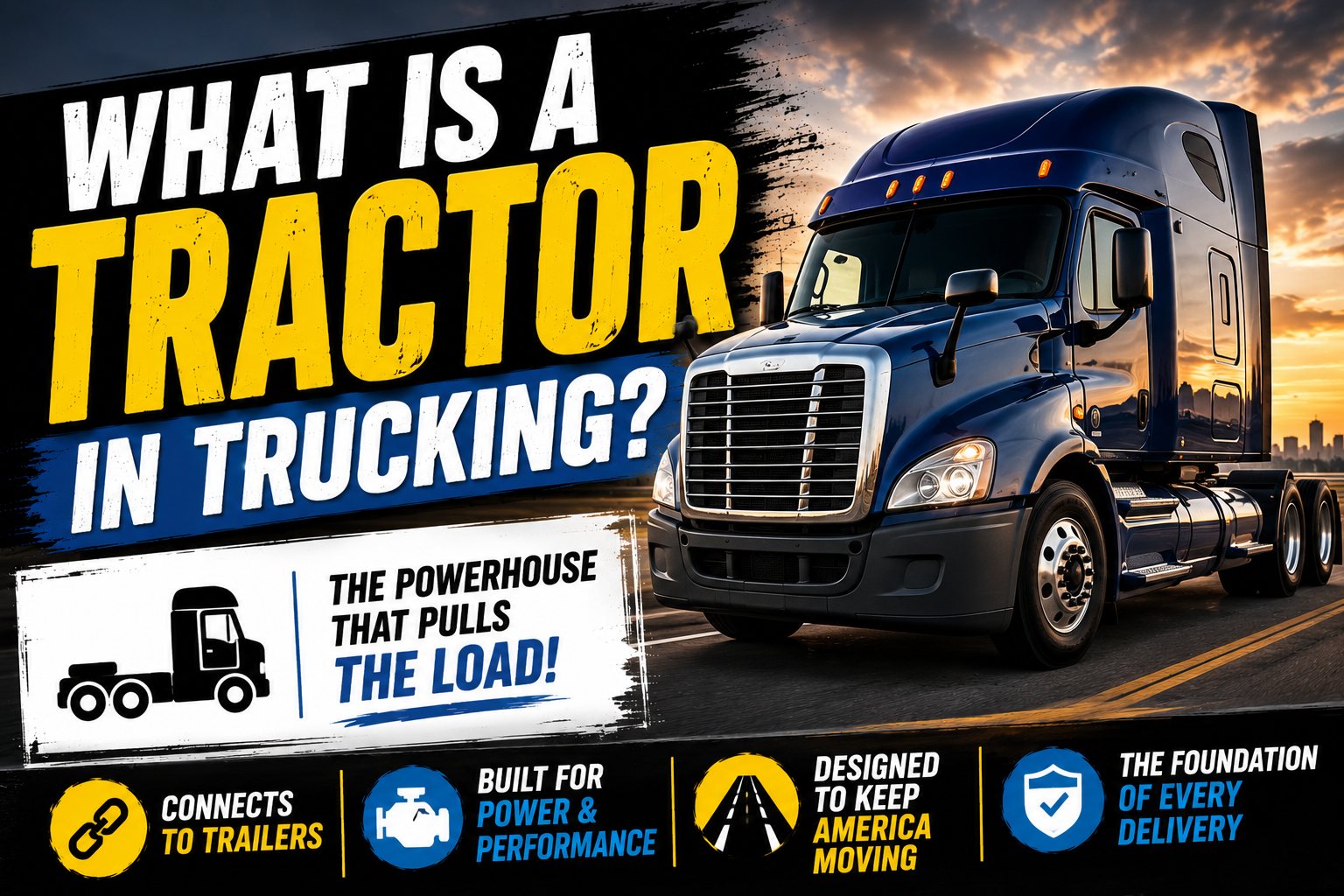
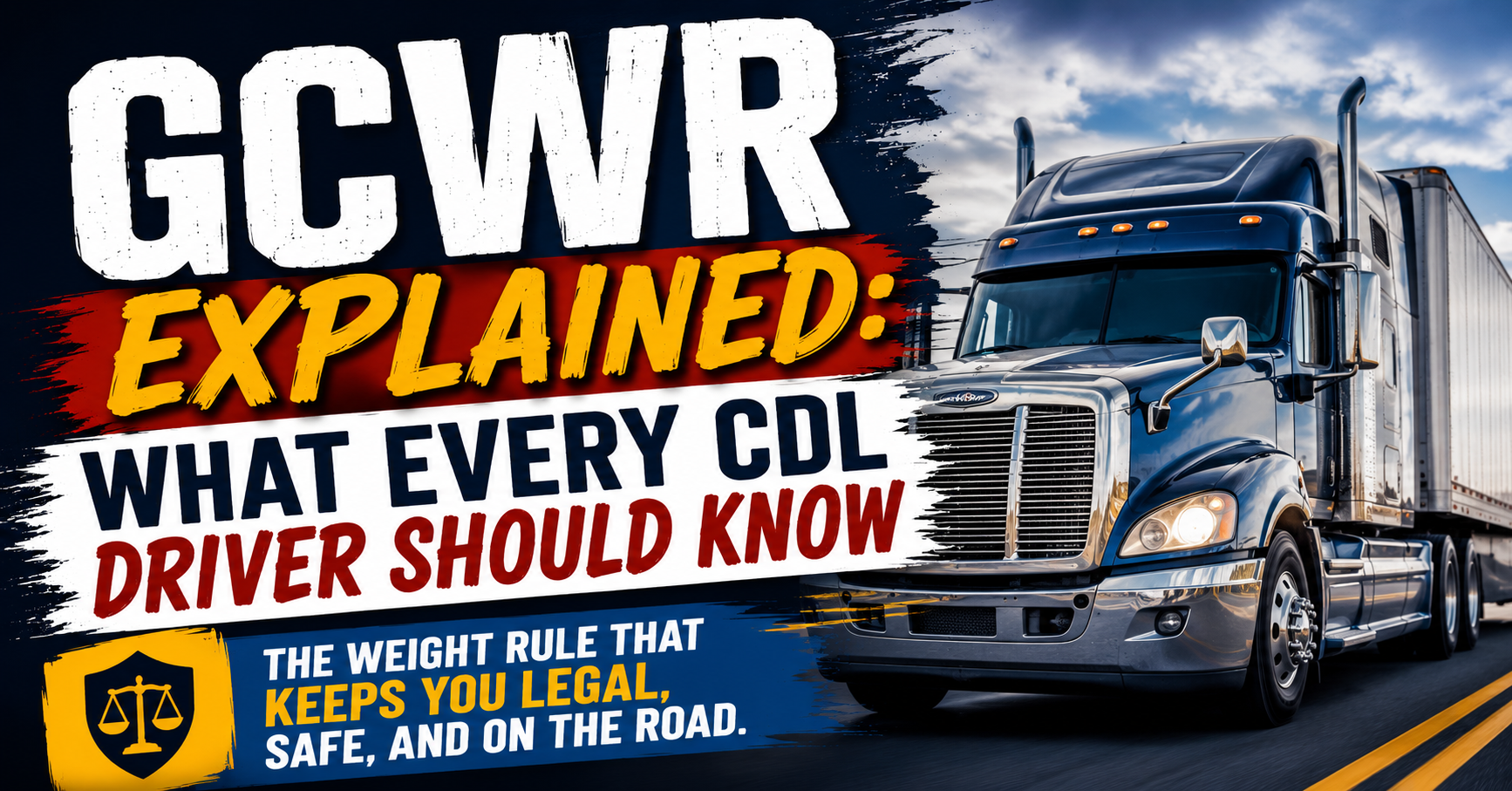
A tractor in trucking isn’t a farm tractor at all. It’s the powered unit that pulls a semi-trailer, and it’s one of the most important pieces of equipment in commercial transportation.
If you’re studying for your CDL or just trying to learn trucking terminology, understanding what a tractor is will make dozens of other trucking terms easier to understand.
What Is a Tractor?
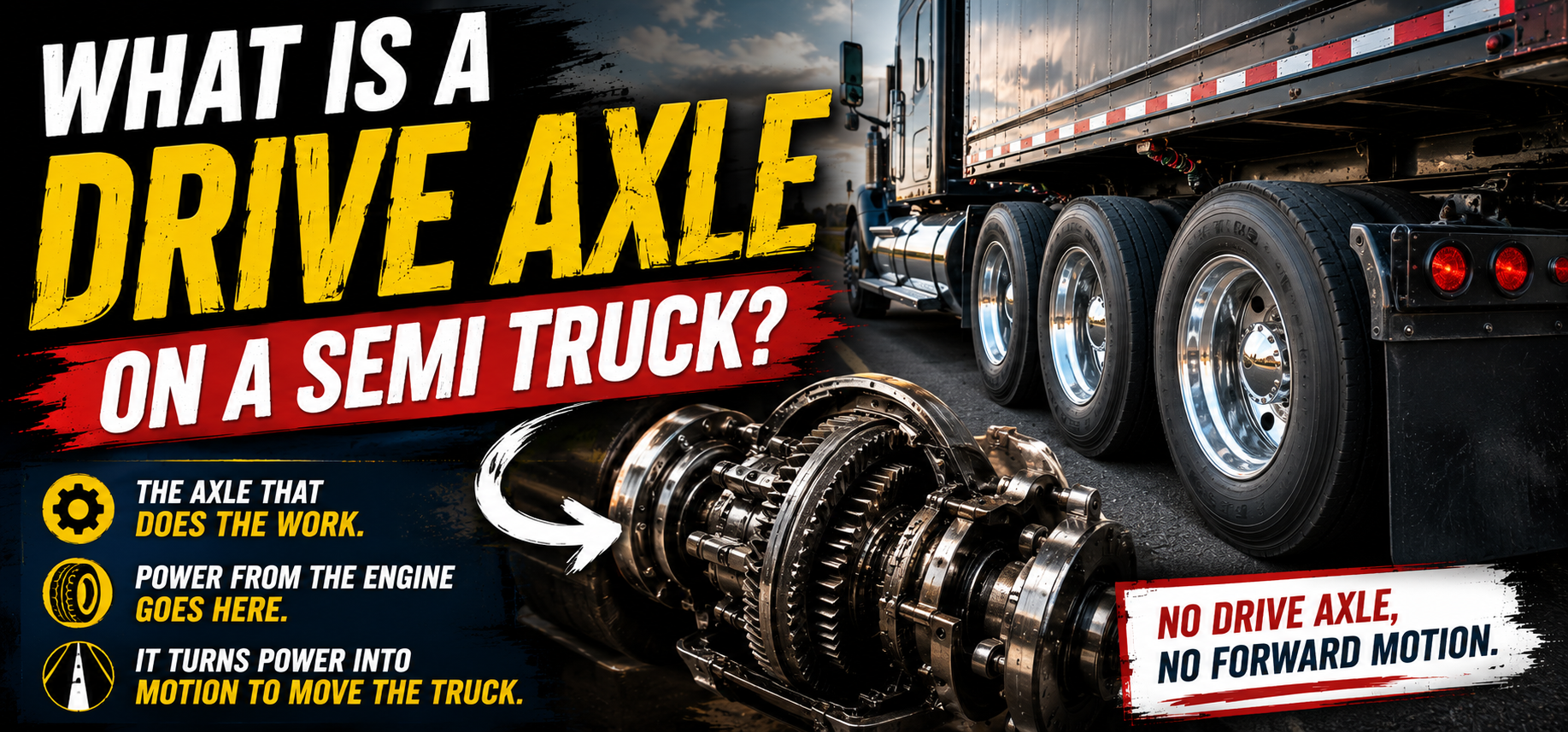
In trucking, a tractor is the powered portion of a tractor-trailer. It contains the engine, transmission, cab, steering system, drive axles, and fifth wheel used to pull a semi-trailer. Unlike a straight truck, a tractor is designed primarily to tow a trailer rather than carry cargo on its own. The drive axles mentioned here are responsible for transferring engine power to the wheels, as explained in What Is a Drive Axle on a Semi Truck?.
Without a trailer attached, the tractor has very little cargo-carrying ability.
Its job is to provide the power.
The trailer carries the freight.
Why Is It Called a Tractor?
The name actually makes perfect sense when you think about it.
The word tractor comes from the idea of pulling something.
A road tractor is specifically built to pull heavy trailers over long distances.
That’s exactly what separates it from other types of trucks.
A dump truck carries its load.
A box truck carries its load.
A tractor pulls its load behind it.
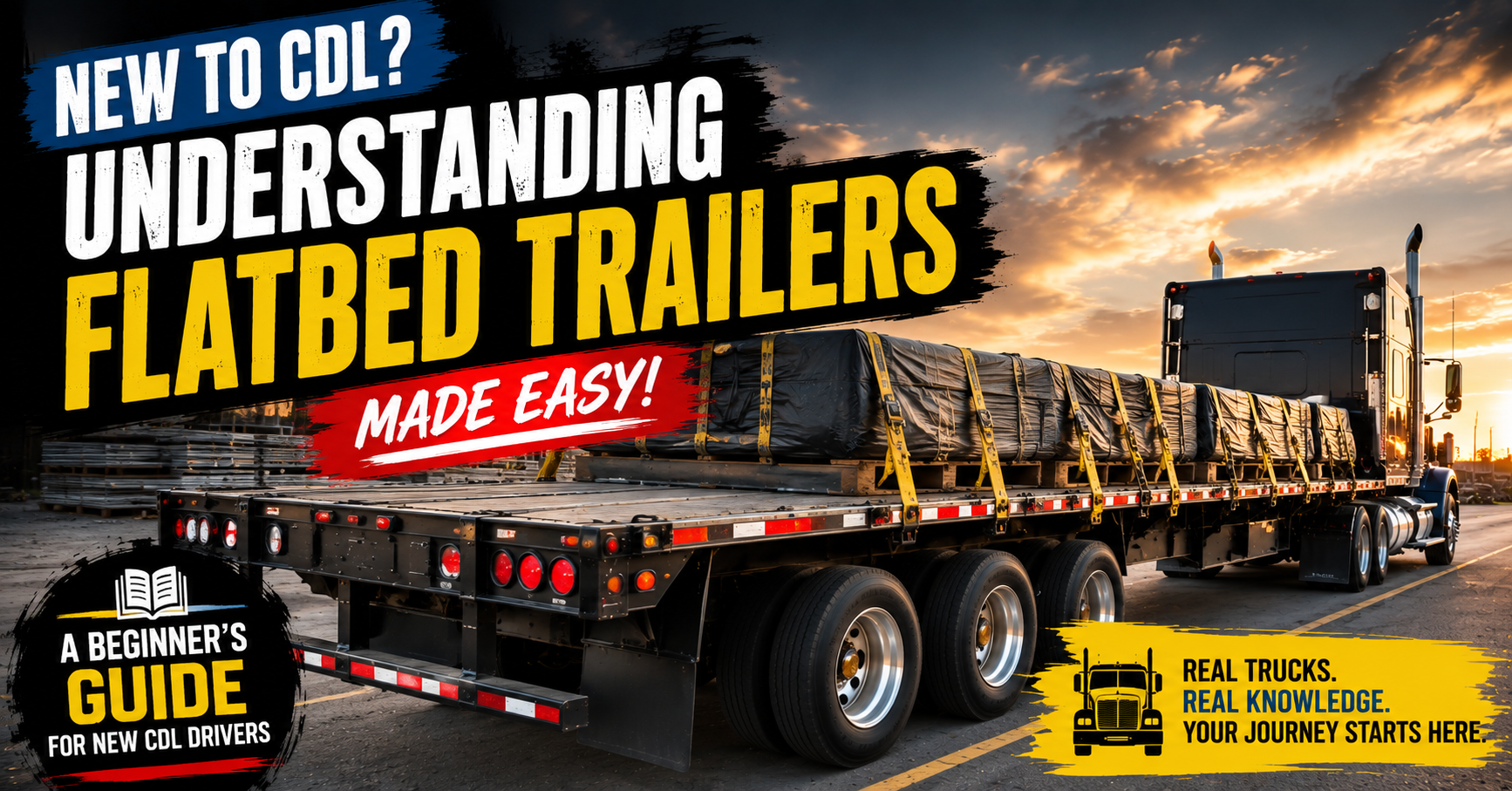
What Parts Make Up a Tractor?
Although every manufacturer builds trucks a little differently, most highway tractors include:
- Cab
- Engine
- Transmission
- Steering axle
- Drive axles
- Fifth wheel
- Fuel tanks
- Air brake system
- Suspension
- Frame
Together, these components provide the power needed to move tens of thousands of pounds safely down the highway.
A Tractor Doesn’t Carry Freight by Itself
This is something many people outside the trucking industry don’t realize.
Unlike a straight truck, a highway tractor isn’t designed to haul cargo on its own.
Instead, it connects to a semi-trailer using a fifth wheel.
The trailer supports part of its own weight while the tractor supports the front portion through the kingpin and fifth wheel connection.
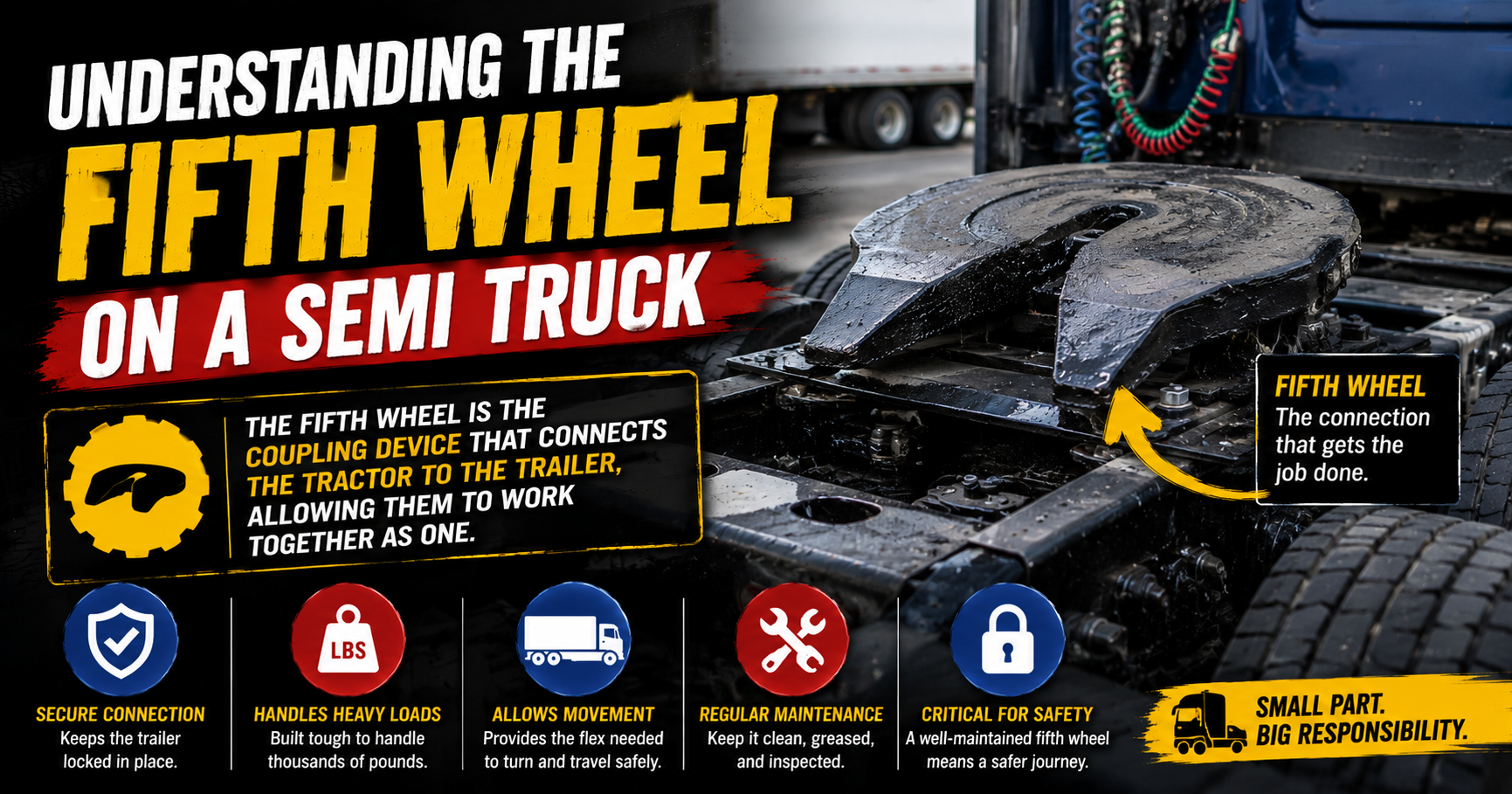
If you’re still learning how that connection works, our guide on Understanding the Fifth Wheel on a Semi Truck explains the entire coupling system in detail.
Tractor vs. Truck
People often use these words interchangeably.
In everyday conversation, that’s usually fine.
Technically, though, there’s a difference.
A truck is a broad category that includes many different commercial vehicles.
Examples include:
- Dump trucks
- Box trucks
- Garbage trucks
- Cement mixers
- Tow trucks
- Pickup trucks
- Tractors
A tractor is simply one specific type of truck that’s built to pull semi-trailers instead of carrying cargo on its own.
Tractor vs. Tractor-Trailer
Another term that confuses new drivers is tractor-trailer.
A tractor is only the powered unit.
A tractor-trailer is the complete combination consisting of:
- The tractor
- The semi-trailer
Together they form what many people simply call a semi, big rig, or eighteen-wheeler.
What Happens When the Tractor Doesn’t Have a Trailer?
When a tractor is driven without a trailer attached, it’s called bobtailing.
Many new drivers assume bobtailing is easier because there’s no trailer behind them.
In reality, it often requires extra caution because the truck handles differently with less weight over the drive axles.
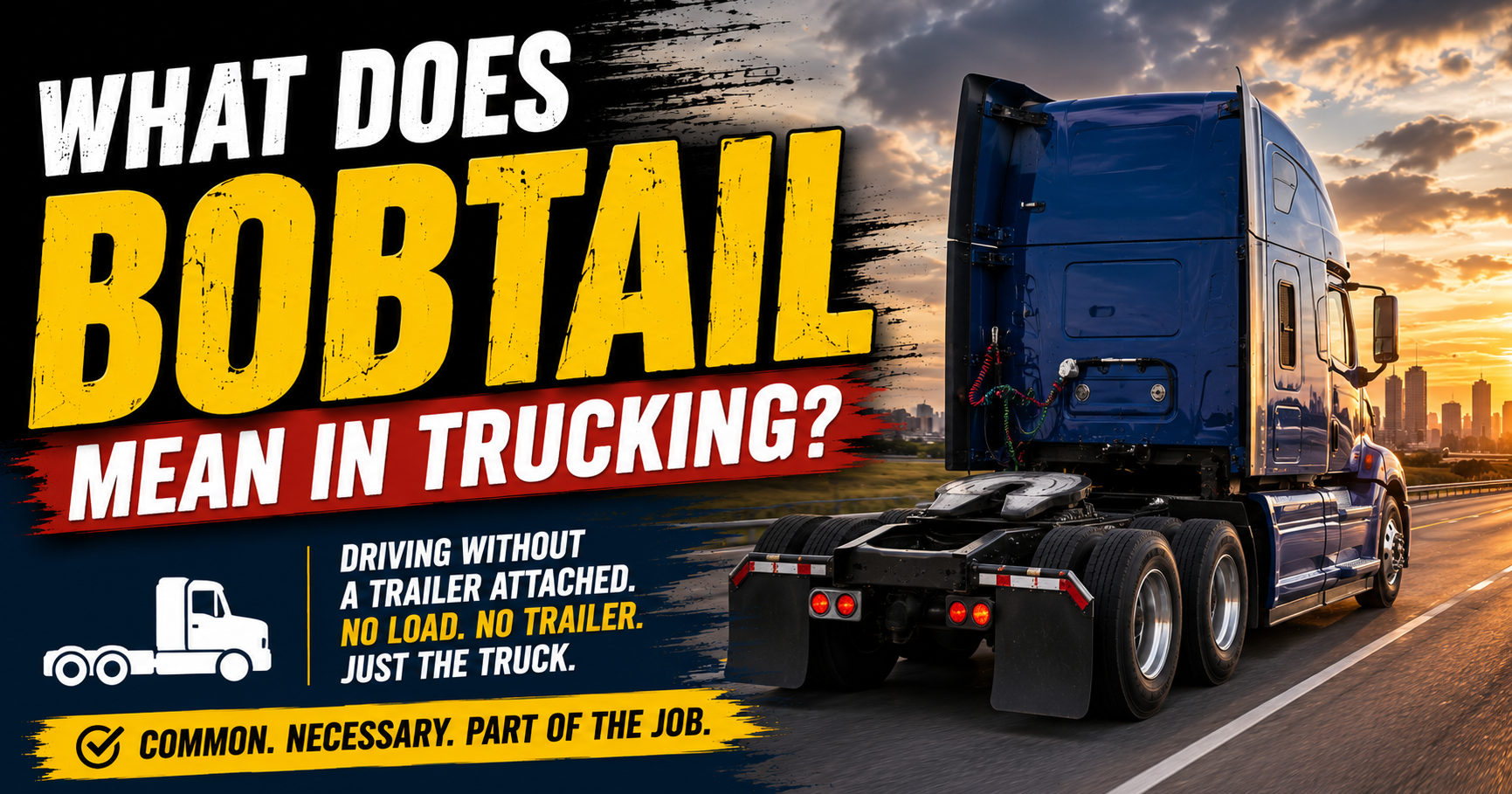
If you haven’t read it yet, our guide on what bobtail means in trucking explains why experienced drivers take bobtail driving seriously.
Inspecting a Tractor During Your Pre-Trip Inspection
Every CDL driver performs a pre-trip inspection before heading out.
When inspecting the tractor, I always check:
- Steering components
- Drive axles
- Suspension
- Air brake system
- Tires
- Wheels
- Fuel tanks
- Lights
- Fifth wheel
- Air lines
Skipping these inspections isn’t worth the risk.
Many mechanical issues give warning signs long before they become serious problems.
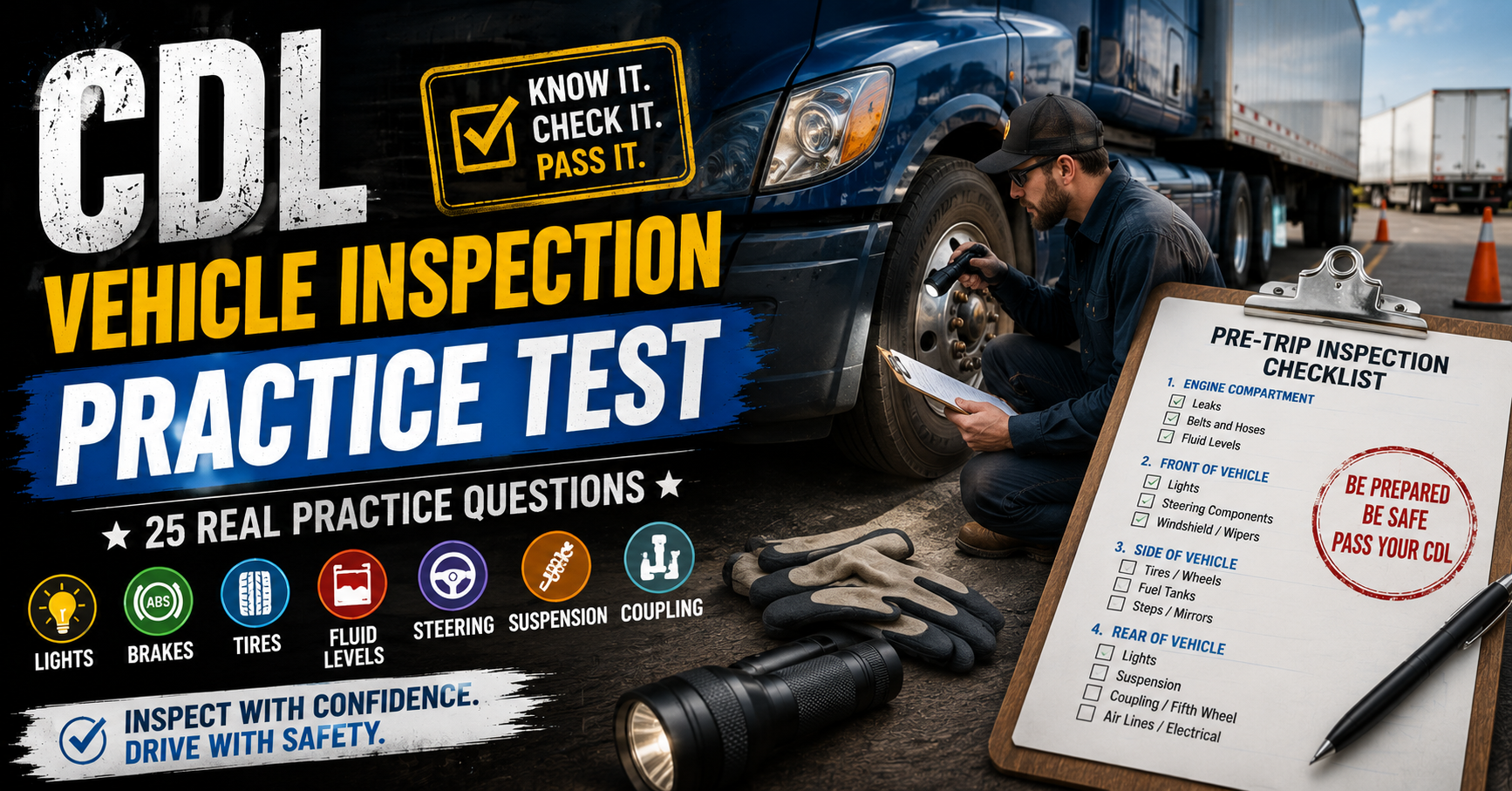
If you’re preparing for your CDL skills test, our CDL Vehicle Inspection Practice Test is an excellent way to practice identifying the components you’ll be expected to explain.
Common Mistakes New Drivers Make
One mistake I see often is people calling every commercial vehicle a tractor.
Not every truck is a tractor.
Only vehicles specifically designed to pull semi-trailers fit that definition.
Another mistake is forgetting that tractors rely heavily on the trailer for proper weight distribution.
That’s one reason driving a tractor by itself feels much different than driving with a loaded trailer attached.
Understanding those differences makes you a safer driver from day one.
Will You See Questions About Tractors on the CDL Exam?
Yes.
The word “tractor” appears throughout CDL training.
You’ll see it during:
- General Knowledge.
- Combination Vehicles.
- Vehicle Inspections.
- Air Brakes.
- Skills Testing.
It’s one of the foundational terms every commercial driver should understand.
If you’re preparing for your written exam, our CDL Permit Test Simulator: 125-Question Master Practice Exam is a great way to test your understanding before heading to the DMV.
One Product I Never Leave Without
A tractor is only as safe as the condition it’s in.
That’s one reason I always recommend carrying a dependable flashlight or headlamp.
Whether you’re checking tires before sunrise, inspecting air lines, or looking under the chassis during a roadside stop, good lighting makes every inspection easier.
I’ve had excellent luck using the Coast XPH30R USB-C Rechargeable Headlamp because it keeps both hands free while providing plenty of light exactly where I need it.
My Advice After Years Behind the Wheel
The longer I drove, the more I realized that understanding the truck itself made me a better driver.
Knowing what each component does makes inspections easier.
It helps you recognize problems sooner.
It also gives you more confidence when talking with mechanics, dispatchers, and other drivers.
A tractor may look like just the front half of a semi to most people, but it’s the heart of the entire operation.
Without it, nothing moves.
Understanding how it works is one of the first steps toward becoming a knowledgeable and professional commercial driver.
Author: David Walker
David Walker is a former CDL instructor with more than 22 years of experience training commercial drivers on tractor-trailer operation, vehicle inspections, and combination vehicle safety. He enjoys breaking down complex trucking concepts into practical, easy-to-understand lessons that help new drivers build confidence both in the classroom and on the road.