Growing up around farms, I saw hopper bottom trailers long before I ever got my CDL.
Every fall, grain trucks seemed to be everywhere.
Corn.
Soybeans.
Wheat.
The trailers all looked a little different from the dry vans and flatbeds I was used to seeing.
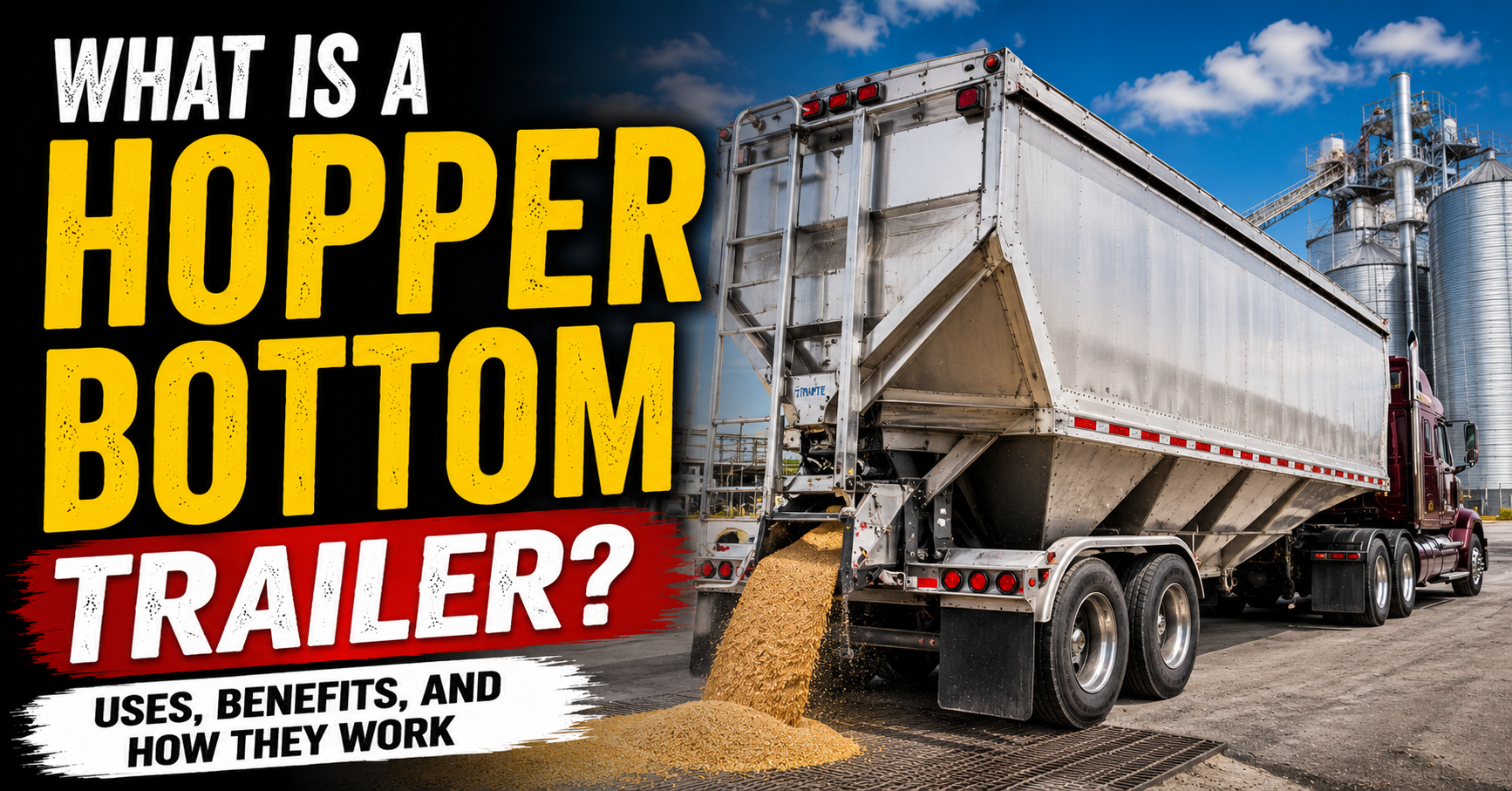
Instead of a flat floor, the bottom formed a large funnel that emptied through trap doors underneath the trailer.
Once I started driving, I realized hopper bottoms are one of the most efficient trailers ever built for hauling bulk agricultural products.
If you’ve ever wondered how thousands of bushels of grain can be unloaded in just a few minutes, this trailer is the answer.
What Is a Hopper Bottom Trailer?
A hopper bottom trailer is a specialized bulk commodity trailer with a sloped, funnel-shaped floor that directs cargo toward discharge openings, allowing materials to unload through gravity instead of requiring the trailer to be tipped. (travisbody.com)
Because gravity does most of the work, unloading is fast, efficient, and requires very little physical labor.
Why Is It Called a Hopper Bottom?
The name comes from the trailer’s floor.
Instead of being flat, the floor slopes downward into one or more hoppers.
Each hopper funnels material toward discharge gates located underneath the trailer.
When the gates are opened, gravity allows the cargo to flow out into a grain pit, auger, conveyor, or storage bin.
It’s a remarkably simple design that has been used in agriculture for decades.
What Does a Hopper Bottom Trailer Haul?
Although grain is the first thing most people think of, hopper bottoms transport many different dry bulk commodities.
Common loads include:
- Corn.
- Soybeans.
- Wheat.
- Milo.
- Oats.
- Canola.
- Feed ingredients.
- Fertilizer.
- Dry pellets.
- Seed.
Some specialized operations also haul plastic pellets and other free-flowing industrial materials.
How Does a Hopper Bottom Trailer Work?
Unlike a dump trailer, the trailer never needs to raise into the air.
Instead, the process works like this:
- The trailer is positioned over a receiving pit or conveyor.
- The driver opens one or more hopper gates.
- Gravity pulls the material downward.
- The cargo flows into the unloading system.
- The gates are closed once the trailer is empty.
Because there’s no lifting involved, unloading is generally faster and safer than dumping many bulk materials.
Why Farmers Like Hopper Bottom Trailers
One thing I’ve always appreciated about hopper bottoms is their simplicity.
Some of the biggest advantages include:
- Fast unloading.
- Excellent stability.
- No hydraulic hoist.
- Lower rollover risk than raised dump trailers.
- High hauling capacity.
- Efficient grain handling.
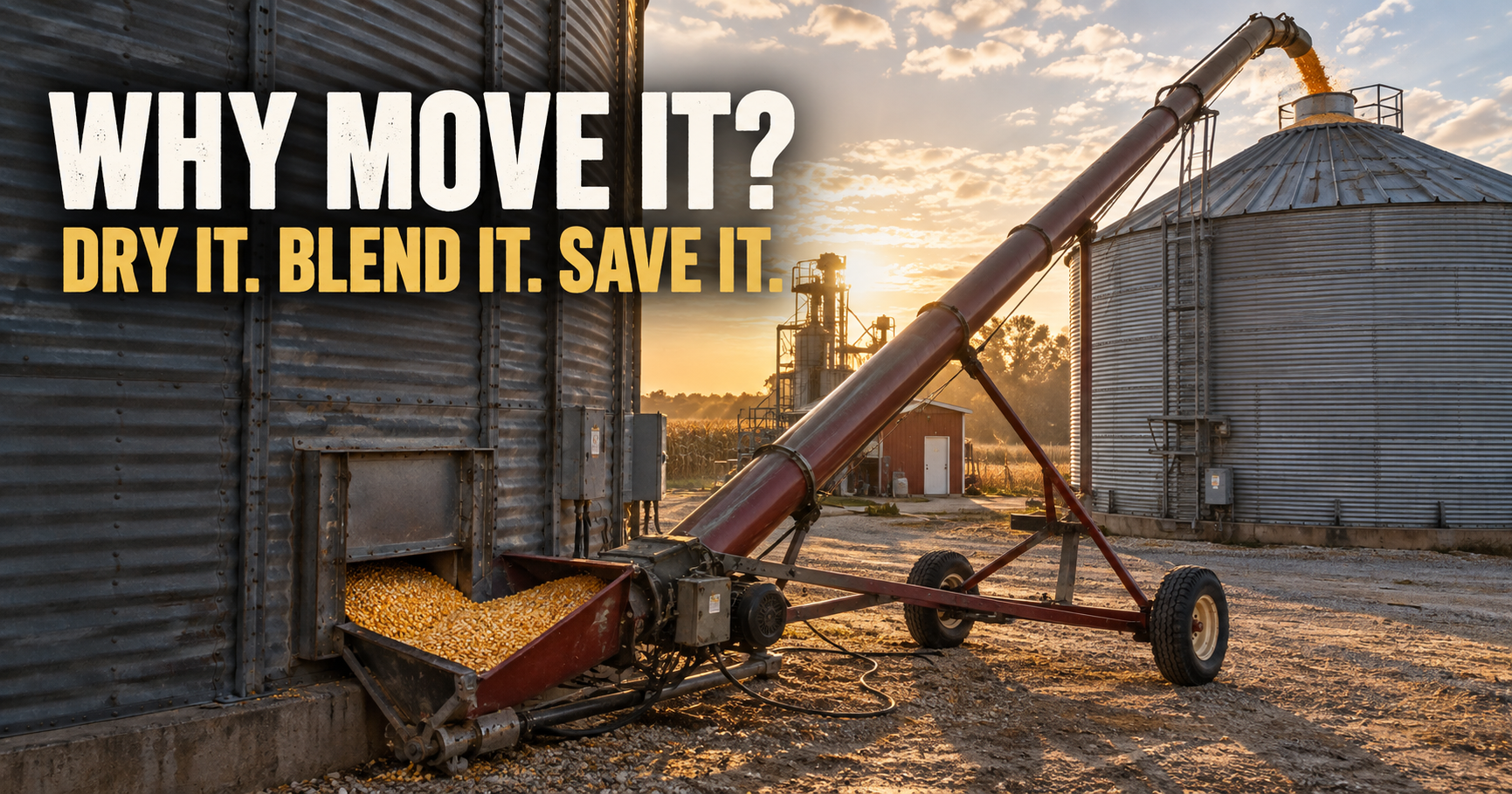
During harvest season, those advantages help keep combines moving and grain flowing to storage.
Hopper Bottom vs. Dump Trailer
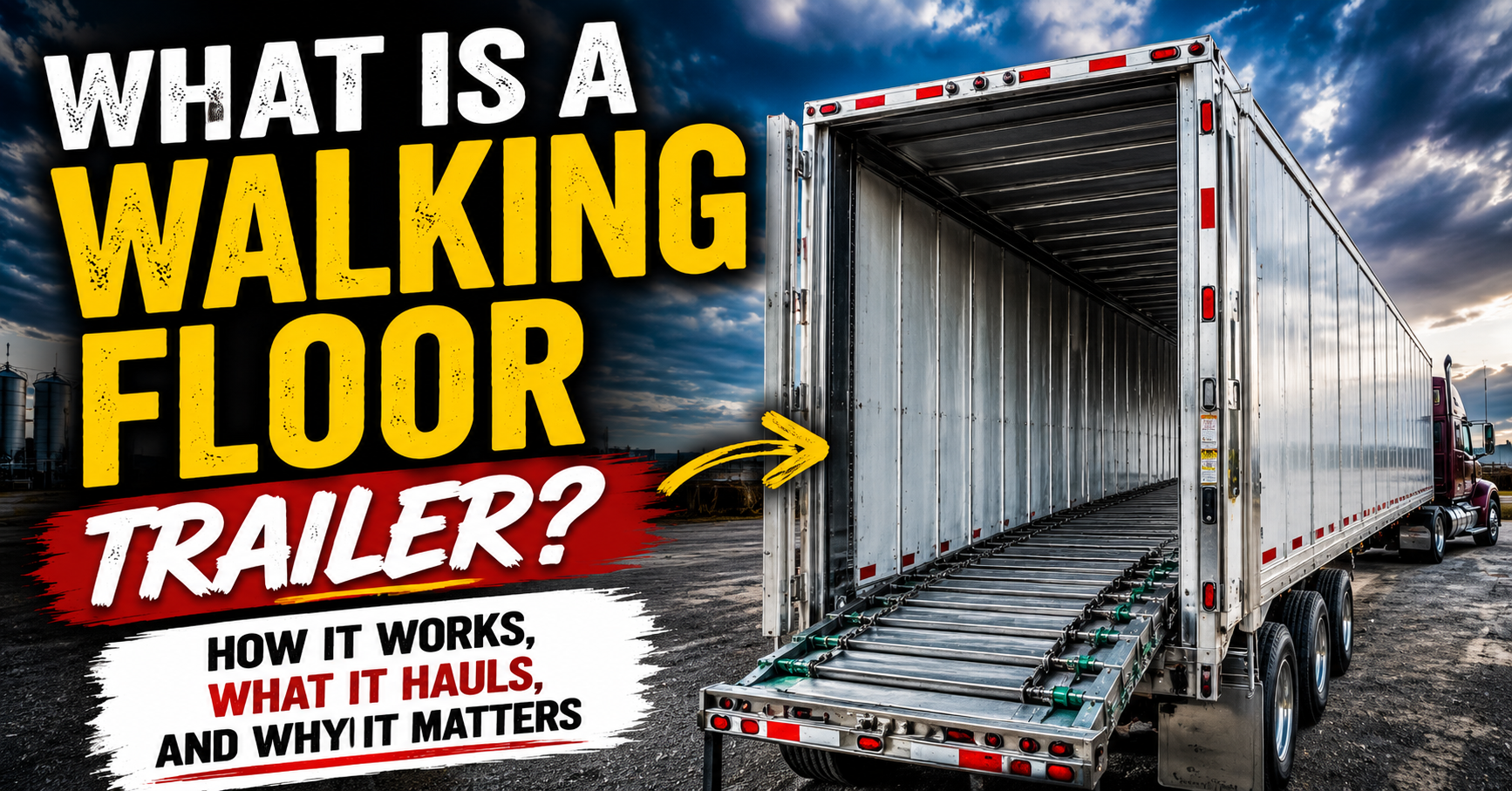
People sometimes confuse these trailers because both haul loose bulk materials. Comparing them with walking floor trailers makes the differences in unloading methods easier to understand.
The biggest difference is how they unload.
A dump trailer raises its bed using a hydraulic cylinder.
A hopper bottom stays level while gravity empties the load through the hopper gates underneath.
That makes hopper bottoms especially useful where overhead clearance is limited or stability is important.
We’ll cover dump trailers in their own guide because they operate quite differently.
Hopper Bottom vs. Dry Van
A dry van hauls palletized or packaged freight inside an enclosed trailer.
A hopper bottom hauls loose bulk commodities that flow freely.
Instead of forklifts loading pallets, hopper bottoms are commonly loaded using grain legs, augers, conveyors, or overhead grain bins.
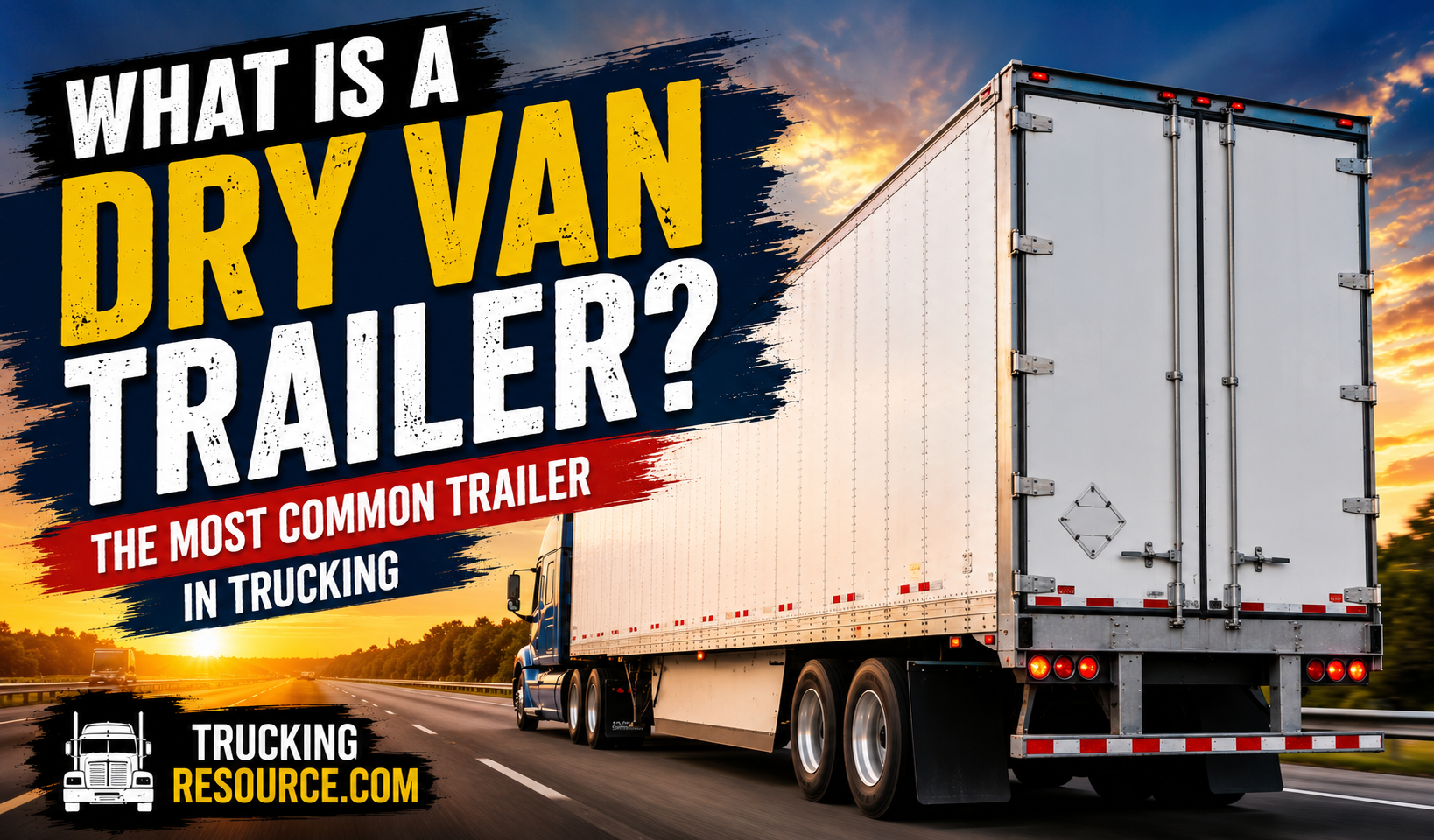
If you’re new to trailer types, our What Is a Dry Van Trailer? The Most Common Trailer in Trucking explains why dry vans remain the most common trailer on American highways.
How I Inspect a Hopper Bottom
Whenever I’m around hopper equipment, my inspection follows the same routine.
I’m checking:
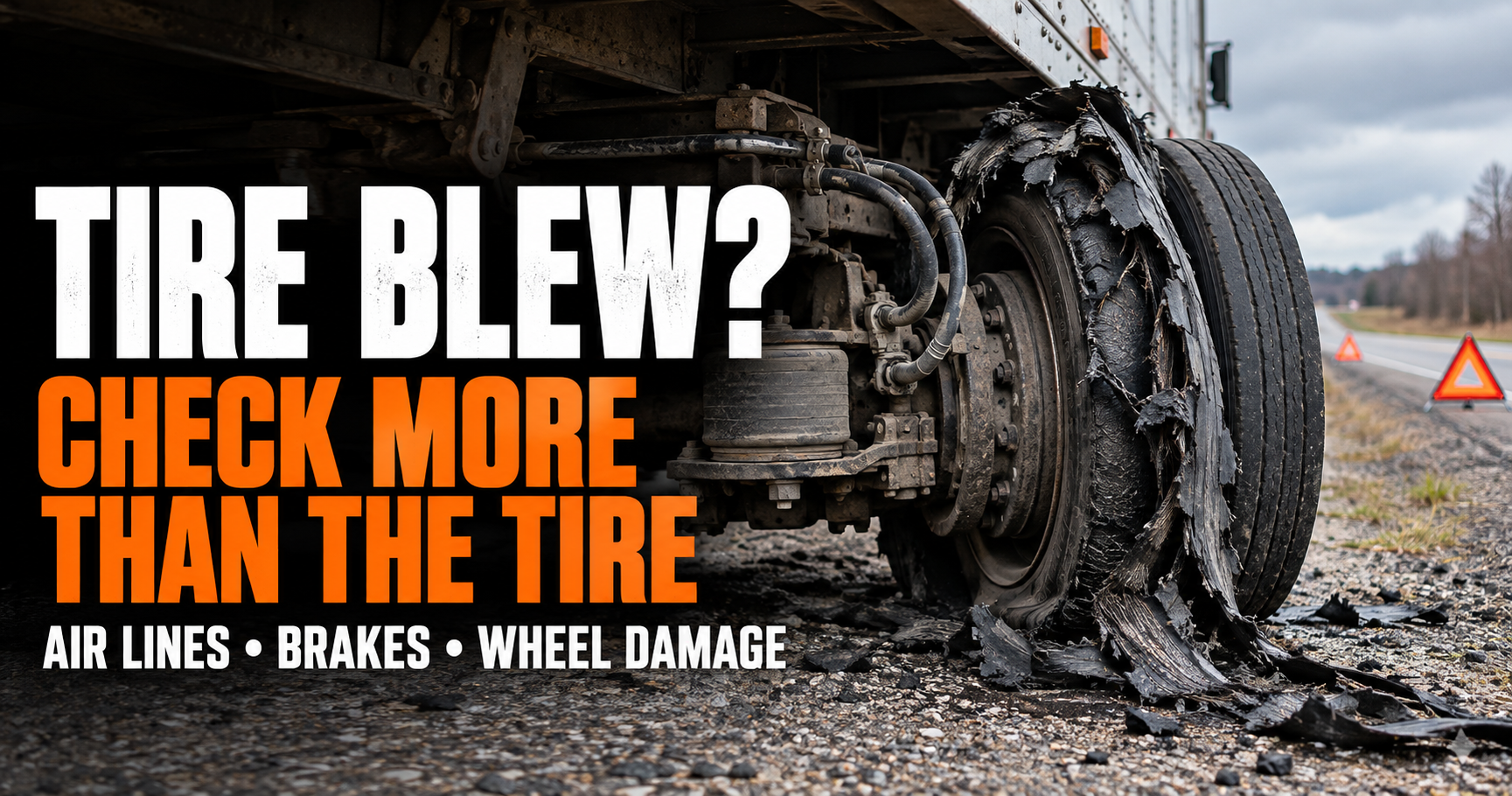
- Tires.
- Wheels.
- Lights.
- Air lines.
- Electrical pigtail.
- ABS light.
- Hopper doors.
- Gate mechanisms.
- Trailer frame.
- Suspension.
- Trap seals.
If I’m hauling grain, I also make sure the hopper gates close completely before heading back onto the highway.
Common Mistakes New Drivers Make
I’ve seen new drivers assume the grain will always flow evenly.
It doesn’t always happen that way.
Moisture, bridging, and certain commodities can affect how material unloads.
Another mistake is opening the hopper gates too quickly before confirming the trailer is properly positioned over the receiving pit.
A few extra seconds of preparation can prevent a very messy cleanup.
Where You’ll Hear This Term
If you spend any time around agriculture, you’ll hear “hopper bottom” regularly.
You’ll hear it from:
- Farmers.
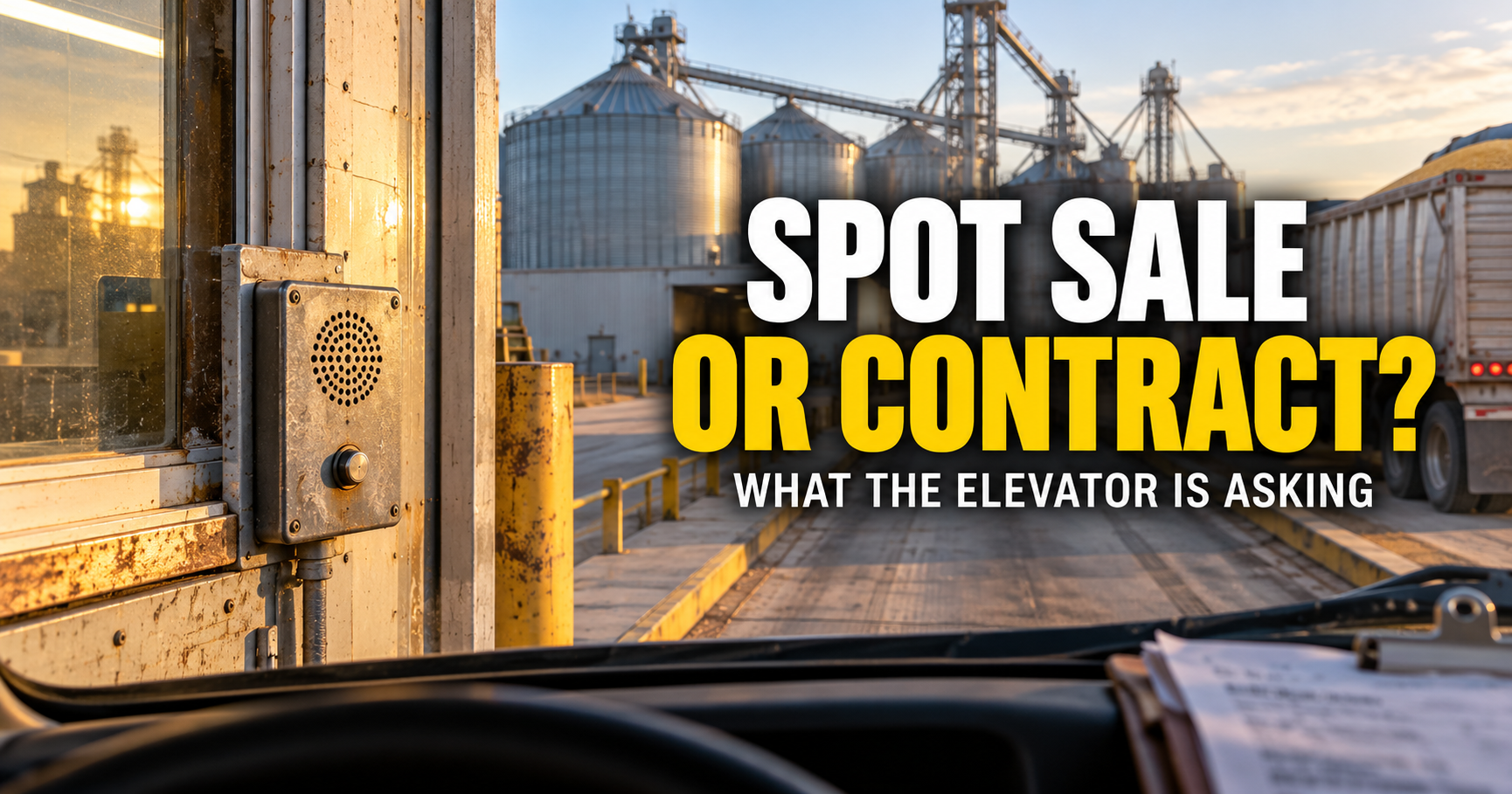
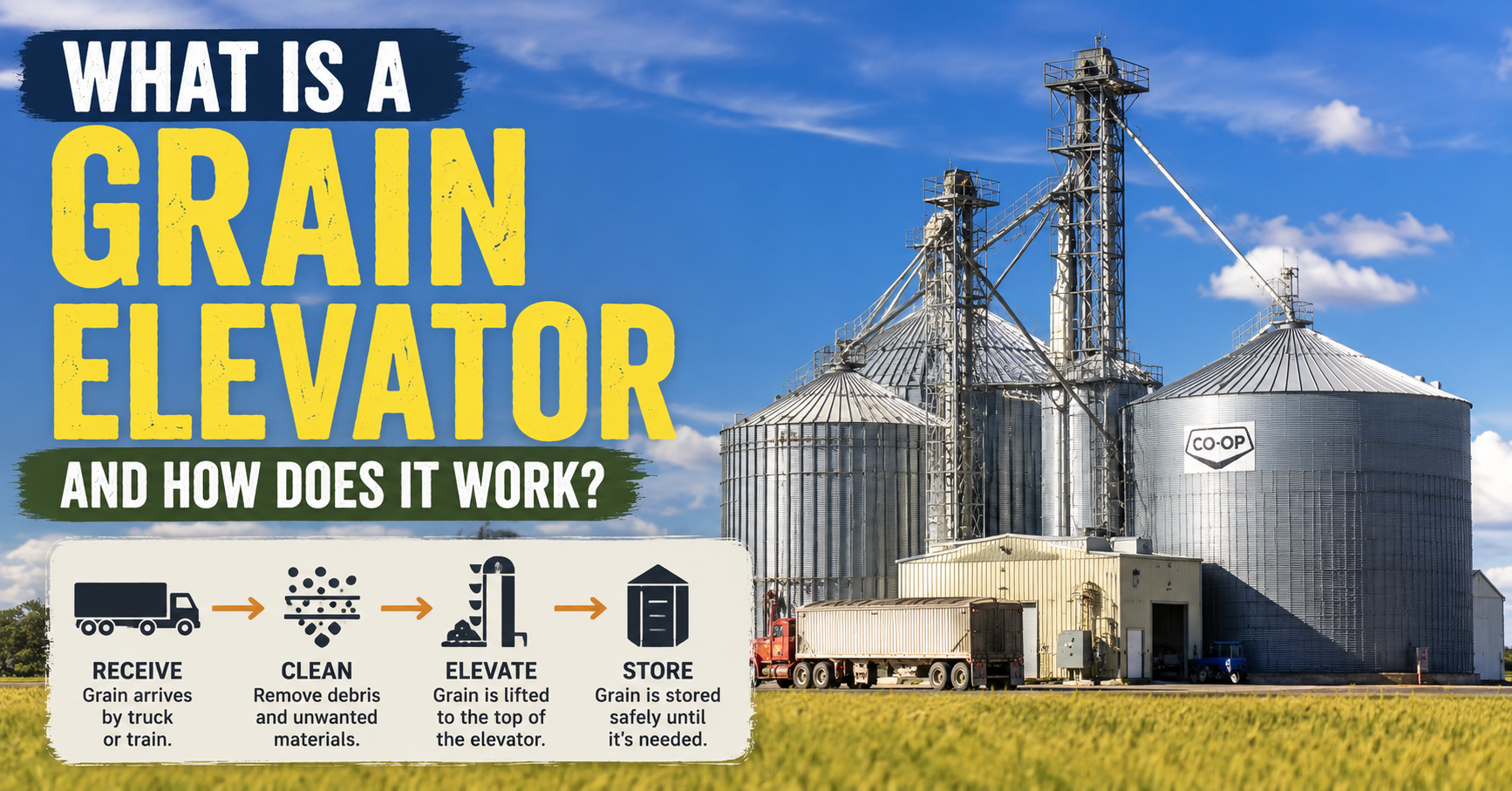
- Grain elevators.
- Feed mills.
- Agricultural co-ops.
- Grain brokers.
- CDL drivers.
- Farm equipment dealers.
It’s one of the most recognizable trailer types in agricultural trucking.
Frequently Asked Questions
What is the biggest advantage of a hopper bottom trailer?
The ability to unload quickly using gravity without raising the trailer makes hopper bottoms extremely efficient for grain and other free-flowing bulk materials. (travisbody.com)
Can hopper bottoms haul anything besides grain?
Yes.
Many also haul fertilizer, feed ingredients, plastic pellets, seed, and other dry bulk materials that flow easily.
Do hopper bottom drivers need a special CDL endorsement?
No.
A standard CDL is generally sufficient unless the load or operation requires additional endorsements for other reasons.
Drivers should still understand proper weight distribution and cargo securement principles.
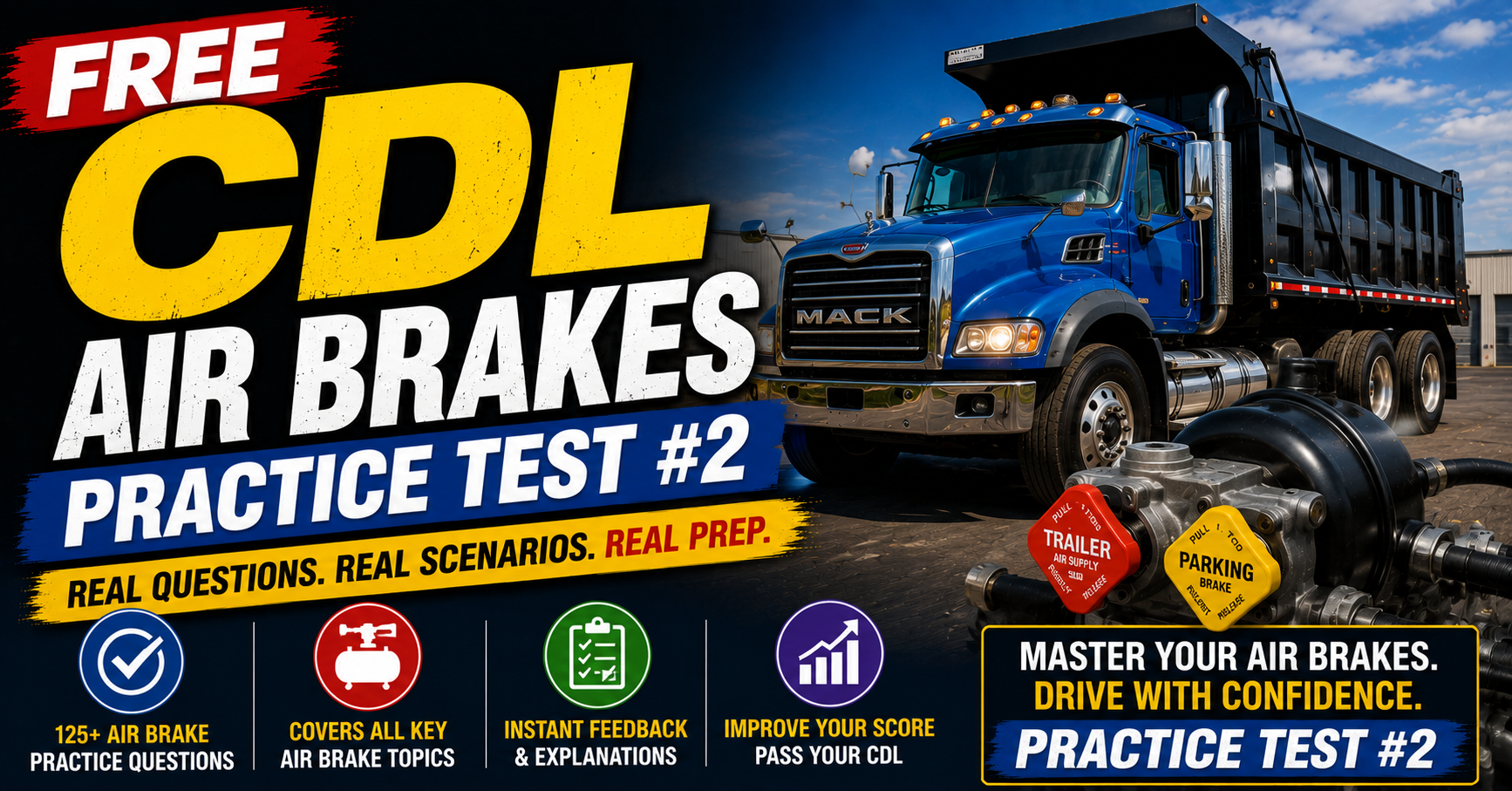
Our Free CDL Cargo Loading, Weight Distribution & Securement Practice Test is a great resource for reviewing cargo safety concepts before your CDL exam.
One Piece of Equipment I Always Keep Nearby
Harvest doesn’t stop just because the sun goes down.
Many grain loads happen early in the morning or well after dark.
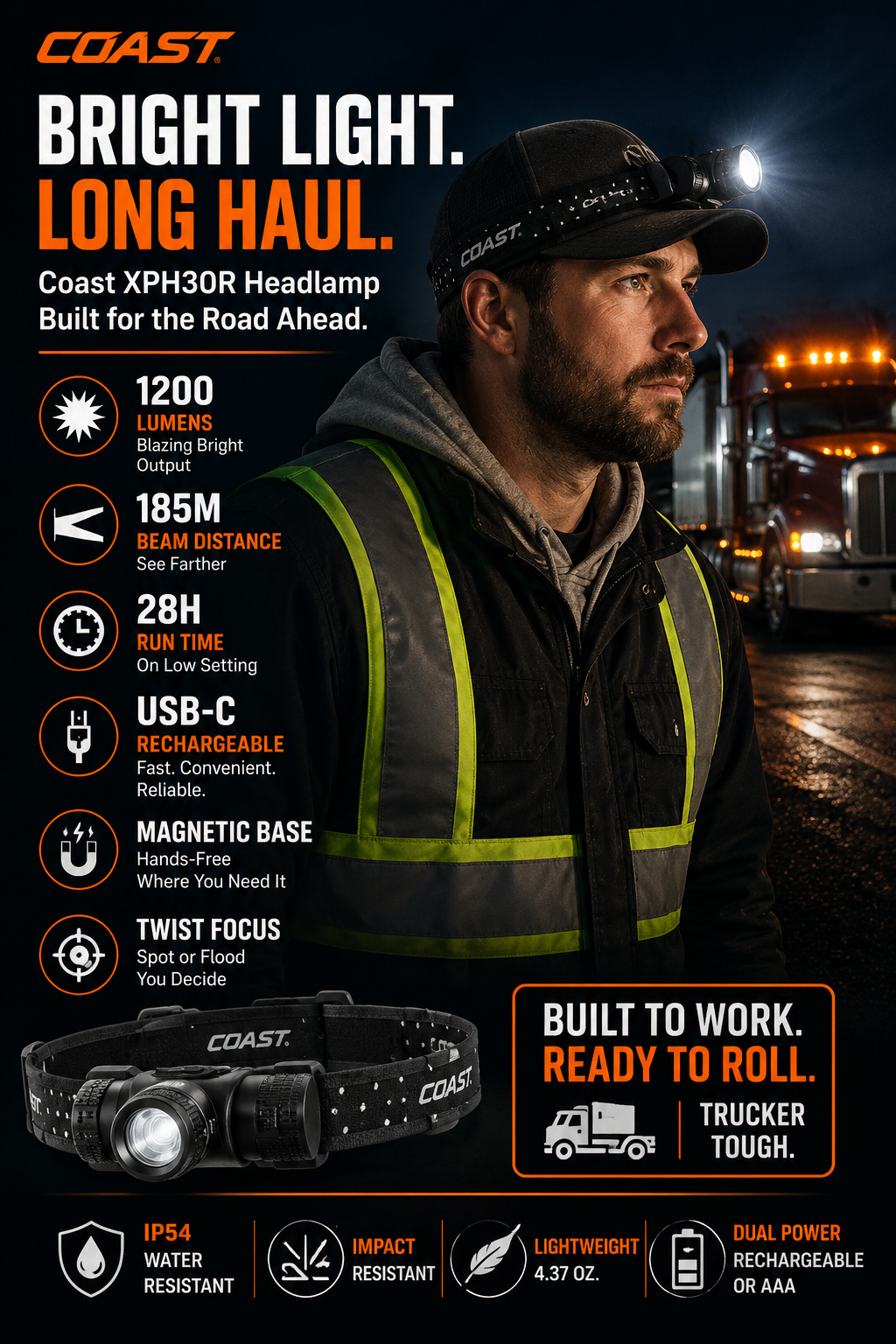
That’s why I always keep the Coast XPH30R USB-C Rechargeable Dual Power Headlamp in the truck.
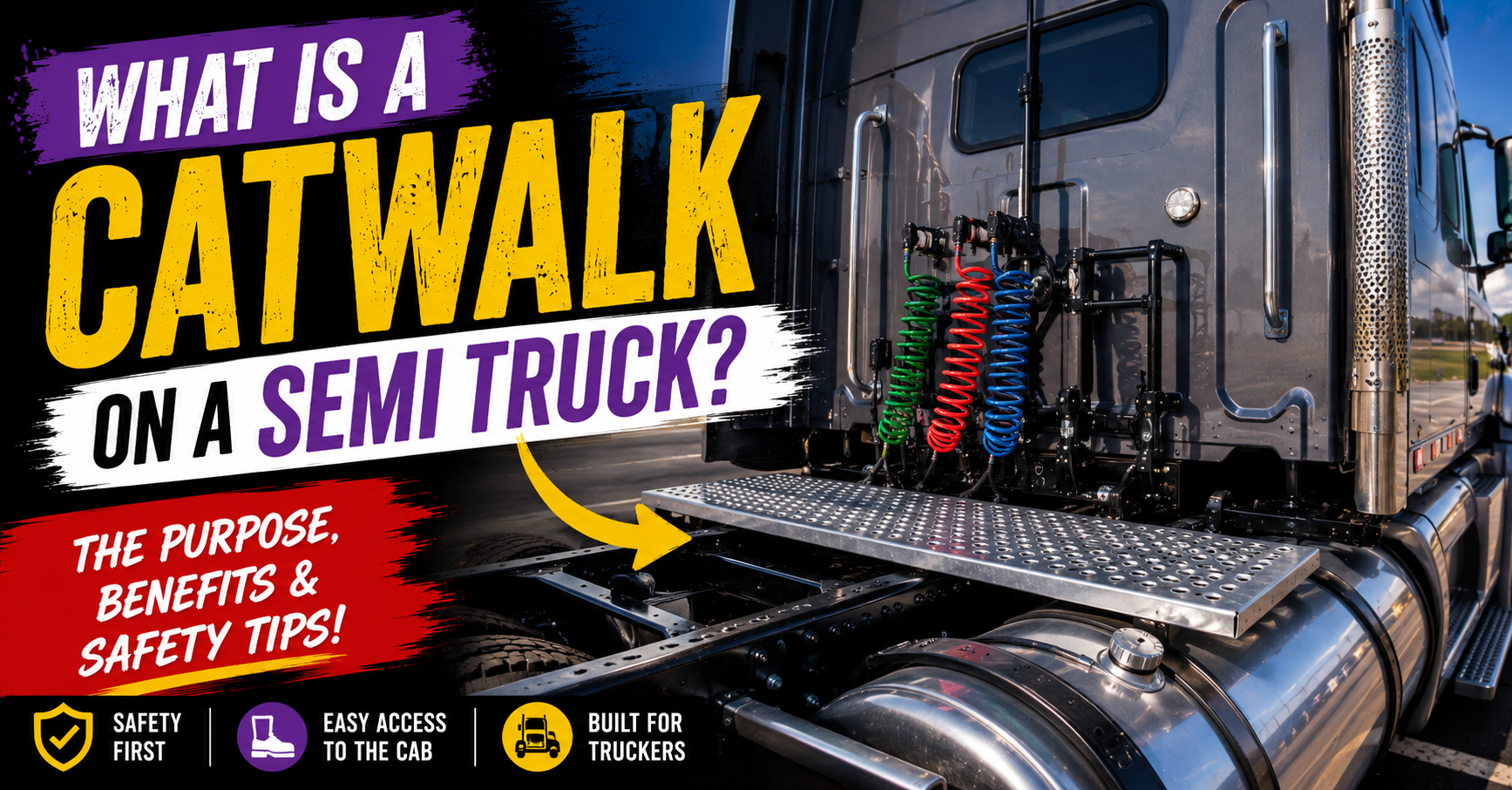
It makes inspecting hopper gates, air lines, landing gear, and tires much easier while keeping both hands free. For the behind-the-cab portion of that inspection, the tractor's catwalk provides a stable place to stand while checking connections and equipment.
My Advice After Spending Time Around Grain Hauling
Hopper bottom trailers may not look as impressive as a shiny lowboy hauling heavy equipment, but they’re one of the hardest-working trailers in America.
Every harvest season, they move millions of bushels of grain from farms to elevators, feed mills, processing plants, and export terminals.
Like every other trailer, success comes down to developing good habits.
Inspect it carefully.
Know your commodity.
Pay attention while unloading.
Do those things consistently, and a hopper bottom becomes one of the safest and most efficient trailers you’ll ever pull.
Author: Kevin Lawson
Kevin Lawson spent nearly 30 years hauling agricultural products, dry vans, flatbeds, and specialized freight across the Midwest. Throughout his career, he worked closely with grain elevators, feed mills, and farming operations while mentoring new CDL drivers on trailer inspections, bulk commodity hauling, and safe operating practices.