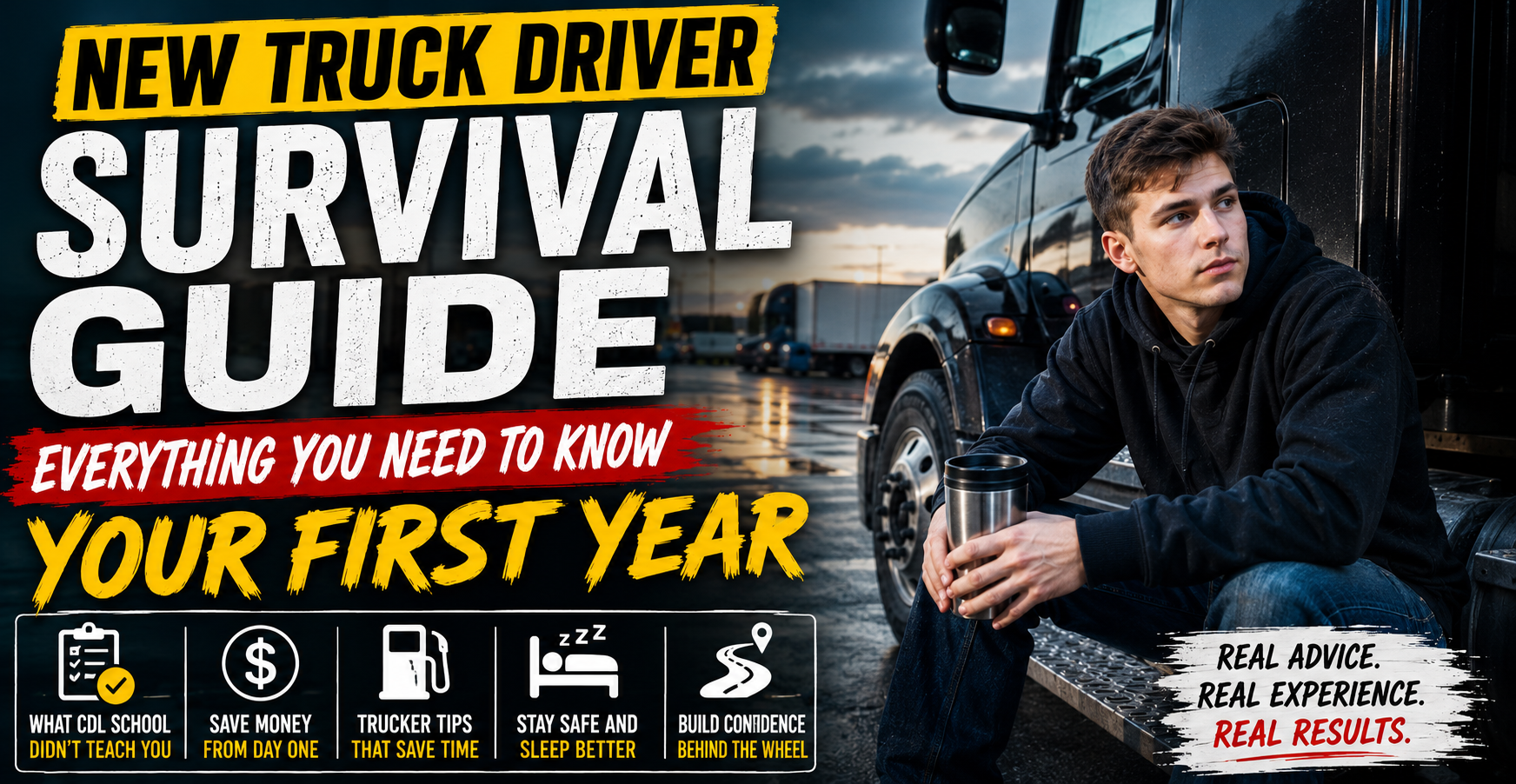
The first year of truck driving is exciting.
It’s stressful.
It’s rewarding.
And if I’m being honest, it’s also a little overwhelming.
One day you’re studying for your CDL permit. The permit stage is covered in practical detail in What Is a CDL Permit? Everything You Need to Know.
The next you’re standing beside an 80,000-pound truck wondering if you’re really ready to drive it across the country.
Every new driver goes through that feeling.
The good news is that thousands of people successfully make that transition every year.
The drivers who enjoy trucking the most usually aren’t the ones who knew everything on day one.
They’re the ones who stayed curious, asked questions, learned from mistakes, and kept improving one mile at a time.
I built this guide to help you do exactly that.
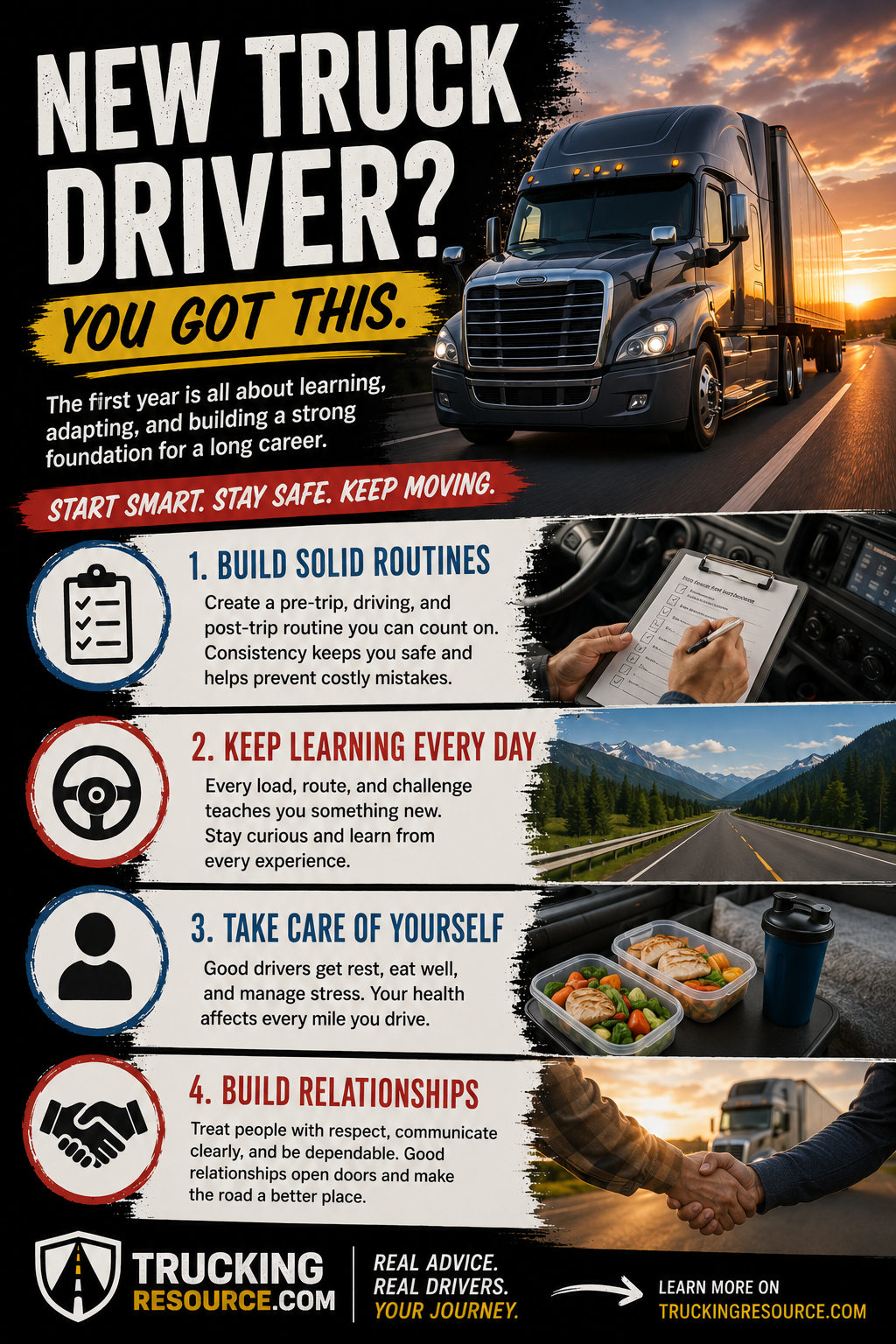
Instead of jumping from one random article to another, this page walks you through the entire first-year journey, from deciding whether trucking is right for you to becoming a confident professional driver.
Whether you’re still thinking about getting your CDL or you’ve already started your first job, you’ll find resources here that answer the questions nearly every rookie asks. If you are still preparing for your permit, the CDL Permit Test Simulator: 125-Question Master Practice Exam offers a substantial way to test your general knowledge before training begins.
Is Truck Driving the Right Career?

Before spending thousands of dollars on CDL training, it’s worth asking yourself one important question. A clear breakdown of training and licensing expenses appears in How Much Does It Cost to Get a CDL?.
Is trucking actually the career you want?
The answer is different for everyone.
Some people love the independence, travel, and earning potential.
Others discover they miss home more than they expected or simply prefer a different type of work.
The best decision you can make is going into trucking with realistic expectations instead of unrealistic promises.
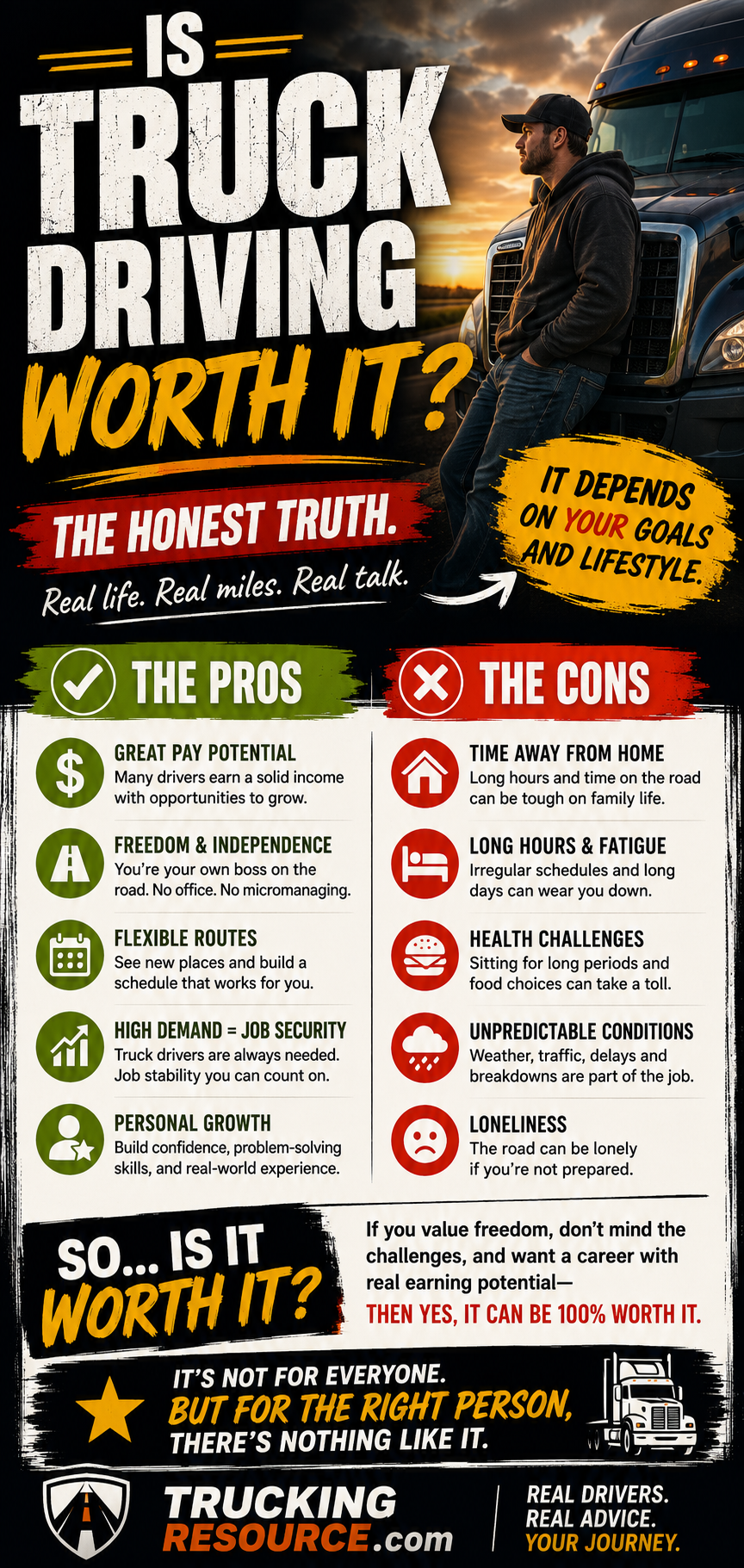
If you’re still trying to decide, start with Is Truck Driving Worth It?. Then read Truck Driver Pros and Cons An Honest Look at the Career and What I Wish I Knew Before Becoming a Truck Driver. Together, they’ll give you a realistic picture of what life on the road is actually like.
Earning Your CDL
Once you’ve decided trucking is the right path, your attention shifts to earning your CDL.
This stage can feel overwhelming because there seems to be so much information to learn.
General Knowledge.
Air Brakes.
Combination Vehicles.
Pre-trip inspections.
Backing.
Road tests.
The good news is that you don’t have to master everything overnight.
Focus on learning one subject at a time, practice consistently, and don’t be afraid to ask questions when something doesn’t make sense.
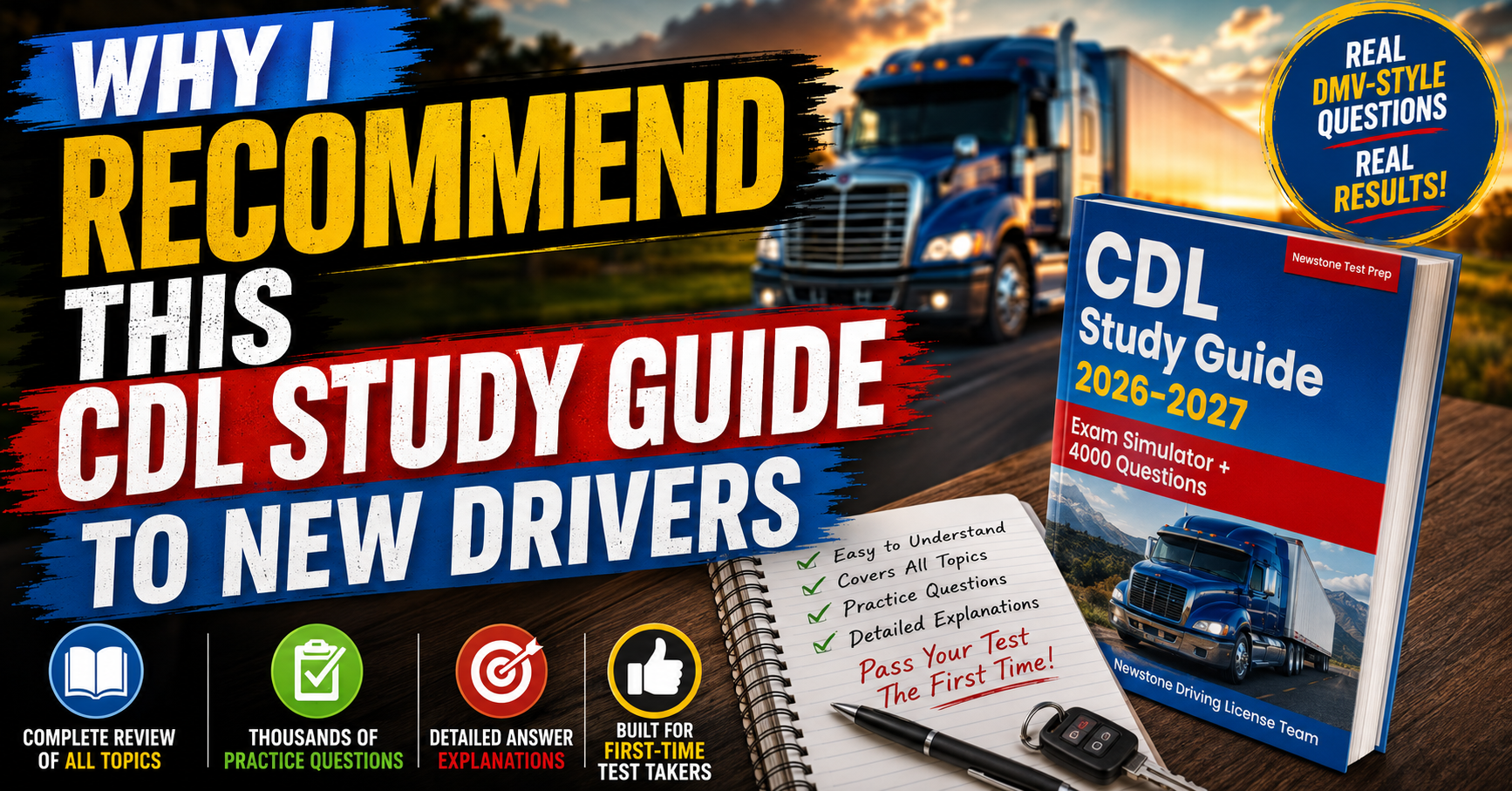
If you’re preparing for your permit or skills test, your CDL Study Resources section has everything you need, including practice tests, study guides, and beginner-friendly explanations that break difficult topics into manageable pieces.
One of the biggest mistakes I see is students worrying about driving before they’ve built a strong knowledge foundation. Spend the time to understand the basics now, and everything else becomes easier later.
Passing Your CDL Test Is Just the Beginning
Passing your CDL skills test feels incredible.
After all the studying, practicing, and nerves, you’ve finally reached your goal.
Or so it seems.
In reality, earning your CDL is the beginning of your career, not the end of your learning.
Your first orientation, your first trainer, your first paycheck, and your first solo load are all still ahead of you.
Understanding what comes next can make those first few weeks much less intimidating.
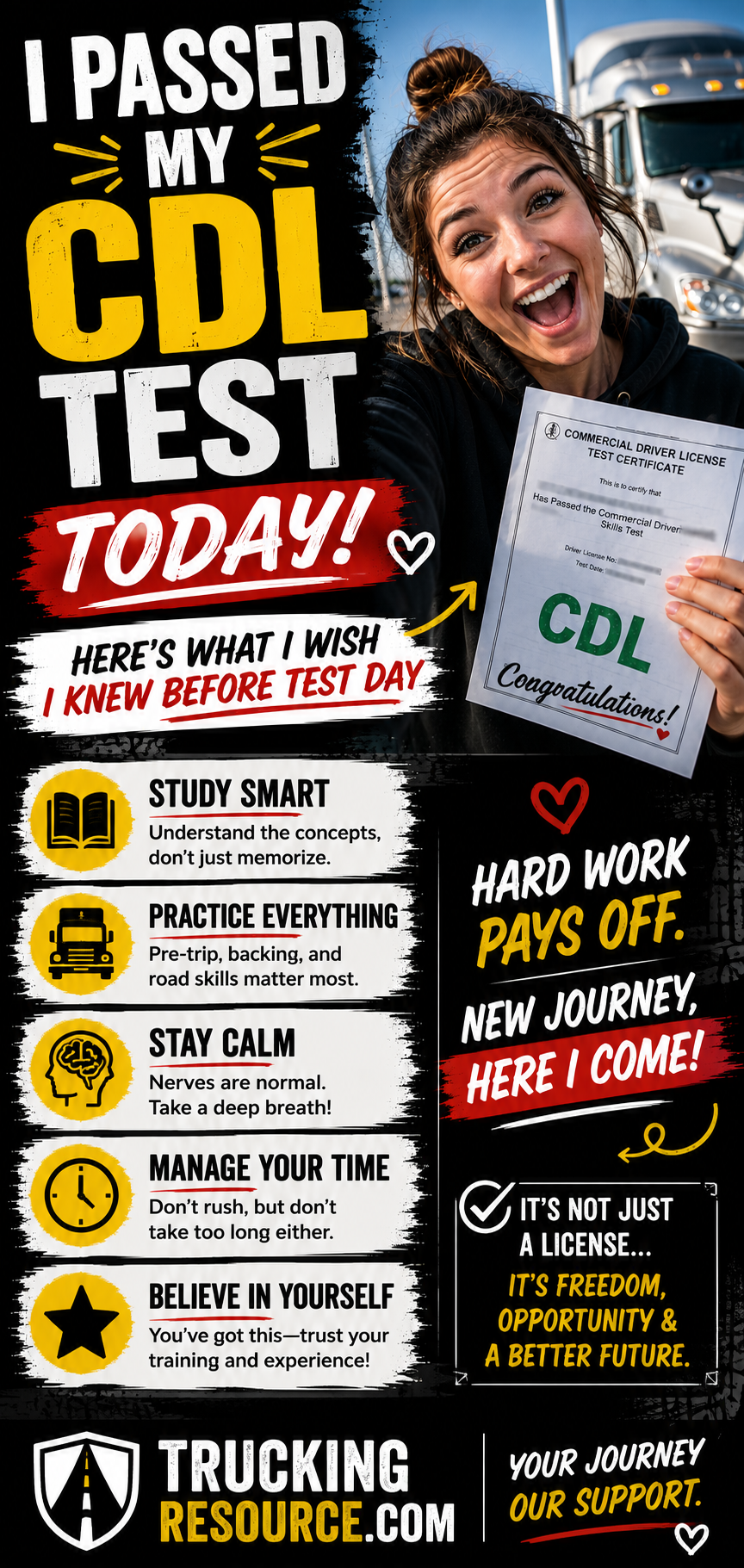
Before accepting your first dispatch, I strongly recommend reading I Passed My CDL Test Today and Here’s What I Learned followed by What Happens After You Get Your CDL? Your First 90 Days Explained. Those two articles explain the transition from student to professional driver better than anything else on the site.
Your First Job Will Teach You More Than CDL School
CDL school teaches you how to earn a license.
Your first employer teaches you how to become a truck driver.
There’s a huge difference.
The first few months are filled with situations no classroom can completely prepare you for.
Working with dispatch.
Planning fuel stops.
Communicating with customers.
Finding overnight parking.
Living out of a truck.
Managing your time.
Feeling overwhelmed during this stage doesn’t mean you’re failing.
It means you’re learning.
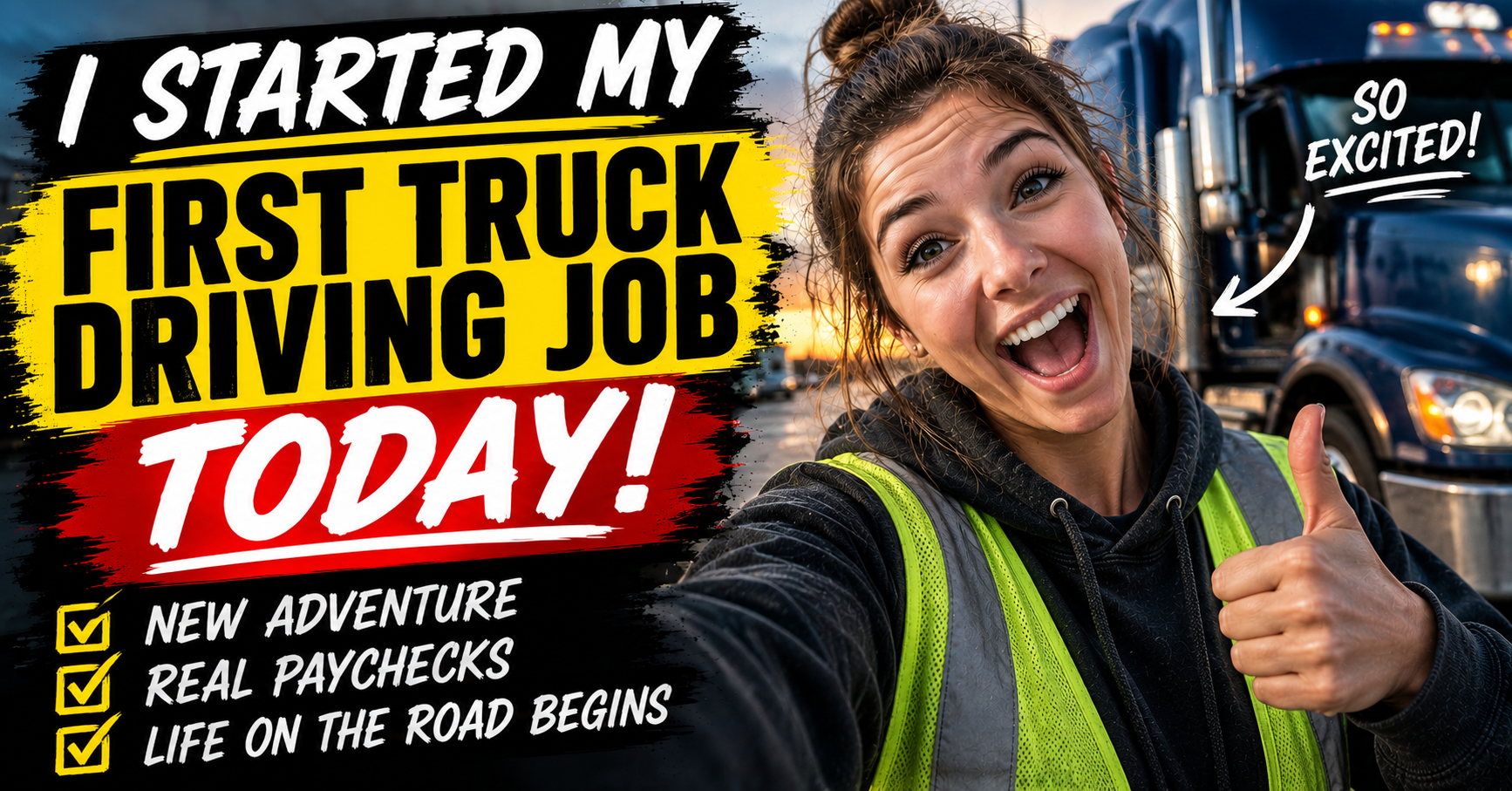
That’s exactly why I wrote I Started My First Truck Driving Job Today and Things CDL School Didn’t Prepare Me For. Those articles cover the everyday realities that nearly every rookie experiences after graduation.
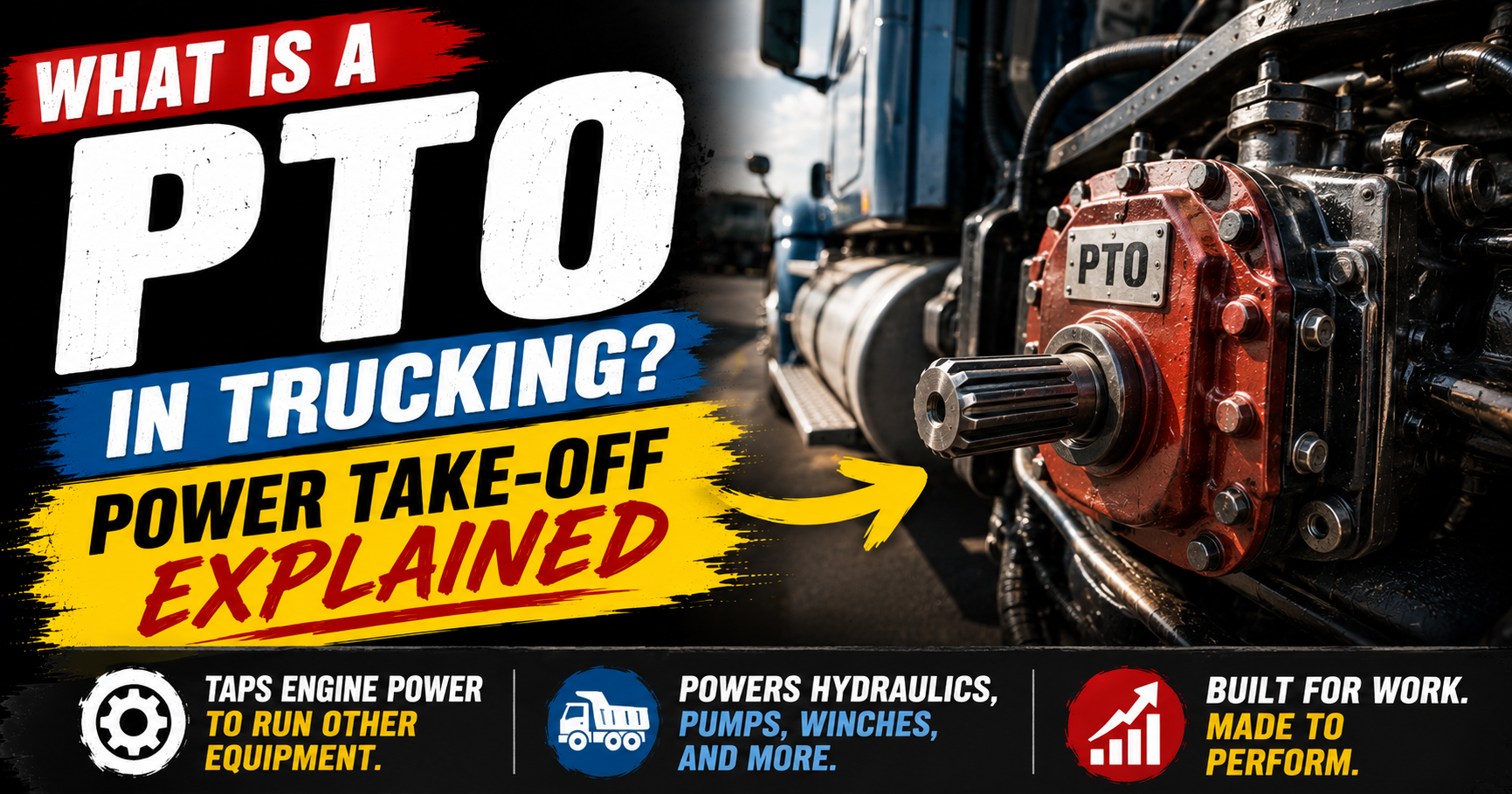

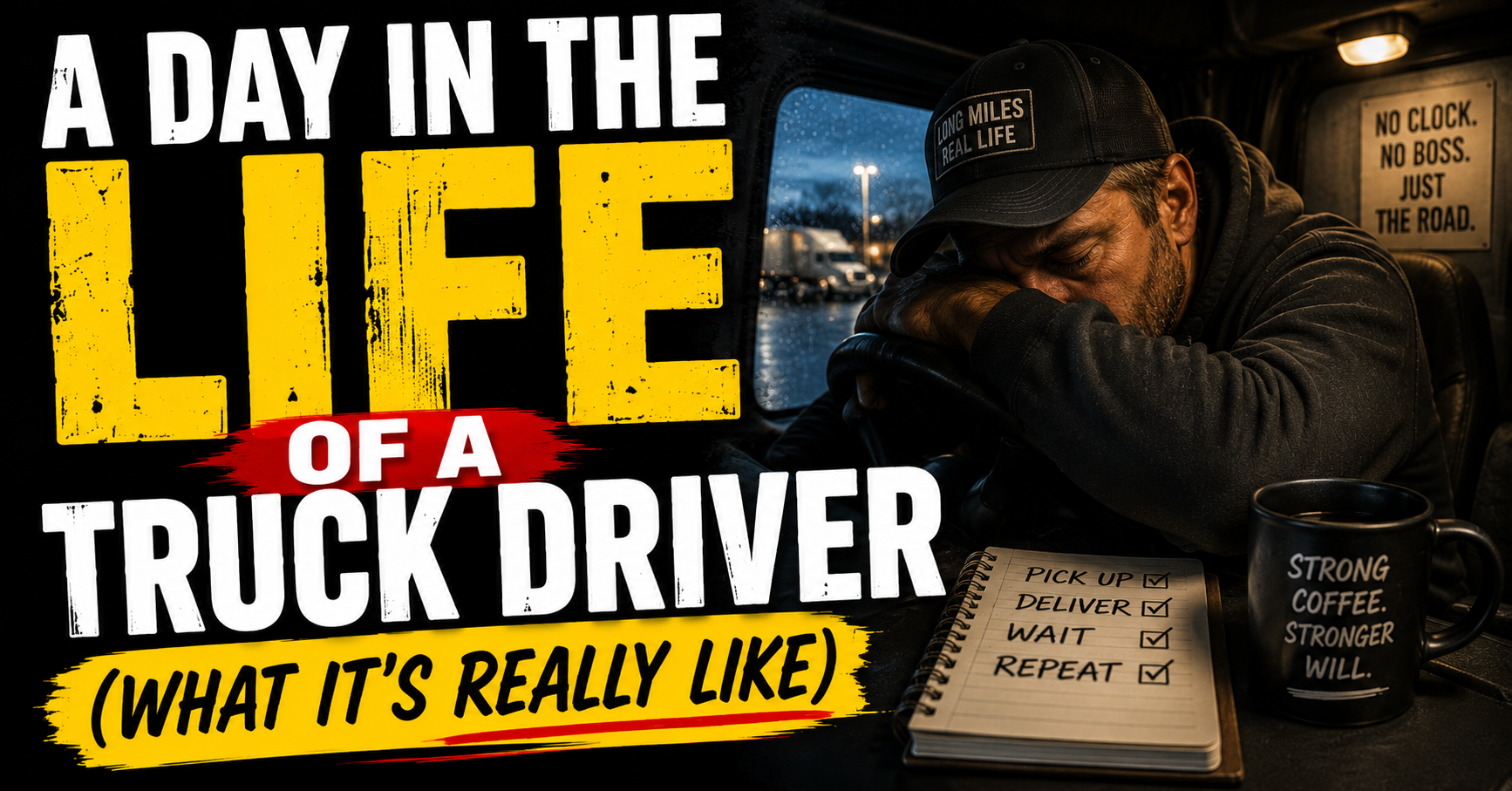
Choosing the Right Type of Truck Driving Job
One of the biggest surprises for many new drivers is discovering that “truck driver” isn’t just one job.
There are dozens of different career paths, and the one you choose has a huge impact on your daily life.
Some drivers spend weeks traveling across the country.
Others are home every weekend.
Some sleep in their own bed every night.
The right choice depends on your goals, your family, your personality, and what you want your life to look like outside of work.
Don’t make the mistake of assuming every trucking job is the same.
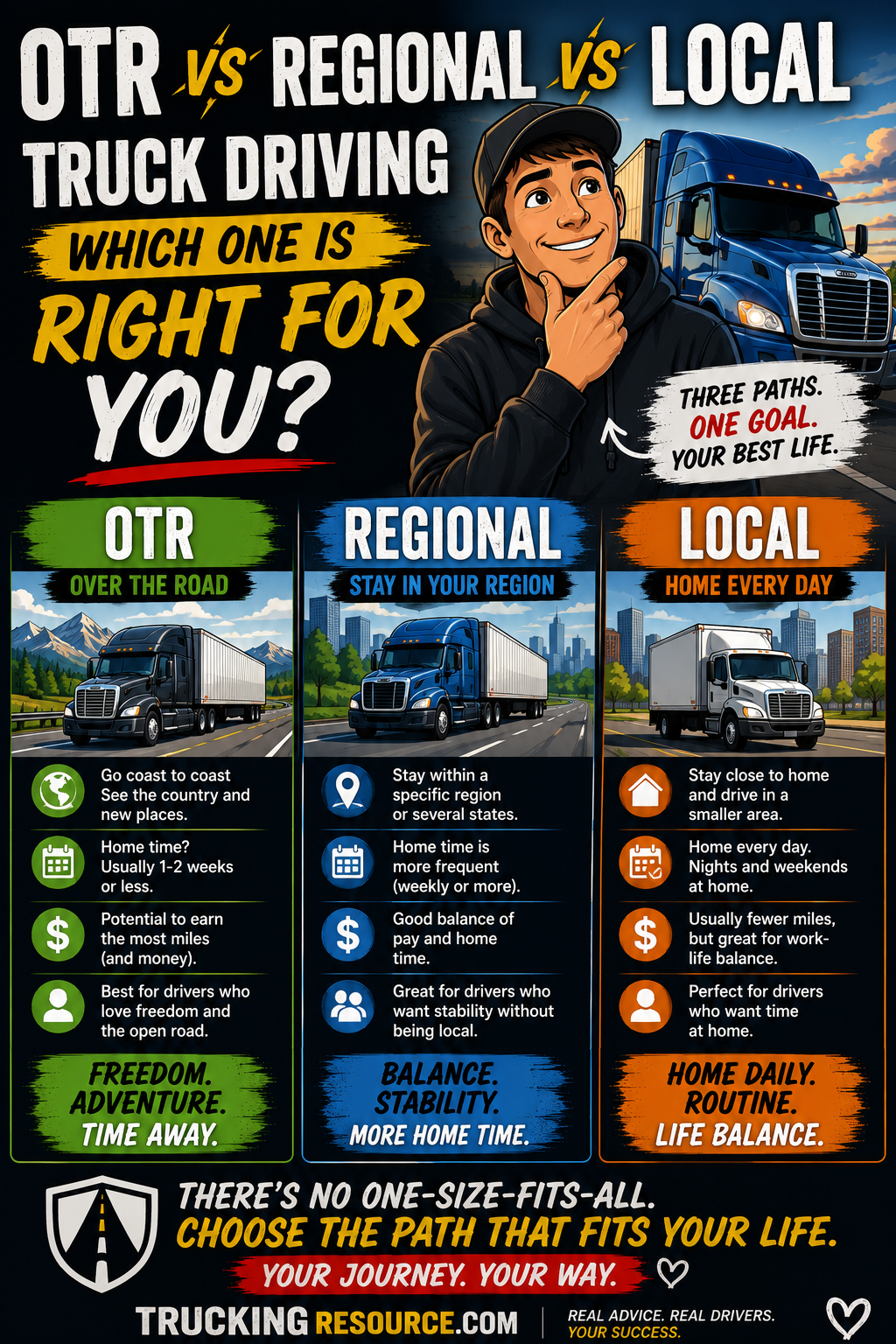
If you’re trying to decide where to start, OTR vs Regional vs Local Truck Driving Which One Is Right for Youexplains the biggest differences and can help you choose a career path that fits your lifestyle instead of someone else’s.
Many drivers begin in one type of trucking and eventually move into another as their priorities change. Your first job doesn’t have to be your forever job.
Why Company Orientation Matters More Than You Think
Many new drivers assume orientation is just paperwork and safety videos. While there is certainly some classroom training, orientation is also your opportunity to learn company policies, ask questions, meet your trainer, and make a strong first impression before hauling your first load.
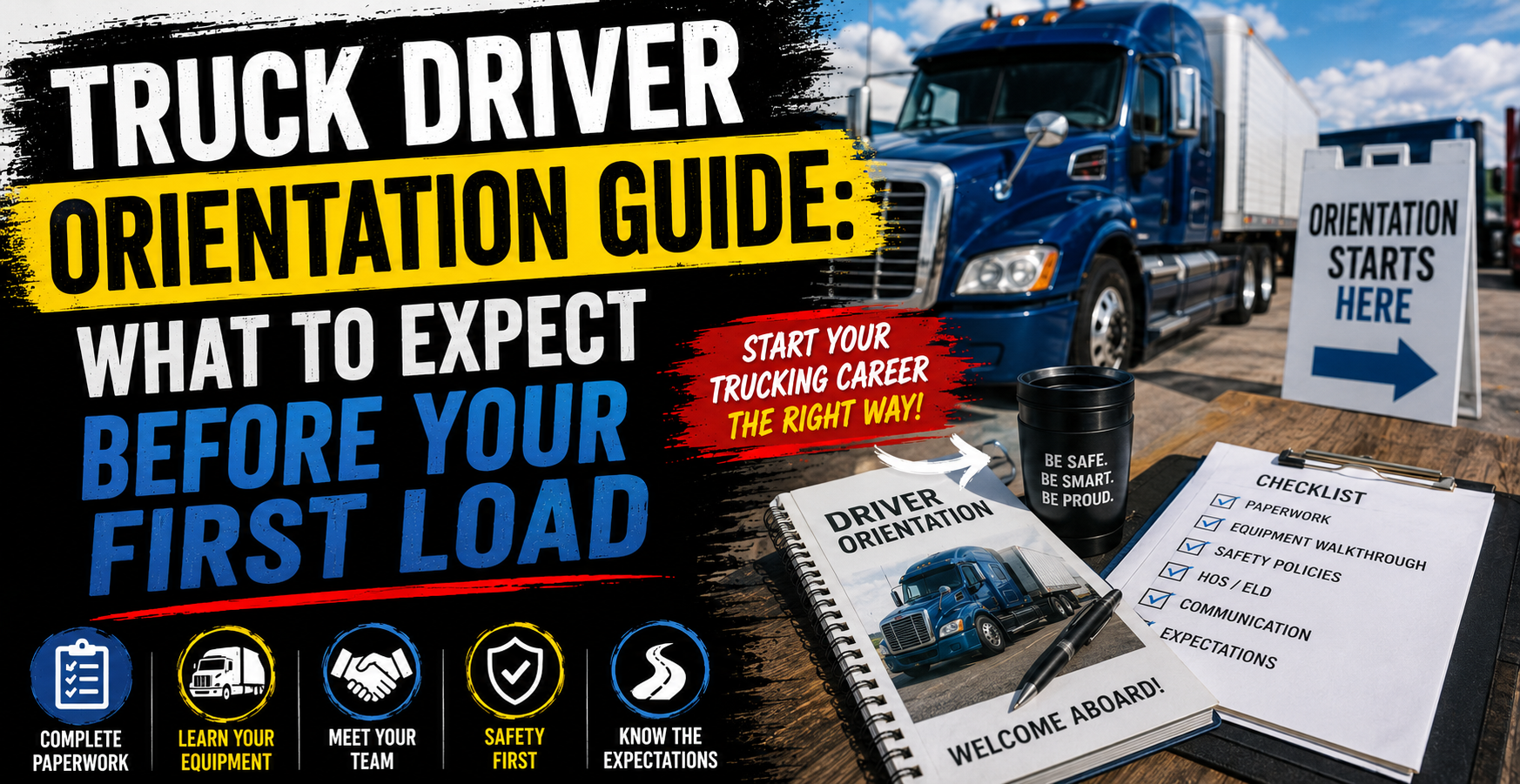
If you’re preparing for your first trucking job, my complete Truck Driver Orientation Guide explains what to expect before you arrive, what happens during orientation, and how to prepare for a successful first week.
Avoiding the Mistakes Almost Every Rookie Makes
Every experienced truck driver has stories about mistakes they made during their first year.
The important thing is that most of those mistakes can be avoided if you know they’re coming.
Some of the most common rookie mistakes include waiting too long to find parking, rushing through pre-trip inspections, relying too heavily on GPS, trying to back too quickly, and being afraid to ask questions.
None of those mistakes happen because someone wants to be careless.
They happen because new drivers are trying to process dozens of new responsibilities all at once.
The good news is that every mile you drive builds experience, and every lesson makes the next day a little easier.
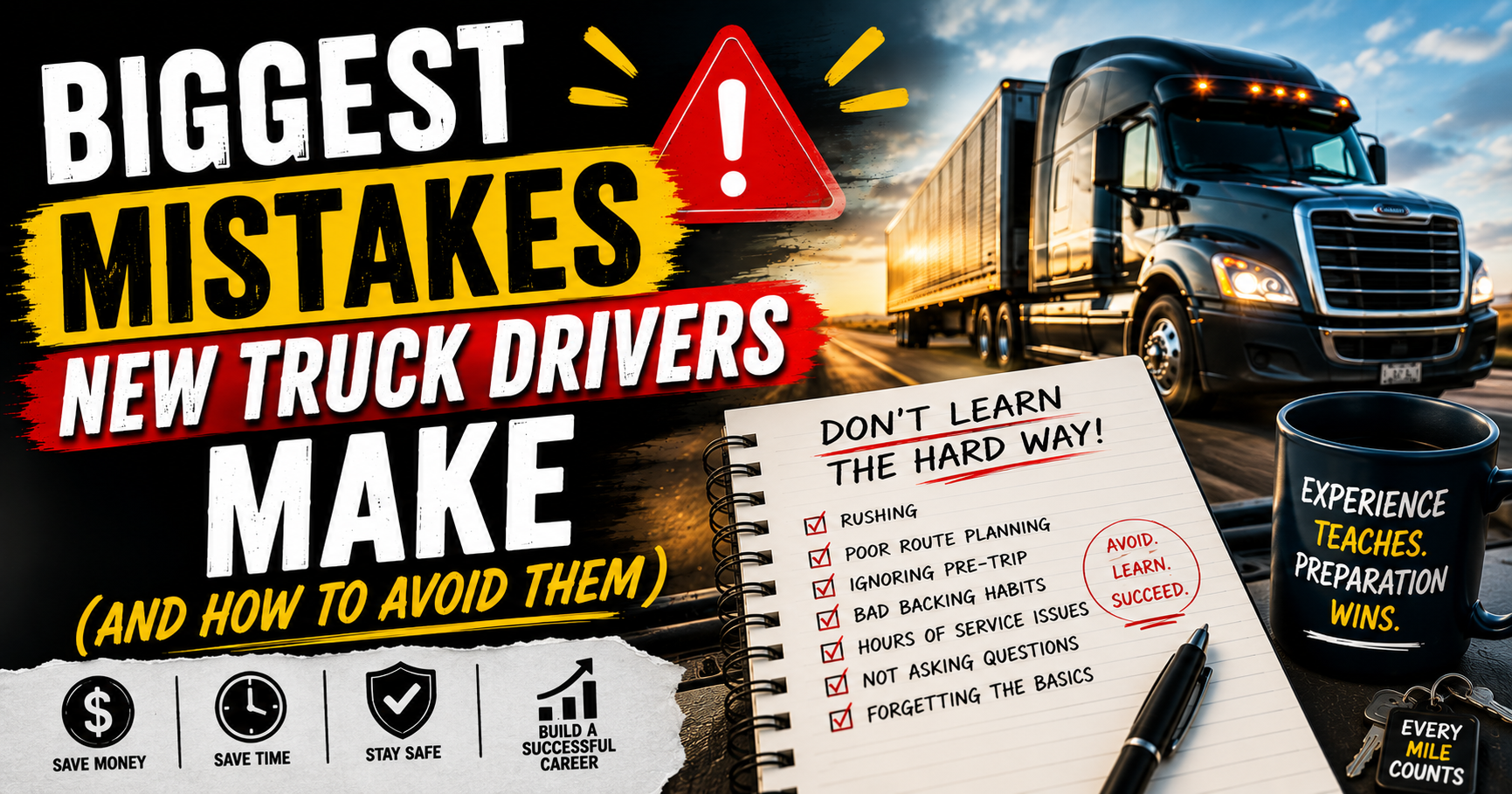
If you want to avoid many of the problems that frustrate new drivers, spend a few minutes reading Biggest Mistakes New Truck Drivers Make and How to Avoid Them before you start your first solo runs.
When Driving Finally Starts Feeling Normal
One of the questions I hear more than almost anything else is,
“When will I finally stop feeling nervous?”
The answer is different for everyone.
Some drivers begin feeling comfortable after a few months.
Others need closer to a year.
The important thing is understanding that confidence isn’t something you wake up with one morning.
It’s earned one safe mile at a time.
The first difficult backing maneuver.
The first snowstorm.
The first tight customer.
The first time you solve a problem completely on your own.
Those moments slowly replace fear with confidence.
Eventually, the things that once seemed overwhelming simply become part of your normal workday.

If you’re in that awkward stage where everything still feels difficult, don’t get discouraged. How Long Does It Take to Feel Comfortable Driving a Semi? explains the milestones many drivers experience during their first year and why patience is one of your greatest tools.


Learning the Unwritten Rules of the Road
CDL school teaches laws.
Experience teaches etiquette.
There are dozens of unwritten rules that make life easier for everyone on the road.
How to use the fuel island.
How to park without blocking other drivers.
When to use GOAL.
How to treat truck stop employees.
How to respect other drivers trying to sleep.
How to leave shared spaces cleaner than you found them.
These aren’t laws.
They’re professional habits.
Drivers who follow them earn respect quickly because they make life easier for everyone around them.
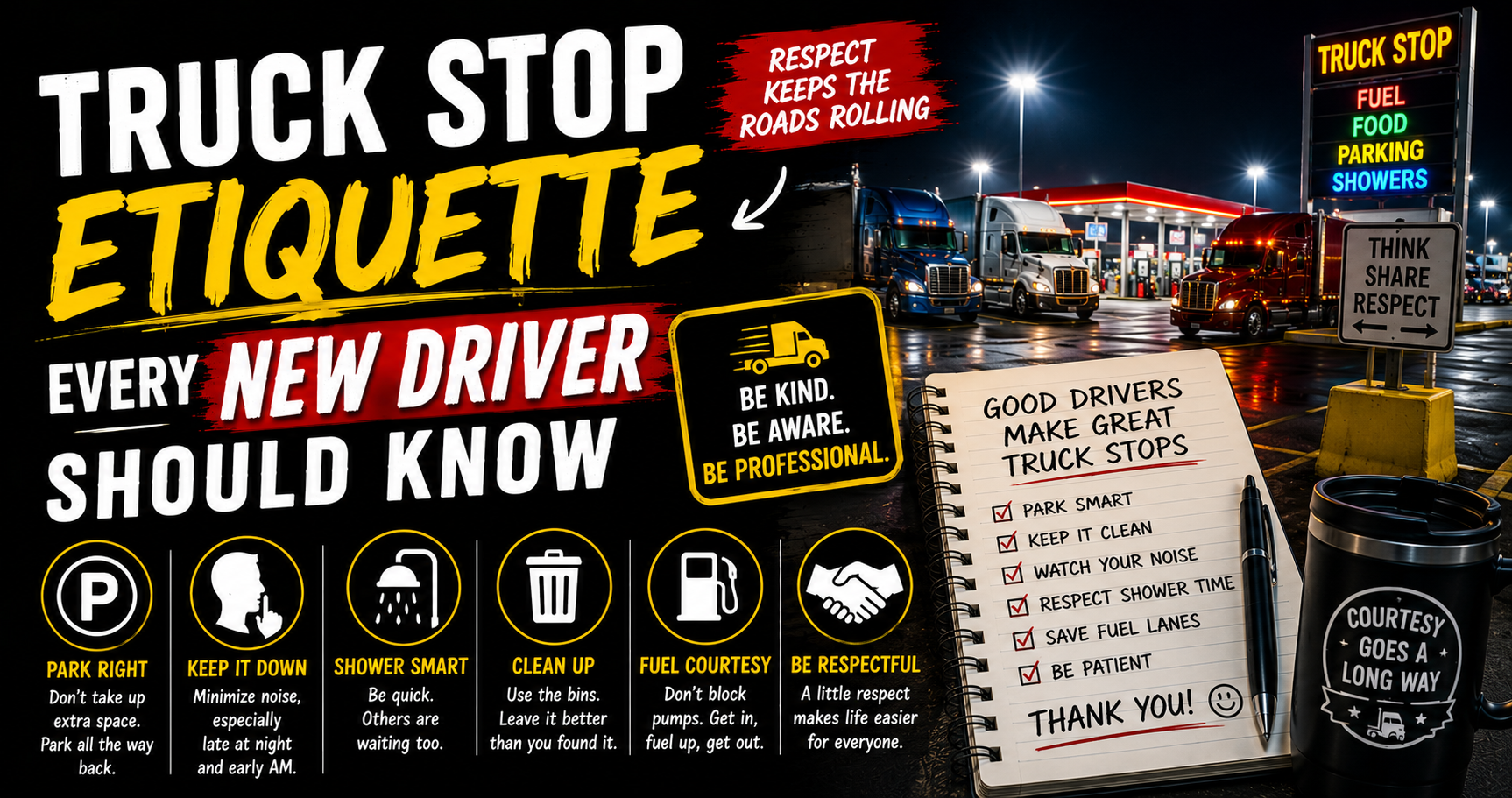
Before spending your first night at a busy truck stop, take a look at Truck Stop Etiquette Every New Driver Should Know. It’s full of simple habits that can make your first few weeks on the road much less stressful.
Gear That Makes Life Easier
You don’t need to buy every gadget marketed to truck drivers.
In fact, many new drivers waste money on equipment they rarely use.
Start with the basics.
Good work gloves.
A quality flashlight.
Rain gear.
Comfortable boots.
Basic hand tools.
Healthy food storage.
A dependable cooler.
A heated lunch box if you plan to prepare meals.
As you gain experience, you’ll naturally discover what makes your own routine easier.
Some drivers prioritize organization.
Others focus on comfort.
Some buy tools that save time during inspections and minor repairs.
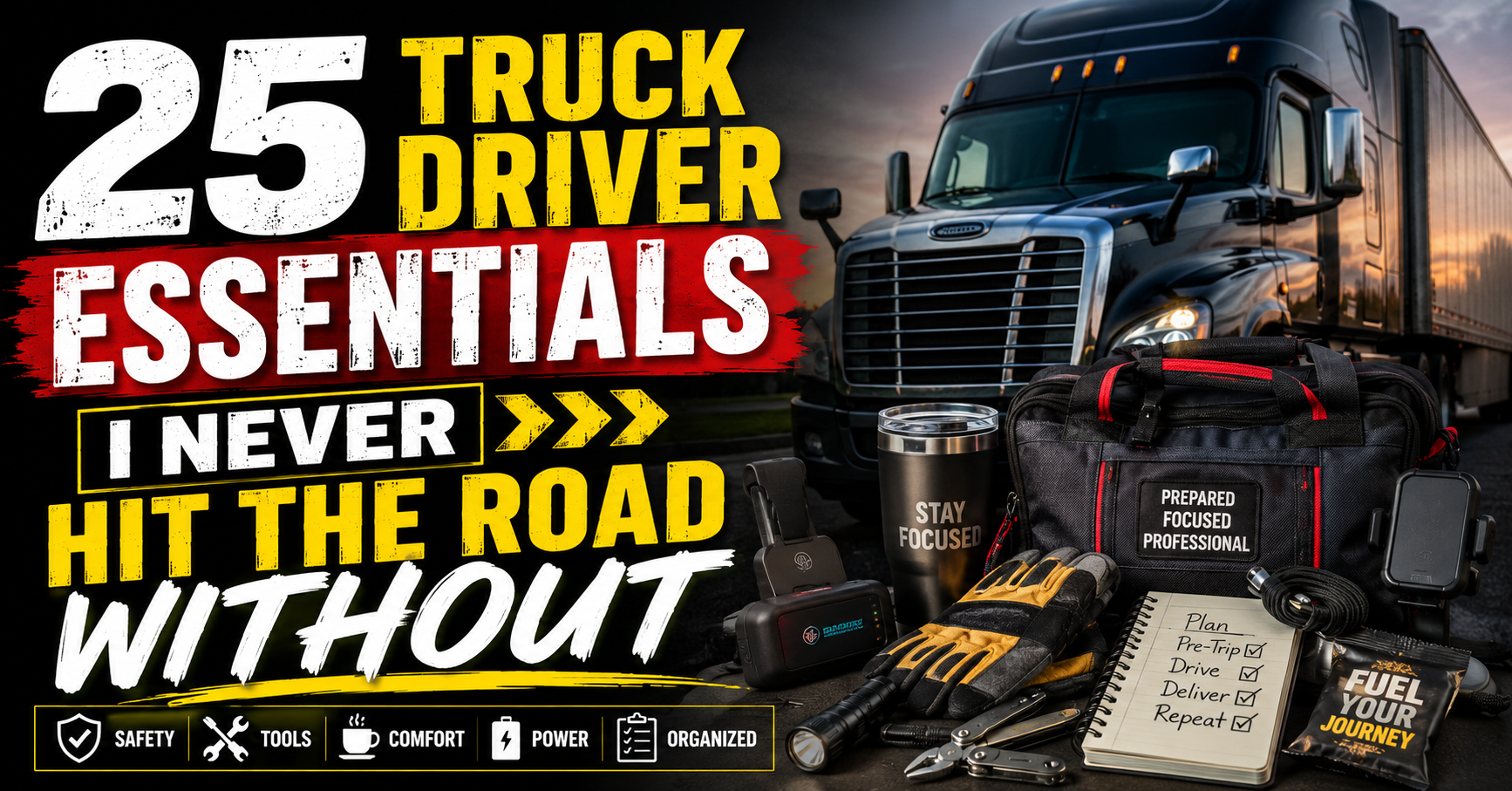
If you’re building your first trucking kit, 25 Truck Driver Essentials I Never Hit the Road Without is a great place to start. It covers the items that many experienced drivers consider worth carrying every day.
Your First Year Will Change You
Your first year isn’t just about learning to drive a truck.
It’s about becoming a professional.
You’ll learn patience.
Time management.
Problem solving.
Communication.
Planning.
Self-confidence.
There will be days when everything goes smoothly.
There will also be days when you wonder why you chose this career.
That’s normal.
Every experienced driver has had those same thoughts at some point.
The drivers who succeed aren’t the ones who never struggle.
They’re the ones who keep showing up, keep asking questions, and keep improving.
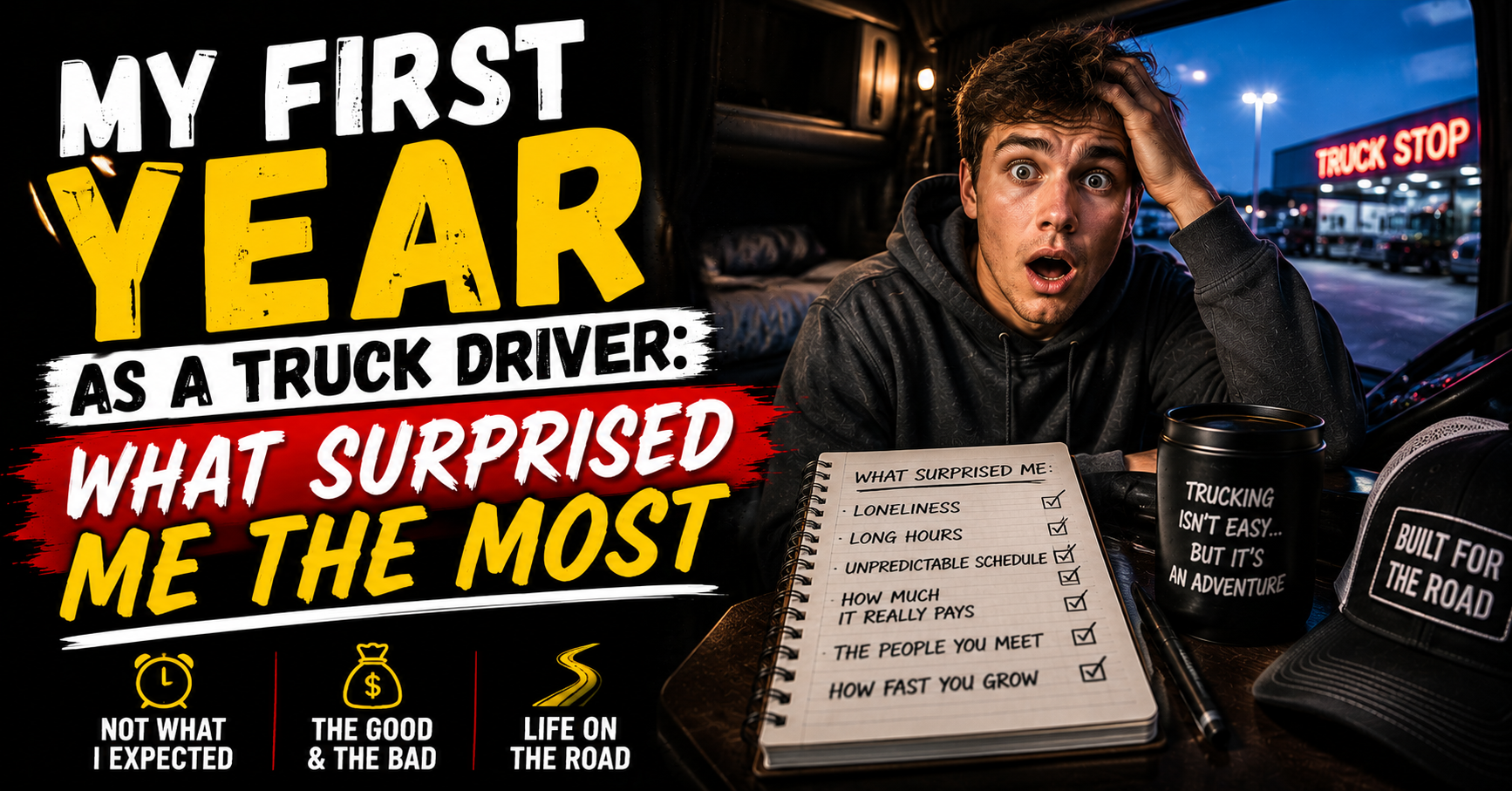
If you’re curious what those first twelve months often look like after the excitement of CDL school wears off, My First Year as a Truck Driver What Surprised Me the Most shares many of the lessons, challenges, and unexpected moments that shape new drivers.
Frequently Asked Questions New Truck Drivers Ask
How long does it take to become a truck driver?
For most people, the entire process takes anywhere from a few weeks to a few months. It depends on how often your CDL school meets, how quickly you pass your permit and skills tests, and how soon you’re hired by a trucking company.
Remember that earning your CDL isn’t the end of your training. Your real education begins during orientation and your first months on the road.
Is trucking a good career in 2026 and beyond?
For many people, yes.
Trucking offers opportunities to earn a solid income without a traditional four-year college degree, and there will continue to be demand for qualified commercial drivers.
Like any career, though, it isn’t for everyone.
The schedule, time away from home, and responsibility of operating a commercial vehicle aren’t good fits for every lifestyle.
That’s why I always encourage people to understand both the positives and challenges before enrolling in CDL school.
Do I have to start as an OTR driver?
No.
Many new drivers do because those jobs are often easier to find, but plenty of companies hire beginners into regional, dedicated, and even some local positions.
The best choice depends on your goals, your location, and the opportunities available near you.
If you’re still deciding, OTR vs Regional vs Local Truck Driving Which One Is Right for You explains the advantages and disadvantages of each path.
Will I still be nervous after getting my CDL?
Absolutely.
Passing the skills test doesn’t magically make you confident.
Most new drivers still feel nervous during their first weeks or even months on the job.
That’s completely normal.
Confidence comes from experience, not from receiving your license.
What is the hardest part of being a new truck driver?
Ask ten experienced drivers and you’ll probably get ten different answers.
For many people, it’s backing into tight spaces.
Others struggle with trip planning, parking, time management, or simply adjusting to life away from home.
The good news is that almost all of these challenges become much easier with practice.
Is it okay to ask my trainer questions?
Not only is it okay…
You should.
Your trainer expects questions.
In fact, asking questions usually shows that you’re paying attention and taking safety seriously.
Don’t worry about looking inexperienced.
You’re supposed to be learning.
When should I start looking for parking?
Earlier than you think.
One of the biggest mistakes rookies make is assuming they’ll easily find parking later in the evening.
Experienced drivers often begin planning their overnight stop hours before they actually park.
Having a backup plan can save a tremendous amount of stress.
What if I can’t back into a parking space?
Take your time.
Pull forward if necessary.
Use GOAL.
Ask another driver to spot you if needed.
Every experienced driver was once the rookie taking several attempts to back into a truck stop space.
Nobody starts out perfect.
Should I compare myself to experienced drivers?
No.
Compare yourself to who you were last week.
Not someone with twenty years behind the wheel.
Every safe mile you drive is another step toward becoming that experienced driver someday.
What should I carry in my truck?
Every driver eventually develops their own setup, but there are a few items nearly everyone appreciates having.
Flashlights.
Rain gear.
Work gloves.
Basic tools.
Cleaning supplies.
Healthy snacks.
Extra charging cables.
Organization bins.
As you spend more time on the road, you’ll naturally discover what works best for your routine.
Is my first trucking company my forever company?
Probably not.
Many drivers change companies after gaining experience.
Some move from OTR to regional.
Others transition into local work.
Some specialize in tankers, flatbeds, or heavy haul.
Your first job is often about gaining experience, building safe habits, and learning the industry.
What if I make a mistake?
You will.
Every driver does.
The goal isn’t to avoid every mistake.
The goal is to learn from them and avoid making the same mistake twice.
That’s how experience is built.
Keep Building Your Career One Mile at a Time
When I look back at my first year, I’m amazed by how much changed.
The things that once seemed impossible eventually became routine.
The truck that once felt enormous eventually felt like an extension of myself.
The nervous rookie who questioned every decision slowly became a driver who trusted his training, planned ahead, and enjoyed the journey.
That’s the path almost every successful truck driver follows.
You don’t need to know everything today.
You don’t need to have every answer before your first load.
You simply need to commit to learning something new every day you climb into the driver’s seat.
That’s how careers are built.
One trip.
One lesson.
One safe mile at a time.
Whether you’re studying for your permit, preparing for your CDL skills test, starting orientation, or already running your first solo loads, I hope this guide helps make your first year a little less overwhelming.
Come back whenever you have questions.
Keep learning.
Keep improving.
Most importantly, enjoy the journey.
One day you’ll look back at your first year and realize it wasn’t just the beginning of your trucking career.
It was the year that gave you the knowledge, confidence, and habits that will stay with you for decades.
Author: Jake Morrison
Jake Morrison has spent nearly two decades driving dry van, refrigerated, dedicated, and regional freight throughout the United States. He’s mentored dozens of new drivers during their first year on the road and enjoys helping future truckers build confidence, avoid common mistakes, and create long, successful careers in the trucking industry.