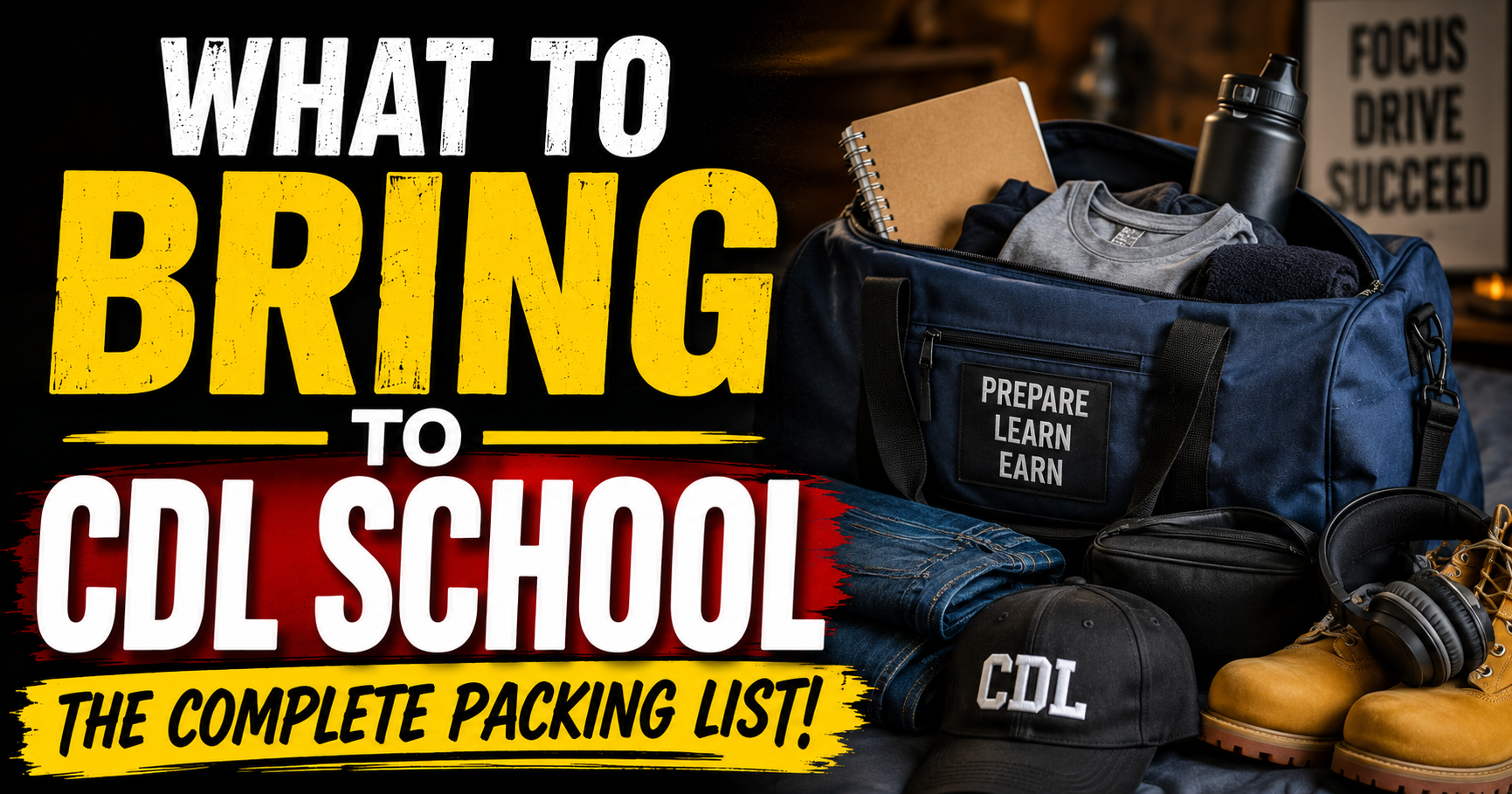
Walking into CDL school for the first time can be exciting, but it can also feel a little overwhelming.
I remember wondering if I had everything I needed.
Should I bring work boots?
Would I need tools?
How many clothes should I pack if I was staying away from home?
What about study materials?
The truth is that most new students either overpack or forget a few important items.
This guide will help you avoid both problems.
I’ll walk you through everything I recommend bringing to CDL school, along with a few things I wish someone had told me before my first day.
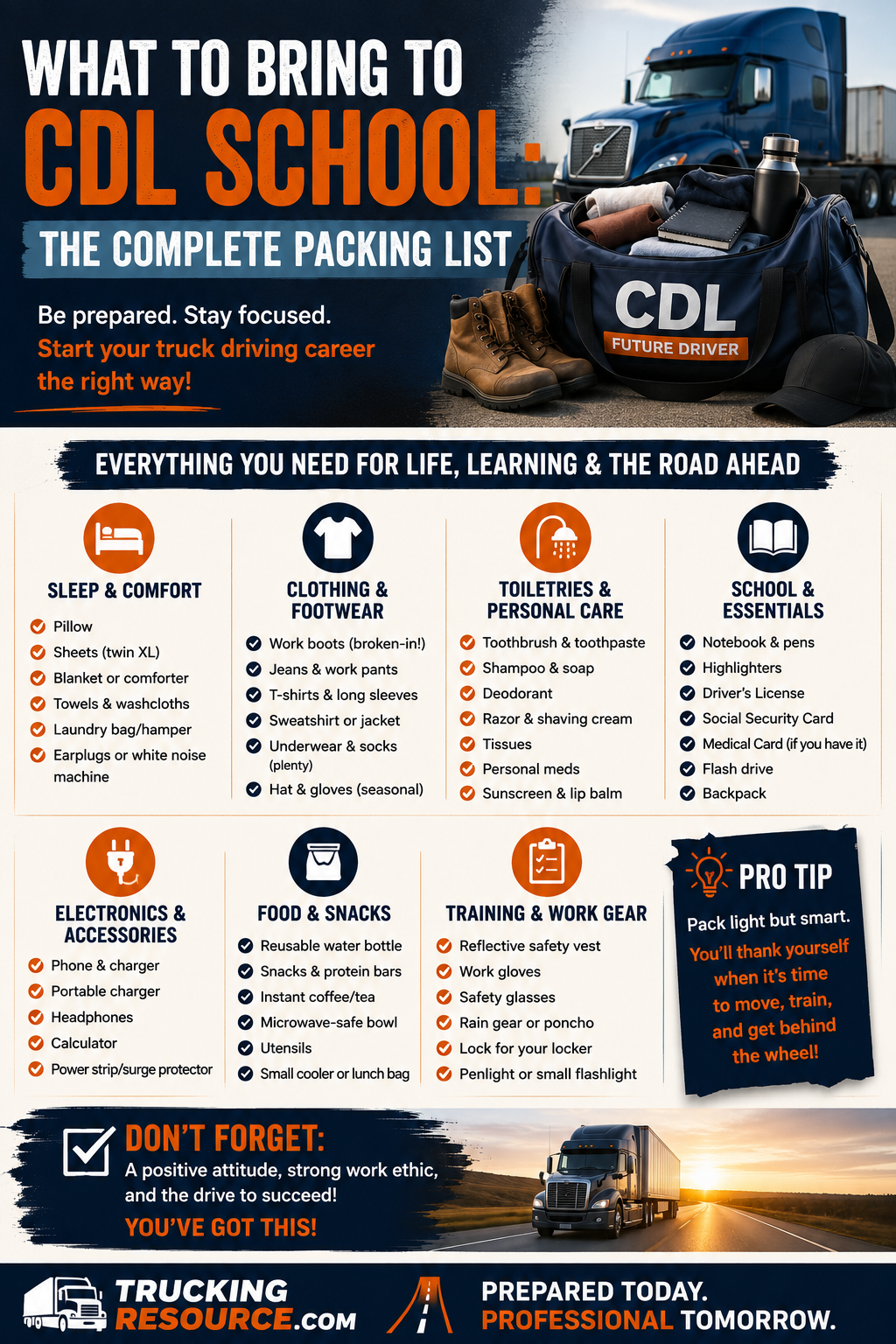
Whether you’re attending a local school or staying on campus for several weeks, this list will help you show up prepared and ready to focus on earning your CDL.
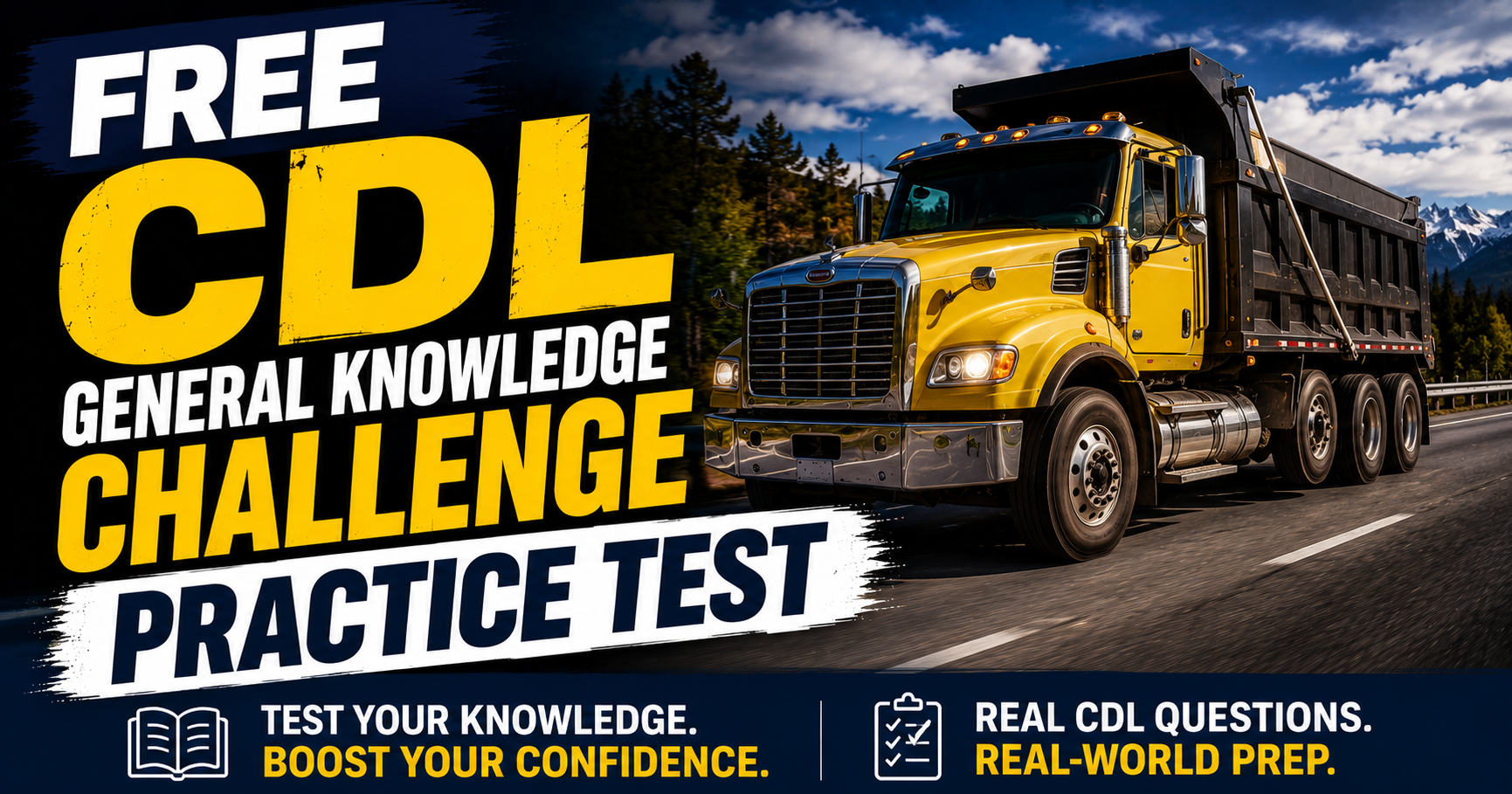
Before your first class, I also recommend reading our CDL General Knowledge Test Explained: Complete Study Guide. Understanding the written exam material early makes the classroom portion of CDL school much less stressful.
Bring the Required Documents First
Nothing can delay your first day faster than missing paperwork.
Before packing anything else, make sure you have the documents your school requires.
These often include:
- Driver’s license
- CDL permit (if required before training)
- DOT medical certificate
- Social Security card
- Proof of residency
- School enrollment paperwork
- Payment information if applicable
Every school is a little different, so double-check your enrollment packet before leaving home.
Comfortable Work Boots Are a Must
You’ll spend much more time outside than most students expect.
Pre-trip inspections.
Coupling practice.
Backing exercises.
Walking around trucks.
Standing on gravel lots.
Good boots make a huge difference.
I recommend investing in a quality waterproof pair instead of buying the cheapest boots you can find.
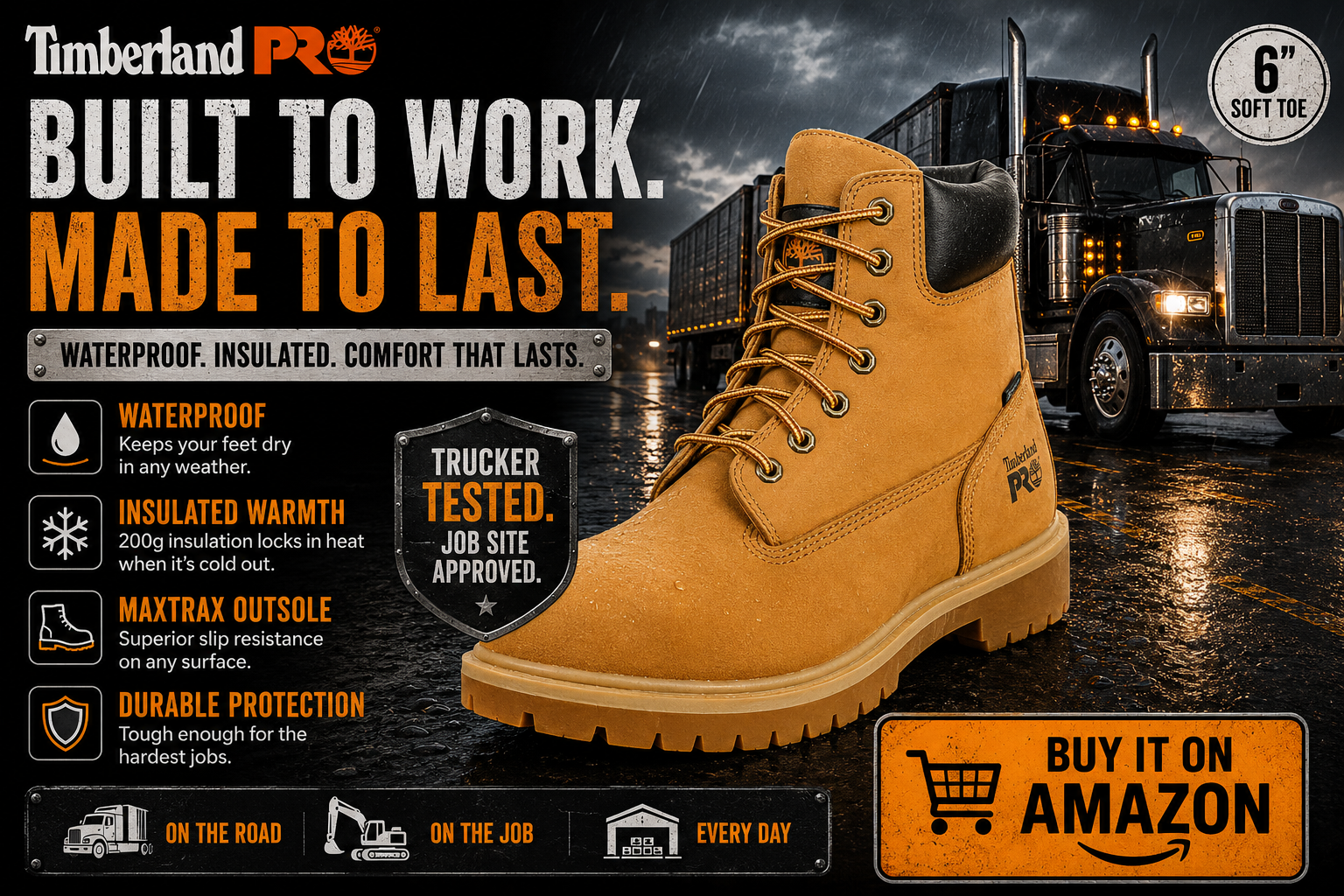
I’ve had great luck with the Timberland PRO Waterproof Work Boots because they’re comfortable enough to wear all day while still providing the traction and durability CDL students need.
Dress for the Weather
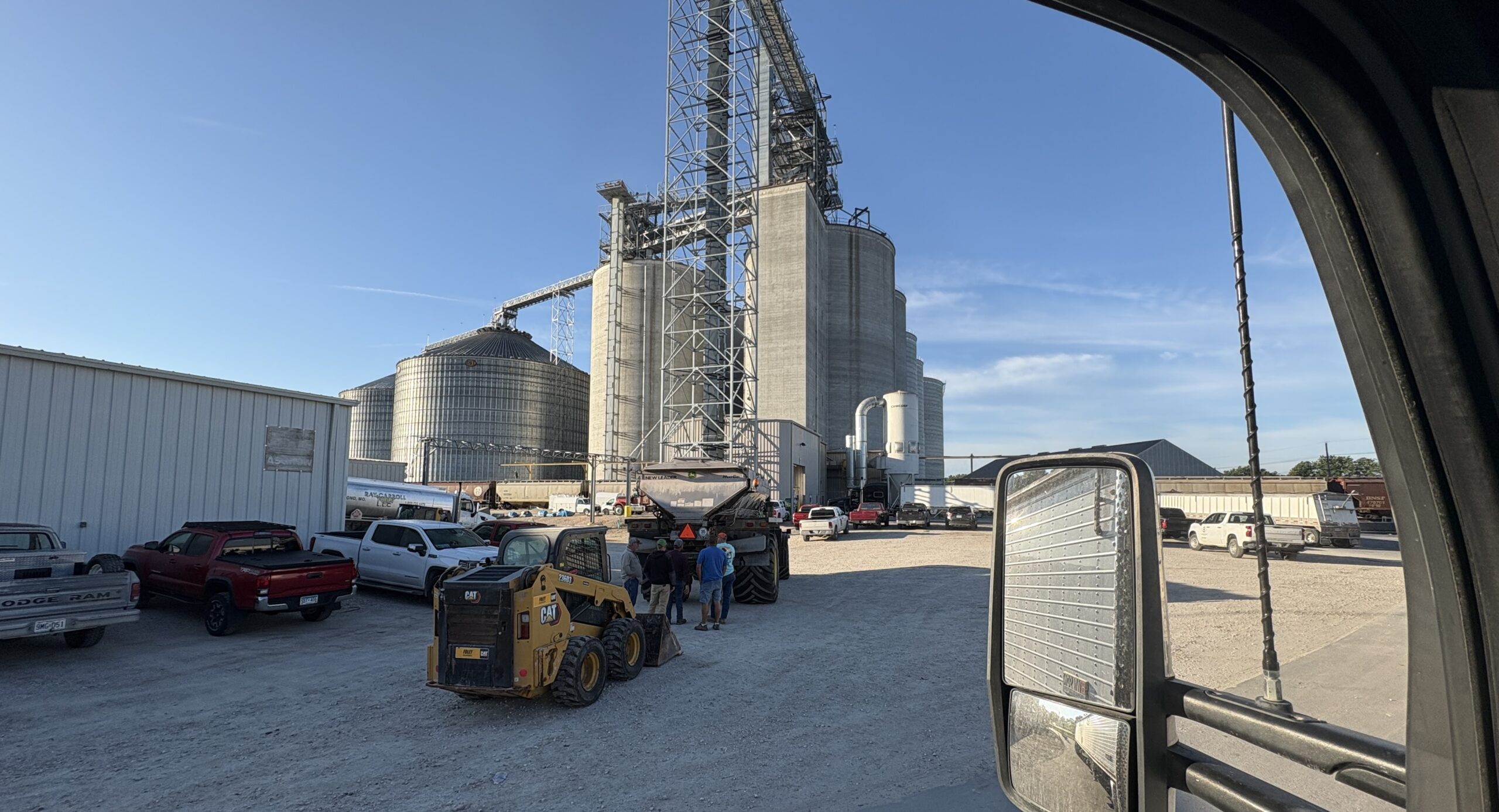
Unlike many classrooms, CDL school happens outdoors regardless of the season.
That means packing clothing for changing weather.
I always recommend bringing:
- Jeans or durable work pants.
- T-shirts.
- Long-sleeve shirts.
- Sweatshirts.
- A warm jacket.
- Rain gear.
- Hat and gloves during colder months.
You’ll enjoy training much more if you’re comfortable instead of freezing or soaked.
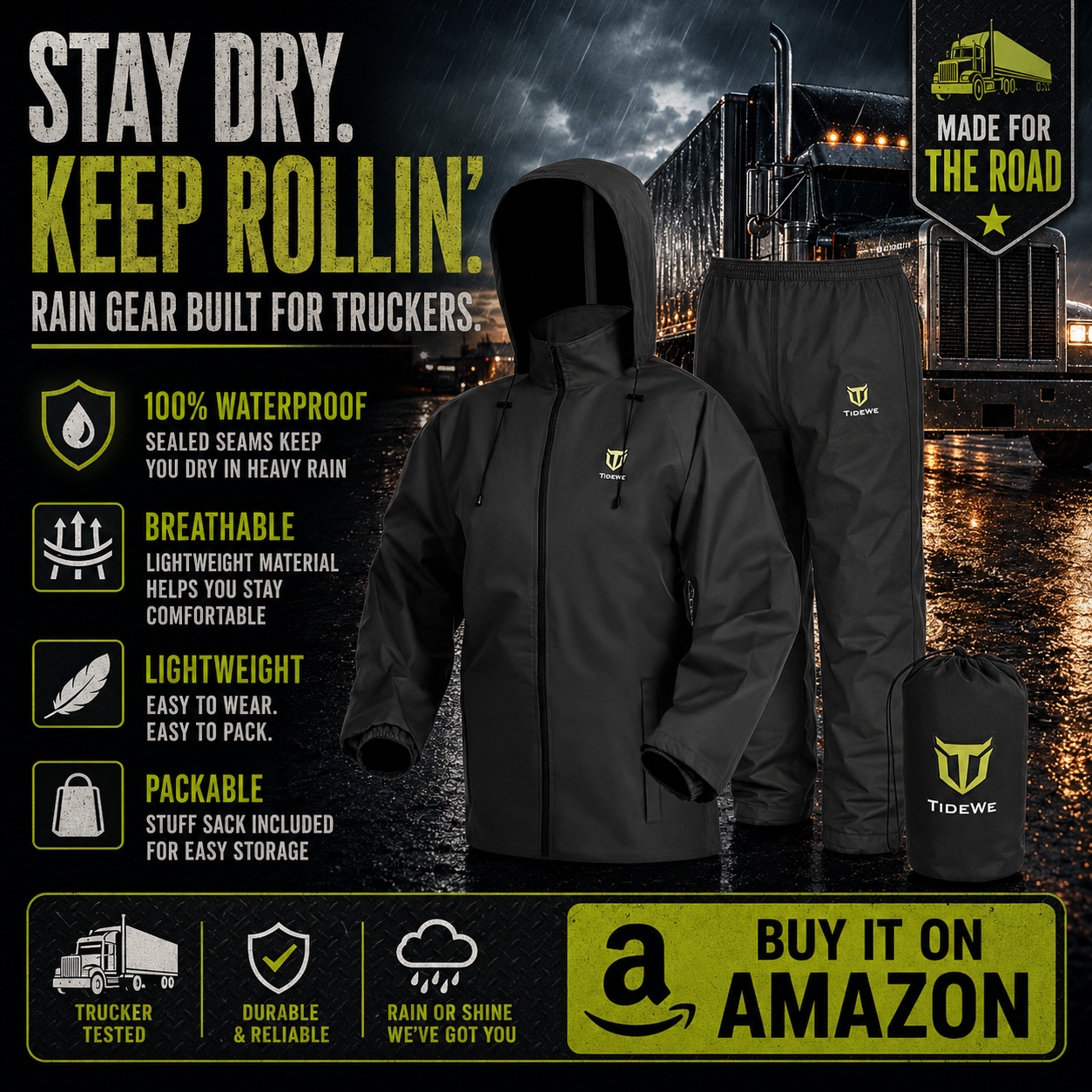
The TIDEWE Waterproof Rain Suit packs down small enough to keep in your bag and has saved me more than once during unexpected downpours.
Bring a Good Backpack
A sturdy backpack keeps everything organized throughout training.
Mine usually held:
- CDL manual.
- Notebook.
- Pens.
- Water bottle.
- Snacks.
- Phone charger.
- Safety glasses.
- Gloves.
Being organized saves time and keeps you focused on learning instead of searching for misplaced items.
A Notebook Is Still Worth Carrying
Even though most of us use our phones for everything, I still recommend carrying a notebook.
You’ll hear dozens of helpful tips from instructors that aren’t written in the manual.
Writing them down makes it much easier to review later.
Some of the most valuable lessons you’ll learn come from experienced drivers sharing real-world advice rather than reading directly from a textbook.
Don’t Forget a Pair of Work Gloves
One thing that surprised me during CDL school was how often I’d be climbing under trailers, checking tires, opening trailer doors, and handling equipment.
A decent pair of work gloves quickly became one of the most-used items I packed.
They help protect your hands while:
- Performing pre-trip inspections
- Handling trailer connections
- Checking tires
- Opening stubborn trailer doors
- Working around greasy components
Even if your school doesn’t specifically recommend gloves, you’ll probably be glad you brought them.
Bring a Reusable Water Bottle
Most CDL schools spend several hours each day outside.
If you’re training during the summer, you’ll be surprised how quickly dehydration can catch up with you.
Keeping a large reusable water bottle nearby makes it much easier to stay hydrated throughout the day instead of relying on vending machines whenever you get thirsty.
It’s one of the simplest things you can pack, but it makes a noticeable difference.
Pack Snacks You Can Eat Quickly
Training days can be busy.
Some days you’ll spend hours on the driving range or practicing backing maneuvers before you realize how hungry you are.
I always recommend bringing snacks like:
- Protein bars
- Beef jerky
- Mixed nuts
- Crackers
- Fruit
- Trail mix
Having something to eat between lessons helps you stay focused instead of thinking about lunch.
Sunglasses Are More Important Than You Think
You’ll spend a lot of time driving directly into the morning or afternoon sun.
A good pair of polarized sunglasses reduces glare and helps you see road signs, mirrors, and surrounding traffic more clearly.
They’re also much more comfortable during long days on the training range.
Bring a Phone Charger…and a Backup
Your phone becomes one of your most useful tools during CDL school.
You’ll probably use it for:
- GPS directions
- Communicating with family
- Looking up CDL information
- Taking notes
- Checking your training schedule
The last thing you want is a dead battery halfway through the day.
I recommend packing both a wall charger and a vehicle charging cable so you’re covered wherever you are.
A Headlamp Makes Early Morning Inspections Much Easier
Many CDL schools begin pre-trip inspections early in the morning.
Depending on the time of year, it may still be dark outside.
A headlamp keeps both hands free while you’re inspecting tires, brake components, suspension parts, and coupling equipment.
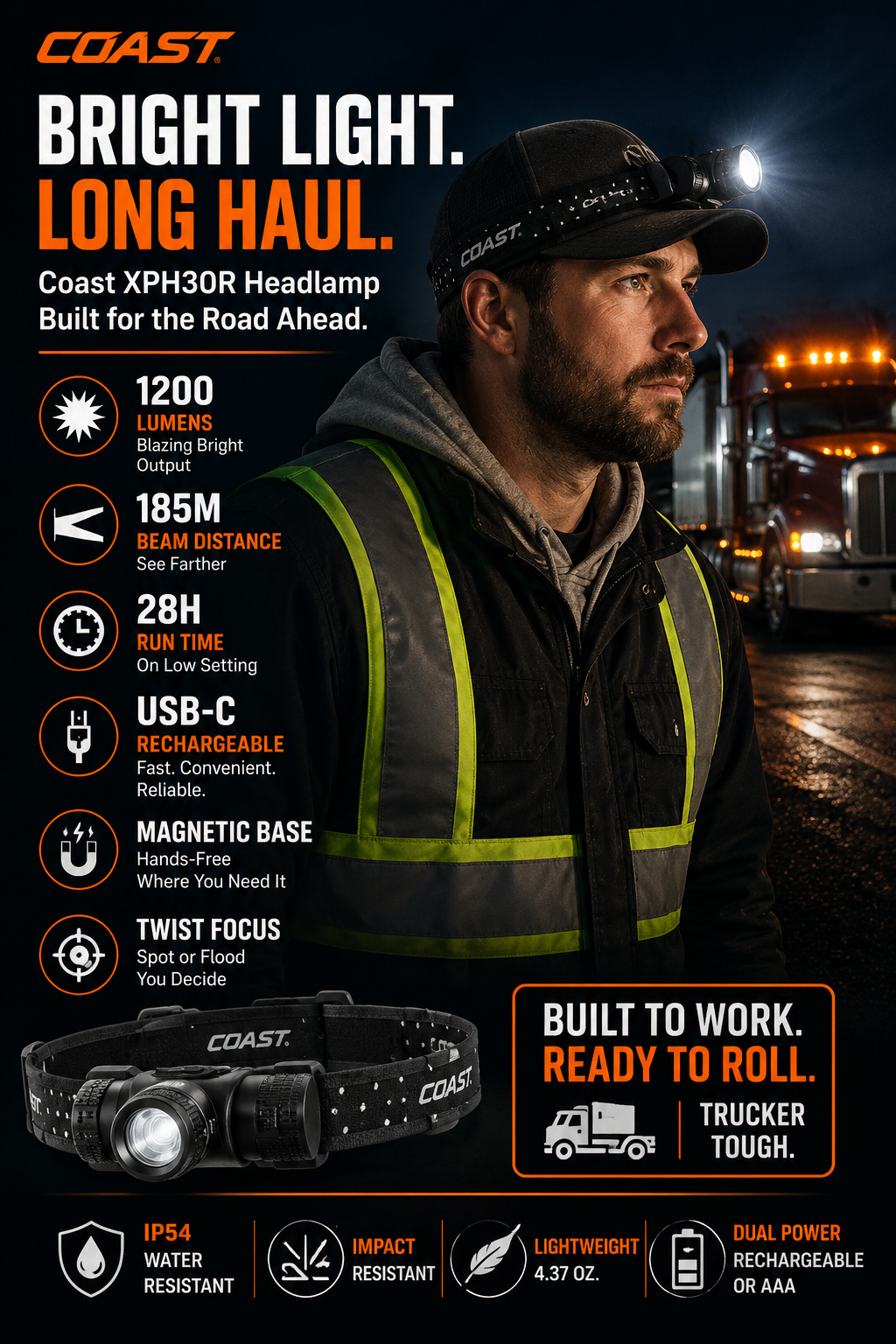
I’ve carried the Coast XPH30R USB-C Rechargeable Dual Power Headlamp for years because it’s lightweight, bright, and incredibly useful whenever I’m working around equipment in low light.
It’s one of those tools you’ll probably continue using long after you’ve finished CDL school.
Keep a Small Multi-Tool in Your Backpack
You won’t be rebuilding an engine during CDL school, but a small multi-tool comes in handy much more often than people expect.
I’ve used one for everything from cutting zip ties to tightening loose screws on personal gear.
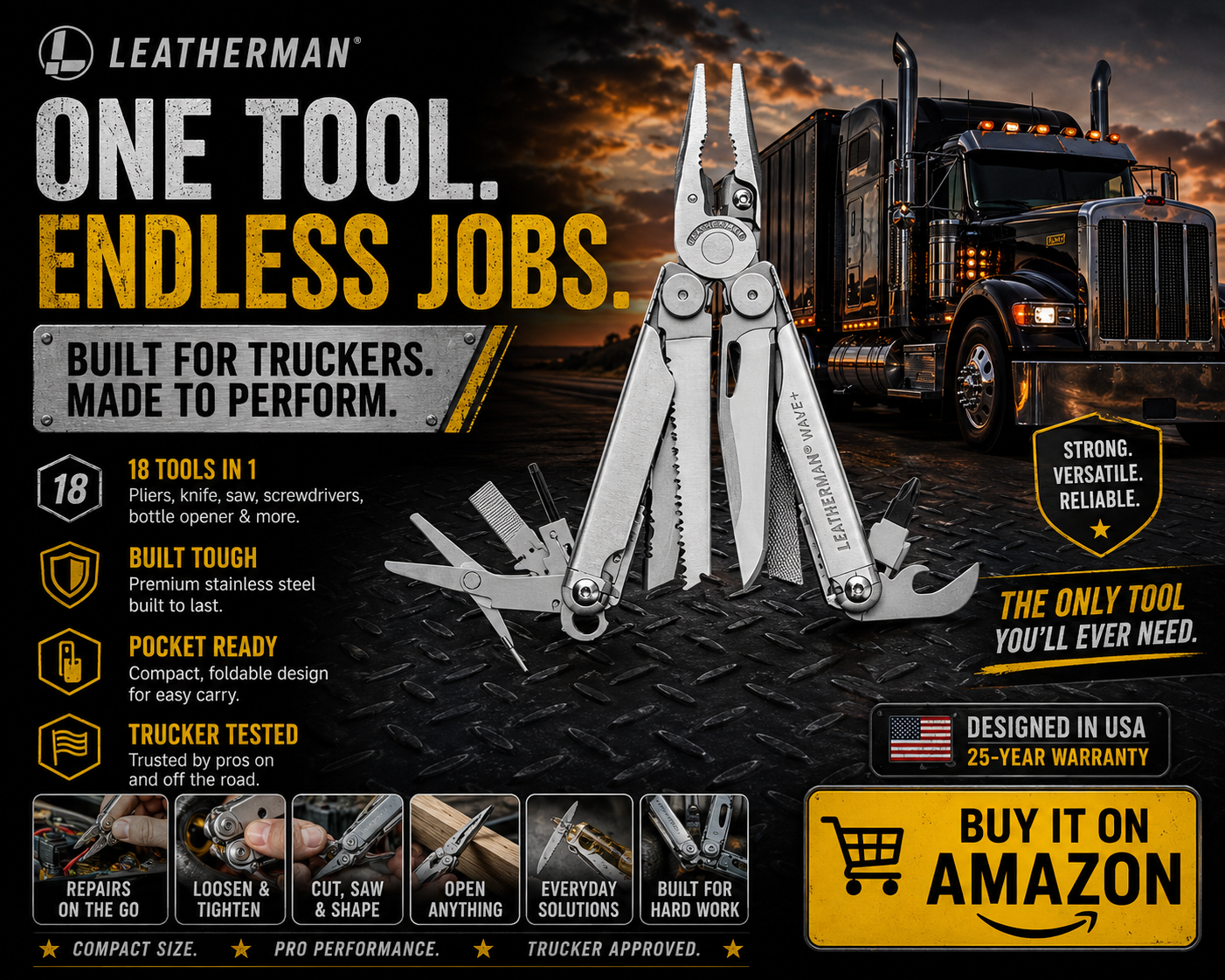
The Leatherman Wave+ Multi-Tool is compact enough to carry every day and solves dozens of little problems that pop up during training and life on the road.
Organize Your Study Materials
It’s amazing how quickly papers begin piling up.
You’ll likely receive:
- Handouts
- Practice quizzes
- Inspection sheets
- Notes
- Safety information
- Study guides
Keeping everything together in a folder or binder saves you from searching for important information later.
Organization also makes studying much less stressful as your permit test approaches.
Study a Little Every Day
One mistake I see many students make is waiting until the weekend before the permit exam to begin studying seriously.
That usually leads to frustration.
Instead, spend a little time every evening reviewing what you learned that day.
Even thirty minutes of consistent studying often produces much better results than trying to learn everything in one marathon session.
I also recommend working through our 25 Common CDL Permit Test Questions Explained (With Correct Answers)because it explains why the answers are correct instead of simply telling you which choice to select.
Use Practice Tests to Build Confidence
Once you’ve reviewed the material, start taking practice exams.
They’re one of the best ways to discover which topics still need more attention.
I usually tell new students not to worry if they miss questions at first.
Every incorrect answer simply points you toward something worth reviewing.
Our 125-Question CDL Permit Test Simulator is especially helpful because it feels much closer to taking the real written exam than shorter quizzes.
Get Plenty of Sleep
This may sound obvious, but it’s one of the most overlooked parts of CDL school.
Trying to learn while you’re exhausted makes everything harder.
Driving requires concentration.
So does studying.
A good night’s sleep improves both.
Showing up rested also helps you stay focused during classroom instruction and behind-the-wheel training.
Don’t Be Afraid to Ask Questions
Your instructors have probably trained hundreds or even thousands of students.
If something doesn’t make sense, ask.
You’re much better off asking a question in the classroom than guessing once you’re behind the wheel of a commercial vehicle.
Most instructors appreciate students who genuinely want to understand the material.
Remember That Everyone Starts as a Beginner
One thing I wish someone had told me before my first day is this:
Almost nobody arrives at CDL school already knowing everything.
Everyone struggles with something.
Some students find backing difficult.
Others struggle with shifting, inspections, or remembering air brake components.
That’s completely normal.
Focus on improving a little every day instead of comparing yourself to everyone else in the class.
What Not to Bring to CDL School
You don’t need to pack everything you own.
In fact, bringing too much often creates unnecessary clutter.
I recommend leaving expensive valuables at home unless you truly need them.
Avoid bringing:
- Large amounts of cash
- Excessive clothing
- Expensive jewelry
- Bulky electronics you won’t use
- Anything that could distract you from training
Your goal is to stay comfortable, organized, and focused on earning your CDL.
One Resource I Recommend Before Your First Day
If you’re still a few weeks away from starting school, spend some time working through our CDL General Knowledge Test Explained: Complete Study Guide.
Understanding the written material before classes begin makes everything else easier because you’ll already be familiar with many of the terms your instructors use.
You’ll walk into CDL school feeling prepared instead of overwhelmed, and that confidence can make a huge difference during your first week of training.
Frequently Asked Questions About CDL School
Do I need my CDL permit before starting CDL school?
That depends on the school.
Some training programs require you to earn your Commercial Learner’s Permit (CLP) before your first day, while others include classroom instruction that helps you prepare for the written exam.
Before showing up, ask your school exactly what they expect you to have completed.
If you’re still studying for your permit, our CDL General Knowledge Test Explained: Complete Study Guide is a great place to start.
How many pairs of clothes should I bring?
If you’re attending a local school and going home each evening, you obviously won’t need much.
If you’re staying on campus or away from home for several weeks, pack enough comfortable clothes for about a week before doing laundry.
Remember that much of your training happens outside.
Your clothes will likely get dirty during pre-trip inspections and driving practice.
Will I need tools during CDL school?
Usually not.
Most schools provide the equipment needed for training.
That said, having a few personal items like a flashlight, work gloves, notebook, and multi-tool can make your day much easier.
You don’t need to bring an entire mechanic’s toolbox.
Should I buy everything before school starts?
Not necessarily.
Start with the basics.
As you go through training, you’ll quickly figure out which items you’ll actually use every day.
It’s much better to buy quality gear gradually than spend money on equipment you’ll never use.
Common Mistakes New CDL Students Make
I’ve talked with a lot of new drivers over the years, and many of them mentioned making the same mistakes during their first few weeks of training.
Fortunately, they’re all easy to avoid.
Waiting Too Long to Study
Many students assume they’ll start studying once classes begin.
That usually makes the first week much more stressful than it needs to be.
Even spending a few evenings reviewing CDL material beforehand gives you a huge head start.
Wearing the Wrong Clothing
I’ve seen students show up wearing clothing better suited for an office than a truck yard.
Remember, you’ll spend hours:
- Walking around trucks.
- Climbing in and out of the cab.
- Crawling under trailers during inspections.
- Standing on gravel or pavement.
Dress for the work you’ll actually be doing.
Being Afraid to Make Mistakes
Every experienced truck driver was once a beginner.
Everyone stalls a truck.
Everyone misses a gear.
Everyone struggles with backing.
Everyone forgets inspection items.
Making mistakes during training is part of learning.
The important thing is asking questions and improving each day.
Not Taking Notes
You’ll hear countless small tips from instructors that aren’t printed in the CDL manual.
Write them down.
Months later, those notes often become some of your most valuable study material.
What Happens After CDL School?
Graduating from CDL school is a major accomplishment, but it’s really just the beginning of your trucking career.
After training, you’ll usually move on to:
- Passing your CDL skills test.
- Receiving your commercial driver’s license.
- Applying for trucking jobs.
- Completing company orientation.
- Training with an experienced driver if required.
- Getting your own truck.
The learning doesn’t stop after graduation.
In many ways, that’s when the real education begins.
Every trip teaches you something new.
My Best Advice for New CDL Students
If I could give every new CDL student a few pieces of advice before their first day, it would be these:
- Show up early.
- Ask questions.
- Take your time.
- Don’t compare yourself to other students.
- Practice consistently.
- Stay positive.
- Focus on becoming a safe driver instead of simply passing the test.
Your instructors can teach you how to shift gears, perform inspections, and back a trailer.
Developing good habits, however, is something only you can do.
The habits you build during CDL school will stay with you throughout your entire career.
Build Your Confidence Before the First Day
One of the biggest advantages you can give yourself is arriving at CDL school already familiar with the material.
Instead of hearing terms like “air brakes,” “off-tracking,” or “pre-trip inspection” for the very first time, you’ll already have a basic understanding of what your instructors are talking about.
Before classes begin, I recommend working through these resources:
- CDL General Knowledge Test Explained: Complete Study Guide
- CDL Air Brakes Explained: Complete Beginner’s Guide
- CDL Combination Vehicles Explained: Complete Beginner’s Guide
- 25 Common CDL Permit Test Questions Explained (With Correct Answers)
If you’re serious about passing your written exams on the first try, I also recommend the CDL General Knowledge Study Guide PDF, the CDL Master Question Bank PDF, and the 21-Day CDL Permit Exam Mastery Workbook PDF. Together, they provide a structured study plan and hundreds of realistic practice questions to help you build confidence before test day.
Walking into CDL school prepared won’t guarantee everything will be easy, but it will allow you to spend less time worrying about the basics and more time learning the hands-on skills that will make you a safer, more confident professional driver.
Author: Tyler Brooks
Tyler Brooks spent more than 18 years driving commercial trucks across the Midwest and Southeast, hauling dry van, flatbed, and refrigerated freight. He has mentored new CDL drivers throughout his career and enjoys helping future truckers build confidence before they ever climb behind the wheel of their first big rig.