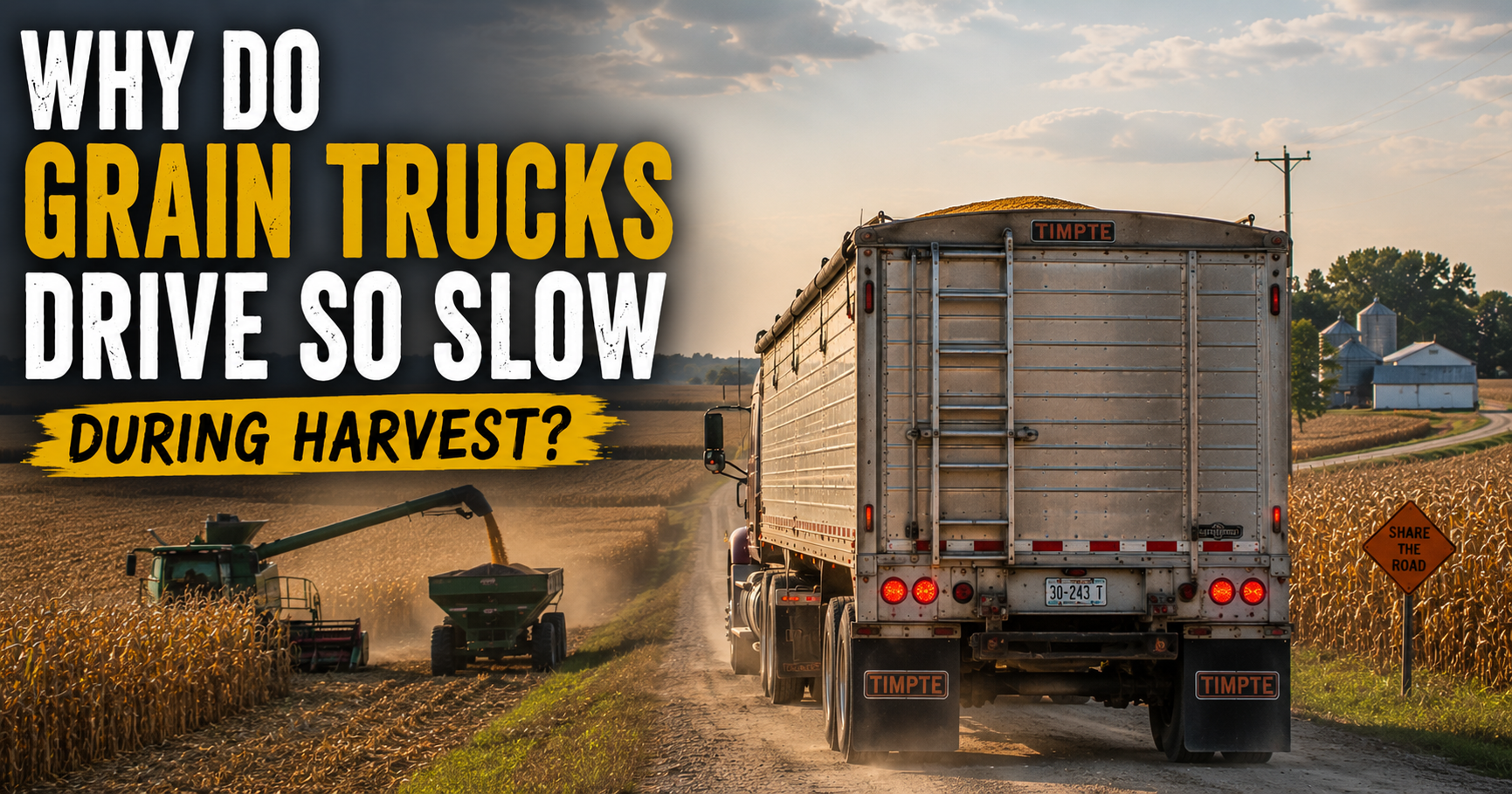
I’ll admit it.
Before I became a truck driver, I probably wondered the same thing.
Why is this grain truck driving so slowly?
Why are they braking so early?
Why are they taking forever to make a turn?
Now that I’ve spent time hauling corn during harvest, I see those situations completely differently.
Most of the time, the driver isn’t being overly cautious.
They’re simply driving a heavy commercial vehicle the way it should be driven.
Once you understand everything happening inside and around that truck, the slower speeds make a lot more sense.
A Loaded Grain Truck Doesn’t Stop Like a Pickup
The biggest difference is weight.
A loaded grain truck weighs many times more than the average passenger vehicle.
That extra weight affects almost everything.
Acceleration takes longer.
Stopping takes longer.
Turns require more planning.
If I see traffic slowing ahead, I don’t wait until the last second to brake.
I start planning much earlier.
That’s not because I’m nervous.
It’s because a heavy truck simply needs more distance to slow down safely.
One of the biggest adjustments for new drivers is learning to think farther ahead instead of reacting at the last moment.
I noticed that during my very first week behind the wheel, and it’s something that’s becoming more natural every day.
Harvest Doesn’t Happen Only on Wide Highways
A lot of my driving isn’t on four-lane highways.
It’s on county roads.
Many of those roads are narrow.
Some have ditches running alongside them.
Others have mailboxes, culverts, and road signs close to the edge of the pavement.
Turning a loaded semi onto one of those roads isn’t something you rush.
It takes planning.
It takes patience.
And sometimes it simply takes a few extra seconds.
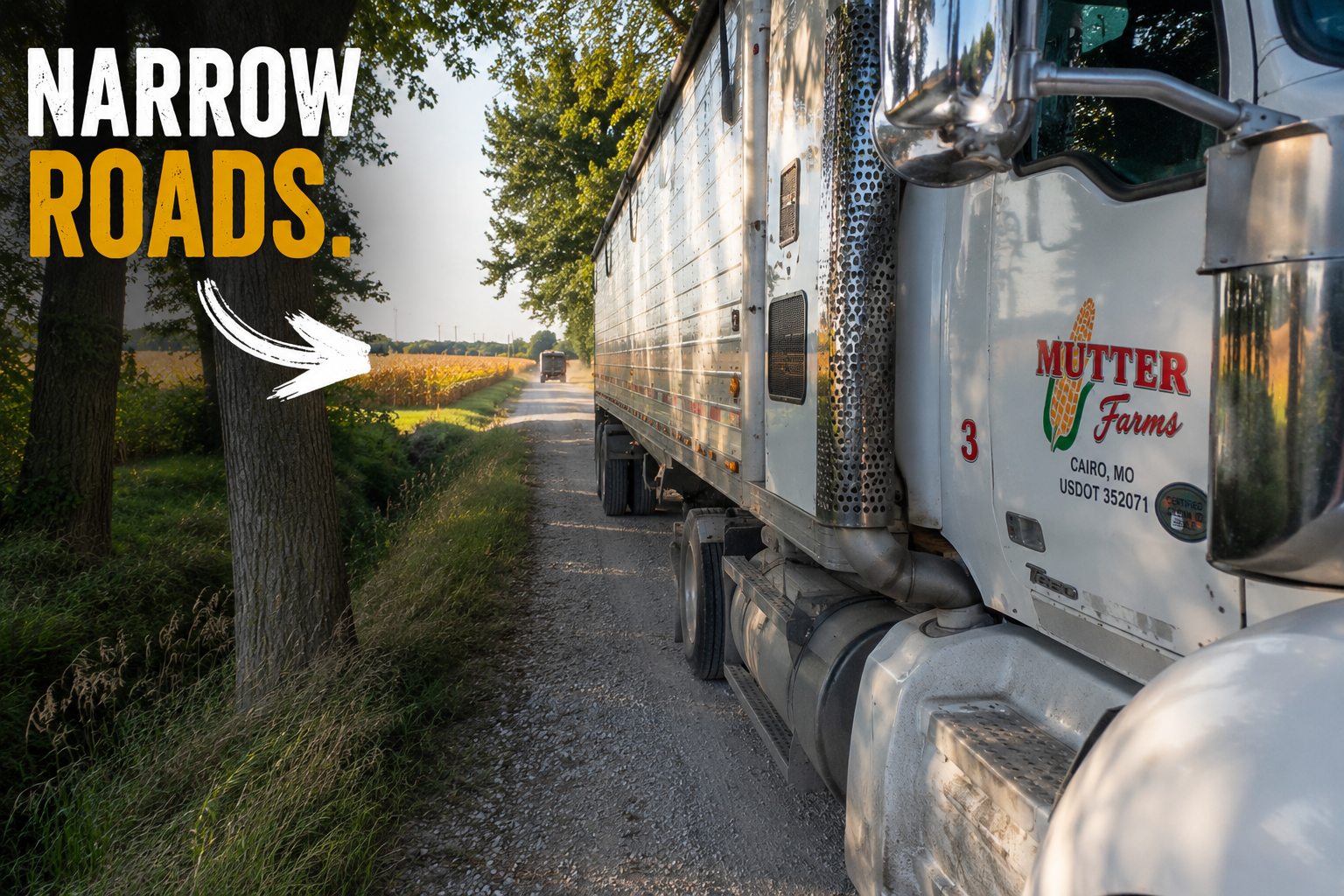
I talked about those challenges in much more detail in Driving a Semi on Narrow Gravel Roads because they’ve probably taught me more than any highway I’ve driven.
Farm Equipment Changes Everything
Harvest season means you’re not just sharing the road with cars.
You’re sharing it with combines.
Grain carts.
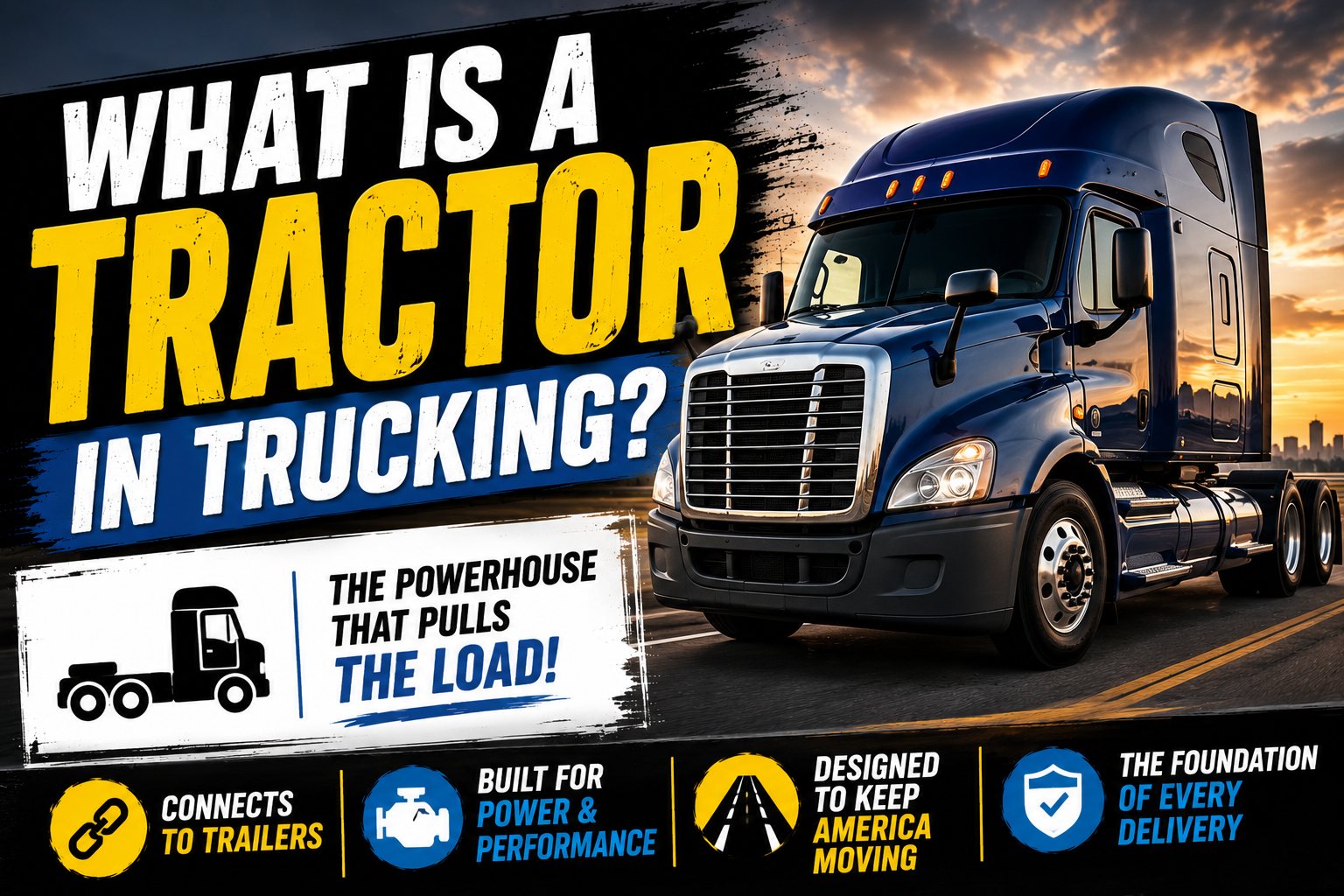
Tractors.
Large implements.
Sometimes those machines take up most of the roadway.
Sometimes they’re moving between fields.
Sometimes they’re making wide turns.
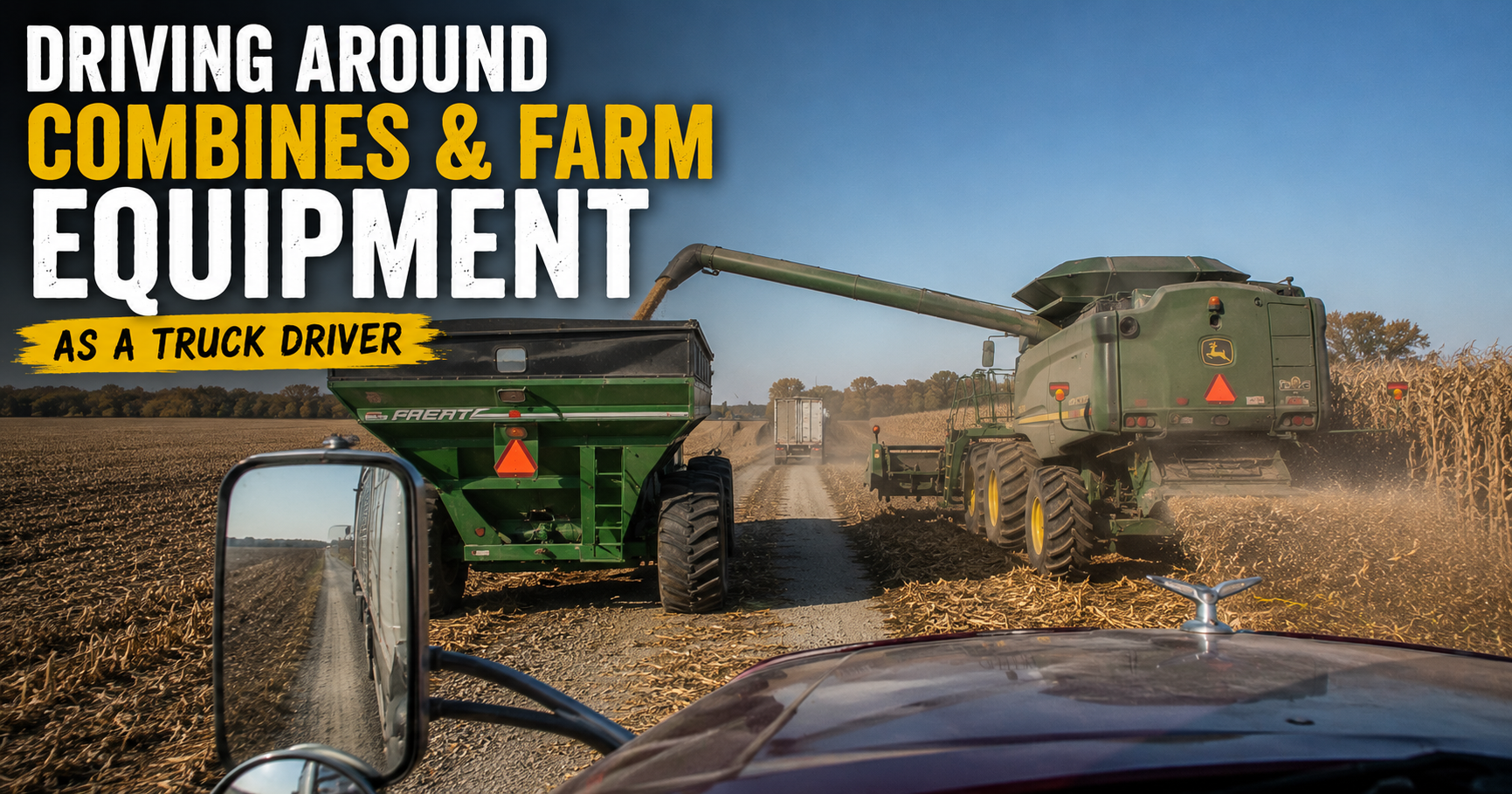
Transportation agencies consistently remind drivers that modern farm equipment often needs extra space, may move slowly, and frequently has to make wide turns during harvest. Patience is one of the most important ways everyone can stay safe. Those situations are easier to handle when drivers understand the practical habits involved in driving around farm equipment.
As a truck driver, I know slowing down around that equipment is simply part of doing the job safely.
Sometimes We’re Protecting the Equipment Too
Another reason grain trucks don’t race from one place to another is because the truck and trailer represent a significant investment.
Driving aggressively doesn’t just increase the chance of an accident.
It also creates unnecessary wear on brakes, tires, suspension components, and the trailer.
Smooth acceleration.
Smooth braking.
Smooth turns.
Those habits aren’t only safer.
They’re easier on the equipment too.
I’ve learned that experienced drivers usually aren’t trying to prove how fast they can get somewhere.
They’re trying to make the truck last and bring it back in the same condition they started with.
A Few Extra Seconds Really Don’t Matter
Before I became a truck driver, I probably underestimated how little time you actually save by rushing.
Let’s say I hurry through every turn.
Brake harder.
Accelerate faster.
Push the speed a little more.
By the end of the trip, I might only save a minute or two.
Meanwhile, I’ve increased the wear on the truck and reduced my margin for error.
When you look at it that way, slowing down makes a lot more sense.
I’ve found that staying calm and driving consistently is usually the quickest way to finish the day without unnecessary problems.
Other Drivers Don’t Always Understand What We’re Doing
One thing I’ve noticed during harvest is that many people simply haven’t spent much time around grain trucks.
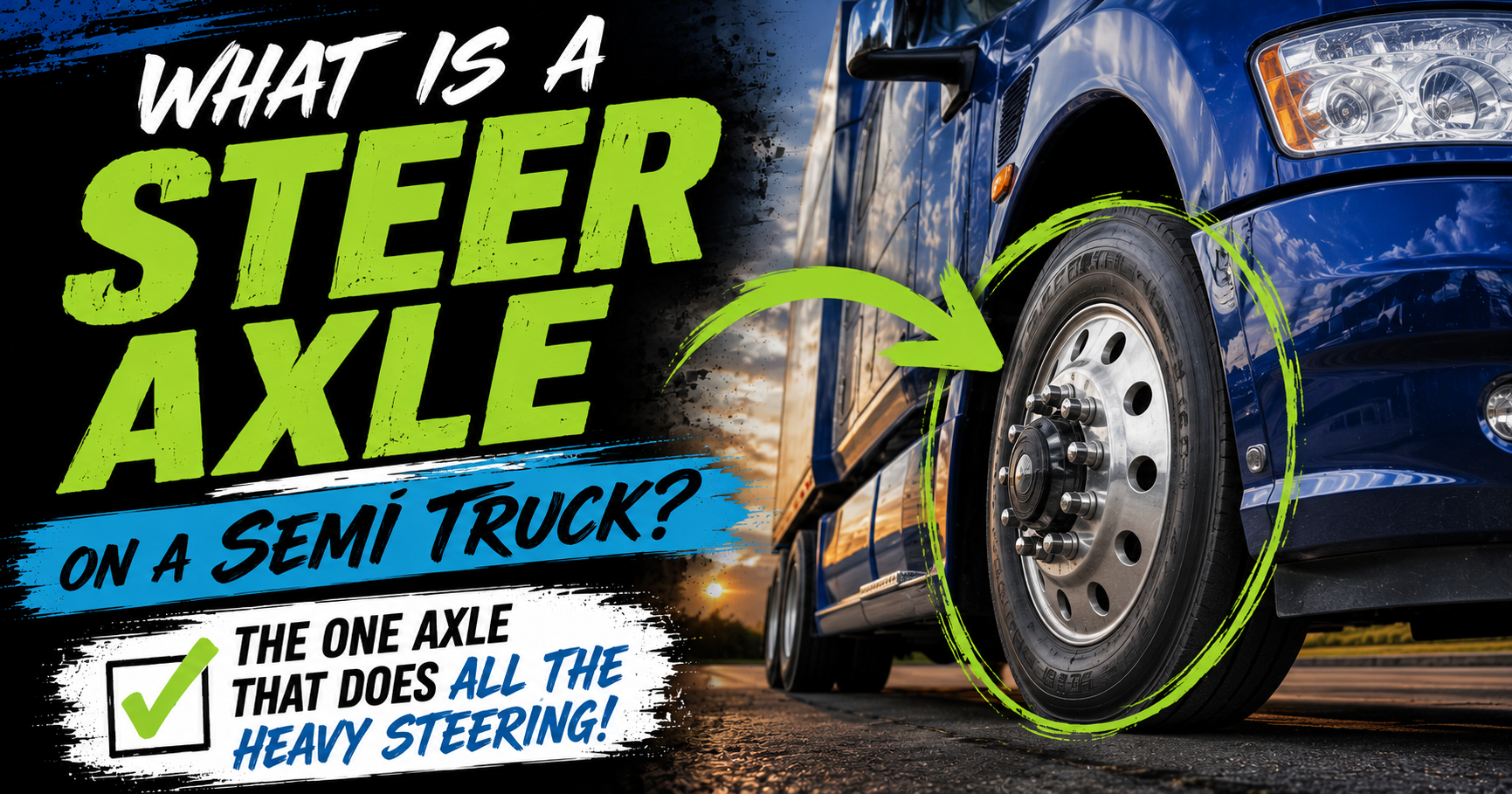
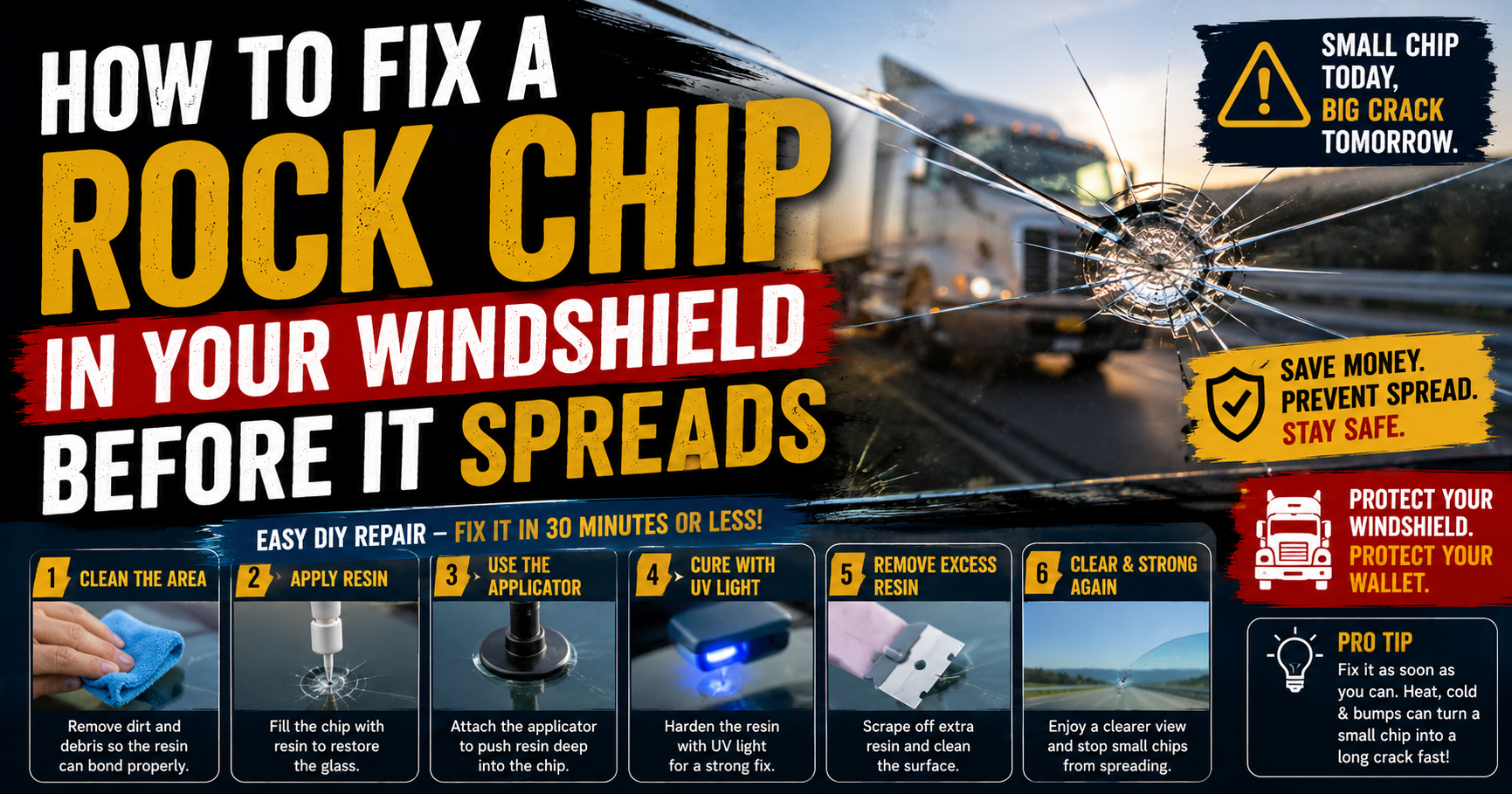
They may not realize I’m slowing down because I’m about to make a tight turn onto a narrow county road. The front-end component behind that directional control is the the axle that guides tight turns.
They may not understand why I leave extra following distance.
Or why I don’t accelerate as quickly as traffic behind me would like.
I don’t get frustrated about that.
Most people have never driven an 80,000-pound truck, and I hadn’t either until recently.
Instead of worrying about what the driver behind me is thinking, I focus on making the safest decision for everyone around me.
Harvest Is Busy Enough Without Adding More Risk
Harvest season is already one of the busiest times of the year on rural roads.
You’ve got combines moving between fields.
Tractors pulling grain carts.
Grain trucks.
School buses.
Local traffic.
Everyone is sharing the same roads.
University of Missouri Extension encourages motorists to slow down, expect slow-moving equipment, and be patient because harvest traffic creates unique challenges on rural roads.
The safest thing I can do is avoid adding to that pressure.
If that means driving a little slower than someone behind me would prefer, I’m perfectly okay with that.
Safe Drivers Think Farther Ahead
One habit that’s already changed since I started trucking is how far ahead I look.
I’m not just watching the vehicle directly in front of me anymore.
I’m scanning intersections.
Looking for farm equipment.
Watching road signs.
Planning turns well before I reach them.
That gives me more time to make smooth decisions instead of sudden ones.
Ironically, driving farther ahead often makes the entire trip feel more relaxed.
Frequently Asked Questions
Why do grain trucks drive below the speed limit?
Not every grain truck is below the speed limit, but many drivers reduce their speed because they’re hauling heavy loads, approaching narrow roads, making turns, or sharing the road with farm equipment. Safe operation is more important than arriving a minute earlier.
Why do grain trucks brake so early?
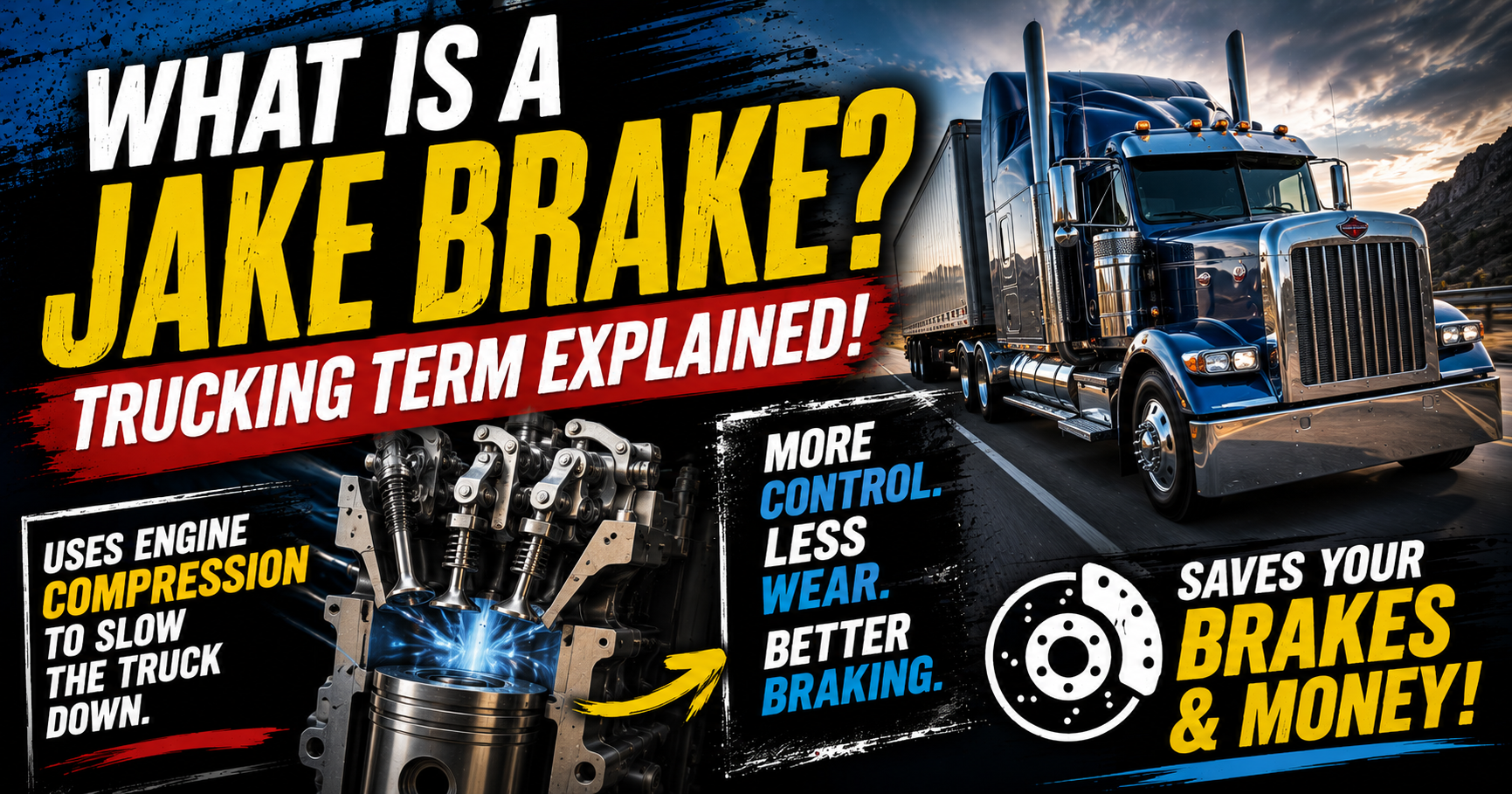
A loaded truck needs much more distance to slow down than a passenger vehicle. Braking early helps keep the stop smooth, protects the equipment, and provides a larger safety margin. On longer descents, engine braking on long grades can help control speed while reducing reliance on the service brakes.
Why do grain trucks take wide turns?
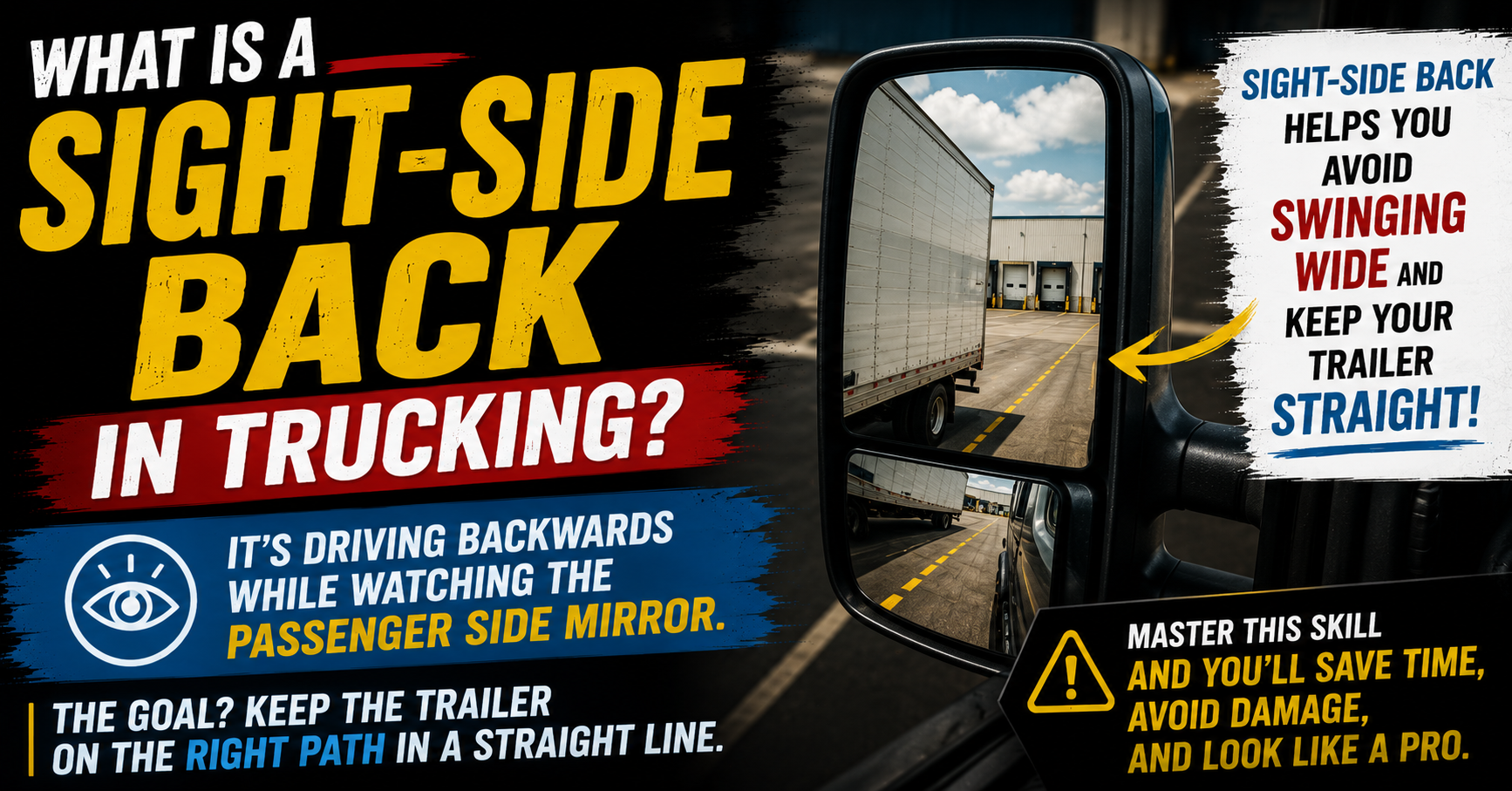
The trailer doesn’t follow the same path as the truck. Drivers often need extra room to avoid curbs, ditches, mailboxes, road signs, and other obstacles, especially on rural roads. That same difference in path is important when backing, which is why trailer backing visibility can be easier to manage when the space permits it.
Should you pass a slow-moving grain truck?
Only when it’s legal and you have a completely clear view ahead. During harvest, trucks and farm equipment may be preparing to turn into fields or farm entrances, so patience is usually the safest choice. Safety agencies consistently remind motorists to avoid passing until they know the vehicle isn’t preparing for a wide turn.
Slower Doesn’t Mean Less Skilled
One thing I’ve learned since becoming a truck driver is that slower driving often shows more experience, not less.
The best drivers I’ve been around aren’t trying to impress anyone.
They’re thinking ahead.
Protecting the equipment.
Giving themselves room to react.
And making sure everyone gets home safely at the end of the day.
Before harvest, I probably looked at a slow-moving grain truck and wondered why it wasn’t going faster.
Now I understand.
Most of the time, that driver isn’t holding people up.
They’re simply doing the job the right way.
Author: Jake Harrison
Jake Harrison is a commercial transportation writer for TruckingResource.com who specializes in CDL training, trucking safety, commercial vehicles, and freight operations. He works with the TruckingResource.com editorial team to create practical, beginner-friendly resources that help drivers understand real-world trucking and build safe driving habits.