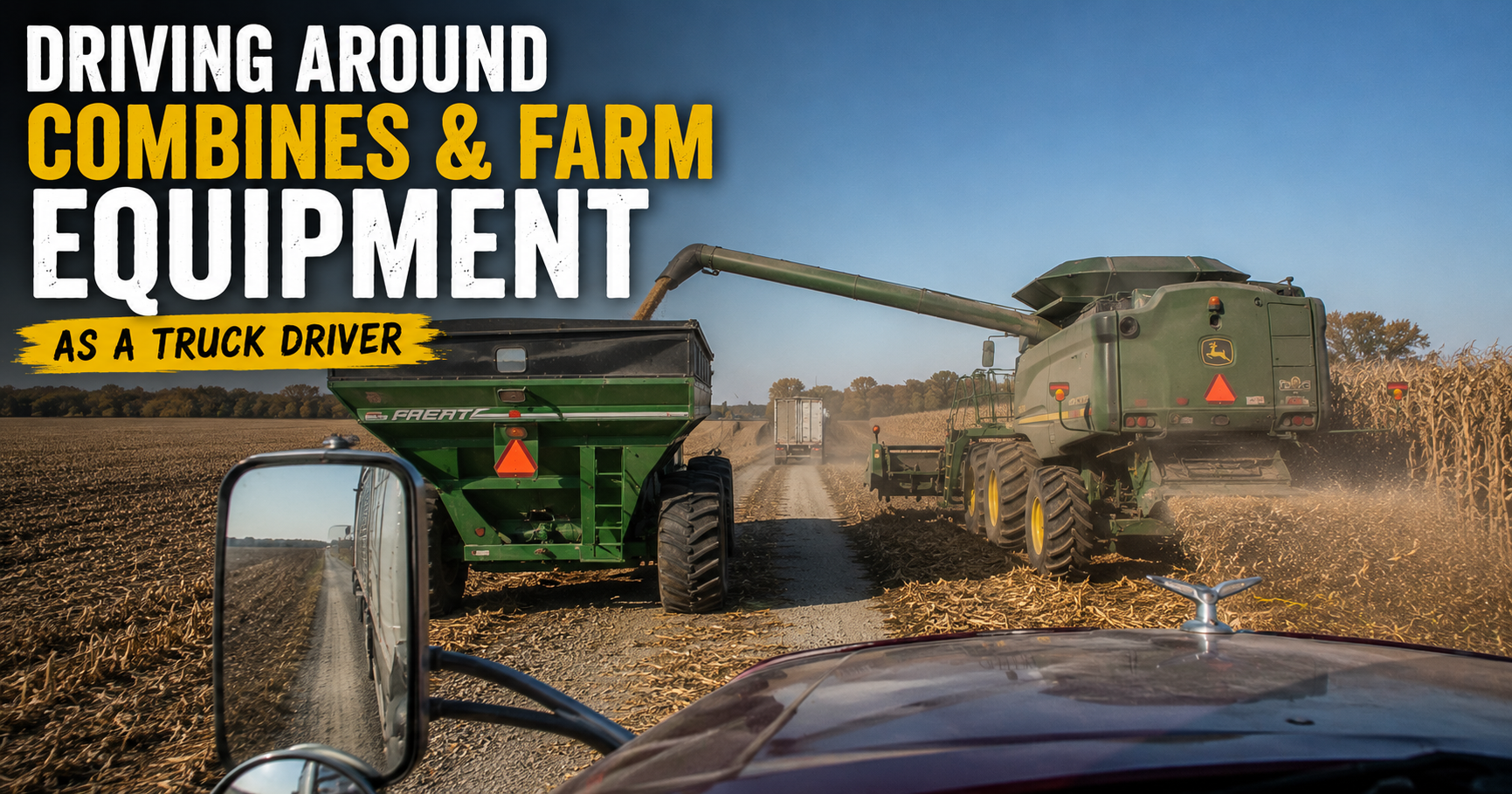
Before I started hauling corn, I honestly didn’t think much about farm equipment traveling on public roads.
Sure, I’d occasionally get behind a tractor or combine.
I’d slow down, wait for a chance to pass, and keep driving.
Now that I’m part of the harvest process, I see those situations completely differently.
Moving equipment between fields is a normal part of harvest.
That means combines, grain carts, tractors, and grain trucks are all sharing the same county roads with cars and pickups.
As a truck driver, I’ve learned that being patient and planning ahead makes those encounters much less stressful.
If you’re new to harvest trucking, I’d recommend reading How Harvest Trucking Works From Field to Grain Bin first because it explains how every piece of equipment works together throughout harvest.
Farm Equipment Is Much Wider Than Most People Realize
One of the first things I noticed is just how much room modern farm equipment needs.
Combines can take up most of a lane.
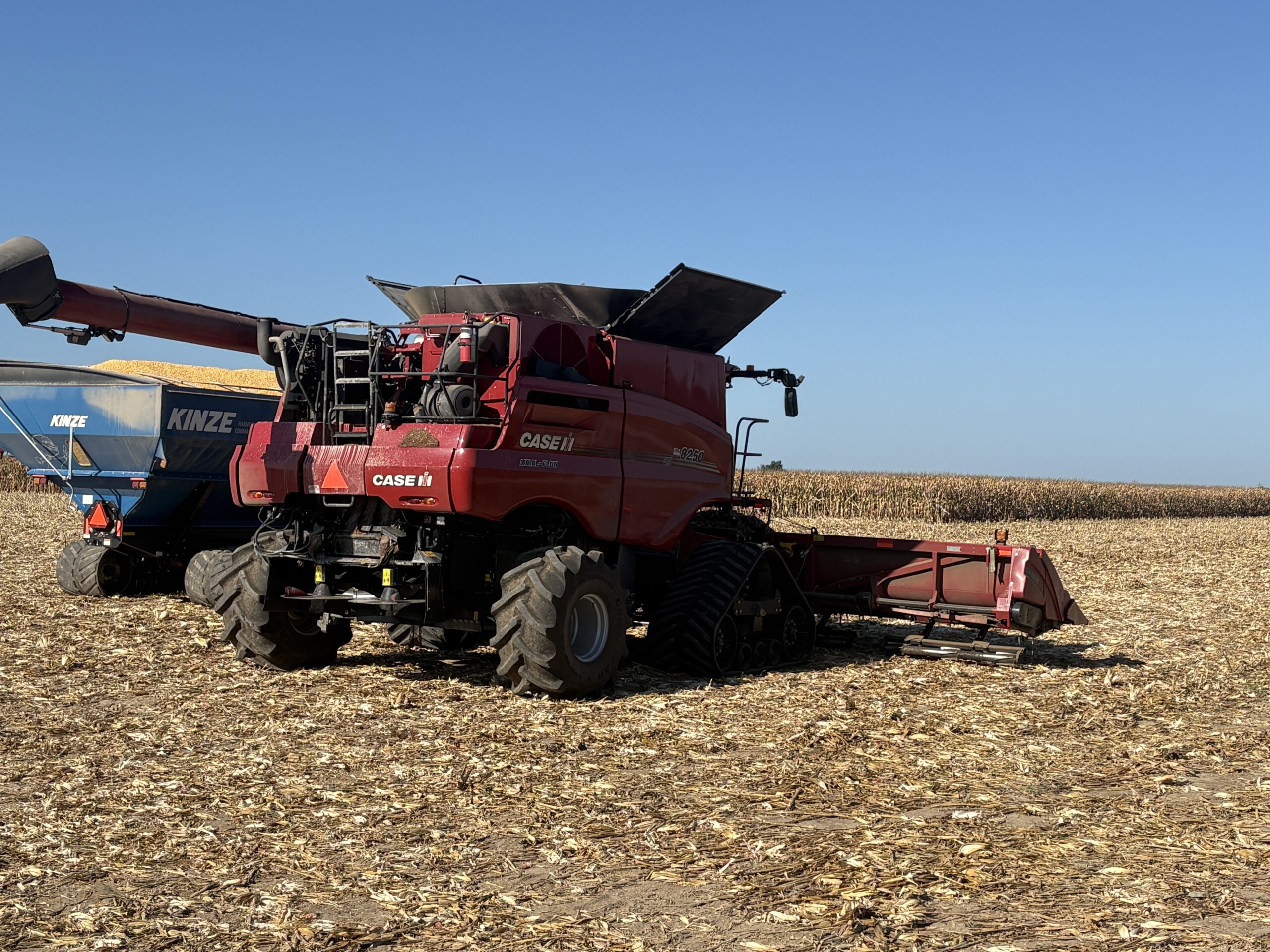
Grain carts are wide.
Some implements extend well beyond what most drivers expect.
That means everyone has to work together.
Sometimes that means slowing down.
Sometimes it means waiting.
Sometimes it means stopping briefly so another vehicle can safely get through.
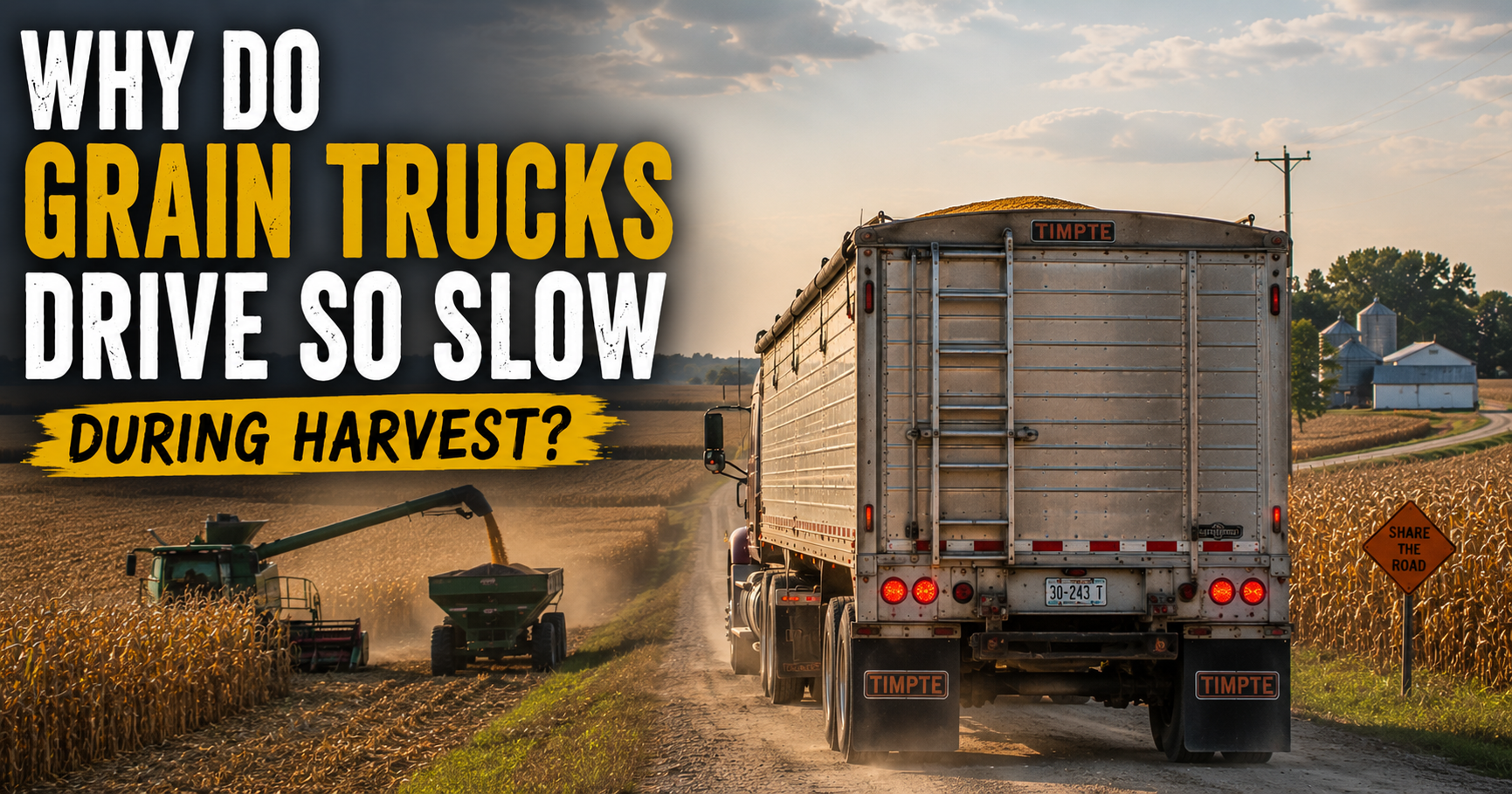
Transportation agencies remind motorists that modern farm equipment is often wider than a traffic lane and that patience is one of the best ways to prevent crashes during harvest. That same harvest traffic explains slower grain-truck driving during harvest when trucks share rural roads with large equipment.
Never Assume They Can See You
This is something I didn’t think much about until I started working around farm equipment every day.
The operators are constantly watching the field.
They’re monitoring the equipment.
They’re paying attention to what’s in front of them.
That doesn’t always mean they can easily see every vehicle behind or beside them.
Large equipment has blind spots just like semi trucks do.
I’ve learned to assume they may not know exactly where I am unless I’ve given them plenty of room and made my intentions obvious.
That mindset has helped me stay much more patient around harvest equipment.
Combines Make Wide Turns
One thing I’ve noticed is that combines don’t always turn the way people expect.
Because they’re so large, they often need extra room when turning into another road or field entrance.
From behind, it can sometimes look like they’re moving one direction before beginning the actual turn.
That’s one reason safety officials repeatedly remind drivers not to assume a machine moving toward the right side of the road is inviting traffic to pass. It may actually be setting up for a wide left turn.
As a truck driver, I don’t try to guess.
I wait until I clearly understand what the equipment is doing before making my move.
Grain Carts Don’t Always Stay in the Field
Before I started this job, I assumed grain carts spent all day following combines around the field.
Most of the time they do.
But they also have to move from one field to another, and that means using public roads.
If you’ve never been around harvest, it can catch you by surprise.
One minute you’re driving down a county road.
The next minute you’re meeting a tractor pulling a very large grain cart.
That’s another reason I keep scanning well ahead instead of focusing only a few hundred feet in front of the truck.
Dust Can Hide More Than You Think
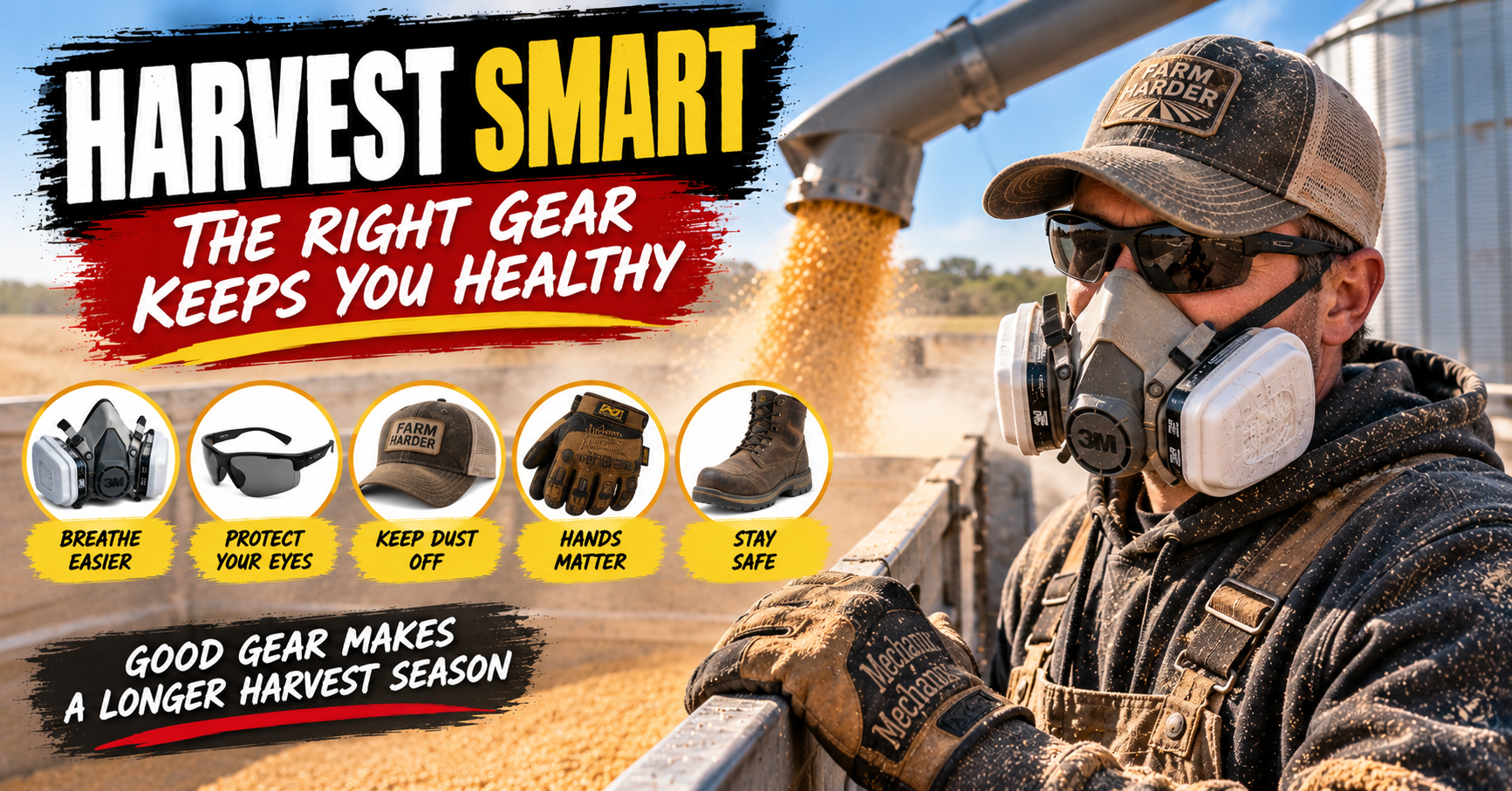
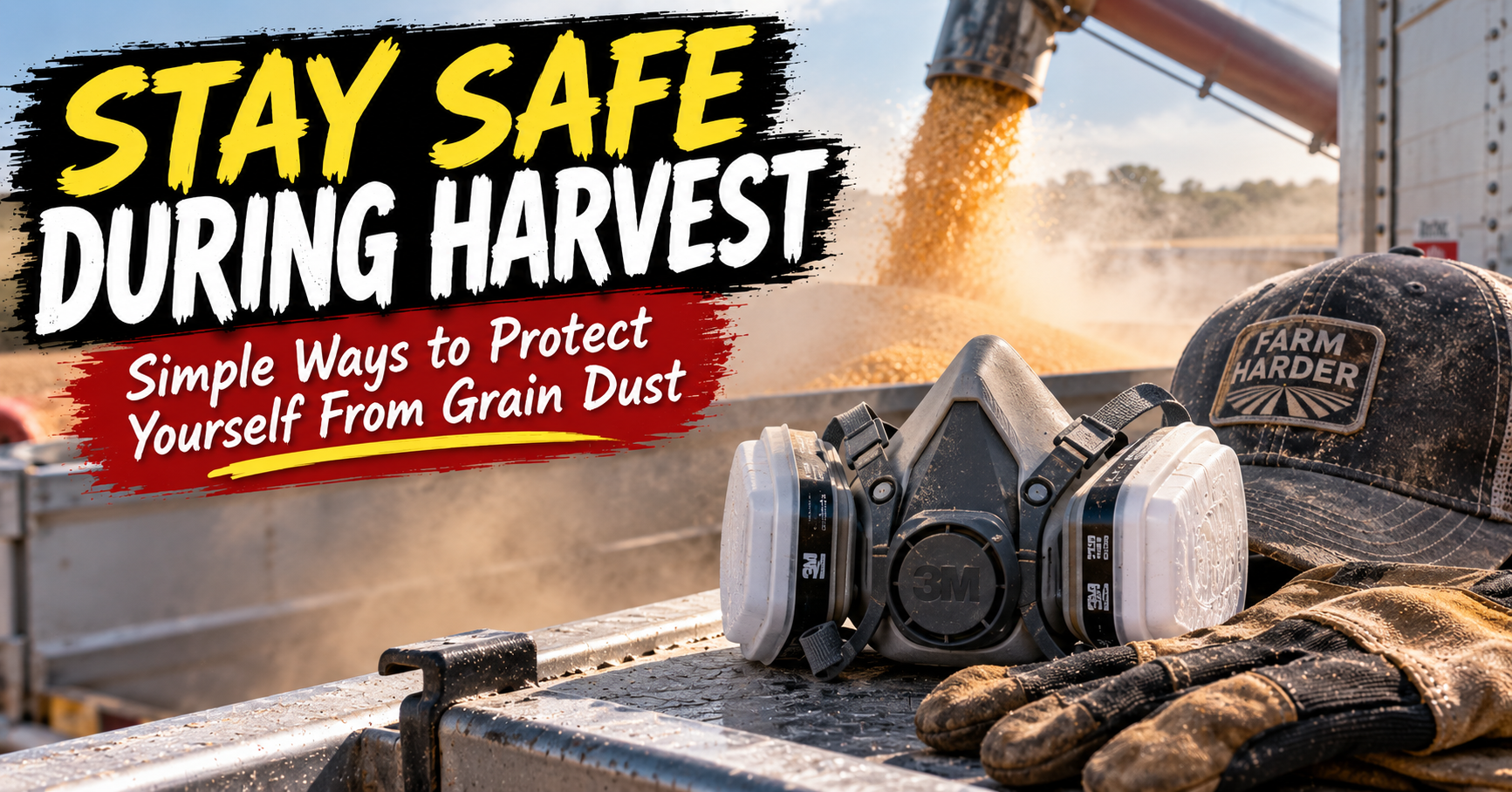
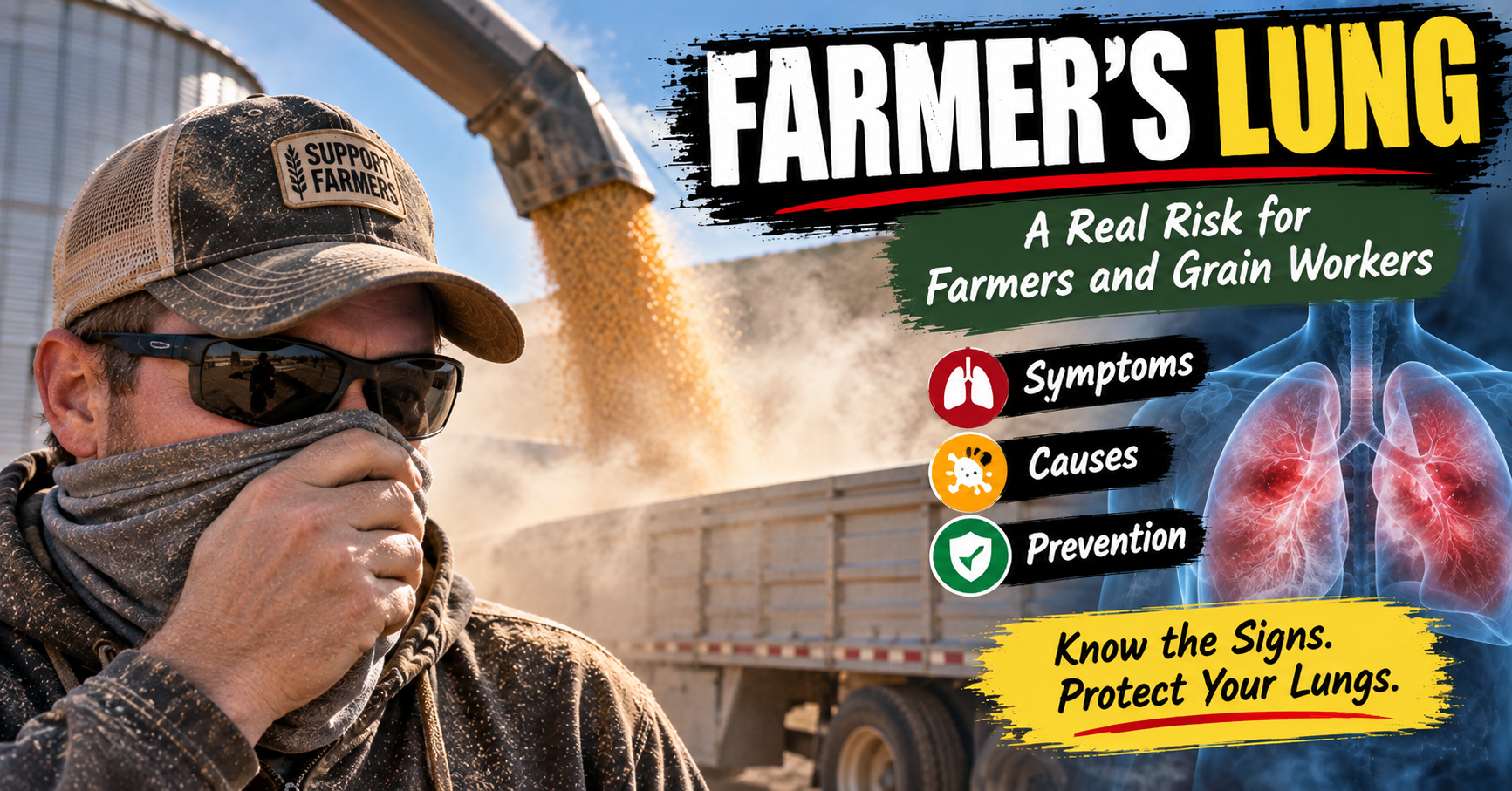
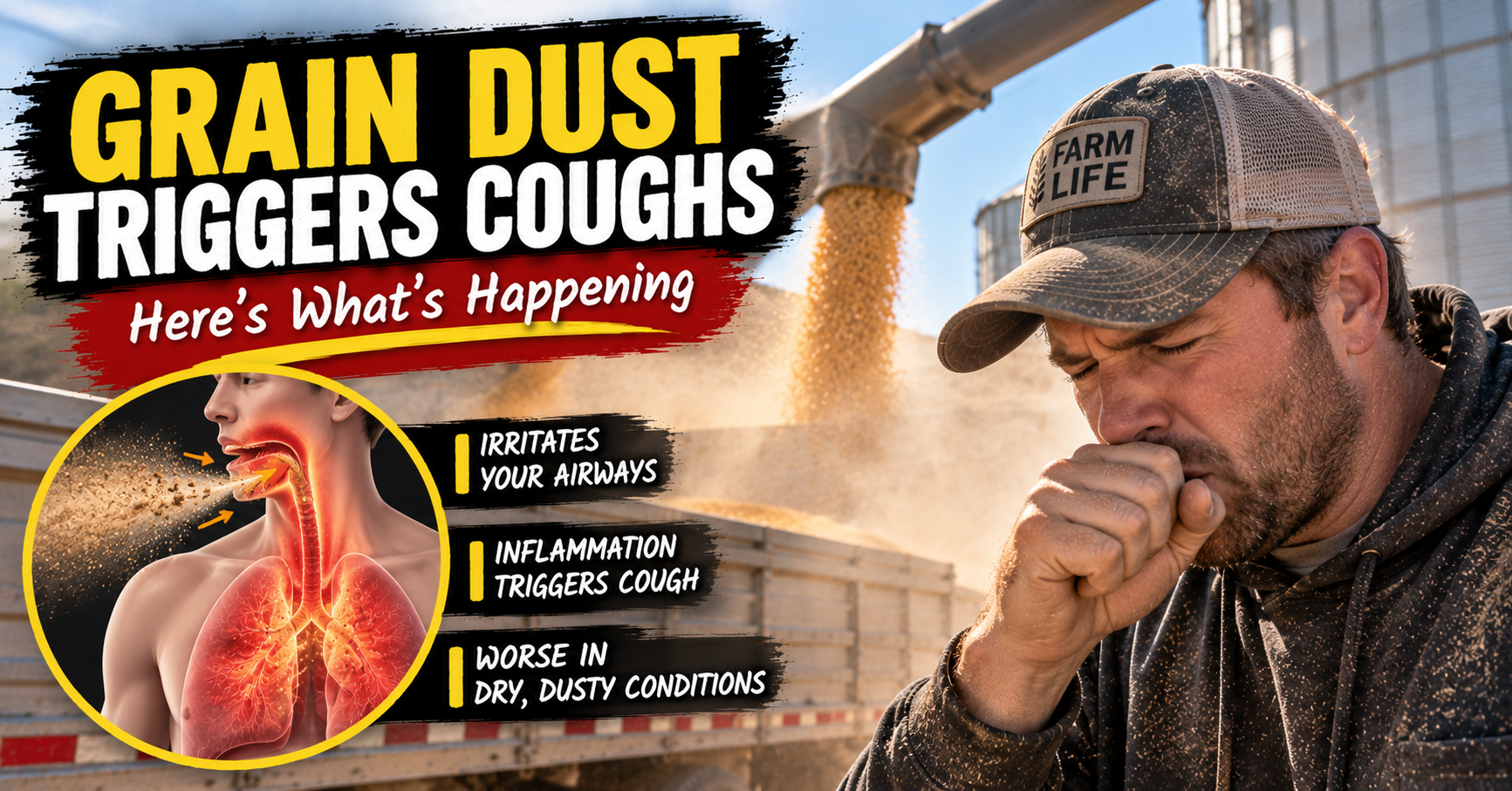
Harvest creates a lot of dust.
Sometimes it’s coming from combines.
Sometimes tractors.
Sometimes another grain truck on a gravel road.
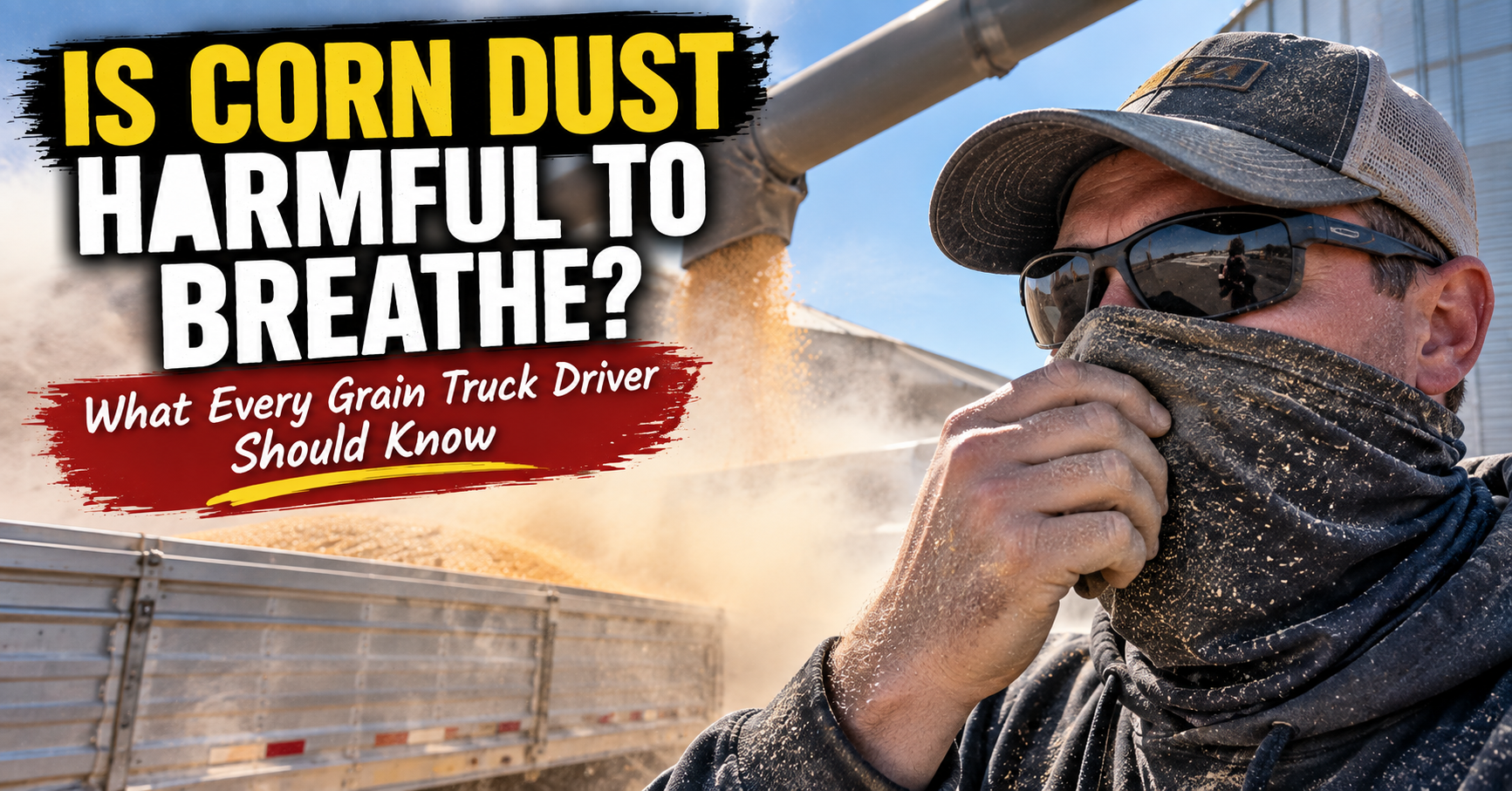
There have been times where the dust hangs in the air long enough that you simply can’t see as far ahead as you’d like. That same lingering dust can also affect breathing, so dust hangs in the air explains what grain-truck drivers should know about exposure.
When that happens, I’ve learned there’s only one good answer.
Slow down.
The dust will eventually clear.
Trying to keep the same speed when you can’t clearly see what’s ahead just isn’t worth the risk.
Radios and Good Communication Make Harvest Run Better
One thing I didn’t realize before starting was how much communication happens during harvest.
Everyone is working toward the same goal.
The combine operators.
The grain cart operators.
The truck drivers.
Whether it’s through two-way radios, phones, or simply talking before moving to the next field, good communication keeps confusion to a minimum.
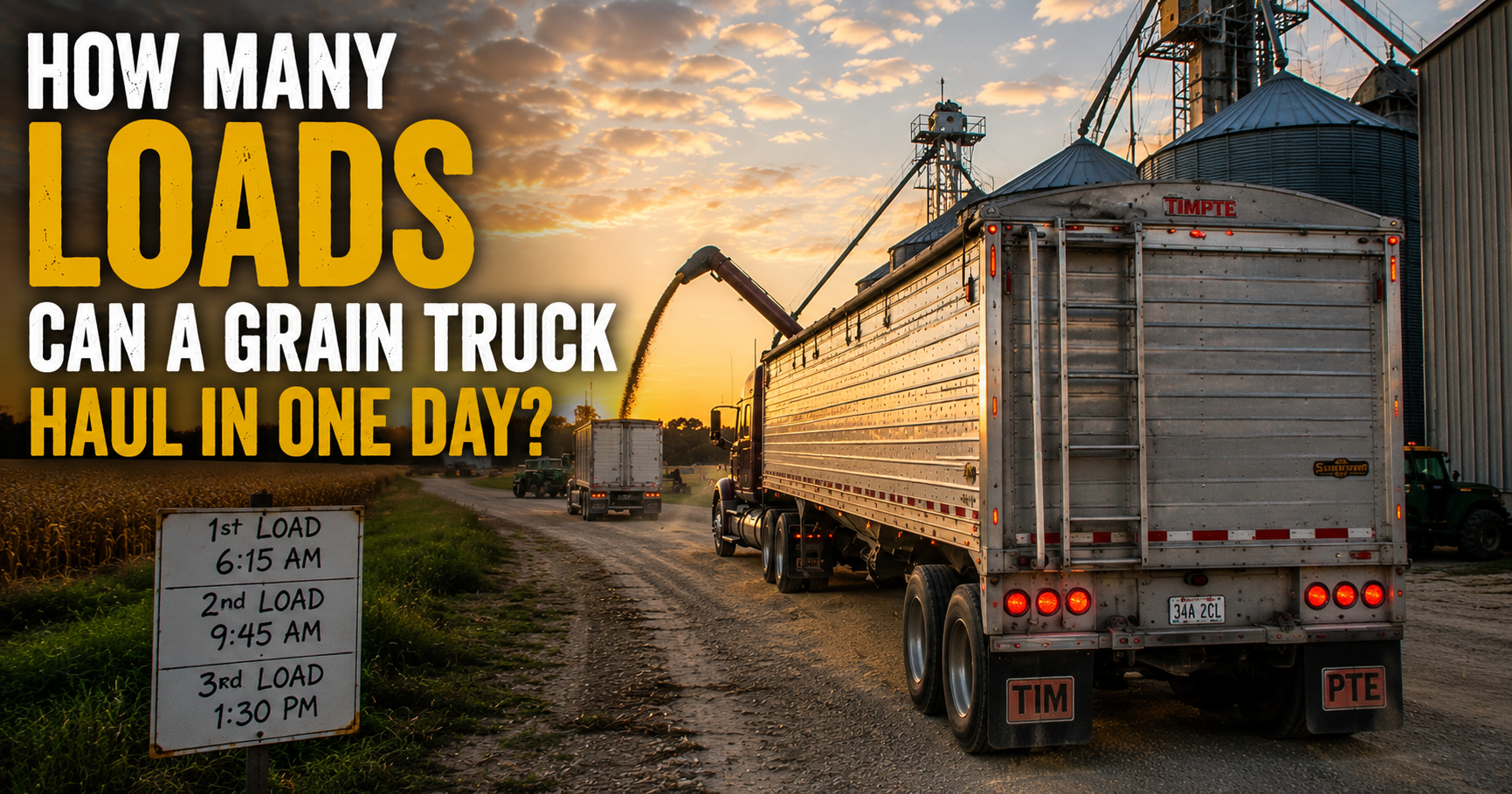
It also helps everyone know where equipment is moving next, which trucks are loading, and where the next load needs to go. The destination and loading workflow can make a noticeable difference in where the next load needs to go.
That kind of teamwork is something you don’t really appreciate until you’re part of it.
Don’t Assume You Know What the Equipment Is About to Do
I’ve learned it’s much safer to wait a few extra seconds than to assume.
Maybe the combine is turning into a field.
Maybe the tractor is pulling over.
Maybe the grain cart is setting up for a turn.
Instead of guessing, I watch for turn signals, hand signals, and the operator’s movements.
Missouri safety officials specifically warn drivers not to assume equipment moving toward the right side of the road is letting traffic pass. Large machines often have to move right before making a wide left turn.
That advice applies whether you’re driving a pickup or a semi.
Harvest Requires Patience From Everyone
One thing I’ve come to appreciate is that harvest works best when everyone gives each other a little grace.
The farmer isn’t trying to hold anyone up.
The truck driver isn’t driving slowly just to frustrate traffic.
Everyone is simply trying to do their job safely.
I’ve noticed that when people stay patient, harvest moves surprisingly smoothly.
When someone gets in a hurry, that’s when problems usually start.
As a Truck Driver, I Can’t Control Other Drivers
This may be one of the biggest lessons I’ve learned so far.
I can’t control the pickup behind me.
I can’t control whether someone tries to pass a combine at the wrong time.
I can’t control if another driver gets impatient.
The only thing I control is how I drive.
So I focus on that.
I leave room.
I slow down when I need to.
I stay alert.
I don’t let someone else’s bad decision pressure me into making one of my own.
That mindset has probably helped my confidence more than anything else during my first harvest season.
Frequently Asked Questions
Is it difficult to drive around combines and tractors?
Not if you’re patient. Large farm equipment simply needs more room than most vehicles. Giving operators time and space usually makes every encounter much easier.
Why do combines sometimes move to the right before turning left?
Because they’re so wide, they often need extra room to complete a left turn. Moving right first is part of setting up for that turn, not necessarily an invitation for traffic to pass.
Do grain carts travel on public roads?
Yes. Grain carts regularly travel between fields behind tractors, especially during harvest, so it’s common to encounter them on county roads.
What’s the biggest thing you’ve learned about driving around farm equipment?
Patience. Slowing down, paying attention, and never assuming what another operator is about to do has made every day go much smoother.
Working Around Farm Equipment Has Made Me a Better Driver
Before I started hauling corn, I looked at combines, tractors, and grain carts as obstacles I occasionally had to drive around.
Now I see them as teammates in the same operation.
Every piece of equipment has a job.
Every operator is trying to keep harvest moving.
Understanding that has completely changed the way I drive during harvest.
I’ve learned to slow down earlier.
Look farther ahead.
Be more patient.
And never assume I know what another operator is about to do.
Those lessons have made me a better truck driver, and I think they’ll continue helping me long after harvest season is over.
Author: Jake Harrison
Jake Harrison is a commercial transportation writer for TruckingResource.com who specializes in CDL training, trucking safety, commercial vehicles, and freight operations. He works with the TruckingResource.com editorial team to create practical, beginner-friendly resources that help drivers build confidence and better understand real-world trucking.