

When most people picture a semi truck, they’re probably imagining a sleeper cab.
It’s the classic long-haul truck you see crossing the country with a bedroom built right behind the driver’s seat.
The first time I climbed into one, I couldn’t believe how much space was packed into the back of the cab.
There was a bed.
Storage cabinets.
Climate controls.
Even a small refrigerator.
After spending several nights on the road, I quickly realized why sleeper cabs have become a second home for so many truck drivers.
If you’re thinking about getting your CDL, there’s a good chance you’ll eventually spend time in one.
What Is a Sleeper Cab?
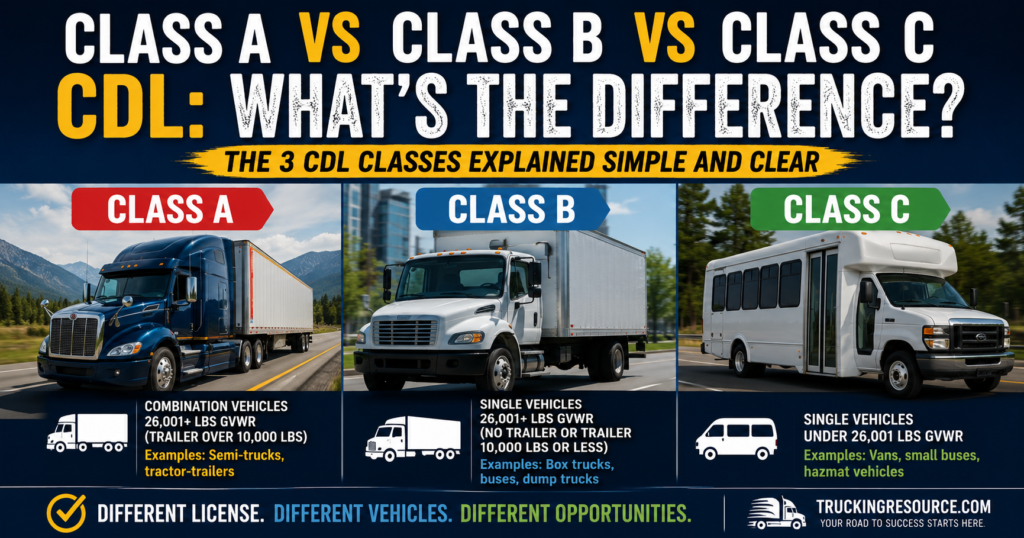
A sleeper cab is a semi truck with a built-in sleeping compartment located directly behind the driver’s seats. It allows commercial drivers to rest, sleep, and store personal belongings while traveling on multi-day or long-distance trips. Before pursuing long-haul work, make sure you understand the CDL class for your truck and the vehicles each class allows you to operate.
Instead of checking into a hotel every night, many drivers simply park at a truck stop or rest area and sleep inside the truck.
For over-the-road drivers, it becomes both a workplace and a temporary home.

Why Is It Called a Sleeper Cab?
The answer is simple.
The truck includes a sleeper compartment, sometimes called a sleeper berth, where the driver can legally take required rest breaks and overnight stays during long trips.
The compartment is permanently built into the tractor.
It’s designed specifically for life on the road.

What’s Inside a Sleeper Cab?
Not every sleeper is the same.
Some are fairly basic.
Others feel more like a tiny apartment.
Depending on the truck, you might find:
- A mattress or bunk.
- Storage cabinets.
- Closets.
- Refrigerator.
- Microwave.
- Power outlets.
- Climate controls.
- Reading lights.
- Television.
- Extra seating.
Higher-end owner-operator trucks sometimes include even more amenities, making weeks on the road much more comfortable.
Who Uses Sleeper Cabs?
Sleeper cabs are most common in long-haul trucking.
You’ll often see them hauling:
- Dry van freight.
- Refrigerated freight.
- Flatbed loads.
- Heavy equipment.
- Oversized loads.
- Coast-to-coast deliveries.
- Dedicated regional freight.
If a trip requires spending nights away from home, there’s a good chance the driver is operating a sleeper tractor.

Sleeper Cab vs. Day Cab
The biggest difference is simple.
A day cab has no sleeping compartment.
A sleeper cab does.
Drivers using day cabs usually return home after work.
Drivers using sleeper cabs may spend several days or even weeks away from home before returning.

If you haven’t already, our guide on What Is a Day Cab? Everything New CDL Drivers Should Know explains why many local trucking companies prefer day cabs instead.
Why Drivers Choose Sleeper Trucks
Over the years I’ve met drivers who wouldn’t trade their sleeper truck for anything.
Some of the biggest advantages include:
- No hotel expenses.
- A familiar place to sleep.
- Storage for clothing and supplies.
- Greater flexibility.
- Ability to accept longer loads.
- Comfortable rest during required breaks.
For many owner-operators, the sleeper becomes their home away from home.
Are Sleeper Trucks Harder to Drive?
People ask me this all the time.
Honestly…
Not by much.
A sleeper tractor is a little longer and heavier than a comparable day cab, but after a few days behind the wheel, most drivers hardly notice the difference.
The biggest adjustment usually isn’t driving.
It’s learning how to live comfortably while spending extended time away from home.
Life Inside a Sleeper
Spending nights in a sleeper truck isn’t like staying at a luxury hotel.
But it’s a lot better than many people imagine.
Most drivers develop routines.
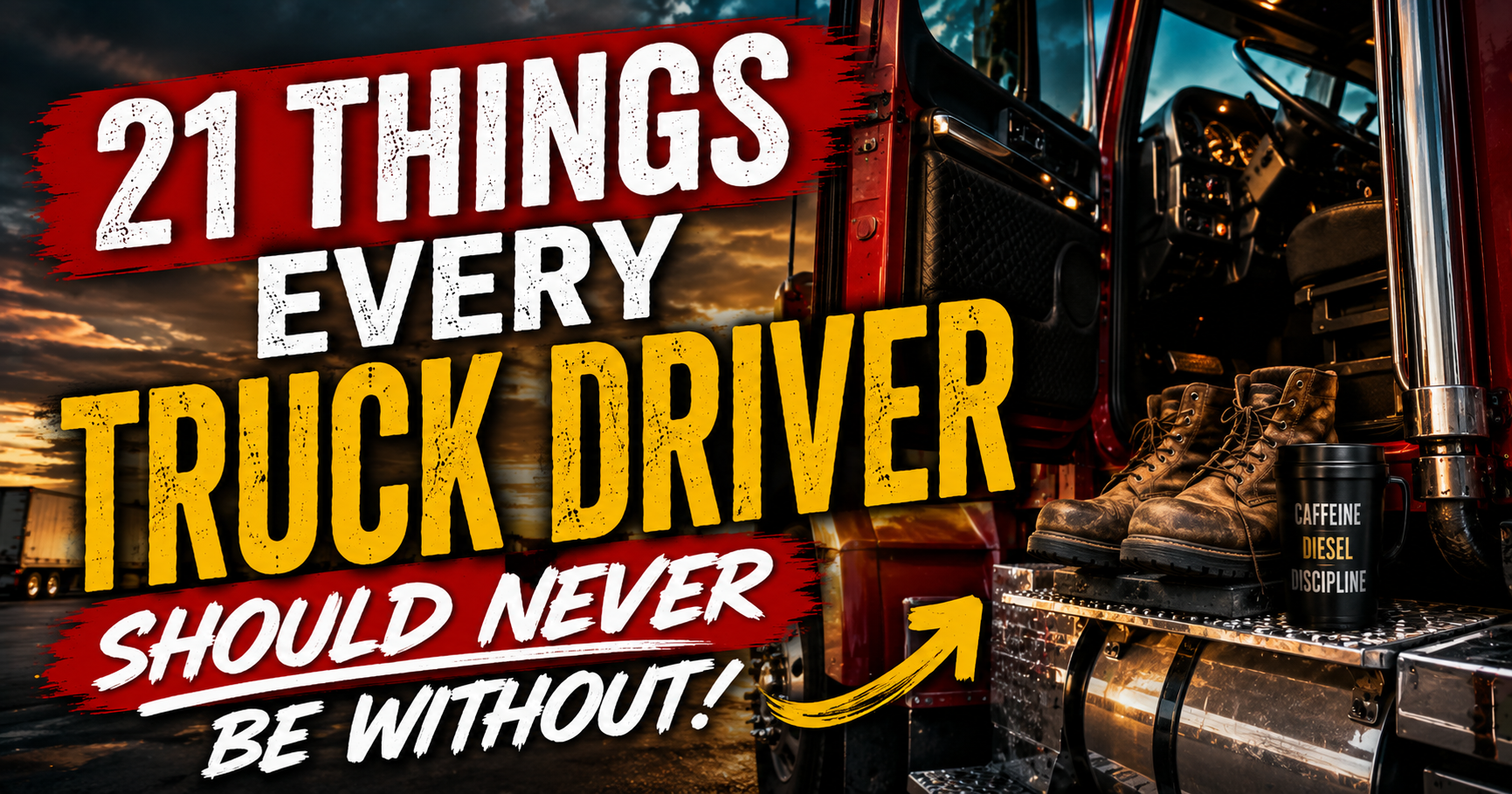
I always tried to keep mine clean and organized because clutter makes a small space feel even smaller. Keeping the sleeper orderly becomes easier when you choose useful items for truck organization with a clear purpose.
Many drivers carry:
- Food.
- Water.
- Extra clothes.
- Blankets.
- Cleaning supplies.
- Basic cooking equipment.
- Electronics.
- Personal items.
A little organization goes a long way when you’re living on the road.

Common Mistakes New Drivers Make
One mistake I see is assuming every trucking job requires a sleeper.
That’s simply not true.
Plenty of CDL jobs get drivers home every evening.
Another misconception is believing sleeper trucks are only for experienced drivers.
Many companies hire recent CDL graduates into over-the-road positions where they’ll begin learning life in a sleeper almost immediately.
The important thing is deciding what type of lifestyle fits you best.
Where You’ll Hear This Term
“Sleeper cab” is one of the first equipment terms new drivers learn.
You’ll hear it from:
- Recruiters.
- CDL instructors.
- Dispatchers.
- Fleet managers.
- Dealerships.
- Other drivers.
It quickly becomes part of your everyday trucking vocabulary.
Frequently Asked Questions
Can two people sleep in a sleeper cab?
Some sleeper trucks have two bunks designed for team drivers, while others have only a single bunk.
Do all semi trucks have sleeper cabs?
No.
Many local trucks use day cabs with no sleeping compartment.
Is a sleeper cab required for long-haul trucking?
Not always, but it’s by far the most practical option for multi-day trips because it provides a legal place for drivers to rest during required off-duty periods.
Will Sleeper Cabs Be Covered on the CDL Exam?
You may see questions about the differences between day cabs and sleeper tractors, especially when discussing trucking careers or commercial vehicle terminology.
You’ll also want to understand Hours of Service rules and when drivers can legally use a sleeper berth.
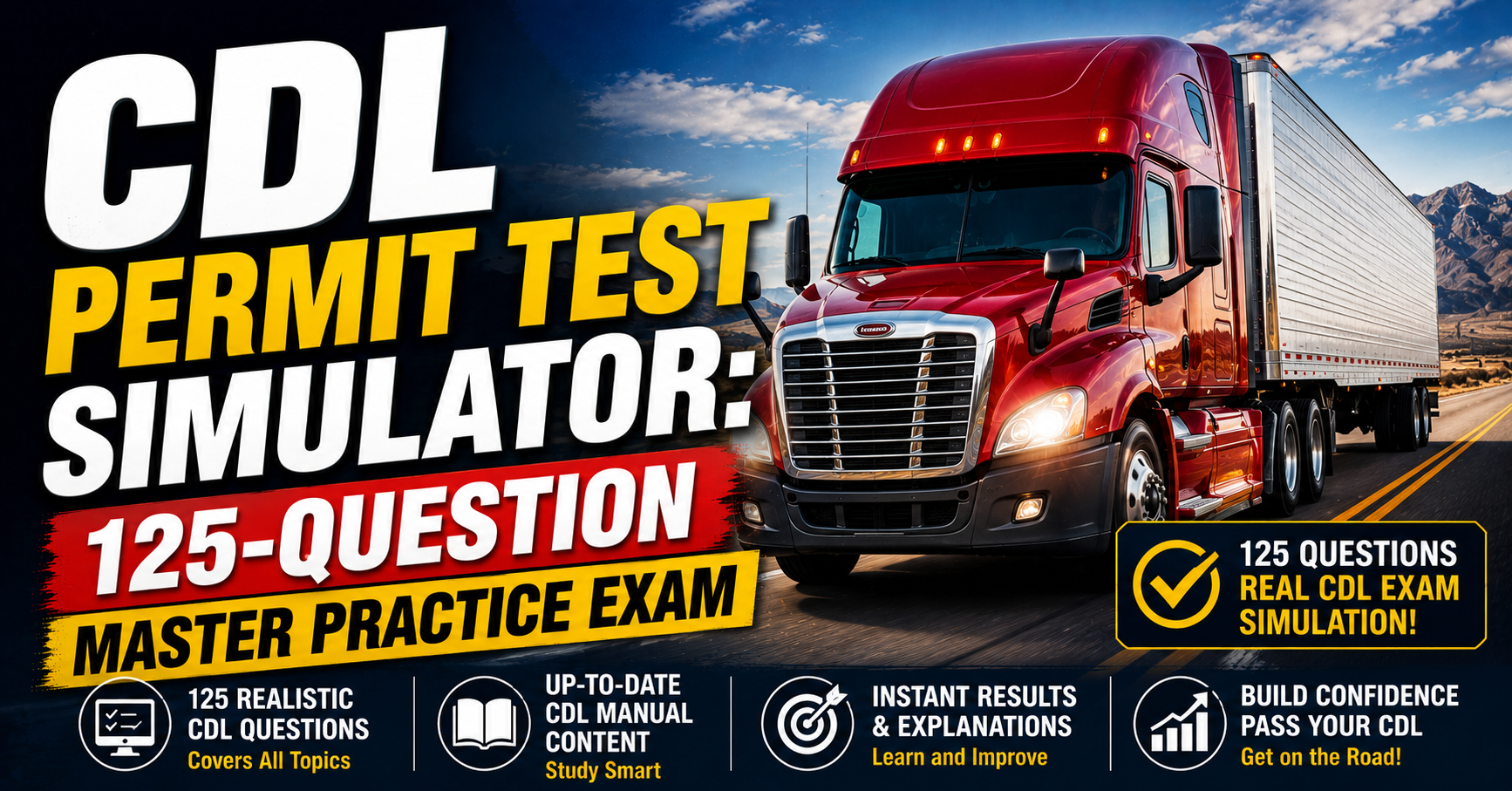
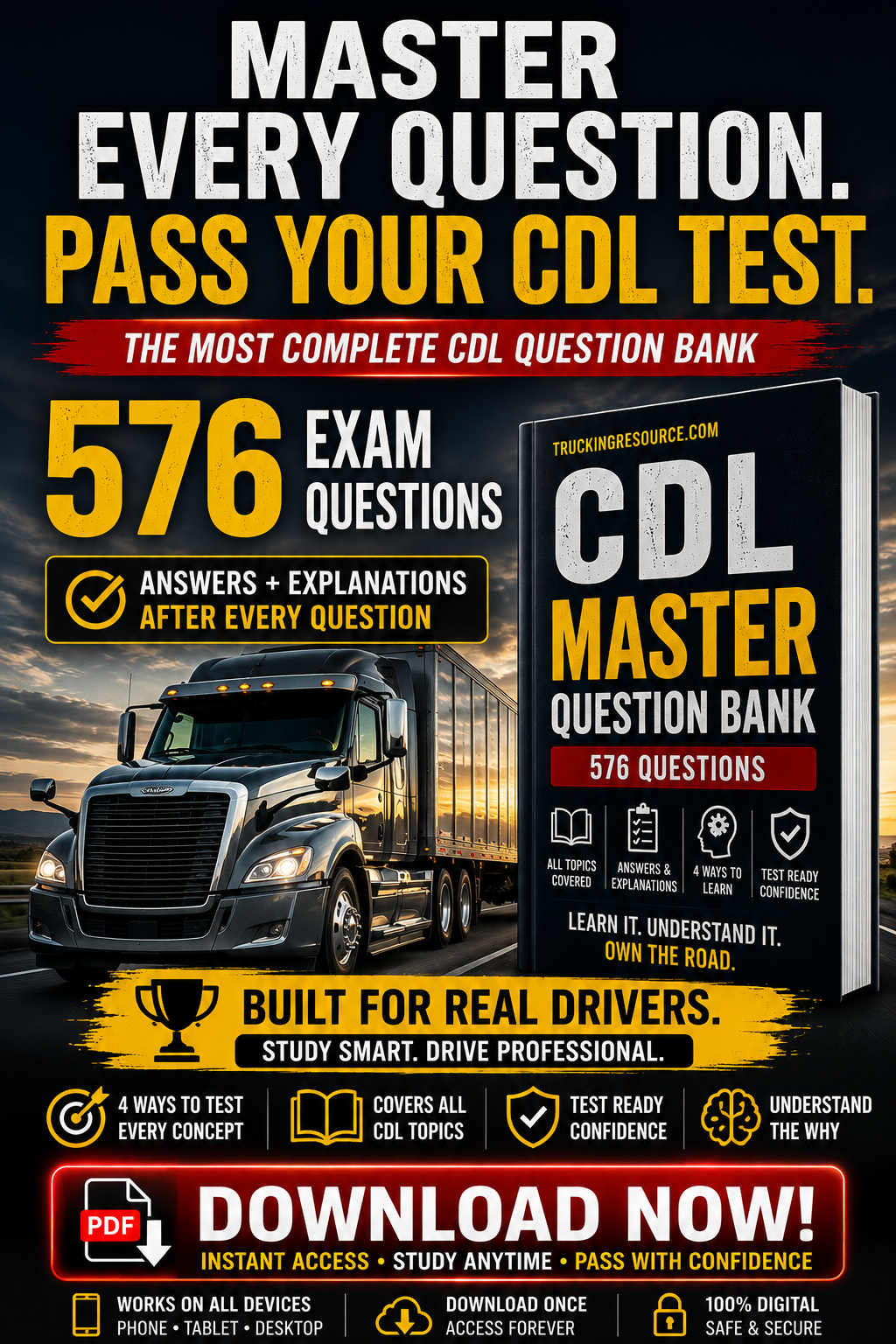
If you’re preparing for your permit exam, our CDL Master Question Bank PDF and CDL Permit Test Simulator: 125-Question Master Practice Exam are excellent resources for reviewing trucking terminology and CDL knowledge before test day.
One Piece of Equipment I Always Kept Nearby
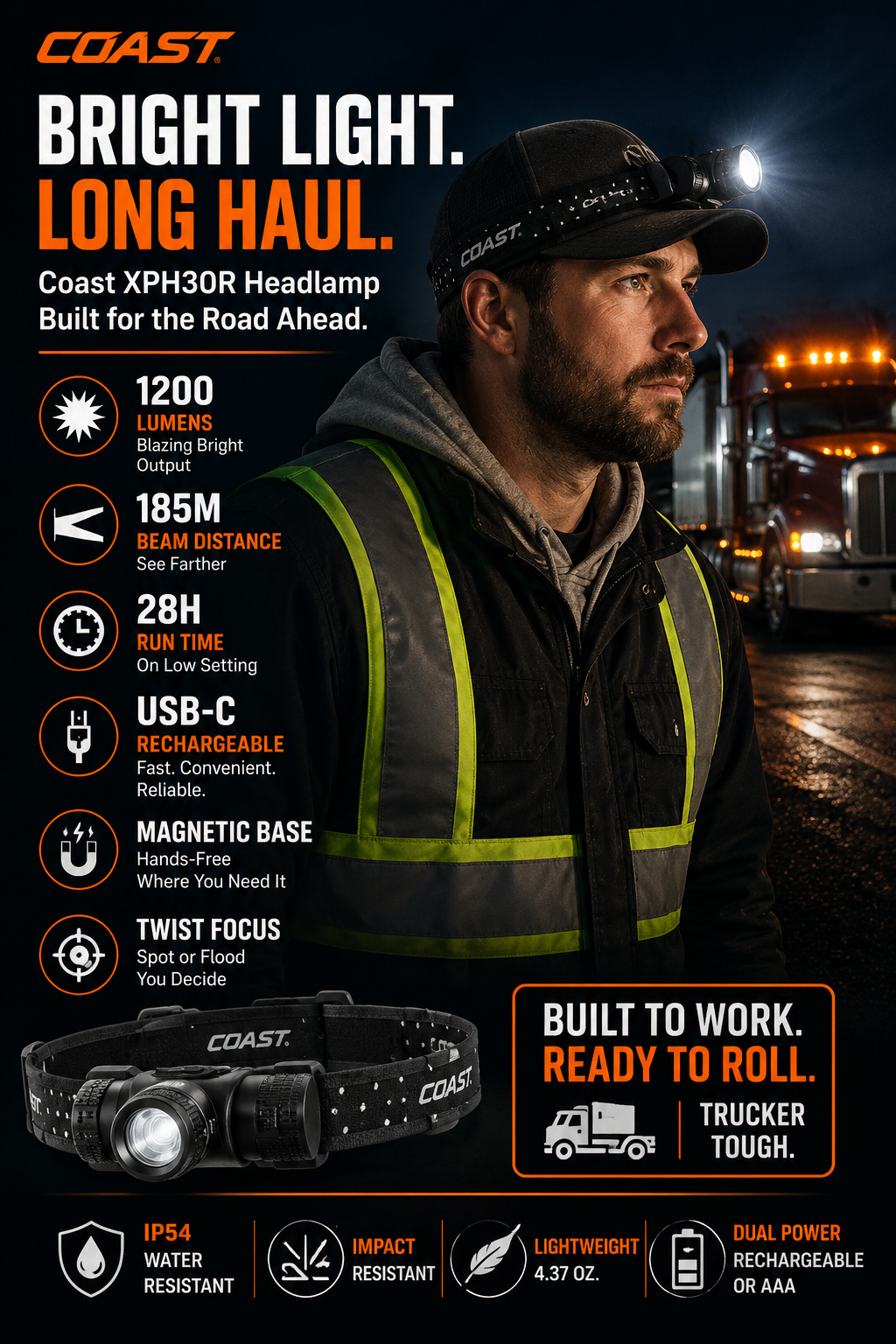
Whether I was parked at a truck stop or performing a late-night pre-trip inspection, one thing I always reached for was my Coast XPH30R USB-C Rechargeable Dual Power Headlamp.
It’s amazing how often you end up checking tires, air lines, or trailer connections after dark, and having both hands free makes those inspections much easier.
My Advice After Spending Plenty of Nights on the Road
Driving a sleeper truck isn’t just about hauling freight.
It’s about adapting to a different lifestyle.
Some drivers absolutely love it.
Others realize pretty quickly they’d rather be home every evening driving a day cab.
Neither choice is right or wrong.
That’s one of the great things about trucking.
Whether you want to cross all 48 states or stay close to home, there’s usually a CDL job that fits the kind of life you’re looking for.
Author: Kevin Lawson
Kevin Lawson spent nearly 30 years hauling refrigerated freight, dry vans, and flatbeds throughout the United States. During his career, he lived in sleeper trucks for thousands of nights while mentoring new CDL drivers on life over the road, helping them adjust to both the challenges and rewards of long-haul trucking.