One of the first times I climbed into a dump truck, another driver told me, “Go ahead and engage the PTO.”
I nodded like I knew exactly what he meant.
Truth be told, I had no clue.
Once someone explained it, though, it made perfect sense.
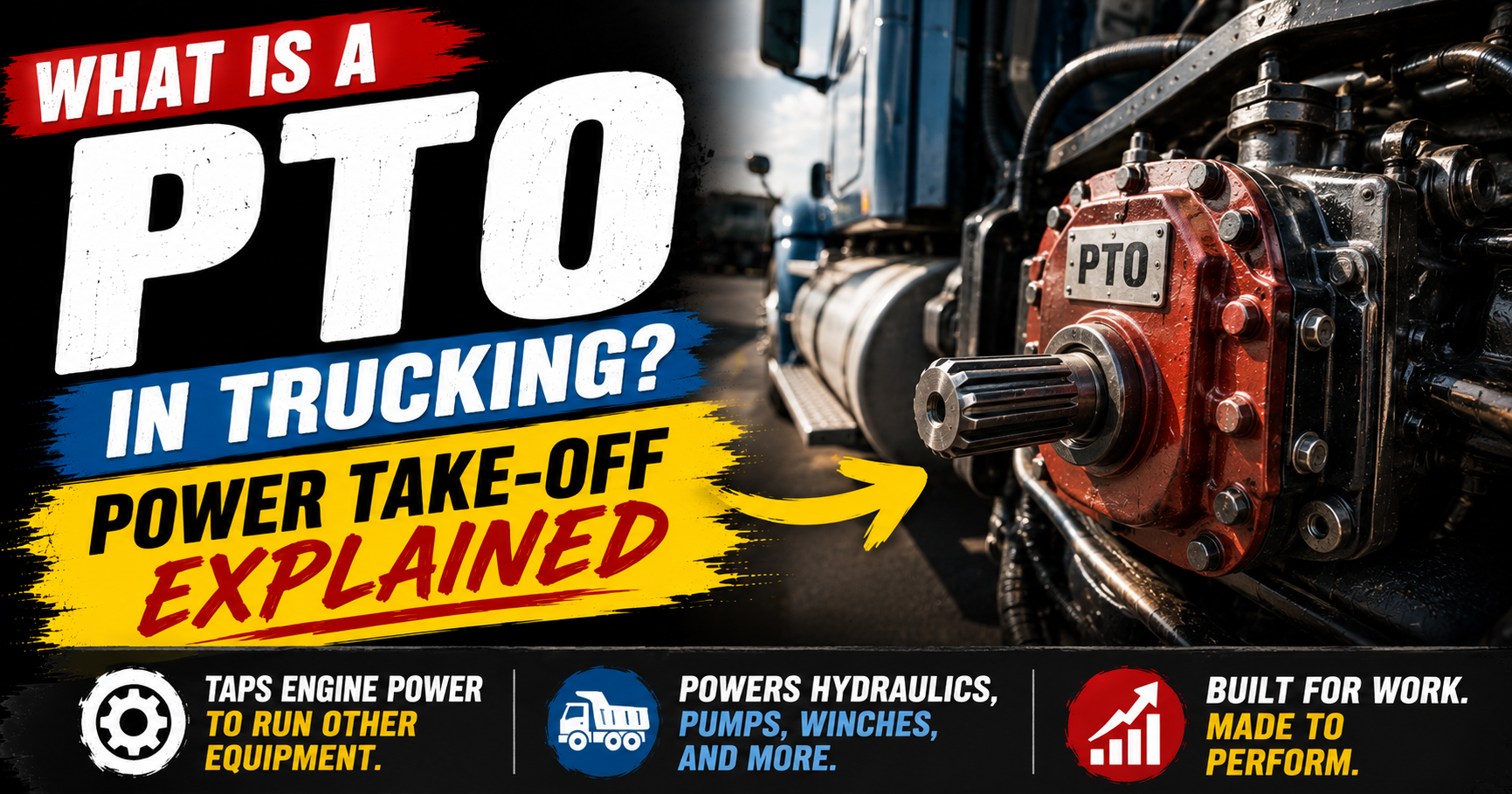
A PTO, or Power Take-Off, is one of the most useful systems found on many commercial trucks. Without it, dump beds wouldn’t raise, concrete mixers wouldn’t spin, vacuum trucks wouldn’t work, and many hydraulic systems would simply sit there doing nothing. The hydraulic lifting application is explained in practical detail in this What Is a Dump Trailer? A Complete Guide for CDL Drivers.
If you’re planning on driving anything besides a basic highway tractor, chances are you’ll eventually operate a truck equipped with a PTO.
What Does PTO Mean?
PTO stands for Power Take-Off.
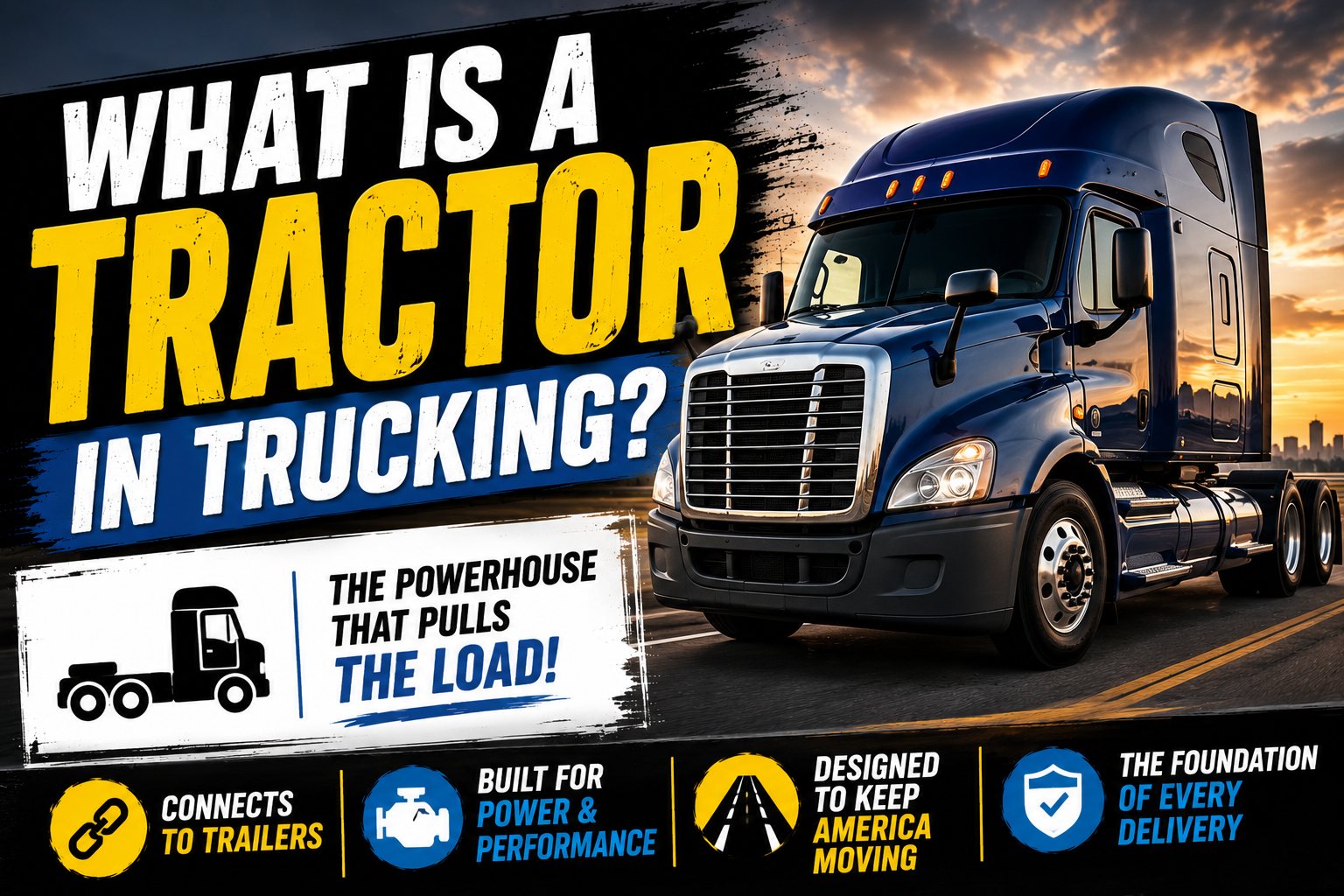
It’s a mechanical device that transfers power from the truck’s engine and transmission to auxiliary equipment that performs work outside of simply driving the truck. Understanding the tractor itself provides useful context for where that engine and transmission power comes from in What Is a Tractor in Trucking?.
Instead of using a separate engine to power hydraulic pumps or other equipment, the truck’s engine provides that power through the PTO.
It’s a simple idea that’s been used in commercial trucks for decades.
How Does a PTO Work?
Think of the PTO as a power transfer system.
When the driver engages the PTO, engine power is redirected from the transmission to equipment mounted on the truck.
That equipment might include:
- Hydraulic pumps.
- Winches.
- Air compressors.
- Concrete mixer drums.
- Vacuum pumps.
- Dump bed hydraulics.
- Crane systems.
Instead of simply turning the drive wheels, the engine is now helping operate specialized equipment.

What Types of Trucks Use PTOs?
Many commercial vehicles rely on PTO systems every day.
Some of the most common include:
- Dump trucks.
- Concrete mixers.
- Roll-off trucks.
- Garbage trucks.
- Vacuum trucks.
- Tow trucks.
- Utility trucks.
- Flatbeds with hydraulic equipment.
- Snowplows.
- Tank trucks with pumps.
A standard over-the-road semi pulling a dry van may never use a PTO.
A dump truck driver, on the other hand, might engage it dozens of times every day.
Dump Trucks and PTO Systems
When most people think of a PTO, they usually picture a dump truck.
That’s because the hydraulic cylinder that raises the dump bed is almost always powered through a PTO.
The driver stops.
Engages the PTO.
Activates the hydraulic controls.
The dump bed raises.
Without the PTO supplying power to the hydraulic pump, none of that would happen.
If you’re interested in heavy construction trucking, be sure to browse our Dump Truck articles where we’ll be covering equipment, safety, and real-world operating tips.

Why PTOs Are So Useful
Imagine if every dump truck needed a second engine just to raise the bed.
That would make trucks heavier, more expensive, and much harder to maintain.
The PTO solves that problem by allowing one engine to do both jobs.
It powers the truck down the road.
Then, when needed, it powers the equipment attached to the truck.
It’s an incredibly efficient system.
Is Every Truck Equipped with a PTO?
No.
Many highway tractors don’t have one because they simply don’t need it.
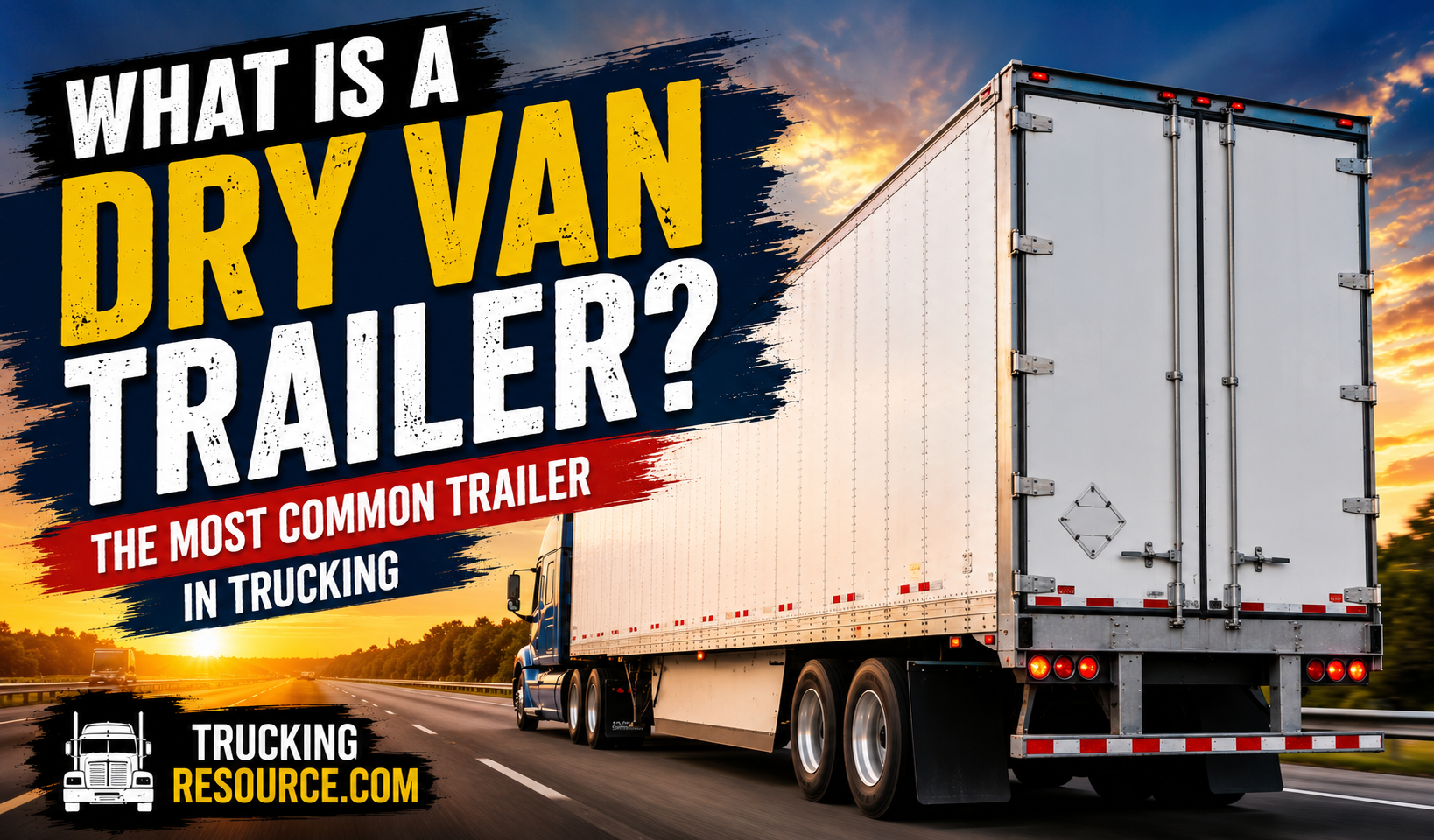
If you’re hauling dry vans, refrigerated trailers, or many flatbed loads, you may never touch a PTO. If you are still learning the equipment differences, dry van trailers are a useful place to start because they are common in over-the-road freight.
It’s much more common on vocational trucks designed to perform work beyond hauling freight.
How Do Drivers Engage the PTO?
The exact procedure depends on the truck.
Some systems use:
- Dashboard switches.
- Air-operated controls.
- Electric switches.
- Manual levers.
Most manufacturers also require the truck to be stopped before the PTO can be engaged safely.
Always follow the manufacturer’s operating procedures.
Using a PTO incorrectly can damage expensive equipment.
Inspecting a PTO System
If I’m driving a truck equipped with a PTO, I include it in my daily inspection.
I check for:
- Hydraulic leaks.
- Loose hoses.
- Damaged fittings.
- Proper fluid levels.
- Secure mounting hardware.
- Unusual noises.
- Proper operation.
Hydraulic systems work under extremely high pressure.
A small leak today can become a major repair tomorrow.

Common PTO Problems
Like every mechanical system, PTOs require maintenance.
Some of the more common problems include:
- Hydraulic leaks.
- Worn pumps.
- Damaged hoses.
- Low hydraulic fluid.
- Broken switches.
- Improper engagement.
- Worn drive components.
Fortunately, regular inspections usually catch these issues before they become serious.
Will PTO Questions Be on the CDL Exam?
If you’re taking the standard CDL General Knowledge exam, you probably won’t see many detailed PTO questions.
However, if you’re driving vocational equipment like dump trucks, concrete mixers, or utility trucks, you’ll hear the term almost every day.
Understanding what a PTO does is simply part of becoming a knowledgeable commercial driver.
If you’re still preparing for your CDL, our CDL General Knowledge Study Guide PDF covers many of the core concepts you’ll need before earning your license.
One Piece of Gear That Makes PTO Inspections Easier
Whenever I’m checking hydraulic hoses, fittings, or looking underneath a dump truck before sunrise, good lighting makes all the difference.
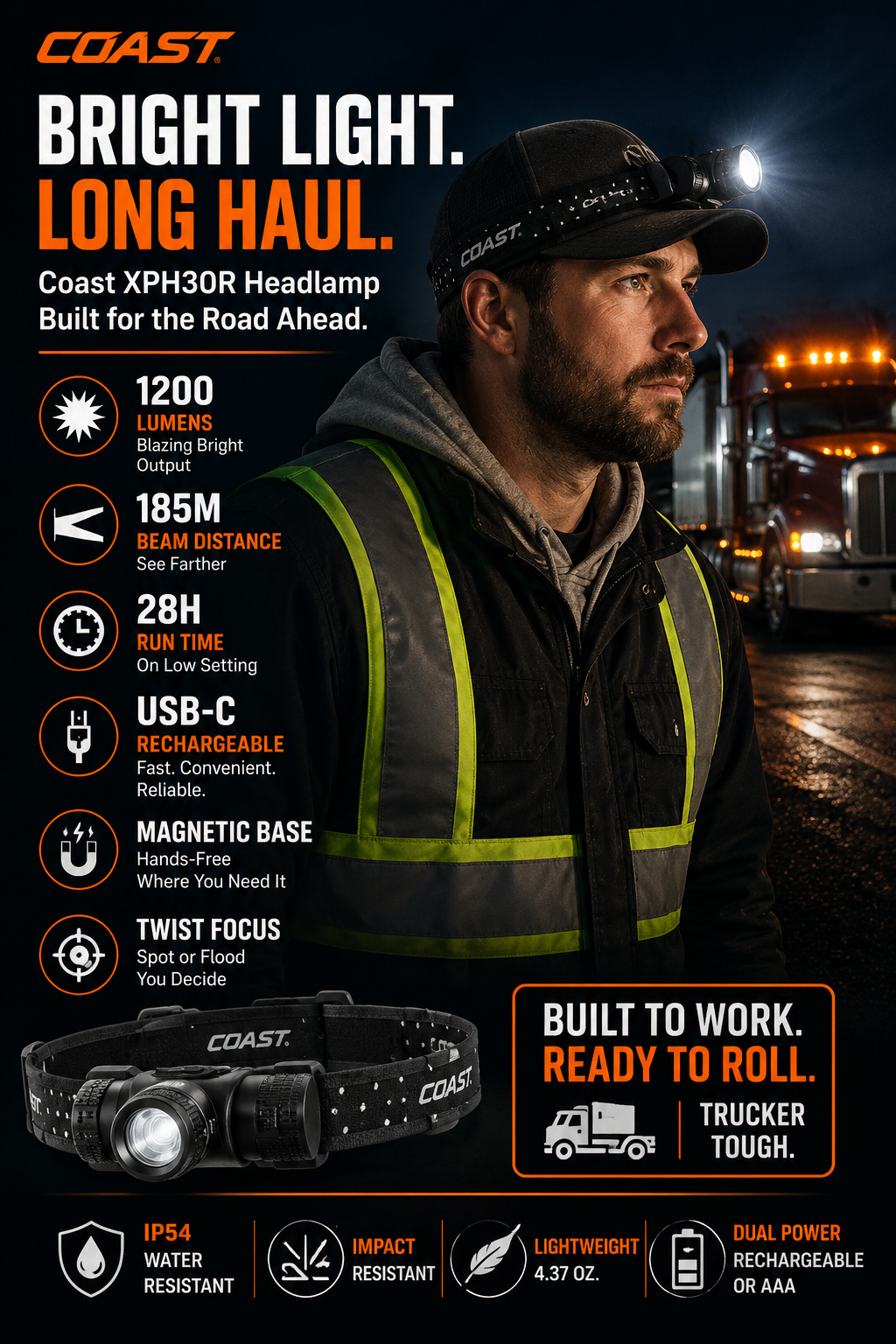
That’s why I carry the Coast XPH30R USB-C Rechargeable Dual Power Headlamp.
Having both hands free makes it much easier to inspect hydraulic components safely and thoroughly.
My Advice After Years Around PTO Equipment
I’ve operated trucks with PTO systems for years, and one thing has always been true.
Never rush.
Hydraulic equipment is incredibly useful, but it also demands respect.
Take a few extra minutes to inspect hoses.
Watch for leaks.
Listen for unusual noises.
Operate the controls smoothly.
Those habits will protect both your equipment and the people working around it.
The PTO may be hidden underneath the truck, but it’s one of the hardest-working systems on many commercial vehicles. Once you understand how it works, you’ll have a much better appreciation for the equipment that keeps America’s construction sites, farms, utility crews, and trucking industry moving every day.
Author: Brian Cooper
Brian Cooper spent more than 24 years operating and training drivers on vocational trucks, including dump trucks, roll-off trucks, and heavy equipment transport. His experience with hydraulic systems, PTO operation, and commercial equipment has helped hundreds of new drivers safely transition from highway trucking into specialized vocational work.