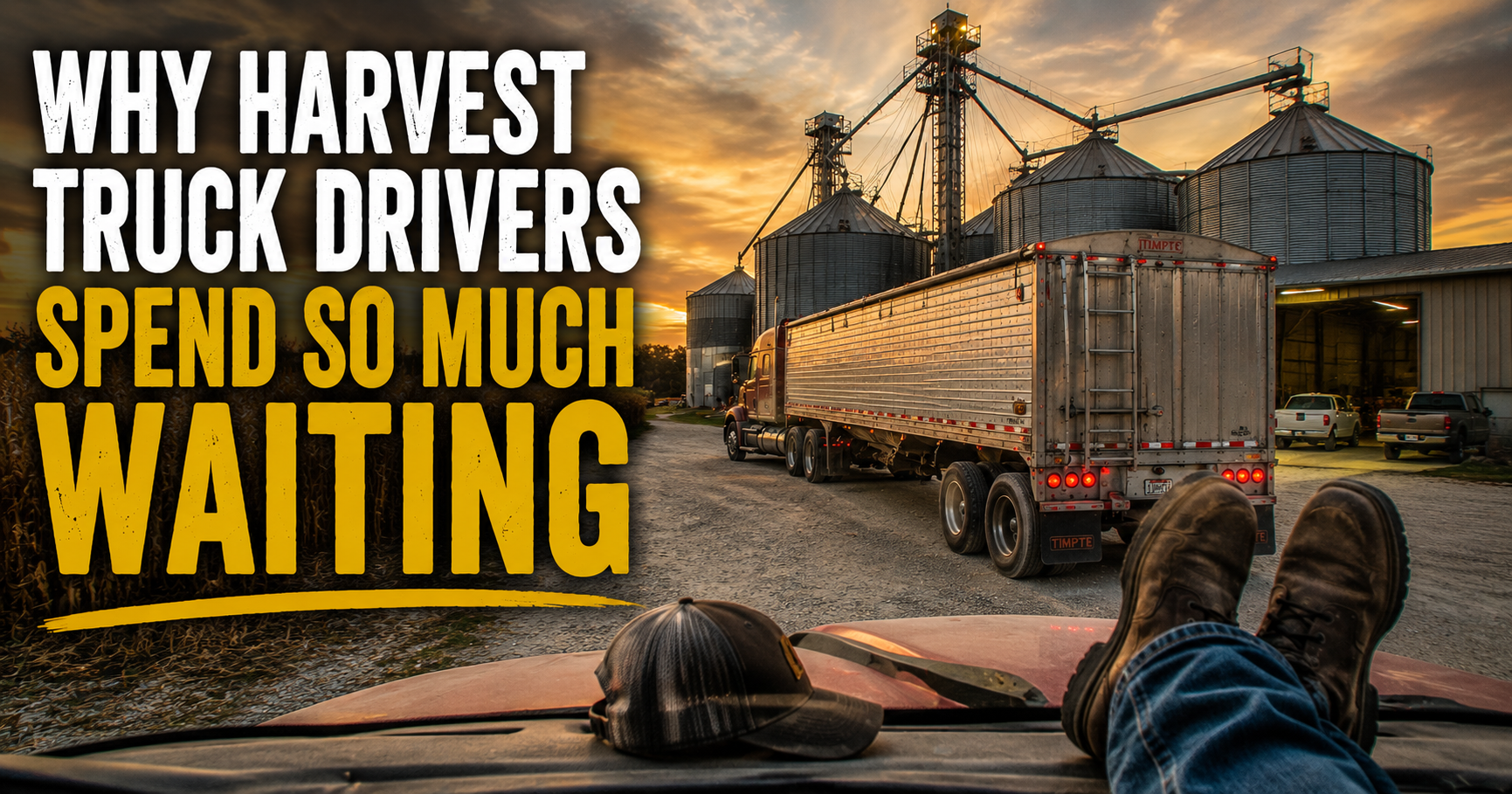
Before I started my first trucking job, I pictured myself constantly moving.
Drive to the field.
Load the truck.
Drive to the grain bins.
Unload.
Repeat.
After my first few days hauling corn during harvest, I realized something.
There’s actually quite a bit of waiting.
At first, I wondered if something was wrong.
Were we behind?
Was someone holding everything up?
The answer was no.
Waiting is simply part of harvest.
In fact, many times it’s exactly what keeps the entire operation running efficiently.
Once I understood how everything worked together, the waiting made perfect sense.
If you’re new to harvest trucking, I’d recommend reading How Harvest Trucking Works From Field to Grain Bin first because it explains how the combine, grain cart, truck, and grain bins all depend on one another.
The Goal Isn’t Keeping the Truck Moving
One thing I misunderstood before starting this job was what the real goal of harvest actually is.
I assumed the goal was to keep trucks hauling as many loads as possible.
That’s only part of it.
The real goal is to keep the entire harvest operation moving.
That means the combines.
The grain carts.
The trucks.
The grain handling system.
If one part gets too far ahead of another, the entire operation slows down.
Harvest efficiency isn’t about making one piece of equipment work nonstop.
It’s about keeping the entire system balanced. Agricultural harvest planning focuses on preventing bottlenecks so expensive equipment like combines doesn’t spend unnecessary time sitting idle.
Sometimes the Combine Simply Isn’t Ready
One of the most common reasons I wait is because the combine is still harvesting.
It takes time to fill the combine’s grain tank.
Then it takes more time for the grain cart to collect enough grain before coming to load the truck.
From the truck driver’s seat, that means waiting.
At first it felt strange.
Now I understand that’s exactly how it’s supposed to work.
I’d much rather wait a few minutes than have the combine stop harvesting because everyone was rushing the process.

The Grain Cart Is Busy Too
Another thing I didn’t fully appreciate before starting was how much the grain cart operator has going on.
They’re constantly moving between the combine and the waiting trucks.
Sometimes they’re unloading one combine.
Sometimes they’re headed toward another.
Sometimes they’re already loading another truck.
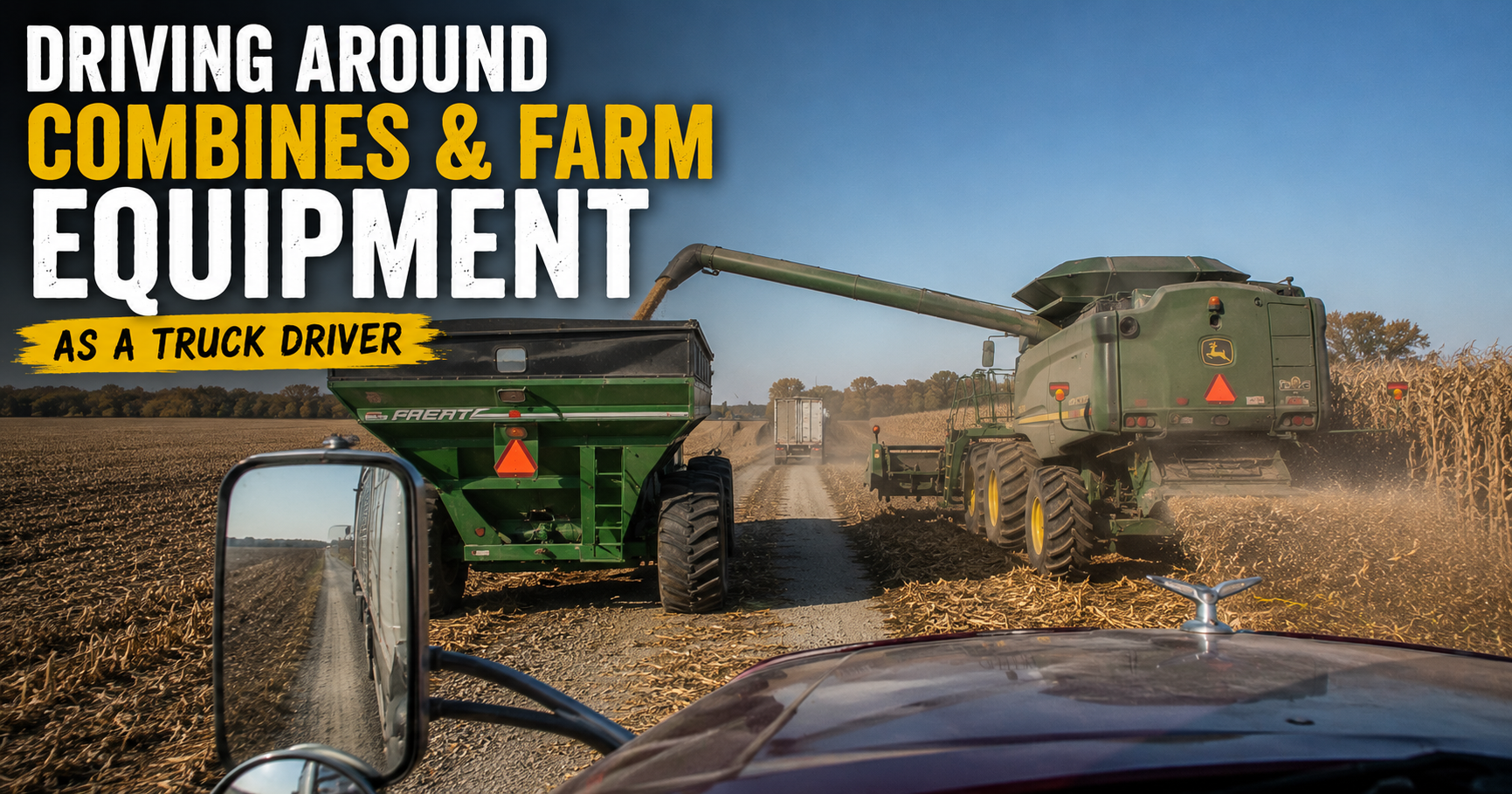
The grain cart is often the busiest machine in the field because it’s connecting everything together. Drivers who encounter these machines outside the field can also benefit from knowing how to handle sharing roads with grain carts.
If you’ve ever wondered why farms spend so much money on grain carts, it’s because they help prevent combines from sitting still waiting to unload.
Sometimes You’re Waiting at the Grain Bins
Waiting doesn’t just happen in the field.
Sometimes it happens after the truck is loaded.
When I pull into the grain bins, there may already be another truck unloading.
The augers may still be moving grain into storage.
Someone may be switching bins.
Or everyone may simply arrive at nearly the same time.
At first I thought, “We’re losing time.”
Now I realize everyone is simply working through the next step of the process.
Trying to rush trucks through the unloading area usually creates more problems than it solves.
Weather Can Bring Everything to a Stop
This is farming.
Weather has the final say.
A rain shower can make field entrances too soft.
Heavy dew can delay harvesting until crops dry down.
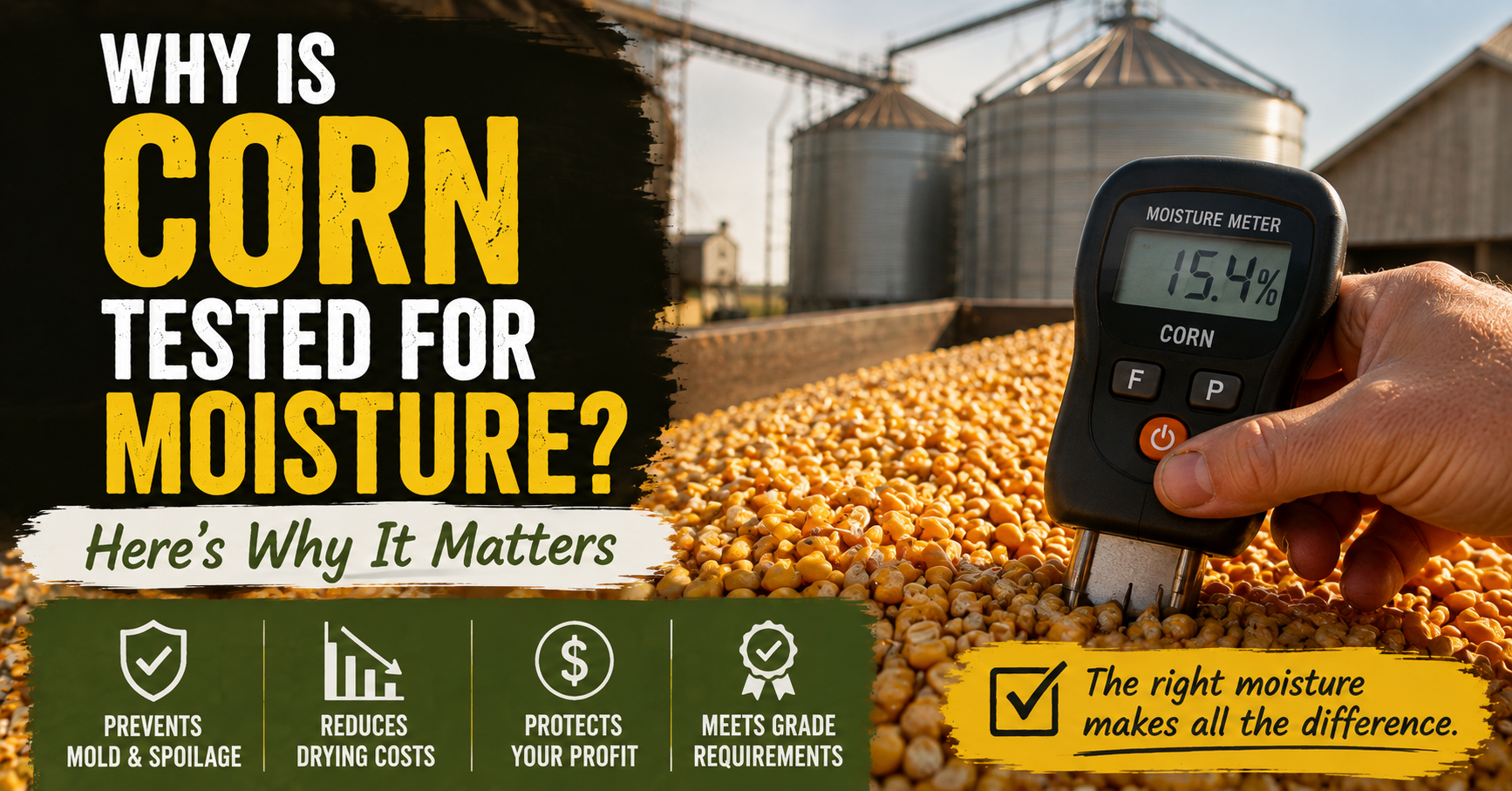
Sometimes grain moisture is too high, so harvesting slows or stops until conditions improve. That decision also affects drying, storage, and the value of the crop, as explained in why wet corn can delay harvest.
As a truck driver, that means there are times when the smartest thing you can do is wait.
You can’t haul grain that hasn’t been harvested yet.
Weather-related delays are simply part of agriculture, and every harvest season has them.
Waiting Doesn’t Mean You’re Wasting Time
This was probably the biggest mindset change for me.
Before I started trucking, I thought productivity meant the truck should always be moving.
Now I see it differently.
If I’m waiting because the combine is still harvesting…
That’s okay.
If I’m waiting because another truck is unloading…
That’s okay.
If I’m waiting because everyone is trying to keep the combines running…
That’s okay too.
Harvest isn’t about making one truck as busy as possible.
It’s about making the entire operation as efficient as possible.
Sometimes the most productive thing a truck driver can do is simply be in the right place when the next load is ready.


Good Communication Makes the Waiting Easier
One thing I’ve noticed is that communication keeps everyone on the same page.
Knowing where the combines are.
Knowing which truck is next.
Knowing whether the grain cart is almost full.
Knowing if the bins are backed up.
When everyone communicates well, there’s a lot less confusion.
Even when you have to wait, you usually understand why you’re waiting.
That makes a big difference.
I Started Looking at Waiting Differently
After my first few days, I stopped watching the clock so much.
Instead, I started paying attention to the flow of harvest.
The combine fills.
The grain cart unloads.
The truck loads.
The truck unloads.
Then it starts all over again.
Once I understood that cycle, the waiting didn’t bother me nearly as much.
It became obvious that everyone was working toward the same goal.
Keep the harvest moving.
Not necessarily keep one truck moving.
Patience Is One of the Most Valuable Skills a Harvest Driver Can Have
Nobody told me before I started that patience would become one of my biggest strengths.
Driving safely requires patience.
Waiting your turn requires patience.
Letting the grain cart finish loading another truck requires patience.
Waiting on weather requires patience.
I’ve learned that the drivers who stay calm usually have much better days than the ones who get frustrated over every delay.
Harvest has enough moving parts already.
Keeping the right attitude makes the day go much smoother.
Frequently Asked Questions
Why do grain truck drivers wait so much?
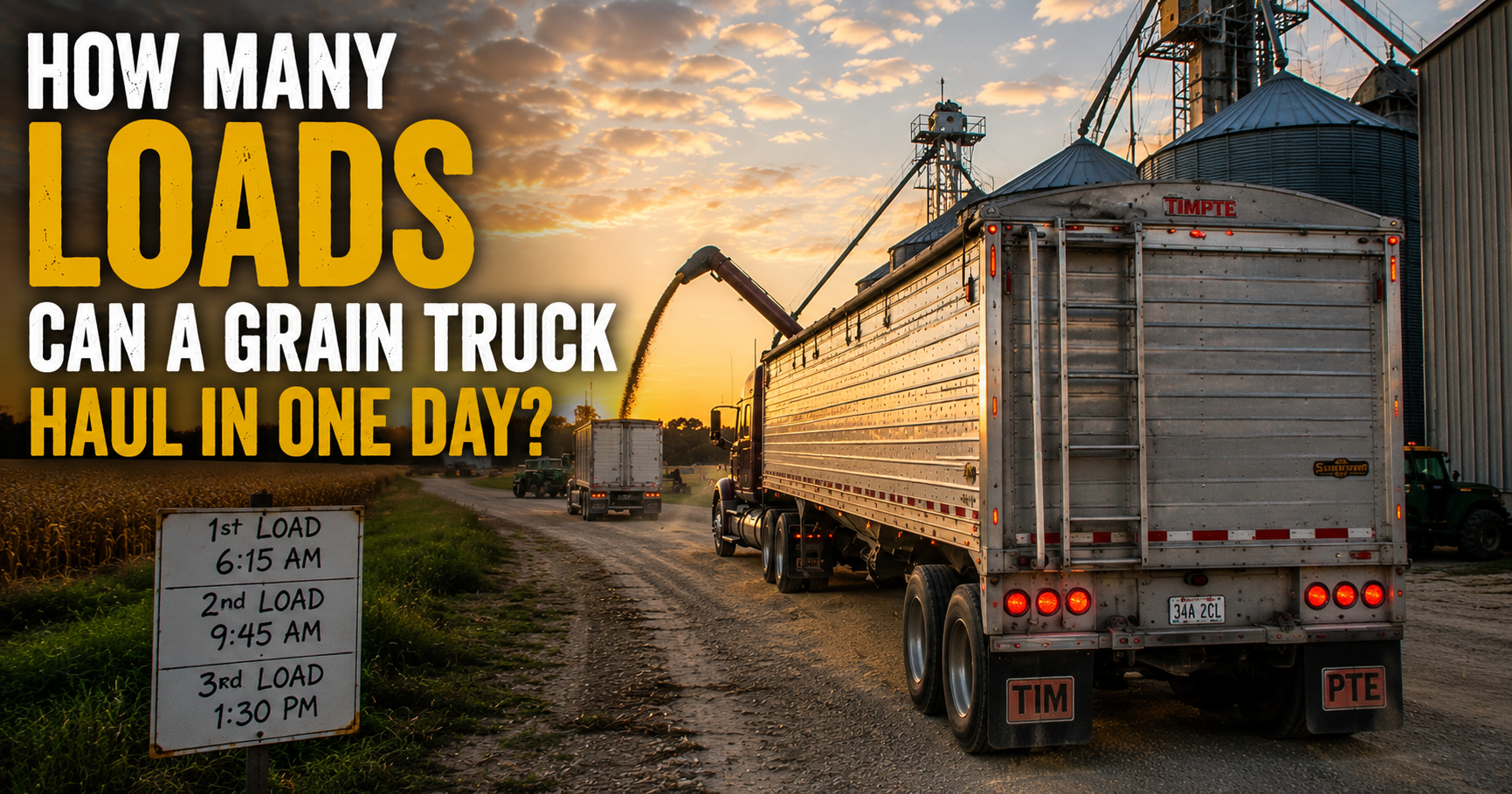
Because harvest is a coordinated operation. Trucks often wait for combines to fill, grain carts to transfer grain, unloading areas to open, or weather conditions to improve. Those pauses help keep the entire harvest moving efficiently instead of creating bottlenecks. Those delays are one reason daily grain truck loads can vary so much from one harvest day to the next.
Is waiting considered part of the job?
Absolutely. After starting my first harvest season, I realized waiting isn’t unusual at all. It’s simply another part of the harvest cycle.
Do truck drivers get frustrated waiting?
I’m sure some do. For me, understanding why the waiting happens changed my perspective. Once I realized the goal was keeping the combines harvesting instead of keeping my truck moving nonstop, it made a lot more sense.
Could more trucks eliminate the waiting?
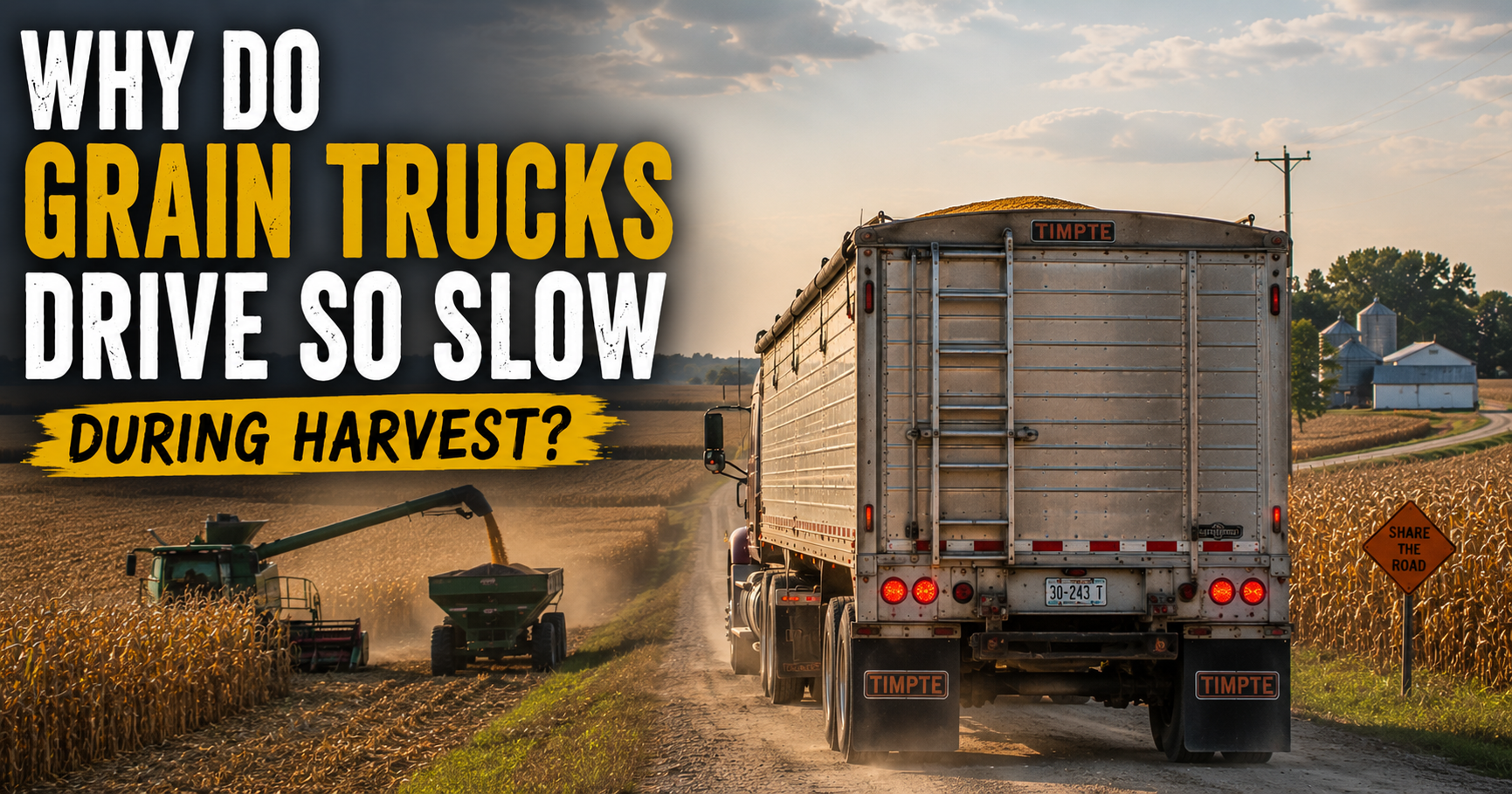
Not always. Harvest is a balance between combines, grain carts, trucks, unloading equipment, storage capacity, and weather. Adding more trucks doesn’t automatically make the operation more efficient if another part of the system becomes the bottleneck. The focus article also shows why that efficiency depends on why harvest trucks prioritize safety, rather than simply moving faster.
Waiting Is Just Another Part of Harvest
Before I started hauling grain, I thought waiting meant something had gone wrong.
Now I know better.
Harvest is like a chain.
The combine.
The grain cart.
The truck.
The grain bins.
Each one depends on the others.
Sometimes my job is driving.
Sometimes my job is unloading.
And sometimes my job is simply waiting so the next part of the process can happen safely and efficiently.
Once I understood that, waiting stopped feeling like wasted time and started feeling like another important part of bringing in the crop.
Author: Jake Harrison
Jake Harrison is a commercial transportation writer for TruckingResource.com who specializes in CDL training, trucking safety, commercial vehicles, and freight operations. He works with the TruckingResource.com editorial team to create practical, beginner-friendly resources that help new drivers build confidence and understand how the trucking industry works.