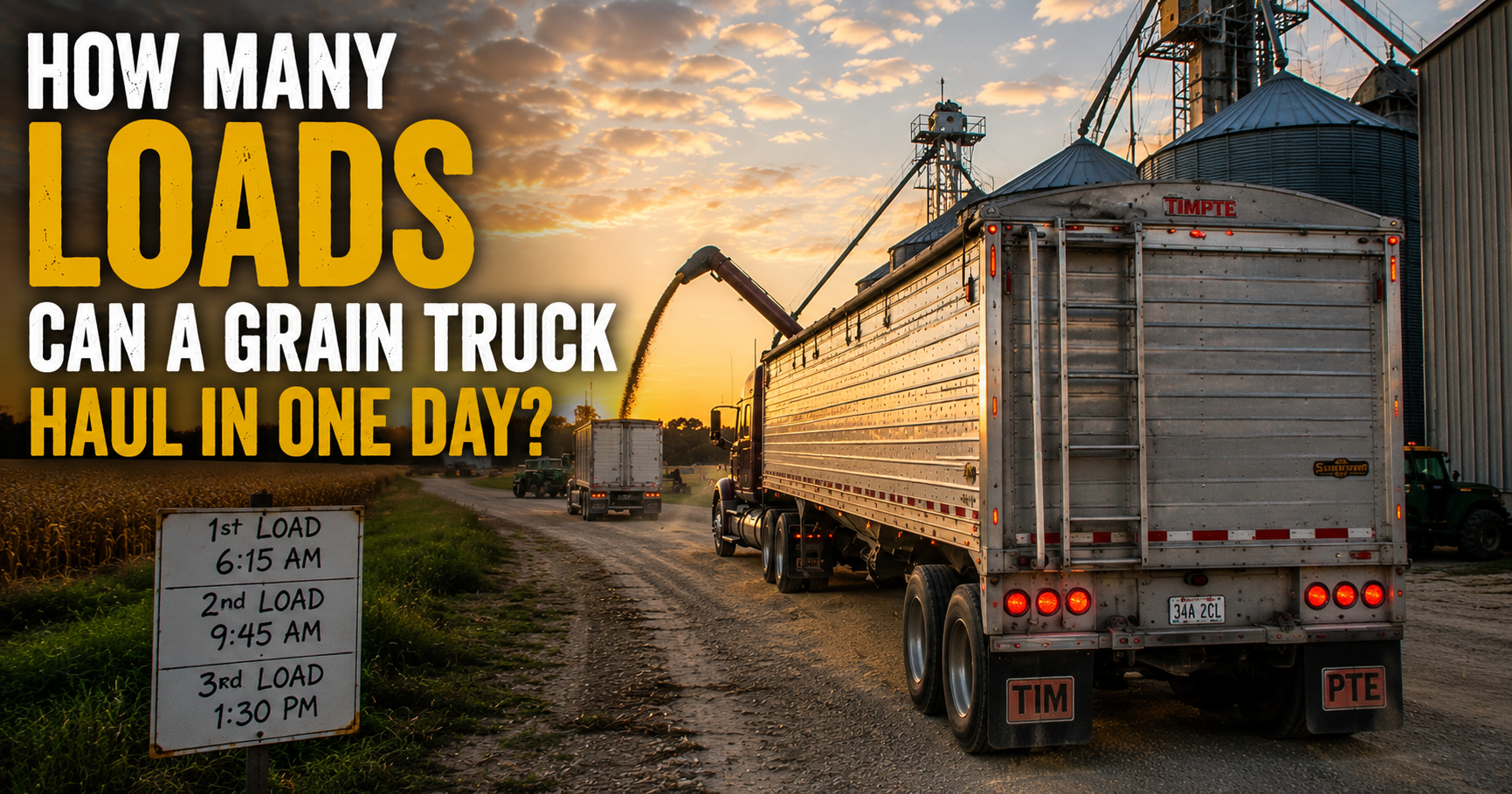
Since I started hauling corn during harvest, one question comes up quite a bit.
“How many loads do you haul in a day?”
It sounds like it should have a simple answer.
It doesn’t.
Some days you’ll haul more loads than others, even though you’re driving the same truck and working with the same crew.
After spending time in harvest, I’ve realized there are a surprising number of things that affect how many trips a truck can make before the day is over.
If you’re new to harvest trucking, I’d recommend reading How Harvest Trucking Works From Field to Grain Bin first because understanding the overall harvest process makes it much easier to understand why the number of daily loads constantly changes.
There Isn’t One Magic Number
I wish I could tell you every grain truck hauls eight loads a day.
Or ten.
Or twelve.
The truth is, there simply isn’t one number that fits every operation.
Some farms are only a few minutes from their grain bins.
Others haul grain many miles to a commercial elevator.
Some fields produce exceptional yields.
Others don’t.
Every one of those factors changes how many trips a truck can make before harvest ends for the day.
Even experienced grain haulers will tell you the answer is usually, “It depends.” Truck demand, haul distance, waiting time, and harvest conditions all affect daily productivity.
Distance Makes One of the Biggest Differences
The farther the truck has to travel, the fewer loads it can complete.
That sounds obvious, but it’s probably the single biggest factor.
If the grain bins are only a few miles from the field, trucks can turn around much faster.
If every load requires a long drive to an elevator or another storage location, each trip naturally takes longer.
That’s why two farms using the exact same truck may end the day with very different numbers of loads.
One simply has a much longer round trip than the other.
Waiting Is Part of the Equation
One thing that surprised me during my first harvest was how much waiting is involved.
You’re not always driving.
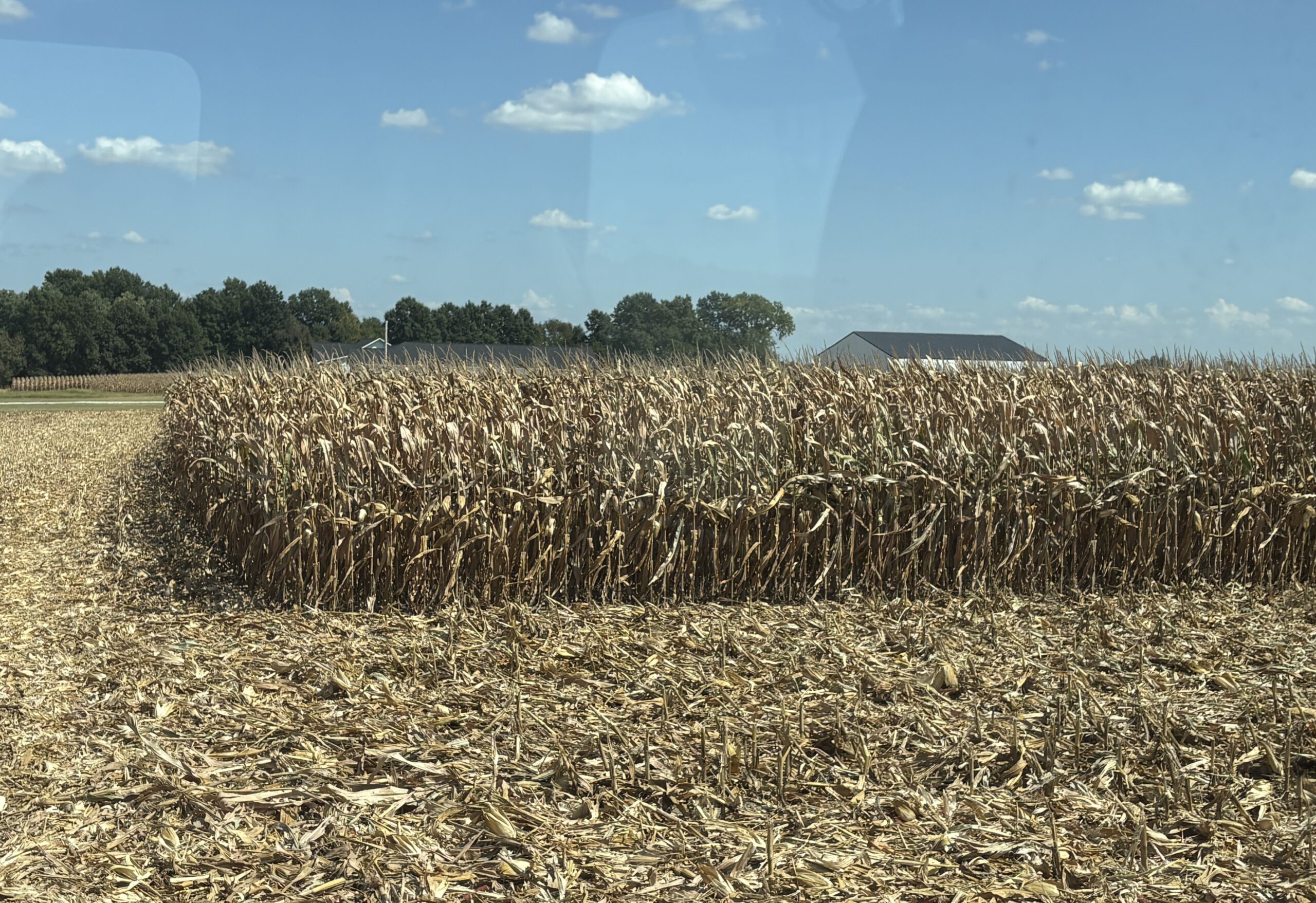
Sometimes you’re waiting on the combine.
Sometimes you’re waiting on the grain cart.
Sometimes you’re waiting to unload.
At first, I thought that meant something wasn’t going according to plan.
Now I understand it’s simply part of keeping the entire harvest operation balanced.
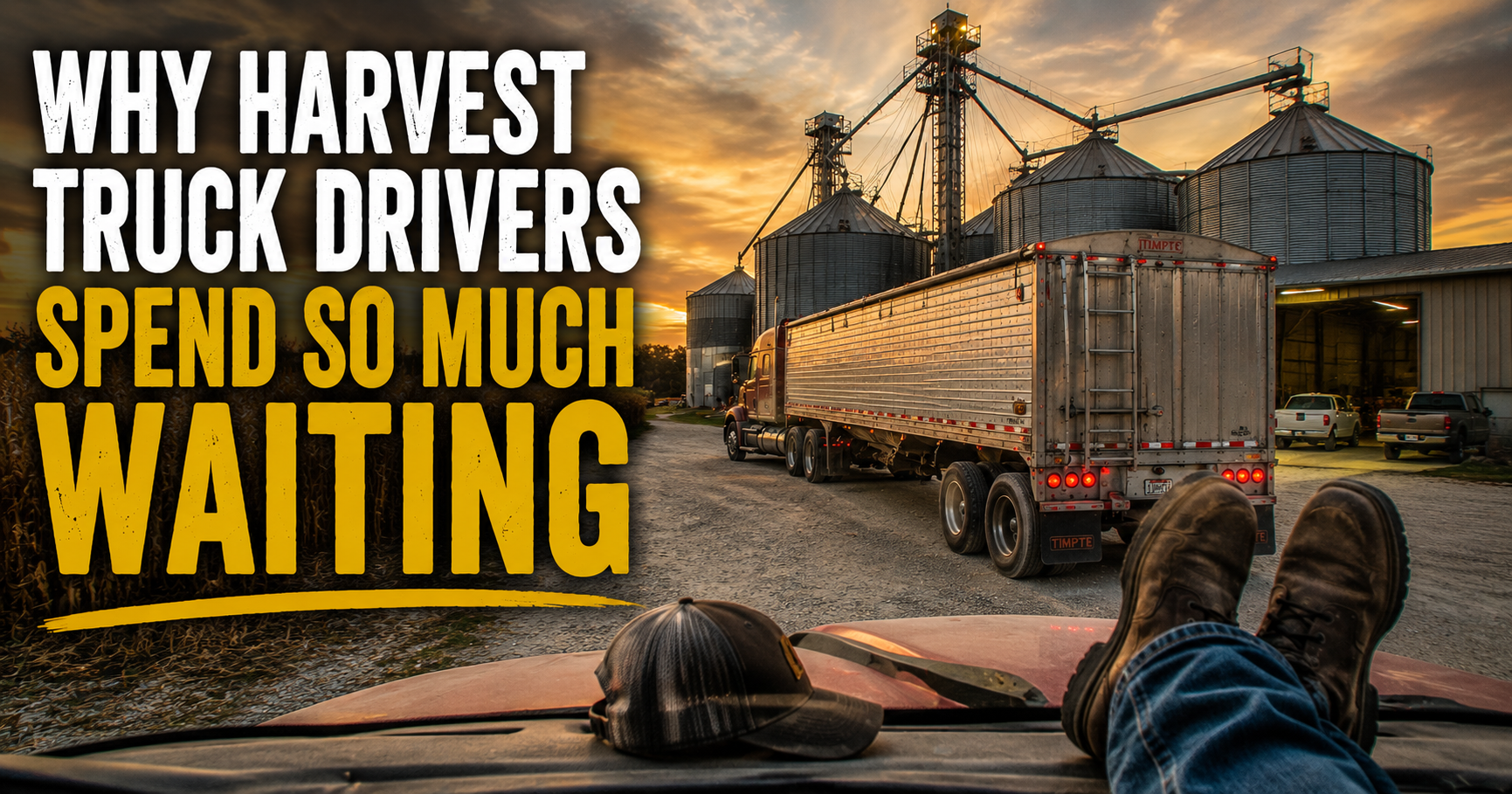
I explain that in much more detail in Why Harvest Truck Drivers Spend So Much Time Waiting because waiting is actually one of the reasons harvest can run efficiently instead of becoming a bottleneck.
Harvest Speed Changes Throughout the Day
One thing I’ve learned is that harvest rarely moves at exactly the same pace all day long.
Sometimes everything lines up perfectly.
The combines are harvesting steadily.
The grain carts are keeping up.
The trucks are loading and unloading without much waiting.
Other times, the pace slows down.
Maybe a combine needs a quick repair.
Maybe another truck is unloading.
Maybe everyone reaches the grain bins around the same time.
Those little delays add up, and they directly affect how many loads each truck finishes before the day ends.

Grain Yield Makes a Difference Too
Something else I hadn’t thought much about before starting this job was crop yield.
Some fields simply produce more corn than others.
When yields are high, combines fill faster.
That usually means grain carts are making more trips to the trucks.
The trucks may spend less time waiting to load because the combine is producing grain more quickly.
On lower-yielding fields, it can take longer for enough grain to be harvested to fill a truck.
Every field is a little different, which is another reason there’s no standard answer for how many loads a truck hauls in one day.
Equipment Problems Can Slow Everyone Down
Harvest depends on a lot of machines working together.
Combines.
Grain carts.
Tractors.
Grain trucks.
Augers.
Grain bins.
If one piece of equipment has a mechanical problem, everyone else usually feels it too.
Even something that only takes thirty minutes to repair can change how many loads are hauled that day.
Fortunately, most farmers do everything they can to maintain equipment before harvest because downtime during harvest is something everyone wants to avoid.



Every Truck Isn’t Carrying the Same Amount
Another thing people don’t always realize is that two grain trucks may not be hauling identical loads.
The amount of grain a truck can legally carry depends on several factors.
The truck.
The trailer.
The crop.
Weight limits.
Road regulations.
That’s one reason people usually talk about bushels or tons instead of simply counting loads.
A truck making fewer trips may actually haul more grain than another truck making additional trips if each load is larger.
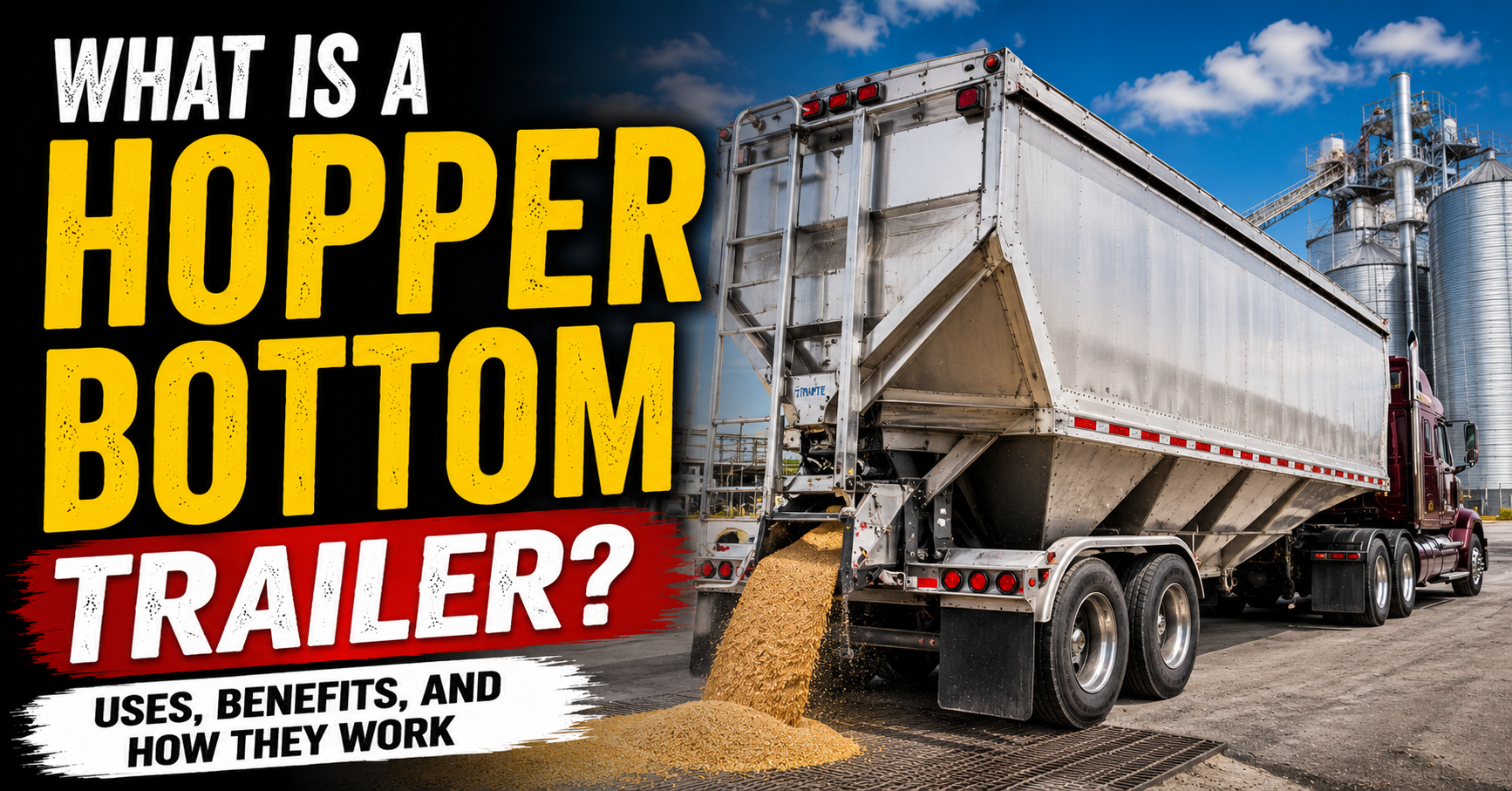
If you’re curious about the trailers commonly used for harvest, my guide to hopper bottom trailers explains why they’re the preferred choice for hauling grain.
It’s Better to Focus on Doing the Job Well
When I first started, I found myself wondering how many loads I’d finish.
Now I think about it differently.
My job isn’t to chase a certain number.
My job is to haul every load safely.
If that ends up being six loads…
Great.
If it’s ten…
Great.
The number isn’t nearly as important as doing every trip correctly.
That mindset has actually made the job much more enjoyable.

Frequently Asked Questions
How many loads can a grain truck haul in one day?
There isn’t one standard number. It depends on haul distance, field location, crop yield, unloading time, weather, equipment, and how efficiently the entire harvest operation is moving.
Why do some trucks haul more loads than others?
Some trucks have much shorter trips between the field and the grain bins. Others spend more time driving, waiting to unload, or traveling to commercial grain elevators, all of which affects the total number of loads.
Does weather reduce the number of loads?
Absolutely. Rain, muddy field entrances, high grain moisture, or even strong storms can slow or temporarily stop harvest, reducing the number of trips trucks can make that day.
Is hauling more loads always better?
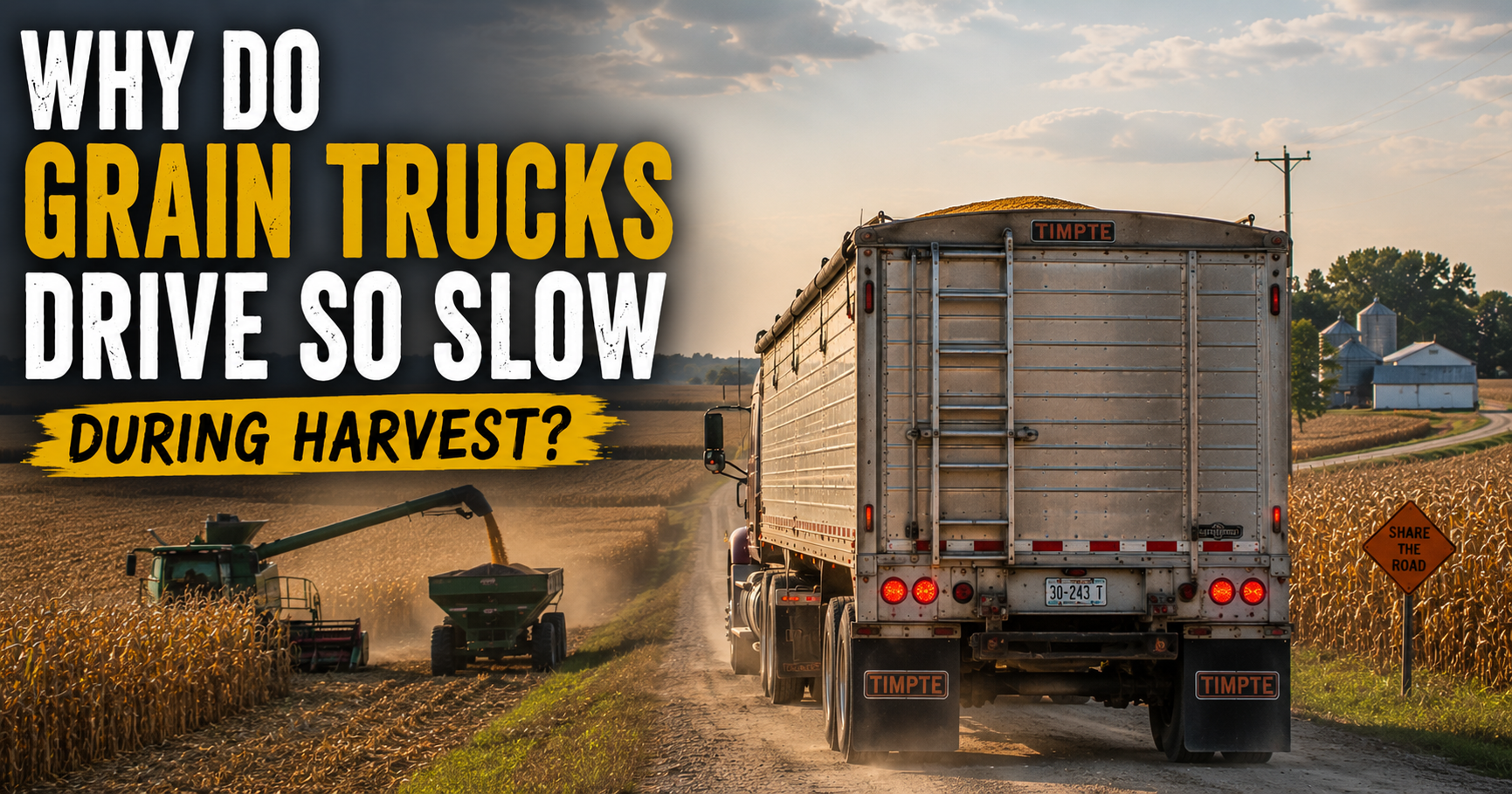
Not necessarily. Harvest is about keeping the entire operation moving safely and efficiently. Rushing to squeeze in one more load isn’t worth risking an accident or equipment damage. For more context on that tradeoff, see the safety reasons for slower driving.
Every Harvest Day Is Different
After spending time hauling corn, I’ve realized there really isn’t such a thing as an “average” harvest day.
Some days everything clicks.
Other days you’re waiting on weather, equipment, or unloading.
That’s just part of agriculture.
The truck is only one piece of the harvest puzzle, and the number of loads you haul is simply the result of how all those pieces work together that day.
I’ve found it’s much better to focus on driving safely, helping the team, and letting the number of loads take care of itself.
Author: Jake Harrison
Jake Harrison is a commercial transportation writer for TruckingResource.com who specializes in CDL training, trucking safety, commercial vehicles, and freight operations. He works with the TruckingResource.com editorial team to create practical, beginner-friendly resources that help drivers better understand both everyday trucking and specialized agricultural hauling.