
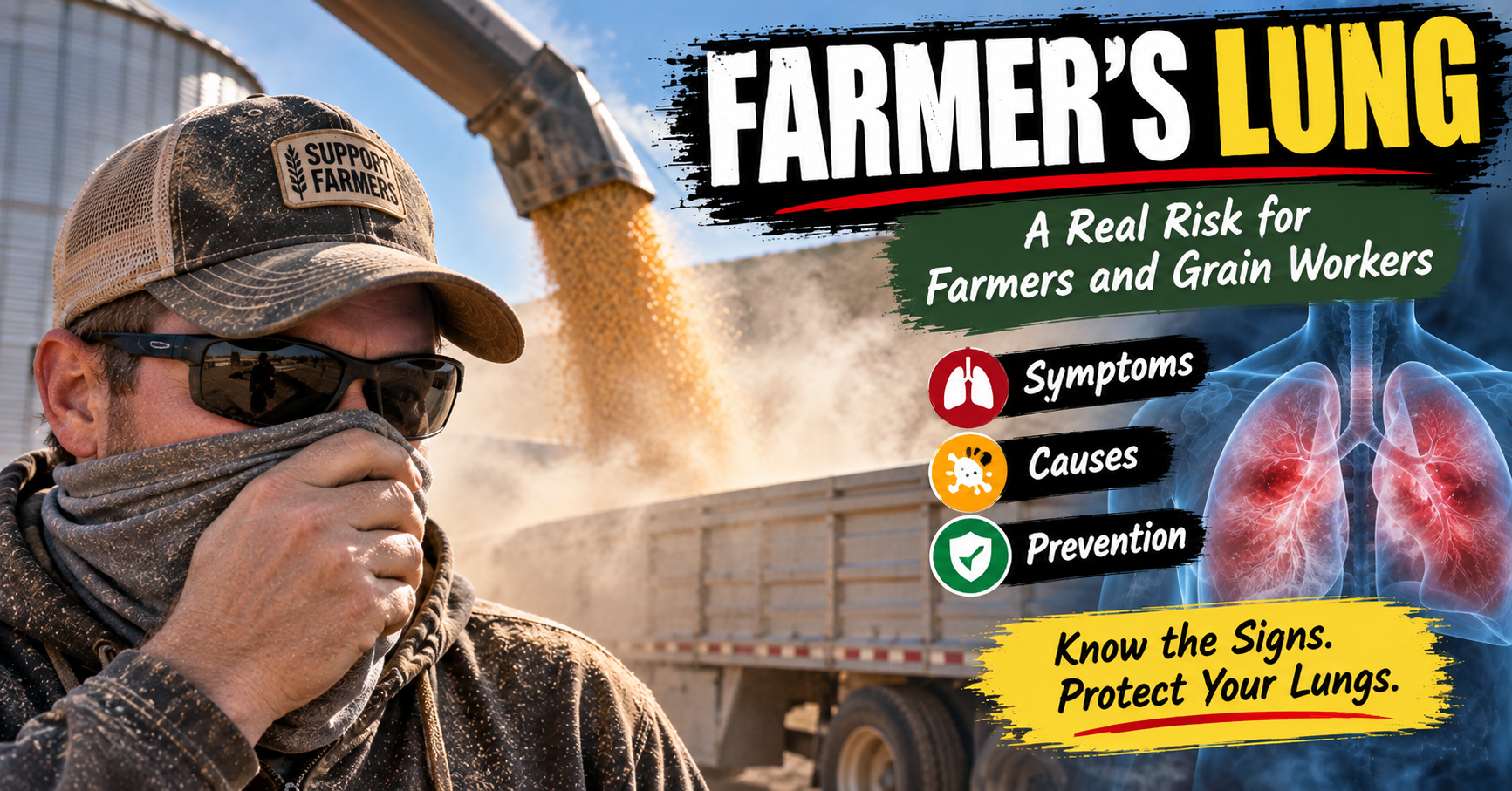
Before I started hauling grain during harvest, I had never even heard the term Farmer’s Lung.
After standing beside hopper-bottom trailers while they unloaded into grain bins, I started learning more about grain dust and what repeated exposure can do to your lungs.
Most of us expect to get dusty during harvest.
What many people don’t realize is that breathing certain types of agricultural dust, especially dust from moldy hay, grain, or straw, can trigger a serious lung condition known as Farmer’s Lung.
Fortunately, it’s also something that’s often preventable by reducing exposure and using the proper protective equipment.
What Is Farmer’s Lung?
Farmer’s Lung is a type of hypersensitivity pneumonitis, which is an inflammatory reaction inside the lungs caused by repeatedly breathing in certain organic dusts.
Unlike a cold or the flu, Farmer’s Lung isn’t caused by a virus or bacteria.
Instead, your immune system overreacts after inhaling tiny mold spores and other particles that become airborne when handling moldy hay, straw, grain, silage, or other agricultural materials.
Over time, repeated exposure can lead to inflammation and, in severe untreated cases, permanent scarring of the lungs.
What Causes Farmer’s Lung?
The biggest trigger isn’t ordinary clean corn.
It’s mold-contaminated agricultural dust.
Common sources include:
- Moldy hay.
- Moldy straw.
- Stored grain.
- Silage.
- Feed dust.
- Damp crops that have developed mold.
When these materials are disturbed, microscopic spores become airborne.
You can’t usually see them, but you can breathe them deep into your lungs.
Not everyone develops Farmer’s Lung. It occurs when a person’s immune system becomes sensitized and reacts to repeated exposure.
Is This the Same Thing as Grain Dust Irritation?
No.
This is an important distinction.
Simply breathing grain dust may cause:
- A sore throat.
- Coughing.
- Burning eyes.
- Sneezing.
- Temporary chest irritation.
Farmer’s Lung is different.
It’s an immune-mediated lung disease that can continue getting worse with repeated exposure if it isn’t recognized and managed properly.
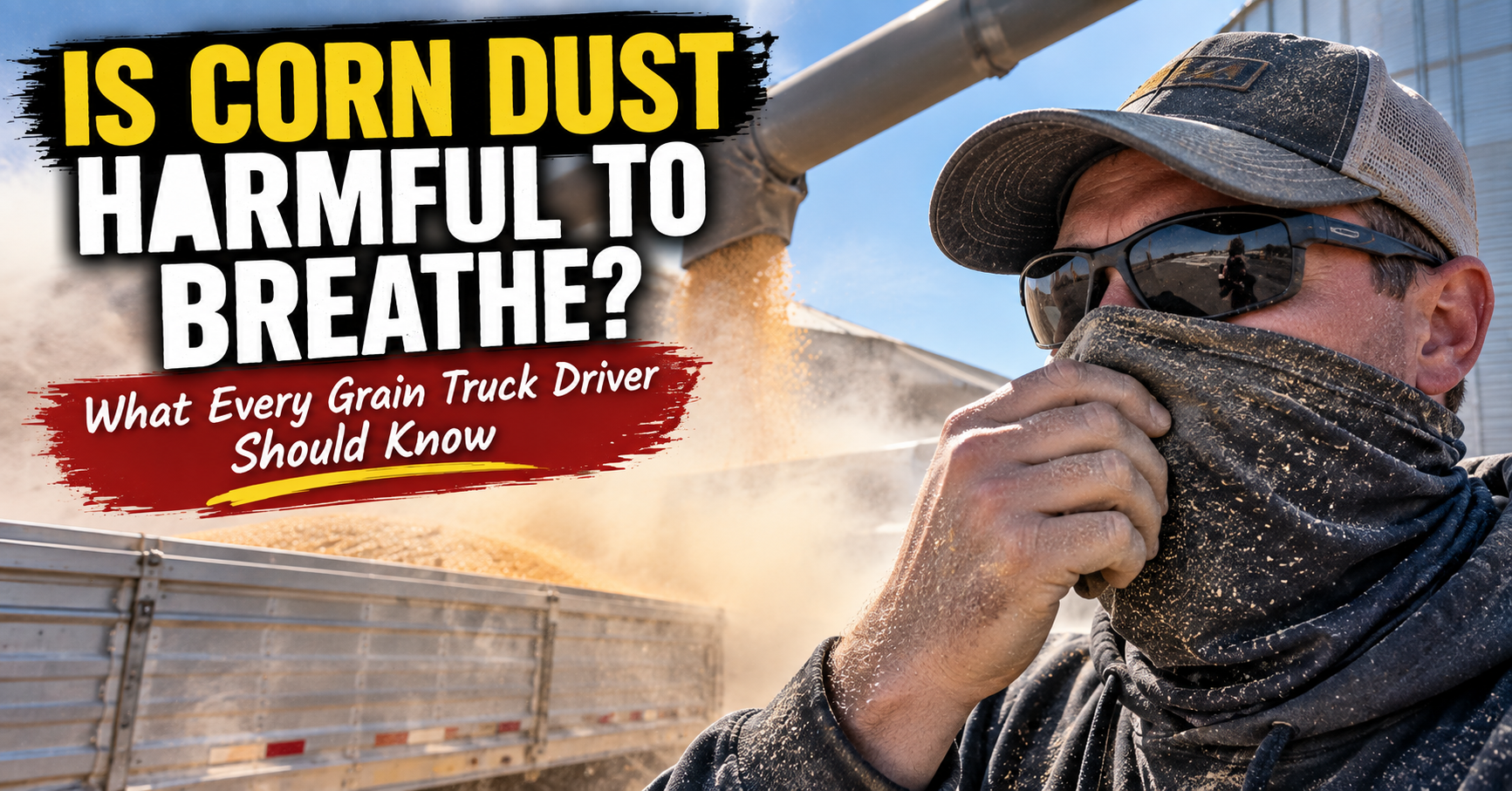
If you’re mainly wondering whether everyday corn dust is harmful, I explain that in much more detail in Is Corn Dust Harmful to Breathe? What Every Grain Truck Driver Should Know.
What Are the Symptoms?
Symptoms can appear several hours after exposure, making it difficult to connect them to working around grain or hay.
Common symptoms include:
- Cough.
- Shortness of breath.
- Fever.
- Chills.
- Fatigue.
- Chest tightness.
- Muscle aches.
Some people describe it as feeling like they suddenly came down with the flu after spending the day around moldy grain or hay.
With ongoing exposure, symptoms may become more persistent and include worsening shortness of breath, an ongoing cough, fatigue, and unintended weight loss.

Who Is Most at Risk?
Even though it’s called Farmer’s Lung, this condition isn’t limited to farmers.
Anyone who spends time around moldy agricultural materials can be at risk.
That includes:
- Grain truck drivers.
- Grain elevator employees.
- Farm workers.
- Livestock producers.
- People cleaning grain bins.
- Anyone handling moldy hay or straw.
The biggest risk isn’t simply being around corn.
It’s repeated exposure to dust from moldy agricultural materials, especially in enclosed or poorly ventilated areas.
Can Grain Truck Drivers Get Farmer’s Lung?
The answer is yes, but the risk depends on what you’re exposed to.
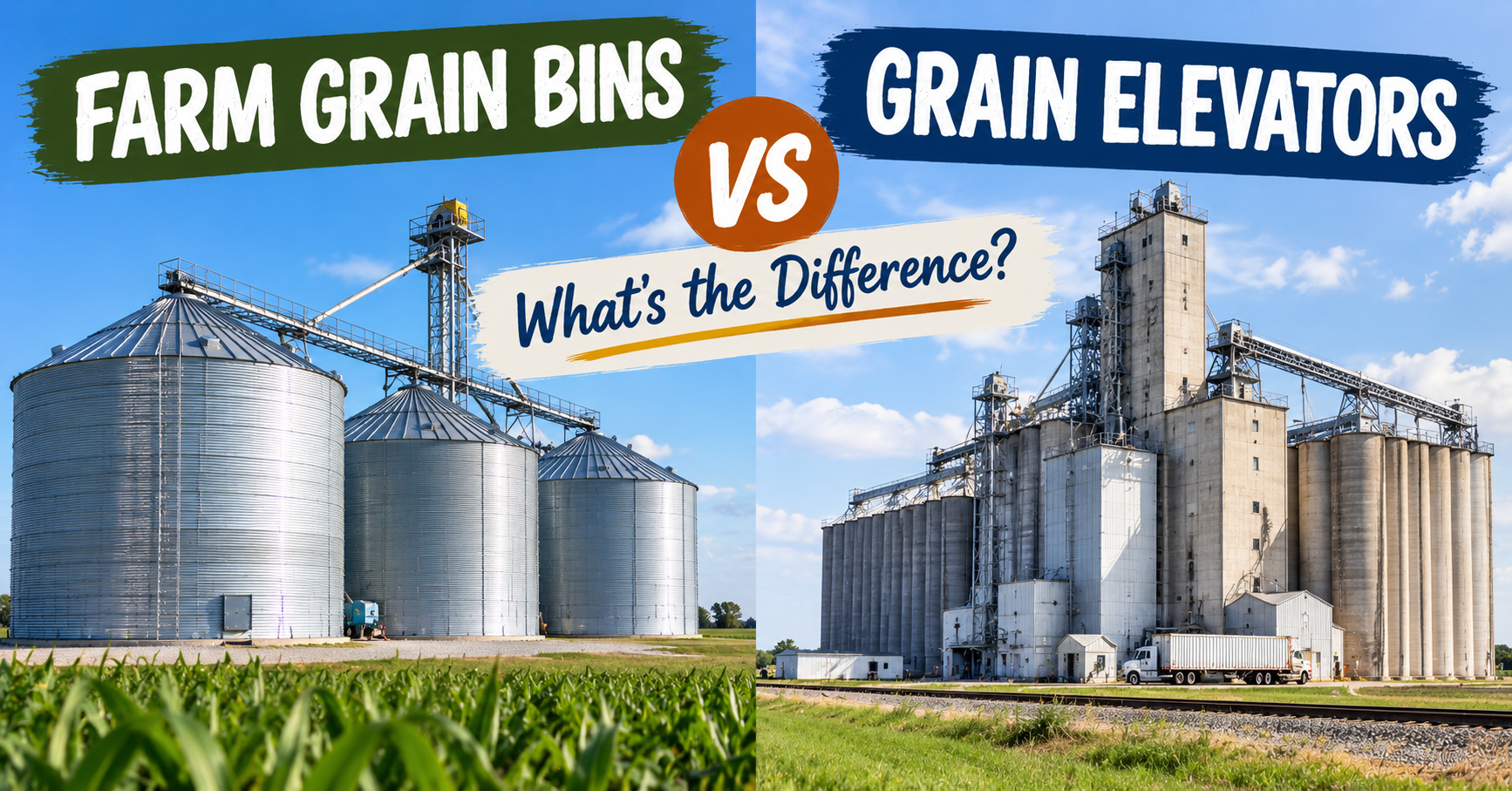
During harvest, I’ve spent plenty of time standing beside hopper-bottom trailers while they’re unloading into farm grain bins.
There’s no question that you’re breathing dust if you aren’t wearing protection.
However, most freshly harvested, clean corn isn’t the biggest concern for Farmer’s Lung.
The greater concern is repeatedly breathing dust from moldy grain, spoiled grain, damp storage areas, or other mold-contaminated agricultural materials over long periods of time. That’s where the mold spores that trigger Farmer’s Lung are most commonly found.
Even if you’re mostly around clean grain, reducing your overall dust exposure is still a smart habit because ordinary grain dust can irritate your lungs over time.



How Can You Prevent Farmer’s Lung?
The good news is that prevention is often straightforward.
The most important step is reducing your exposure to moldy agricultural dust whenever possible.
Here are the habits I’ve started taking seriously during harvest:
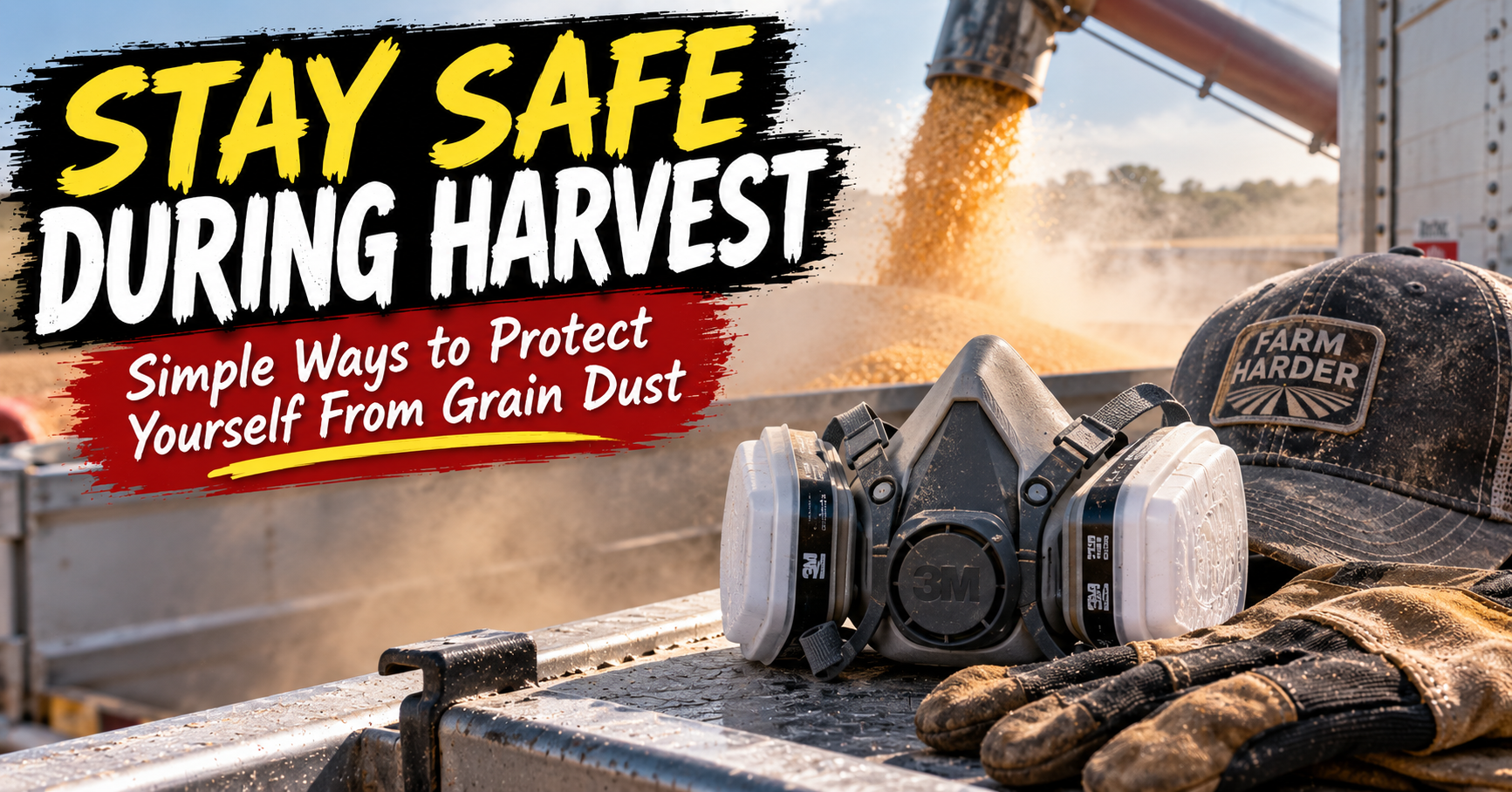
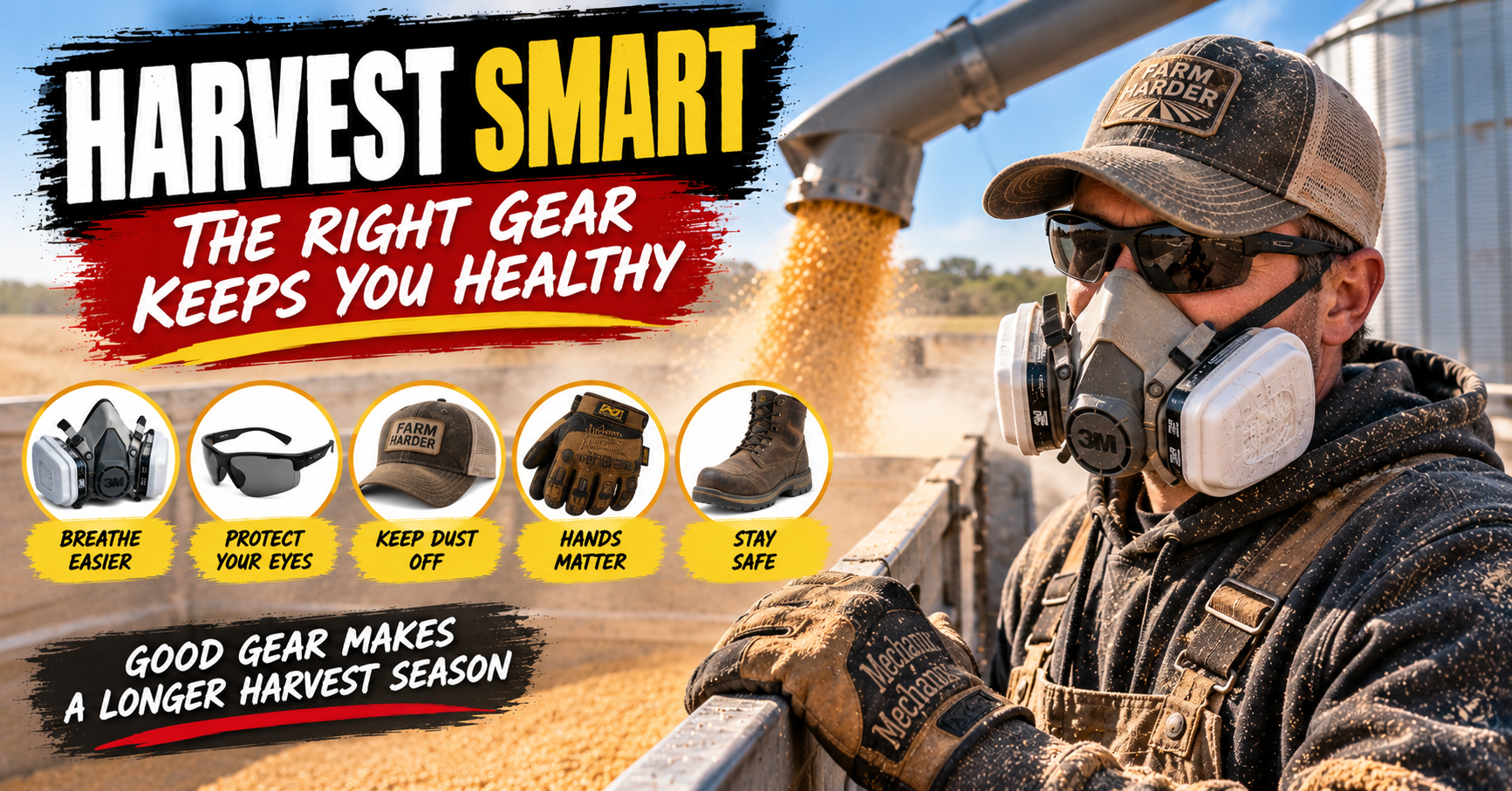
- Wear a properly fitted respirator whenever you’re around heavy grain dust.
- Stay upwind of dust clouds whenever possible.
- Avoid unnecessary time around moldy grain or hay.
- Keep grain storage areas well ventilated.
- Wash dusty clothing after work instead of bringing it into your home.
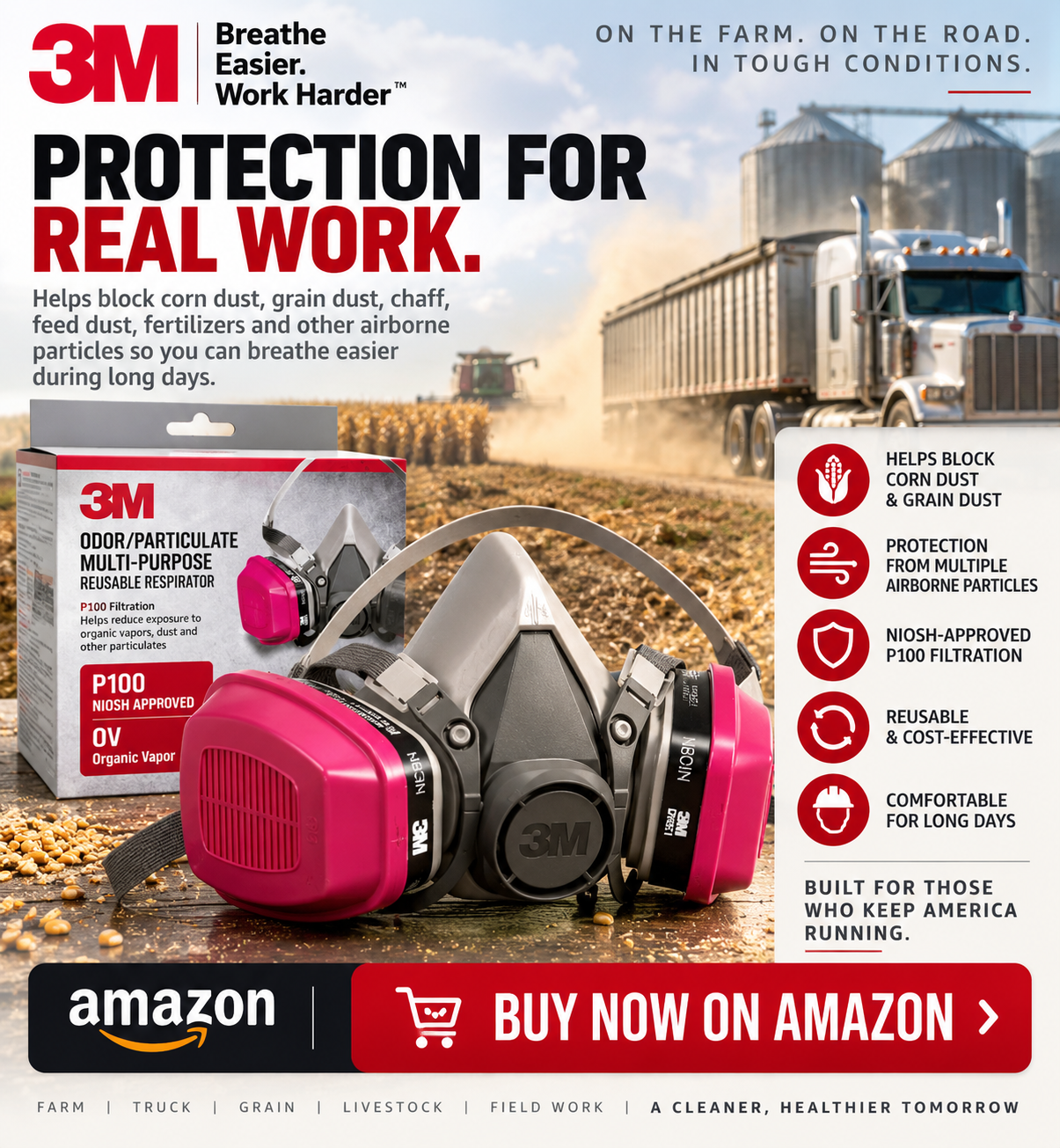
Since working around grain, I’ve been using the 3M P100/OV Odor & Particulate Reusable Respirator while unloading because it provides excellent particulate filtration when fitted correctly and is much more comfortable than a basic disposable mask during long harvest days. Health organizations also recommend properly fitted respiratory protection when exposure to moldy agricultural dust can’t be avoided.
When Should You See a Doctor?
If you develop symptoms after working around moldy grain or hay and they keep returning, don’t ignore them.
You should seek medical evaluation if you notice:
- Shortness of breath that doesn’t improve.
- A persistent cough.
- Fever or chills after dust exposure.
- Chest tightness that keeps coming back.
- Fatigue that seems out of proportion to your activity.
- Symptoms that improve when you’re away from work but return after being around grain again.
One of the tricky things about Farmer’s Lung is that symptoms often begin four to eight hours after exposure, making it easy to mistake them for the flu or another illness.
Farmer’s Lung Is Different From Organic Dust Toxic Syndrome
While researching grain dust, I also learned about another condition called Organic Dust Toxic Syndrome (ODTS).
Although the symptoms can feel similar, they’re not the same illness.
Farmer’s Lung is an immune reaction to mold spores that can eventually cause permanent lung damage if exposure continues.
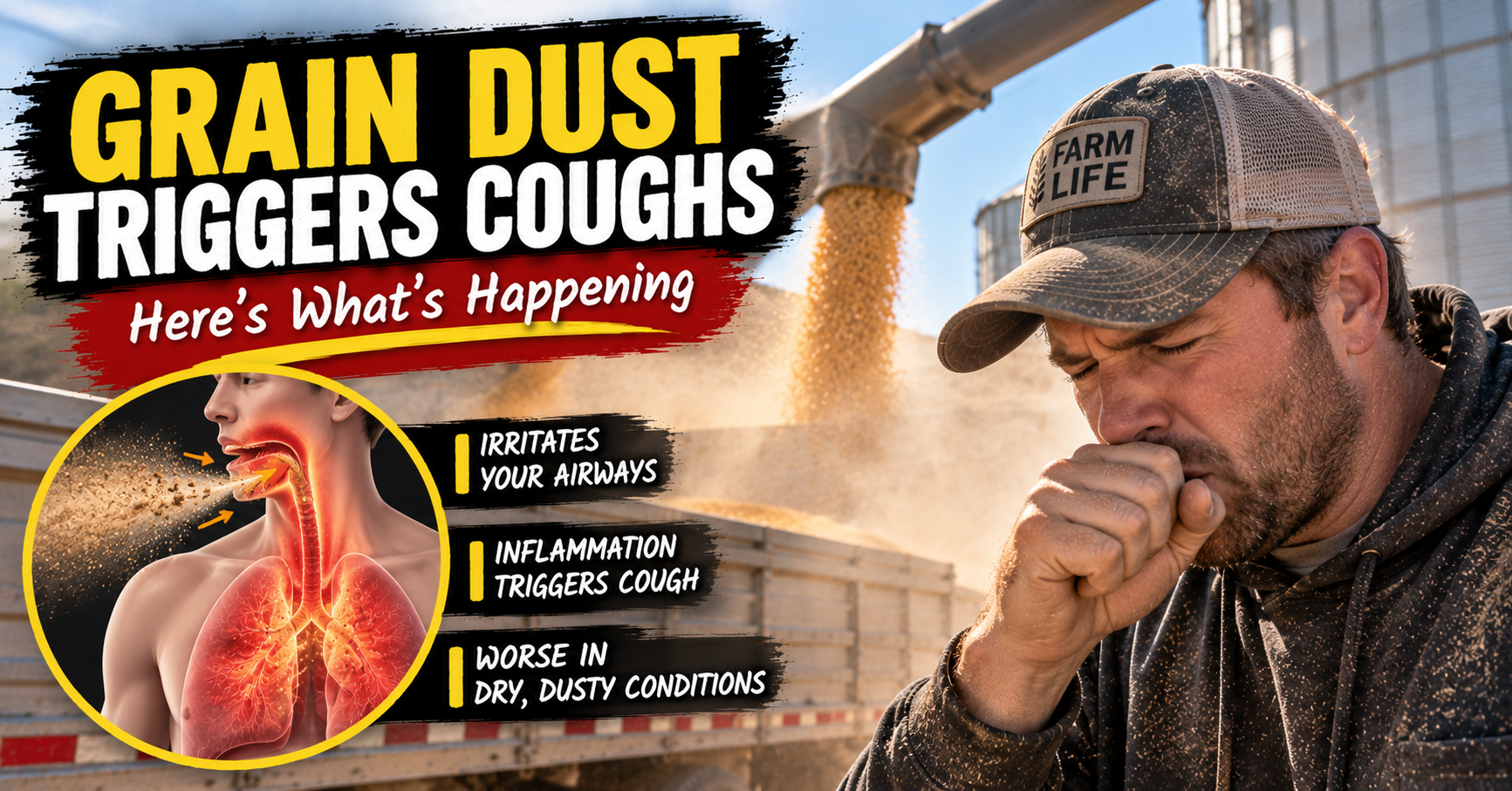
ODTS is a flu-like illness that usually happens after breathing very large amounts of organic dust. It generally improves after the exposure ends and doesn’t typically cause the same permanent lung scarring associated with Farmer’s Lung. For additional context on ordinary grain-dust coughing and other exposure-related symptoms, see how grain dust can trigger ODTS.
That’s one reason it’s important not to assume every cough after harvest is “just dust.”
Frequently Asked Questions
Is Farmer’s Lung permanent?
If it’s caught early and exposure stops, acute cases often improve significantly. However, repeated exposure over time can lead to permanent lung scarring, which may not be reversible.
Can you get Farmer’s Lung from corn dust?
It’s possible if the dust contains mold spores from moldy grain or other contaminated agricultural materials. Fresh, clean corn dust is much less commonly associated with Farmer’s Lung than mold-contaminated dust.
Is Farmer’s Lung contagious?
No. Farmer’s Lung is not an infection that spreads from person to person. It’s an immune reaction that occurs after breathing certain agricultural dusts.
What’s the best way to prevent Farmer’s Lung?
Reducing exposure is the most effective approach. That includes avoiding moldy dust when possible, improving ventilation, and wearing a properly fitted respirator when working around moldy grain, hay, or other dusty agricultural materials.
Author: Daxon Weaver
Daxon Weaver is the founder of TruckingResource.com and earned his Class A CDL in 2026. He currently drives a grain truck during harvest in southeast Missouri and shares practical, first-hand advice to help new truck drivers learn the job safely and confidently.