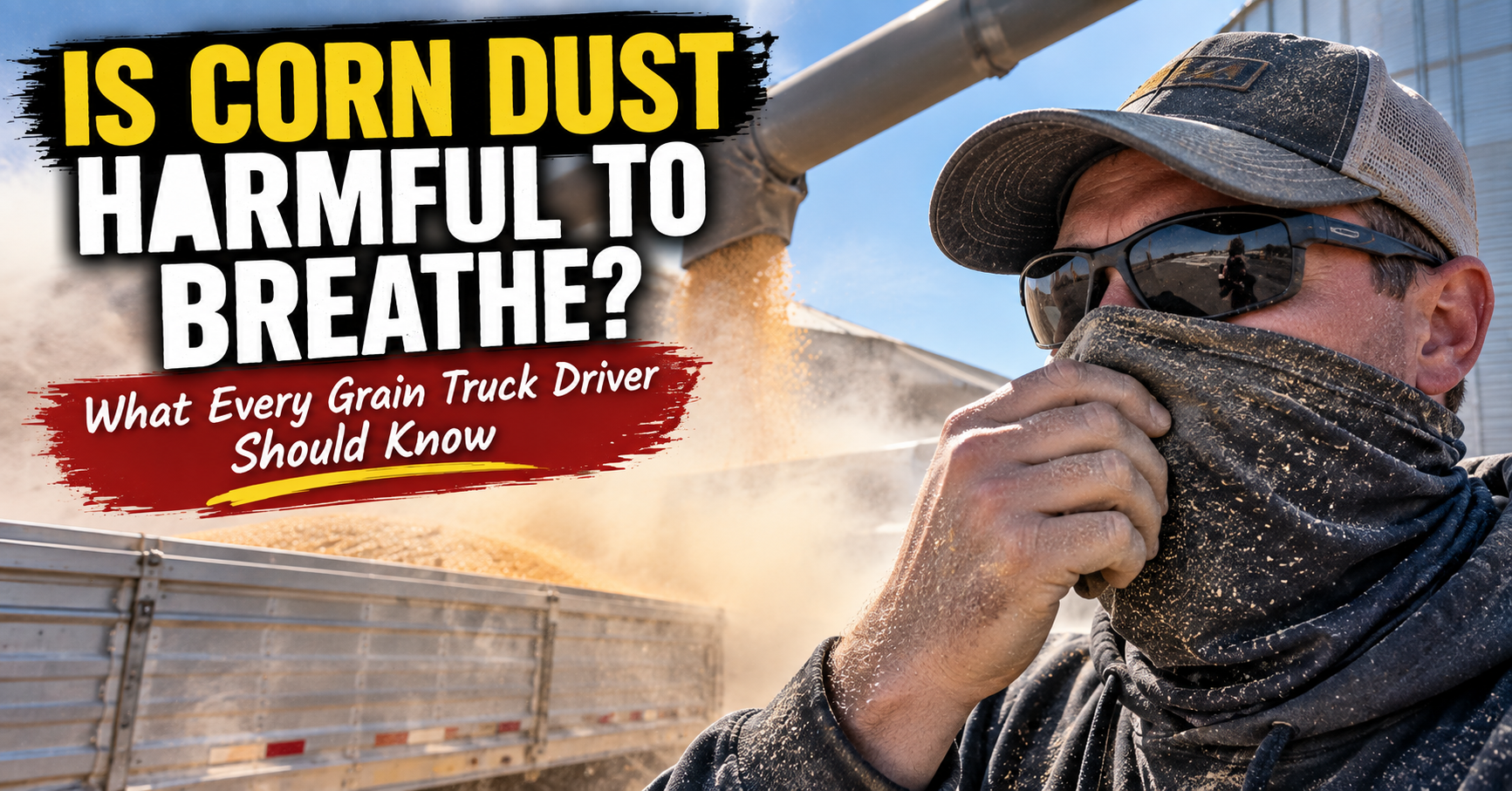
One thing that surprised me during my first harvest season was just how much dust gets thrown into the air while unloading.
When we’re unloading hopper-bottom trailers or end dumps into farm grain bins, a huge cloud of dust hangs in the air.
You’re usually standing there waiting for the trailer to empty, and depending on the load, that can easily take 15 to 20 minutes.
By the time it’s done, your boots are dusty, your clothes are dusty, and you can taste it in your mouth.
That got me wondering if breathing that much corn dust every day was actually safe.
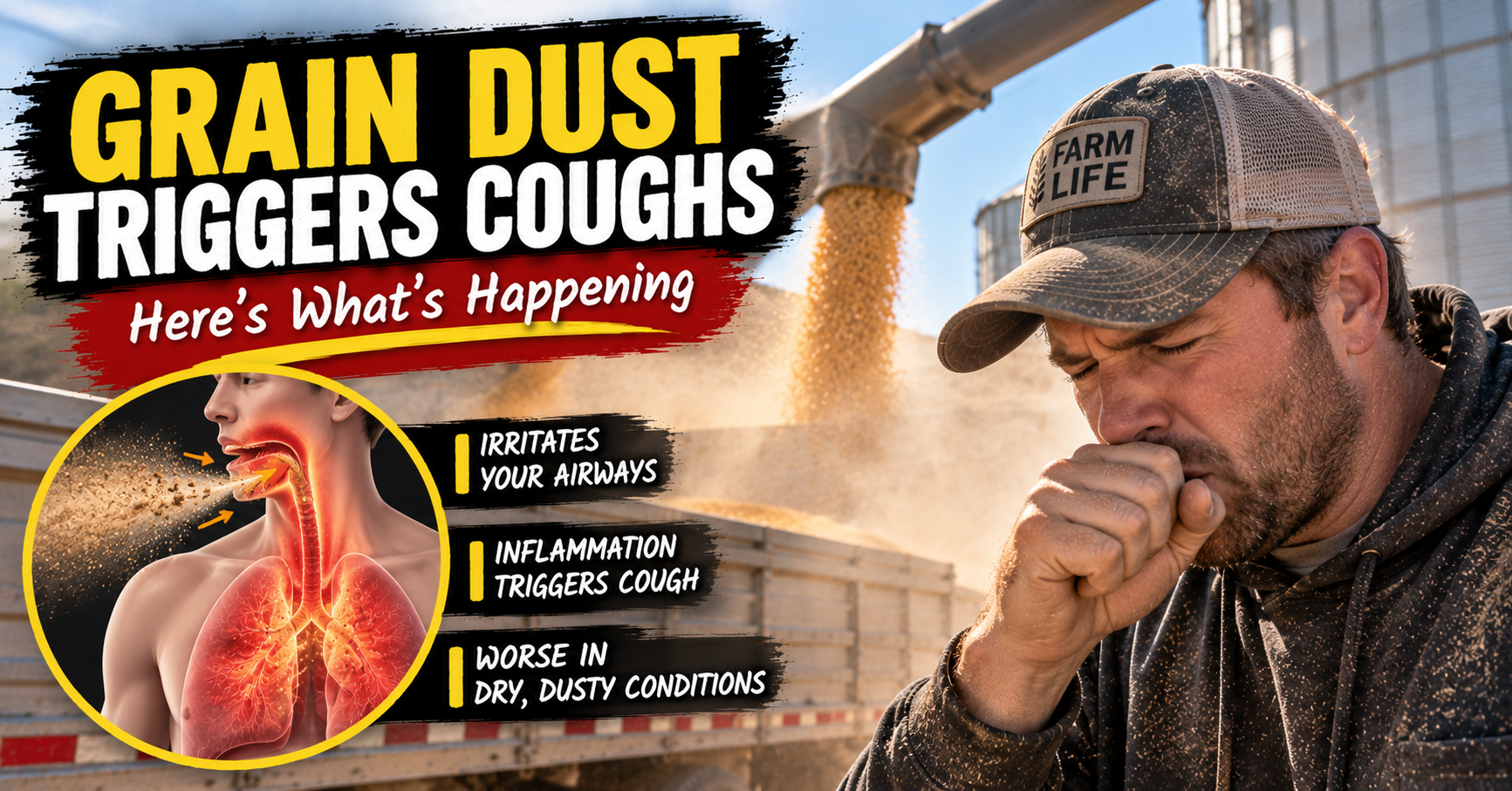
The answer is that grain dust isn’t something you should ignore. Repeated exposure can irritate your lungs and, over time, increase the risk of respiratory problems in people who work around grain handling. The reasons behind that irritation, including why coughing is a common response, are explained in why grain dust can make you cough.
Corn Dust Is More Than Just Ground Up Corn
Before working around harvest, I assumed the dust was simply tiny pieces of corn.
It’s actually a mixture of many different materials.
Depending on the field and the crop, that cloud may contain:
- Crushed corn kernels.
- Pieces of corn cobs.
- Husks and leaves.
- Soil.
- Mold spores.
- Pollen.
- Insect fragments.
- Other organic material.
Many of those particles are extremely small, allowing them to stay suspended in the air long after the grain starts flowing.
Can Breathing Corn Dust Make You Sick?
Yes.
Even short-term exposure can cause symptoms in some people, especially if you’re standing in heavy dust every day.
Common symptoms include:
- Coughing.
- A scratchy throat.
- Burning or watery eyes.
- A runny nose.
- Chest tightness.
- Wheezing.
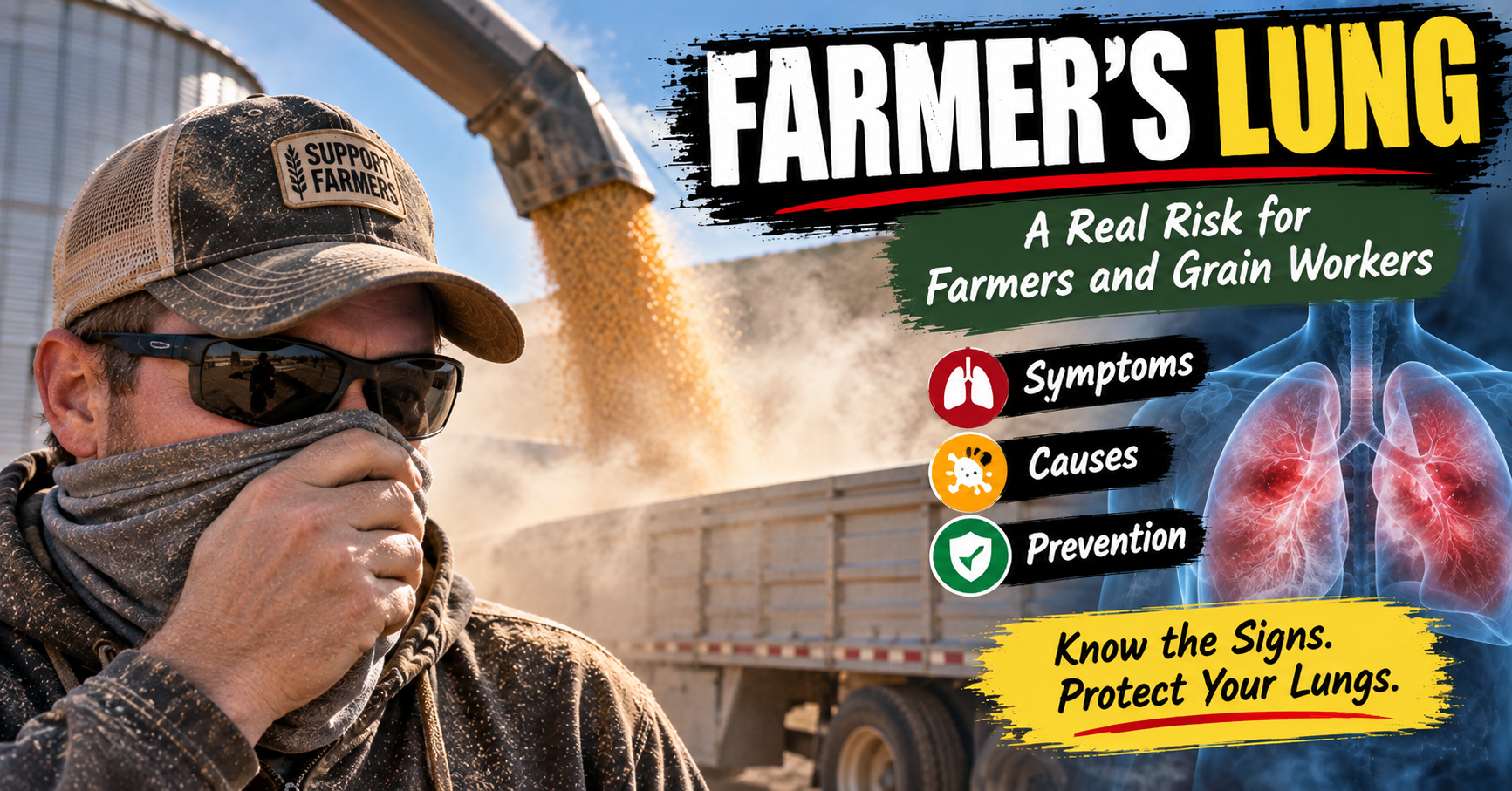
Over months or years, repeated exposure has also been associated with chronic bronchitis, occupational asthma, and other respiratory illnesses among grain workers. For one specific condition associated with repeated exposure to agricultural dust, see repeated exposure to grain dust.
That doesn’t mean everyone working around grain will develop these problems, but it’s one of those hazards that’s much easier to prevent than treat.
Harvest Creates the Worst Dust
I’ve noticed the biggest dust clouds happen while unloading.
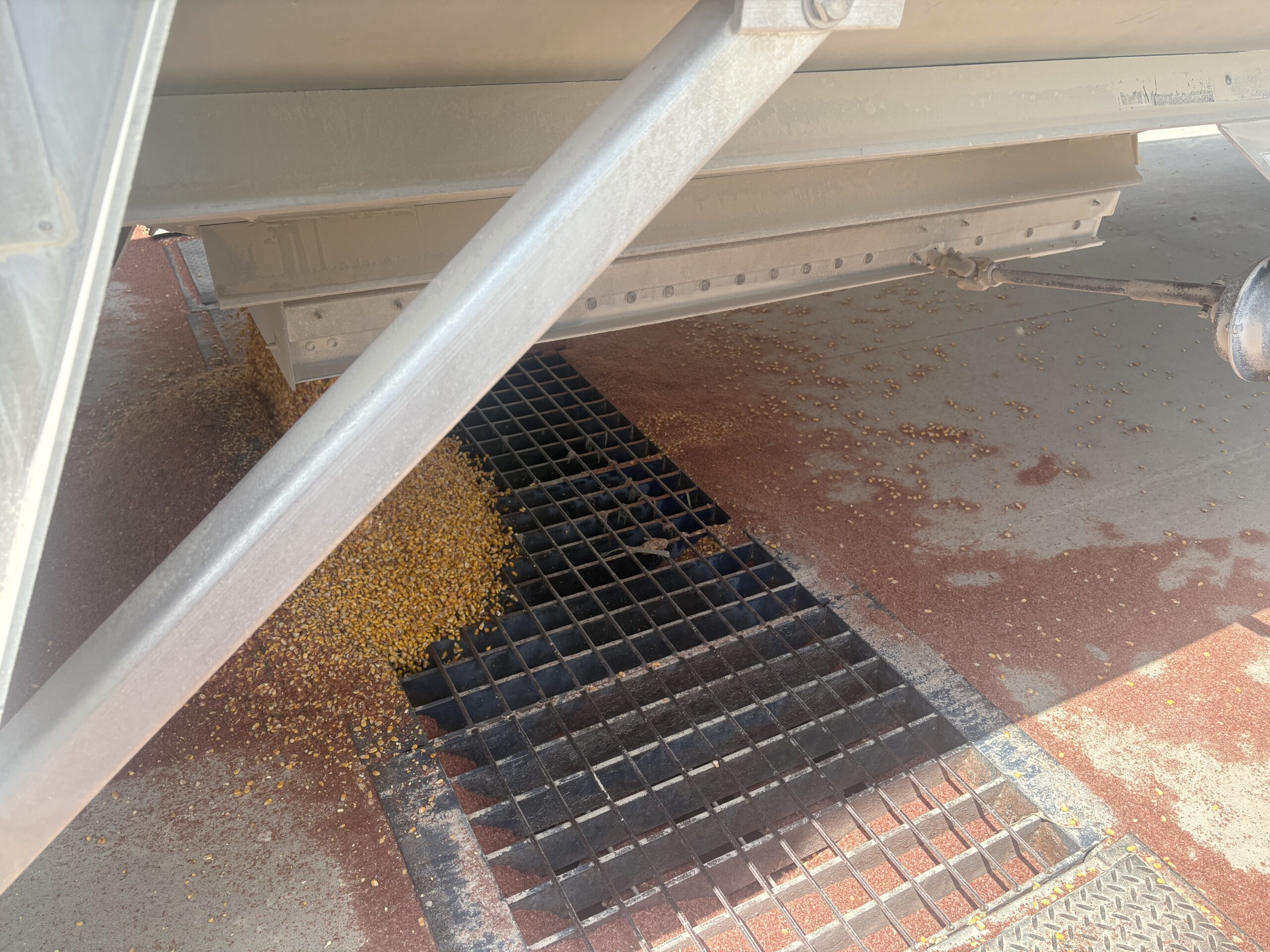
Once the hopper doors are opened, thousands of pounds of corn rush into the receiving pit.
As the grain falls, fine dust gets pulled into the air and often stays there until the trailer finishes unloading.
If there’s very little wind, you’re standing in that cloud the entire time.
After seeing it firsthand, I don’t think it’s something worth breathing if it can be avoided.
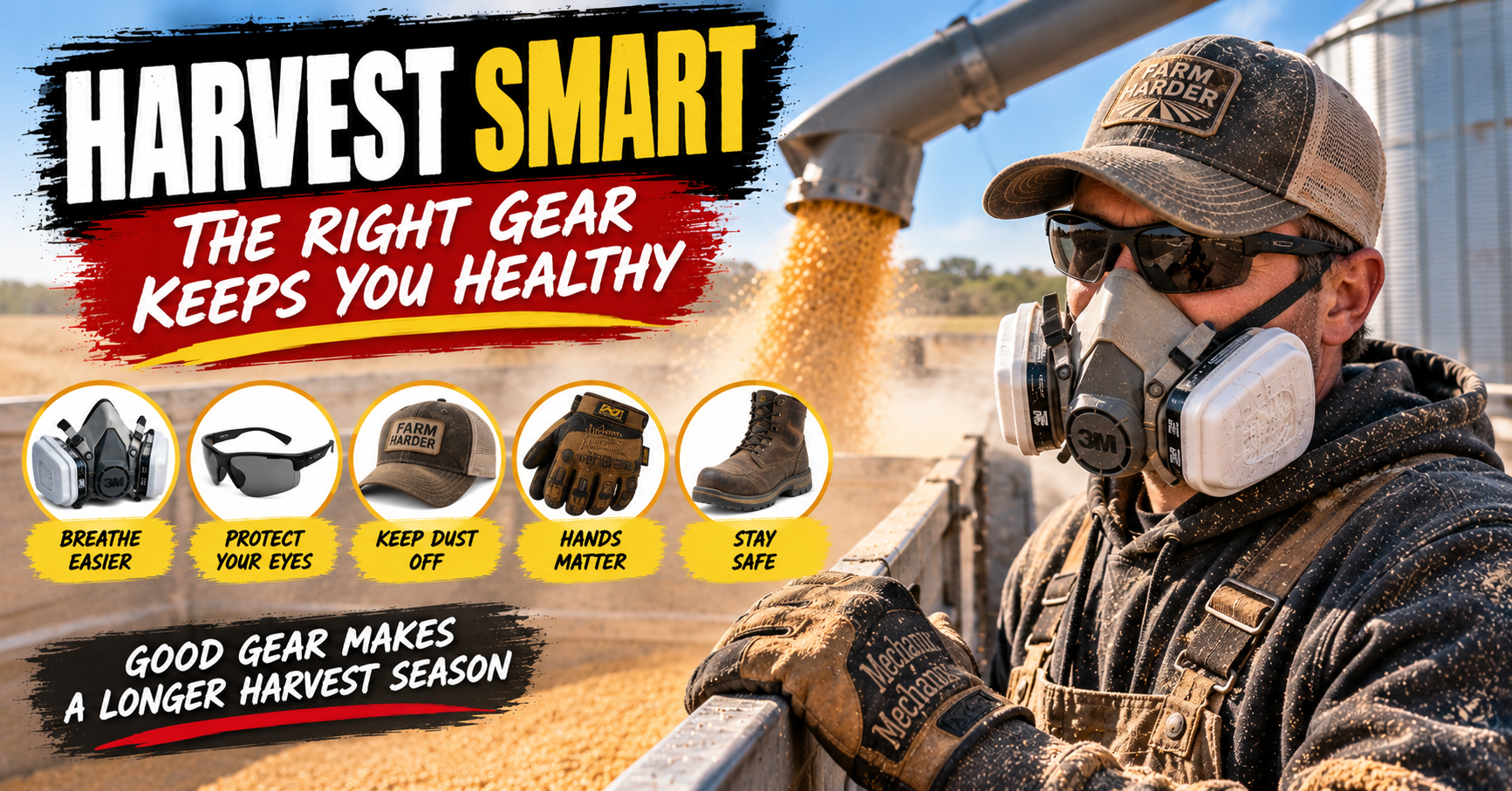
I Started Wearing a Respirator
After a few dusty days, I decided I wanted something better than a basic paper dust mask.
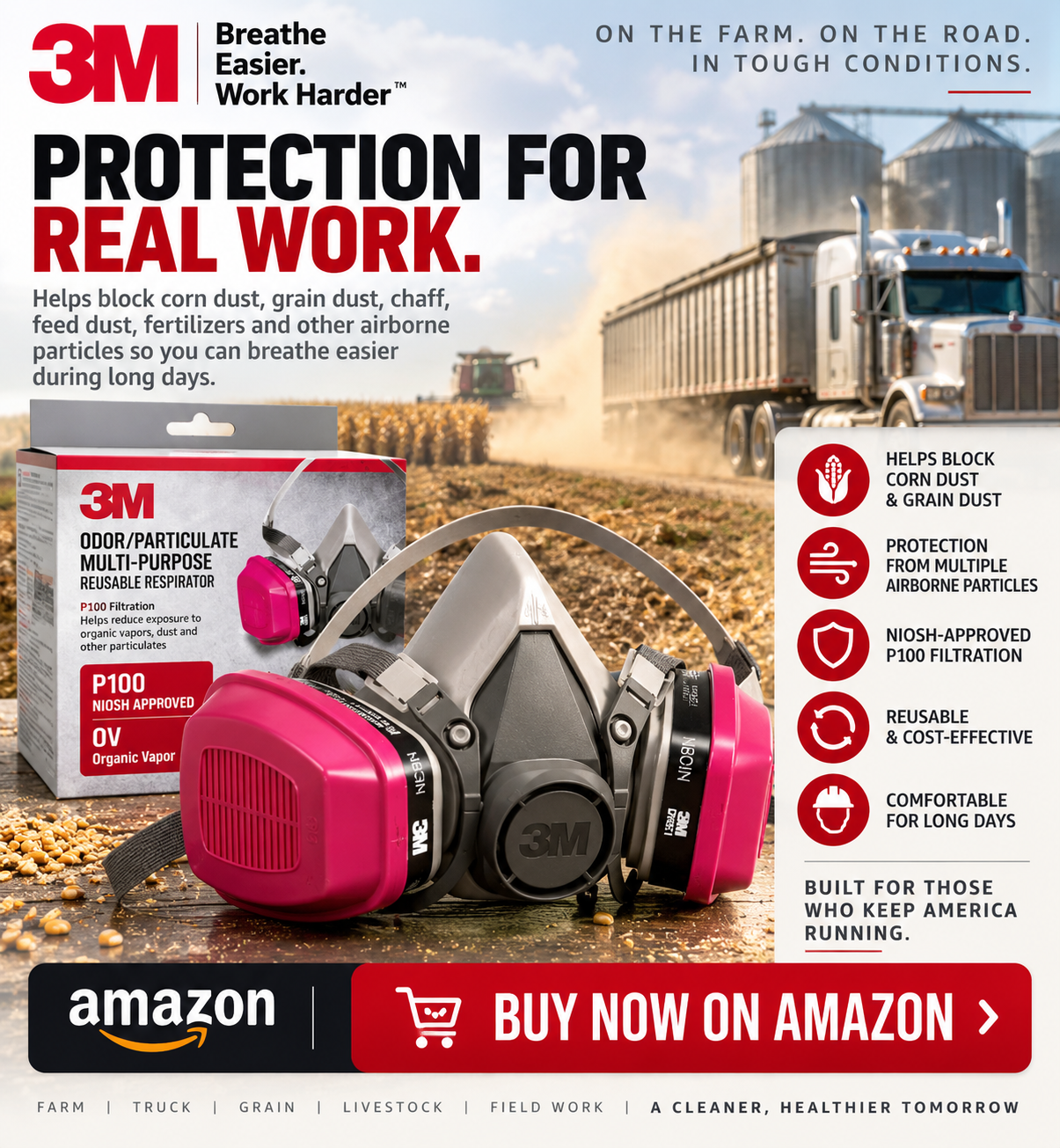
I now recommend using a reusable respirator designed for fine airborne particles.
I’ve been using the 3M P100/OV Odor & Particulate Reusable Respirator during harvest because it creates a much better seal than a loose-fitting dust mask and uses P100 particulate filters, which are designed to capture at least 99.97% of airborne particles when the respirator fits properly.
It’s comfortable enough to wear during those 15 to 20 minutes while the trailer unloads, and after standing beside dusty grain bins, I feel much better knowing I’m breathing filtered air instead of a cloud of grain dust. NIOSH recognizes P100 filters as the highest efficiency particulate filters used on air-purifying respirators, making them well suited for dusty work environments when properly fitted.
Simple Ways to Reduce Your Exposure
Besides wearing a respirator, I’ve found a few simple habits can make a big difference.
If possible:
- Stand upwind of the dust cloud.
- Don’t stand directly over the receiving pit unless you have to.
- Step back once the grain is flowing steadily.
- Wash your hands and face before eating.
- Change dusty clothes after work.
None of these completely eliminate exposure, but together they can reduce how much dust you breathe throughout a long harvest season.
Don’t Ignore a Persistent Cough
If you find yourself coughing every evening after work, feeling short of breath, wheezing, or noticing chest tightness that keeps coming back, don’t assume it’s “just part of the job.”
Those symptoms can have many causes, but grain dust exposure is known to irritate the respiratory system, and persistent symptoms deserve evaluation by a healthcare professional, especially if they continue after you’re away from work. Because respiratory symptoms warrant professional evaluation, readers should also review the website's general information disclaimer.
Protecting your lungs now is much easier than trying to deal with permanent damage years later.

Frequently Asked Questions
Is corn dust bad for your lungs?
It can be. Repeated exposure to grain dust has been linked to respiratory irritation, coughing, wheezing, chronic bronchitis, occupational asthma, and other lung problems in grain workers.
Is a paper dust mask enough?
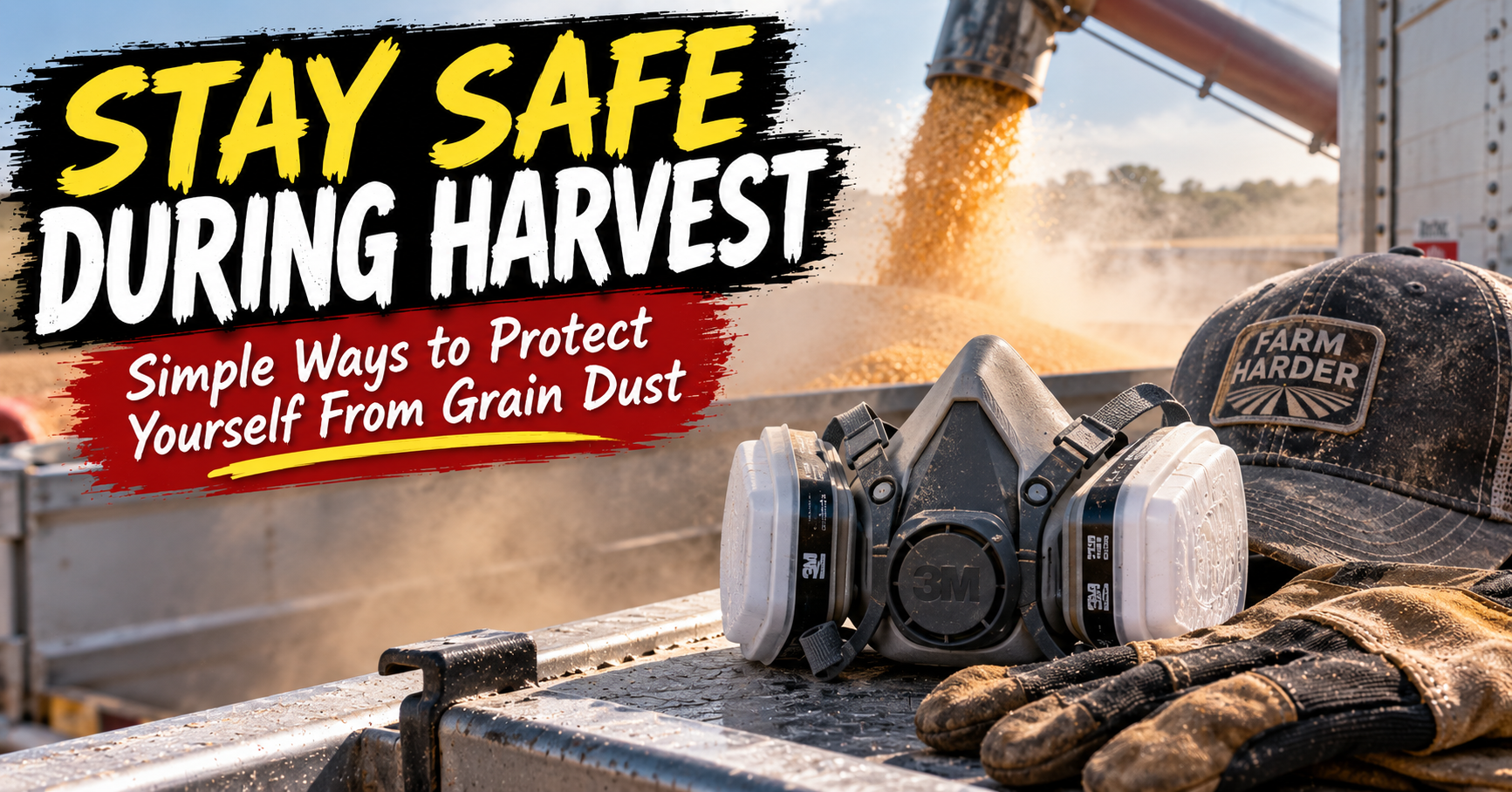
A properly fitted N95 respirator can reduce exposure to grain dust, but a reusable respirator with P100 particulate filters generally provides a higher level of filtration and often seals better against the face when fitted correctly. Practical steps for reducing that exposure during unloading are covered in protect yourself from grain dust.
Why is there so much dust while unloading corn?
As thousands of pounds of grain rush through the trailer and into the receiving pit, tiny particles from the grain, cobs, husks, soil, and other organic material become airborne and remain suspended until the dust settles.
Can standing upwind really help?
Yes. While it won’t eliminate exposure, staying out of the main dust cloud can reduce the amount of airborne dust you inhale during unloading.
Author: Daxon Weaver
Daxon Weaver is the founder of TruckingResource.com and earned his Class A CDL in 2026. He currently drives a grain truck during harvest in southeast Missouri and shares practical, first-hand advice to help new truck drivers learn the job safely and confidently.