
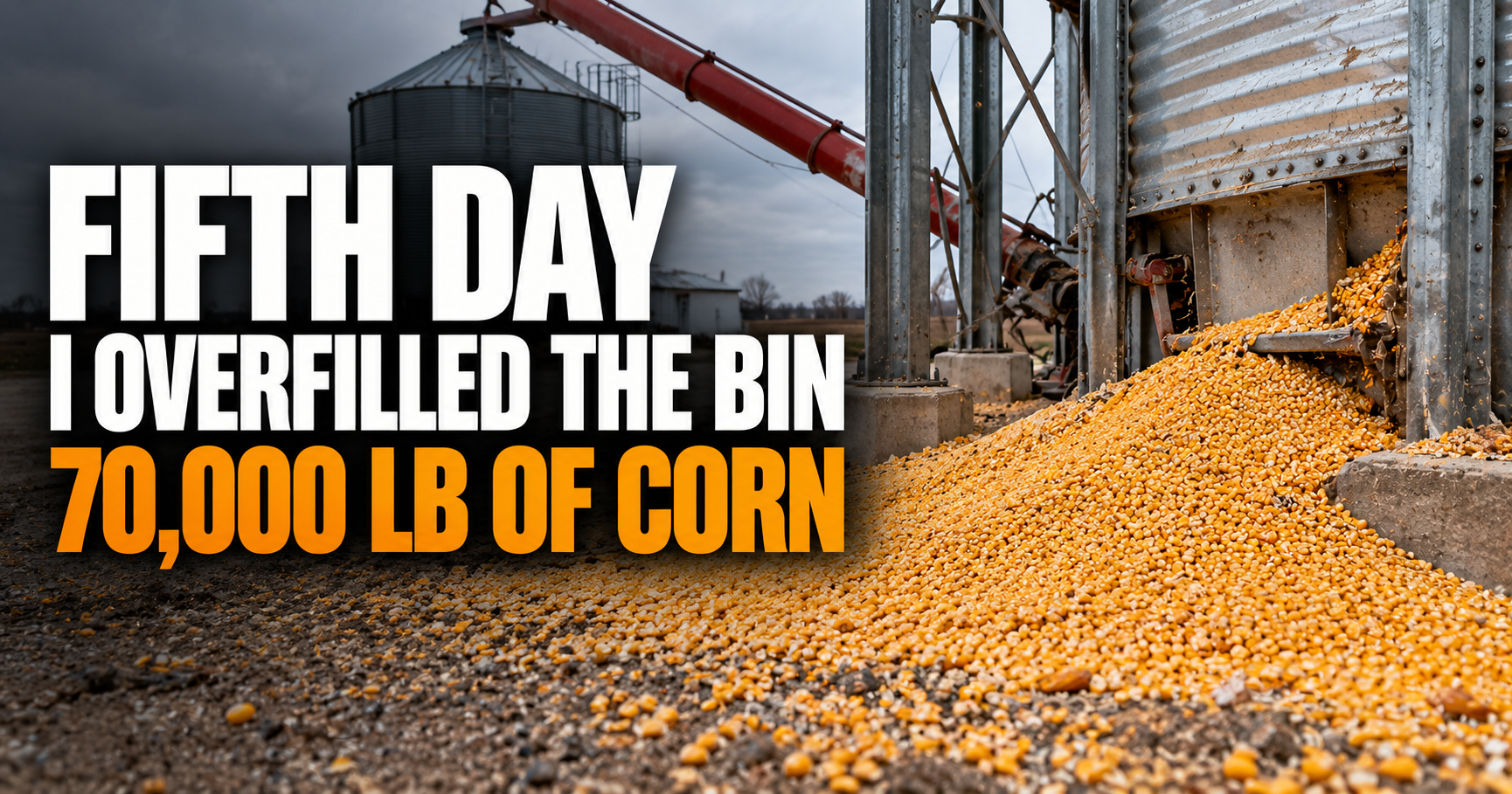
On my fifth day driving a truck, I unloaded about 70,000 pounds of corn from a hopper bottom trailer into a farm grain bin. I thought a loud buzzer would warn me if the bin got full. That was what I had been told on my first day.
No buzzer sounded.
After the trailer was empty, I walked around to the bins and heard something that sounded like hail. Then I saw the corn. It had come out the top of a bin and piled up on the ground around the equipment. I was told the spill was about eight tons.
I stood there looking at it, knowing I had just finished unloading the truck. I was new, it was a mess, and I felt awful.
I was unloading from the other side of the bins
The hopper bottom trailer unloads on the opposite side of the grain bins from where the corn spilled. I could watch what was happening at the truck, but I could not see the top of the receiving bin from my unloading spot.
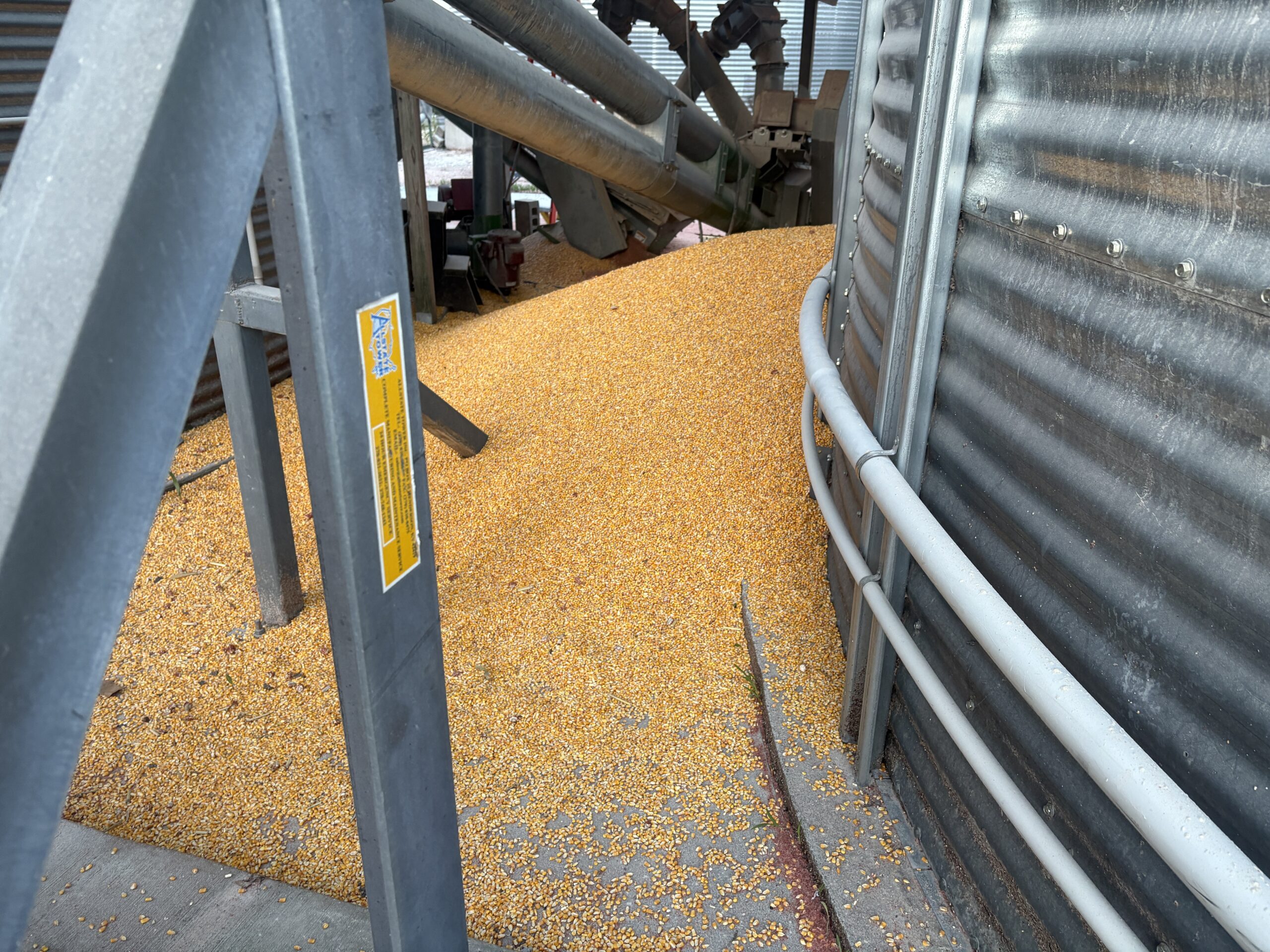
That is an important part of what happened. If I had been standing where I took the photo, I would have seen the pile growing. I was not there while the trailer was emptying. I walked over after the load was already out.
On my first day, I had been told a buzzer would go off very loudly when a bin got full. I expected to hear it, even from the other side. I later learned the indicator had not been replaced, so that warning never came.
A driver unloading corn needs to know where it is going and how the bin is being monitored. I knew which bin was receiving the load. What I did not know was that I could not count on the warning system I had been told about.
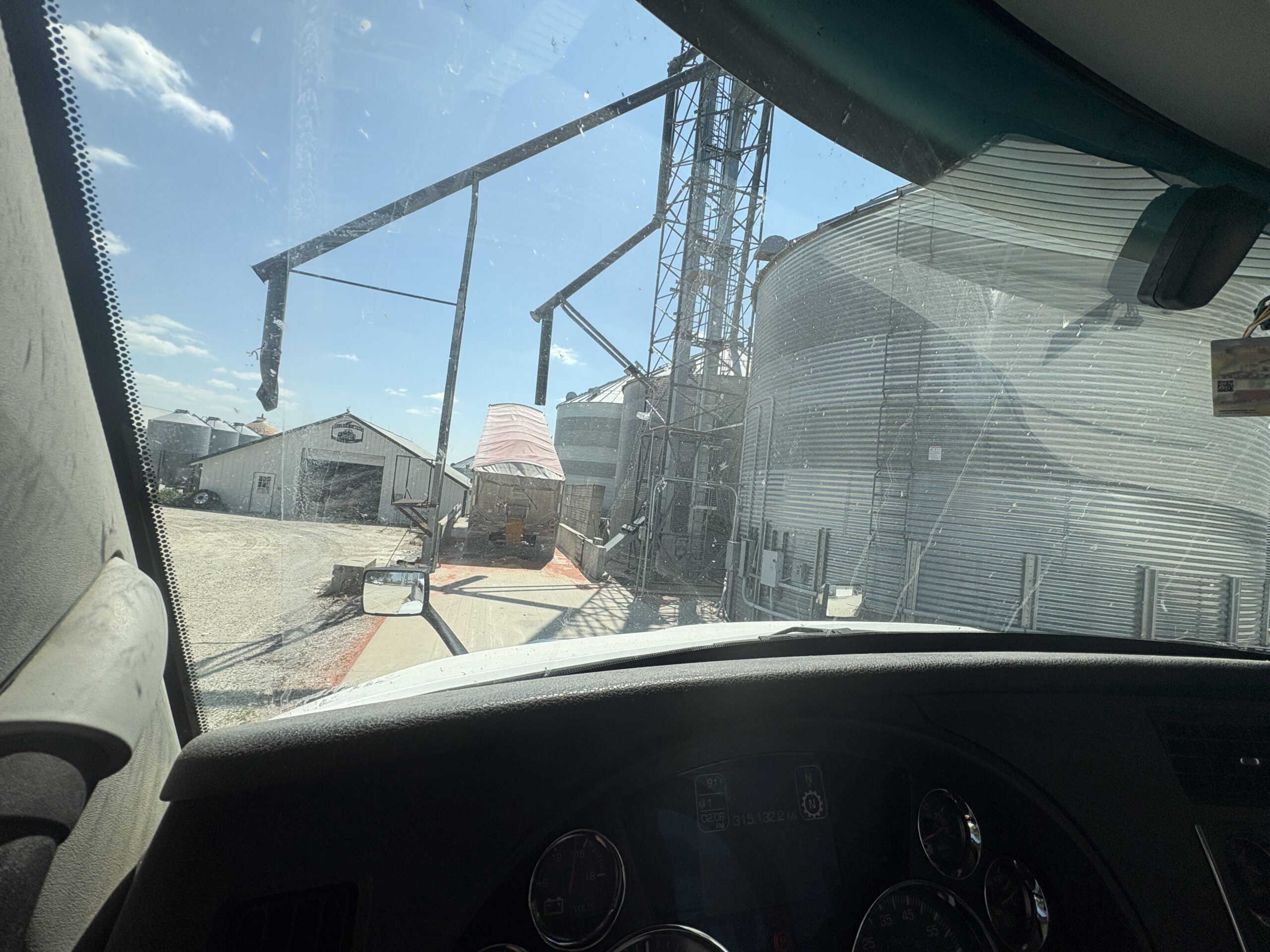
If you have never emptied a hopper trailer at a farm, I explain what happens on the truck side in how grain trucks unload at farm grain bins. This time, what mattered most was happening out of my sight at the other end of the equipment.



The first sign was the sound
I did not hear an alarm. I heard what sounded like hail when I walked over toward the bins after unloading.
The sound made sense as soon as I saw the corn. It had spilled out the top and fallen around the base of the bin and under the metal equipment. In my photo, the corn is banked up against the bin, with kernels spread across the concrete and packed around supports that make the area harder to reach.
A small amount spilled from a hopper door would be one thing. This was a pile I could stand and stare at. It was also corn the farm had grown, harvested, hauled, and stored. Seeing it all on the ground hit me hard.
I did not have a scale under the spill. Eight tons is the estimate I was given, not a weight I measured myself. It was enough that cleanup meant more than grabbing a broom and being done in a few minutes.

Being new made it feel worse
This happened about a week ago, on my fifth day trucking. I was still learning the farm’s equipment and routines. I had been given a clear expectation about the buzzer, and I followed the unloading process believing it would warn me.
When I saw the spill, I still felt like I had made a huge rookie mistake. Knowing the indicator had not been replaced did not make the corn disappear or make the cleanup any smaller.
That is the uncomfortable part of telling this story honestly. I can explain why I did not see the bin filling and why I expected to hear an alarm. I can also say that, standing there in front of that pile, I wished I had known the warning was not working before I opened the trailer.
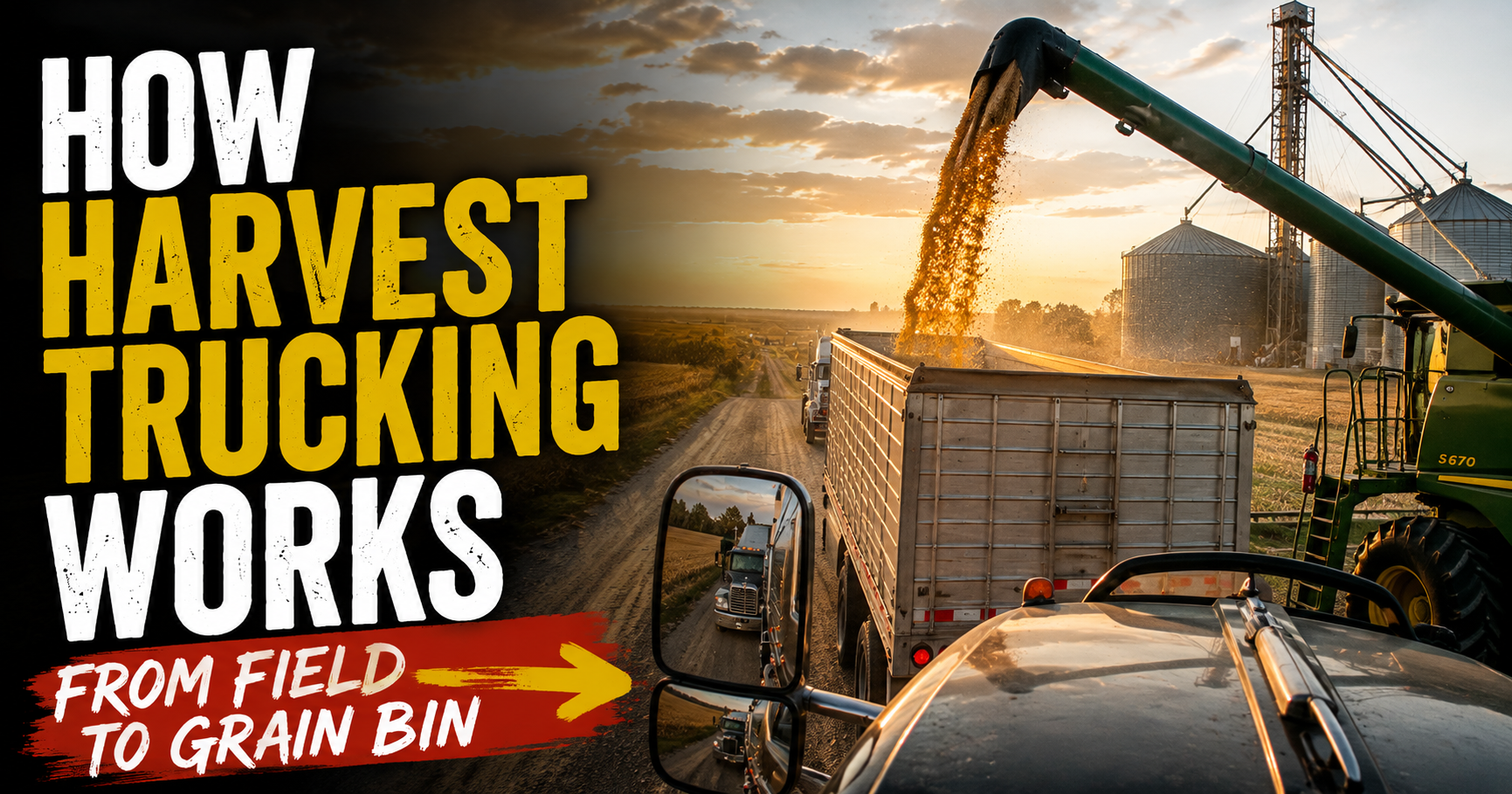
I have already written about the normal movement of corn from the field to storage in how harvest trucking works from field to grain bin. This was what happened when one part of that routine failed and I learned about it the hard way.
They told me this was small compared with another spill
Afterward, people at the farm told me grain spills happen there about every year. They also told me about a much worse one: a line connecting bins broke open, and an entire bin’s worth of corn ended up on the ground. According to them, it took a lot of people several days to clean up.
They called my spill small compared with that one.
I understood what they meant, but looking at the pile in my photo, “small” was not the word that came to my mind. Eight tons of corn on the ground still takes work to move. It was a relief to hear that I had not caused the worst spill anyone there had ever seen. It still sucked to be part of this one.
The comparison did teach me something about working around grain equipment. A truckload is a lot of corn, but a storage system can hold and move far more. When equipment breaks or a bin overfills, the amount on the ground can get big fast.


Cleaning up corn is slower than unloading it
It did not take long for the corn to come out of my hopper trailer. Getting it back off the ground has been a very different job.
I have been working with buckets and a wheelbarrow. The easy-to-reach corn is only part of it. Some of the pile sits under metal stairs and around equipment where there is not room to simply drive up and scoop everything at once.
That is something the photo shows better than a number like eight tons. The corn is tucked between the bin wall, supports, pipes, and other parts of the setup. Every spot you cannot reach with a machine becomes more hands-on work.
I volunteered to help with the cleanup because I felt bad about what happened. Carrying and wheeling corn out of those tight spaces makes the mistake feel a lot more real than seeing a weight on a scale ticket. It is physical, repetitive work, and there is still more corn every time you look around a support or under a step.
I am not going to claim we recovered every kernel or say exactly what will happen to the corn that was on the ground. I can tell you what I have been doing: moving it a little at a time and seeing firsthand how much work a spill creates.
What I needed to know before opening the hopper doors
If I unloaded at that spot again, the first thing I would want confirmed is how the receiving bin is being checked right now. I would not rely on an alarm because someone said it normally goes off. I would ask whether it is working on that day and who is monitoring the bin while the truck empties.
That question matters especially when the driver cannot see the bin from the unloading side. If the warning system is out, somebody needs a different way to know how much room is left and when to stop the flow. I would want that worked out with the people running the equipment before starting another load.
I would also want to know what I should do if I cannot confirm the bin has room. As a new driver, it is easy to feel like I should already know and keep the truck moving. This spill made me much more willing to stop and ask.
None of that changes what happened on my fifth day. It is what I took from walking around the bins, hearing that hail-like sound, and seeing where the corn had gone.
A full trailer is a lot to put into a bin you cannot see
The load I unloaded was about 70,000 pounds of corn. If a bin is close to full before that truck arrives, there may not be room for the whole trailer. From where I stood at the hopper doors, I could not judge the space left at the top.
That is why the failed indicator mattered so much. The buzzer was supposed to provide the warning I could not get by sight from my unloading position. Once I learned it was not working, the story was not simply that I should have listened harder. There had been nothing to hear.
I still wish this had never happened. I wish I had known the indicator was out, and I wish I had checked how they were watching the bin before I unloaded. That would have been a much easier lesson than spending days moving corn with buckets and a wheelbarrow.
For another driver in their first week, that is the part of my experience I would pass along: when you are told an alarm or indicator will protect against overfilling, find out whether it actually works before you start unloading. Ask how much room the bin has and who can see or monitor it when you cannot.
About the author: I share firsthand trucking and grain-hauling experiences at Trucking Resource.