It’s Just a Piece of Paper… Until You Understand What It Means
The first time I heard someone mention a grain scale ticket, I honestly didn’t think much about it.
I figured it was simply a receipt showing how much grain had been delivered.
While that’s partly true, it’s actually much more important than that.
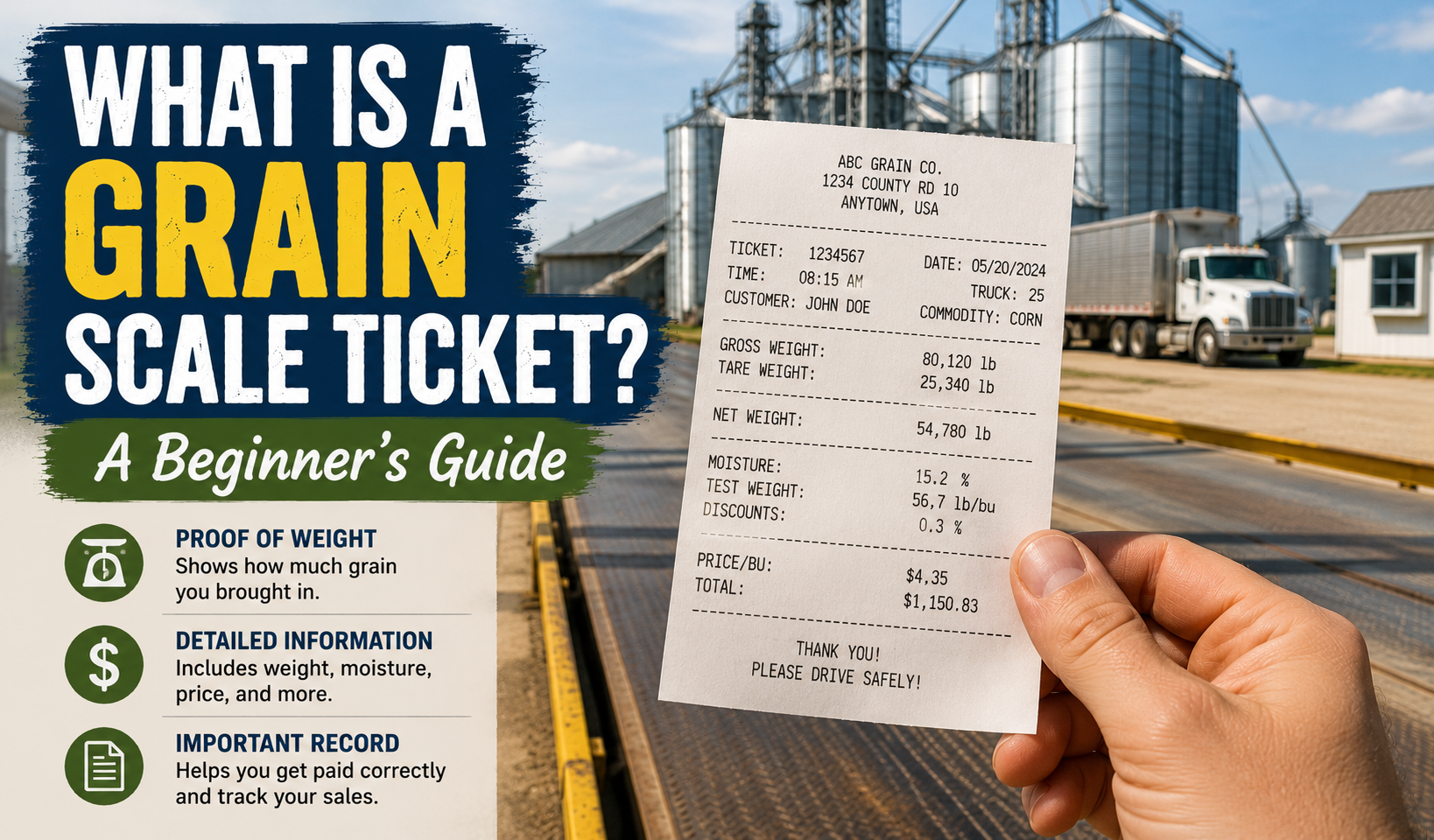
A grain scale ticket documents the details of a load after it’s delivered. It records information such as the gross weight, tare weight, net weight, commodity, delivery date, and often quality factors like moisture, shrink, or dockage depending on the facility. Like a scale ticket, a Bill of Lading and its purpose helps document what happened during a shipment and provides a record when questions arise.
For farmers, grain buyers, and trucking companies, it’s one of the most important records created during harvest.
What Is a Grain Scale Ticket?
A grain scale ticket is the official record created when a load of grain is delivered to a grain elevator, feed mill, ethanol plant, or another grain receiving facility.
It documents exactly what was delivered and provides a record for everyone involved.
Although layouts vary between facilities, most tickets contain information such as:
- Date and time of delivery.
- Type of grain.
- Gross weight.
- Tare weight.
- Net weight.
- Moisture percentage.
- Driver or truck identification.
- Ticket number.
- Quality information when applicable.
Every ticket receives its own identifying number so the load can be tracked accurately from delivery through payment or storage.



Gross Weight, Tare Weight, and Net Weight
Three numbers appear on almost every grain scale ticket.
Gross weight is the weight of the truck, trailer, and grain before unloading.
Tare weight is the weight of the empty truck and trailer after unloading.
Net weight is the difference between the two.
That’s the actual weight of the grain that was delivered.
Those numbers are the foundation for determining how much grain the truck hauled. Net weight is calculated by subtracting the tare weight from the gross weight.
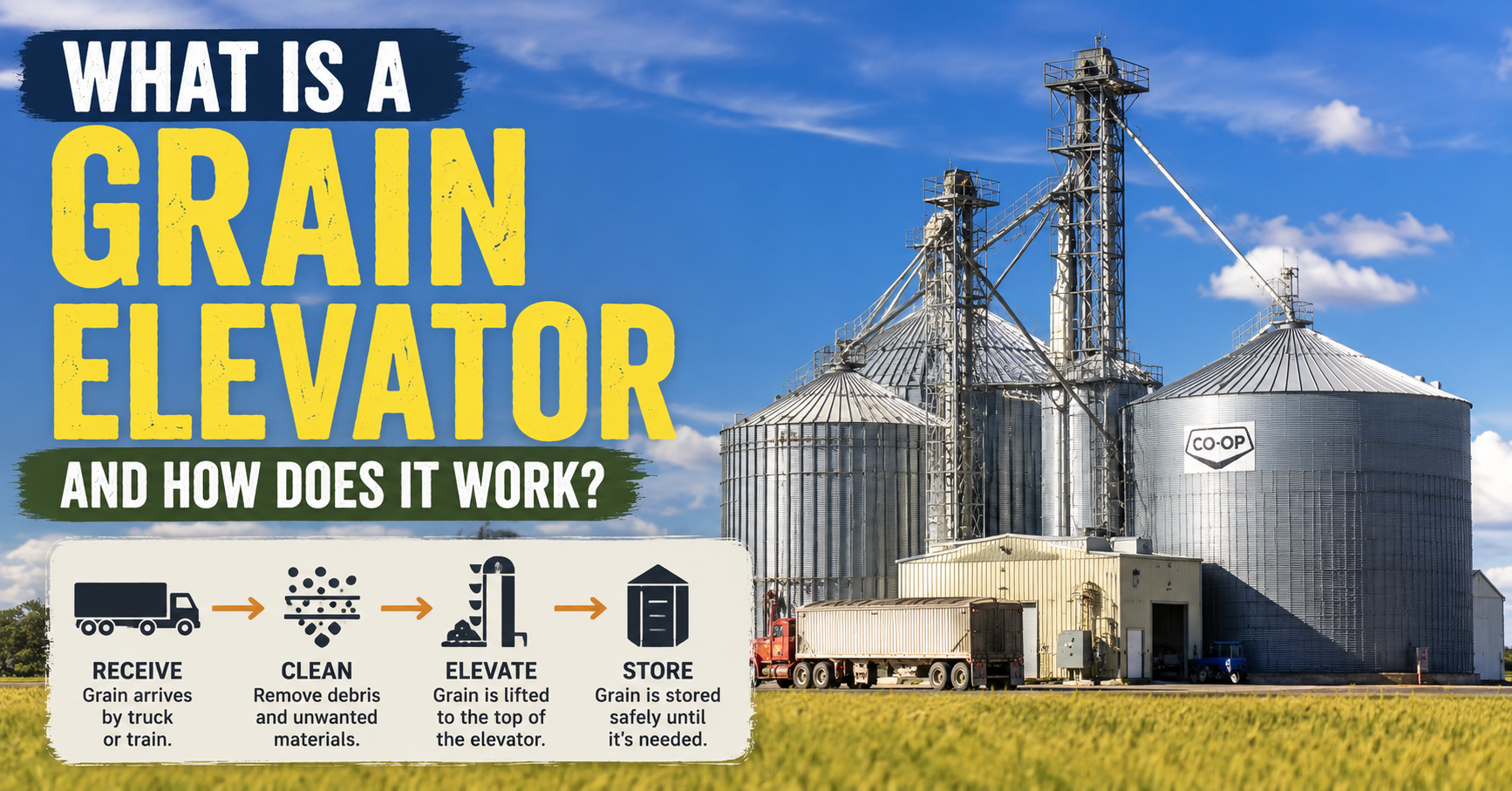
If you’re new to the process, I recommend reading What Is a Grain Elevator and How Does It Work? first because it walks through everything that happens from the time the truck enters the facility until it leaves after unloading.

Why Moisture Is Listed on the Ticket
Another number you’ll often see is the moisture percentage.
That isn’t there just for information.
Moisture helps determine how the grain will be handled after it’s delivered.
If the grain is wetter than the elevator’s accepted storage level, drying charges or other adjustments may apply before the grain is placed into storage or marketed.
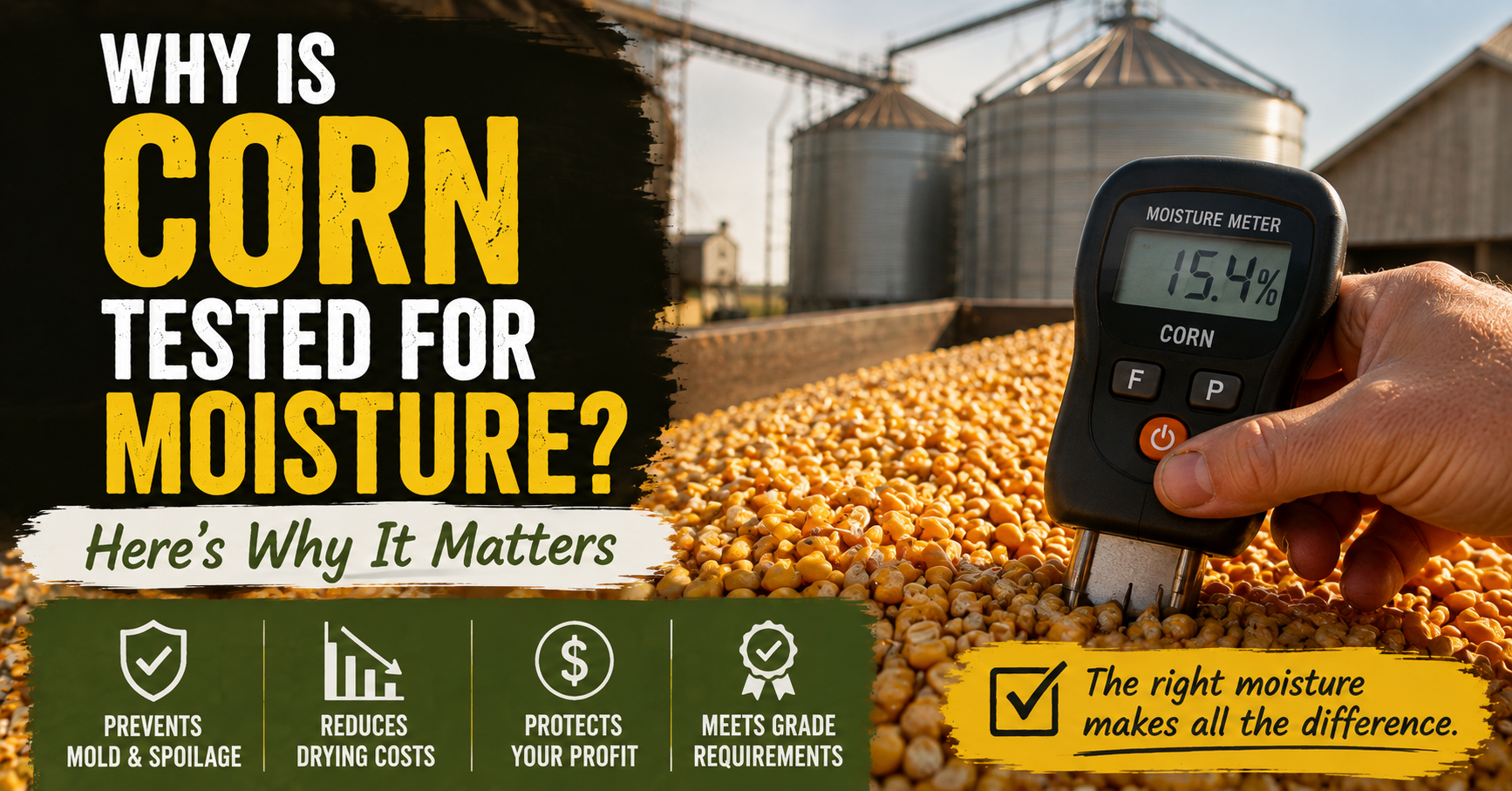
I explain that process in much more detail in Why Is Corn Tested for Moisture? Here’s Why It Matters because moisture is one of the most important quality measurements taken during grain delivery.
The Ticket Helps Make Sure Everyone Gets Paid Correctly
One reason grain scale tickets are so important is that they create a permanent record of every delivery.
Without that record, it would be much harder to answer simple questions like:
- How much grain was delivered?
- Which farmer delivered it?
- What day did it arrive?
- What was the moisture?
- Did drying charges apply?
- How much grain should be paid for?
Instead of relying on memory, everyone involved has documentation showing exactly what was received. Grain scale tickets commonly include the ticket number, delivery date, commodity, gross weight, tare weight, net weight, and quality information so deliveries can be tracked accurately.

Drivers Should Keep Their Tickets Organized
Depending on who you’re hauling for, you may be expected to keep your scale tickets until the load has been verified or turned in.
For trucking companies, those tickets may be needed for payroll, customer records, or billing.
For farmers, they’re often part of the records used to reconcile deliveries and settlements.
It’s a small piece of paper, but it represents an entire truckload of grain.
That’s a good reason not to lose it.
Every Scale Ticket Is Unique
Even if you’re hauling from the same field all day, no two tickets are exactly alike.
Each one reflects that specific load.
The ticket number changes.
The weights change.
The moisture may change.
Quality factors can change.
Delivery times change.
Every trip creates its own record.
That information helps both the elevator and the farmer keep accurate records throughout harvest.
Scale Tickets Help Solve Problems
Another thing I didn’t think about before learning how grain is handled is what happens if there’s ever a question about a delivery.
Maybe someone wants to verify how much grain was delivered.
Maybe there’s a question about moisture.
Maybe a settlement needs to be reviewed.
The scale ticket provides a record that everyone can reference instead of relying on guesswork.
That’s one reason commercial elevators take weighing and documentation so seriously.
The Scale Ticket Is Only One Step in the Process
By itself, the scale ticket doesn’t tell the entire story.
It’s one piece of the delivery process.
The truck is weighed.
The grain is sampled.
Quality is checked.
The grain is unloaded.
Then the ticket becomes part of the documentation showing exactly what happened during that delivery.
Once I understood that, the ticket made a lot more sense.
It’s not just a receipt.
It’s a record of an entire transaction.
Frequently Asked Questions
Do all grain elevators issue scale tickets?
Most commercial grain elevators provide a scale ticket or an electronic equivalent for each delivery. While the format varies, the purpose is the same: to document the load and its key information.
Why are trucks weighed before and after unloading?
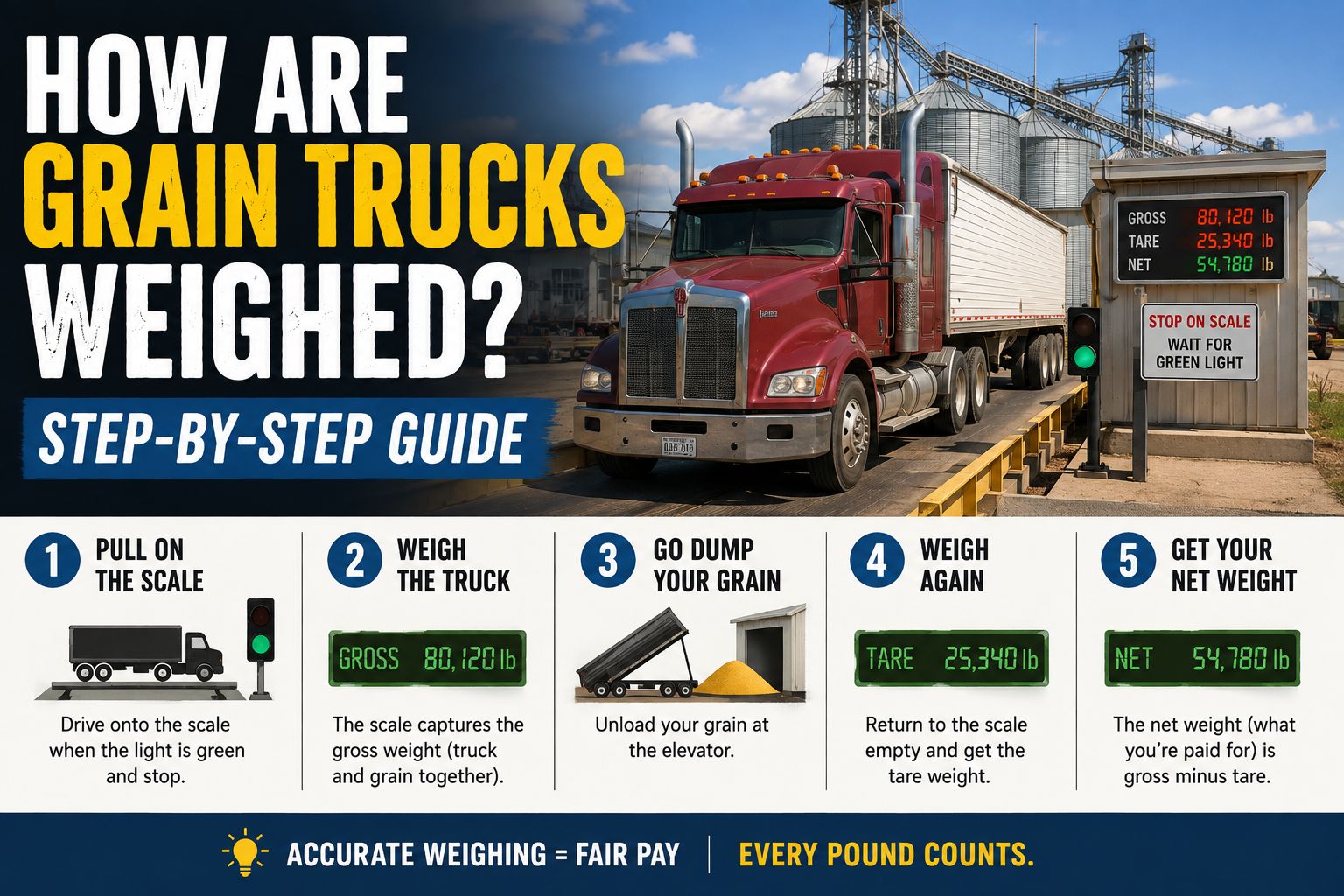
The first weight records the loaded truck, known as the gross weight. After unloading, the truck is weighed again to determine the tare weight. Subtracting the tare weight from the gross weight gives the net weight of the grain delivered. The guide to how gross and tare weights are recorded shows where these measurements fit into the elevator’s full receiving procedure.
Is moisture listed on every scale ticket?
Many grain buyers include moisture and other quality measurements because they affect how the grain will be handled and, in some cases, how it’s priced. The exact information varies by facility.
Can farmers request copies of their scale tickets?
Yes. Scale tickets are an important part of grain marketing records, and farmers typically keep them along with settlement sheets and other harvest documentation.
A Small Ticket That Carries a Lot of Information
Before I started learning about grain hauling, I would’ve looked at a grain scale ticket and seen nothing more than a printed receipt.
Now I understand it’s much more than that.
It documents the load.
It records the weight.
It captures important quality information.
And it provides a permanent record that helps farmers, truck drivers, and grain elevators keep every delivery accurate.
It’s one of those small details most people never think about, but it’s an important part of moving millions of bushels of grain through the agricultural system every year.
Author: Jake Harrison
Jake Harrison is a commercial transportation writer for TruckingResource.com who specializes in CDL training, trucking safety, commercial vehicles, freight operations, and agricultural transportation. He works with the TruckingResource.com editorial team to create practical, beginner-friendly guides that explain both trucking and the systems that keep American agriculture moving.