When I first heard someone mention a step deck, I assumed it was just another name for a flatbed.
After seeing one up close, I realized there was one important difference.
The deck literally steps down.
That lower deck may not seem like a big deal at first, but it allows truck drivers to haul loads that would be too tall for a standard flatbed while still staying within legal height limits.
Over the years I’ve hauled everything from construction equipment to industrial machinery, and there are plenty of loads where a step deck is exactly the right trailer for the job.
If you’re studying for your CDL or considering flatbed work, this is one trailer you’ll definitely want to understand.
What Is a Step Deck Trailer?
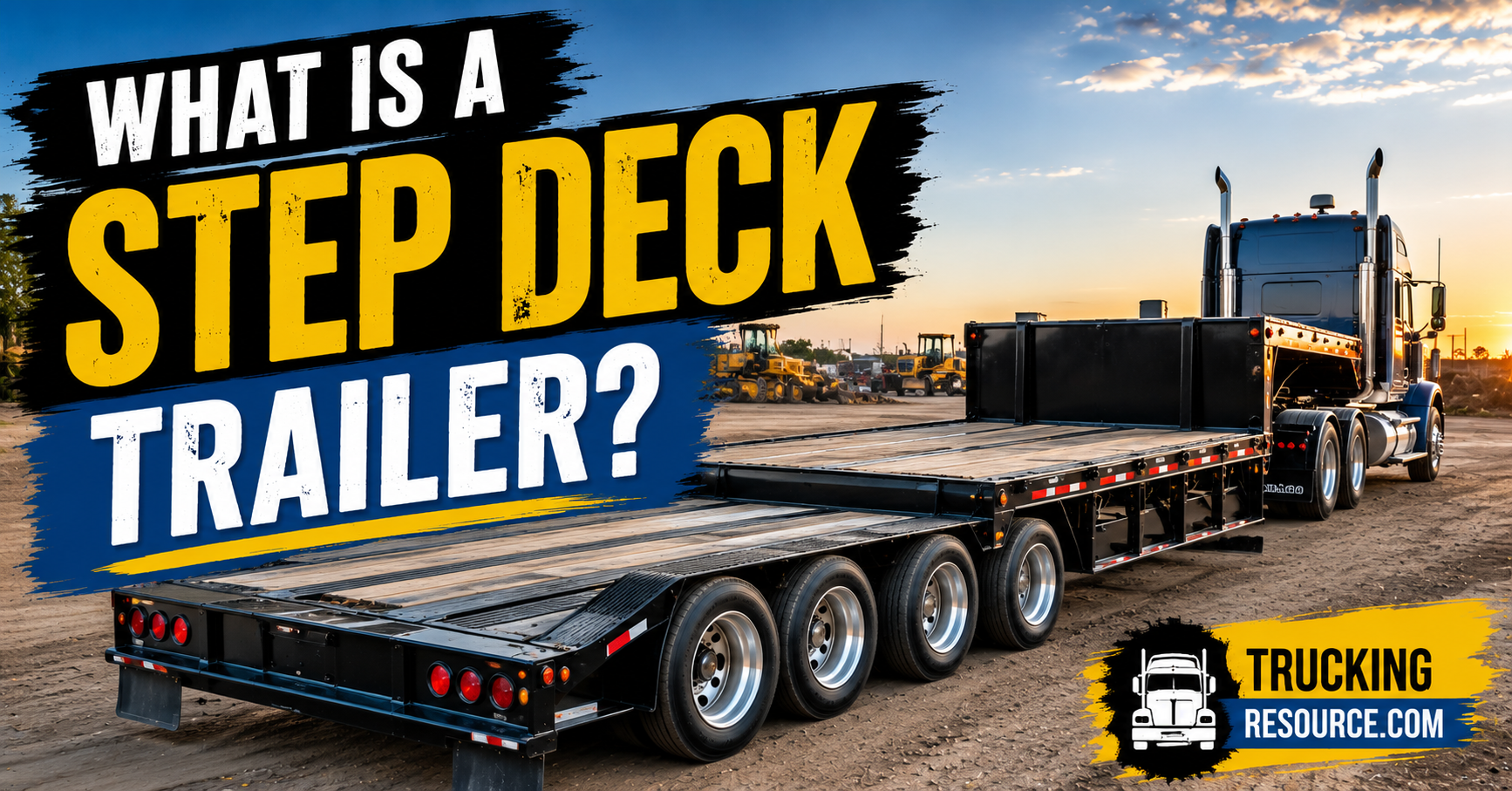
A step deck trailer, sometimes called a drop deck trailer, is an open trailer with two deck heights. The front section sits higher over the tractor, while the main cargo deck sits much lower behind it. That lower deck provides extra vertical clearance for taller freight.
From the side, you can clearly see the “step” where the trailer drops down.
That’s where it gets its name.
Why Use a Step Deck Instead of a Flatbed?
The biggest advantage is height.
A standard flatbed sits higher off the ground, which limits how tall your cargo can be before you exceed legal height restrictions.
A step deck lowers the cargo several inches, often allowing loads close to 10 feet tall to travel legally without requiring an oversized height permit.
Sometimes those extra inches make all the difference.
What Does a Step Deck Trailer Haul?
Step decks are commonly used for freight that’s too tall for a flatbed but doesn’t require specialized heavy-haul equipment.
Some common loads include:
- Tractors.
- Skid steers.
- Excavators.
- Forklifts.
- Agricultural equipment.
- Building materials.
- Steel products.
- Industrial machinery.
- Large generators.
- Oversized pallets.
Because the trailer is open, freight can still be loaded from the side, rear, or above using cranes or forklifts.
Step Deck vs. Flatbed
People often confuse these two trailers because they’re both open-deck trailers.
The biggest difference is the deck height.
A flatbed has one continuous level from front to back.
A step deck has a raised front section and a much lower main deck.
That lower deck gives drivers additional cargo height without changing the trailer’s legal overall height.
If you haven’t already, our guide on What Is a Flatbed Trailer? A Beginner’s Guide for New CDL Drivers explains why flatbeds remain one of the most versatile trailers in trucking.

How Tall Can a Step Deck Haul?
While every trailer is a little different, most standard step decks allow cargo that’s roughly 18 to 24 inches taller than what could legally ride on a standard flatbed.
That extra clearance often eliminates the need for expensive permits or alternate routes.
It’s one reason step decks are so popular with construction and agricultural haulers.
How Is Freight Loaded?
One thing I like about step decks is their flexibility.
Depending on the freight, they can be loaded using:
- Forklifts.
- Cranes.
- Loading docks.
- Drive-on ramps for wheeled equipment.
That versatility makes them useful across a wide variety of industries.
Securing Cargo on a Step Deck
Just like a flatbed, everything riding on a step deck must be properly secured.
Depending on the load, drivers may use:
- Ratchet straps.
- Chains.
- Load binders.
- Edge protectors.
- Tarps.
- Dunnage.
Proper cargo securement isn’t optional.
It’s required for safety and DOT compliance.
If you’re preparing for your CDL, our Free CDL Cargo Loading, Weight Distribution & Securement Practice Test is an excellent way to strengthen your understanding of securement requirements.
How I Inspect a Step Deck
My inspection starts the same way every time.
I’m checking:
- Tires.
- Wheels.
- Lights.
- Air lines.
- Electrical pigtail.
- ABS light.
- Trailer frame.
- Deck condition.
- Rub rails.
- Stake pockets.
- Cargo securement equipment.
If the trailer is loaded, I also inspect every chain, strap, binder, and tarp before leaving.
Common Mistakes New Drivers Make
One mistake I see fairly often is assuming a step deck can haul anything that’s too tall for a flatbed.
That’s not always true.
Some equipment is simply too tall or too heavy and requires a lowboy or another specialized trailer.
I’ve also seen drivers forget that lowering the deck doesn’t eliminate the need for careful route planning.
Bridge clearances still matter.
So do overall weight limits.
Where You’ll Hear This Term
Once you begin hauling open-deck freight, you’ll hear “step deck” almost daily.
Dispatchers use the term.
Freight brokers use it.
Construction companies request them.
Equipment dealers load them.
It’s one of the most common trailer types in specialized freight.
Frequently Asked Questions
Is a step deck the same as a drop deck?
Yes.
Most drivers use the terms interchangeably to describe the same style of trailer.
Why would someone choose a step deck over a flatbed?
The lower cargo deck allows taller freight to be hauled legally without moving to a more specialized trailer in many situations.
Is a step deck harder to drive?
Not really.
It pulls very much like a flatbed.
The biggest difference is learning how to load and secure taller freight properly.
Will Step Deck Trailers Be Covered on the CDL Exam?
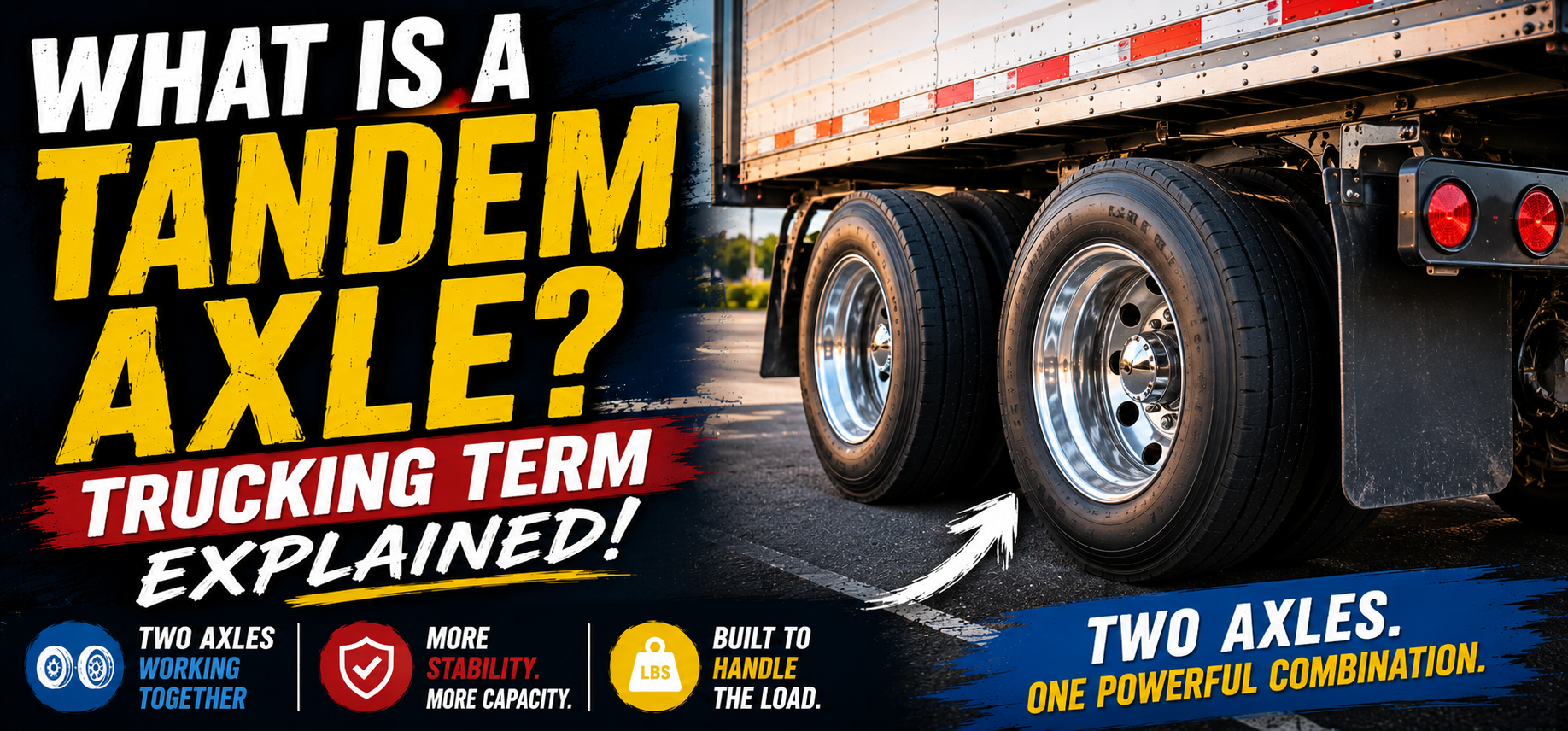
You may not be asked detailed questions specifically about step decks, but you should understand cargo securement, trailer types, weight distribution, and safe loading practices. A practical explanation of how tandem axles distribute weight adds useful context to the weight distribution principles involved in loading a trailer.
Those topics appear throughout CDL training and are important for every commercial driver.
Our CDL Master Question Bank PDF and CDL Permit Test Simulator: 125-Question Master Practice Exam are both excellent study resources that reinforce these concepts before exam day.
One Piece of Equipment I Always Carry
Loading and inspecting a step deck often means climbing around equipment before sunrise or after dark.
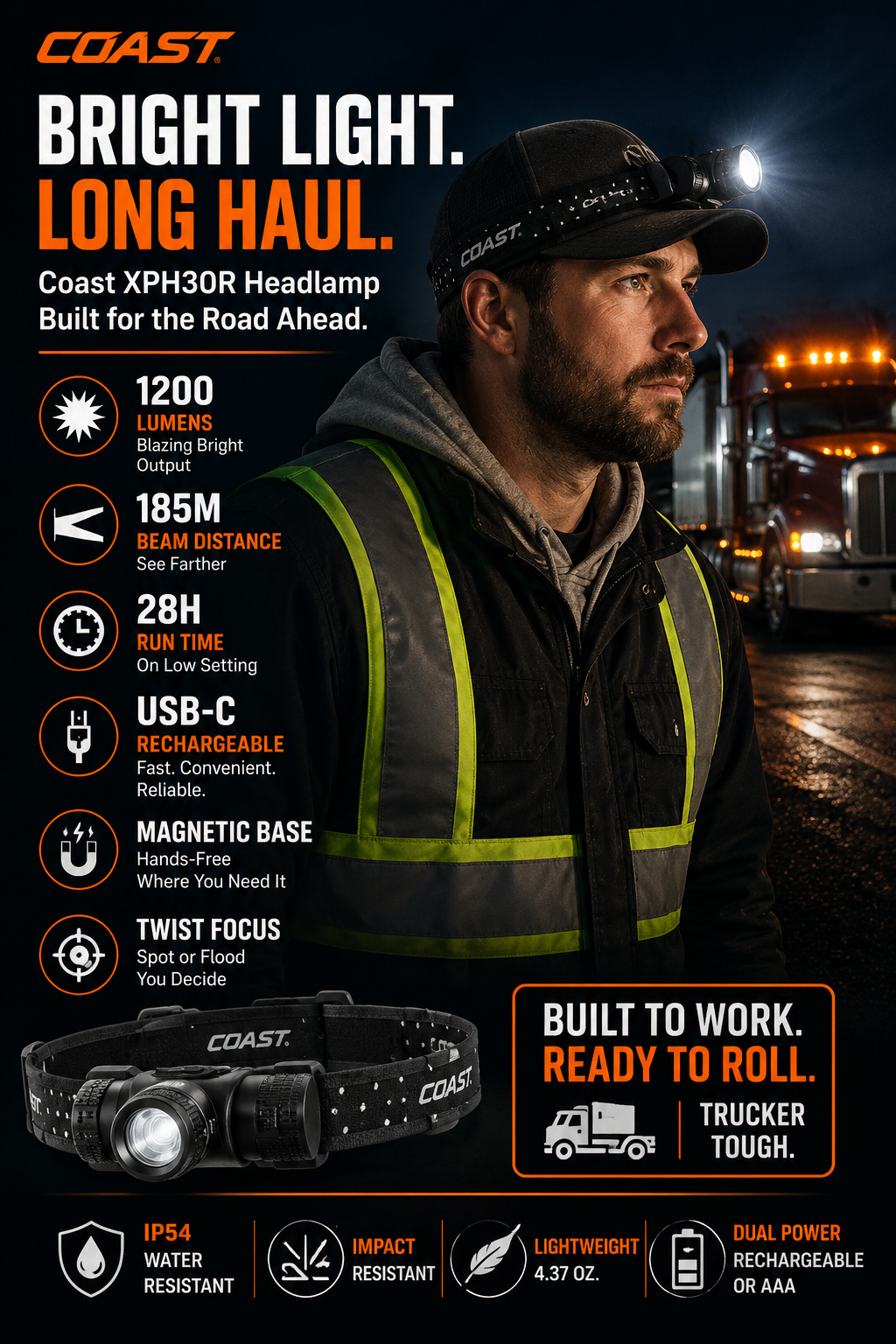
That’s why I always keep the Coast XPH30R USB-C Rechargeable Dual Power Headlamp in my truck.
Whether I’m checking chains, inspecting binders, or making sure a tarp is secure, having both hands free makes the job much easier and a whole lot safer.
My Advice After Hauling Open-Deck Freight
One thing I’ve learned is that trailer selection matters just as much as driving skill.
Using the right trailer can save time, reduce permit requirements, and make loading much easier.
Step decks fill an important gap between standard flatbeds and specialized heavy-haul trailers.
They’re versatile, dependable, and capable of hauling loads that would otherwise create headaches on a standard flatbed.
If you decide to get into open-deck trucking, chances are you’ll spend plenty of time pulling one.
Author: Kevin Lawson
Kevin Lawson spent nearly 30 years hauling flatbeds, step decks, refrigerated trailers, and dry vans across North America. Throughout his career, he trained new CDL drivers on cargo securement, trailer inspections, and specialized freight, believing that understanding your equipment is one of the best ways to become a safer and more successful professional driver.