If you’ve ever driven through a small town and seen a sign that says “No Jake Brakes,” you might have wondered what everyone was talking about.
I remember asking that exact question when I first started driving.
Then I hauled my first heavy load through the mountains.
That’s when I discovered why experienced drivers depend on them.
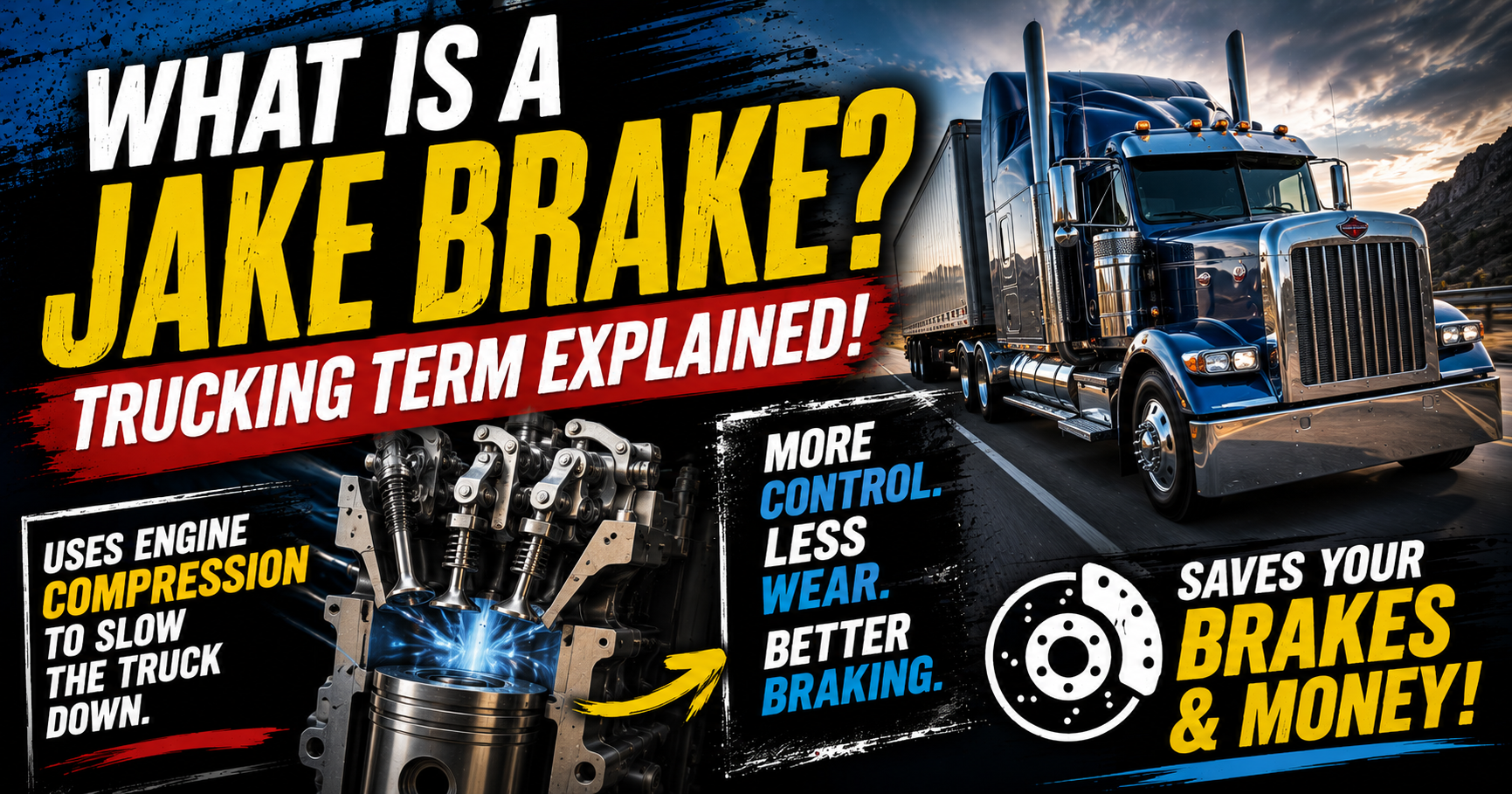
A Jake brake isn’t just another switch on the dashboard. It’s one of the best safety features found on many diesel-powered semi trucks, especially when you’re pulling 80,000 pounds down a long grade.
Used correctly, it can save your service brakes, improve vehicle control, and make mountain driving much safer.
What Is a Jake Brake?
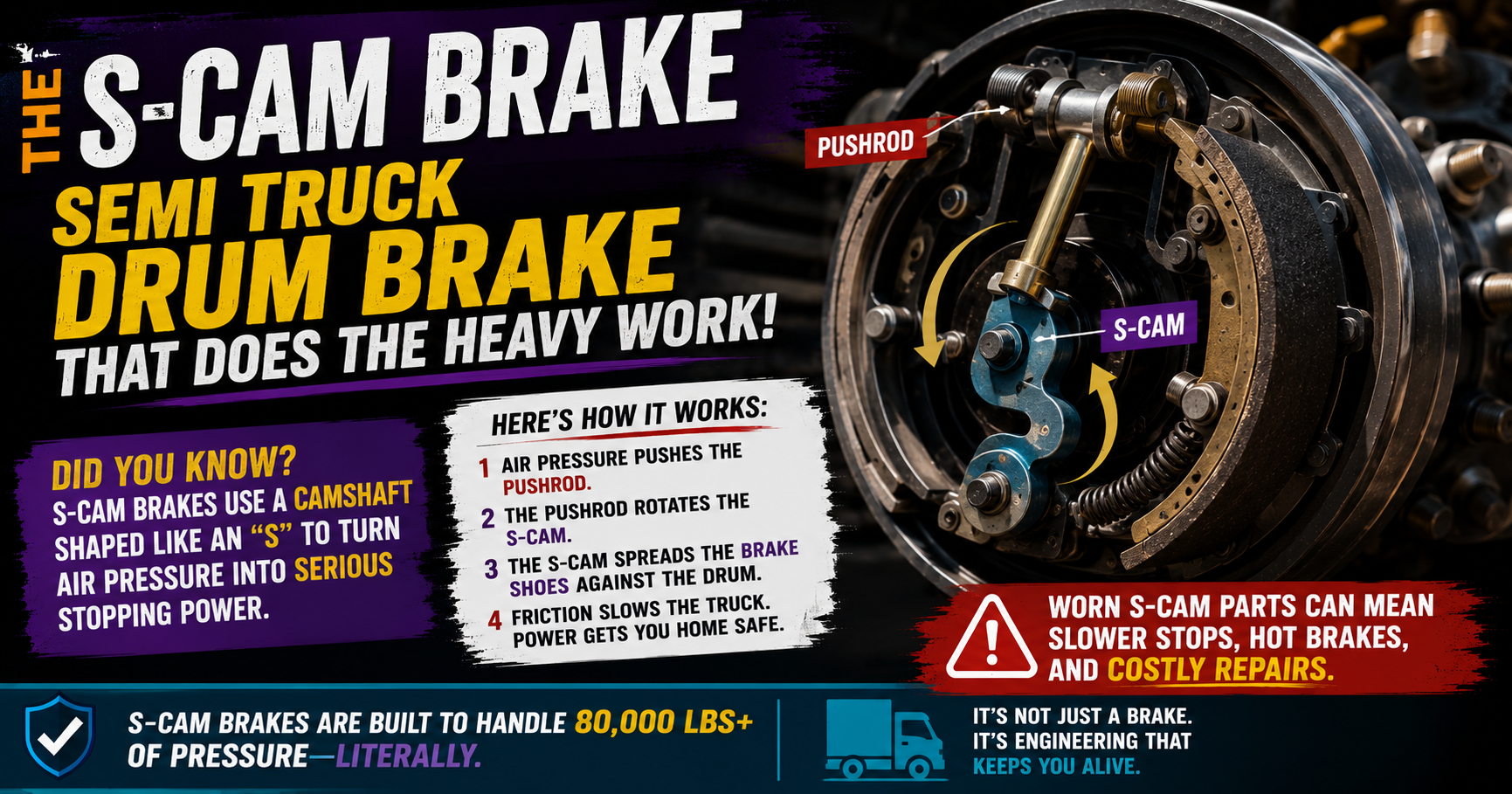
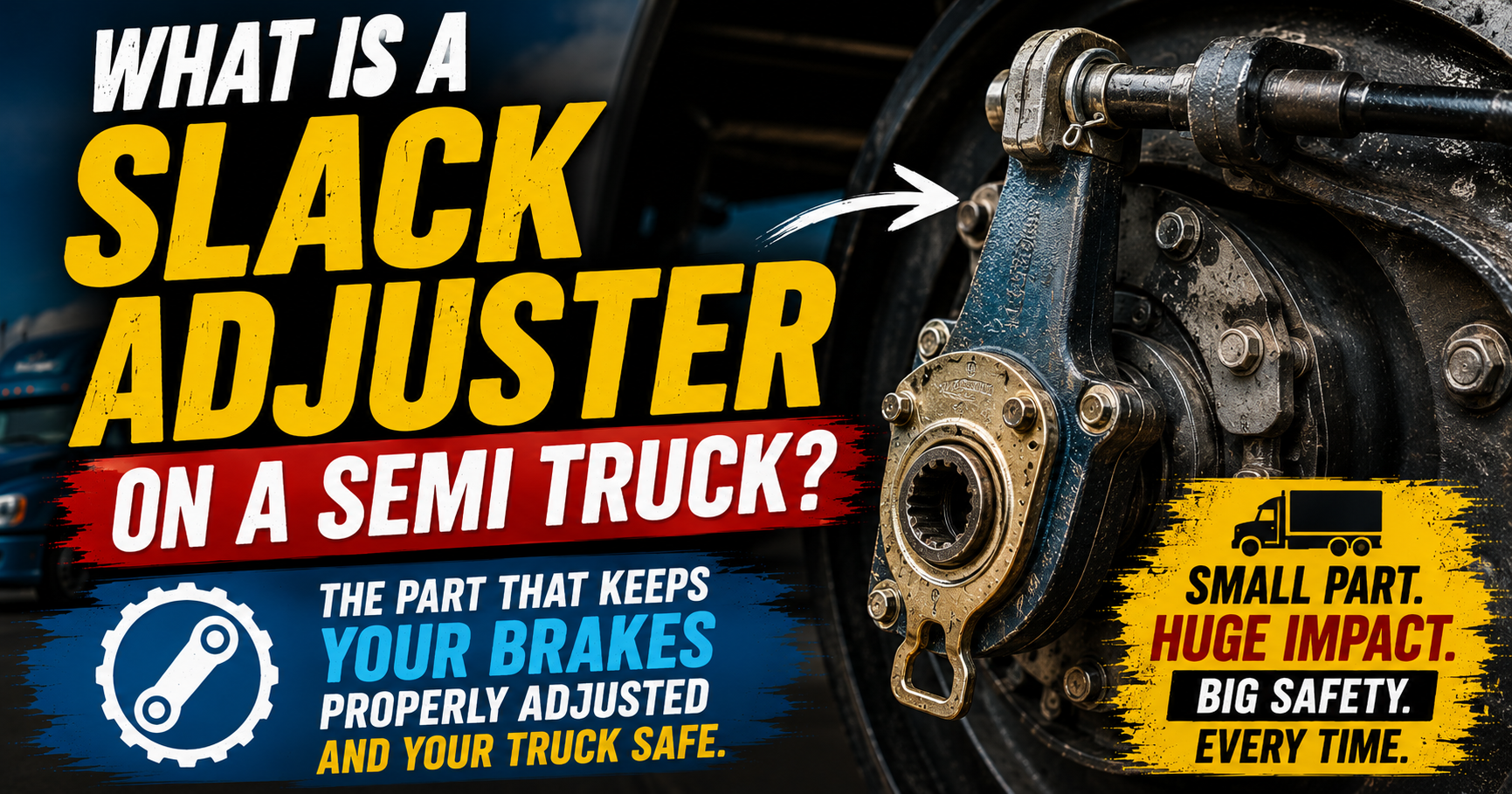
A Jake brake is a type of compression release engine brake that helps slow a diesel truck by using the engine itself instead of relying only on the wheel brakes. The name “Jake Brake” comes from Jacobs Vehicle Systems, the company that developed the original system, but many drivers now use the term to describe compression-release engine brakes in general. For the wheel-mounted braking system that complements engine braking, see how semi truck service brakes produce stopping force.
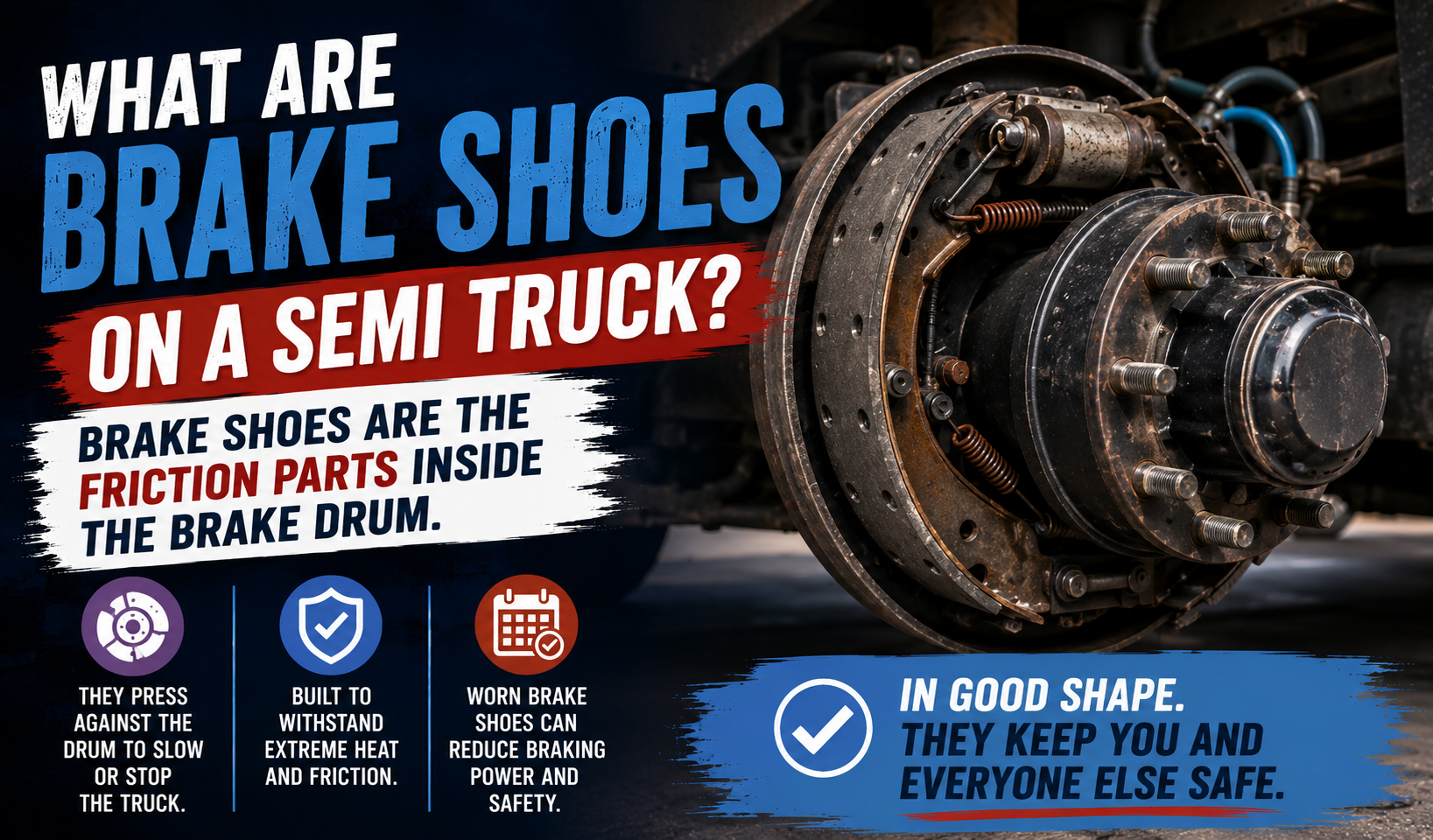
Instead of creating braking force with brake pads and drums, the Jake brake turns the engine into an air compressor that absorbs energy and slows the truck. That distinction makes drum brake shoes worth understanding when comparing engine braking with service-brake operation.
How Does a Jake Brake Work?
Without getting overly technical, here’s the basic idea.
When you activate the Jake brake, the engine changes the way its exhaust valves operate.
Instead of allowing compressed air inside the cylinders to push the piston back down, the compressed air is released near the top of the compression stroke.
That energy is lost instead of being returned to the engine.
The result is a powerful slowing effect that helps reduce the truck’s speed without wearing out the service brakes.
It’s one of the smartest engineering ideas ever added to heavy-duty diesel engines.
Why Is It Called a Jake Brake?
The name comes from Jacobs Vehicle Systems, the company that introduced the original compression-release engine brake.
Over the years, truck drivers shortened “Jacobs Engine Brake” to simply “Jake Brake.”
Today you’ll hear almost every driver use the term, even if the truck has a different manufacturer’s engine brake installed.
Why Truck Drivers Use Jake Brakes
The biggest reason is simple.
Safety.
When you’re hauling tens of thousands of pounds down a long hill, using only your service brakes can generate tremendous heat.
As brakes overheat, they become less effective.
This condition is known as brake fade, and it’s one of the reasons runaway truck ramps exist.
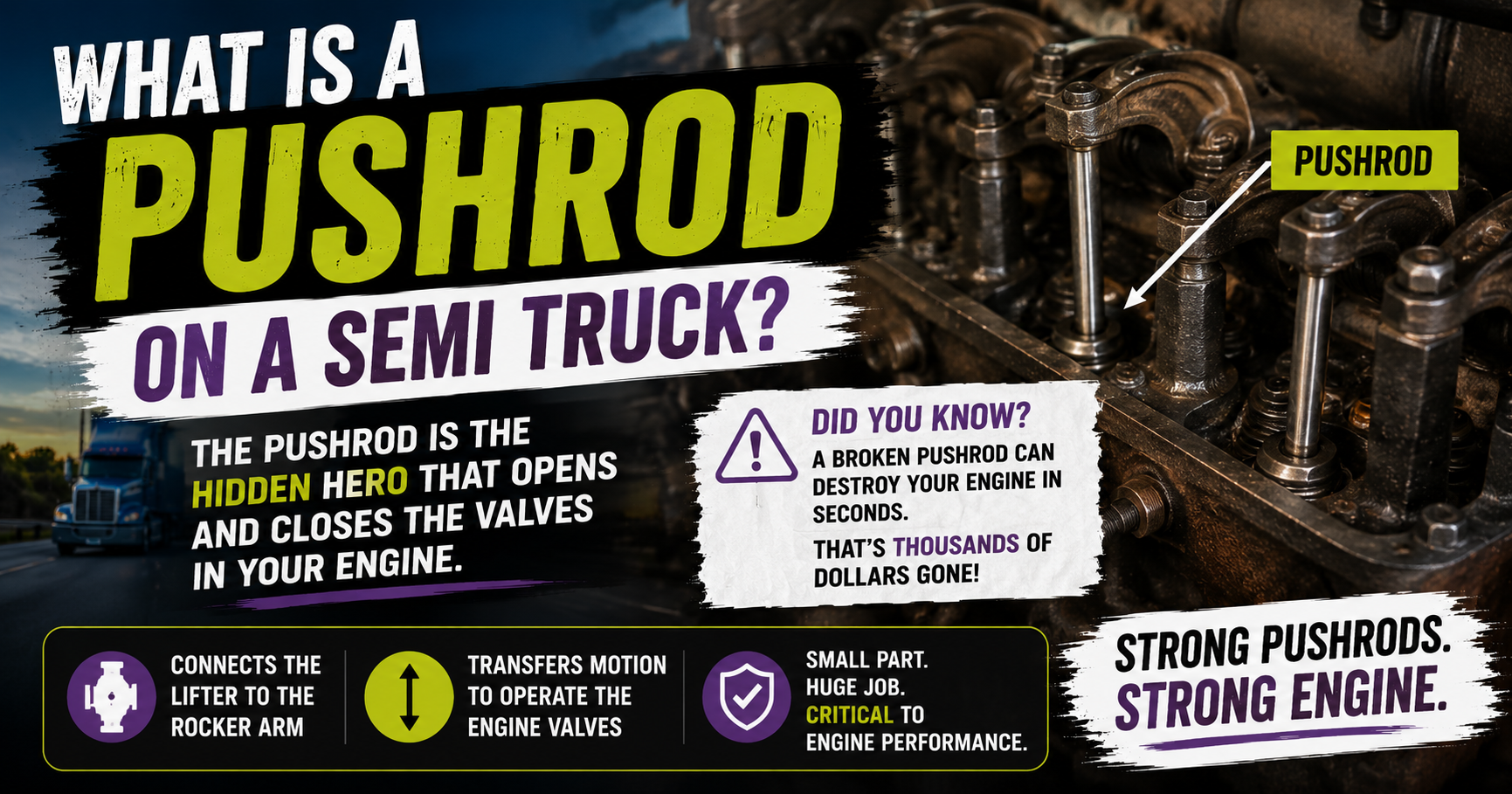
A Jake brake helps control speed while dramatically reducing how much the service brakes have to work. When the service brakes are needed, the service brake pushrod is one of the mechanical components that transfers braking force at the wheel.
When Should You Use a Jake Brake?
Throughout my career, I used my engine brake whenever conditions called for it.
Some of the most common situations include:
- Long downhill grades.
- Mountain driving.
- Heavy loads.
- Approaching slower traffic.
- Exiting highways.
- Maintaining speed without riding the brakes.
The key is using it before your speed gets away from you.
Waiting until you’re already going too fast defeats much of its purpose.
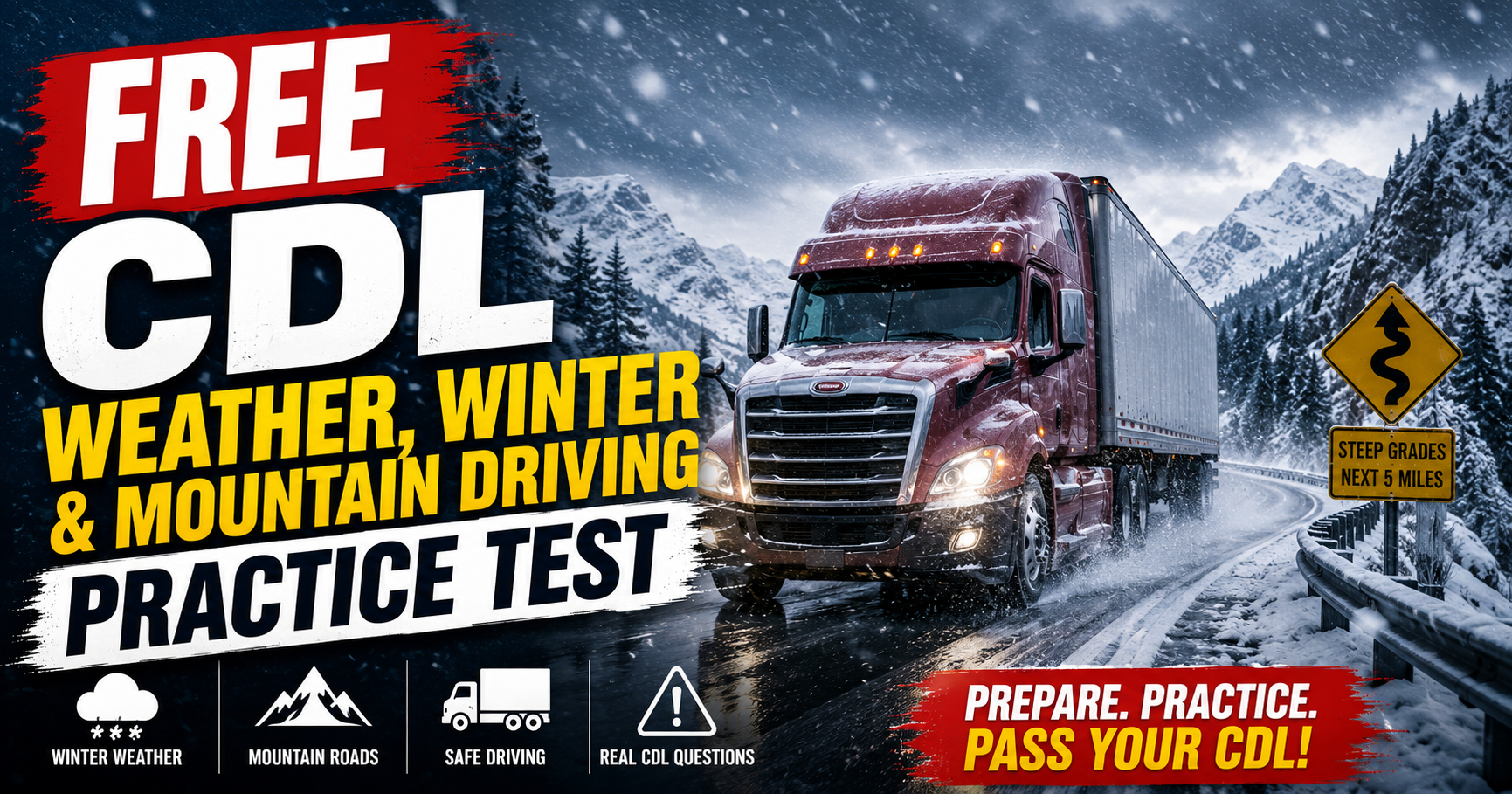
If you’re studying mountain driving for your CDL exam, our Free CDL Weather, Winter & Mountain Driving Practice Test covers many of the situations where engine braking becomes especially important.
Why Are Jake Brakes So Loud?
This is probably the question I hear most often.
The loud “machine gun” sound comes from compressed air being released rapidly from the engine cylinders during braking.
Modern trucks with properly functioning mufflers are much quieter than older trucks, but engine brakes can still produce noticeable noise.
That’s why many towns have signs restricting their use.
Why Do Some Towns Ban Jake Brakes?
Those familiar roadside signs usually aren’t there because Jake brakes are unsafe.
They’re there because of the noise.
Many communities limit engine brake use in residential areas, especially at night.
It’s worth paying attention to local signs because restrictions vary from place to place.
Jake Brake vs. Service Brakes
A lot of new drivers think the Jake brake replaces the regular brakes.
It doesn’t.
The two systems work together.
Your service brakes are designed to stop the truck.
A Jake brake is designed to help slow the truck while reducing brake wear.
I always think of it as another tool in the toolbox rather than a replacement for the brake pedal.

Jake Brake vs. Exhaust Brake
People often use these terms interchangeably, but they’re different.
A Jake brake changes the operation of the engine’s exhaust valves.
An exhaust brake creates back pressure in the exhaust system to slow the engine.
Both help slow the truck, but a true compression-release Jake brake generally provides much stronger braking performance.
Can You Use a Jake Brake on Wet Roads?
This is one area where experience really matters.
On slippery pavement, sudden engine braking can sometimes reduce traction, especially on older trucks or under certain conditions.
Most modern trucks have advanced braking and stability systems that help manage this, but I still believe smooth, controlled driving is the best approach whenever roads are wet, snowy, or icy.
The weather should always influence how aggressively you use any braking system.
Inspecting the Engine Brake System
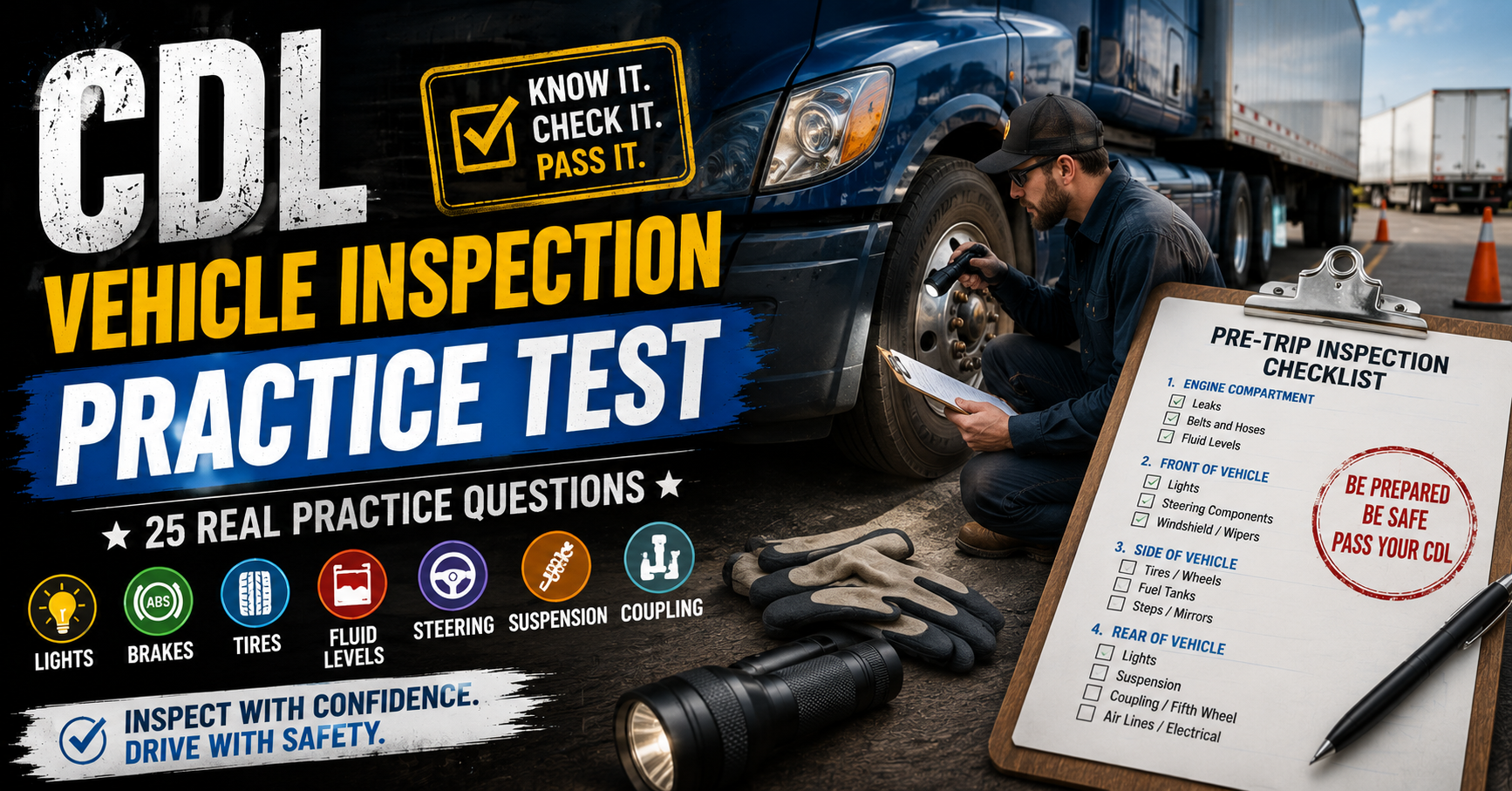
Although drivers don’t inspect every internal engine component during a pre-trip, you should verify that the engine brake operates correctly if your truck is equipped with one. A DEWALT mechanic tool set may also be useful when addressing accessible equipment checks and minor truck tasks.
I also pay close attention to:
- Air system condition.
- Warning lights.
- Dashboard switches.
- Unusual engine sounds.
- Any maintenance issues reported by previous drivers.
A problem that’s caught in the yard is much easier to deal with than one discovered halfway down a mountain.
Will Jake Brakes Be on the CDL Exam?
Very likely.
You should understand:
- What a Jake brake is.
- Why drivers use it.
- How it differs from service brakes.
- Why it’s important on long downgrades.
- Why some communities restrict its use.
These are all common topics in CDL training.
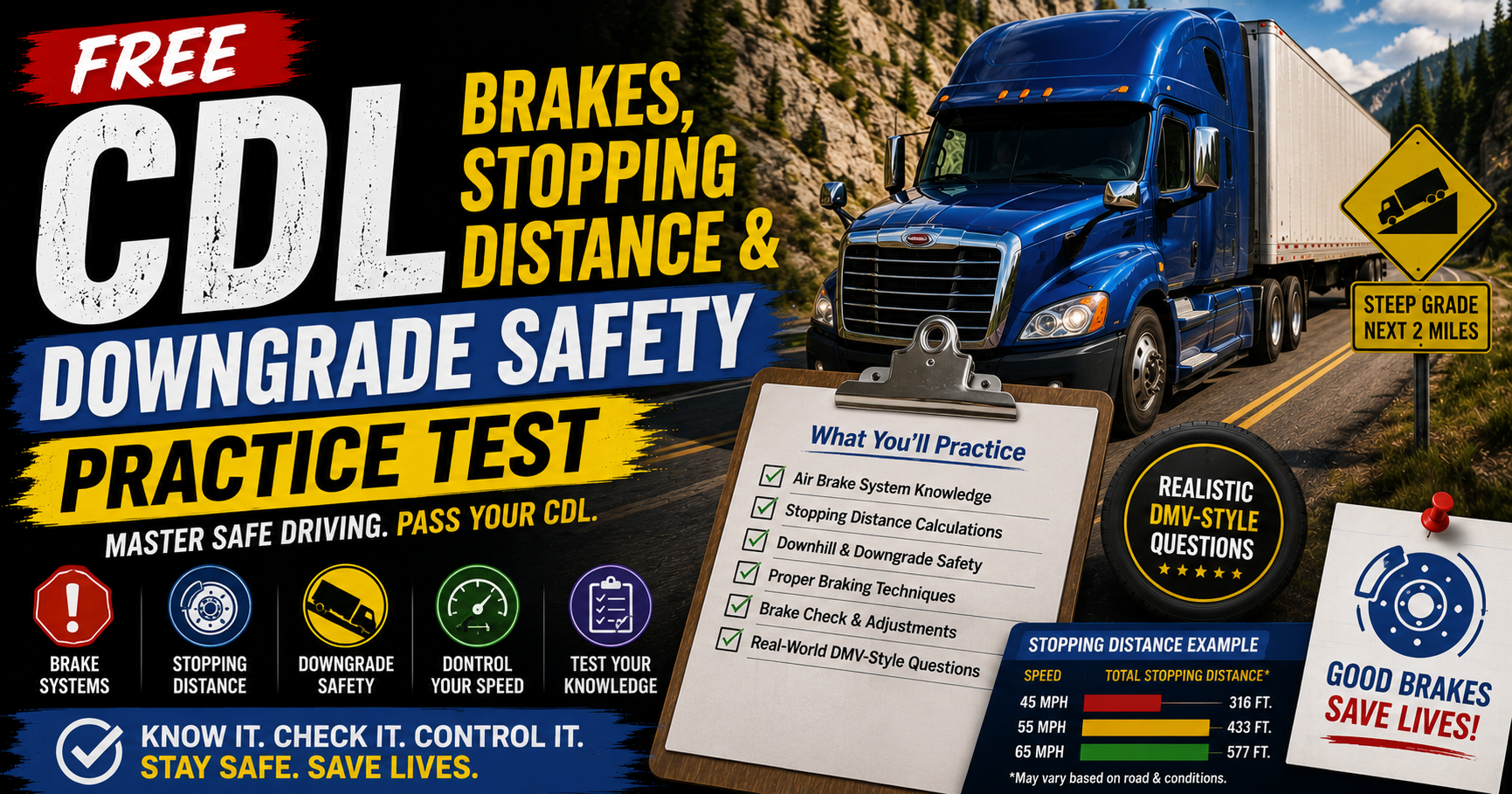
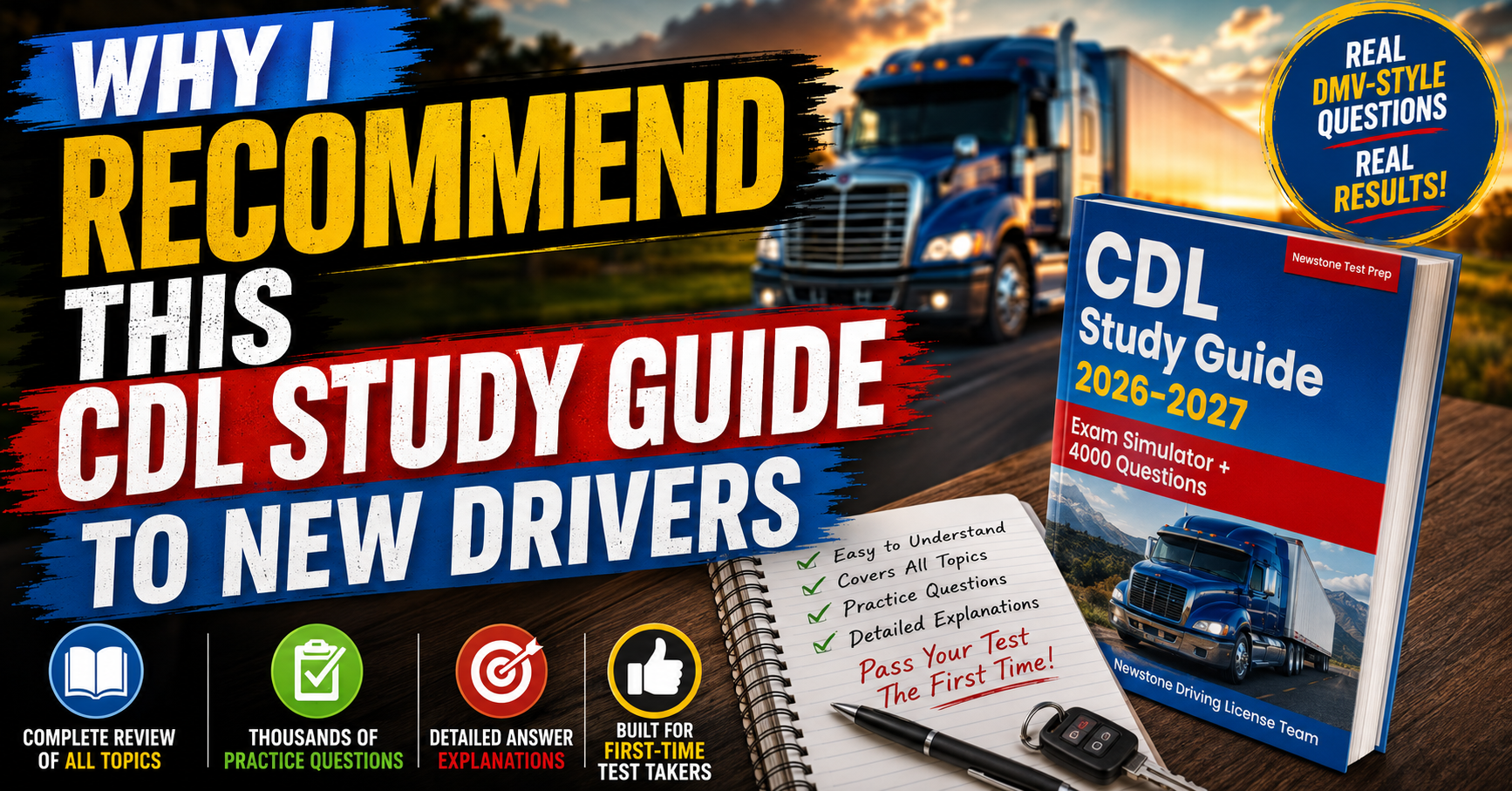
To reinforce what you’ve learned, I recommend taking our Free CDL Brakes, Stopping Distance & Downgrade Safety Practice Test before your written exam.
One Tool That Comes in Handy During Brake Inspections
Whenever I’m checking brake components before sunrise or after dark, I like having both hands free. A pair of work gloves for brake checks can be a practical addition when inspecting components in the yard.
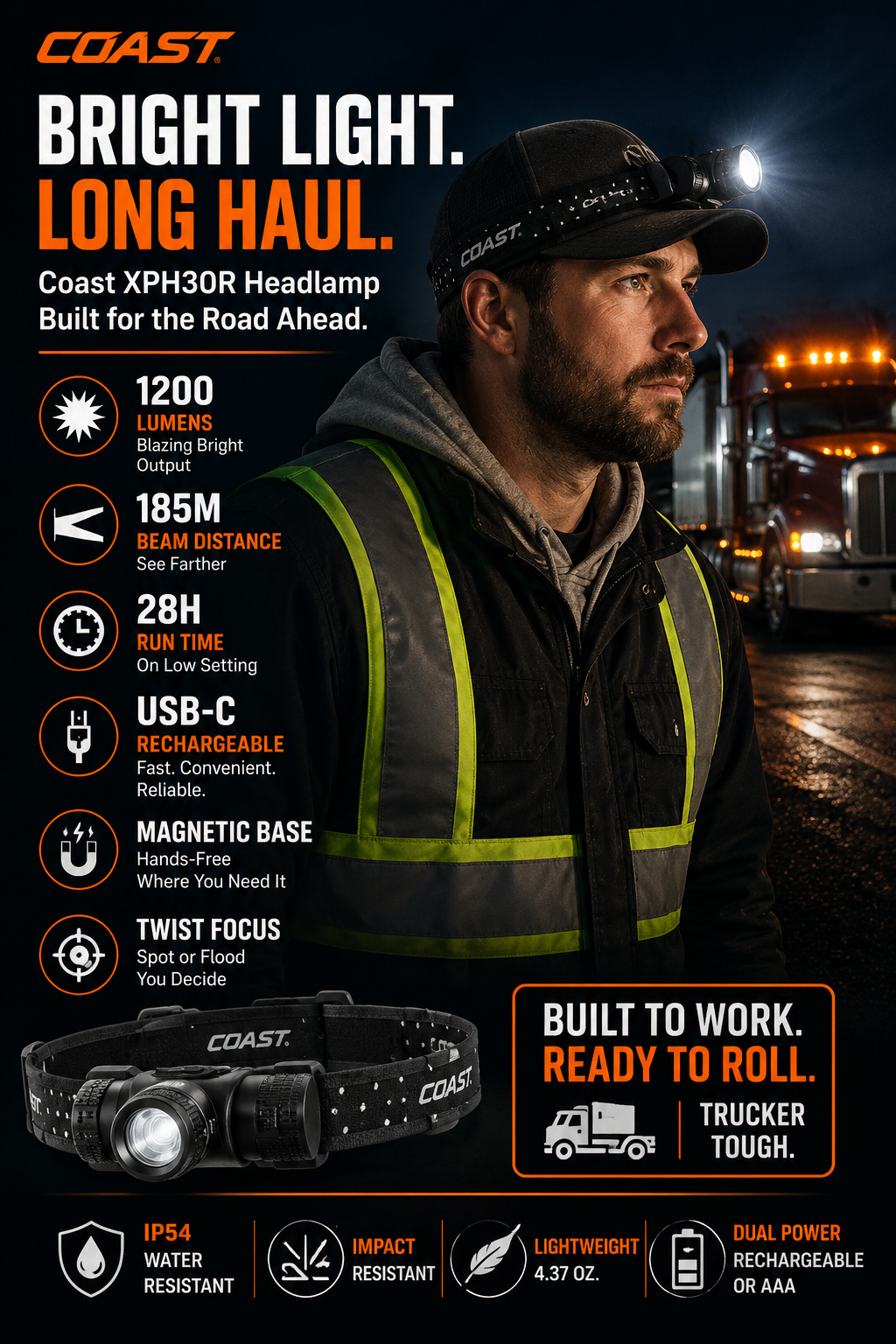
That’s why I carry the Coast XPH30R USB-C Rechargeable Dual Power Headlamp. It makes it much easier to inspect brake chambers, slack adjusters, air lines, and suspension parts without trying to hold a flashlight at the same time.
My Advice After Driving Through the Mountains
I’ve crossed mountain passes in Colorado, West Virginia, Pennsylvania, Tennessee, and plenty of other places where long downgrades demand your full attention.
One lesson has stayed with me the entire time.
Never rely on one braking system.
Use the engine brake.
Use the correct gear.
Use the service brakes properly.
Plan ahead before the hill starts.
The Jake brake is one of the best safety tools ever developed for heavy trucks, but like every tool in trucking, it works best when it’s used correctly and with good judgment.
Author: Mike Reynolds
Mike Reynolds has spent more than 25 years hauling freight through mountain passes, rolling hills, and every type of terrain in the United States. His experience with heavy loads, engine braking, and downhill driving has taught him that understanding how your truck slows down is just as important as knowing how it speeds up.