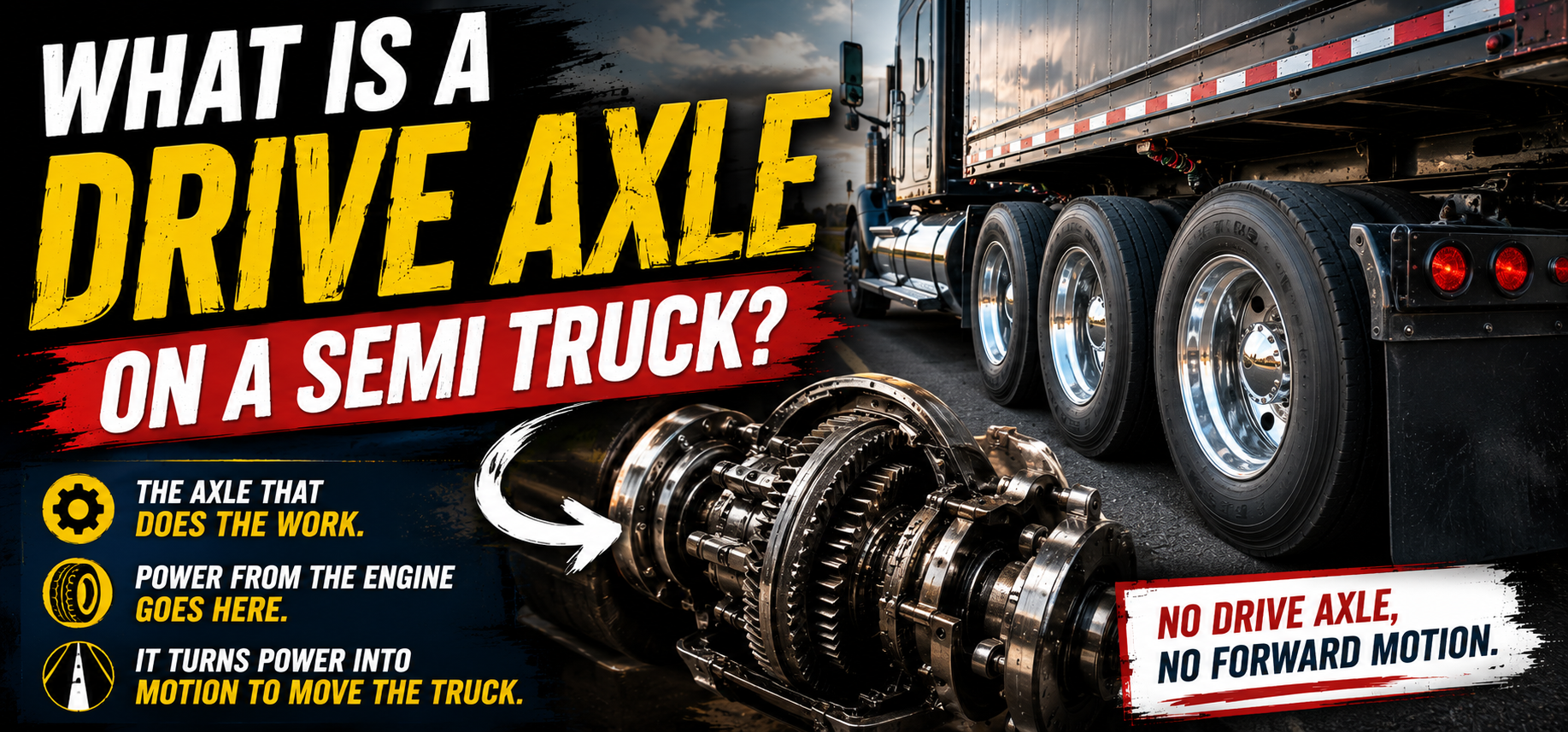
One of the first things my CDL instructor pointed out during a pre-trip inspection was the truck’s drive axles.
He asked me a simple question.
“Which wheels are actually pushing this truck down the road?”
I knew the engine made the truck move, but I hadn’t really thought about how the power actually reached the pavement.
That’s when I learned about drive axles.
Understanding drive axles isn’t just something you’ll need for your CDL exam. It’s something you’ll think about every time you’re driving in rain, snow, mud, on steep grades, or pulling a heavy load.
After more than 25 years of driving commercial trucks, I can tell you they’re one of the hardest-working components on the entire vehicle.
What Is a Drive Axle?
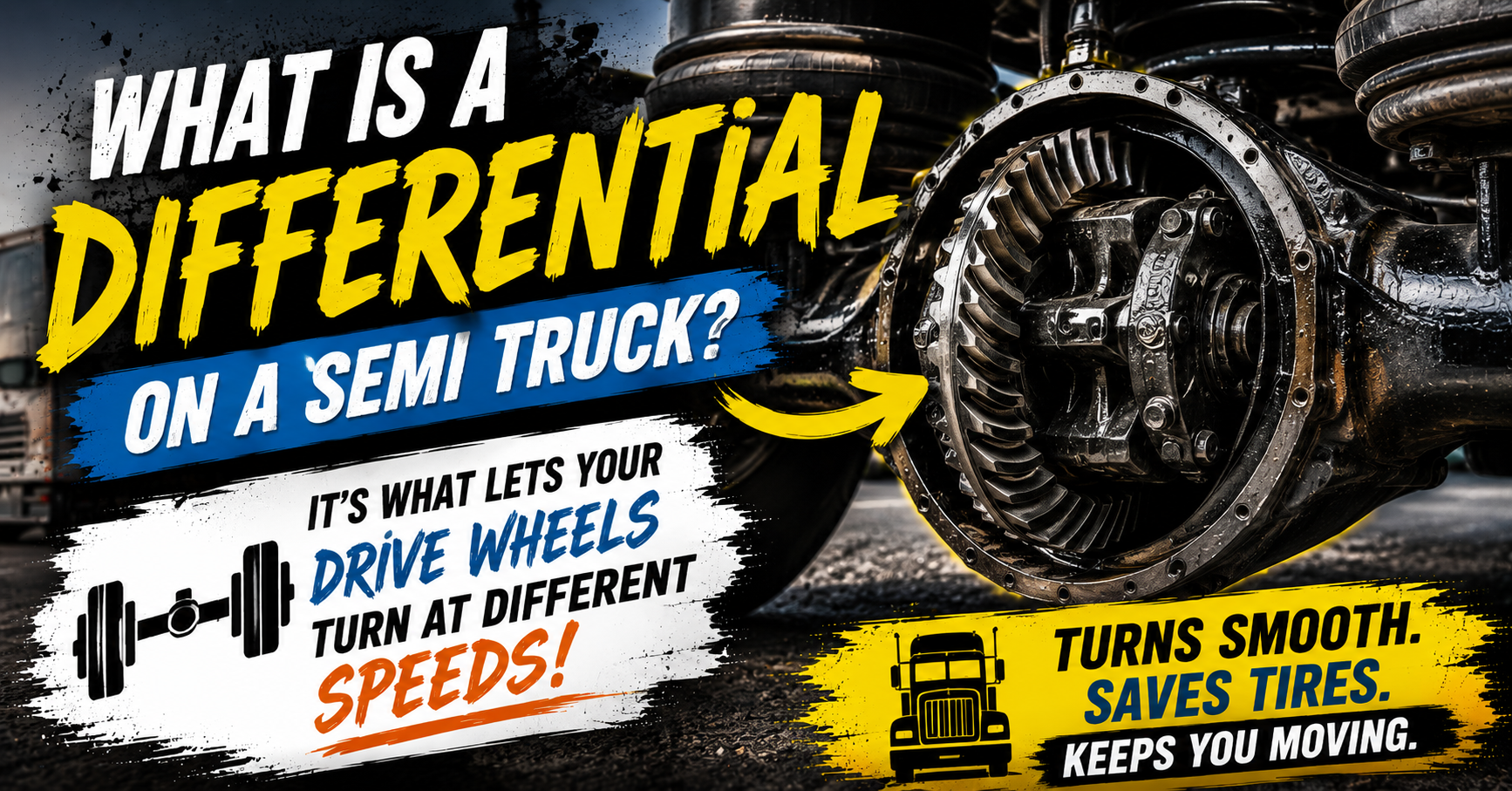
A drive axle is an axle that receives power from the engine through the drivetrain and transfers that power to the wheels, allowing the truck to move. The differential is the drivetrain component that helps distribute that power while allowing the drive wheels to rotate at different speeds: What Is a Differential on a Semi Truck?.
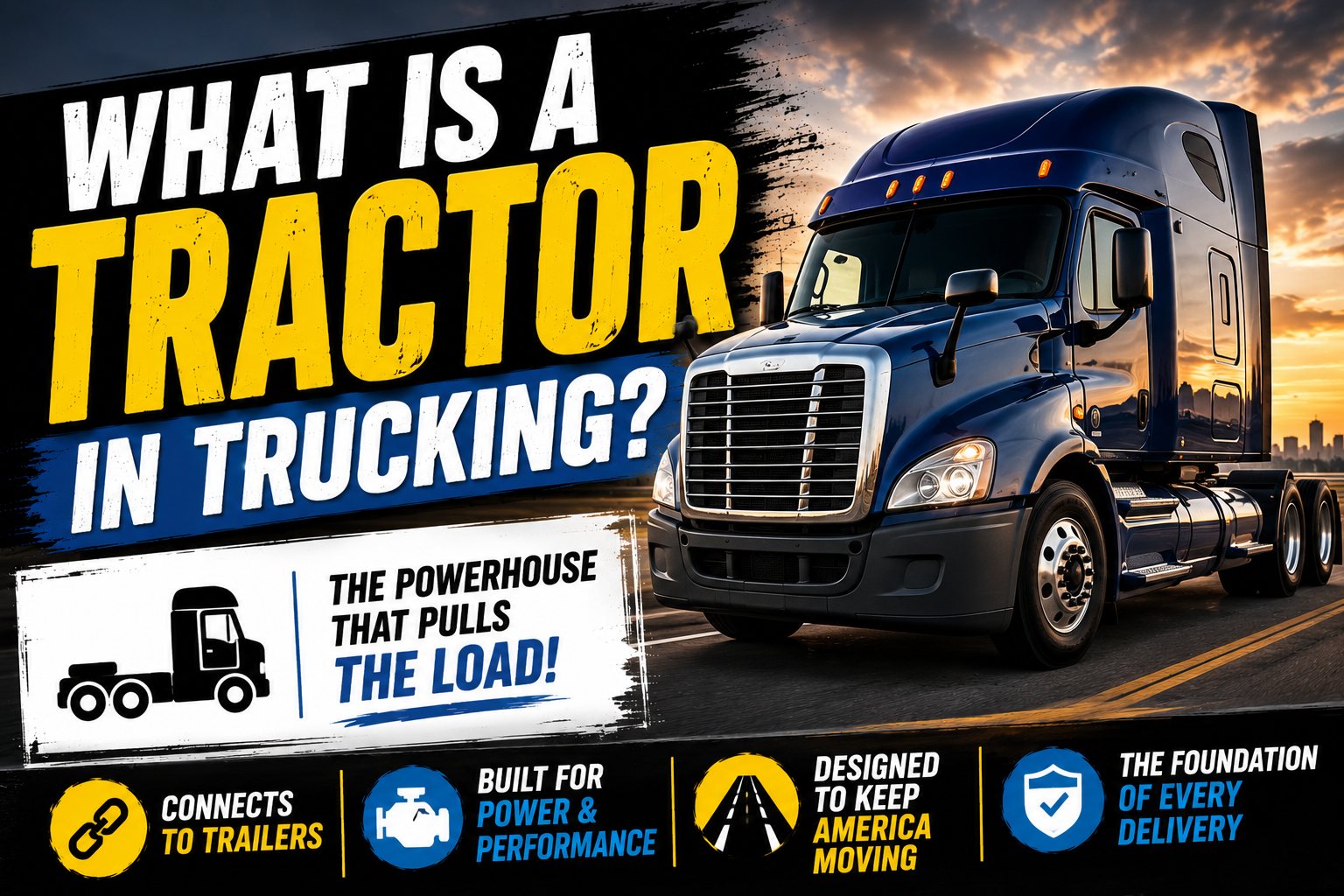
On most highway tractors, the drive axles are located directly behind the cab. That powered unit is the tractor, whose role in a tractor-trailer is described in What Is a Tractor in Trucking?.
They’re usually configured as a pair of tandem axles, although some trucks use a single drive axle while heavy-haul equipment may have three or more powered axles.
Unlike steering axles, drive axles are responsible for putting the engine’s horsepower onto the pavement.


How Does a Drive Axle Work?
Power starts at the engine.
From there it travels through:
- The transmission.
- The driveshaft.
- The differential.
- The axle shafts.
- Finally, the wheels.
Every time you press the accelerator, torque flows through this system until the drive tires begin pushing the truck forward.
It sounds complicated, but once you understand the basic path of the power, the whole drivetrain makes much more sense.

Where Are the Drive Axles Located?
On a typical Class A tractor, you’ll usually find two powered axles directly behind the sleeper or cab.
These are often called the drive tandems because both axles help move the truck.
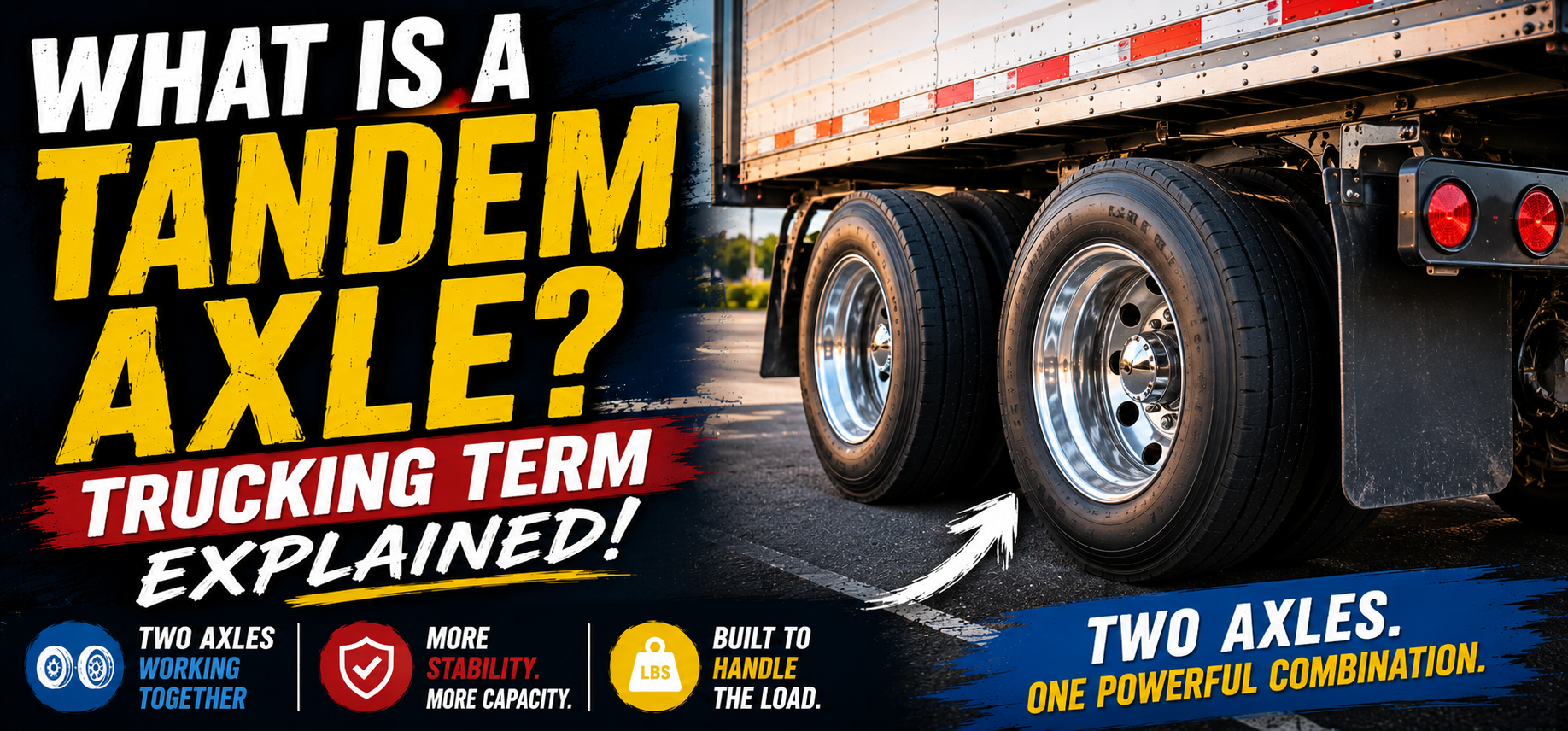
If you’re still learning trucking terminology, our guide explaining what a tandem axle is helps explain why commercial trucks use two axles instead of one.
Why Do Semi Trucks Have Two Drive Axles?
Simply put…
Traction.
One powered axle wouldn’t provide enough grip for many of the heavy loads commercial trucks haul every day.
Using tandem drive axles helps:
- Improve traction.
- Carry more weight.
- Reduce stress on individual tires.
- Increase stability.
- Improve braking performance.
- Handle slippery road conditions more effectively.
When you’re hauling 40,000 pounds or more in a trailer, you’ll appreciate every bit of traction you can get.

Drive Axle vs. Steering Axle
Another term you’ll hear is steering axle.
The steering axle is located at the very front of the truck.
Its primary job is steering.
The drive axles, on the other hand, are responsible for moving the truck.
Think of it this way.
The steering axle points the truck where it needs to go.
The drive axles provide the power to get it there.
How Weight Affects the Drive Axles
One thing new drivers notice quickly is how differently a truck behaves depending on how much weight is sitting over the drive axles.
A loaded tractor usually has much better traction than an empty one.
That’s one reason bobtailing requires extra caution.
Without the trailer’s weight pressing down on the drive axles, traction decreases significantly.
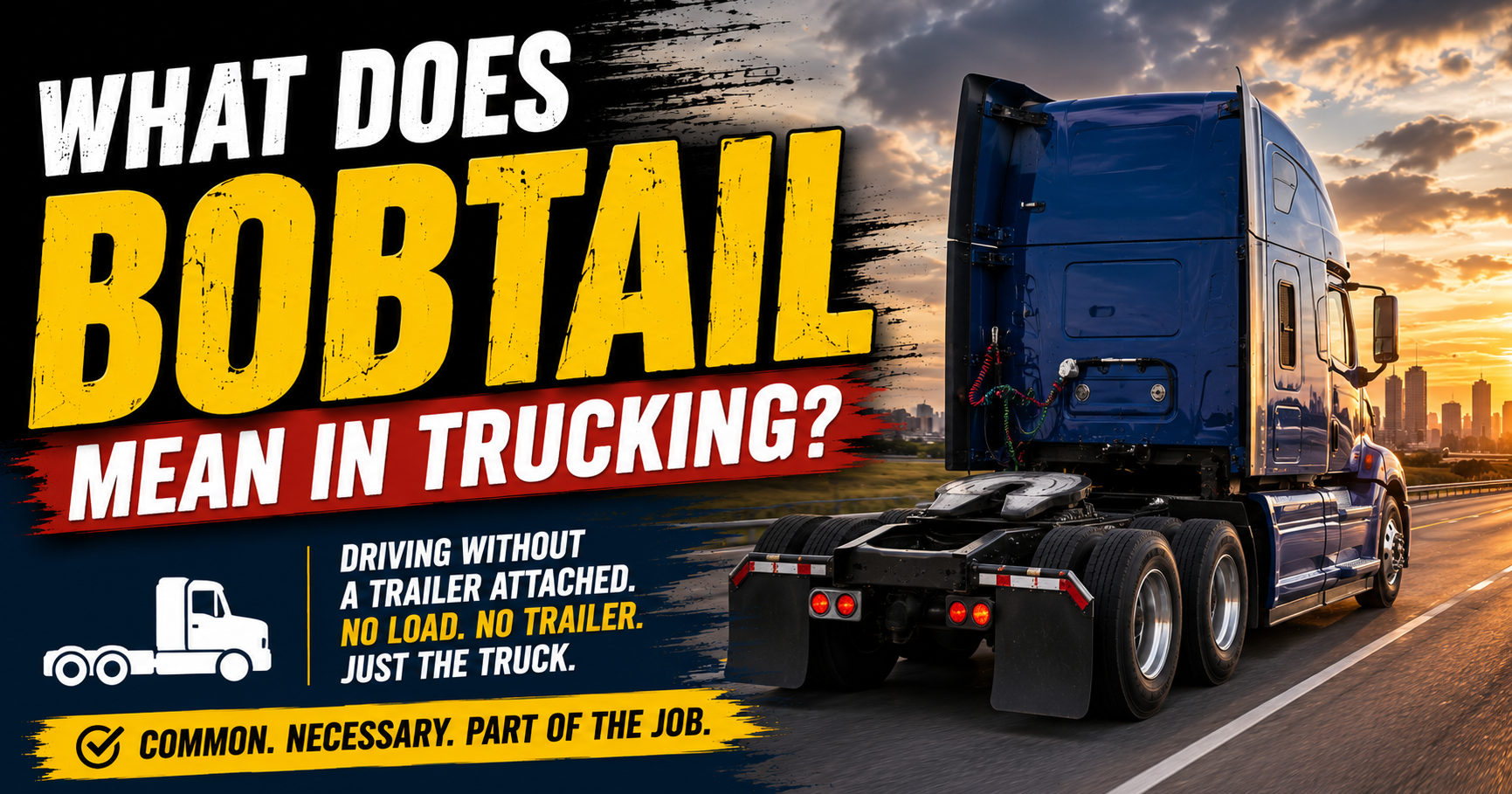
If you haven’t already, our guide explaining what bobtail means in trucking explains why driving without a trailer can actually be more challenging than hauling one.
Inspecting the Drive Axles
Every pre-trip inspection should include a careful look at the drive axle area.
When I’m inspecting mine, I check:
- Tires.
- Wheels.
- Lug nuts.
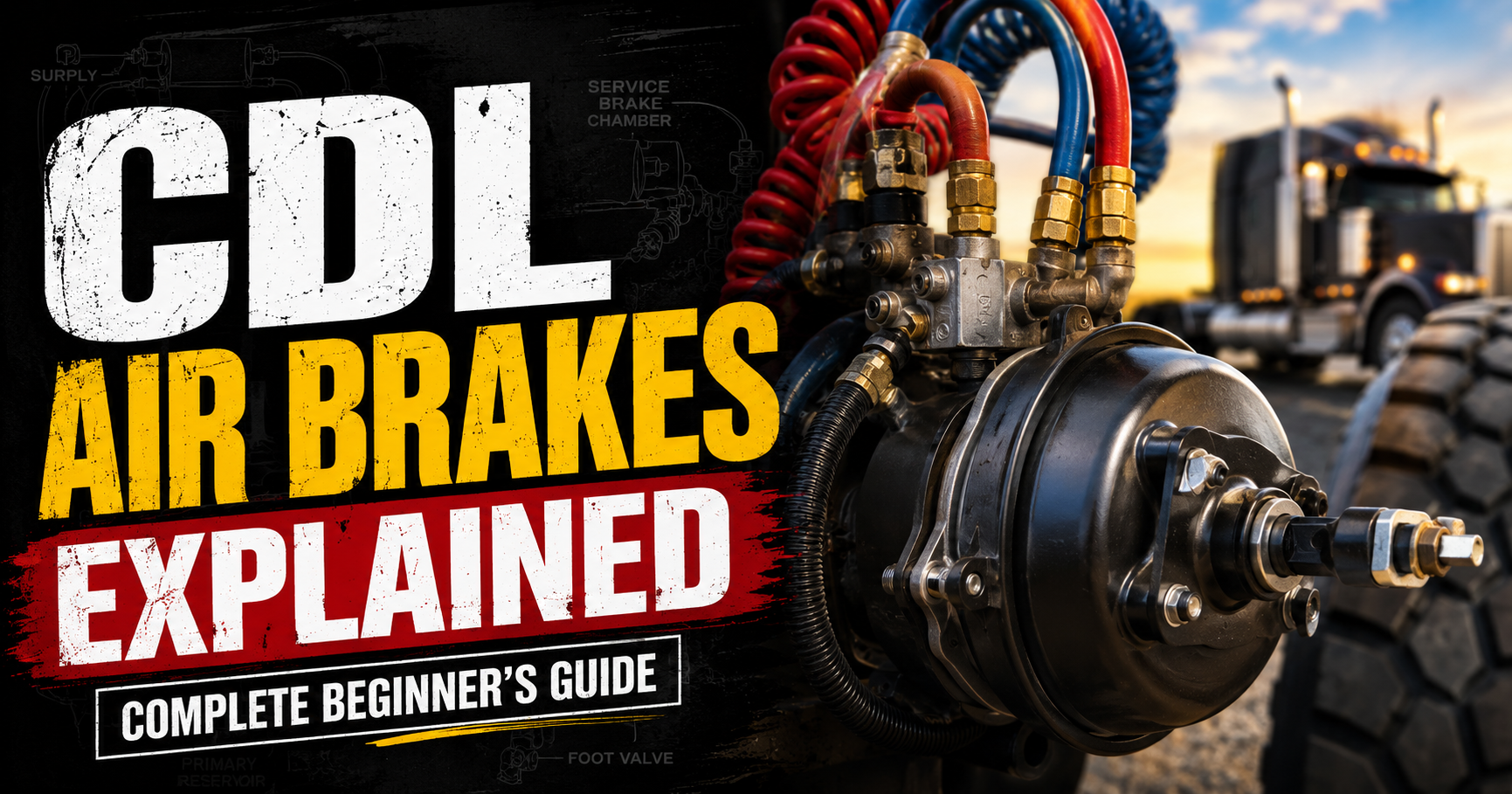
- Brake chambers.
- Slack adjusters.
- Suspension.
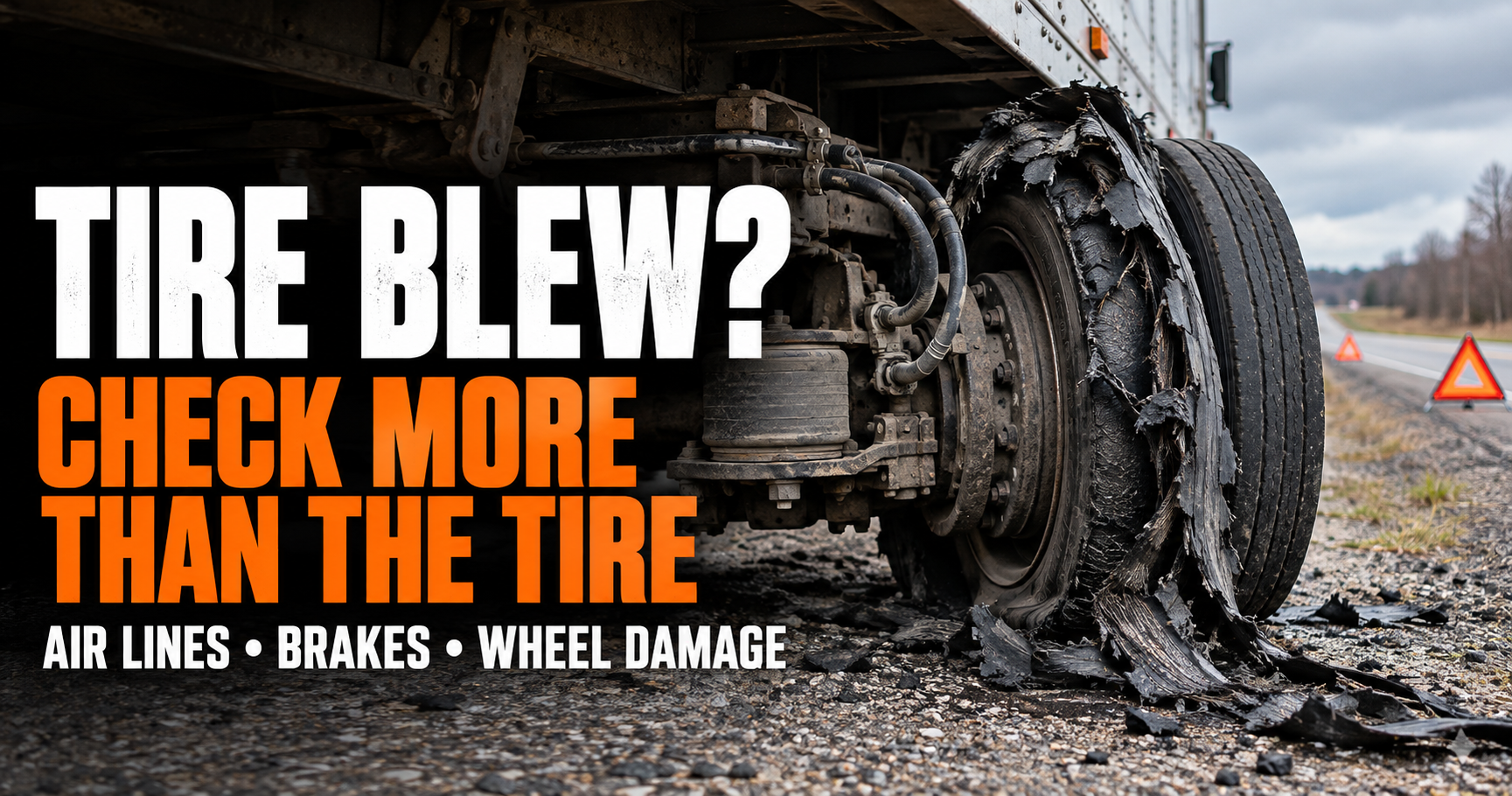
- Air lines.
- Axle seals.
- Differential housing.
I’m also looking underneath for fluid leaks or damaged components.
Catching a small issue before leaving the yard is always better than dealing with a breakdown hundreds of miles from home.
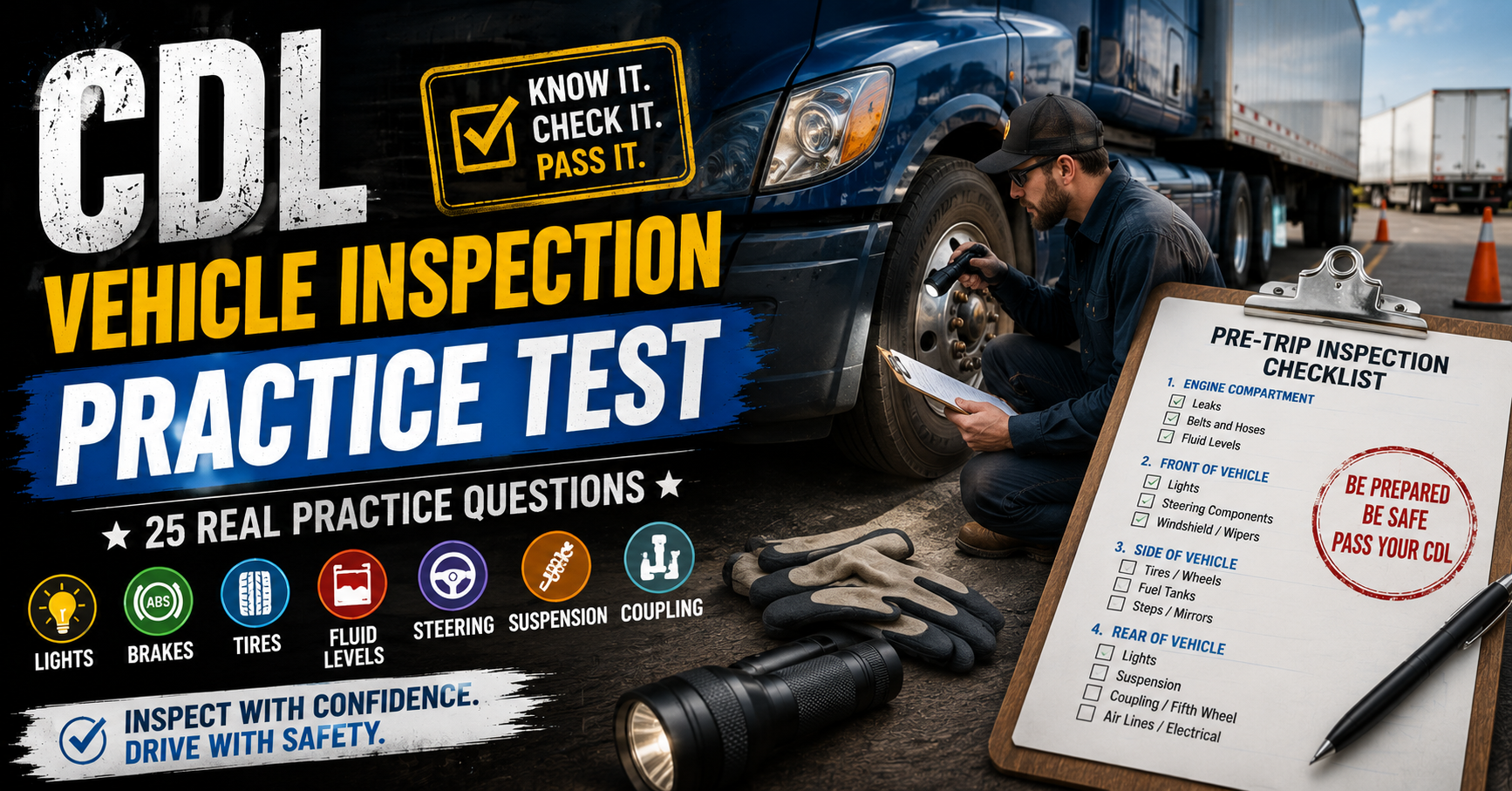
If you’re studying for your CDL skills exam, our CDL Vehicle Inspection Practice Test is an excellent way to practice identifying these inspection points.
Common Drive Axle Problems
Like every mechanical system, drive axles require maintenance.
Some of the more common issues include:
- Leaking axle seals.
- Worn bearings.
- Differential problems.
- Damaged axle shafts.
- Uneven tire wear.
- Suspension wear.
Fortunately, many of these problems can be caught early through routine inspections and preventive maintenance.
Will Drive Axles Be on the CDL Exam?
Yes.
You should expect questions involving drive axles during your CDL training, especially when learning vehicle inspections and basic truck components.
You won’t need to rebuild a differential, but you should understand:
- What drive axles are.
- Where they’re located.
- What they do.
- How to inspect them.
- Why they’re important.
If you’re preparing for your written exam, our Free CDL Vehicle Inspection Practice Test is one of the best ways to reinforce these concepts.
One Tool That Makes Drive Axle Inspections Easier
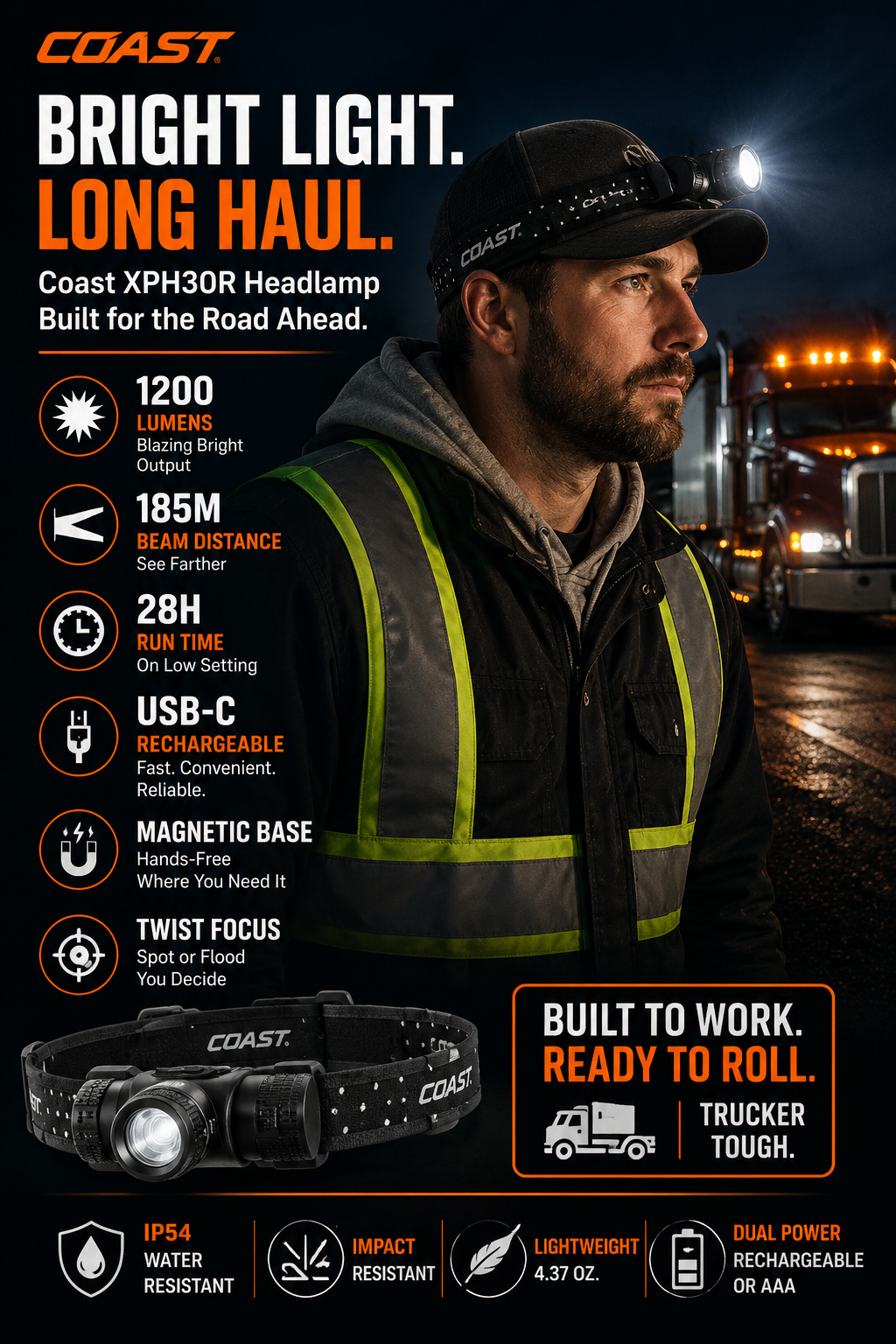
One thing I’ve learned after years of crawling around trucks is that good lighting makes inspections much easier. A Coast XPH30R inspection light is a practical option when you need both hands free to inspect components in low light.
That’s why I like carrying the Coast XPH30R USB-C Rechargeable Headlamp.
When you’re checking brake components, suspension parts, or looking underneath the drive axles before sunrise, having both hands free is a huge advantage.
My Advice After Millions of Miles
The drive axles don’t usually get much attention from people outside the trucking industry.
But ask any experienced driver, and they’ll tell you they’re absolutely critical.
They’re responsible for turning engine power into forward movement.
They’re what keep you moving up steep grades, through rain, snow, and thousands of miles of highway.
Understanding how they work won’t just help you pass your CDL exam.
It’ll help you become a better truck driver.
The more you understand about your equipment, the more confident you’ll become every time you climb behind the wheel.
Author: Kevin Lawson
Kevin Lawson spent more than 28 years driving commercial trucks and managing fleet maintenance operations. Throughout his career, he trained new drivers on vehicle inspections, drivetrain components, and preventive maintenance, believing that understanding how a truck works is just as important as knowing how to drive it.