If you spend enough time around truck stops, you’ll eventually hear someone say they’re “pulling a reefer.”
The first time I heard that years ago, I wasn’t exactly sure what they meant.
My first thought wasn’t refrigerated freight.
After hauling reefer trailers for several years, I quickly learned they’re one of the most demanding types of trailers in the trucking industry.
When you’re hauling produce, frozen food, dairy products, meat, pharmaceuticals, or other temperature-sensitive freight, your job isn’t just getting from Point A to Point B.
Your job is delivering the load at the right temperature.
That adds an entirely different level of responsibility.
What Is a Reefer Trailer?
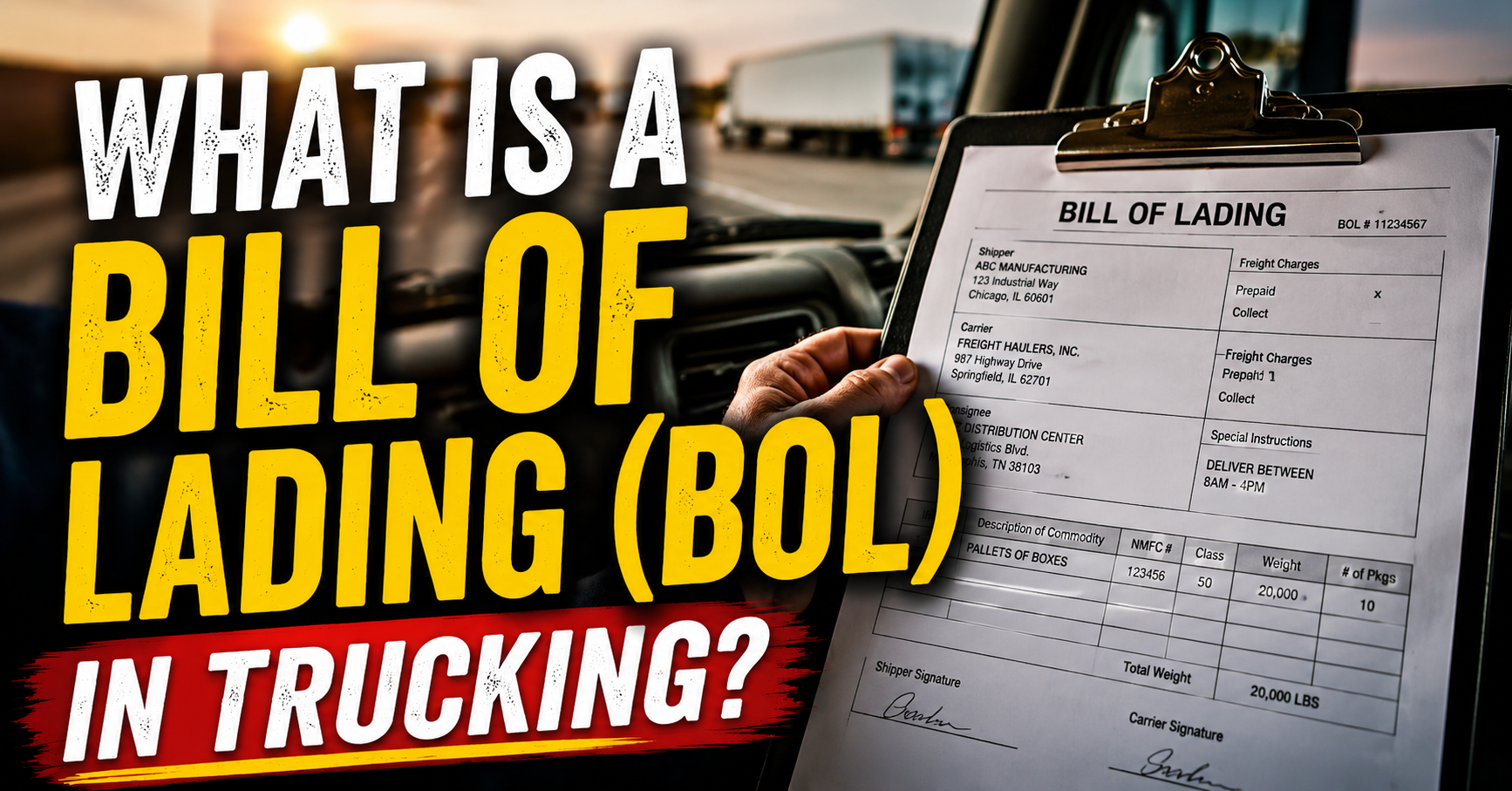
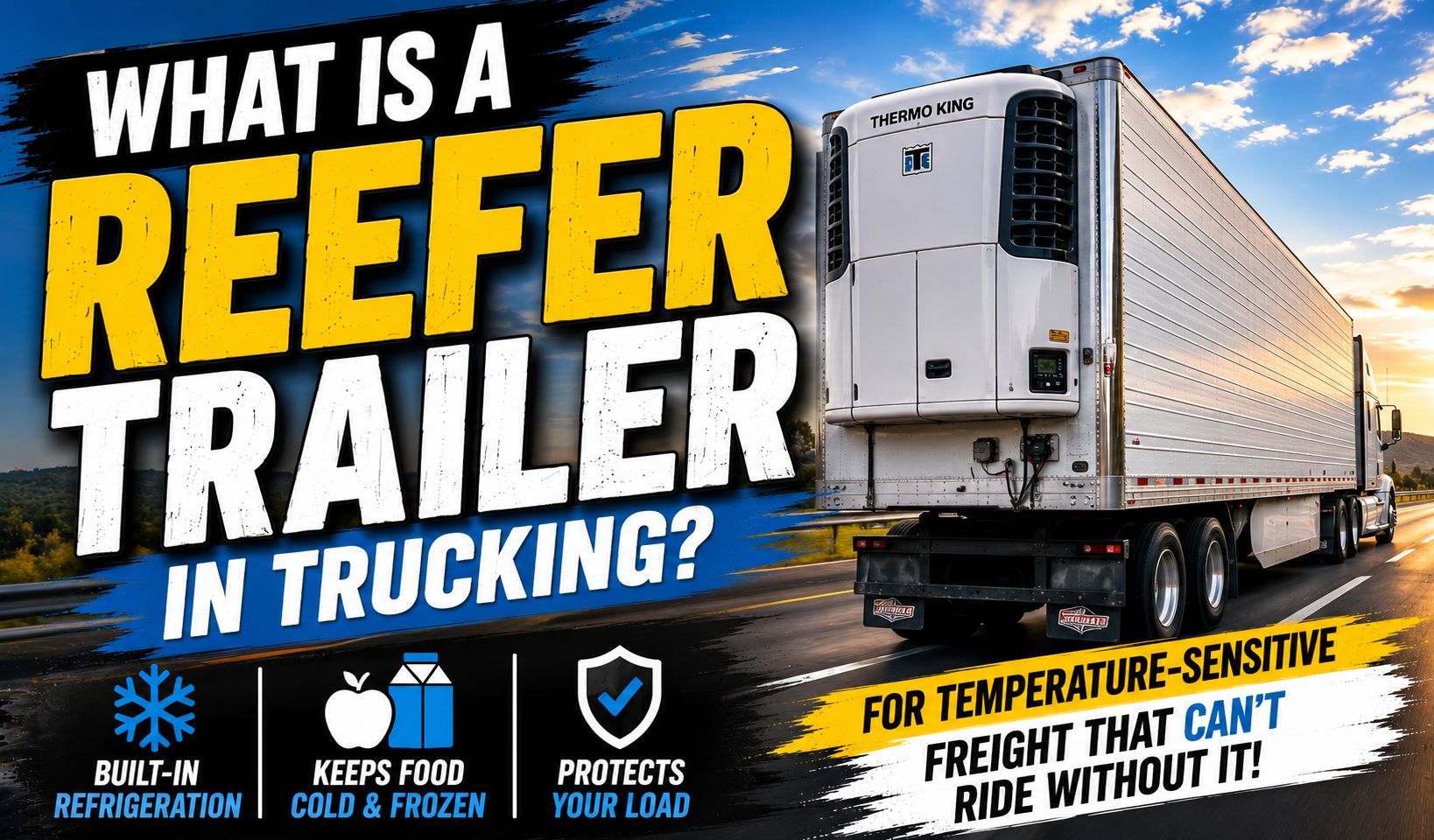
A reefer trailer is an insulated semi-trailer equipped with its own refrigeration unit that keeps cargo at a controlled temperature while it’s being transported. The word “reefer” is simply trucking slang for “refrigerated.” Along with temperature control, reefer shipments rely on a shipping document for reefer freight to identify what is being hauled and where it is going.
Unlike a regular dry van, a reefer trailer can cool or even heat the inside of the trailer depending on what the freight requires.

Why Is It Called a Reefer?
The term comes from the word refrigerated.
Truck drivers shortened it years ago, and the nickname stuck.
Today, if someone says they’re hauling a reefer, every driver knows they’re talking about a refrigerated trailer rather than a standard dry van.
What Does a Reefer Trailer Haul?
Reefer trailers transport products that need to stay within a specific temperature range during transit.
Some of the most common reefer loads include:
- Fresh produce
- Frozen foods
- Dairy products
- Meat and poultry
- Seafood
- Pharmaceuticals
- Flowers
- Medical supplies
- Certain chemicals
- Temperature-sensitive beverages
If the temperature changes too much, an entire load can be ruined.
That means reefer drivers have responsibilities beyond simply driving safely.
How Does a Reefer Trailer Work?
One thing many people don’t realize is that the refrigeration unit doesn’t rely on the truck’s engine.
Instead, most reefer trailers have their own self-contained refrigeration unit mounted on the front of the trailer.
That unit runs independently and continuously maintains the temperature selected for the load.
Even when the truck is parked or the tractor is disconnected, the refrigeration unit can continue operating.

Is a Reefer Always Cold?
No.
This surprises a lot of people.
A reefer isn’t designed only for frozen freight.
Depending on the shipment, it may maintain temperatures anywhere from well below freezing to temperatures that simply prevent products from getting too cold. Some reefer units can even provide heat when needed.
The goal isn’t necessarily making the trailer cold.
The goal is maintaining the correct temperature.
Reefer vs. Dry Van

At first glance, a reefer trailer and a dry van look very similar. The equipment and freight differences become clearer when you compare it with a What Is a Dry Van Trailer? The Most Common Trailer in Trucking.
The biggest difference is what’s inside.
A dry van is simply an enclosed trailer.
A reefer trailer includes:
- Heavy insulation.
- A refrigeration unit.
- Temperature controls.
- Air circulation systems.
- Additional monitoring equipment.
Those extra systems make reefer trailers heavier, more expensive, and more complex than dry vans.
Why Reefer Freight Pays More
Over the years, I’ve noticed that reefer freight often pays better than standard dry van freight.
There’s a good reason for that.
Drivers hauling refrigerated loads have additional responsibilities.
Besides driving safely, they often have to:
- Monitor trailer temperatures.
- Pre-cool the trailer.
- Check fuel levels for the reefer unit.
- Watch temperature alarms.
- Meet strict delivery appointments.
If the refrigeration unit fails or temperatures aren’t maintained properly, thousands of dollars’ worth of freight can be lost.
That extra responsibility is one reason reefer freight often commands higher rates.
Inspecting a Reefer Trailer
A reefer trailer requires all the normal trailer inspections plus several additional checks.
When I inspect one, I pay close attention to:
- Reefer fuel level.
- Refrigeration unit.
- Temperature settings.
- Airflow inside the trailer.
- Trailer doors.
- Door seals.
- Interior cleanliness.
- Air chutes.
- Drain openings.
A few extra minutes before leaving can prevent major problems later.
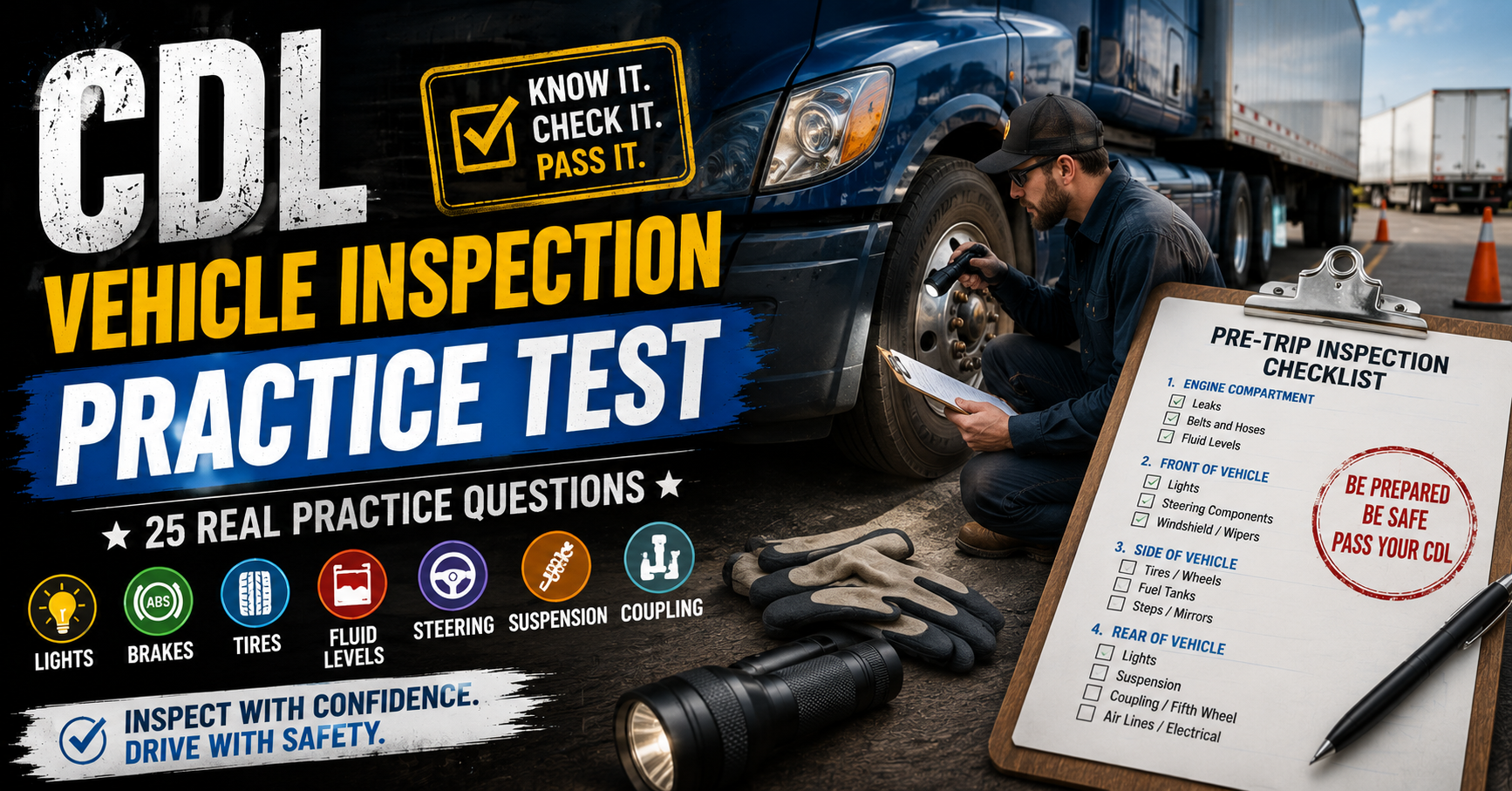
If you’re studying for your CDL skills exam, our CDL Vehicle Inspection Practice Test is a great way to review many of the inspection items you’ll be expected to identify.

Challenges of Reefer Trucking
I enjoyed pulling reefer trailers, but they definitely come with unique challenges.
Delivery appointments are often stricter.
Grocery warehouses can have long unloading times.
The refrigeration unit requires regular attention.
And unlike many other types of freight, temperature becomes part of your daily job.
It’s rewarding work, but it demands attention to detail.
Will You See Reefer Questions on the CDL Exam?
You probably won’t see dozens of questions specifically about reefer trailers.
However, understanding different trailer types is part of becoming a knowledgeable commercial driver.
You’ll likely encounter reefer terminology throughout your trucking career, especially if you’re driving a Class A combination vehicle.
If you’re preparing for your written exam, our Free CDL Combination Vehicles Practice Test is an excellent way to reinforce many of the concepts you’ll use when hauling different trailer types.
One Tool Every Reefer Driver Should Carry
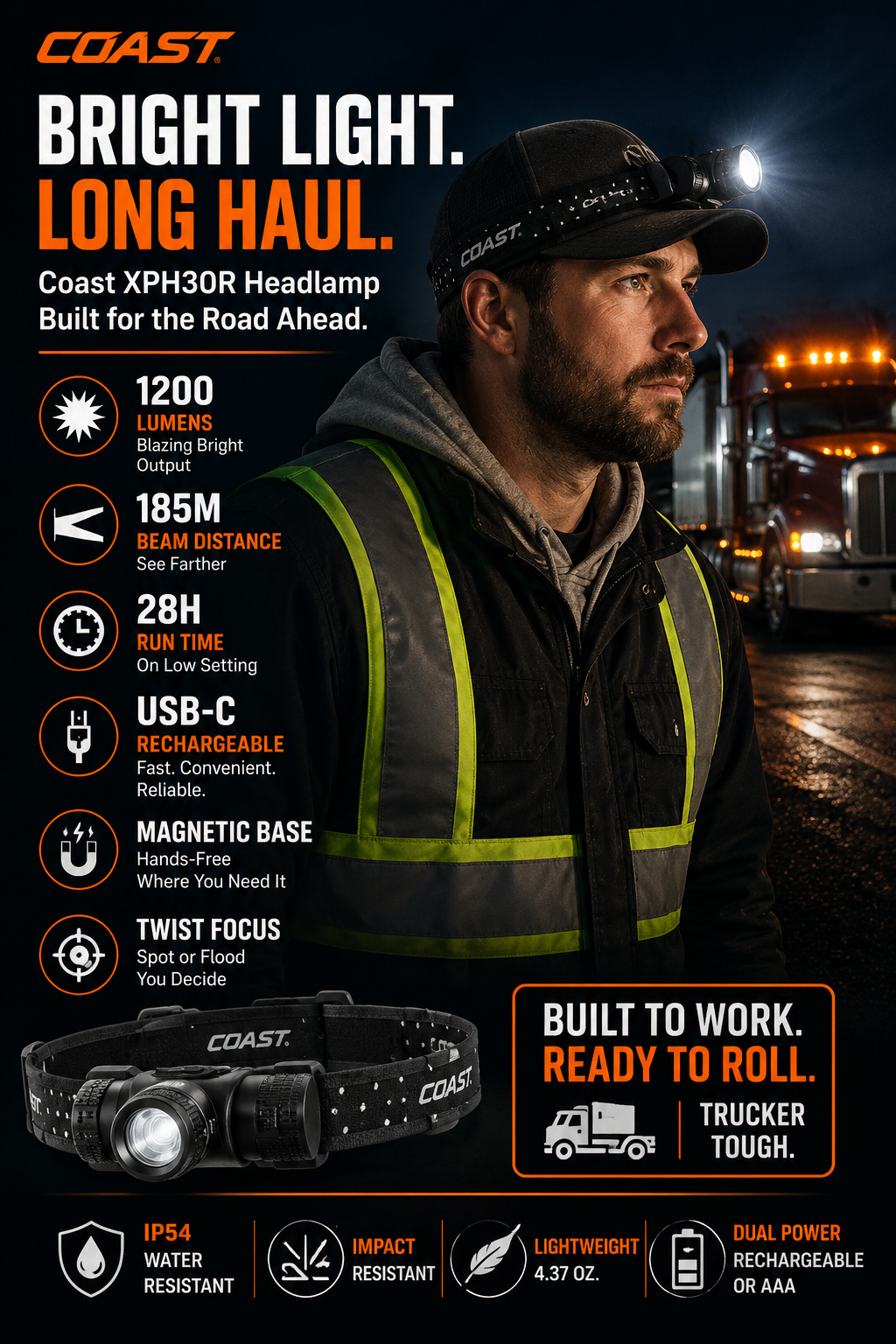
One piece of equipment I always found useful was a dependable flashlight or headlamp. For nighttime trailer checks, the Coast inspection headlamp provides a hands-free option for inspecting seals and refrigeration equipment.
Many reefer deliveries happen before sunrise or late at night, and inspecting door seals, checking the refrigeration unit, or looking inside the trailer is much easier with both hands free.
That’s why I like carrying the Coast XPH30R USB-C Rechargeable Headlamp. It makes nighttime inspections much easier and quickly became one of the most-used tools I kept in my truck.
My Advice After Hauling Reefer Freight
Reefer trucking taught me something early in my career.
You’re not just hauling freight.
You’re protecting it.
Every temperature setting…
Every pre-trip inspection…
Every fuel check on the refrigeration unit…
It all matters.
The products inside that trailer may end up in grocery stores, hospitals, restaurants, or pharmacies across the country.
Taking the extra time to understand how a reefer trailer works doesn’t just make you a better driver.
It makes you someone customers can trust with some of the most valuable freight on the road.
Author: Kevin Lawson
Kevin Lawson spent nearly three decades hauling refrigerated freight, dry van loads, and specialized equipment across the United States. His experience includes transporting produce, frozen foods, pharmaceuticals, and other temperature-sensitive cargo, giving him firsthand knowledge of the extra responsibilities that come with reefer trucking.