Harvest isn’t the end of the story…
Before I started hauling corn during harvest, I assumed the crop’s journey was basically over once it left the field.
The combine harvested it.
A truck hauled it away.
Done.
After learning more about grain handling, I realized harvest is really just the beginning.
That truckload of corn may still be dried.
Stored.
Tested.
Sold.
Loaded onto another truck or a train.
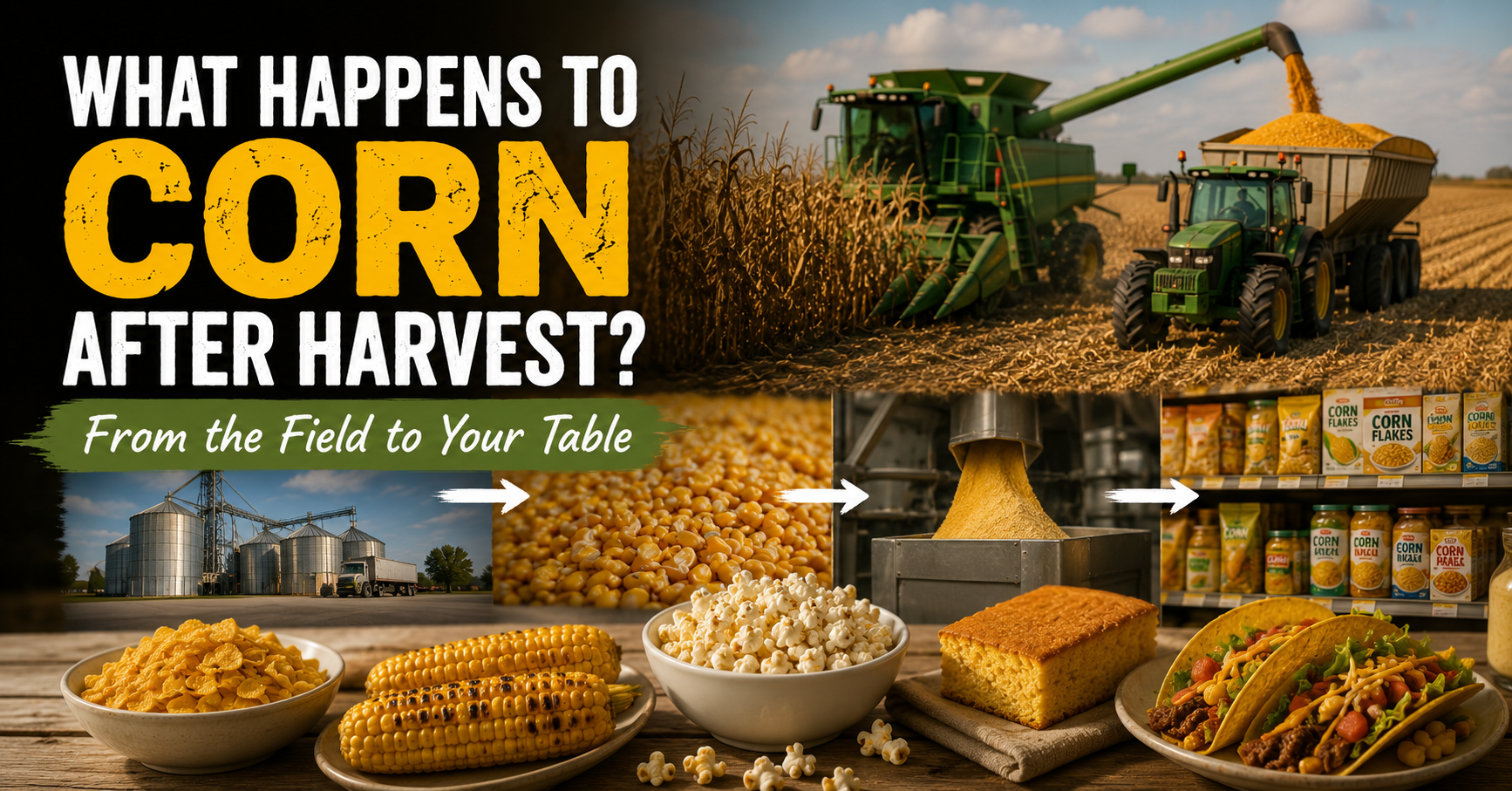
Eventually it may become livestock feed, ethanol, breakfast cereal, cooking oil, corn starch, or hundreds of other products people use every day. Field corn moves through several handling, storage, processing, and transportation steps before reaching its final use.
It All Starts With the Combine
The journey begins when the combine harvests the field.
As it moves through the rows, the combine separates the kernels from the cob and stalk.
The kernels are collected inside the grain tank.
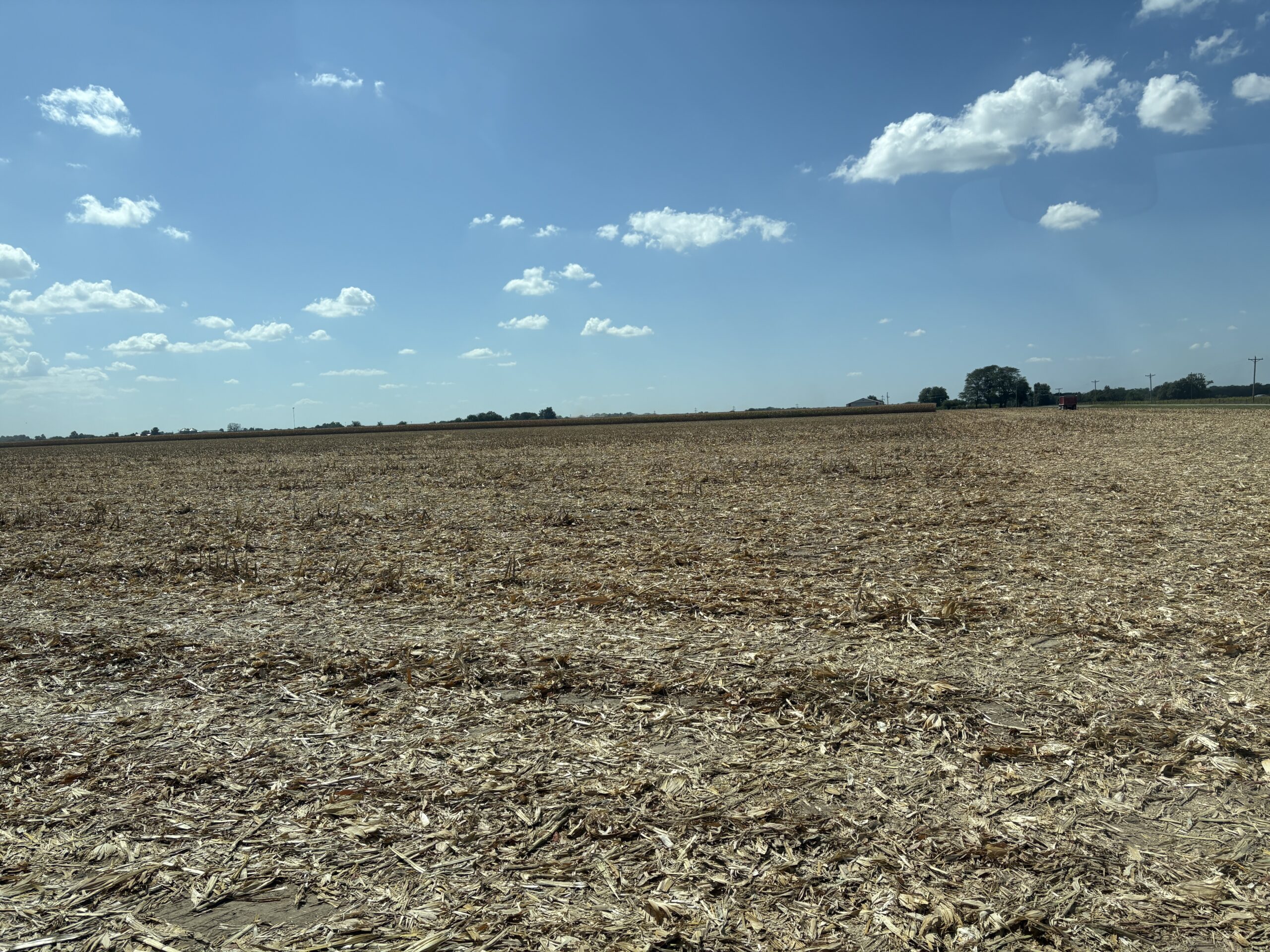
The stalks, leaves, husks, and cobs are usually chopped and spread back across the field.
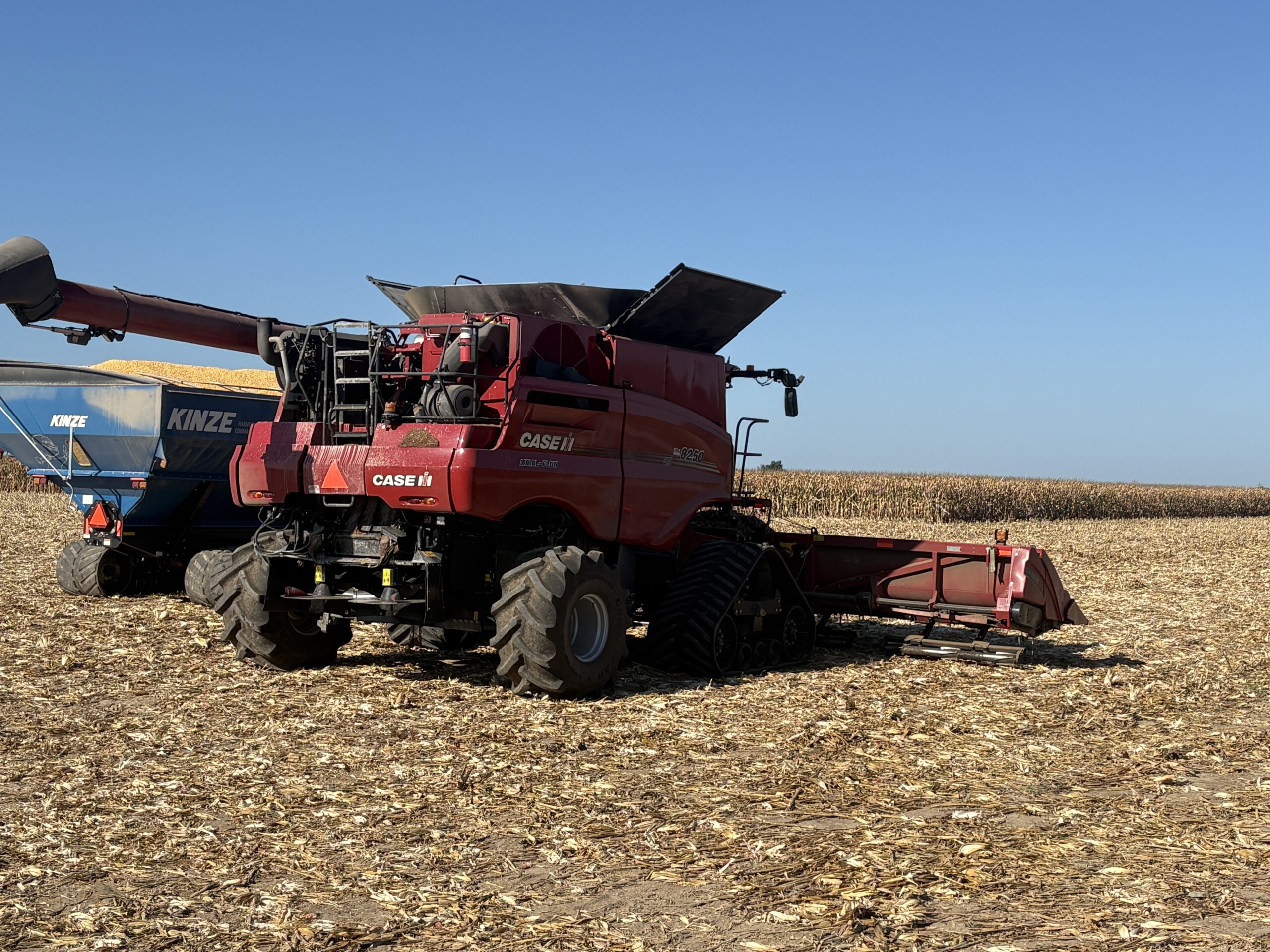
Those leftover plant materials help return organic matter to the soil and reduce erosion as they break down.
When the combine’s grain tank fills, it unloads into a grain cart or directly into a waiting truck.


Grain Trucks Keep the Harvest Moving
Once the truck is loaded, the next destination depends on the farm.
Some loads go directly to on-farm grain bins.
Others head straight to a commercial grain elevator.
During harvest, trucks become the link between the field and the storage system.
Without them, combines would eventually have nowhere to unload.
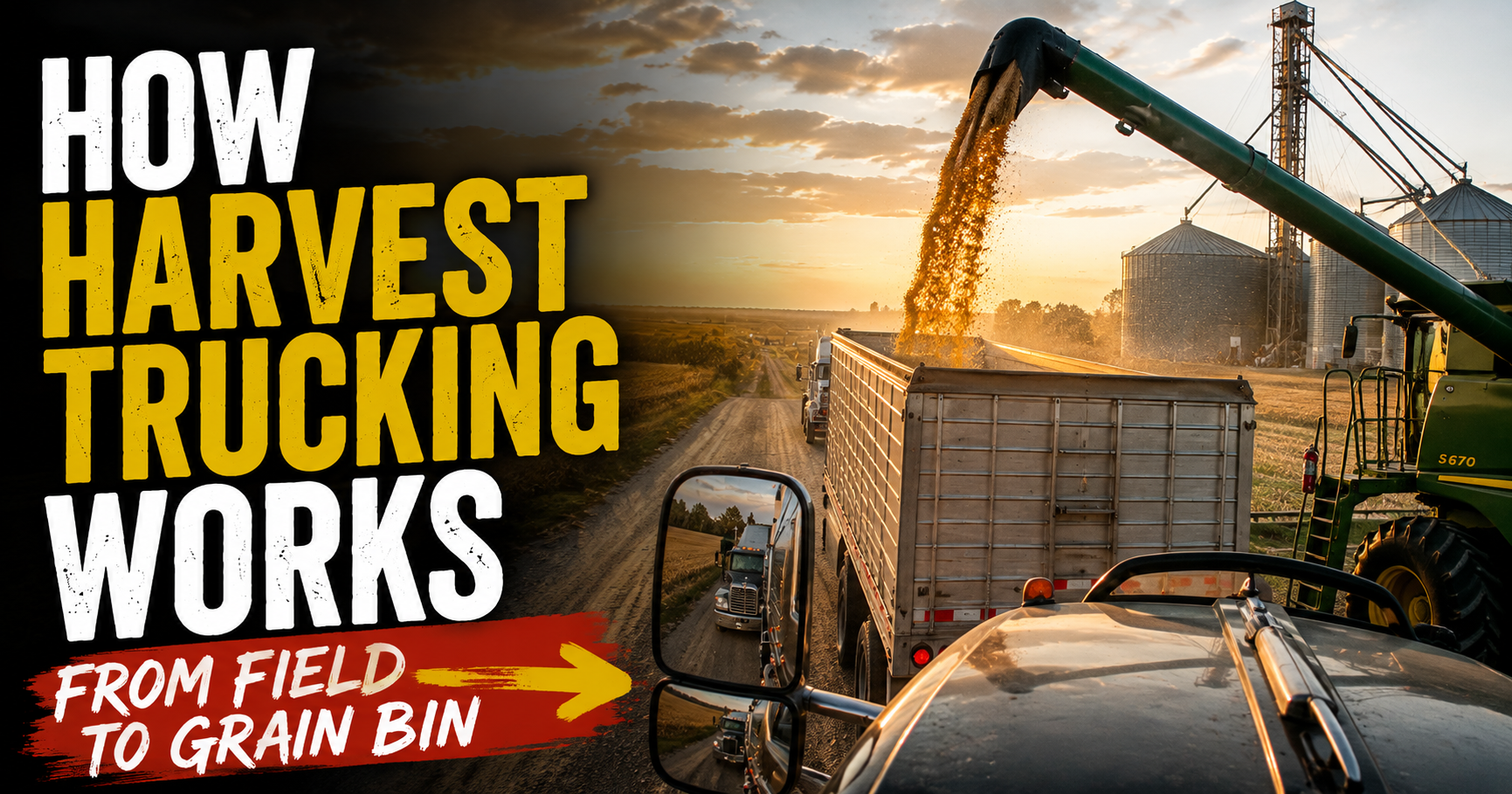
If you’d like to understand that process from a driver’s perspective, check out How Harvest Trucking Works From Field to Grain Bin where I walk through an entire harvest load from start to finish.
Some Corn Goes Into Farm Grain Bins
Many farmers store at least part of their crop on the farm.
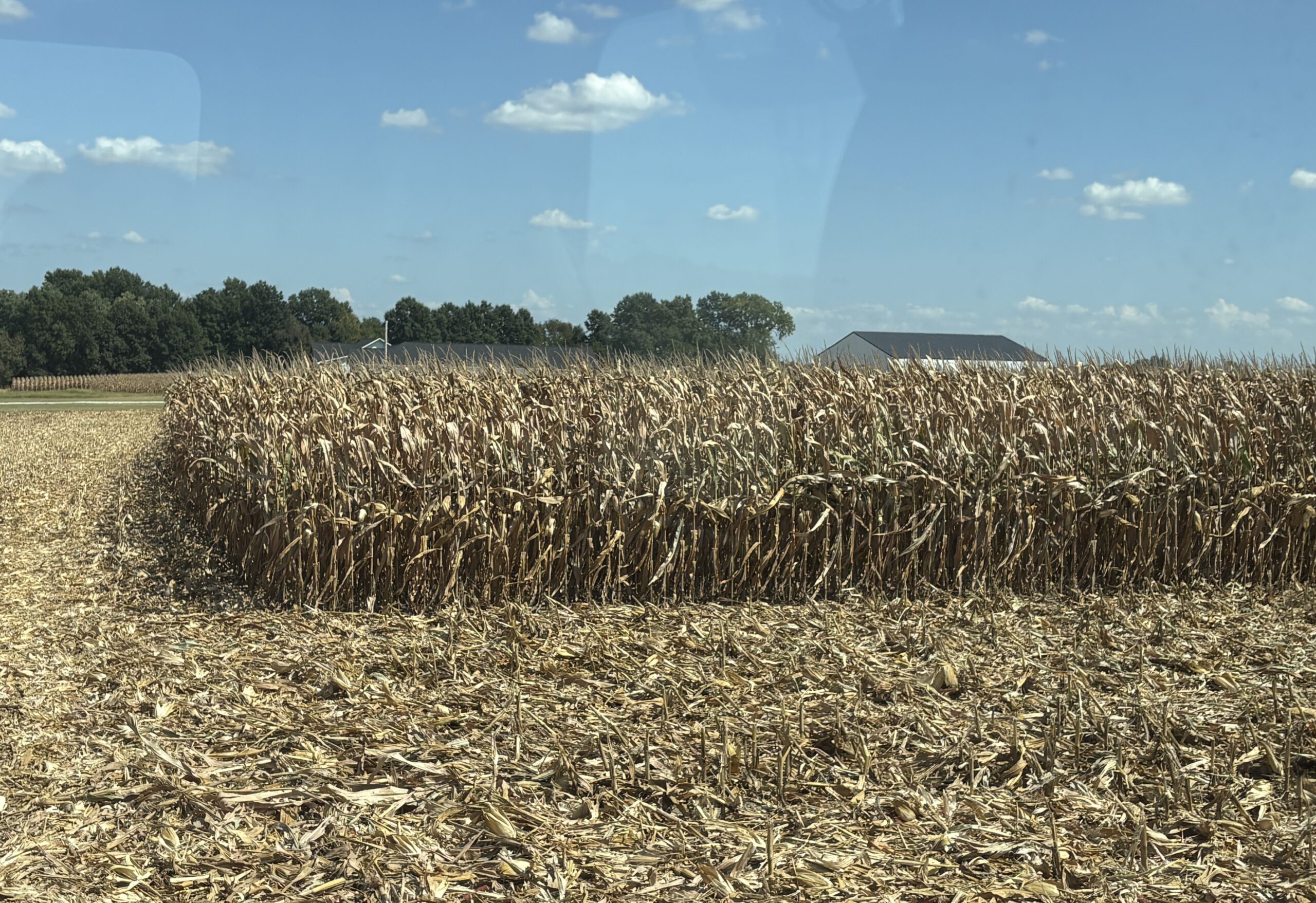
The truck unloads into a receiving pit, where augers and conveyors move the grain into storage bins.
Keeping grain on the farm gives farmers more flexibility when deciding when to sell.
Instead of delivering everything immediately after harvest, they may choose to store grain and market it later if conditions make sense.
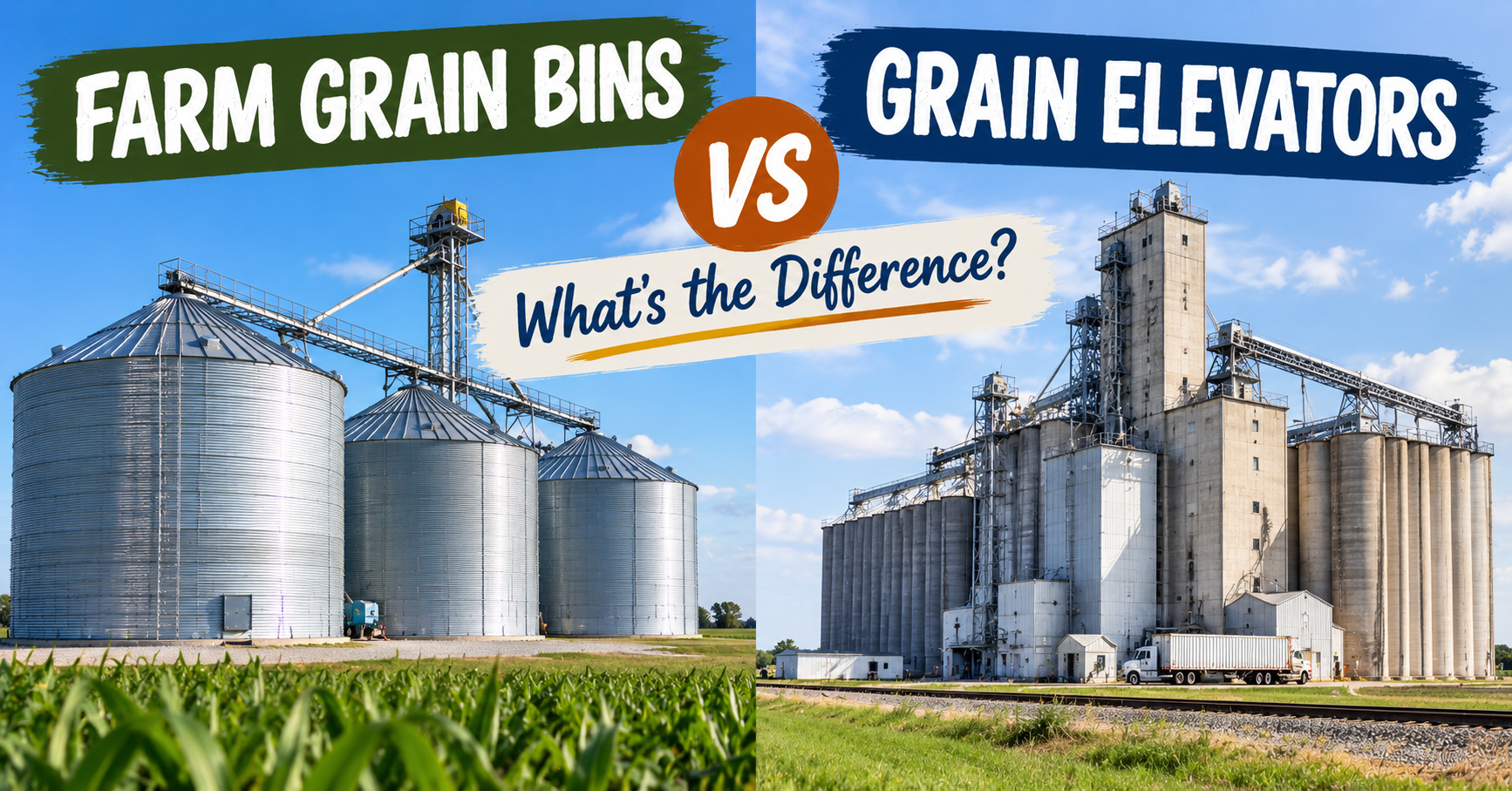
I explain how on-farm storage compares to commercial storage in Farm Grain Bins vs Grain Elevators What’s the Difference?.
Other Loads Go to a Grain Elevator
Many truckloads are delivered directly to a commercial grain elevator.
Before unloading, the grain is typically:
- Weighed.
- Sampled.
- Tested.
- Graded.
If needed, it may also be dried before being placed into storage.
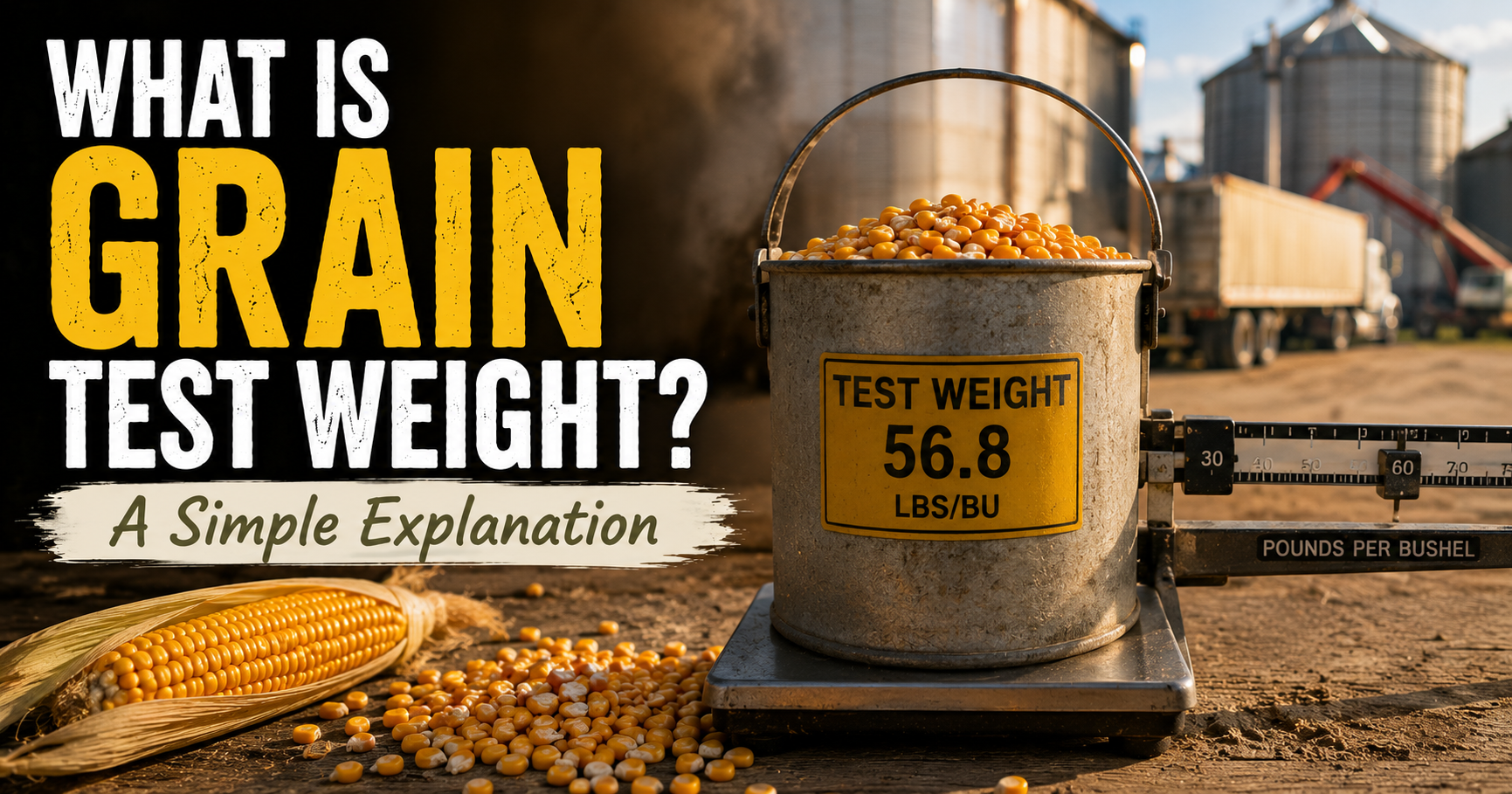
Commercial elevators handle grain from many different farms and prepare it for the next step in the agricultural supply chain. Part of that process involves understanding how grain is evaluated at elevators before the grain is accepted and moved onward.
Some Corn Becomes Livestock Feed
One of the biggest uses for field corn in the United States is feeding livestock.
After processing, corn becomes an important ingredient in feed for cattle, pigs, poultry, and other animals.
In fact, many people are surprised to learn that most field corn isn’t grown to be eaten directly off the cob like sweet corn.
Instead, it’s grown because it’s an excellent source of energy for livestock and a valuable ingredient in many agricultural products. Corn is the primary U.S. feed grain, with a large share of the crop used domestically for livestock feed.
A Large Portion Becomes Ethanol
Another major destination for harvested corn is ethanol production.
At ethanol plants, the corn is processed and fermented to produce ethanol, which is blended into gasoline sold across the United States.
The process also creates useful byproducts, including distillers grains, which are commonly used as livestock feed.
That means one load of corn can contribute to both renewable fuel production and animal agriculture.
Today, ethanol and livestock feed account for the majority of domestic corn use in the United States.
Some Corn Ends Up in Foods We Eat Every Day
Although only a small percentage of field corn is eaten as whole kernels, it becomes ingredients found in countless everyday foods.
After processing, corn can become:
- Cornmeal
- Corn starch
- Corn oil
- Breakfast cereals
- Tortilla products
- Sweeteners
- Baking ingredients
It’s amazing to think that a truckload of corn leaving a Missouri field may eventually become products sitting on grocery store shelves hundreds or even thousands of miles away. Corn is processed into a wide variety of food ingredients and industrial products through wet and dry milling.
Some Corn Leaves the United States
Not every bushel stays here.
The United States exports millions of bushels of corn every year.
After moving through grain elevators and transportation networks, some corn is shipped by rail to ports where it’s loaded onto ocean-going vessels.
From there, it travels around the world to countries that use American corn for livestock feed, food production, and industrial purposes.
Trucks are only one link in that transportation chain, but they’re an important one because every export shipment has to begin somewhere.

It’s Amazing How Many People Handle One Load of Corn
Before learning about grain hauling, I pictured one farmer growing corn and then selling it.
The reality is much bigger.
One truckload may involve:
- The farmer.
- Combine operator.
- Grain cart operator.
- Truck driver.
- Grain elevator employees.
- Scale operators.
- Grain inspectors.
- Dryer operators.
- Railroad workers.
- Barge crews.
- Food processors.
- Feed mills.
- Ethanol plants.
It’s a huge system that depends on thousands of people working together every day.
Frequently Asked Questions
Does all harvested corn become food?
No. Much of the field corn grown in the United States is used for livestock feed and ethanol production. The rest is processed into food ingredients, industrial products, or exported to other countries.
Does every load go to a grain elevator?
No. Some corn is stored first in on-farm grain bins before it’s eventually sold or moved to a commercial grain elevator.
Why is corn stored after harvest?
Storage allows farmers and grain companies to protect grain quality and market it when it’s needed instead of moving every bushel immediately after harvest.
Why does trucking matter so much after harvest?
Without trucks, grain couldn’t move efficiently from the field to grain bins, grain elevators, ethanol plants, feed mills, rail terminals, or processing facilities. Trucks are one of the first and most important transportation links in the grain supply chain.
Harvest Is Really the Beginning
Before I started hauling corn, I thought harvest was the finish line.
Now I know it’s really the starting point.
Every load begins another journey.
Some corn is stored on the farm.
Some goes straight to a grain elevator.
Some becomes livestock feed.
Some becomes ethanol.
Some becomes ingredients used in foods we eat every day.
As a truck driver, it’s been interesting to realize that every trip from the field is helping move that process forward.
The combine may harvest the crop, but the story of that corn is only just beginning.
Author: Jake Harrison
Jake Harrison is a commercial transportation writer for TruckingResource.com who specializes in CDL training, trucking safety, commercial vehicles, freight operations, and agricultural transportation. He works with the TruckingResource.com editorial team to create practical, beginner-friendly guides that explain how trucking connects farms, businesses, and consumers across America.