When I first started hauling corn during harvest, I figured the hard part was over once the combine filled the truck. Once a truck is filled, understanding its safe loaded-weight limit becomes important; filled the truck explains how that rating works.
The corn had been harvested.
The truck hauled it away.
What else was there to do?
It turns out there can be one very important step left.
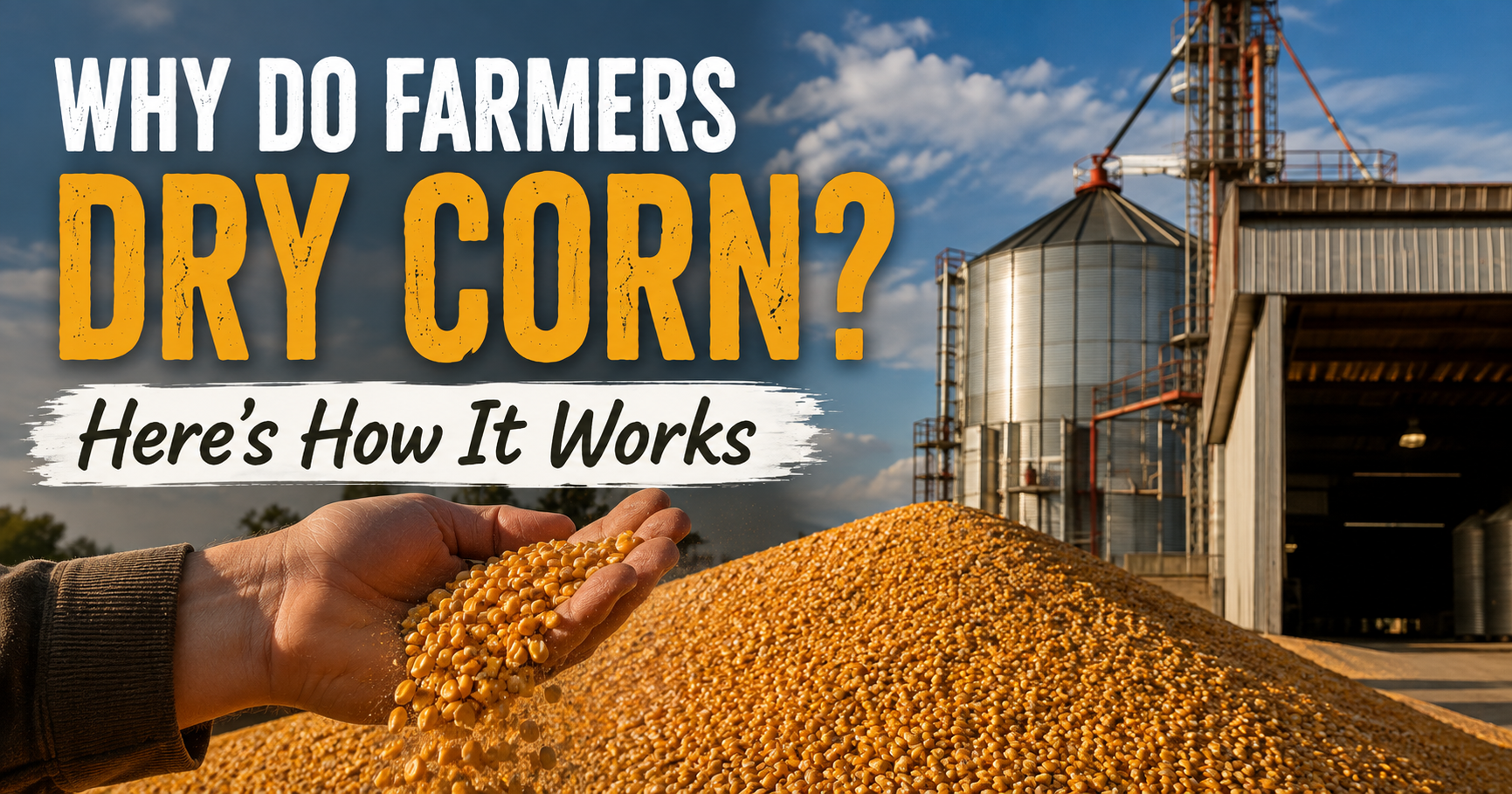
Drying the corn.
Not every load needs to be dried, but many do. The amount of moisture in the grain helps determine whether it can be stored safely or needs additional drying first. Harvesting wetter corn often requires artificial drying before long-term storage to prevent spoilage and protect grain quality. Moisture is only one part of that evaluation; this explanation of grain quality covers another quality measurement used during grain inspection.
Understanding why corn is dried helped me better understand what happens after a truck leaves the field.
Why Corn Isn’t Always Dry Enough at Harvest
Corn naturally loses moisture as it matures in the field.
If conditions are ideal, farmers can sometimes wait for Mother Nature to do much of the drying.
But harvest doesn’t always happen under ideal conditions.
A farmer may choose to harvest because rain is in the forecast.
The crop may be mature enough even though it’s still carrying more moisture than desired.
Or field conditions may make harvesting now a better decision than waiting another week.
Delayed maturity, cool weather, or late planting can all slow natural field dry-down, increasing the likelihood that harvested corn will need to be dried before storage.



Wet Corn Doesn’t Store Well
The biggest reason farmers dry corn is simple.
Wet corn spoils much faster than properly dried corn.
Too much moisture can create conditions where mold develops, grain heats up, and quality begins to decline.
If grain is going to remain in storage for weeks or months, moisture has to be managed carefully.
That’s why grain elevators and many farms pay so much attention to moisture levels before deciding where the grain goes.
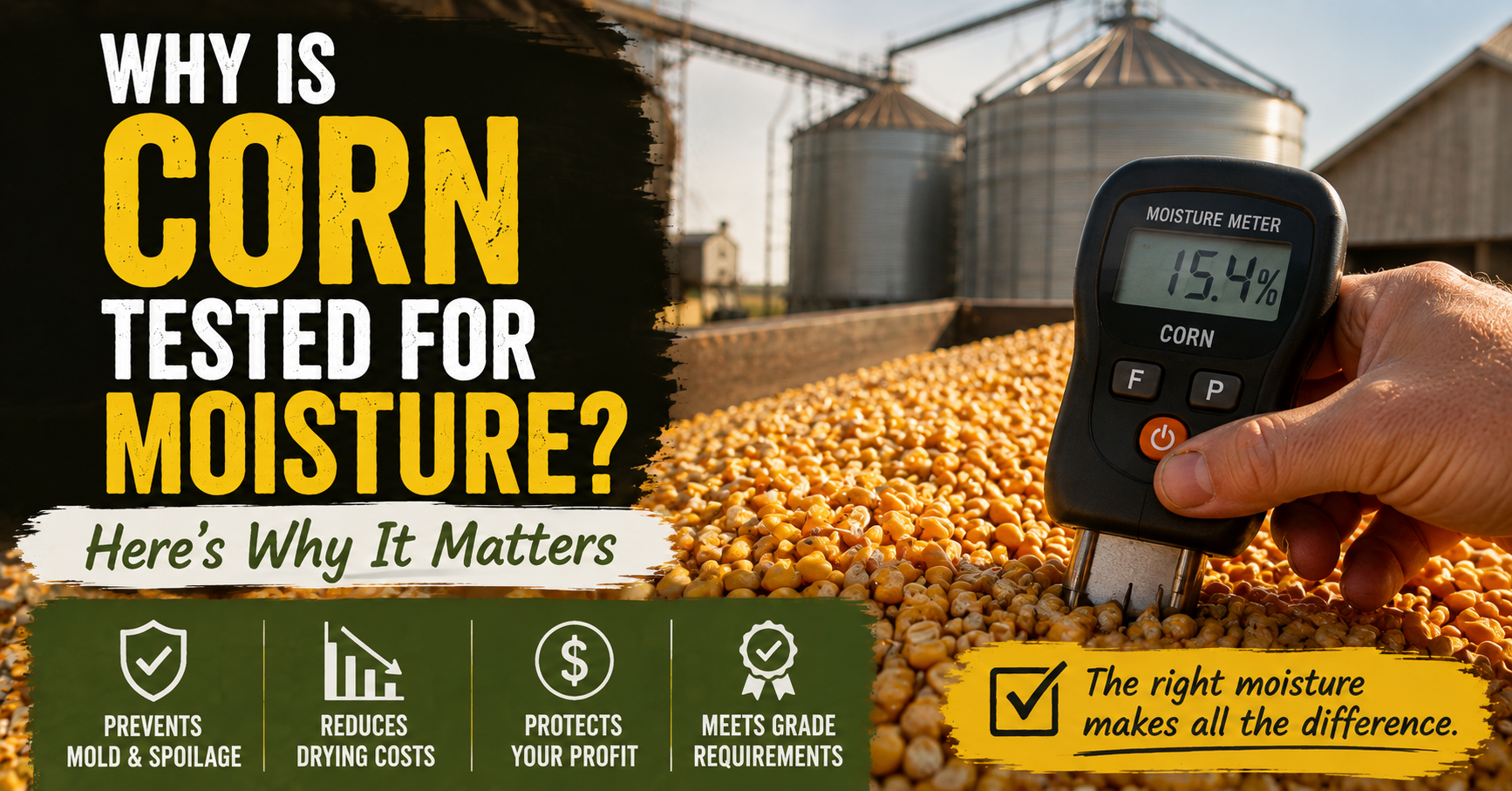
If you’d like to understand how moisture is measured, my article Why Is Corn Tested for Moisture? Here’s Why It Matters explains why that number is checked on every load.


How Is Corn Dried?
There are several different drying systems, but the basic idea is the same.
Warm air is moved through the grain to remove excess moisture.
As moisture leaves the kernels, the grain becomes safer for storage.
Some drying systems are located right on the farm.
Others are part of commercial grain elevators.
The exact equipment varies, but the goal never changes.
Reduce the moisture while preserving grain quality.
The speed of drying depends on factors such as the corn’s starting moisture, airflow, weather conditions, and the type of drying system being used.
Drying Corn Costs Money
One thing that surprised me when I started learning about grain handling is that drying corn isn’t free.
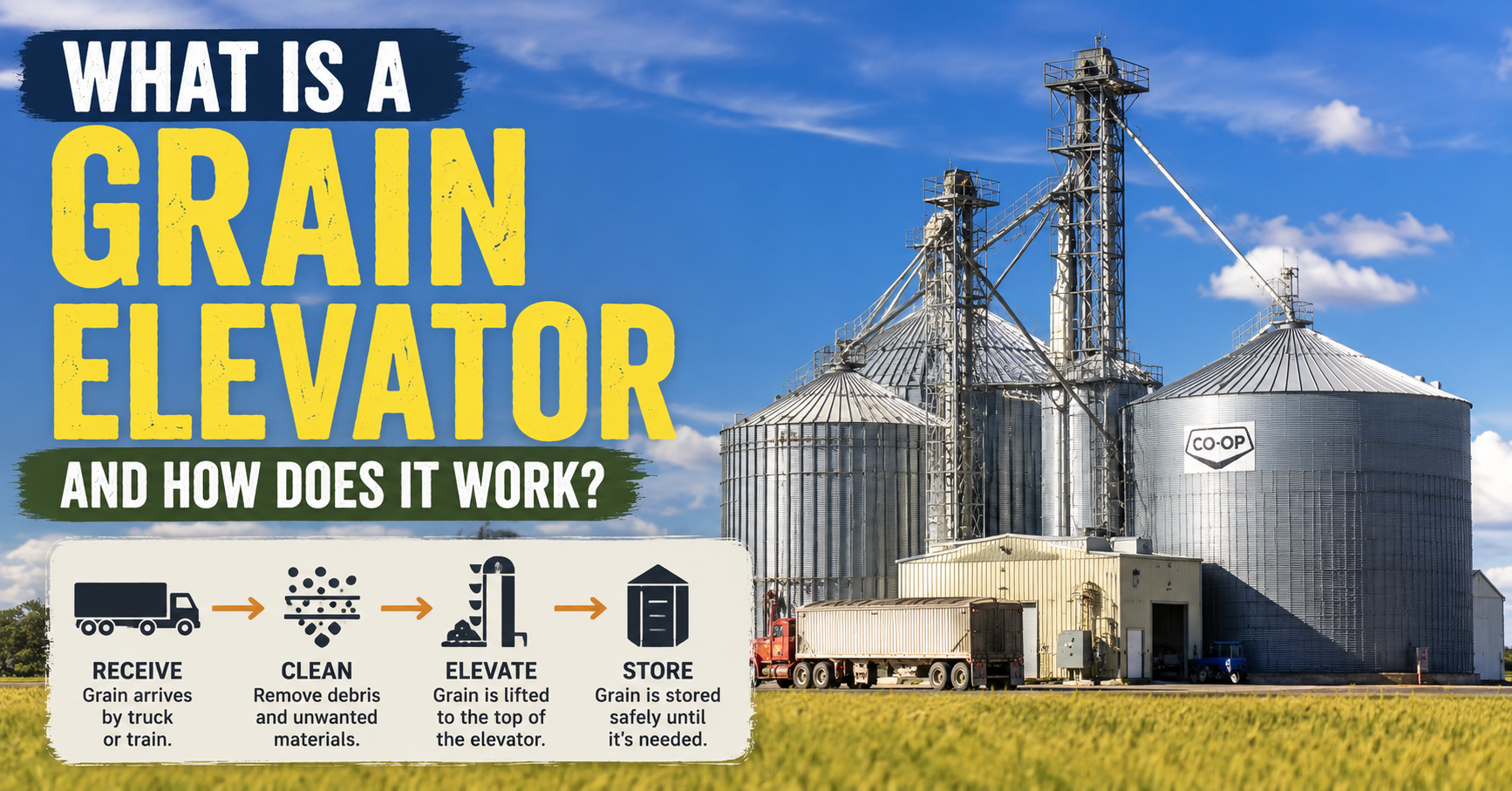
Whether the drying is done on the farm or at a commercial grain elevator, it requires equipment and energy. The broader role of that facility is explained in commercial grain elevator.
The wetter the corn is when it’s harvested, the more moisture has to be removed.
That means:
- More fuel or electricity.
- Longer drying times.
- Higher operating costs.
- More wear on drying equipment.
University of Missouri Extension notes that drying costs increase significantly as harvest moisture rises because much more water has to be removed from the grain.


Some Farmers Dry Corn on the Farm
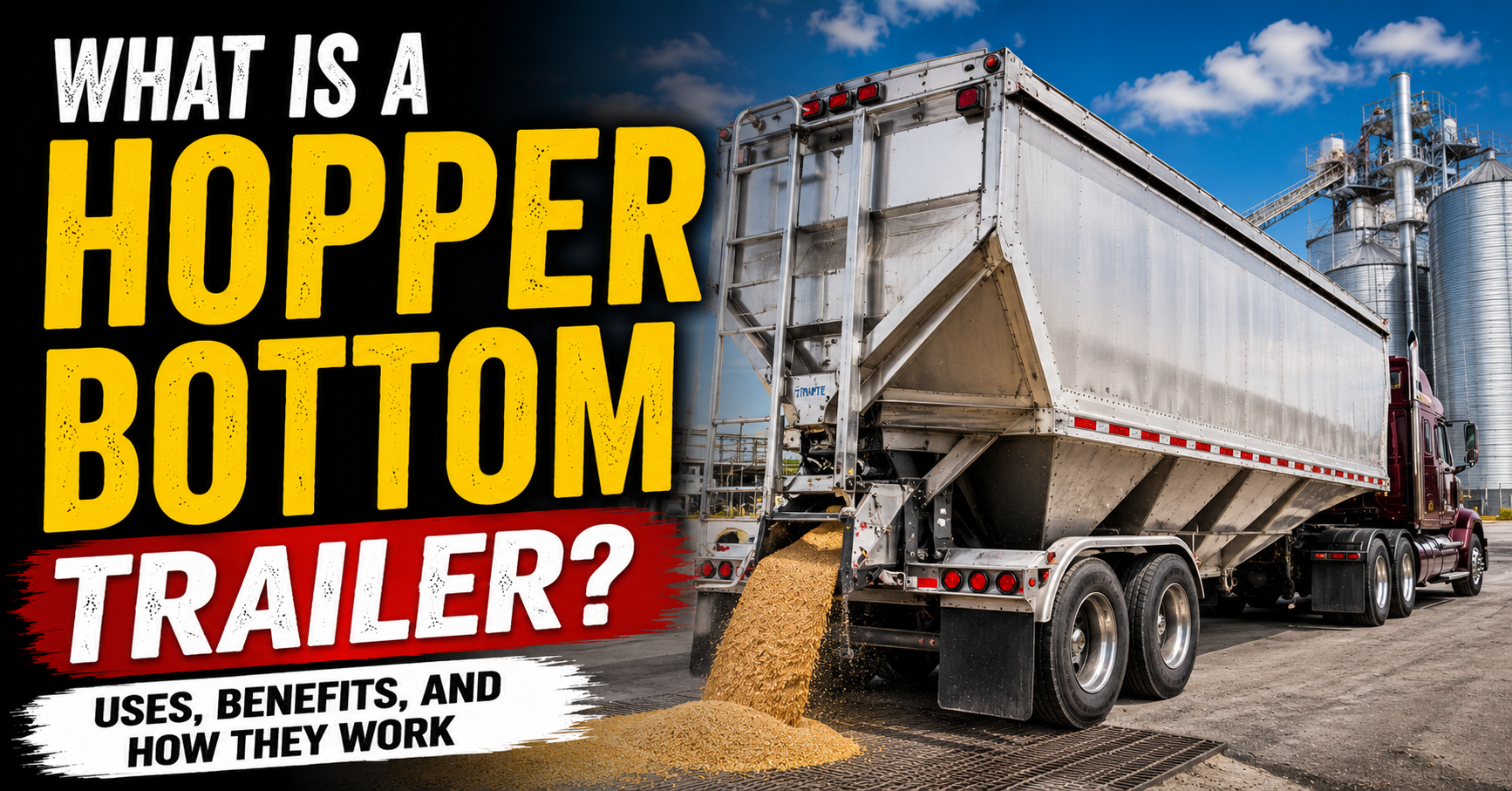
Not every load of corn is dried at a commercial grain elevator.
Many farms have their own grain dryers and storage bins.
After harvest, the grain is unloaded into the farm’s handling system, dried if necessary, and then stored until the farmer is ready to sell it.
Other farmers choose to deliver directly to a grain elevator where the grain may be dried there instead.
Both approaches are common.
The best choice depends on the farm’s equipment, storage capacity, marketing plan, and the condition of the crop.
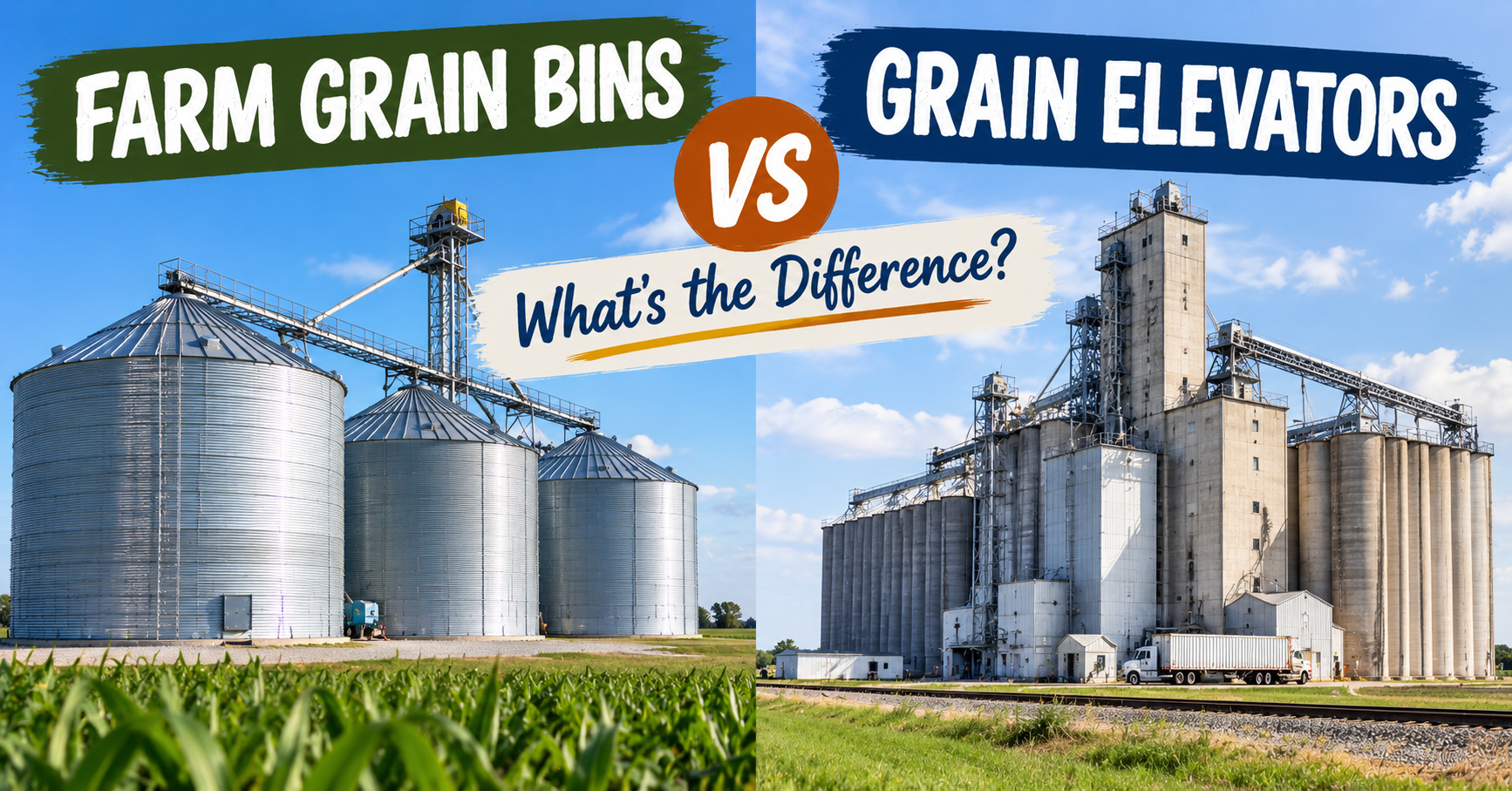
If you’re curious how on-farm storage differs from a commercial elevator, check out Farm Grain Bins vs Grain Elevators What’s the Difference?.
Drying Too Fast Can Cause Problems
I also learned that removing moisture isn’t simply a matter of making the dryer as hot as possible.
Drying corn too aggressively can stress the kernels and increase the number of cracked or broken kernels.
Modern drying systems are designed to remove moisture efficiently while protecting grain quality, which is why operators carefully manage drying temperatures and airflow.
The goal isn’t just dry corn.
The goal is dry corn that’s still in excellent condition.
Dry Corn Stores Much Better
Once corn reaches a safe moisture level, it can remain in storage much longer with proper aeration and management.
That gives farmers more flexibility.
Instead of feeling pressured to sell immediately after harvest, they may be able to store grain and market it later if conditions make sense for their operation.
Proper drying is one of the biggest reasons grain can be stored safely for months instead of spoiling within a much shorter time.
Drying Is One More Step in a Much Bigger Process
Before I started hauling grain, I assumed harvest ended once the truck was unloaded.
Now I know that’s only one step.
Depending on the moisture, the grain may still need to be dried.
Then it has to be cooled.
Stored.
Monitored.
Eventually it will be loaded back onto trucks or railcars and continue through the agricultural supply chain.
The more I’ve learned about grain handling, the more I’ve realized how much happens after the combine leaves the field.

Frequently Asked Questions
Why don’t farmers just leave corn in the field until it’s completely dry?
Sometimes they do, but waiting isn’t always the best option. Weather, stalk quality, wildlife damage, lodging, and harvest timing all play a role. In many cases, harvesting slightly wetter corn and drying it afterward is the safer decision.
Can corn be stored without drying it?
Only if its moisture is already low enough for the intended storage period. Corn that’s too wet has a much greater risk of mold, heating, and spoilage if it’s placed into storage without proper drying.
Who pays for drying corn?
It depends on where the grain is delivered. Farmers who dry corn on their own farms pay those operating costs themselves. If corn is delivered to a commercial grain elevator above its accepted moisture level, drying charges may be deducted according to that facility’s policies.
Does every load of corn need to be dried?
No. Some corn naturally dries in the field to a safe storage moisture before harvest. Other loads require additional drying because of weather, planting dates, or harvest conditions.
Drying Helps Protect the Harvest
Before learning more about agriculture, I thought drying corn was simply another step after harvest.
Now I understand it’s one of the most important.
Drying helps protect grain quality.
It reduces the risk of spoilage.
It allows grain to be stored safely for longer periods.
And it gives farmers more flexibility in deciding when and where to market their crop.
It’s another reminder that harvesting the corn is only part of the journey. A lot still happens before that grain finally reaches a feed mill, ethanol plant, food processor, or export terminal.
Author: Jake Harrison
Jake Harrison is a commercial transportation writer for TruckingResource.com who specializes in CDL training, trucking safety, commercial vehicles, freight operations, and agricultural transportation. He works with the TruckingResource.com editorial team to create practical, beginner-friendly guides that explain how trucking and the agricultural supply chain work together.