
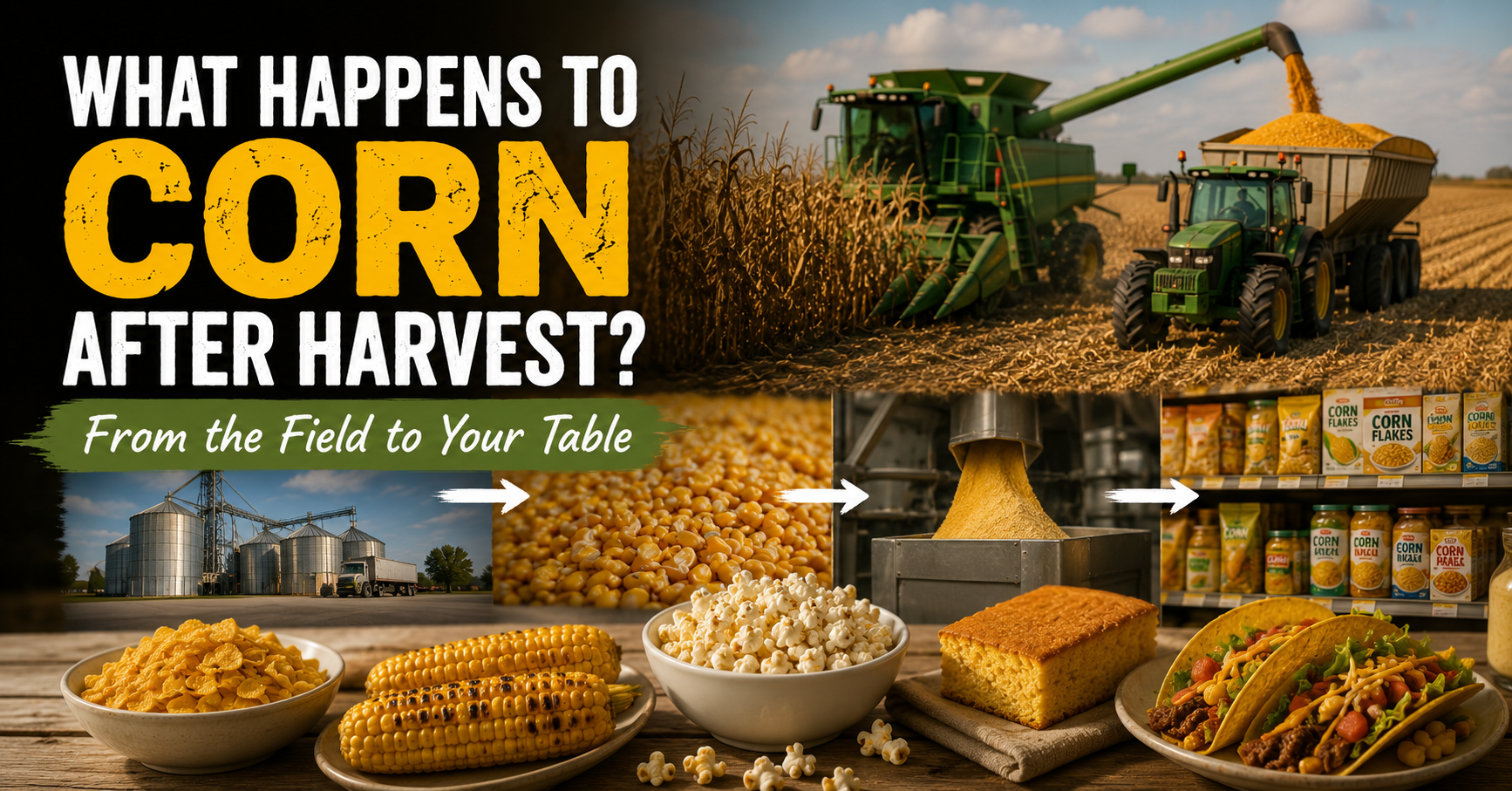
I was hauling corn to the grain elevator in Brunswick, Missouri, when the scale asked for the business name and whether the load was a spot sale or going against a contract. I still had a trailer full of corn, trucks were moving through the facility, and I needed to know where they wanted me to unload.
It sounds like a simple question. For the driver, though, it is a question you need an answer to before you get to the scale. I can tell the elevator who I’m hauling for and follow their directions to the unloading bay. The decision about how the farm is selling its corn belongs to the people managing that grain.
What the scale is asking
When the elevator asks “spot sale or contract,” it wants to know how to record the corn coming off the truck.
A spot sale generally means the grain is being sold in the current cash market, using the elevator’s applicable cash bid and terms. A contract means the delivery is being applied to an agreement already made with the elevator. That agreement might cover a particular amount of corn, a delivery period, or pricing terms. There are different kinds of grain contracts, so “contract” does not automatically mean somebody locked in one final price months ago.
Neither answer tells the scale worker much unless they also have the right account. That is why I was asked for the business name. I was bringing the farm’s corn to the elevator; I was not selling corn under my own name. The elevator needed to put that load where it belonged.
The question also does not mean the driver is about to get paid at the scale. The driver’s immediate job is to identify the load correctly, deliver it where directed, and bring back the paperwork.



Why I needed the answer before pulling in
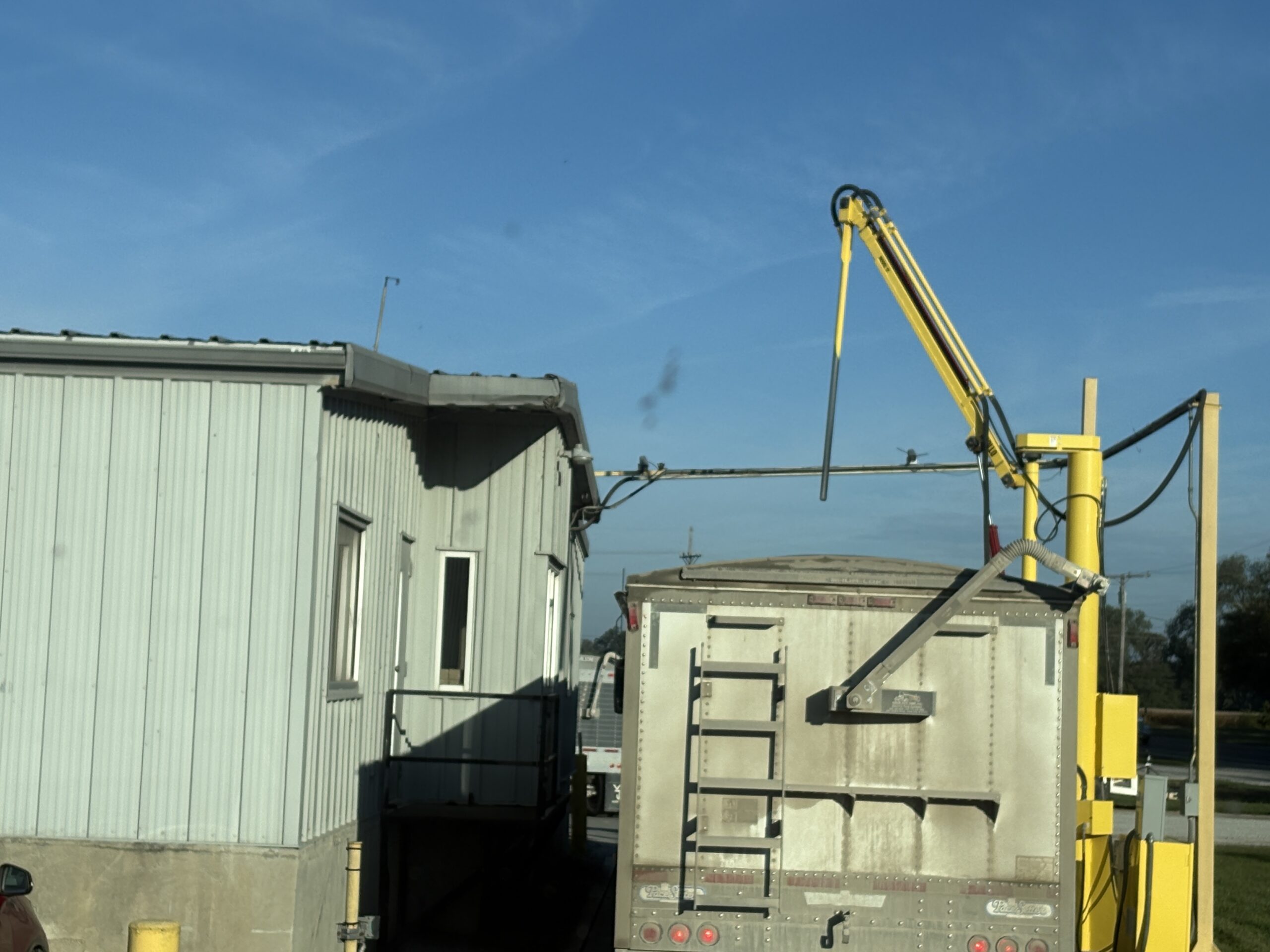
At this elevator, I opened the tarp, pulled onto the loaded scale, and gave the business name. The scale asked how the corn was being sold, then directed me to an unloading bay. Once the corn was unloaded, I closed the tarp, went back over the scale for the empty weight, and got the receipt to take back to farm management.
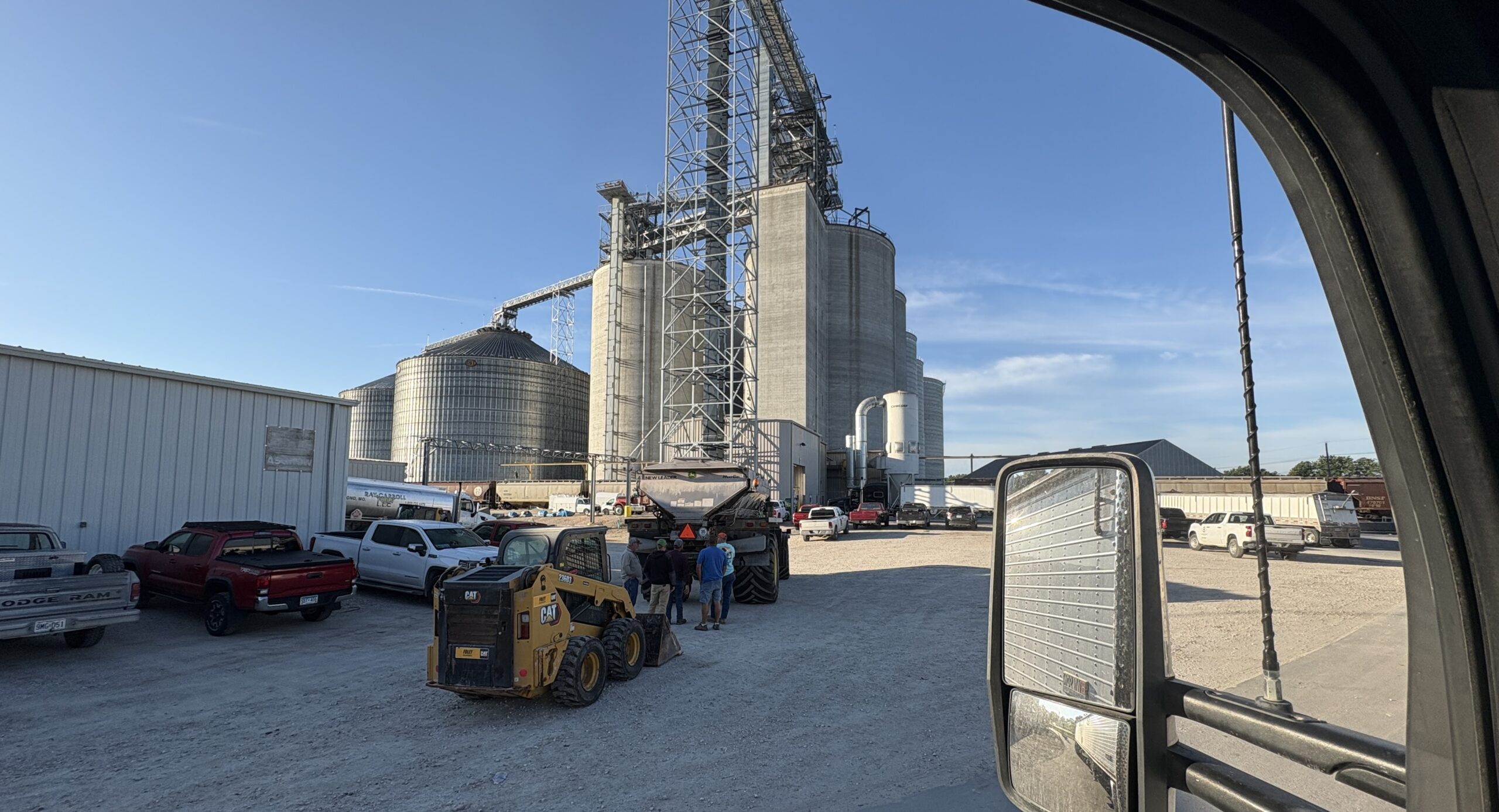
That is a lot to keep moving in a busy place. There were other trucks, large grain bins, and a train running through the facility. The scale was part of a working grain operation, not a place to sit while I tried to make a marketing decision for the farm.
If I had not known whether the load was a spot sale or belonged to a contract, I would have called the farm before answering. Guessing could cause the load to be recorded under the wrong sale arrangement. Even if the elevator could correct a mistake later, it makes more sense to get the instruction from the people responsible for the grain while I am still there.
What “spot sale” means for the driver
A spot sale is the straightforward answer when the farm intends to sell that delivered corn in the current cash market. The actual price and settlement can depend on the elevator’s bid and the terms of the transaction. They are not something I can determine by looking at the load in my trailer.
From my seat, the useful information is whether management has told me this load is a spot sale. If they have, I can give that answer at the scale along with the correct business name. I still need to keep the scale ticket and take it back to the farm. Saying “spot sale” does not replace the ticket or the farm’s records.
University of Missouri Extension describes the spot price as the current market price. That helps explain the term, but it does not give a driver authority to choose a sale because today’s price sounds good. The farm makes that call.
What “contract” means for the driver
If the farm already has an agreement with the elevator and this corn is supposed to count toward it, the scale needs to know that. Management may give the driver a contract number or other identifying instructions. What information the elevator asks for can vary, so I would use what the farm gave me and answer any follow-up questions from the scale.
There is no single contract arrangement I can assume from the word alone. Farms can use different grain marketing contracts, including arrangements where some pricing terms are settled at different times. University of Missouri Extension lists several types of cash grain contracts. For the driver, the key point is simpler: a load meant for a contract needs to be credited to the correct contract.
I would not tell the scale “contract” just because I know the farm has sold corn to that elevator before. A farm can deliver multiple loads under different arrangements. The instruction has to apply to the load I am hauling right now.


What I would confirm before leaving the farm
For a corn run like this, I want three answers before I get in line at the elevator:
- Whose business name or account is this load under? I need the name the elevator expects, especially if I am driving for a farm rather than delivering grain I own.
- Is this load a spot sale or going against a contract? If it is a contract delivery, I need whatever contract information management wants me to give the scale.
- Who should get the ticket when I return? At this farm, I take the receipt back to management so they have a record of the delivery.
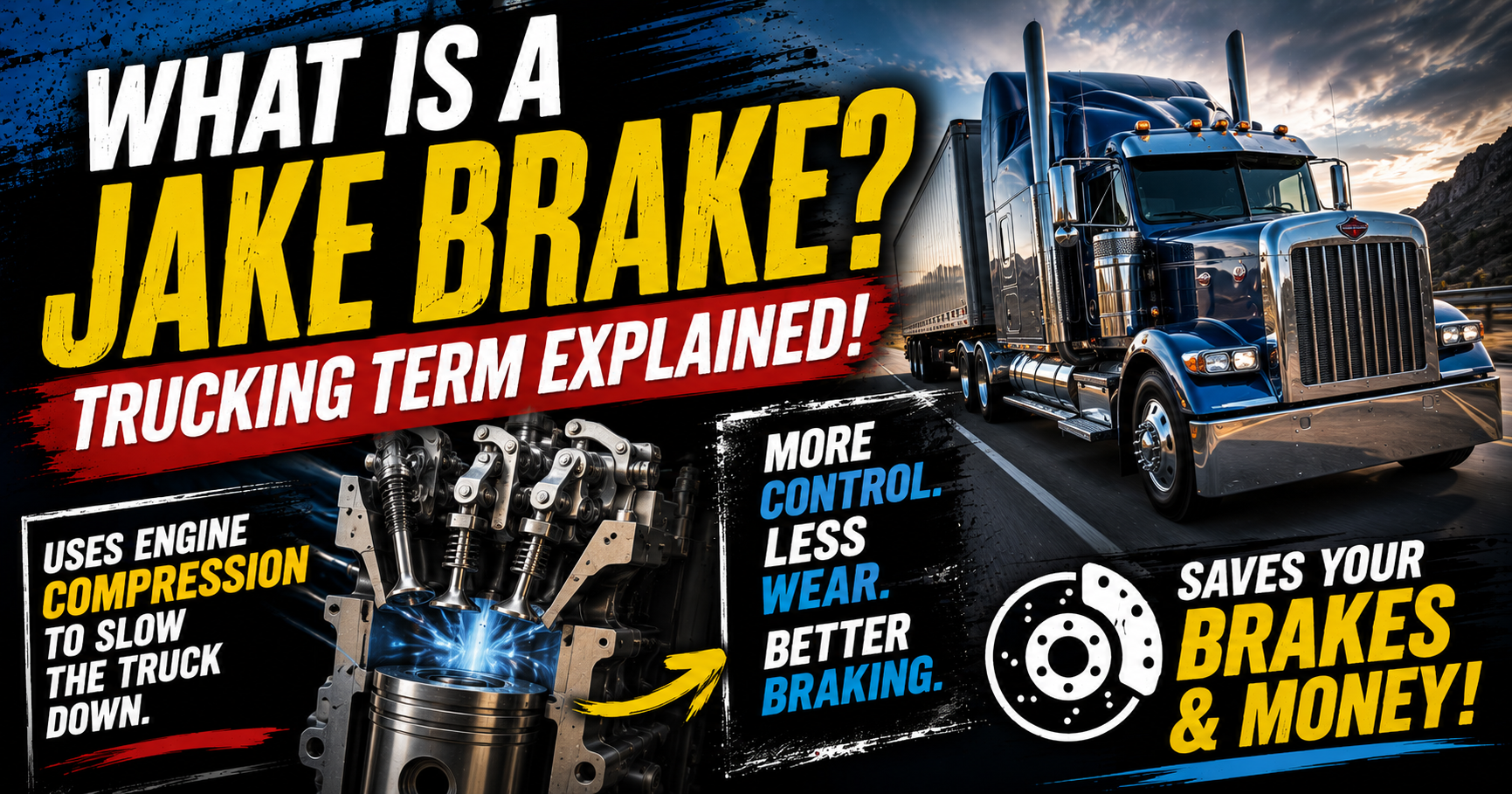
I also need to follow the elevator’s directions once I arrive. On my Brunswick run, that meant opening the tarp before the loaded scale, going to the bay I was assigned, closing the tarp after unloading, and getting the empty weight and receipt. Another elevator may route trucks differently.
If you are new to hauling grain, I explain that full trip through the facility in how unloading corn at a grain elevator works.
What if nobody told you which one it is?
Call the farm or whoever dispatched the load. Tell them you are at the elevator and the scale needs to know whether this load is spot or contract. If it is a contract, ask for the identifying information they want you to use.
That may slow you down for a few minutes. It is still better than making up an answer while a line of trucks is behind you. I can answer questions about the truck, where I came from, and the delivery instructions I was given. I cannot decide the farm’s sale terms because I happen to be the person sitting on the scale.
If you have already answered and then realize something may be wrong, raise it with the scale office and farm management before you leave. They can check how the load was recorded. Keep the paperwork so they have the ticket information to work from.
Why I bring the receipt back
The loaded and empty weights establish how much grain came off the truck. The ticket gives the farm a record to match against its deliveries and whatever sale arrangement applies. That is why the last scale stop matters just as much as the first one.
After I emptied the trailer in Brunswick, I closed the tarp and pulled onto the final scale for the empty weight. Then I got the receipt and took it back to management. I did not need to settle the farm’s grain account myself. I needed to make sure the delivery was identified correctly and that the people keeping the records got the ticket.
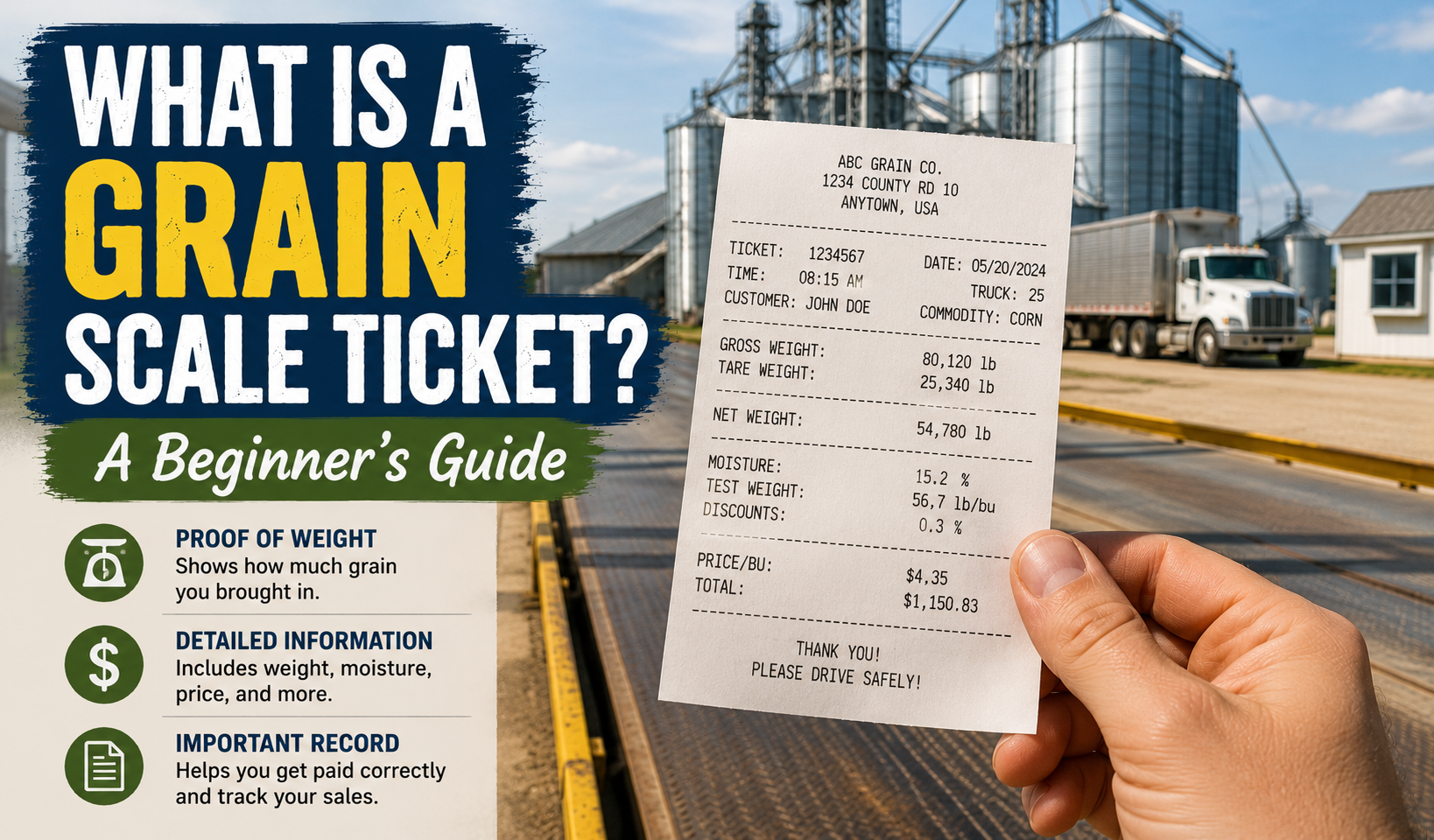
If the paperwork is new to you, what a grain scale ticket shows is worth reading before your first load. It is much easier to notice a question about a ticket while you are still at the elevator than after you have driven back to the farm.
About the author: I write Trucking Resource from my own experience driving and hauling grain, including corn deliveries to elevators in Missouri.