Before I started learning about grain hauling, I assumed a truck simply drove onto a scale once, got a weight, and that was it.
The actual process is a little more involved.
Commercial grain elevators need to know exactly how much grain every truck delivers.
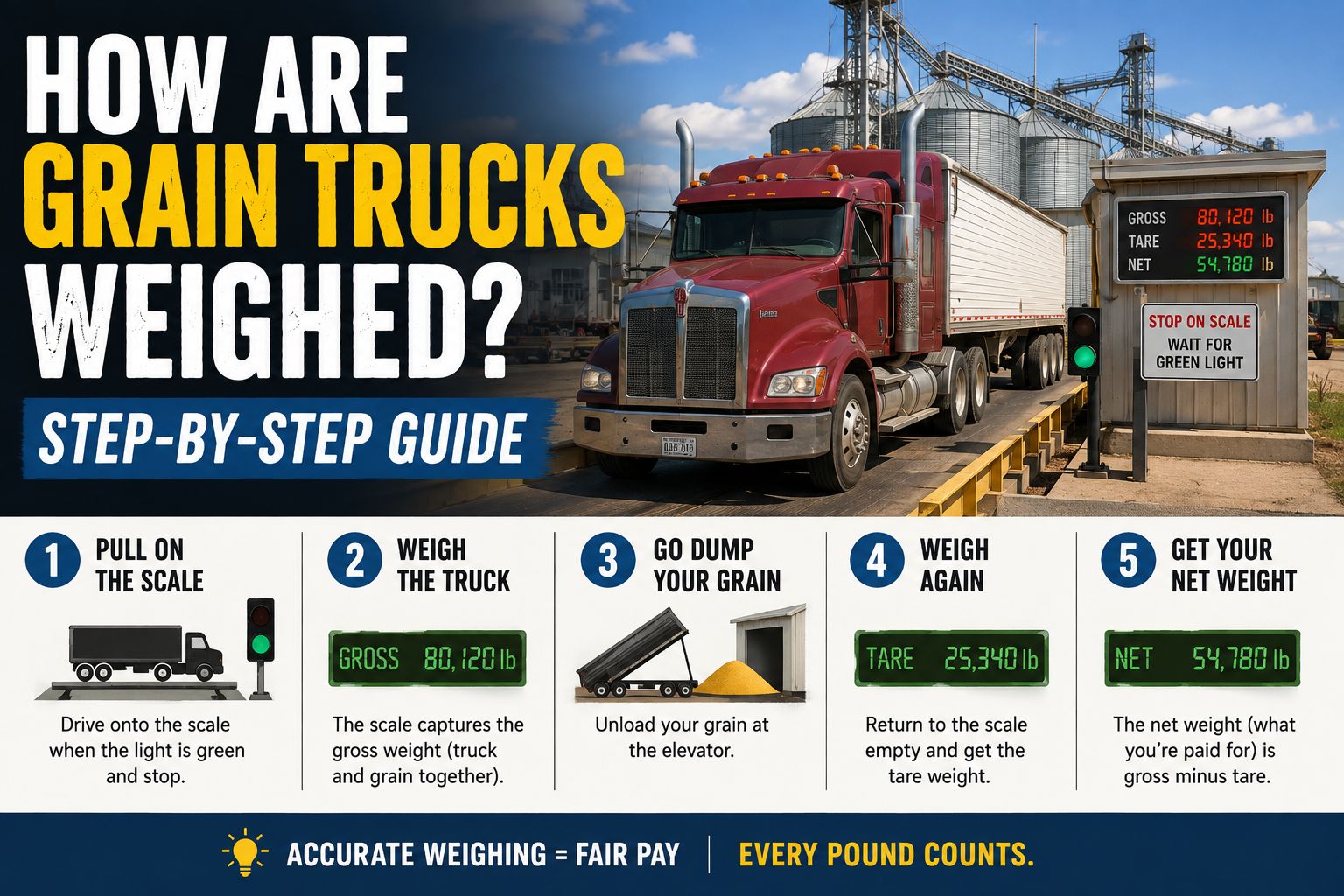
To do that accurately, they normally weigh the truck before unloading and again after it’s empty.
Those two weights tell the elevator exactly how much grain came off the trailer.
It’s a simple process, but it’s one of the most important parts of every grain delivery.
The First Stop Is Usually the Scale
When a truck arrives at most grain elevators, it doesn’t head straight to the dump pit.
Instead, the driver pulls onto a large truck scale, sometimes called a weighbridge.
The entire truck and trailer must be completely on the scale before the weight is recorded.
This first weight is known as the gross weight.
It includes:
- The truck.
- The trailer.
- The driver.
- Fuel.
- The entire load of grain.
That gross weight becomes the starting point for determining how much grain is being delivered. Modern grain facilities typically weigh inbound trucks on platform truck scales before unloading begins.
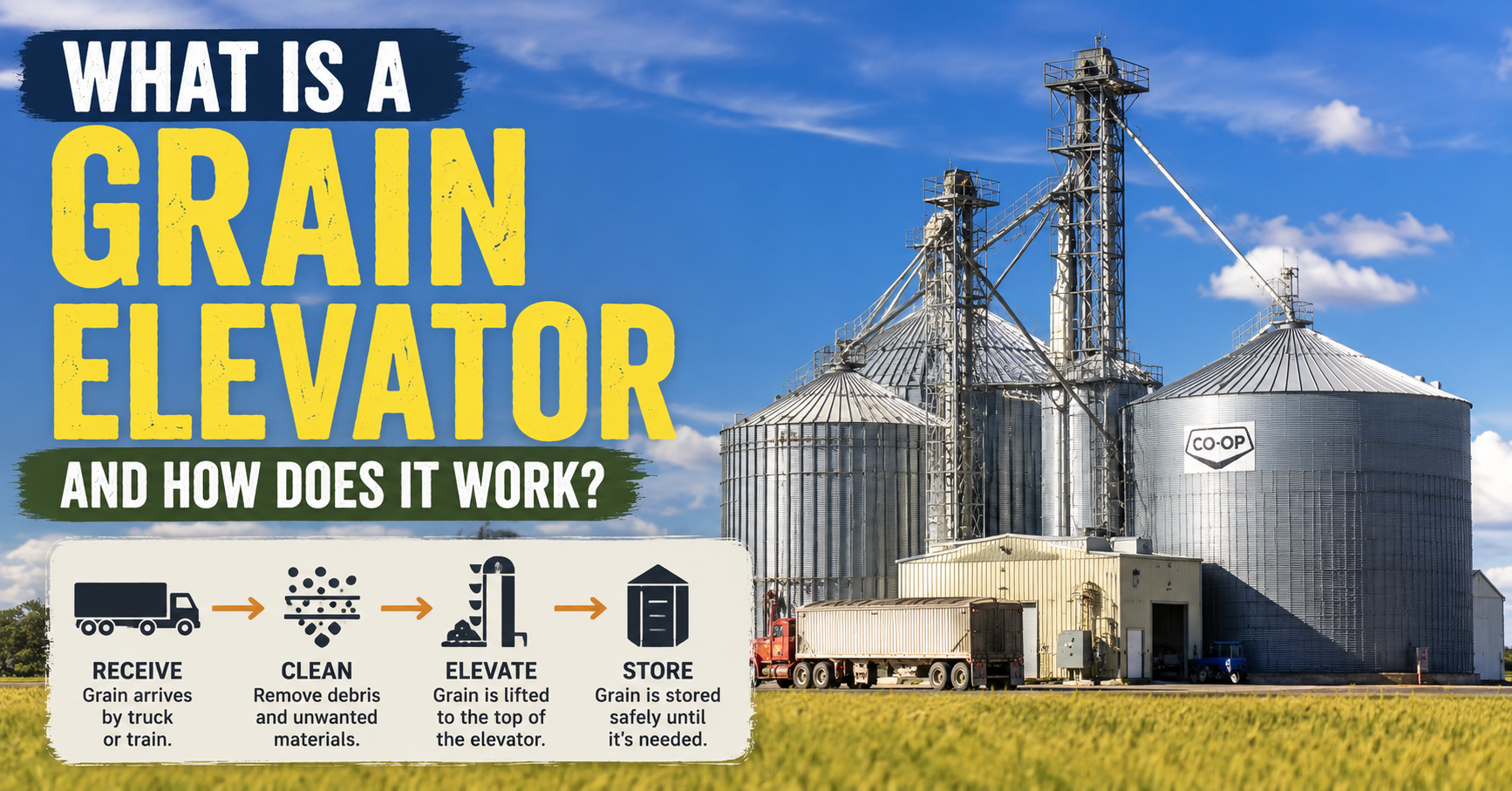
If you’re new to grain elevators, my article What Is a Grain Elevator and How Does It Work? walks through everything that happens after a truck arrives.
A Grain Sample Is Often Taken Next
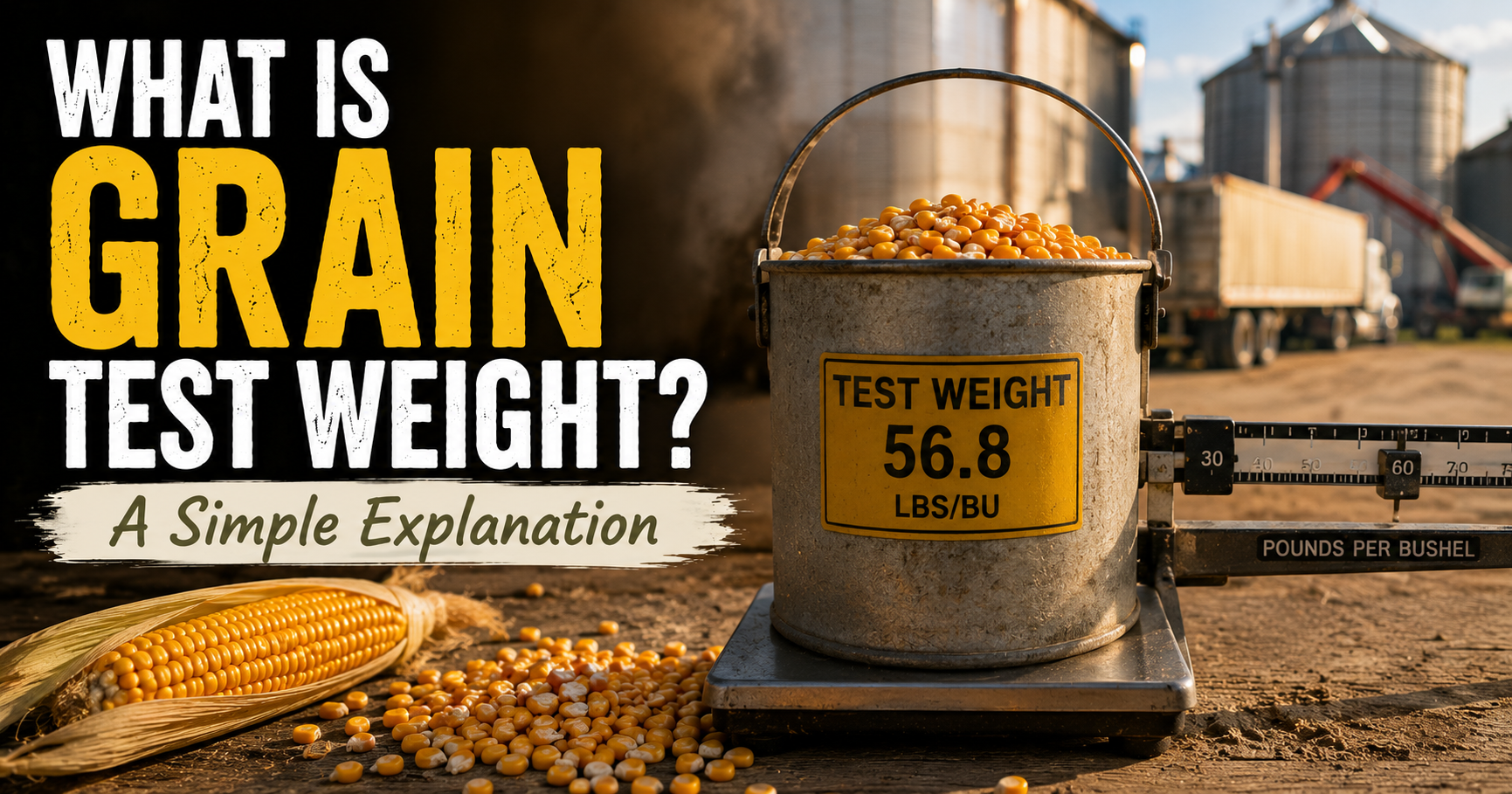
After the truck is weighed, many commercial grain elevators collect a representative sample of the grain. That sample can also be used to determine grain quality factors such as the grain sample testing.
That sample is tested for things like:
- Moisture.
- Test weight.
- Foreign material.
- Damaged kernels.
- Overall grain quality.
Those results help determine how the grain will be handled and become part of the delivery record before unloading. Many elevators integrate the sampling, grading, and weighing process before directing the truck to the receiving pit.

I explain why this matters in Why Is Corn Tested for Moisture? Here’s Why It Matters.
The Truck Heads to the Dump Pit
Once the truck has been weighed and the grain has been approved, the driver moves to the unloading area.
For hopper-bottom trailers, the process is straightforward.
The trailer is positioned over the receiving pit.
The hopper doors are opened.
Gravity allows the grain to flow into the pit below.
From there, conveyors and bucket elevators move the grain through the facility and into storage or drying systems.
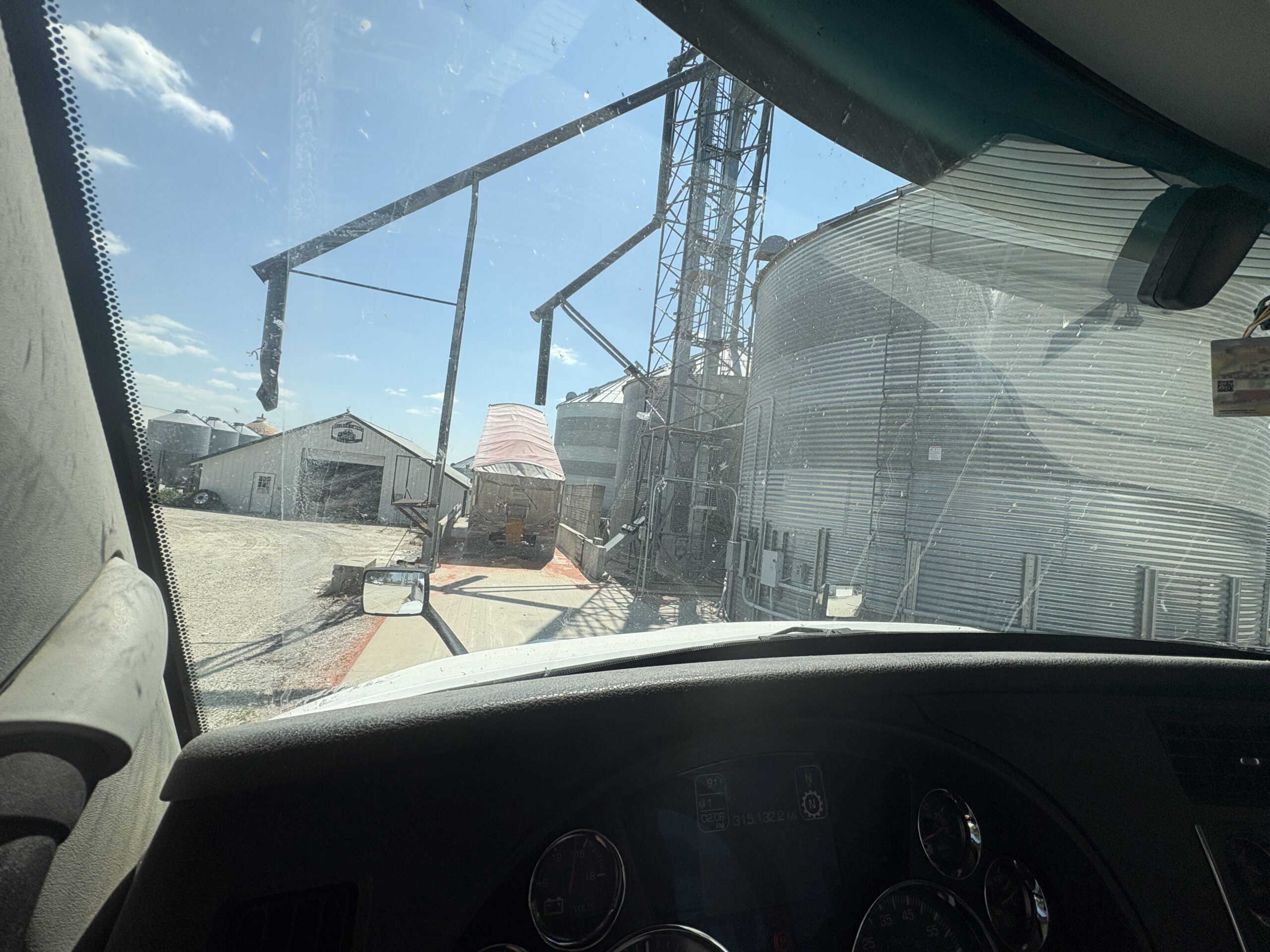
If you’ve never watched that process, How Grain Trucks Unload at Farm Grain Bins shows how unloading works at on-farm storage systems.
After Unloading, The Truck Gets Weighed Again
This is the step many people don’t realize happens.
Once the trailer is empty, the driver returns to the truck scale.
The truck is weighed a second time.
This second weight is called the tare weight.
The tare weight includes everything except the grain:
- The truck.
- The empty trailer.
- Fuel.
- The driver.
- Any normal equipment still on the truck.
The only thing missing is the load that was just delivered.


Net Weight Is What Really Matters
Now the math becomes easy.
The elevator subtracts the tare weight from the gross weight.
Gross Weight − Tare Weight = Net Weight
The net weight represents the actual amount of grain delivered.
That’s the number used for inventory, settlements, and payment records. This two-weigh process is the standard method used to determine the true net weight of grain delivered.
Accuracy Matters More Than Speed
One thing I didn’t appreciate before learning about grain elevators is just how important accurate weights are.
A truck may be carrying tens of thousands of pounds of grain.
Even a small weighing error could affect inventory, settlements, and payments.
That’s why certified truck scales are inspected, maintained, and used according to established weighing procedures. The goal is to make sure every load is measured consistently and accurately.
As a driver, that means taking your time when pulling onto the scale.


Drivers Need to Position the Truck Correctly
Getting weighed isn’t difficult, but you can’t simply stop anywhere on the scale.
The truck and trailer need to be positioned correctly so the entire vehicle is on the weighing platform before the weight is recorded.
The operator will usually let you know when to stop and when it’s okay to pull off.
If the truck isn’t positioned properly, the weight may not be accurate and the process could have to be repeated.
After you’ve done it a few times, it quickly becomes just another part of delivering grain.
The Weight Is Turned Into a Scale Ticket
After both weights have been recorded and the grain has been inspected, the elevator generates a scale ticket.
That ticket contains the important information for the load, including:
- Gross weight.
- Tare weight.
- Net weight.
- Moisture content.
- Date and time.
- Ticket number.
- Other quality information, depending on the elevator.
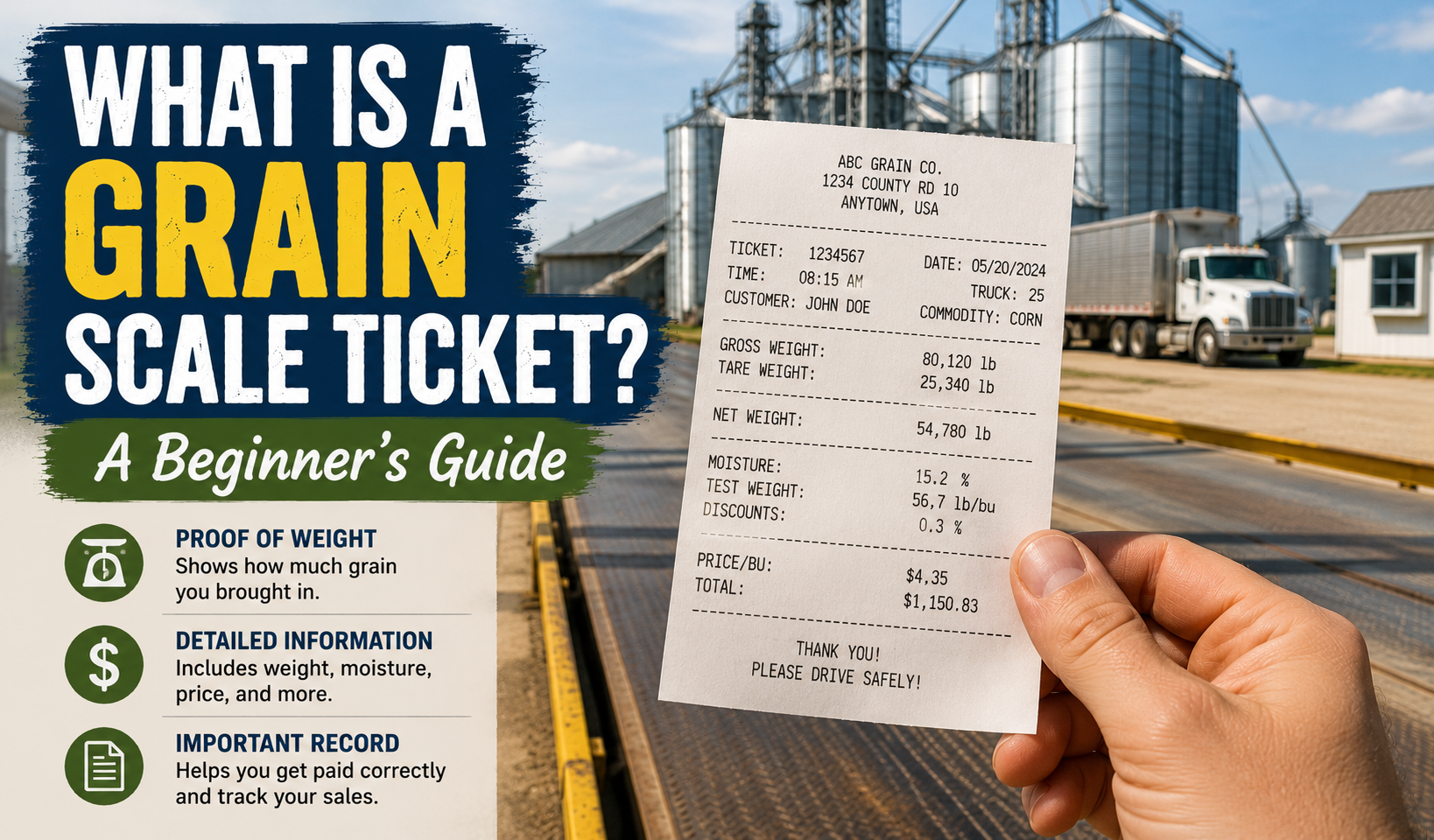
I explain everything you’ll typically find on one of these documents in What Is a Grain Scale Ticket? A Beginner’s Guide.
Why Trucks Are Weighed Twice Instead of Once
People sometimes ask why elevators don’t simply weigh the grain by itself.
The answer is simple.
The grain is inside the trailer.
The easiest and most accurate way to determine how much grain was delivered is to weigh the loaded truck, weigh it again after it’s empty, and subtract the difference.
That process has been used for decades because it’s accurate, efficient, and easy to verify. Net weight is determined by subtracting the empty vehicle weight (tare) from the loaded vehicle weight (gross), making it the standard method for commercial grain deliveries.
The Process Becomes Routine
The first time you deliver grain to an elevator, everything feels new.
Where do you stop?
Who do you talk to?
When do you pull onto the scale?
Where do you unload?
After a few trips, it starts becoming second nature.
The scale is simply another stop in the process.
You pull on.
Get weighed.
Unload.
Pull back onto the scale.
Receive your ticket.
Then you’re on your way to the next load.
Frequently Asked Questions
Why are grain trucks weighed before unloading?
The first weight records the truck’s gross weight while it’s carrying grain. That number is needed to calculate exactly how much grain is delivered after the truck is emptied.
Why do grain trucks get weighed again after unloading?
The second weight records the empty truck and trailer, called the tare weight. Subtracting the tare weight from the gross weight gives the net weight of the grain that was delivered.
Do all grain elevators weigh trucks the same way?
Most commercial grain elevators follow the same basic process of weighing inbound and outbound trucks, although the exact traffic flow, equipment, and paperwork can vary from one facility to another.
What happens if the truck isn’t completely on the scale?
The weight may not be accurate. Drivers are normally directed to position the truck correctly before the weight is recorded so the entire vehicle is measured properly.
Weighing Every Load Keeps the System Fair
Before I started learning about grain hauling, I thought weighing a truck was just another stop before unloading.
Now I understand it’s one of the most important parts of the entire process.
Those two trips across the scale determine exactly how much grain was delivered.
That information helps farmers get paid accurately, helps grain elevators keep precise inventory records, and gives everyone confidence that every load has been measured fairly.
It’s a simple process, but it’s one of the reasons millions of bushels of grain can move through commercial elevators every year with accuracy and accountability.
Author: Jake Harrison
Jake Harrison is a commercial transportation writer for TruckingResource.com who specializes in CDL training, trucking safety, commercial vehicles, freight operations, and agricultural transportation. He works with the TruckingResource.com editorial team to create practical, beginner-friendly guides that explain how trucking and the agricultural supply chain work together.