Before I started hauling corn during harvest, I figured corn was either ready to harvest or it wasn’t.
I didn’t realize one number could affect almost everything that happens after the combine leaves the field.
That number is moisture content.
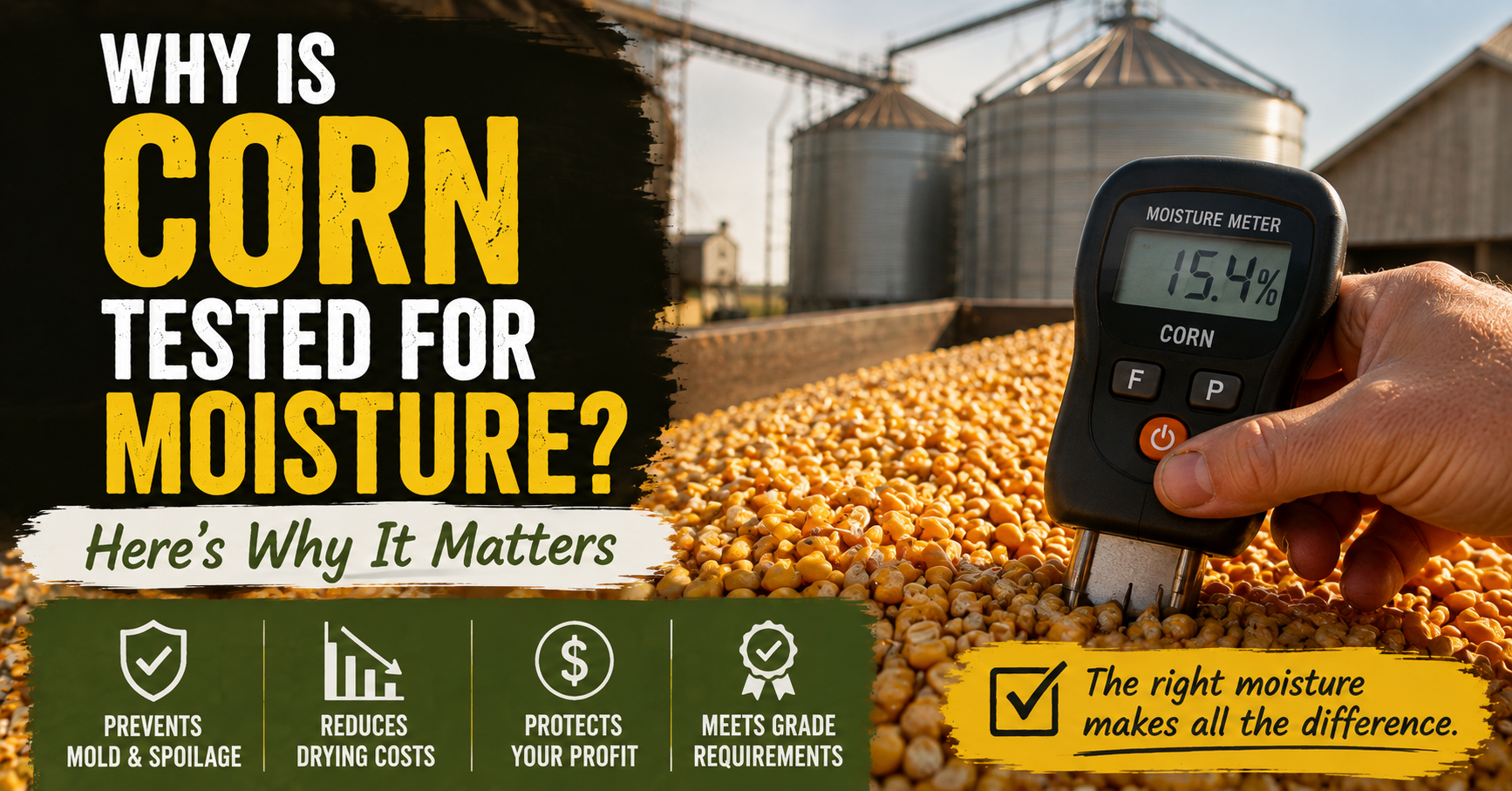
Whether grain is stored on the farm or delivered to a commercial grain elevator, moisture is one of the first things that’s checked because it directly affects storage, grain quality, and value. Moisture is considered one of the most important measurements taken during grain inspection because it determines both storability and market value.
Once I understood why elevators pay so much attention to moisture, a lot of the grain handling process started making sense.
What Is Grain Moisture?
Simply put, grain moisture is the percentage of water inside each kernel of corn.
Freshly harvested corn isn’t completely dry.
Every kernel contains some amount of moisture.
The exact percentage changes depending on:
- Weather conditions.
- The variety of corn.
- When it’s harvested.
- Field conditions.
- How long the crop has been drying in the field.
That moisture isn’t something you can accurately judge just by looking at the grain.
That’s why grain elevators use approved moisture meters to measure every load consistently. Official grain inspection uses calibrated moisture meters because accurate moisture measurements are essential to determining grain quality.



Why Does Moisture Matter So Much?
The biggest reason is storage.
Corn that’s too wet doesn’t store well.
Excess moisture can create heat inside the grain.
That heat can encourage mold, spoilage, insect activity, and other problems that reduce grain quality.
Proper moisture helps grain remain in good condition while it’s stored for weeks or even months.
That’s why moisture is checked before long-term storage instead of simply hoping everything will be fine later.
Moisture Also Affects What Farmers Get Paid
Something that surprised me was learning that moisture doesn’t only affect storage.
It can also affect the value of the grain.
If corn is delivered with moisture above the buyer’s standard, the grain may need to be dried before it can be stored safely.
Drying takes fuel, equipment, electricity, and time.
Because of that, many grain buyers charge drying fees or apply discounts to wetter grain. Moisture is one of the official measurements recorded during grain inspection because it directly affects both grain quality and commercial value.
That doesn’t necessarily mean a farmer harvested too early.
Sometimes harvesting slightly wetter corn is the right decision because of weather forecasts, field conditions, or the risk of crop losses.
Moisture Isn’t the Only Thing Being Checked
When a truck arrives at a commercial grain elevator, moisture is only one part of the inspection.
A representative sample is usually collected before unloading.
That sample may also be checked for:
- Test weight.
- Foreign material.
- Damaged kernels.
- Broken kernels.
- Other quality factors used in official grain grading.
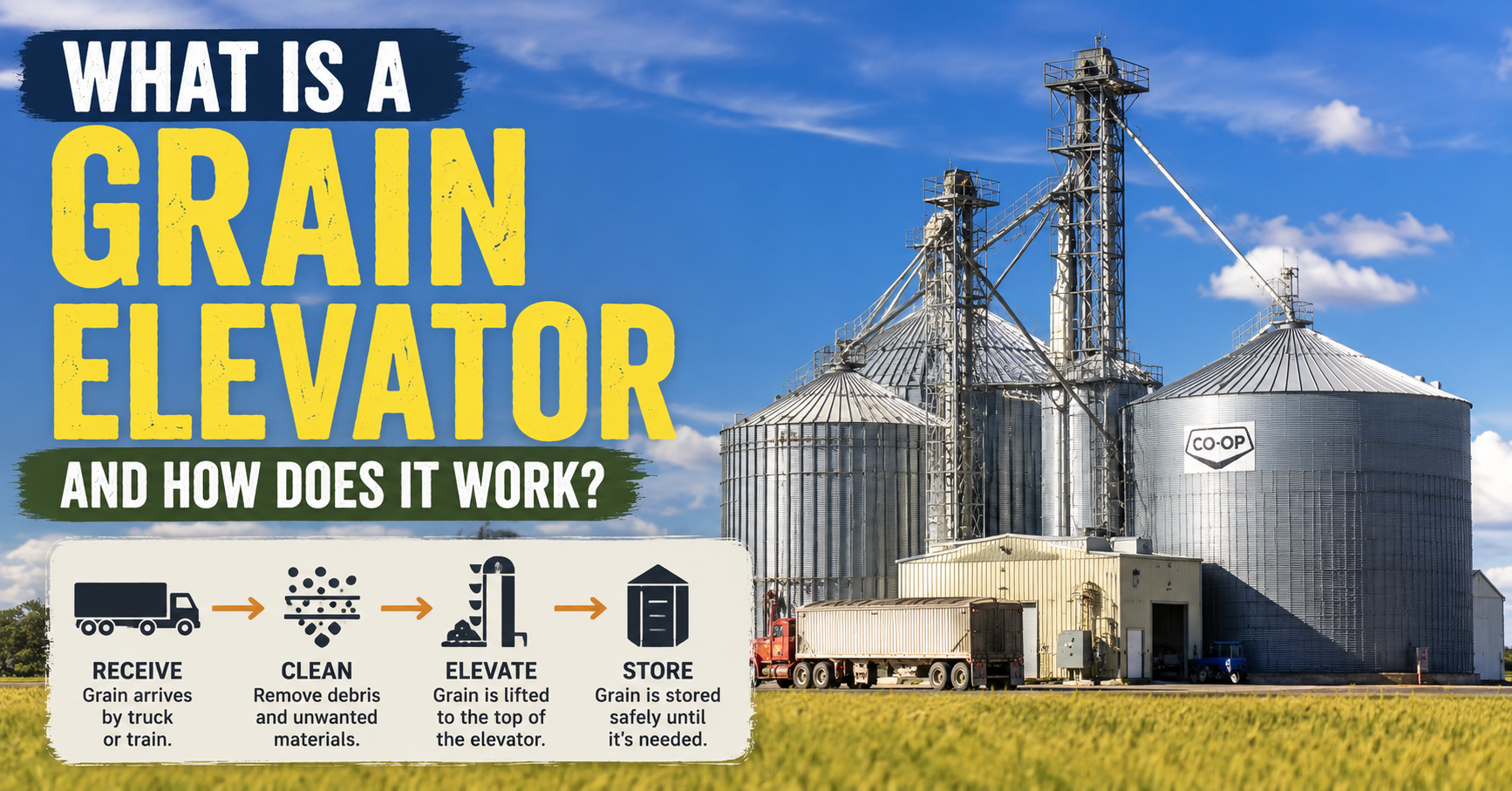
I explain how that entire process works in What Is a Grain Elevator and How Does It Work? if you’d like to see what happens after the truck reaches the elevator.


Farmers Don’t Always Wait for Corn to Dry Completely in the Field
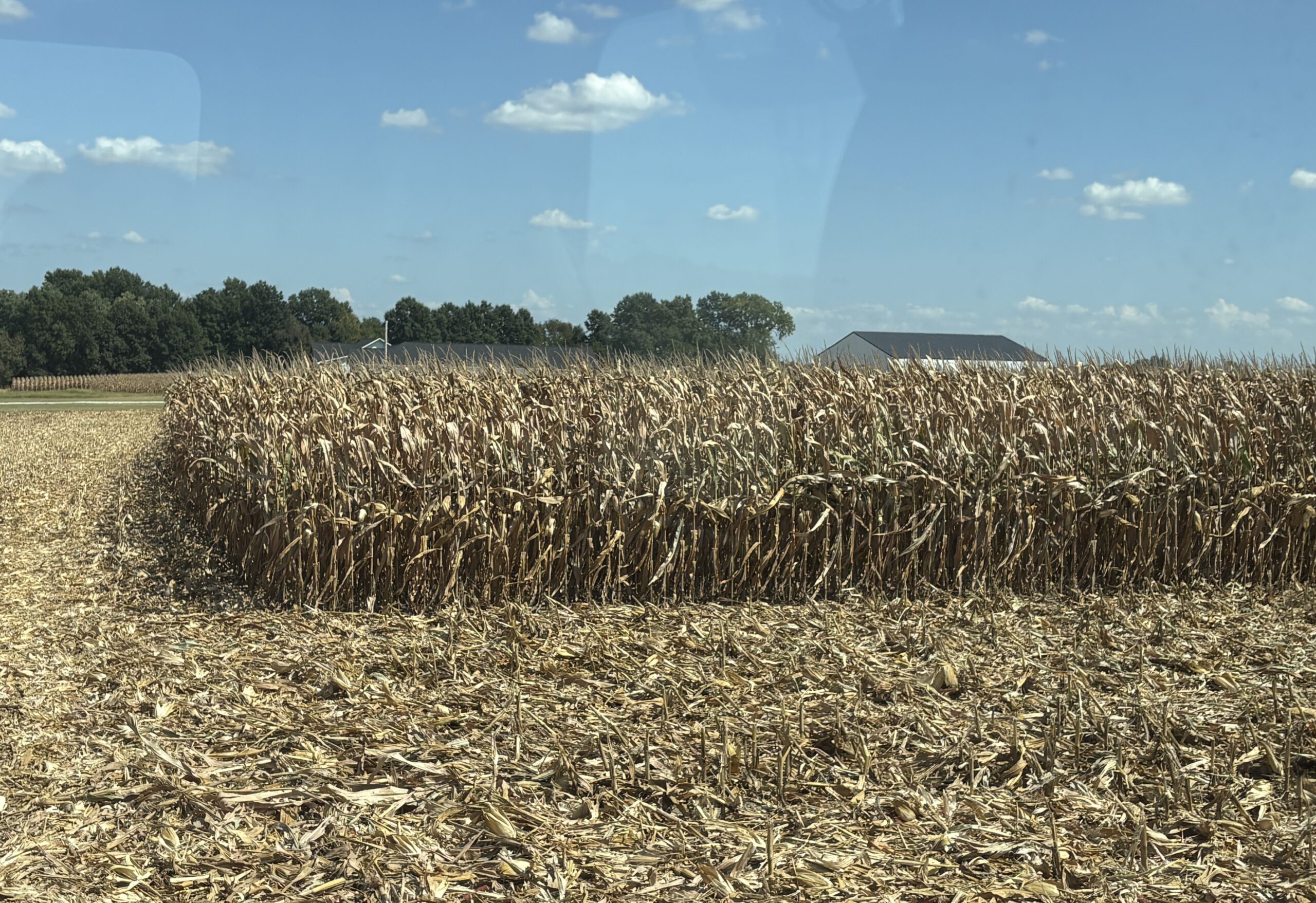
One thing I found interesting is that farmers don’t necessarily wait until corn reaches the ideal storage moisture before harvesting.
Sometimes waiting simply isn’t the best option.
A weather system may be moving in.
The crop may be ready enough to harvest.
The combine and trucks are available.
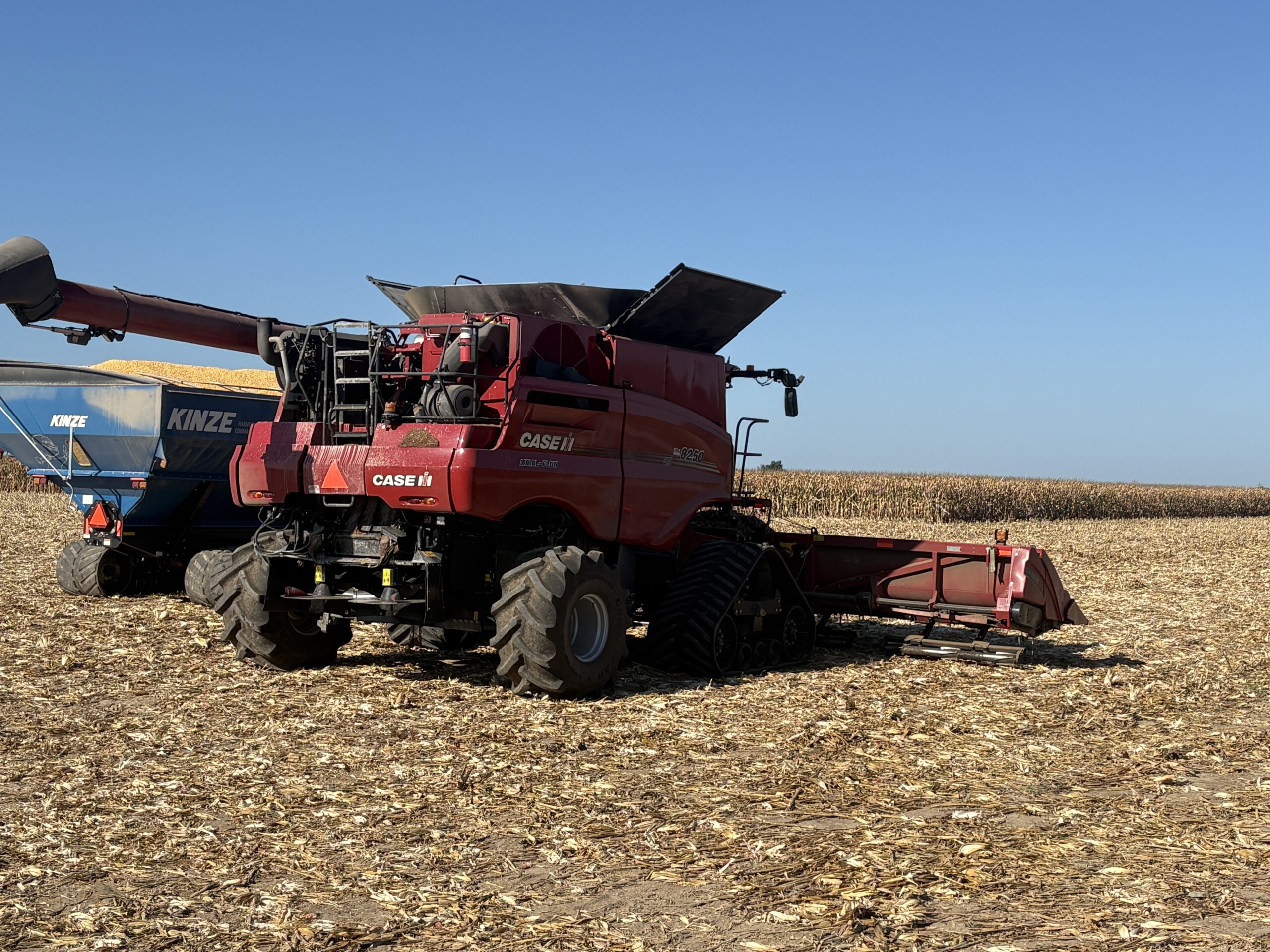
Or the farmer may want to finish before stalk quality begins to decline.
In those situations, it often makes more sense to harvest the corn a little wetter and dry it later than to leave it standing in the field and risk additional losses. Farmers constantly balance field dry-down against weather risks, harvest timing, and drying costs when deciding when to harvest.
How Is Corn Moisture Measured?
Most commercial grain elevators use calibrated electronic moisture meters to test every incoming load.
Before the truck unloads, a representative grain sample is collected.
That sample is placed into specialized equipment that quickly determines the moisture percentage.
The entire process usually only takes a few minutes, but it’s one of the most important steps before the grain is accepted.
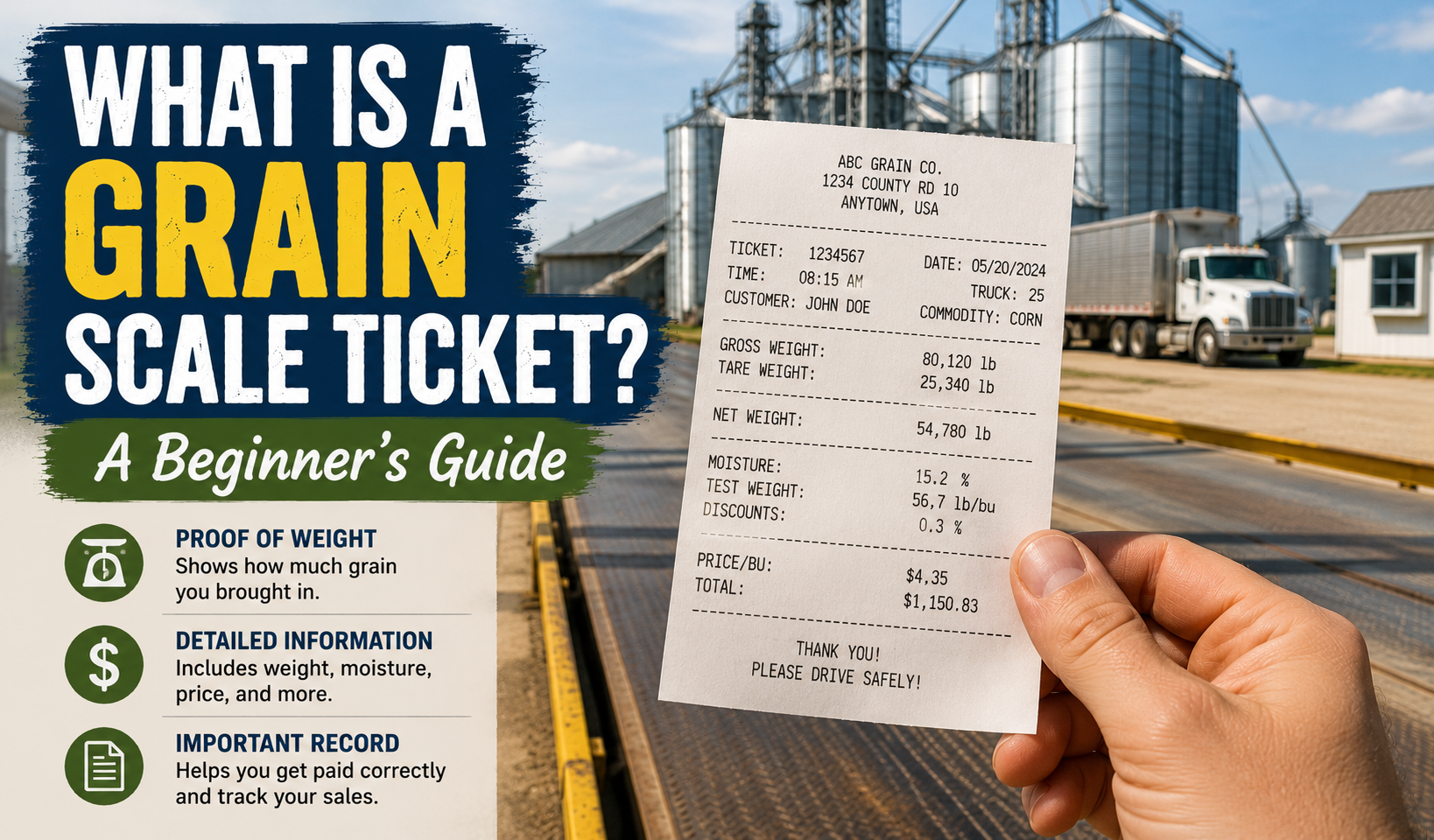
Accurate moisture testing helps ensure farmers are paid fairly and helps elevators decide how the grain should be handled. Official testing equipment is standardized so moisture measurements remain as accurate and consistent as possible. Those results are typically preserved in grain delivery records alongside the load’s weights and other delivery details.
Moisture Affects More Than Just Storage
Before learning about grain handling, I assumed moisture only mattered because of mold.
It actually affects much more than that.
Higher moisture can mean:
- More drying time.
- Higher drying costs.
- Lower storage life.
- Greater risk of spoilage.
- Possible moisture discounts at the elevator.
- Longer time before the grain can be marketed.
It’s amazing how one measurement influences almost every step after harvest.
Every Load Is a Little Different
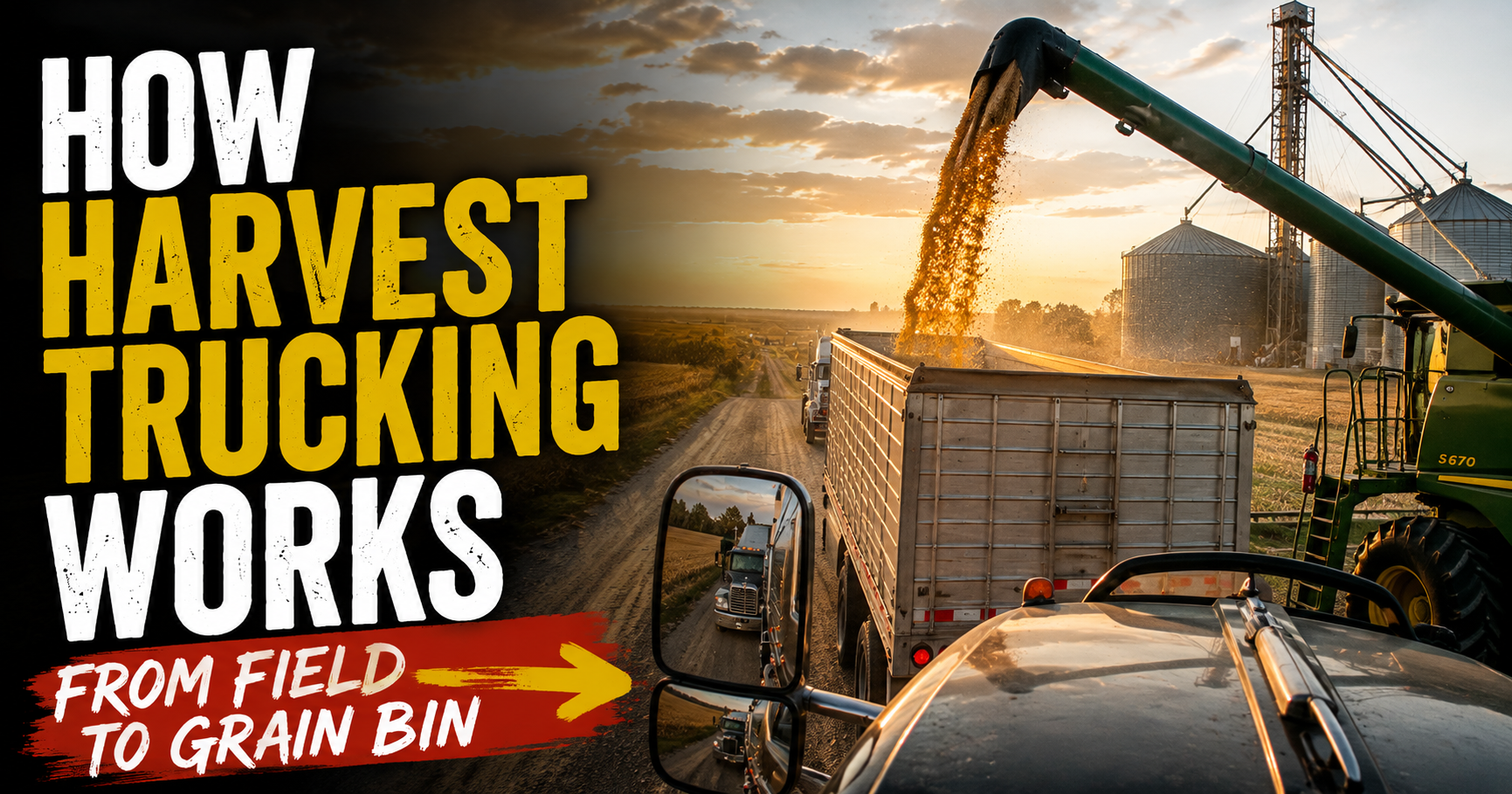
Something else I didn’t think about before hauling grain is that two truckloads coming from neighboring fields might not have exactly the same moisture.
Hybrid selection.
Planting date.
Rainfall.
Field conditions.
Drainage.
Harvest timing.
All of those can affect moisture levels.
That’s one reason elevators sample every load instead of assuming they’re all identical.

Moisture Helps Protect Everyone Involved
Moisture testing isn’t done to make things harder on farmers.
It’s there to protect everyone.
It helps farmers understand their crop.
It helps elevators store grain safely.
It helps buyers know the quality they’re purchasing.
It also reduces the chances of grain spoiling after it’s been stored.
When you look at the entire grain handling system, moisture testing is one of the most important quality checks that takes place.
Frequently Asked Questions
What moisture level should corn be before storage?
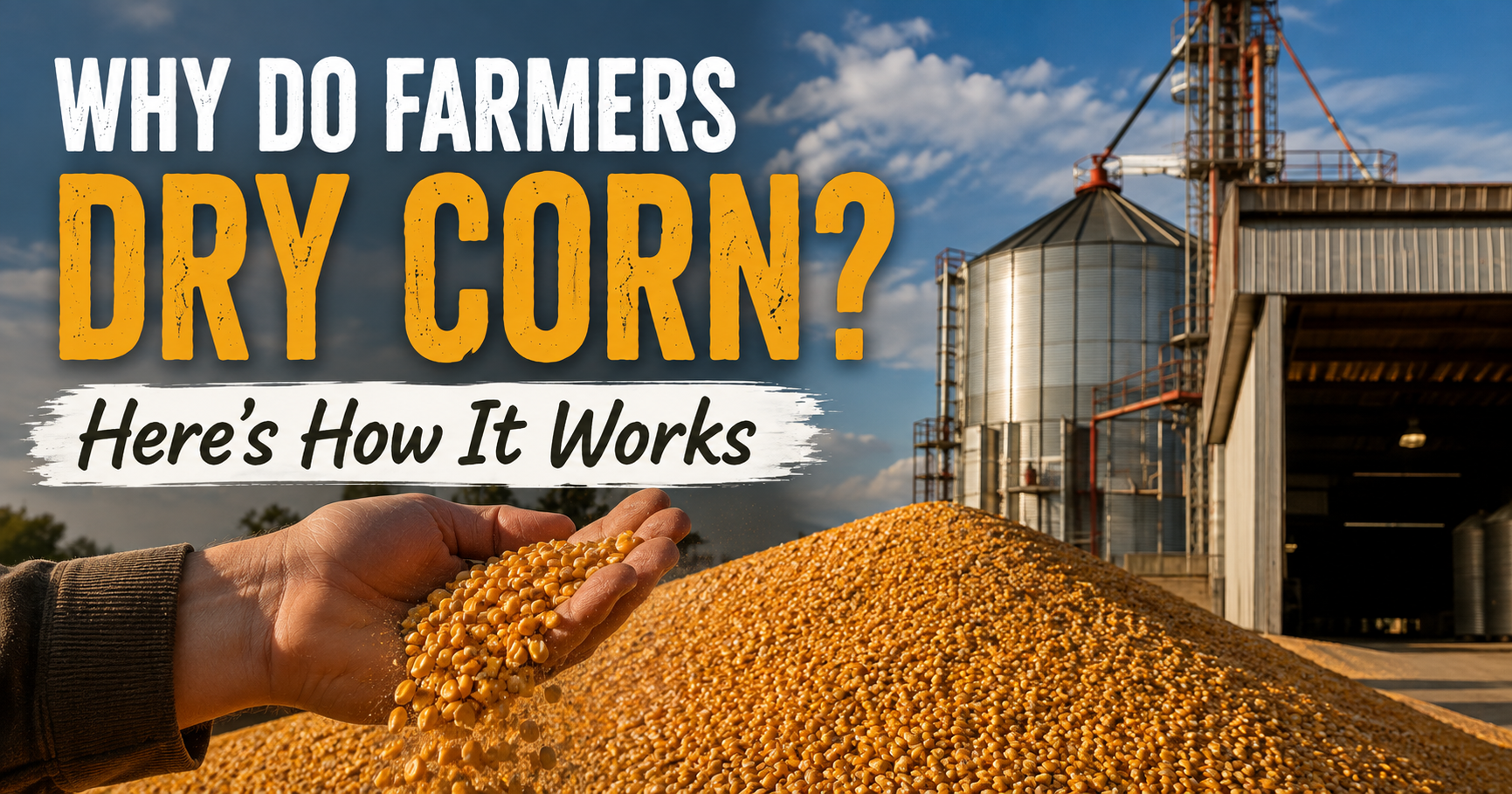
The ideal moisture depends on how long the corn will be stored and the storage conditions. University of Missouri Extension notes that corn intended for longer-term storage generally needs to be dried to safer moisture levels to reduce the risk of mold and spoilage.
Does wet corn sell for less?
It can. If the moisture is above the buyer’s standard, drying charges or moisture discounts may apply because the grain requires additional handling before it can be stored safely.
Why don’t farmers always wait until the corn dries naturally?
Waiting longer isn’t always the best decision. Weather, stalk quality, field conditions, and the risk of crop loss all play a role in deciding when to harvest. Sometimes harvesting earlier and drying the grain later is the better option.
Is moisture the only thing elevators check?
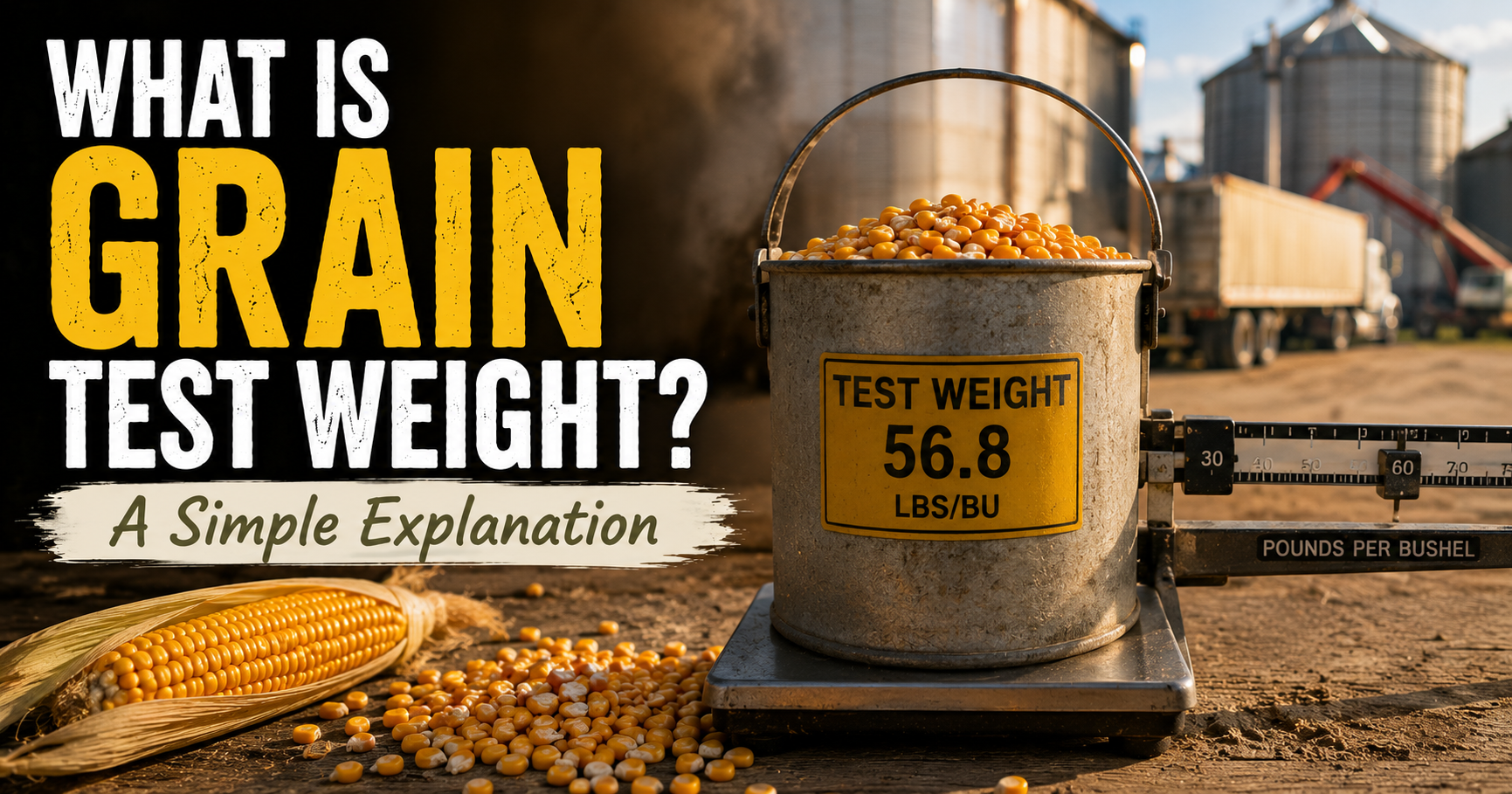
No. Moisture is one of several quality measurements. Grain samples may also be evaluated for test weight, foreign material, damaged kernels, and other grading factors before the load is accepted.
One Small Number With a Huge Impact
Before I started learning about grain handling, I never imagined that a moisture percentage could influence so much.
Now I understand why it’s one of the very first things checked when a truck arrives at a grain elevator.
That single measurement helps determine how the grain will be stored, whether it needs to be dried, how much it may cost to prepare for storage, and even how the crop is marketed.
It’s another reminder that harvest doesn’t end when the combine fills the truck.
From that point forward, every load continues through a carefully managed system designed to protect the quality of the grain all the way from the field to its final destination.
Author: Jake Harrison
Jake Harrison is a commercial transportation writer for TruckingResource.com who specializes in CDL training, trucking safety, commercial vehicles, freight operations, and agricultural transportation. He works with the TruckingResource.com editorial team to create practical, beginner-friendly guides that explain how trucking and modern agriculture work together.