Before I started my first trucking job, I assumed the busiest highways would be the hardest part.
I was wrong.
The roads that have gotten my attention the most aren’t four-lane highways.
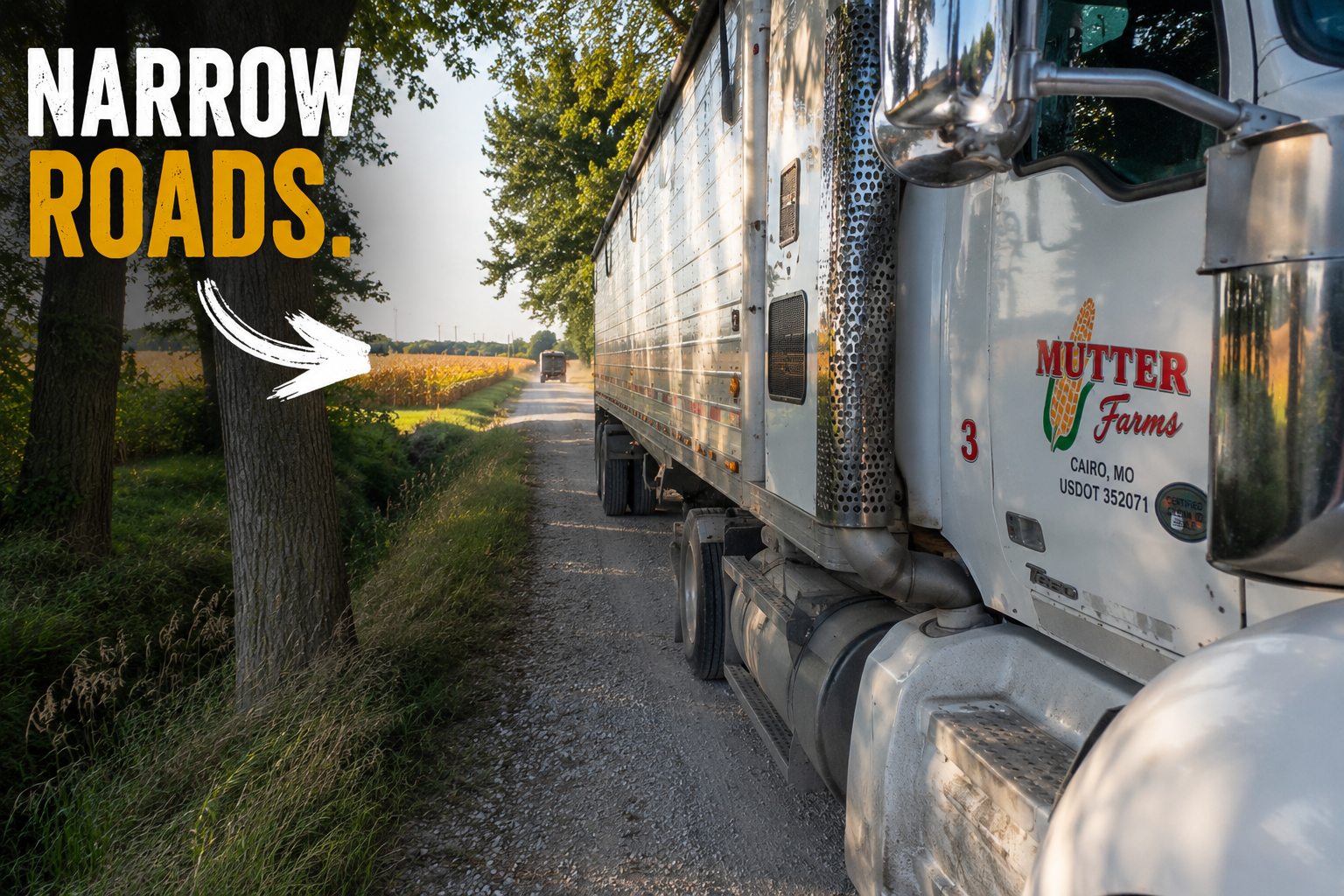
They’re narrow county gravel roads leading to farm fields.
Some barely seem wide enough for two vehicles to comfortably pass.
Some have deep ditches running alongside them.
Others have county road signs, mailboxes, culverts, or trees sitting right where your trailer wants to track during a turn.
Those roads taught me something very quickly.
Driving slowly isn’t a weakness.
It’s one of the smartest things you can do.
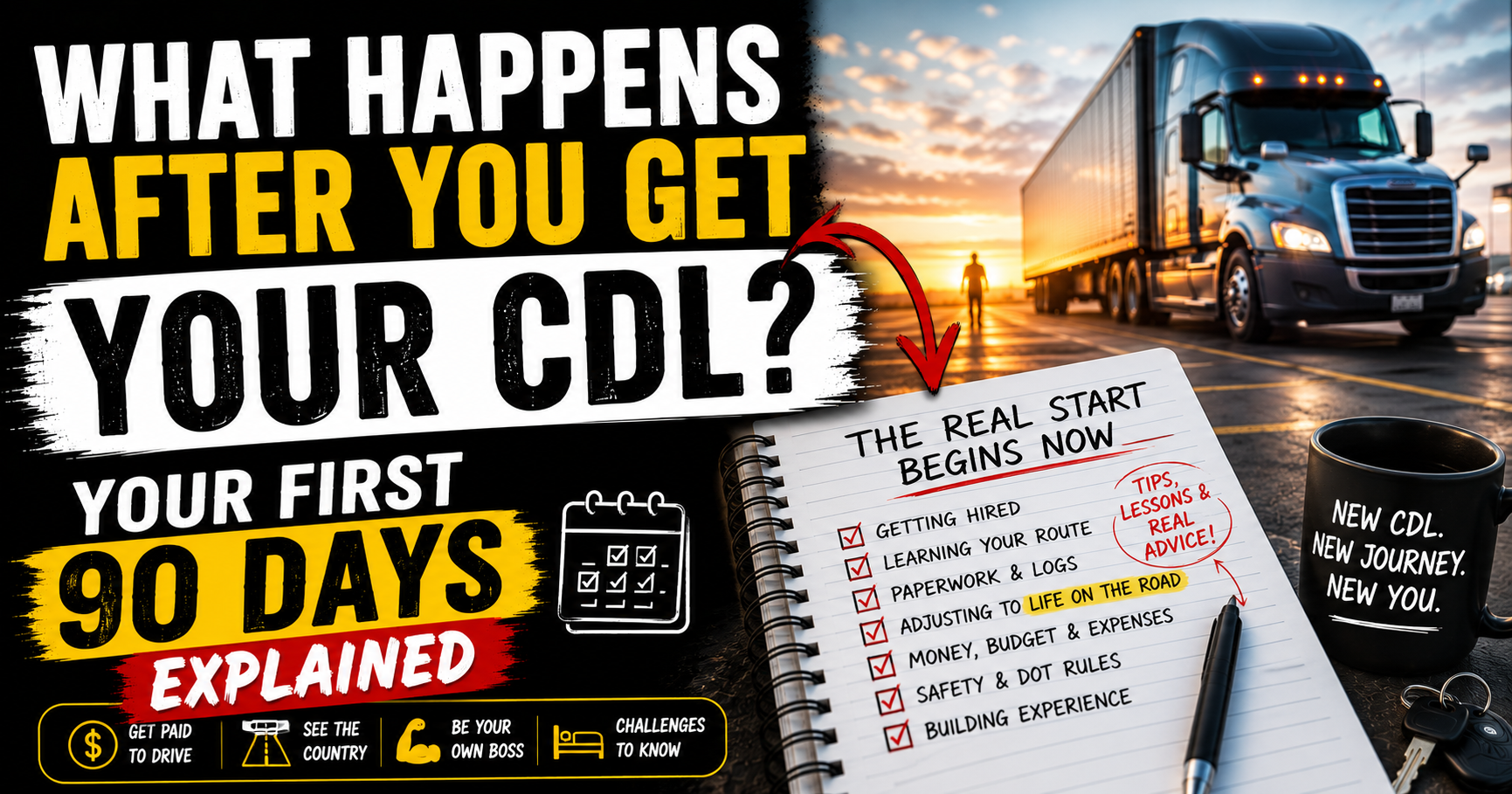
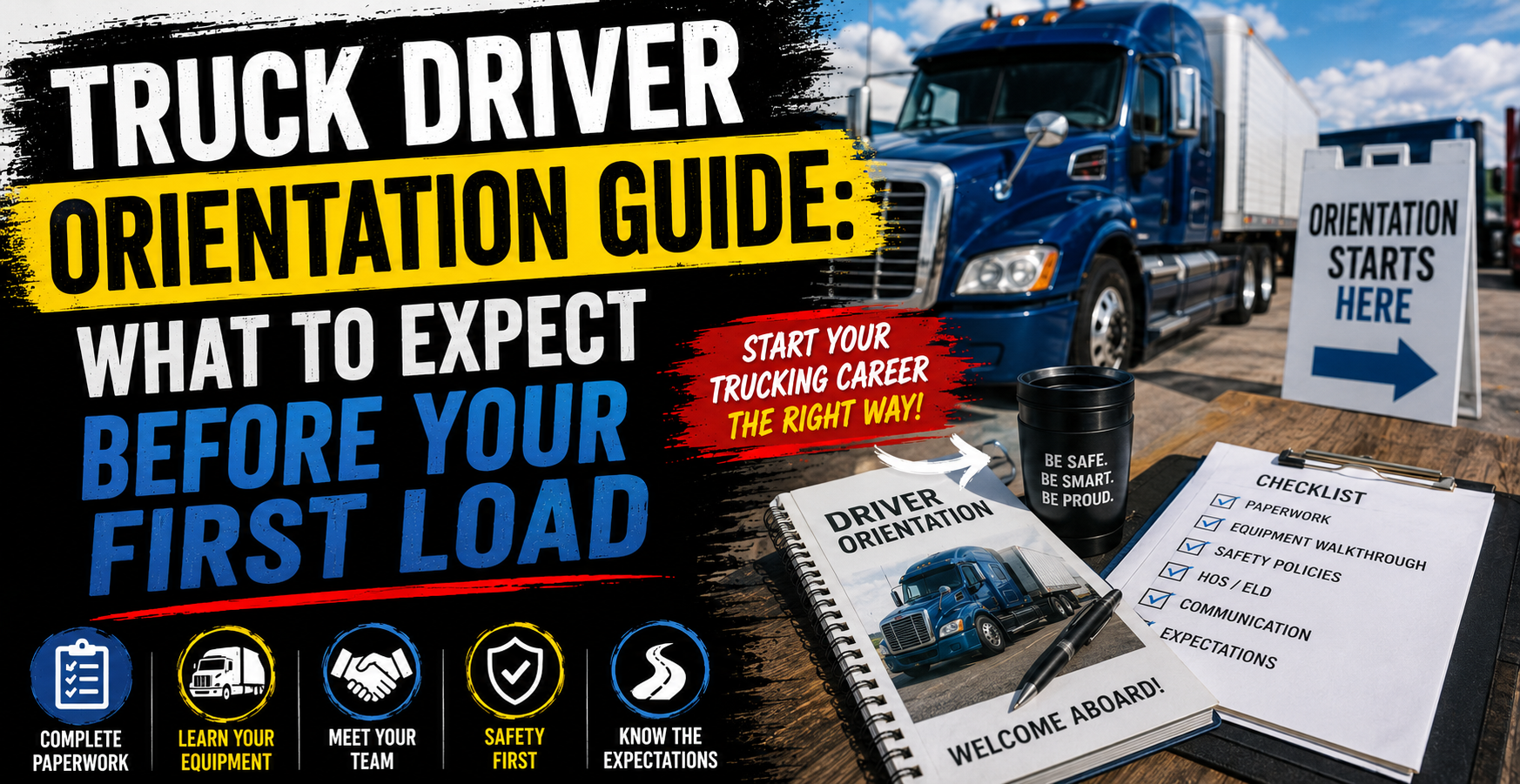
If you’re wondering how I ended up hauling corn during harvest after earning my CDL, I shared that story in My First Day as a Truck Driver What It Was Really Like.
Every Gravel Road Is Different
One thing I’ve learned is never to assume two roads are the same.
Some are well maintained and fairly wide.
Others have loose gravel that shifts under your tires.
Some have grass growing down the middle because they aren’t traveled very often.
Some have shoulders that look solid until you realize they’re much softer than they appear.
I’ve gotten into the habit of slowing down early and taking a few extra seconds to evaluate what I’m driving into instead of assuming every road will behave the same way.
Turning Takes More Planning Than Most People Realize
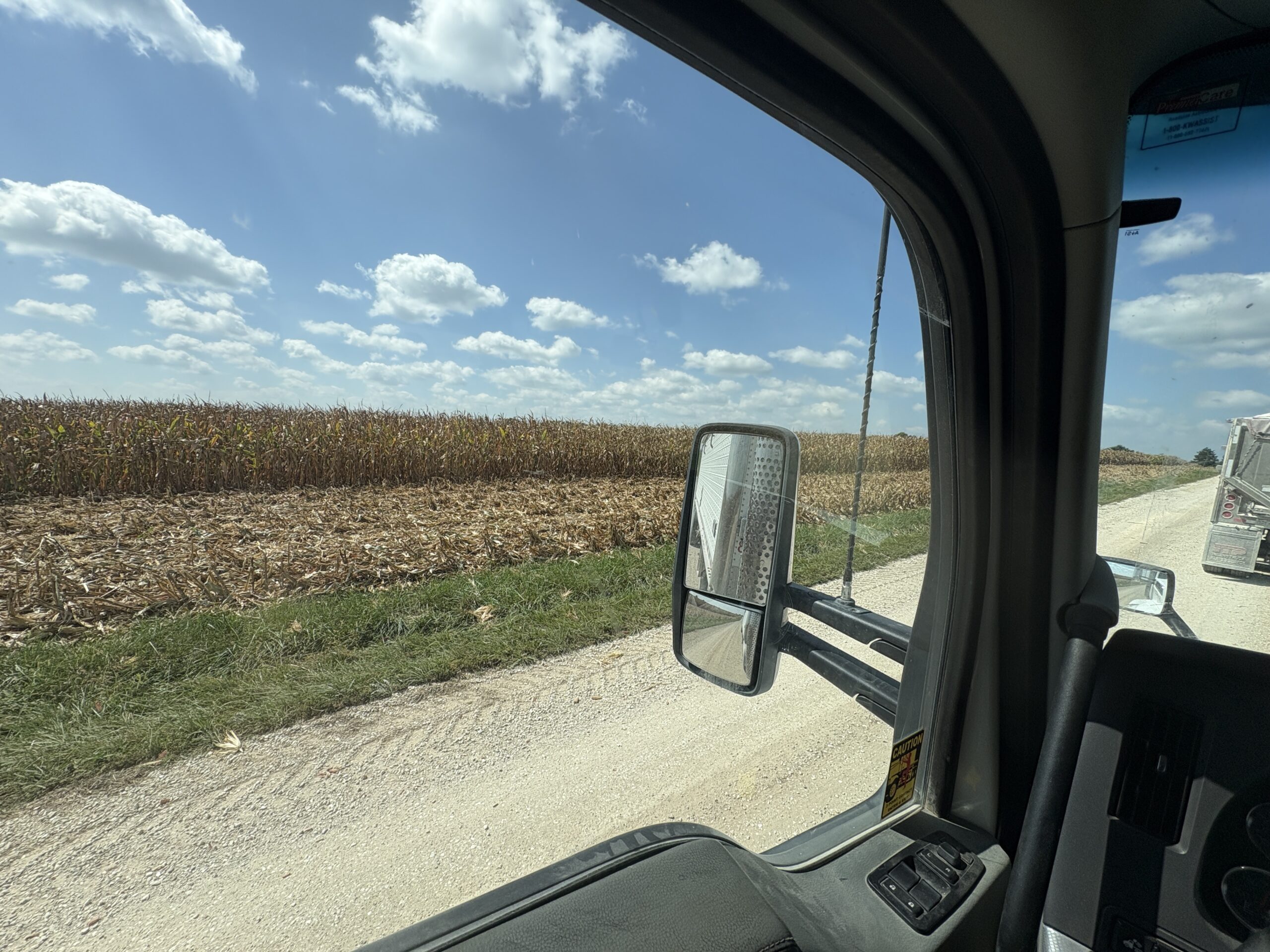
The turns are where I pay the closest attention.
Making a right turn from a paved road onto a narrow gravel road isn’t simply a matter of turning the steering wheel. The reasons behind those cautious movements are explained in why loaded grain trucks slow down.
I’m watching where my trailer tires are going.
I’m looking at the county road sign.
I’m checking for mailboxes.
I’m making sure I stay away from the ditch.
I’m watching my mirrors the entire time.
At the same time, I’m paying attention to traffic behind me and looking for vehicles coming the other direction.
It sounds like a lot.
After you’ve done it a while, those things begin happening naturally.
But they still require patience.
Don’t Let Other Drivers Rush You
This has probably been my biggest lesson so far.
Most people are patient.
They understand a loaded semi truck needs room.
Others…
Not so much.
I’ve had vehicles come up behind me while I’m setting up for a turn, and it’s obvious they’re wondering why I’m not moving faster.
The truth is simple.
I’m not trying to make the turn quickly.
I’m trying to make it safely.
If taking another few seconds means my trailer clears the county road sign, stays out of the ditch, and keeps everyone safe, that’s exactly what I’m going to do.
Nobody’s schedule is more important than getting through the turn safely.
Looking Far Ahead Makes Everything Easier
One habit that’s already become much stronger is looking farther down the road.
Instead of focusing only on what’s directly in front of the truck, I’m constantly scanning ahead.
Is another vehicle coming?
Is there farm equipment around the next bend?
Does the road narrow?
Is there loose gravel where I need to stop?
Those extra few seconds of planning make almost every situation easier to handle.
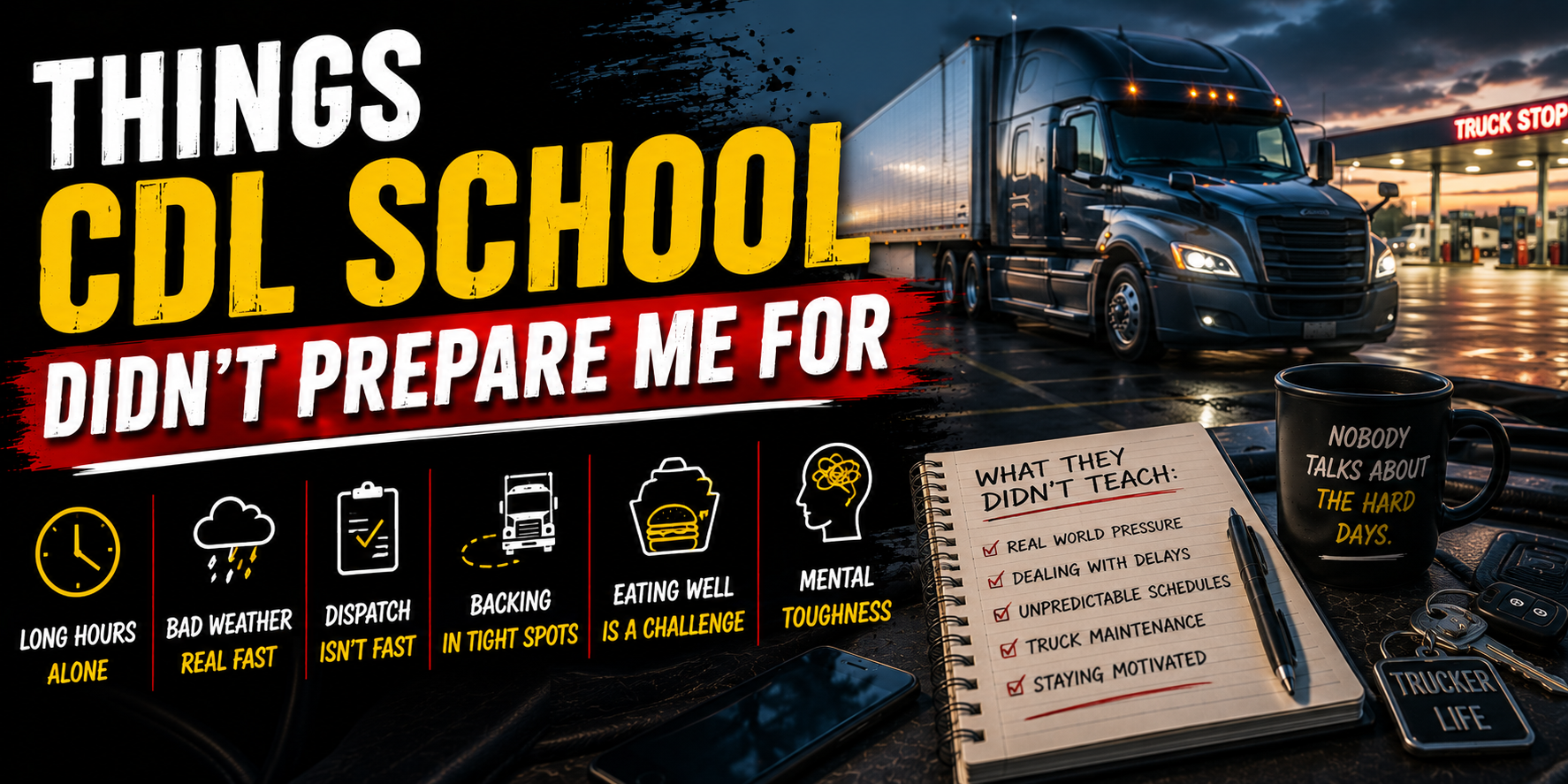
I didn’t fully appreciate that lesson during CDL school, but I use it every day now. New drivers may find more perspective in lessons CDL school doesn't cover, especially when classroom training gives way to everyday road experience.
Dust Changes the Way You Drive
One thing I never really thought about before this job was dust.
On dry days, it doesn’t take much traffic to create a cloud that hangs over the road.
Sometimes another truck, tractor, or pickup can kick up enough dust that visibility drops quickly.
When that happens, I’ve learned the best thing I can do is slow down.
There’s no reason to drive into a cloud of dust hoping the road will magically clear.
I’d much rather lose a few seconds than find myself meeting another vehicle I couldn’t see.
Harvest creates enough challenges already.
There’s no reason to add unnecessary risk.
Soft Shoulders Deserve Respect
From the driver’s seat, it isn’t always easy to tell where the solid road ends and the soft shoulder begins.
That’s especially true after a rain.
Some shoulders look perfectly fine until several tons of truck weight find the weak spot.
One thing I’ve learned is that it’s usually better to stay patient and wait for another vehicle than crowd the edge of the road trying to squeeze by.
Recovering from a truck stuck on the shoulder is a much bigger problem than waiting another thirty seconds.
Meeting Farm Equipment Takes Patience
Harvest means you’re sharing the road with more than just cars.
Combines.
Grain carts.
Tractors.
Large implements.
Some of them take up a lot of road.
When I see equipment coming toward me, I immediately start thinking about where we’ll safely meet.
Sometimes that means slowing down.
Sometimes it means stopping.
Sometimes it means waiting until they clear a bridge or narrow section before moving forward.
Nobody wins by trying to force two oversized vehicles through a space that isn’t big enough.
Weather Can Change Everything
The same gravel road can feel completely different from one day to the next.
Dry conditions create loose gravel and dust.
Rain changes everything.
The road may become slick.
The shoulders may soften.
Field entrances may become muddy.
I’ve learned not to assume today’s road conditions will be the same as yesterday’s.
Every trip starts with paying attention to what’s actually in front of me.
Experience Builds Confidence
I won’t pretend these roads don’t still make me pay attention.
They do.
But they’ve become much less intimidating than they were during my first few days.
The biggest reason isn’t that the roads changed.
It’s that I’m gaining experience.
I’m beginning to recognize situations earlier.
I’m planning turns farther in advance.
I’m trusting the habits that CDL school helped build.
That’s one of the biggest lessons I’ve learned so far.
Confidence doesn’t suddenly appear one morning.
It grows a little with every safe trip.
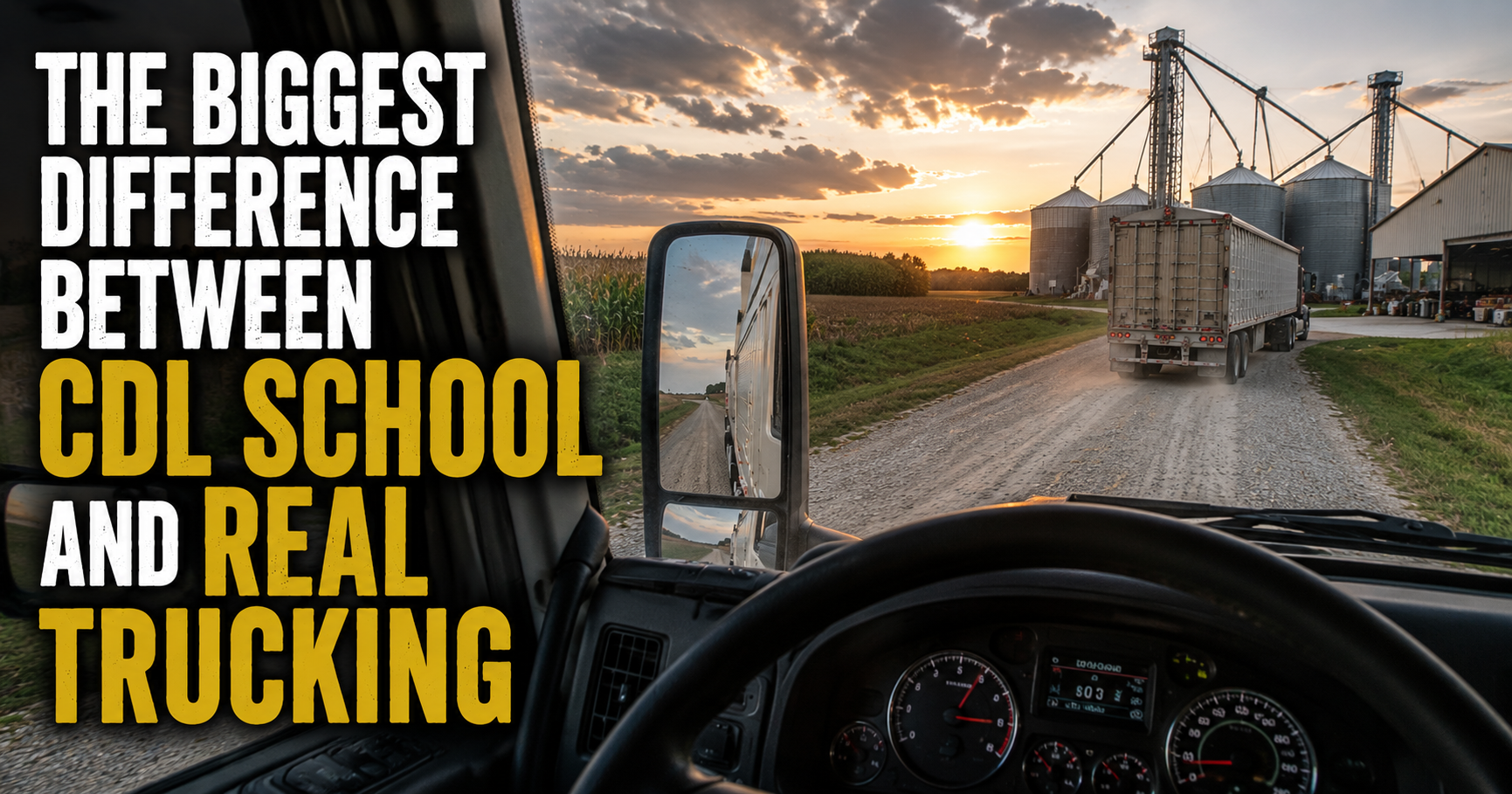
I talked more about that transition in The Biggest Difference Between CDL School and Real Trucking because real-world experience has taught me things no classroom could.
A Few Things That Make Gravel Roads Easier
There isn’t one magic trick.
It’s a combination of good habits.
Slow down before you need to.
Keep your eyes moving.
Check your mirrors often.
Give yourself room.
Never let another driver’s impatience change your decision-making.
Those simple habits have already made me a better driver than trying to rush through situations ever could.
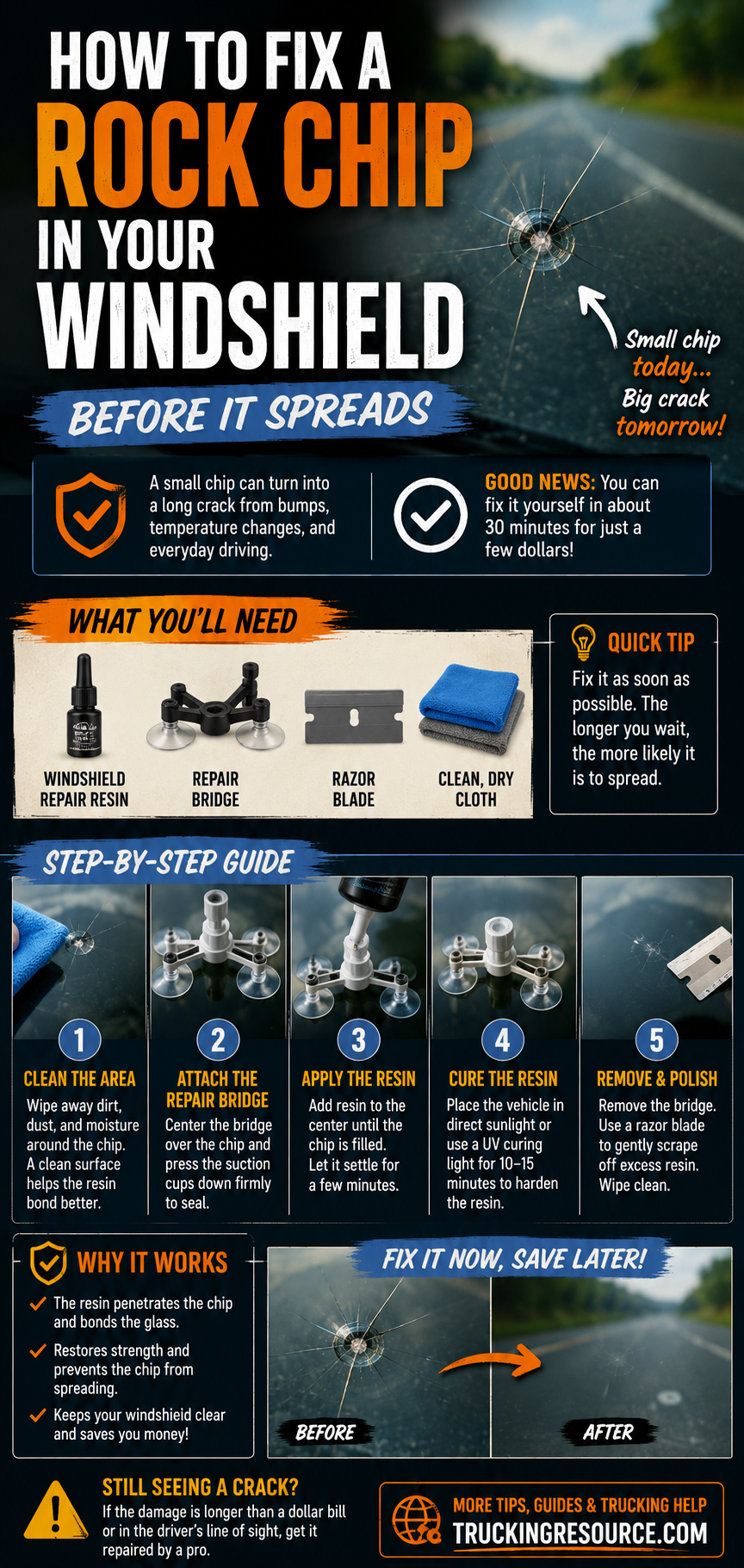
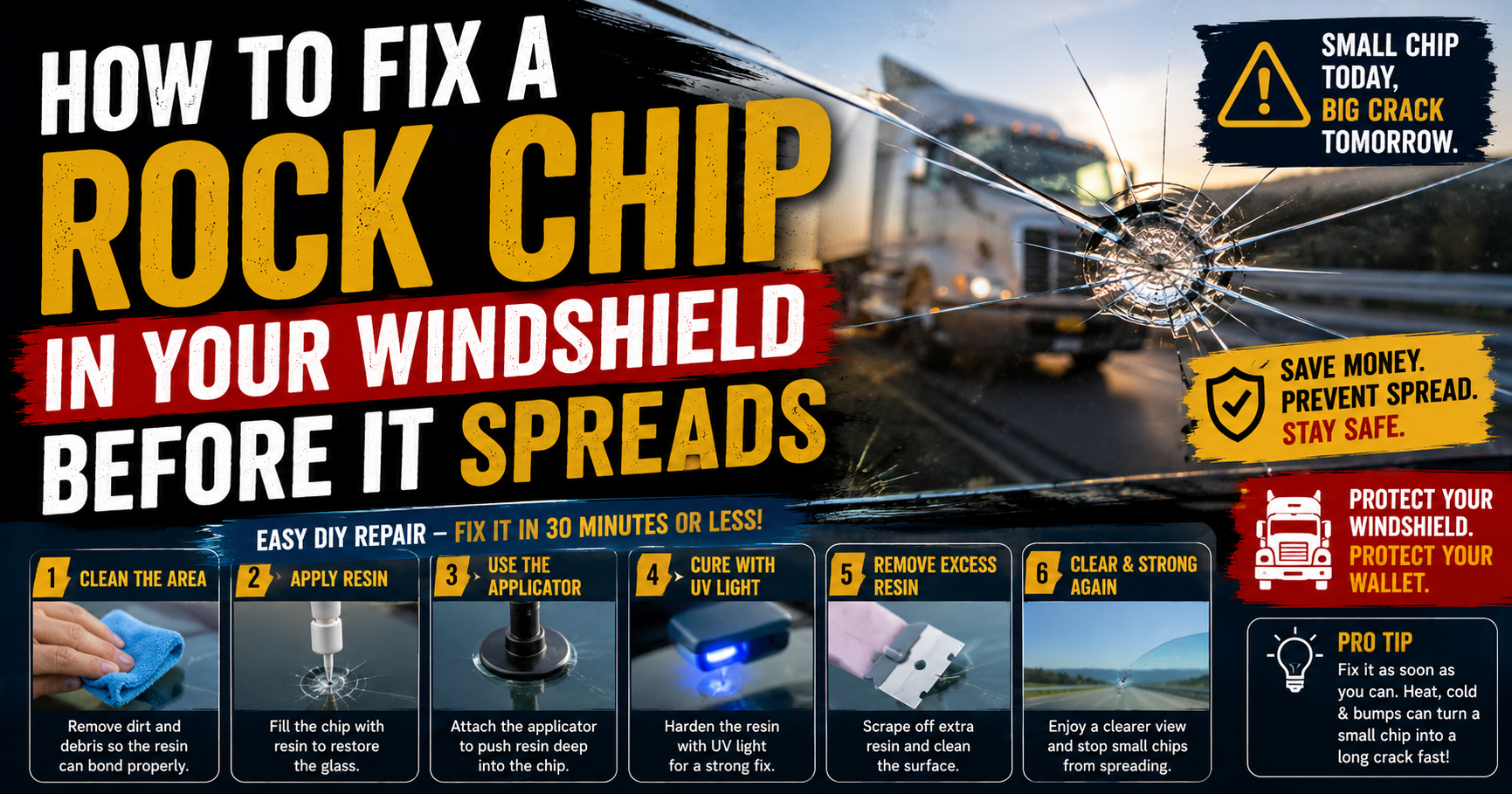
A comfortable pair of polarized sunglasses has also been one of the most useful things I carry. On bright afternoons they make it much easier to see the edge of gravel roads, road signs, and oncoming traffic through dust and glare. Gravel roads can also send stones toward the glass, so knowing how to fix a fresh windshield chip before it spreads is useful for regular drivers.
Frequently Asked Questions
Are gravel roads harder than highways in a semi?
In my experience, yes. Highways are generally wider, have better shoulders, and give you more room to work with. Narrow gravel roads require much more planning, especially when turning or meeting other traffic.
What should you do if another driver is rushing you?
Don’t let them dictate your decisions. Stay focused on making the safest choice for your truck, your load, and everyone around you. If that means taking a few extra seconds to complete a turn safely, it’s worth it.
Can a loaded grain truck drive on muddy gravel roads?
It depends on the conditions. After heavy rain, some roads and field entrances may become much softer. That’s one reason harvest schedules often change with the weather.
What’s the biggest lesson you’ve learned driving on gravel roads?
For me, it’s that patience solves a lot of problems. Almost every situation becomes easier when I slow down, look farther ahead, and avoid letting other traffic pressure me into rushing.
Respect the Road and Take Your Time
When I first started hauling grain, I thought highways would be the most challenging part of the job.
Instead, the narrow county gravel roads taught me some of the biggest lessons.
They taught me patience.
They taught me to plan farther ahead.
They reminded me that smooth, deliberate driving almost always beats trying to hurry.
I’m still learning every day, but one thing has already become clear.
The safest truck drivers aren’t usually the fastest.
They’re the ones who consistently make good decisions, no matter what kind of road they’re driving.
Author: Jake Harrison
Jake Harrison is a commercial transportation writer for TruckingResource.com who specializes in CDL training, trucking safety, commercial vehicles, and freight operations. He works with the TruckingResource.com editorial team to create practical, beginner-friendly resources that help new drivers build confidence and develop safe driving habits.