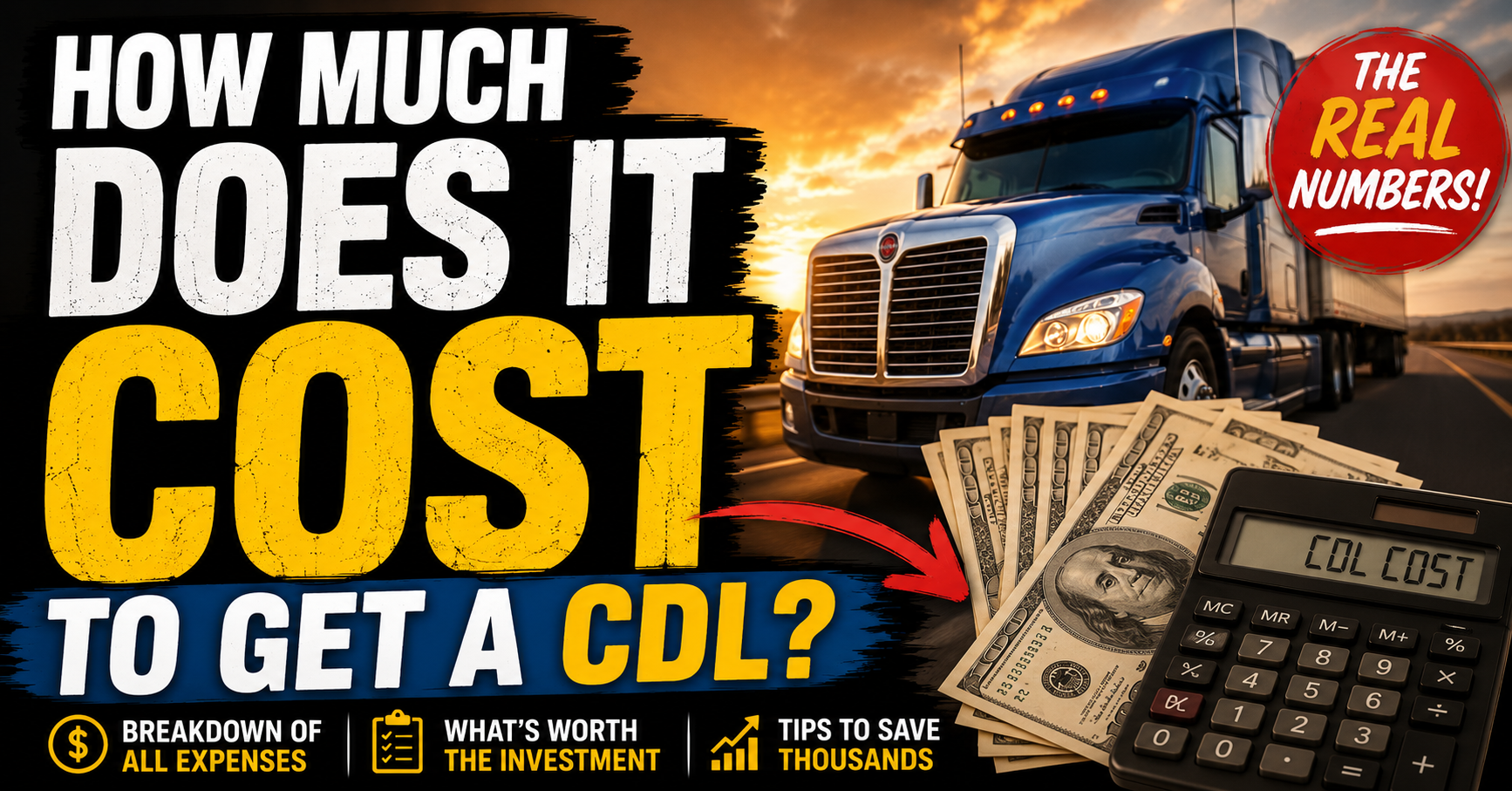
One of the first questions I hear from people thinking about becoming a truck driver is, “How much is this actually going to cost me?”
It’s a fair question.
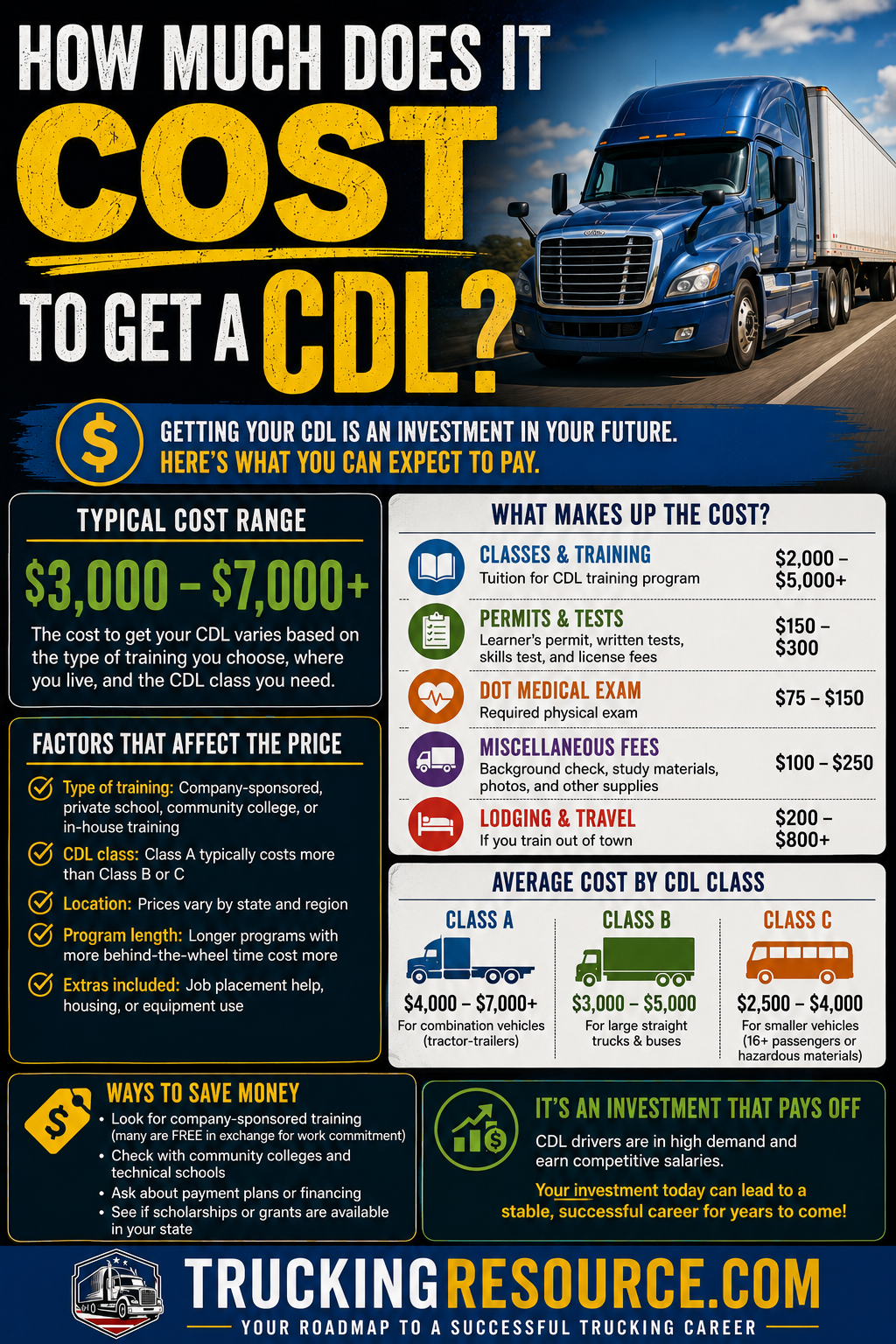
Getting your Commercial Driver’s License isn’t free, but it also doesn’t have to break the bank. The total cost depends on where you live, the type of CDL you’re getting, the school you choose, and whether an employer helps pay for your training.
I’ve met drivers who paid nearly everything out of pocket, and I’ve known others who earned their CDL with little to no upfront cost because they joined a company-sponsored training program.
The important thing is understanding what you’re paying for before you enroll.
In this guide, I’ll break down the most common CDL expenses, explain why prices vary so much, and share a few ways you may be able to reduce the cost of getting your license.
If you’re still deciding which license you need, start by reading our guide on Class A vs Class B vs Class C CDL: What’s the Difference?. Knowing your career goals before paying for training can save you both time and money.
The Average Cost of Getting a CDL
There isn’t one single price that fits everyone.
Some people spend only a few hundred dollars because an employer covers most of the expenses. Others invest several thousand dollars by attending a private CDL school.
Your total cost may include:
- CDL school tuition
- DOT medical exam
- CDL permit fees
- Skills test fees
- License fees
- Endorsement testing
- Study materials
- Travel expenses, if your school is far from home
The biggest expense for most people is usually CDL training.
CDL School Tuition
Tuition is where you’ll spend the majority of your money if you’re paying for everything yourself.
Prices vary depending on:
- Your state
- The length of the program
- Whether you’re earning a Class A or Class B CDL
- The amount of behind-the-wheel training
- The school’s reputation
A school that offers more driving time, newer equipment, and experienced instructors may charge more than a smaller program.
That doesn’t automatically make it a better school, but it’s something to consider.
When comparing schools, don’t focus only on the tuition price.
Ask questions like:
- How much actual driving time will I get?
- What is the student-to-instructor ratio?
- What percentage of students pass the CDL skills test?
- Does the school help with job placement?
- Are there additional fees not included in tuition?
Sometimes a slightly more expensive school provides much better training, making it well worth the extra investment.
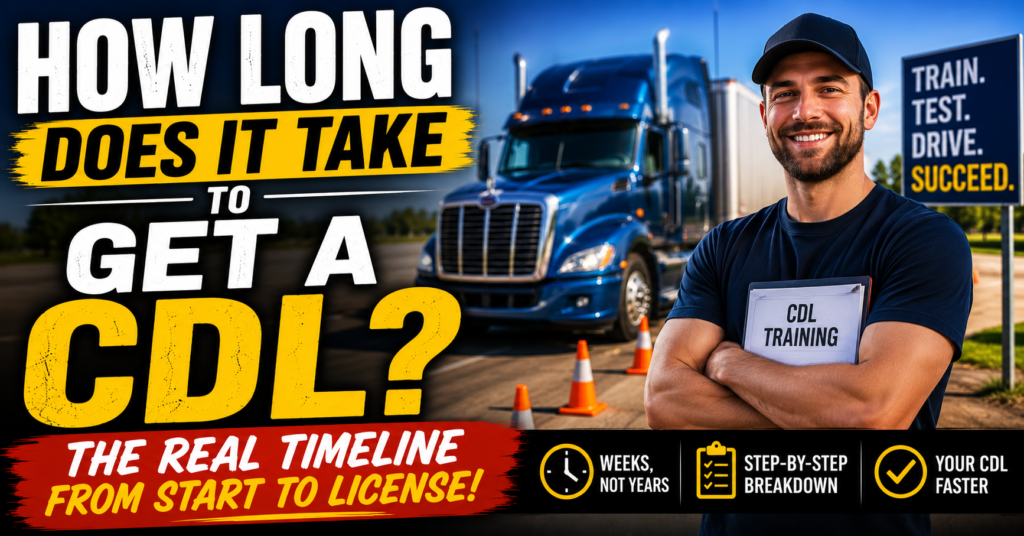
Cost is only one part of the decision. Time is another factor many future drivers overlook. Some students attend school full-time and finish much sooner than those balancing training around a full-time job or family responsibilities. If you’re wondering what kind of timeline to expect, our guide on how long it takes to get a CDL explains the different factors that can affect how quickly you can earn your commercial driver’s license.
DOT Medical Exam
Before you can receive your CDL, you’ll need to pass a DOT medical examination performed by a certified medical examiner.
The exam is designed to make sure you’re physically able to safely operate a commercial vehicle.
During the appointment, the examiner will typically check:
- Vision
- Hearing
- Blood pressure
- General health
- Medical history
- Current medications
The cost of the exam varies by provider and location, so it’s worth calling a few certified clinics before scheduling your appointment.
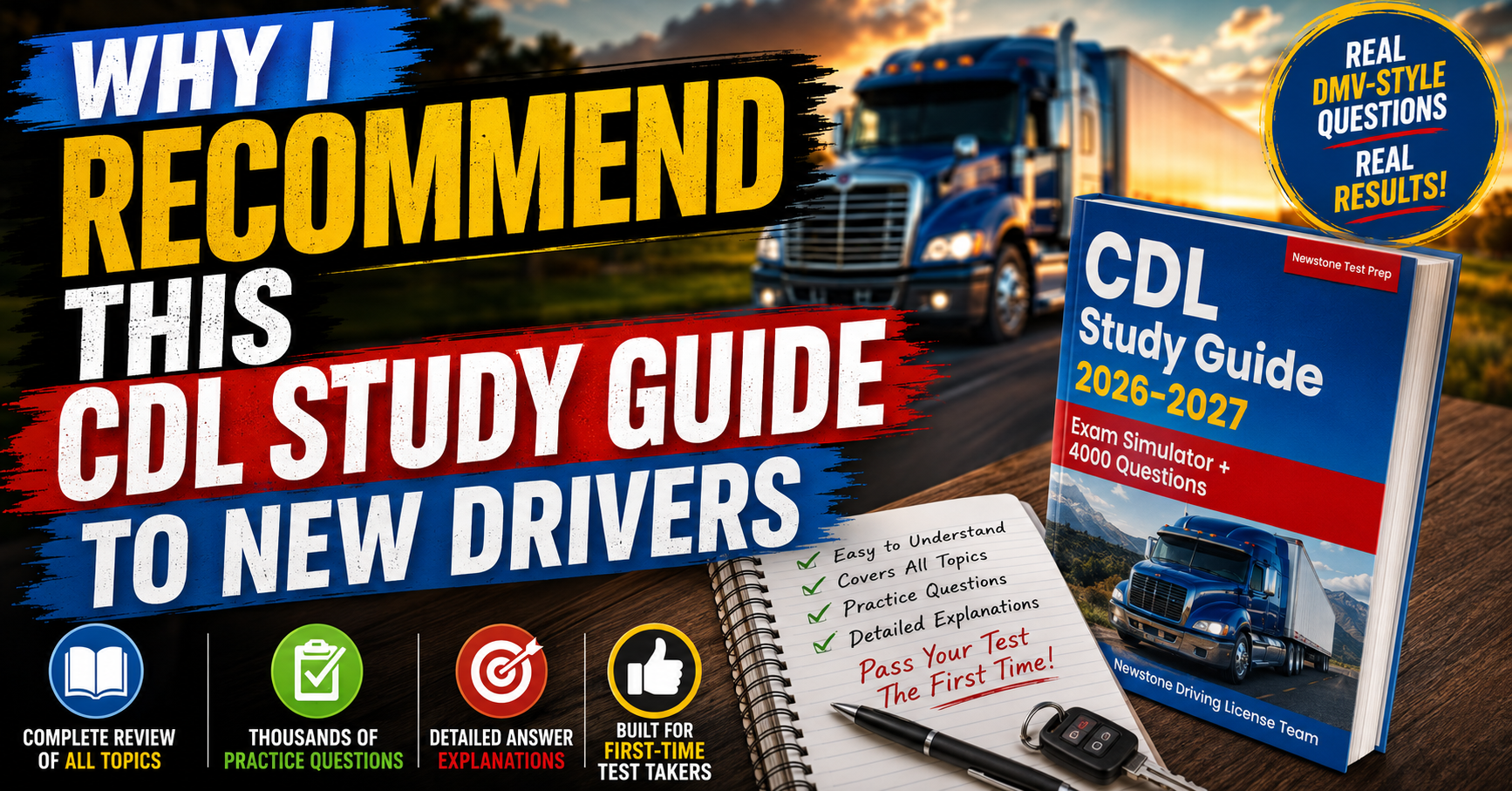
One resource I recommend keeping beside your CDL manual is our recommended CDL study guide. It includes realistic practice questions and detailed explanations that can help reinforce what you’re learning.
CDL Permit Fees
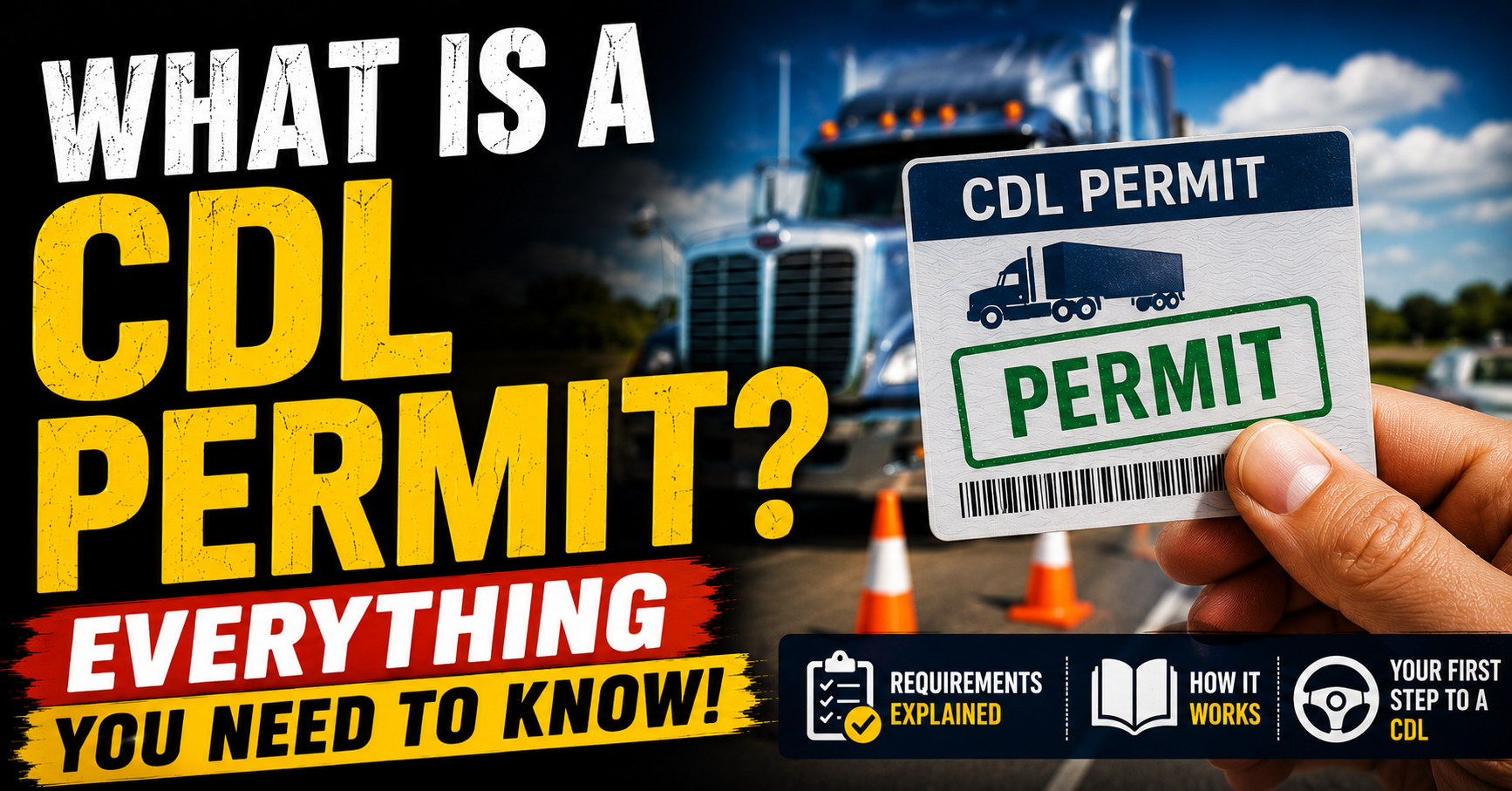
Before you ever climb into the driver’s seat for training, you’ll need your Commercial Learner’s Permit (CLP). A clear explanation of What Is a CDL Permit? Everything You Need to Know can help you understand this early licensing expense and requirement.
To earn your permit, you’ll take written knowledge tests covering subjects such as:
- General knowledge
- Air brakes
- Combination vehicles
- Any endorsements you’re pursuing
Permit fees differ from one state to another, so check with your state’s licensing agency for current pricing.
Although permit fees are usually one of the smaller expenses, they’re still something you’ll want to include in your overall budget.
CDL Skills Test Fees
Once you’ve completed your training, you’ll take your CDL skills test.
This typically includes:
- Pre-trip inspection
- Basic vehicle control
- Road test
Some schools include testing in their tuition, while others charge separately.
If you don’t pass on your first attempt, there may also be fees for retesting.
That’s another reason to take your training seriously.
Being fully prepared the first time can save both money and frustration.
CDL License Fees
After successfully passing your exams, you’ll pay your state licensing fee before receiving your Commercial Driver’s License.
Like permit fees, this amount varies depending on where you live.
Although it’s one of the smaller expenses, don’t forget to include it when planning your budget.
Endorsements May Cost Extra
Some trucking jobs require additional endorsements beyond your standard CDL.
Common endorsements include:
- Tanker
- Hazardous Materials
- Passenger
- School Bus
- Doubles and Triples
Each endorsement may involve additional written tests, background checks, or licensing fees.
If you already know the type of trucking job you want, ask potential employers which endorsements they require before spending money on ones you may never use.
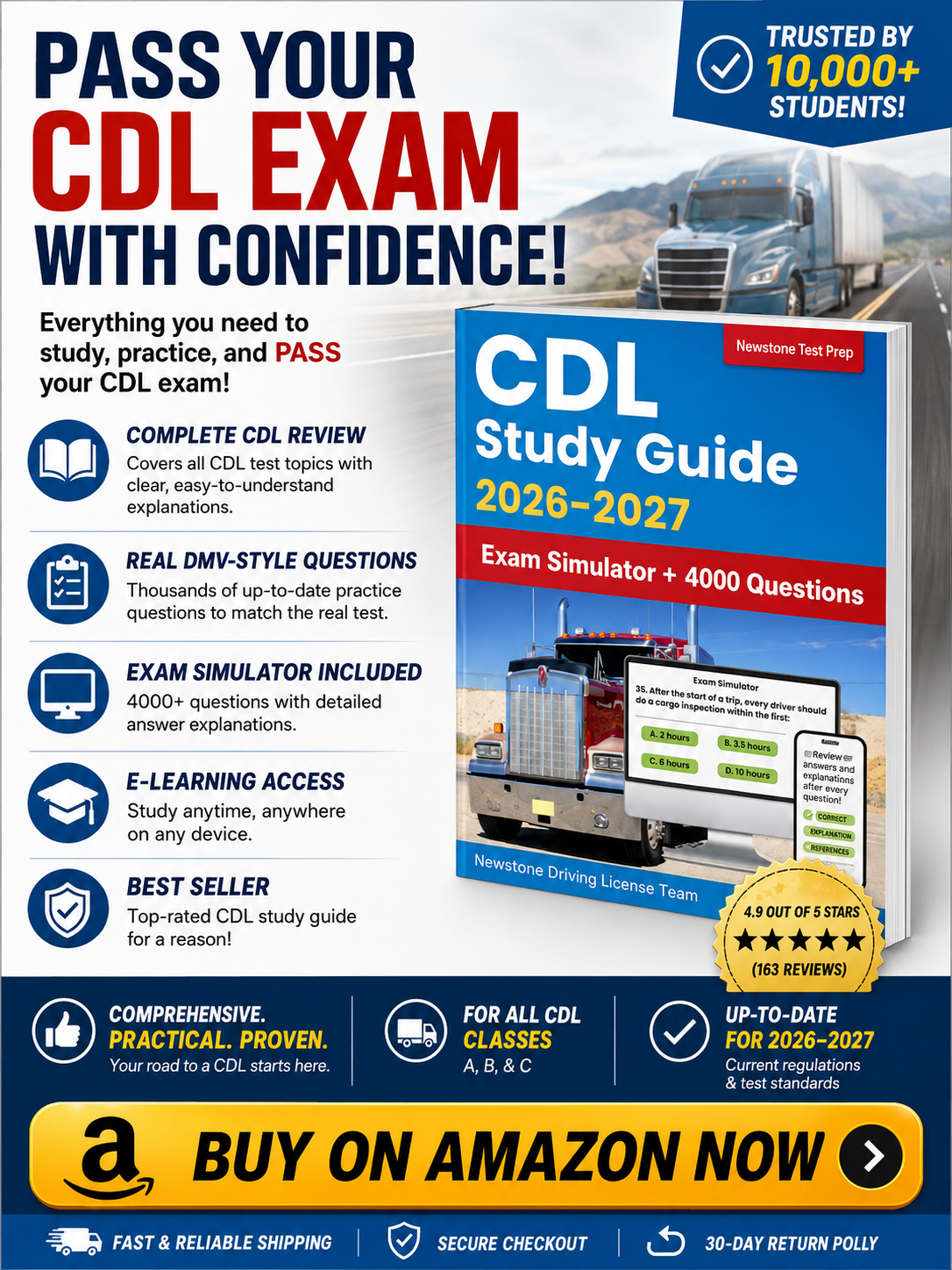
One expense that’s actually worth budgeting for is a quality study guide. Spending a little money on good preparation can save you from paying retesting fees if you don’t pass the written exam the first time. If you’re looking for one resource I regularly recommend, take a look at the CDL Study Guide: Complete Review + Real DMV-Style Questions and Detailed Answer Explanations. It includes thousands of practice questions and detailed explanations that make studying much easier.
Company-Sponsored CDL Training
One option many new drivers consider is company-sponsored CDL training.
Instead of paying tuition yourself, a trucking company pays for part or all of your training.
In exchange, you’ll usually agree to work for that company for a certain period after earning your CDL.
For some people, this is an excellent way to start a trucking career without paying thousands of dollars upfront.
However, be sure to read every agreement carefully.
Ask questions about:
- Length of the employment commitment
- Starting pay
- Training pay
- What happens if you leave early
- Whether tuition must be repaid
Not all programs are the same.
Understanding the agreement before signing anything can prevent unpleasant surprises later.

Can You Get Financial Assistance for CDL Training?
If paying for CDL school out of pocket isn’t realistic, don’t assume you have to put your plans on hold.
Depending on your situation, there may be programs that can help cover some or all of your training costs.
Possible sources of financial assistance include:
- Workforce development programs
- Veterans benefits
- Employer-sponsored training
- State job training programs
- Scholarships offered by some CDL schools
- Private financing through the school
Every program has different eligibility requirements, so it’s worth asking schools what options they offer before deciding how you’ll pay.
You may be surprised by the assistance that’s available.
Is the Cheapest CDL School the Best Choice?
Not necessarily.
When I first started talking with other drivers, I heard plenty of stories about schools that promised quick training but rushed students through the program.
Some graduates passed their CDL test but didn’t feel confident backing a trailer or handling busy traffic on their own.
Others attended schools that spent extra time behind the wheel, and you could tell the difference when they started working.
Instead of looking only at the price, compare schools based on things like:
- Instructor experience
- Amount of actual driving time
- Equipment quality
- Student reviews
- Job placement assistance
- Graduation rates
- CDL skills test pass rates
Saving a few hundred dollars isn’t worth it if you leave school feeling unprepared for your first job.
Quality training is an investment in your future.
Hidden Costs Many New Drivers Forget
When planning your budget, don’t forget about the smaller expenses.
Individually they may not seem like much, but together they can add up.
Some examples include:
- Fuel for driving to school each day
- Meals while attending training
- Hotel costs if your school isn’t nearby
- Time away from work
- Additional endorsement testing
- Retesting fees if you don’t pass an exam the first time
Thinking about these costs ahead of time can help you avoid unexpected surprises during training.
Is Getting a CDL Worth the Cost?
From my perspective, absolutely.
I’ve spent more than two decades driving commercial trucks, and earning my CDL was one of the best career decisions I ever made.
Like any investment, there are upfront costs.
But unlike many expensive college degrees, a CDL can often lead to employment much sooner.
The trucking industry continues to need qualified drivers in many parts of the country, giving motivated new drivers an opportunity to begin earning relatively quickly after completing their training.
Of course, trucking isn’t for everyone.
There are long days, changing weather, traffic, and plenty of responsibility that comes with operating large commercial vehicles.
But if you enjoy driving, solving problems, and working independently, the cost of getting a CDL can pay for itself many times over during your career.
Ways to Save Money While Getting Your CDL
Over the years, I’ve picked up a few ideas that can help keep your costs under control.
One of the smartest things you can do is compare several CDL schools before making a decision.
Don’t enroll in the first program you find.
Take time to ask questions, tour the facility if possible, and understand exactly what’s included in the tuition.
It’s also worth checking whether local employers offer paid training or tuition reimbursement programs.
If you already know which endorsements you’ll need for the type of driving you want to do, focus on earning those first instead of paying for endorsements you may never use.
Finally, study hard for your permit and skills test.
Passing everything the first time saves both money and valuable time.
Before You Spend Any Money
One piece of advice I always give new drivers is this:
Make sure you’re pursuing the right CDL before paying for training.
If you’re planning to drive a tractor trailer, you’ll likely need a Class A CDL.
If your goal is to operate a dump truck, straight truck, or city bus, a Class B CDL may be a better fit.
Choosing the correct license from the beginning can help you avoid paying for additional training later.
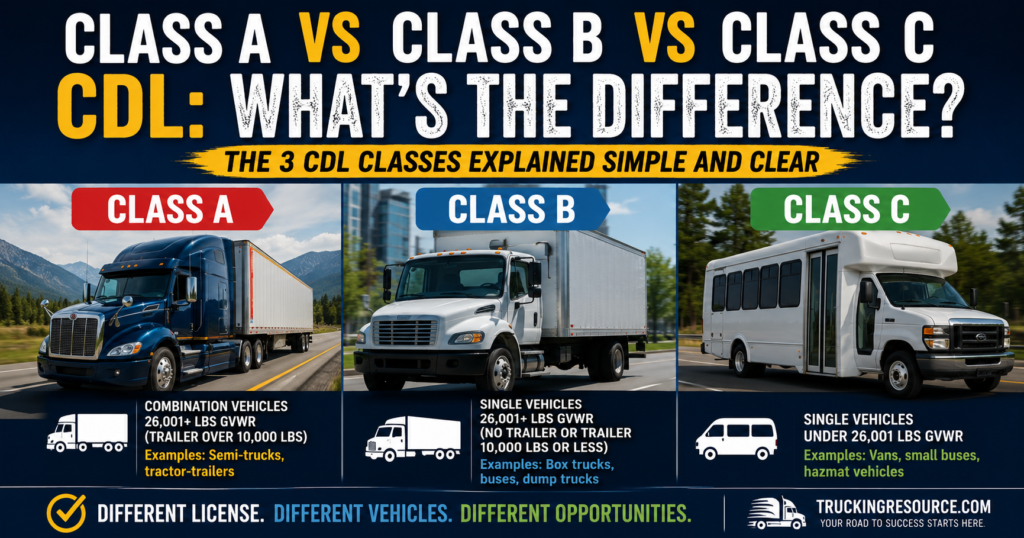
If you’re still unsure, take a few minutes to read our guide on Class A vs Class B vs Class C CDL: What’s the Difference? before enrolling in school.
You should also read our How to Get a CDL: Step-by-Step Guide for New Drivers if you haven’t already. It walks you through the entire licensing process from your learner’s permit to passing the CDL skills test.
As Trucking Resource continues to grow, we’ll keep adding practical guides to help you make informed decisions before investing your time and money into a trucking career. You can also explore all of our articles anytime on our Trucking Topics page.
Author
Kevin Lawson
Kevin Lawson is a diesel mechanic and former fleet maintenance manager with more than 28 years of experience working alongside commercial drivers, owner-operators, and trucking companies. Throughout his career, he’s helped train new drivers, inspected commercial equipment, and advised fleets on maintenance and operating costs. He enjoys helping future truck drivers understand the financial side of getting started so they can make informed decisions from day one.